In the intricate world of business-to-business (B2B) commerce, a single sale is rarely a quick transaction; it often involves a dozen or more stakeholders and a sales cycle that can span months, if not a full year. Unlike business-to-consumer (B2C) marketing, which frequently targets impulse buys, B2B social media marketing is fundamentally about cultivating trust and establishing long-term relationships with a collective of sophisticated decision-makers. This guide delves into the channels, content, and measurement methodologies that truly resonate in the B2B sphere, demonstrating how social media can drive tangible business results.
The Distinctive Nature of B2B Social Media Marketing

B2B social media marketing is defined by its strategic application of social platforms to promote products and services from one business to another. Its primary audience comprises key figures deeply embedded in business decisions, such as founders, executives, managers, and department heads. The overarching goals typically revolve around generating brand awareness, fostering thought leadership, driving qualified leads, enhancing customer engagement, and ultimately supporting sales enablement. Common platforms include professional networks like LinkedIn, but increasingly extend to general consumer platforms such as Facebook, Instagram, and YouTube.
The inherent differences between B2B and B2C marketing shape their respective social media approaches. B2B transactions are characterized by higher monetary value, longer sales cycles, and a multi-person buying committee, leading to decisions driven by logic, return on investment (ROI), and risk mitigation. In contrast, B2C decisions are often faster, lower-value, and influenced by emotion and personal preference. This distinction means B2B social strategies must prioritize education, credibility, and relationship-building, rather than immediate conversion. For instance, while a viral dance trend might work for a B2C brand, a B2B company thrives on demonstrating expertise and solving complex business problems through informative content.
Evolving Landscape: Platforms and Audiences

The selection of appropriate social media channels for B2B marketing is paramount, dictated by the target audience, available resources, and strategic objectives. While LinkedIn has historically been the undisputed leader for most B2B brands, its dominance is increasingly complemented by other platforms.
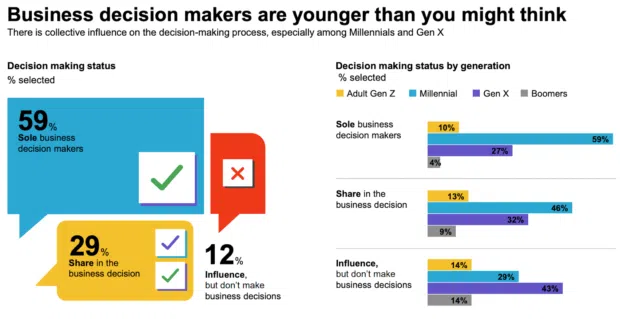
Identifying Your Audience’s Digital Footprint: The most effective platform is where your specific buyers and decision-makers actively engage. Marketers must ask: Where do our prospects seek knowledge, compare solutions, solicit peer advice, and follow industry thought leaders? For senior executives, LinkedIn remains indispensable; industry reports consistently show that a significant majority of Fortune 500 CEOs identify it as their primary professional social platform. However, the demographic shift in B2B purchasing power necessitates a broader view. Millennials now spearhead a substantial portion of buying decisions, influencing nearly 60% of procurement processes. This generational shift implies that platforms traditionally associated with B2C, such as Instagram or even TikTok, warrant strategic consideration if they align with the younger B2B buyer’s digital habits.
Beyond LinkedIn: A Multi-Platform Approach: While LinkedIn serves as a cornerstone for B2B engagement, a singular focus risks limiting reach and impact. Data reveals that YouTube consistently ranks among the most crucial platforms for B2B marketers, alongside Facebook and Instagram. This underscores that “general” platforms can carry significant B2B weight when the target audience is present. Therefore, a robust strategy begins with business-centric channels but remains agile enough to explore and test engagement on broader networks.
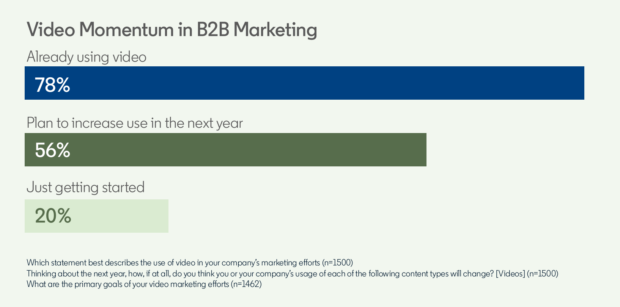
The Video Imperative: The notion that video content is exclusive to B2C brands chasing viral fame is outdated. Short-form video, thriving on platforms like Instagram Reels and TikTok, has emerged as a potent tool for B2B brands. Current trends indicate that a vast majority of B2B marketers (around 78%) actively incorporate video into their strategies, with a significant proportion planning increased investment in the coming year. LinkedIn itself has observed a notable year-over-year increase in B2B marketers utilizing video, noting that emotional and concise videos tend to achieve higher completion rates than overly polished, generic content. When evaluating video formats for ROI, short-form video leads the pack, followed closely by brand storytelling, testimonials, and product demonstrations, highlighting a preference for authentic, digestible content.
Strategic Platform Consolidation: For businesses new to social media or those seeking to optimize their efforts, it is advisable to concentrate on two to three platforms initially. This focused approach allows for building genuine traction and establishing efficient workflows before gradually expanding to new networks. Attempting to manage too many platforms simultaneously often leads to diluted efforts and inconsistent engagement.
Strategic Imperatives: Building a Robust B2B Social Presence
A successful B2B social media strategy begins with clear business objectives and then reverse-engineers the approach through audience identification, channel selection, content development, and rigorous measurement. Ten key tactics underpin this strategic framework:
1. Content Mapping to the Marketing Funnel: Effective B2B social content is meticulously mapped to each stage of the marketing funnel: Top of Funnel (TOFU) for awareness, Middle of Funnel (MOFU) for consideration, and Bottom of Funnel (BOFU) for decision.
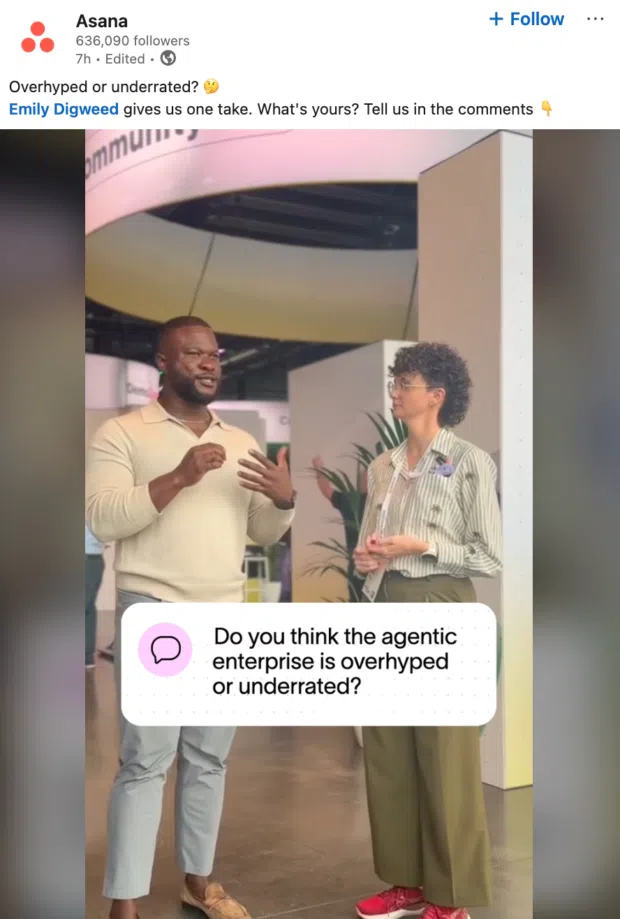
- TOFU (Awareness): This content aims to capture initial interest and introduce the brand. It doesn’t sell but provides value to get prospects on the radar. Examples include commentary on trending industry topics, educational carousels, myth-busting posts, and research insights. A common approach seen on platforms like LinkedIn is an executive from a software company sharing their “hot take” on an emerging technology, sparking discussion.
- MOFU (Consideration): Designed for buyers already familiar with the brand and actively evaluating options. This content helps them confidently assess offerings against competitors. Examples include webinars, checklists, comparison posts, expert interviews, use cases, product explainers, and newsletters. A tech company might host a webinar detailing a solution to a common industry pain point, showcasing their expertise.
- BOFU (Decision): This content is crucial for converting leads into customers and nurturing existing client loyalty. While social media rarely drives the final conversion alone, it reinforces trust and strengthens relationships. Examples include in-depth case studies, client testimonials, product demos, company culture stories, and social impact content. A software provider might share a customer success story, detailing quantifiable improvements achieved through their product.
2. Cross-Functional Alignment with Demand Generation and ABM Teams: Integrating the B2B social strategy with demand generation and account-based marketing (ABM) teams is critical. These teams possess invaluable insights into buyer behaviors, pain points, and effective messaging, which can significantly sharpen social media content. This alignment ensures a cohesive go-to-market strategy, where social media acts as an integrated component rather than a siloed channel. Collaborating on content calendars, sharing performance data, and leveraging ABM target account lists for social targeting enhances efficiency and impact.

3. Implementing Advanced Reporting: Proving social media ROI in B2B necessitates advanced reporting capabilities that link social activity directly to revenue. Standard platform analytics are often insufficient; dedicated attribution tools are required. Such tools offer web attribution, auto-tagging, and flexible data filtering, allowing marketers to precisely identify which posts and accounts contribute to business results. The ability to integrate with broader business intelligence tools like Tableau or Looker Studio further enhances the analytical depth, providing a holistic view of social’s contribution to the overall marketing ecosystem. This data not only demonstrates impact but also serves as justification for future budget allocations.
4. Collaborating with Key Opinion Leaders (KOLs) / Business Influencers: Partnering with industry thought leaders, or business influencers, is a rapidly expanding strategy in B2B social media. A significant percentage of B2B organizations are increasing their KOL budgets, recognizing that the credibility lent by an authoritative industry voice is invaluable and often unattainable through brand-owned content alone. A balanced approach involves working with a mix of nano and micro-influencers (for higher engagement) and macro-influencers (for broader reach). LinkedIn, with its professional focus, offers robust ad formats and targeting capabilities specifically designed for B2B influencer campaigns.
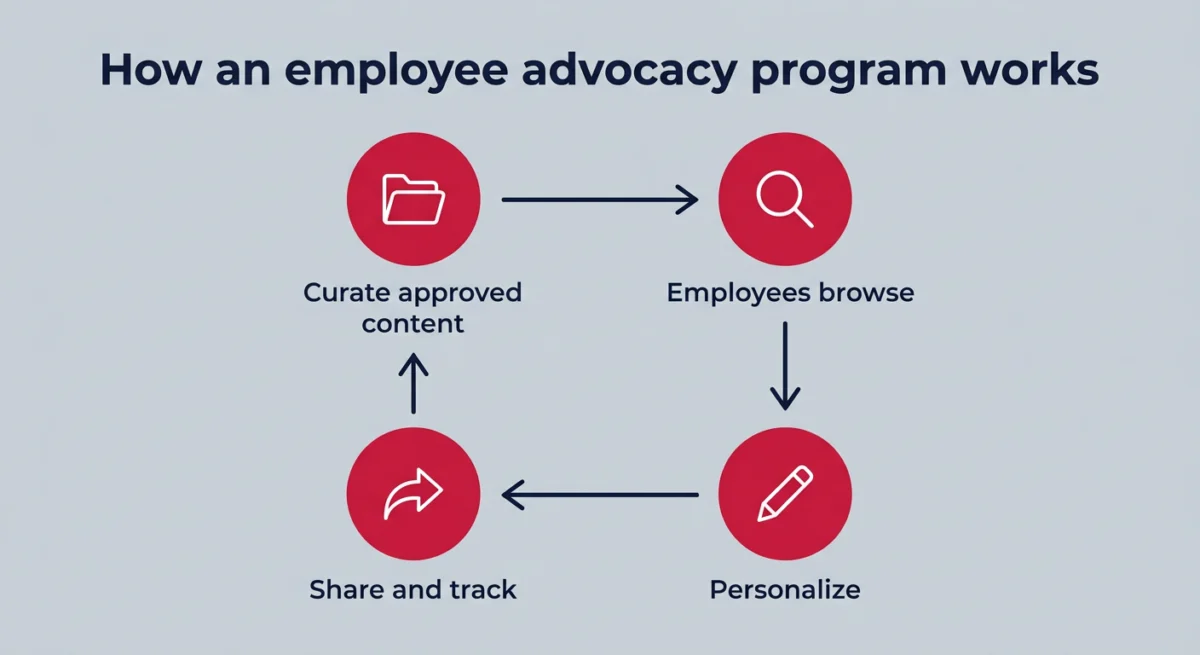
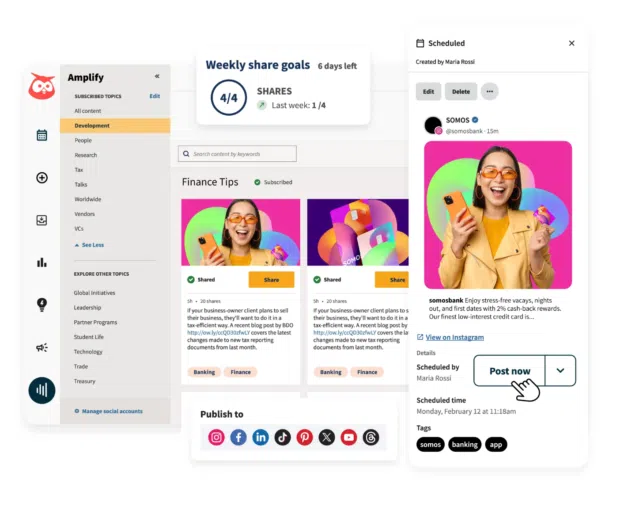
5. Leveraging Employee Advocacy: Employee advocacy transforms a company’s workforce into a network of trusted brand ambassadors. When employees share company content, it significantly boosts organic reach and enhances online visibility and credibility. Studies show that employee-shared content can achieve substantially higher click-through rates and engagement compared to content shared directly by the company. This amplified reach is particularly valuable because it is rooted in trust, which, as noted by industry analysts, is “the ultimate currency” in B2B. Trust bridges the gap for risk-averse B2B buyers, making them more likely to engage and even pay a premium. Successful employee advocacy programs require a supportive workplace culture and a platform that simplifies content sharing and performance tracking for employees.
6. Understanding the Potential of Dark Social: “Dark social” refers to the private, untrackable sharing of content through channels like email, messaging apps (e.g., Slack, Discord), and direct messages on social media. While traditional analytics cannot directly track these interactions, strategies exist to measure their impact. Implementing trackable links (UTM parameters), monitoring unbranded search traffic spikes, and utilizing social listening tools to contextualize public conversations can shed light on dark social activity. Furthermore, establishing proprietary online communities (e.g., a dedicated sub-Reddit or LinkedIn group) can convert some dark social interactions into measurable engagement.
7. Repurposing High-Performing Organic Content into Ads: A highly effective tactic involves identifying top-performing organic social media posts and repurposing them into paid advertisements. Posts that already demonstrate strong engagement or click-through rates are ideal candidates for boosting or forming the basis of a targeted ad campaign. This strategy minimizes risk by investing in content already proven to resonate with the audience, maximizing ad spend efficiency.
8. Strategic Podcast Sponsorships: Podcasts have seen a dramatic surge in popularity, evolving into a mainstream media format. Research indicates that a significant majority of listeners trust recommendations from podcast hosts, and a substantial portion find podcast advertisements more trustworthy than other media. Critically, podcast ads drive action, with a notable percentage of listeners making a purchase, visiting a website, or recommending an advertiser. While these statistics often reflect B2C audiences, the underlying psychology of trust and engagement applies equally to B2B. Identifying niche industry podcasts and carefully targeting sponsorships can yield significant ROI for B2B brands.

9. Emphasizing Educational Content: In B2B social media, utility trumps self-promotion. The most effective content is genuinely useful, aiming to simplify the audience’s job or provide actionable insights. This focus on educational thought leadership includes industry reports, trend analyses, how-to guides, webinars, and frequently asked questions (FAQs). Even when promoting a product, the emphasis should be on demonstrating direct benefits through specific use cases and success stories, rather than merely listing features.
10. Incorporating User-Generated Content (UGC): User-generated content (UGC), encompassing text, video, images, reviews, and testimonials created by customers, is a powerful tool for building authenticity and trust. It functions as potent social proof, demonstrating to decision-makers that a product delivers real value and is already trusted by peers. Recent market reports highlight UGC as one of the highest-ROI content formats, alongside short-form video. Integrating positive reviews, customer testimonials, and case studies into a social media strategy can significantly enhance credibility and influence purchasing decisions.
Measuring Success: Proving ROI in B2B Social

Demonstrating the tangible business impact of B2B social media marketing requires a sophisticated approach to measurement, attribution, and reporting.
Tracking Impactful Metrics: Effective reporting is foundational for proving social ROI and justifying future budgets. Beyond vanity metrics like follower count, B2B marketers must track numbers that genuinely measure impact:
- Engagement Rate: Measures audience interaction with content.
- Click-Through Rate (CTR): Indicates how often users click on links.
- Website Traffic from Social: Quantifies referral traffic.
- Lead Generation (MQLs/SQLs): Tracks marketing-qualified and sales-qualified leads.
- Conversion Rate: Measures the percentage of leads that become customers.
- Customer Acquisition Cost (CAC) Reduction: Demonstrates cost efficiency.
- Customer Lifetime Value (CLV): Assesses the long-term value of social-acquired customers.
- Social Sentiment: Monitors brand perception.
- Brand Mentions & Share of Voice: Tracks brand visibility and industry standing.
- Pipeline Contribution: Directly links social efforts to sales pipeline.
- Revenue Attributed to Social: The ultimate measure of financial impact.
Leveraging Social Listening for Attribution: Social listening, which monitors public conversations across social networks in real-time, is a powerful attribution tool. It captures brand awareness and word-of-mouth discussions that standard link tracking might miss, providing crucial context to the customer journey. For B2B, listening reveals how and where prospects first encounter an organization and what shapes their perception before direct engagement.
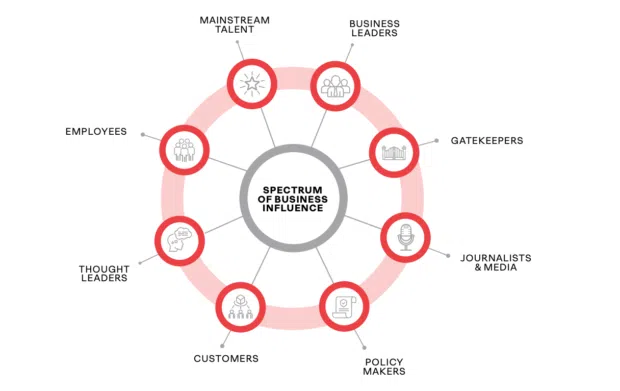
Creating Attribution Models: Given the often long and multi-touch B2B customer journey, attribution models are essential for assigning credit across various touchpoints. Common models include first-touch (crediting the initial interaction), last-touch (crediting the final interaction), and multi-touch (distributing credit across the entire journey). For B2B, multi-touch models are particularly valuable as they accurately reflect the complex, multi-stage sales cycles where single-touch models fall short. Implementing even a basic attribution model is a significant step towards understanding social media’s true contribution.
Tracking Long-Term Trends with Benchmarking: B2B social media marketing is a marathon, not a sprint. Benchmarking—taking regular snapshots of social media performance over time—allows marketers to see beyond short-term fluctuations and identify meaningful long-term growth trends. Regular benchmarking (daily, weekly, monthly, annually) transforms individual metrics into a comprehensive picture of social’s organizational impact. Competitive benchmarking also provides crucial context, allowing companies to measure their performance against industry peers.
Reporting B2B Social Media ROI to Executives: When presenting social media performance to executive leadership, the focus must be squarely on financial return. While engagement metrics and brand recognition are valuable, executives prioritize profit. Reports should frame social media as a profit center, not merely a cost. This involves:
- Highlighting social-driven leads and their conversion to revenue.
- Demonstrating reductions in customer acquisition costs through social channels.
- Quantifying the portion of the sales pipeline influenced or sourced by social media.
- Showcasing improvements in customer lifetime value attributable to social engagement.
- Presenting a clear ROI analysis, detailing the return on investment for social media campaigns.
Industry Solutions and Future Outlook
The complexity and strategic importance of B2B social media marketing necessitate robust tools and integrated platforms. Solutions that streamline publishing, provide advanced analytics, offer social listening capabilities, facilitate employee advocacy programs, and manage ad campaigns within a unified dashboard are becoming indispensable. These platforms enable B2B marketers to execute comprehensive strategies, gain deeper insights into their audience, and ultimately demonstrate tangible ROI.
The future of B2B social media is characterized by increased sophistication in targeting, a greater emphasis on authentic and educational content, and a continued drive towards measurable outcomes. As the digital landscape evolves and buyer demographics shift, agile B2B social media strategies will remain a critical differentiator for sustained business growth and competitive advantage. The ability to build trust, nurture relationships, and prove value through social channels is no longer an optional add-on but a fundamental pillar of modern B2B success.