

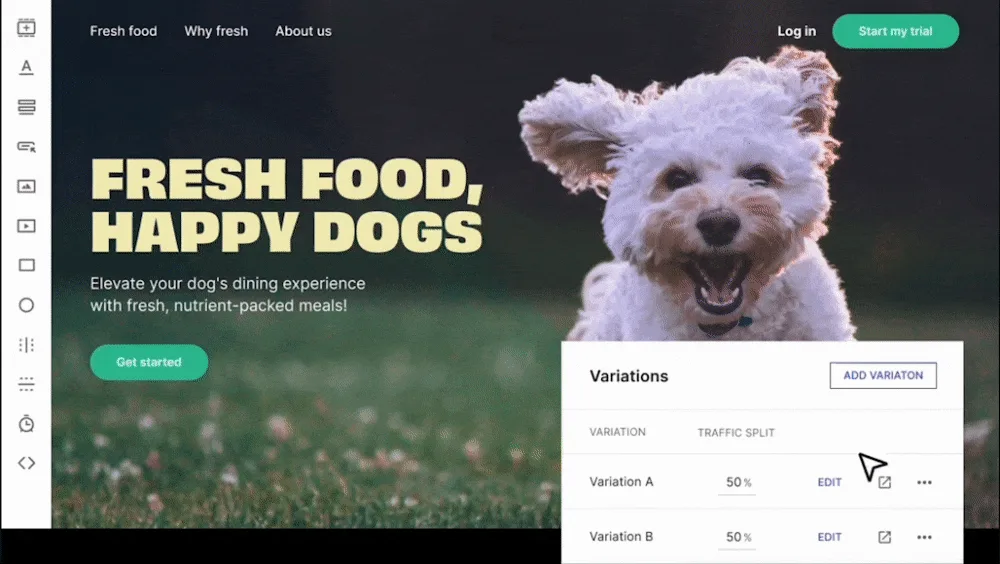
The digital marketing landscape has reached a point of saturation where the mere acquisition of traffic no longer guarantees commercial success. As customer acquisition costs (CAC) continue to climb across platforms like Google Ads and Meta, the focus of enterprise marketing teams has shifted from broad-spectrum reach to the granular optimization of the user experience. At the heart of this shift lies the landing page—a critical junction in the sales funnel where a visitor either transitions into a lead or exits the ecosystem entirely. Industry data suggests that while the average conversion rate across all industries hovers around 2.35%, the top 10% of companies are seeing conversion rates of 11.45% or higher. This performance gap is rarely the result of luck; rather, it is the product of rigorous, data-driven A/B testing.
The Strategic Necessity of Conversion Rate Optimization
Creating a high-performing landing page is an intricate balancing act that requires the alignment of several variables: ad-to-page relevance, value proposition clarity, and the psychological placement of call-to-action (CTA) elements. Even when a page is designed according to “best practices,” it often fails to meet specific internal benchmarks. In such scenarios, the traditional response was often to scrap the design and start over—a costly and time-consuming endeavor. Modern digital journalism and marketing analysis now emphasize a more scientific approach: the investigation of specific points of friction through A/B testing.

A/B testing, or split testing, is the process of comparing two versions of a webpage or app against each other to determine which one performs better. By isolating specific variables—such as a headline, an image, or a form length—marketers can gain empirical evidence regarding visitor behavior. This methodology moves the decision-making process away from subjective “HIPPO” (Highest Paid Person’s Opinion) influence and toward objective user data.
Chronology of Testing Methodologies: From Static to AI-Driven
The history of web testing has evolved through three distinct eras. The first era, beginning in the early 2000s, relied on basic “split URL” testing, where traffic was manually redirected between two static pages. The second era introduced visual editors and “client-side” testing, allowing marketers to make changes to a page’s appearance without deep coding knowledge. We are currently in the third era: the age of server-side experimentation and AI-driven dynamic traffic allocation.
In this current environment, testing is no longer just about A vs. B. It involves complex multivariate testing and “Multi-Armed Bandit” algorithms. These AI-driven systems do not wait for a test to conclude to show results; instead, they automatically shift traffic toward the winning variation in real-time, minimizing the “regret” or lost conversions associated with showing a lower-performing version to users during a lengthy test period.
Evaluating the Modern Tech Stack: Selection Criteria
For organizations looking to implement a robust testing framework, the selection of a platform is a high-stakes decision. Based on industry standards, four primary criteria define a top-tier A/B testing tool:
- Ease of Integration: How well the tool interacts with existing CRM, analytics, and advertising stacks.
- Technical Depth vs. Accessibility: The balance between a “no-code” visual editor for marketing teams and “low-code/server-side” capabilities for developers.
- Data Integrity and Speed: The ability to run tests at the “edge” to ensure that testing scripts do not slow down page load times—a factor that itself can negatively impact conversion rates.
- Advanced Analytics: The inclusion of qualitative tools like heatmaps and session recordings to provide context to the quantitative “win/loss” data.
Market Leaders: A Comparative Analysis of Top A/B Testing Tools
The current market offers a variety of specialized tools, each catering to different organizational needs and technical maturity levels.
1. Instapage: The Integration of Creation and Experimentation
Instapage has positioned itself as a comprehensive solution for teams that want to bridge the gap between building and testing. Unlike standalone testing tools, it integrates experimentation directly into the page-building process. This platform utilizes server-side experimentation, which is generally considered more robust than client-side testing because it eliminates the “flicker effect”—the split-second where a user sees the original page before the variation loads.
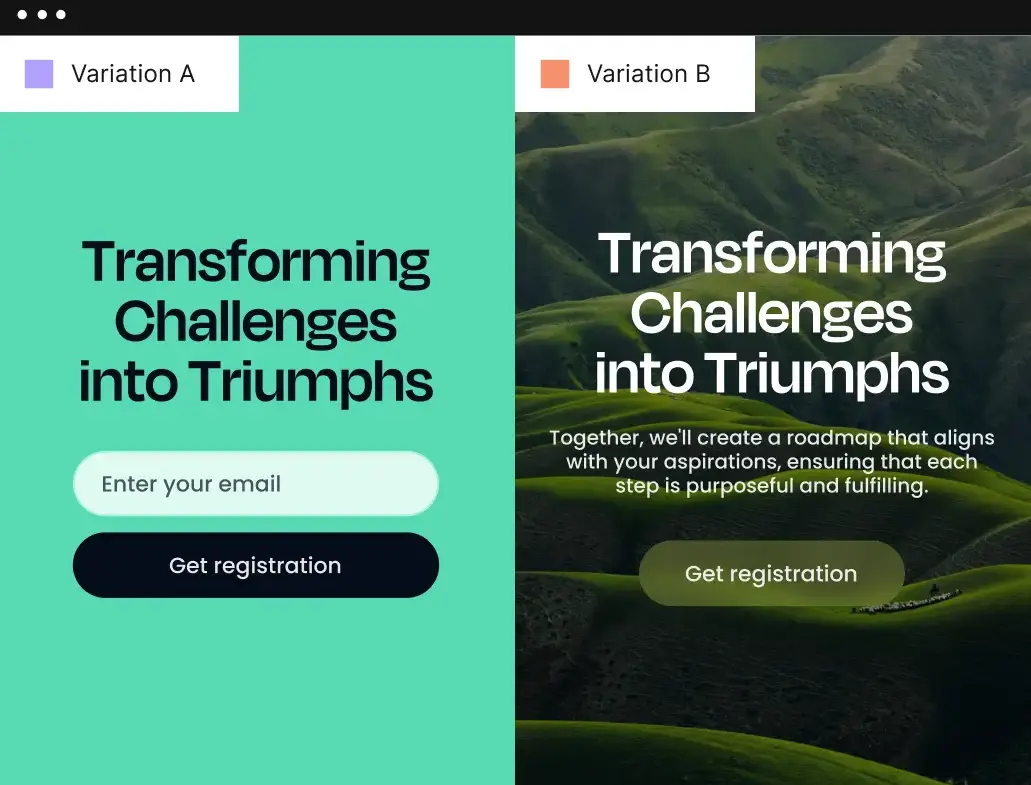
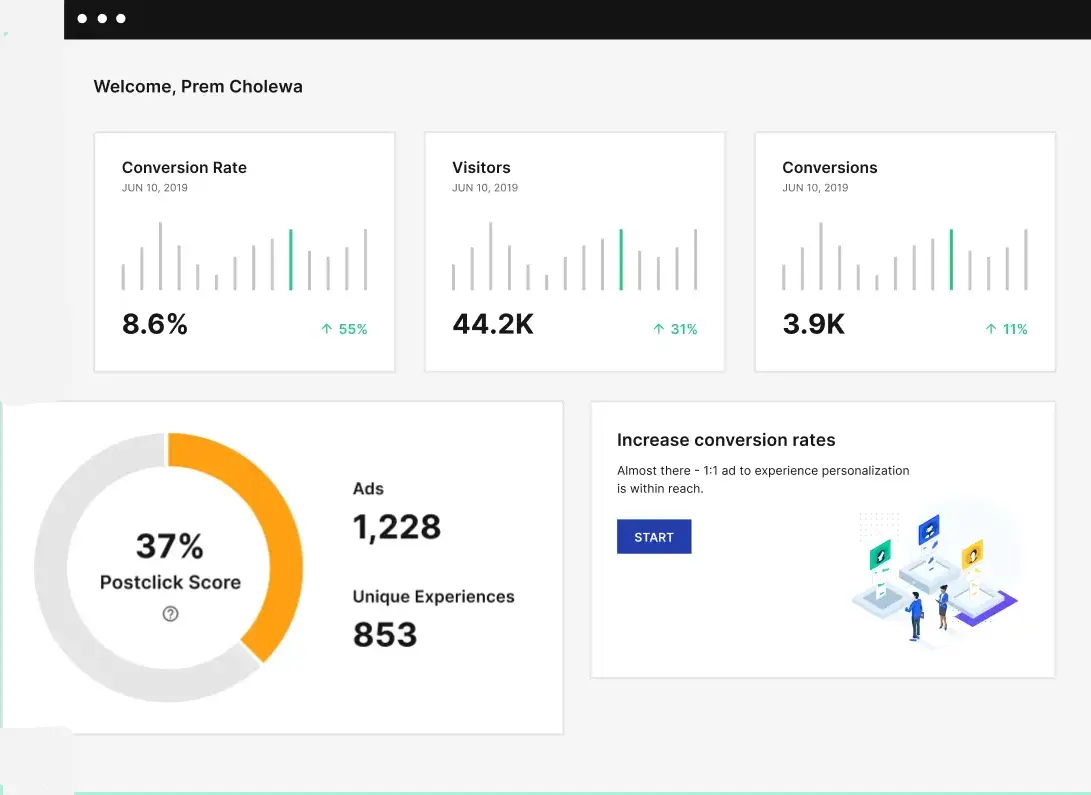
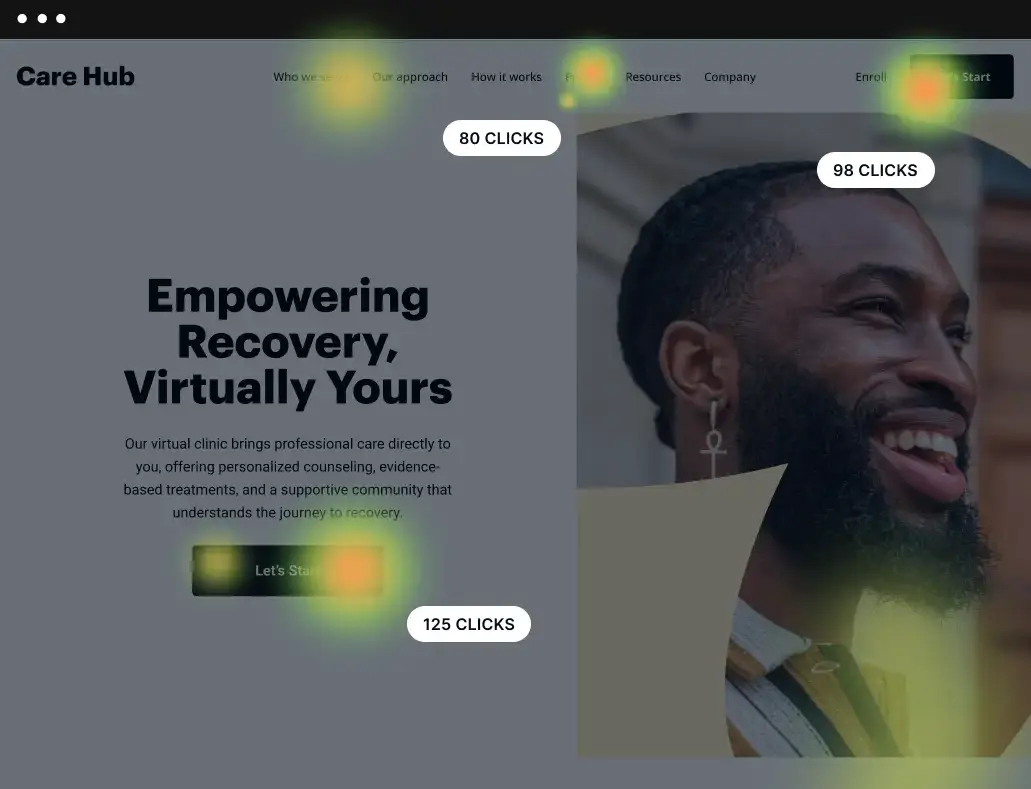
A significant development in Instapage’s offering is the “AI Experiments” feature. This utilizes dynamic traffic allocation to direct visitors toward higher-performing variations automatically. Furthermore, the inclusion of built-in heatmaps allows researchers to track mouse movements, click patterns, and scroll depth. In a notable case study involving Verizon (VDMS), the use of these integrated testing features reportedly reduced the cost per conversion by over 50% by validating which specific page elements resonated with their audience.
2. VWO (Visual Website Optimizer): The Funnel Specialist
VWO remains a staple in the industry, particularly for its strength in split URL testing and full-funnel tracking. While many tools focus solely on the landing page, VWO allows marketers to track a user’s journey across multiple touchpoints. This is vital for complex B2B sales cycles where a conversion might not happen on the first page but rather after a series of interactions. VWO’s Bayesian statistical engine provides marketers with a “probability to be best” metric, offering a more intuitive understanding of results than traditional p-values.
3. Optimizely: The Enterprise Standard
Optimizely is often regarded as the gold standard for large-scale enterprise experimentation. It has evolved from a simple A/B testing tool into a comprehensive “Digital Experience Platform” (DXP). Its Web Experimentation product is designed to handle high-traffic volumes and complex server-side deployments. By running experiments at the network edge, Optimizely ensures that testing does not compromise site performance. Its embedded AI capabilities are particularly useful for generating copy variations and personalized experiences for different audience segments at scale.
4. GrowthBook: The Open-Source Alternative
A rising player in the space is GrowthBook, which caters to data-sensitive organizations and those who prefer an open-source approach. GrowthBook allows companies to maintain full control over their data by integrating directly with major SQL data sources like Snowflake, BigQuery, and Redshift. This avoids “vendor lock-in” and allows data scientists to use their own statistical models to analyze experiment results. It is an ideal choice for companies that have a strong internal data engineering culture.
Supporting Data and Economic Implications
The economic impact of A/B testing is profound. According to a report by Forrester, every dollar invested in user experience (UX) and optimization can yield a return of up to $100. This 9,900% ROI is driven by the fact that optimization leverages existing traffic. If a company spends $10,000 a month on ads to get 1,000 visitors and converts at 2%, they get 20 leads at a cost of $500 per lead. By using A/B testing to increase that conversion rate to 4%, they get 40 leads for the same $10,000 spend, effectively cutting their lead cost to $250.
Furthermore, the rise of “Privacy-First” browsing and the deprecation of third-party cookies have made on-page optimization more critical. As it becomes harder to target users based on off-site behavior, the ability to convert the users who do land on your site becomes the primary lever for growth.
Future Outlook and Broader Implications
As we move toward 2025, the convergence of AI and experimentation will likely lead to “Hyper-Personalization.” We are moving away from a world where we test “Version A vs. Version B” for everyone. Instead, we are entering an era where the landing page dynamically reassembles itself in real-time based on the individual user’s past behavior, referral source, and intent signals.
The industry is also seeing a shift toward “Product-Led Growth” (PLG), where experimentation is not just a marketing function but a product development function. Features are “flagged” and tested with small cohorts before a general release. This holistic approach to testing ensures that every aspect of the digital experience—from the first ad click to the final in-app purchase—is optimized for the user.
In conclusion, the era of “set it and forget it” landing pages is over. For businesses to remain competitive in an increasingly expensive digital ad market, the adoption of sophisticated A/B testing tools is no longer optional. Whether through the integrated AI capabilities of Instapage, the funnel analytics of VWO, the enterprise scale of Optimizely, or the data transparency of GrowthBook, the path to sustained growth lies in the relentless pursuit of incremental improvements through data-driven experimentation.







