

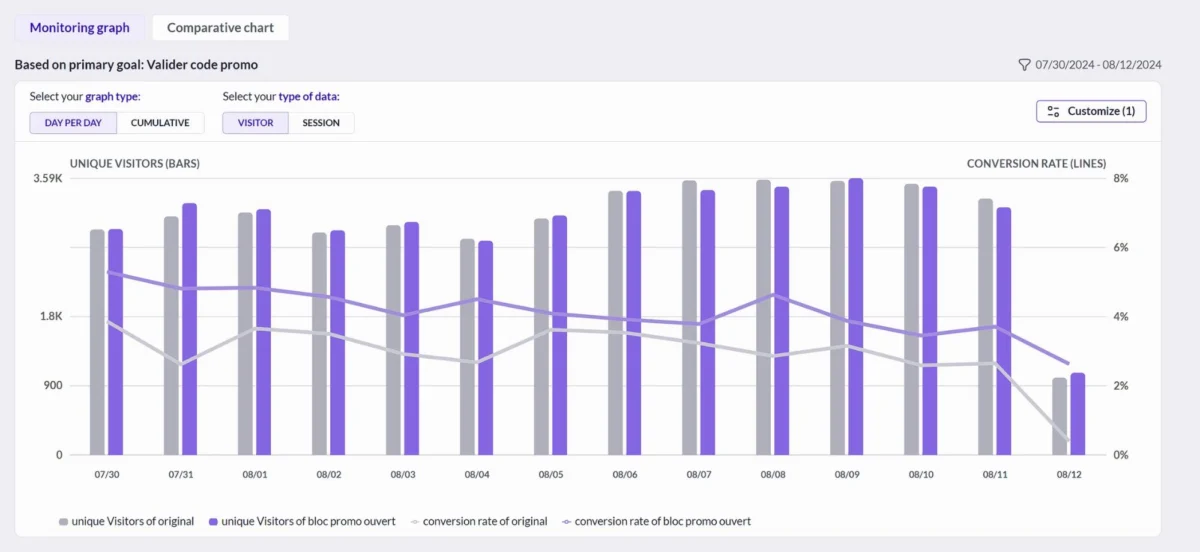
The landscape of conversion rate optimization (CRO) and digital experimentation has undergone a significant transformation as businesses increasingly prioritize data-driven decision-making to navigate a tightening global economy. For organizations seeking to enhance user experience and maximize revenue from existing web traffic, the choice between software providers often narrows down to two industry stalwarts: Crazy Egg and AB Tasty. While both platforms aim to improve website performance, they serve fundamentally different market segments and operational philosophies. Crazy Egg remains the primary choice for small-to-mid-sized businesses (SMBs) requiring a transparent, all-in-one experimentation cycle, whereas AB Tasty—following its strategic merger with VWO—has solidified its position as a heavyweight contender for the enterprise sector, focusing on deep experimentation and advanced personalization.
The Evolution of Experimentation: Market Context and Chronology
The history of these two platforms reflects the broader evolution of the web analytics industry. Crazy Egg, co-founded by Hiten Shah and Neil Patel in 2005, was a pioneer in visual analytics, effectively introducing the concept of the “heatmap” to the mainstream market. Over the last two decades, Crazy Egg has transitioned from a niche visualization tool into a comprehensive CRO suite that integrates heatmaps, session recordings, and A/B testing into a single, accessible dashboard.
Conversely, AB Tasty, founded in 2010, began with a focus on the European enterprise market, emphasizing robust testing capabilities and server-side experimentation. The company’s growth trajectory took a pivotal turn in recent years with its merger with VWO, a move designed to create a global powerhouse in the experimentation space. This merger has allowed AB Tasty to leverage a broader pool of R&D resources, resulting in the launch of sophisticated AI-driven tools like EmotionsAI and Evi, an agentic assistant for CRO professionals.
In 2026, the divergence between these two platforms is clearer than ever. Crazy Egg has doubled down on its “bring-your-own-LLM” (Large Language Model) strategy, allowing users to export data to third-party AI platforms, while AB Tasty has invested in proprietary, “black-box” AI models designed to predict user intent in real-time.
A/B Testing and Experimentation Frameworks
At the heart of both platforms is the ability to run controlled experiments, yet the depth of these features varies according to the target user’s technical requirements.
Crazy Egg’s Workflow Integration
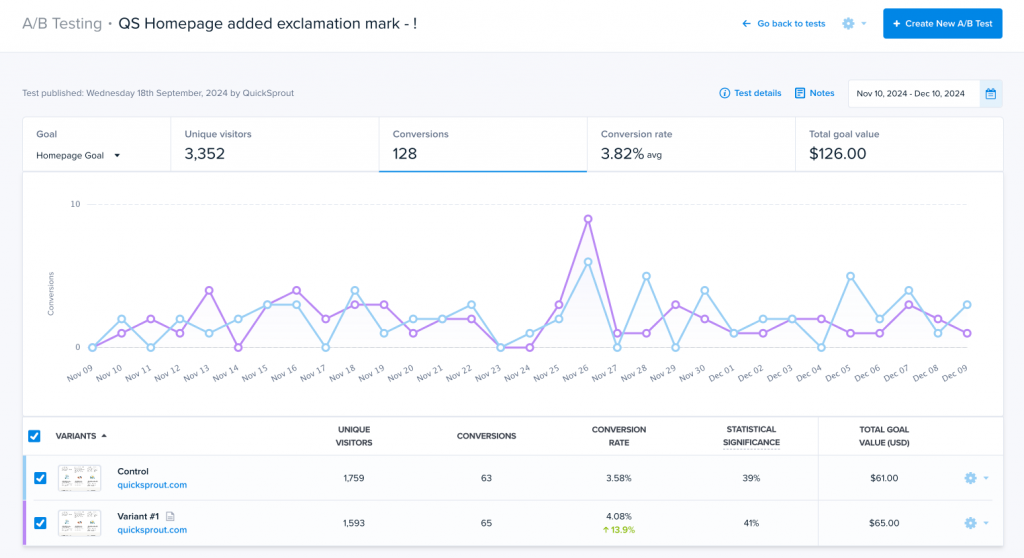
Crazy Egg offers a streamlined approach to A/B testing, specifically designed for marketers and growth teams who may not have dedicated engineering support. Its visual editor allows for rapid changes to headlines, images, and CTA buttons. A standout feature is the “Multi-Armed Bandit” (MAB) algorithm, which automatically shifts traffic toward the winning variant in real-time, reducing the “regret” or lost conversions typically associated with traditional A/B testing. Furthermore, Crazy Egg differentiates itself by automatically generating heatmaps and session recordings for every test variant, providing immediate qualitative context to quantitative data.
AB Tasty’s Enterprise Depth
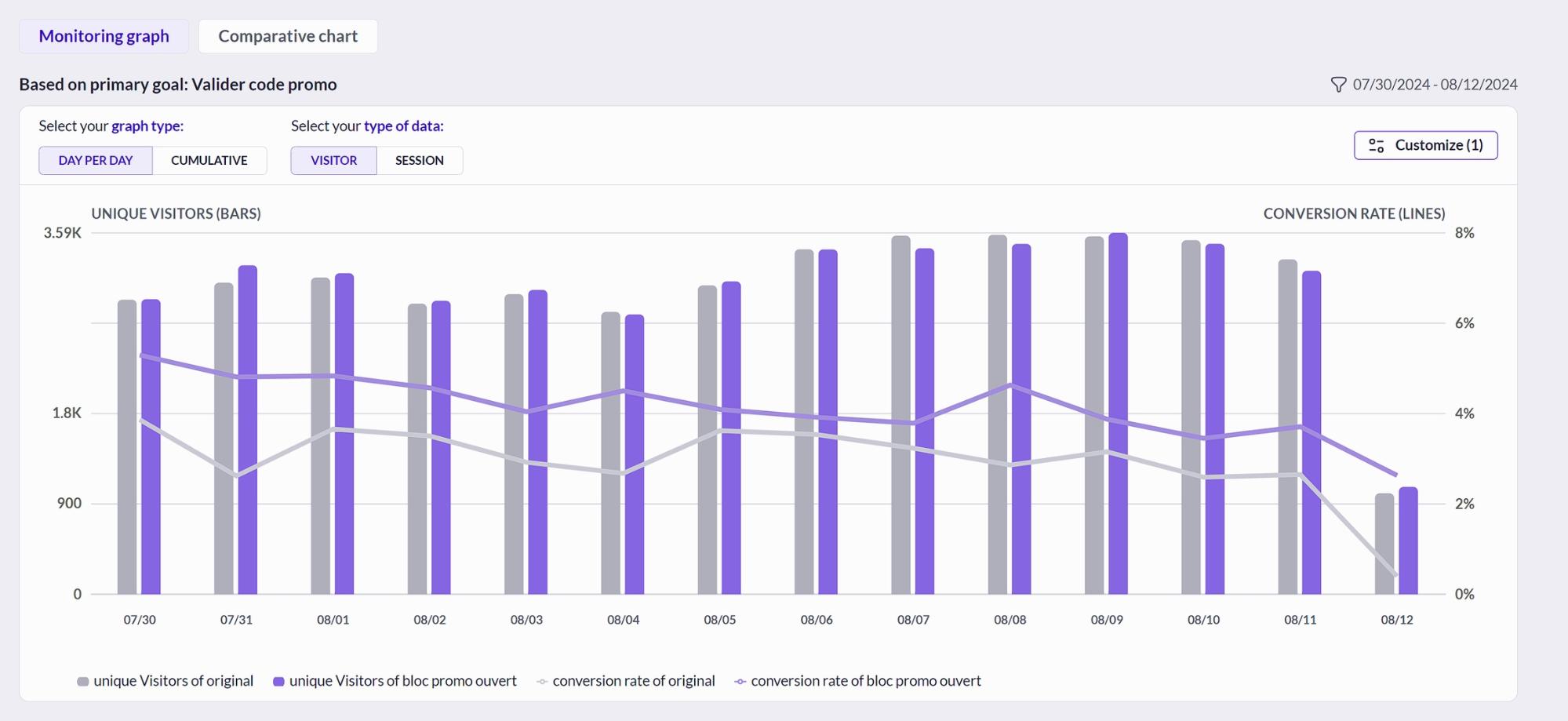
AB Tasty provides a more exhaustive testing suite, including A/A testing, split URL testing, and multivariate testing (MVT). While Crazy Egg limits users to testing one variable at a time, AB Tasty’s MVT capabilities allow teams to test the interaction between multiple elements on a page simultaneously. This is essential for high-traffic enterprise sites where subtle interactions between a hero image and a pricing table can result in significant revenue swings. Additionally, AB Tasty supports “Mutually Exclusive Experiments,” a critical feature for large organizations running dozens of tests at once, ensuring that a user in one experiment is not contaminated by the changes in another.
Behavioral Analytics and User Insight Tools
Understanding why a user converts or bounces is as important as knowing if they do. This is where the two platforms take drastically different technical paths.
Qualitative Superiority of Crazy Egg
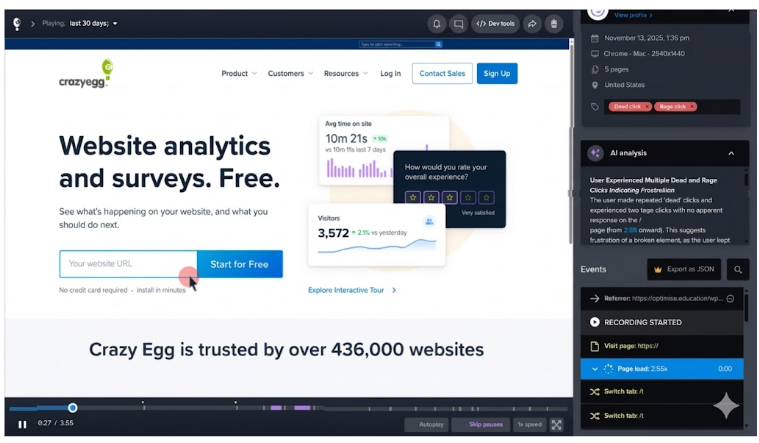
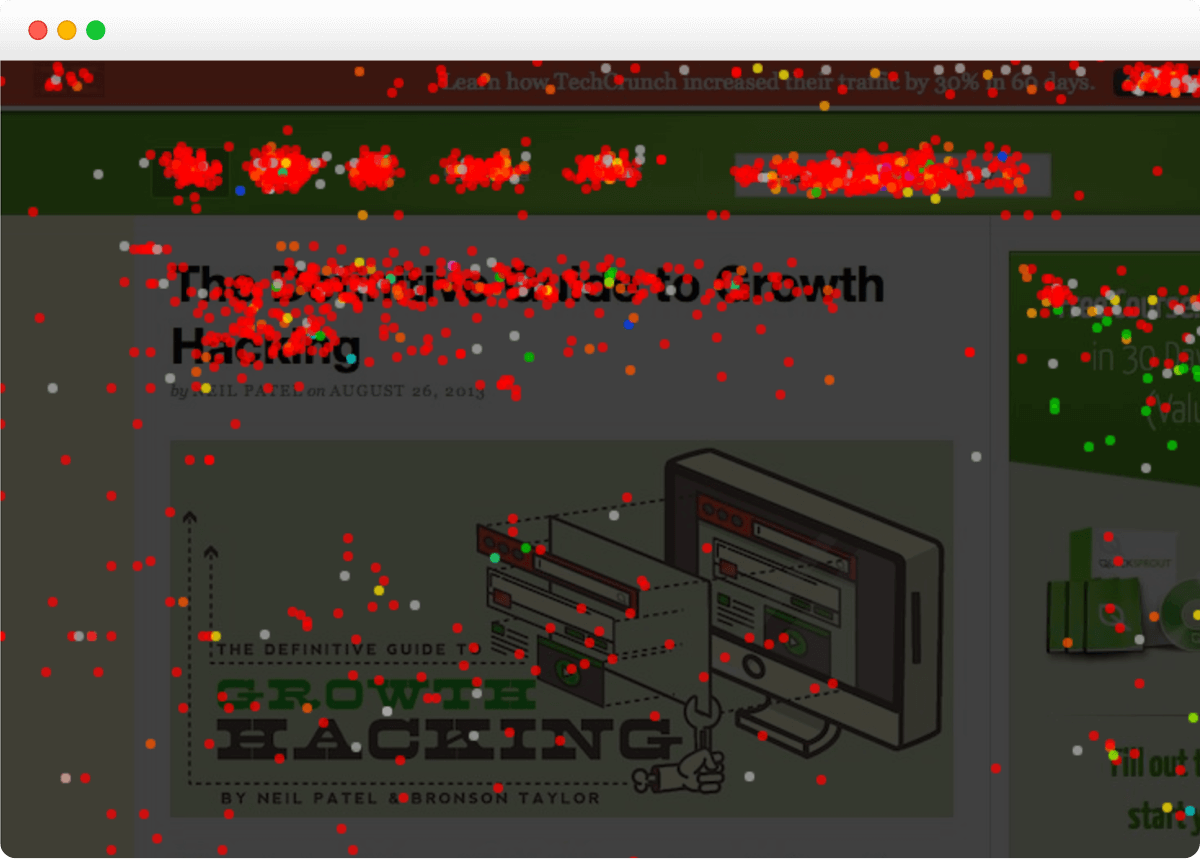
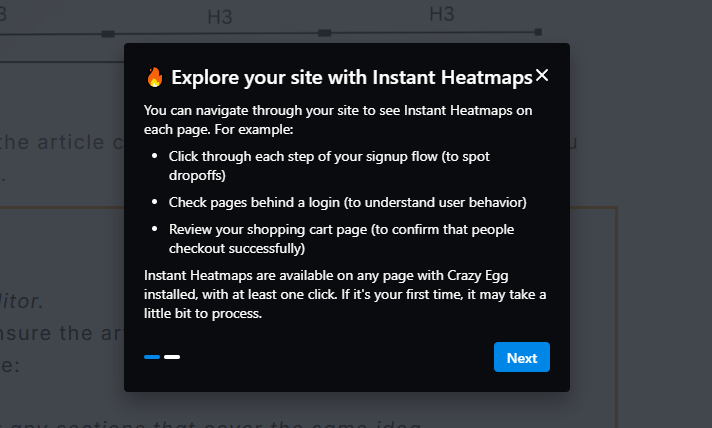
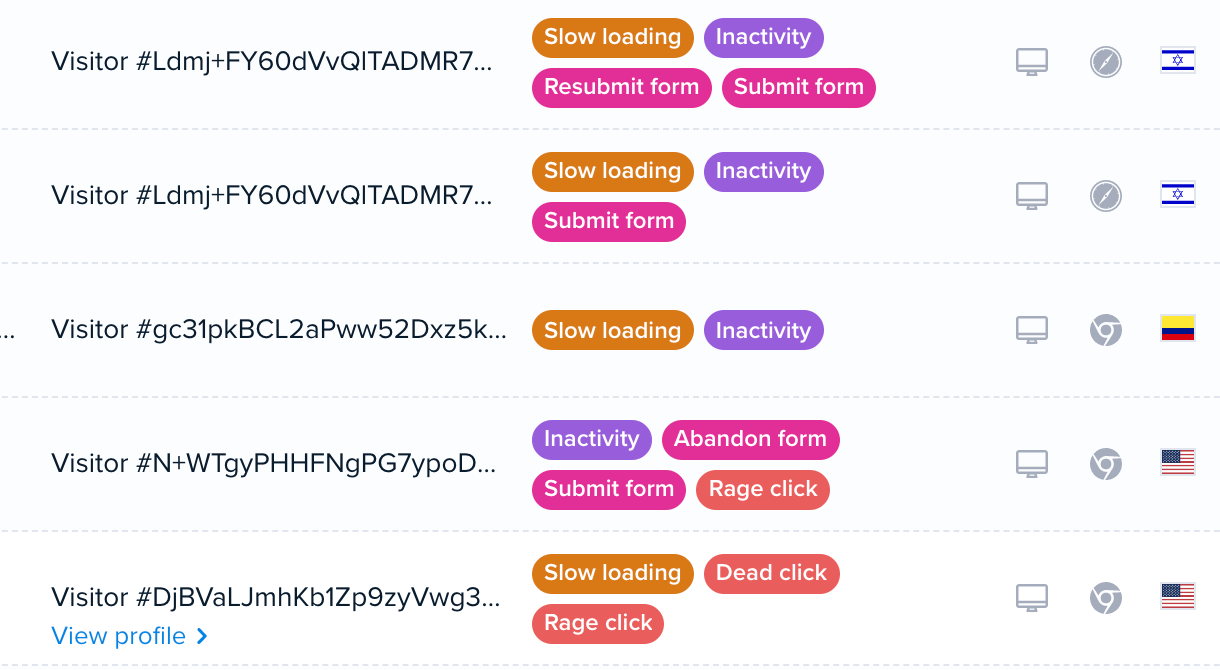
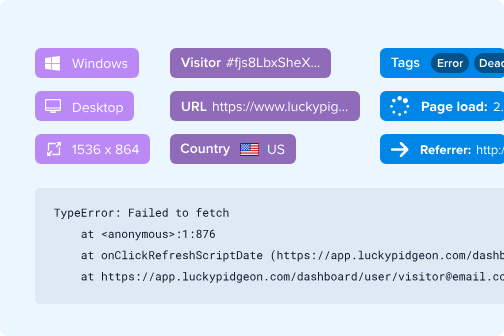
Crazy Egg remains a market leader in behavioral visualization. It offers five distinct types of heatmaps: click maps, scroll maps, confetti maps (which segment clicks by traffic source), overlay maps, and list maps. A significant update for 2026 is the “Instant Heatmap” feature, which uses the platform’s sitewide tracking code to generate reports automatically without manual setup. This is complemented by a robust session recording module that includes JavaScript error tracking. When a user encounters a bug, the system captures the stack trace and links it directly to the video of the user’s session, allowing developers to see the exact moment of failure.
AB Tasty’s Integration-First Approach
Interestingly, AB Tasty has moved away from offering a native heatmap or session replay UI. Instead, the platform focuses on its “EmotionsAI” engine. This technology processes behavioral signals—such as mouse velocity, pauses, and scroll patterns—internally to classify users into one of ten emotional profiles (e.g., “The Perfectionist” or “The Hesitant”). While this provides high-level segmentation for personalization, it lacks the visual “inspectability” of a traditional heatmap. For teams that require visual playback, AB Tasty relies on deep integrations with third-party tools like FullStory, Contentsquare, or Microsoft Clarity.
AI and the Future of Automated Optimization
The integration of Artificial Intelligence has become the primary battleground for CRO platforms in 2026.
The Agentic Assistant: Evi
AB Tasty has introduced Evi, an agentic AI assistant designed to handle the heavy lifting of the experimentation lifecycle. Evi can suggest hypotheses based on site data, generate copy for variants, and even project the revenue impact of a successful test. This “copilot” approach is designed to increase the velocity of experimentation programs in large organizations where manual analysis often becomes a bottleneck.
Democratic AI: Crazy Egg’s Export Strategy
Crazy Egg has taken a more open-source approach to AI. While it provides native AI analysis across its features, it also allows Pro and Enterprise users to export raw heatmap and recording data directly to external LLMs like ChatGPT, Gemini, or Claude. This allows power users to leverage their own custom prompts and enterprise-grade AI models to analyze user behavior, rather than being locked into a proprietary system.
Pricing Structures and Economic Value
The financial commitment required for these tools highlights their different market positions.
- Crazy Egg: Maintains a transparent, self-serve subscription model. Plans range from a $29/month “Starter” tier to a $599/month “Enterprise” tier. The pricing is based on tracked pageviews and offers unlimited domains and team members across all plans. This low barrier to entry, combined with a 30-day free trial that requires no credit card, makes it the standard for SMBs and mid-market growth teams.
- AB Tasty: Operates on a quote-based, high-touch sales model. According to 2026 market data from Vendr, the median annual contract for AB Tasty is approximately $66,500. Mid-market deals typically range between $15,000 and $45,000 per year, while large enterprise contracts frequently exceed $150,000 annually. This pricing reflects the platform’s focus on server-side testing, feature flags, and advanced personalization modules that require significant implementation support.
Official Responses and Market Positioning
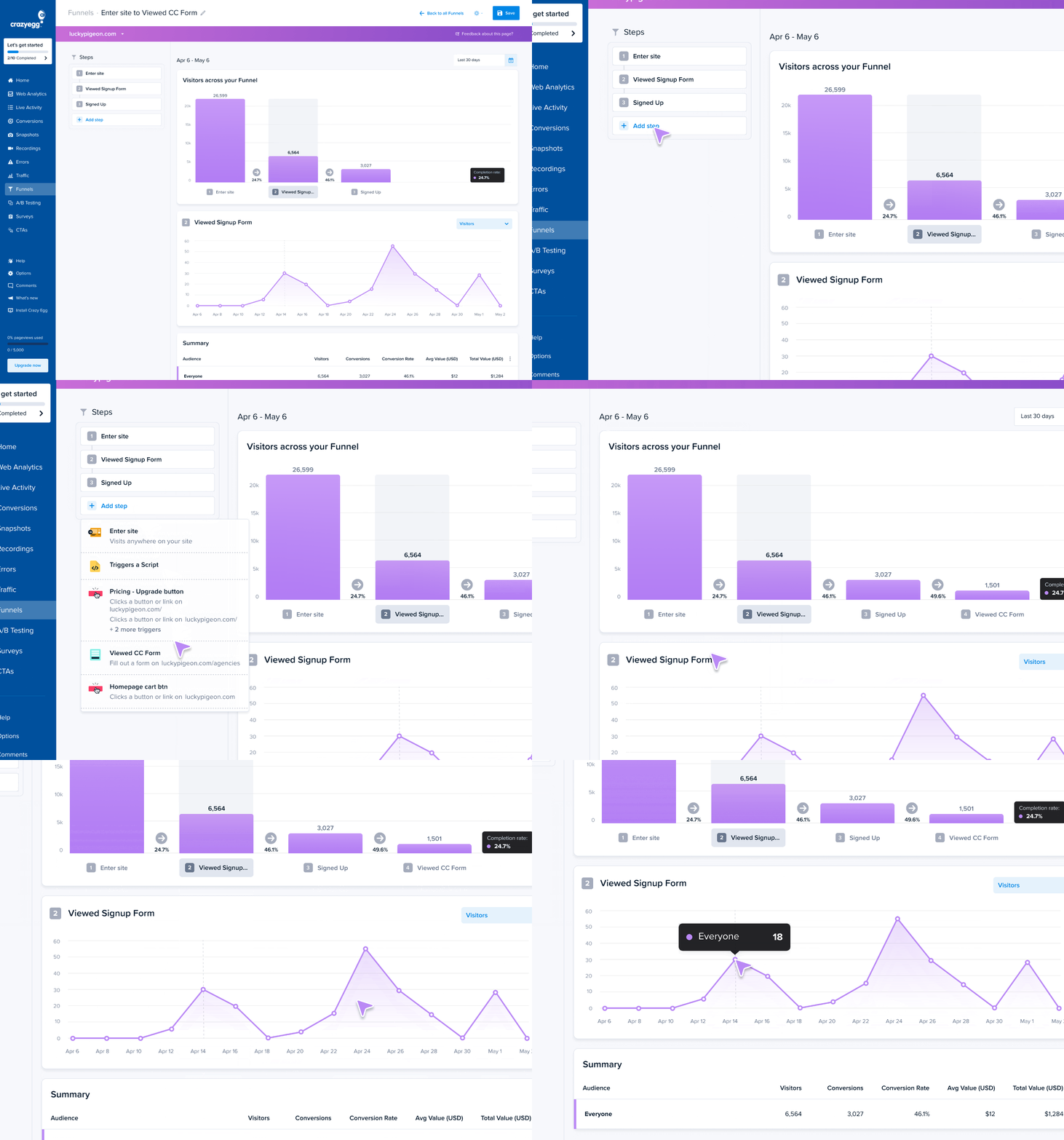
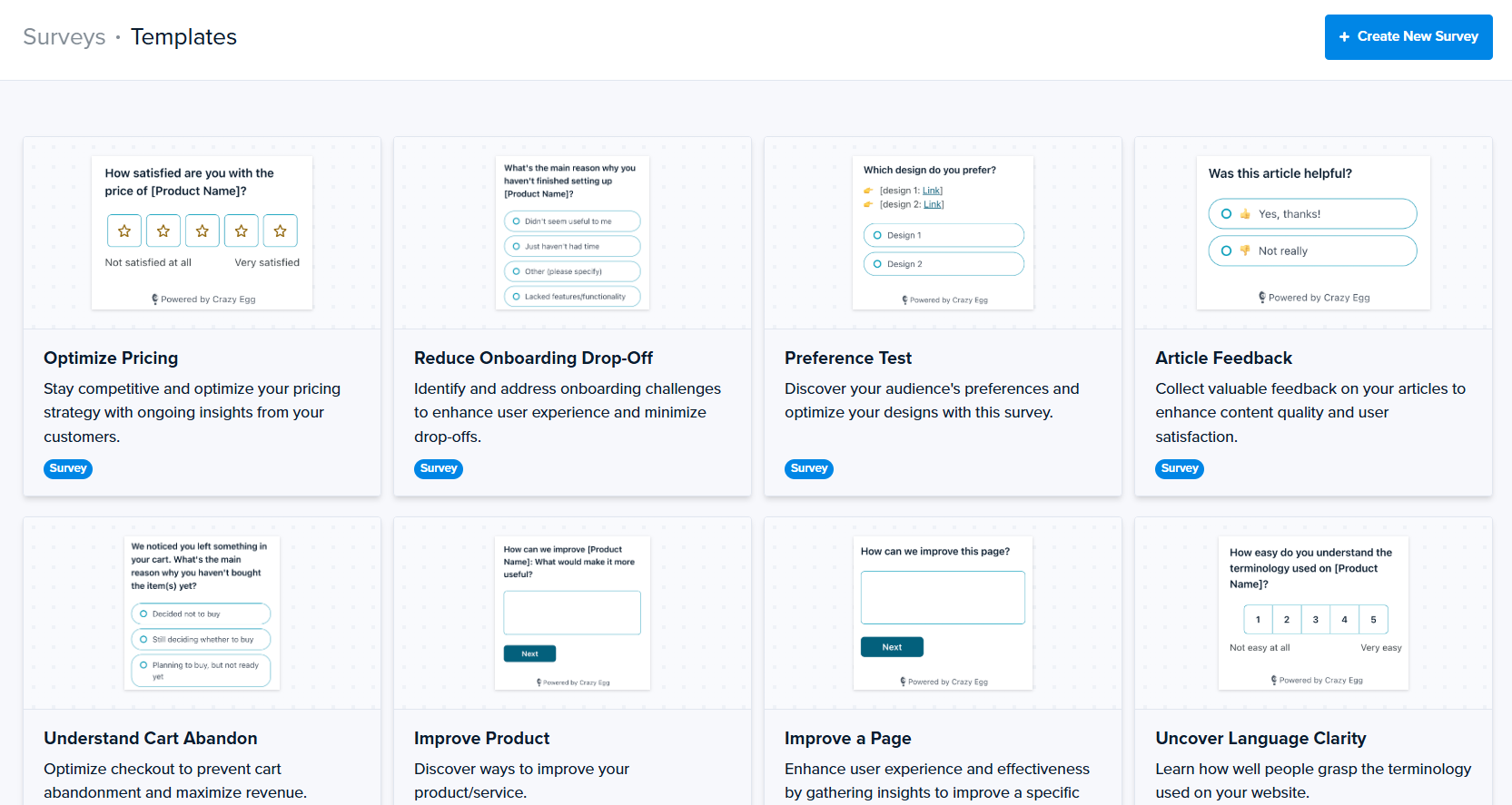
Industry analysts suggest that the divergence between Crazy Egg and AB Tasty is a response to the “Great Consolidation” of the MarTech stack. In a statement regarding the market shift, analysts have noted that SMBs are increasingly looking for “Swiss Army Knife” tools that reduce the need for multiple subscriptions. Crazy Egg’s inclusion of surveys, funnels, and error tracking in its base price addresses this need for efficiency.
AB Tasty, however, is positioning itself as a “best-in-breed” experimentation layer that sits on top of an existing enterprise data stack. By integrating with Customer Data Platforms (CDPs) like Segment and analytics giants like Adobe Analytics, AB Tasty targets the “Sophisticated Experimenter”—the organization that already has the data but needs a high-powered engine to act on it.
Broader Impact and Final Implications
The choice between Crazy Egg and AB Tasty ultimately depends on the maturity of a company’s experimentation culture. For a founder or a marketing manager at an SMB, Crazy Egg provides the fastest “time-to-value.” The ability to set up a heatmap, identify a drop-off point in a funnel, and launch a corrective A/B test within a single afternoon is a powerful competitive advantage for smaller players.
For the enterprise, the decision is dictated by scale and complexity. AB Tasty’s ability to manage feature flags, perform server-side rollouts, and use AI to predict real-time intent justifies its higher price point for companies where a 1% increase in conversion rate can equate to millions of dollars in incremental revenue.
As the industry moves toward 2027, the focus will likely shift from running tests to automating the insights derived from them. Crazy Egg’s focus on visual clarity and AB Tasty’s focus on predictive intent represent two different, yet equally valid, visions for the future of the web—one where every user experience is continuously optimized, and no data point is left unanalyzed. Organizations must now decide whether they need a comprehensive map to guide their journey or a high-performance engine to accelerate their existing momentum.







