


Email marketing, a cornerstone of digital communication for businesses worldwide, faces an increasingly complex challenge: ensuring legitimate messages reach their intended recipients’ inboxes rather than being misidentified as spam. While the term “spam” often conjures images of malicious phishing attempts and unsolicited junk, a significant portion of legitimate, opted-in emails are now caught in the crosshairs of sophisticated spam filters. This ongoing “arms race” between email service providers (ESPs) and malicious actors has inadvertently created hurdles for even the most scrupulous senders, impacting business communication, customer engagement, and ultimately, revenue.
The modern email ecosystem is a delicate balance, with ESPs and mailbox providers (MBPs) constantly refining their algorithms to protect users from an ever-growing deluge of unwanted and dangerous emails. These filters have become so advanced that the chances of a truly malicious email slipping through are significantly diminished. However, this heightened vigilance comes at a cost to legitimate marketers. According to Validity’s 2026 Deliverability Benchmarks Report, a startling one in seven legitimate emails fail to reach the inbox, either landing in the spam folder or disappearing entirely. The report further highlights a troubling trend: global spam placement rates nearly doubled in the past year, underscoring the escalating difficulty in navigating the deliverability landscape. With an average global inbox placement rate hovering around 87.2%, 6.1% of emails are shunted to spam, and another 6.6% simply go missing.
This pervasive issue extends beyond a mere inconvenience; it represents a tangible threat to businesses relying on email for customer communication, sales, and brand building. The financial implications of poor deliverability are substantial, ranging from missed sales opportunities and decreased customer loyalty to wasted marketing spend and damaged sender reputation. Understanding the multifaceted reasons behind emails landing in spam is therefore paramount for any organization engaged in email marketing.
The Genesis of the Deliverability Dilemma: A Brief History
The challenge of email deliverability is rooted in the very origins of email as a mass communication tool. As email proliferated in the 1990s and early 2000s, so too did unsolicited commercial email, or “spam.” This led to the development of the first rudimentary spam filters, often relying on keyword detection and IP blacklists. However, spammers quickly adapted, leading to an escalating technological arms race. Over the past two decades, spam filters have evolved from simple keyword scanners to highly intelligent systems that analyze hundreds of variables, including sender reputation, authentication protocols, content quality, user engagement, and even the historical behavior of the sending IP address.
This evolution has been driven by a confluence of factors: the sheer volume of email, the increasing sophistication of cyber threats (phishing, malware distribution), and the demand from users for a clean and secure inbox experience. Regulatory frameworks like the CAN-SPAM Act in the U.S., GDPR in Europe, and CASL in Canada have also played a crucial role, establishing legal requirements for commercial email and reinforcing the need for consent and easy unsubscribe mechanisms.
The New Mandate: Bulk Sender Requirements of Major Mailbox Providers
A significant development impacting email deliverability in recent times has been the implementation of stringent bulk sender requirements by major mailbox providers like Gmail, Microsoft, and Yahoo. These requirements, which came into full effect for many senders in early 2024, are designed to further combat spam and enhance user experience. They represent a collective effort by these providers to raise the bar for sender responsibility.
Key among these new mandates are:
- Mandatory Email Authentication: Senders must implement robust authentication protocols (SPF, DKIM, DMARC).
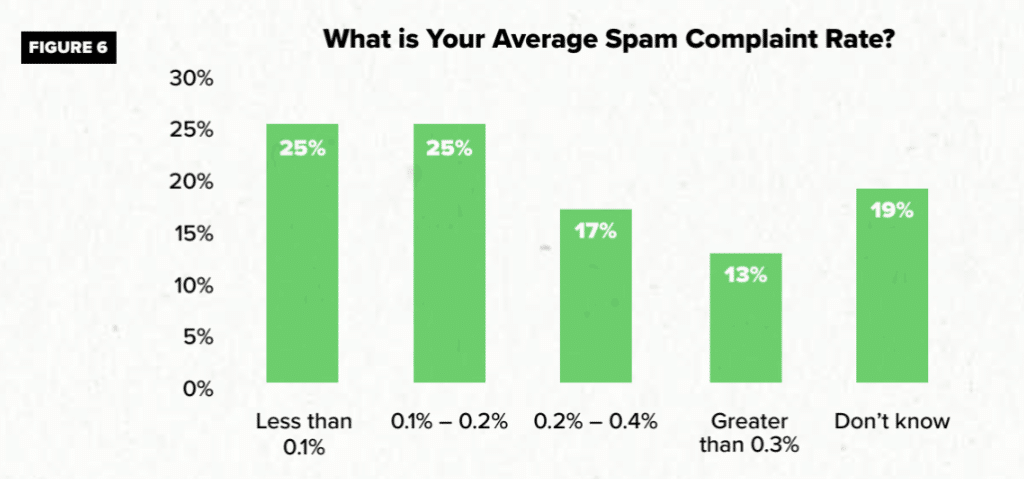
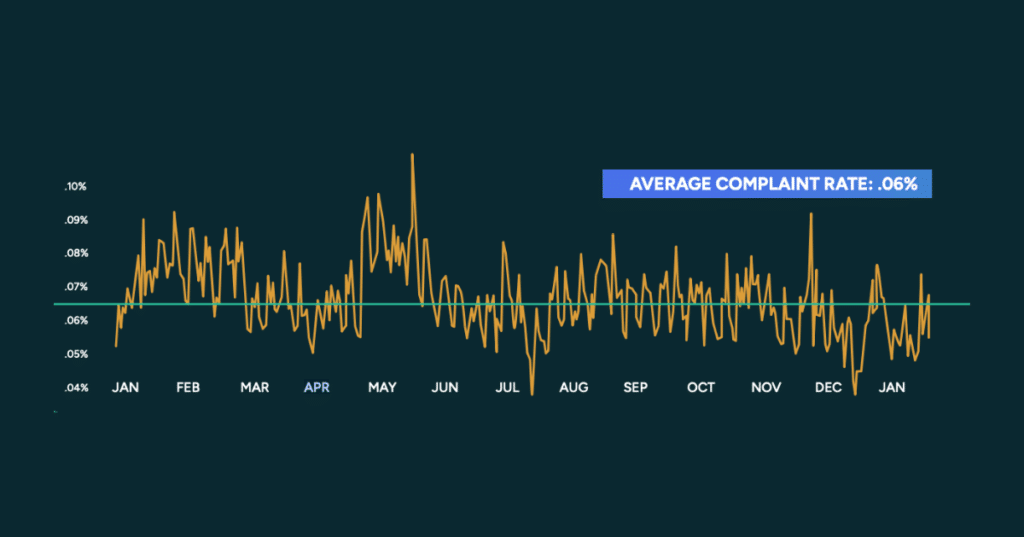
- Low Spam Complaint Rates: Senders must maintain a spam complaint rate below a specified threshold, typically 0.3%. Yahoo’s Clea Moore, Principal Product Manager, has even recommended aiming for a more conservative 0.1% for optimal performance, emphasizing that these requirements are not merely a checklist but a holistic strategy for sender-subscriber relationships.
- Easy Unsubscribe: A one-click unsubscribe option must be clearly visible and functional in all marketing emails.
Failure to comply with these foundational requirements guarantees that bulk emails will be routed directly to spam folders, irrespective of their content or sender reputation. This shift underscores a move towards greater accountability for senders and a more standardized approach to email security and user preference.
Why Legitimate Emails Are Flagged as Spam: A Deeper Dive
Despite best intentions, several factors can lead legitimate emails astray. These can broadly be categorized into technical misconfigurations, sender reputation issues, content-related triggers, and list management deficiencies.
1. Improper Email Authentication Infrastructure:
At the most fundamental level, email authentication protocols verify that an email sender is who they claim to be. Without correct setup, MBPs cannot trust the origin of your emails.
- SPF (Sender Policy Framework): Specifies which mail servers are authorized to send email on behalf of a domain.
- DKIM (DomainKeys Identified Mail): Provides a cryptographic signature, allowing the recipient server to verify that the email was sent by the domain owner and hasn’t been tampered with.
- DMARC (Domain-based Message Authentication, Reporting, and Conformance): Builds on SPF and DKIM, telling receiving servers how to handle emails that fail authentication checks (e.g., quarantine, reject) and provides reporting on email authentication results.
- BIMI (Brand Indicators for Message Identification): While not a direct deliverability protocol, BIMI leverages DMARC to display a brand’s logo next to authenticated emails in the inbox, enhancing trust and brand recognition.
Misconfigurations or a lack of these protocols communicate to MBPs that an email might be spoofed or malicious, leading to immediate spam filtering.
2. Inconsistent Sending Volume and Cadence:
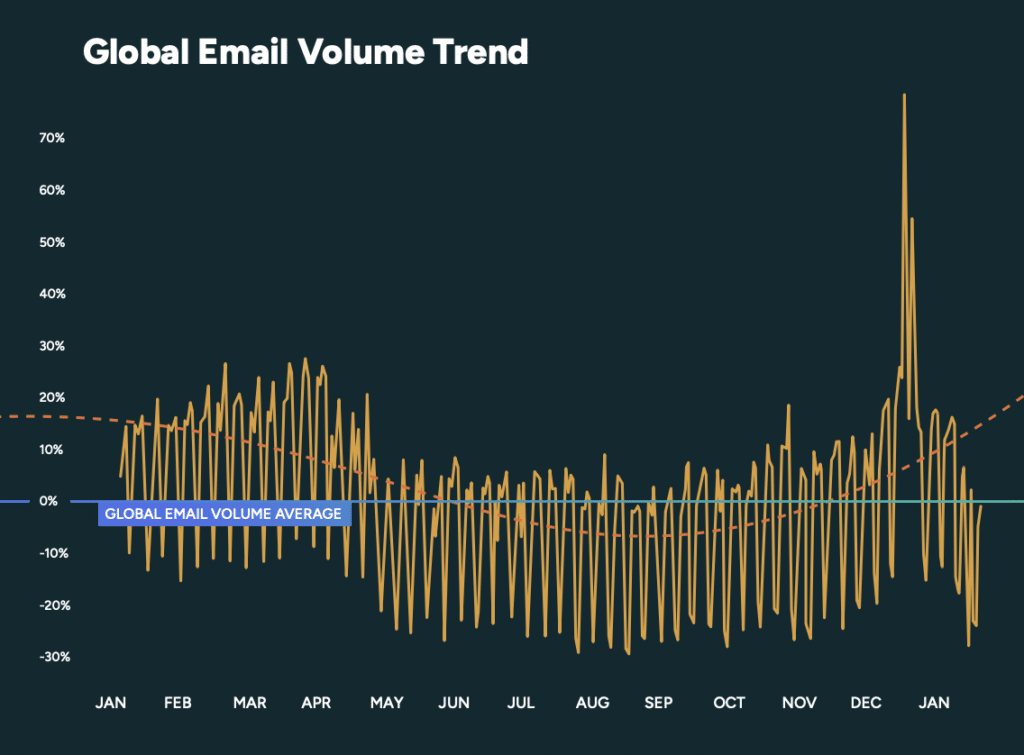
Sudden, uncharacteristic spikes in email volume or erratic sending patterns can trigger alarms for MBPs. Such behavior mimics that of spammers who often acquire lists and blast them with high volumes. Mailbox providers monitor sending history closely; a new IP address or domain suddenly sending millions of emails will be treated with suspicion. Ross Adams, Microsoft’s Principal PM Architect, has noted that “email overload” and “bombing” tactics lead to fatigue and complaints. Gradual “warming up” of new sending IPs or domains, and maintaining a predictable, consistent sending schedule, is crucial.
3. High Spam Complaint Rates:
User behavior is a powerful signal for spam filters. If a significant number of subscribers mark an email as spam, it directly harms the sender’s reputation. This tells MBPs that users do not want mail from that sender, leading to future filtering. Spam complaints are far more damaging than unsubscribes. Reasons for complaints often include irrelevant content, excessive frequency, or difficulty in finding the unsubscribe option.
4. Spammy Content and Formatting:
While the era of strict keyword filtering has largely passed, certain content characteristics can still trigger spam filters or, more importantly, recipient disengagement. These include:
- Poor Formatting: Broken images, excessive use of all caps, too many exclamation marks, unusual fonts, or messy HTML code can signal low quality or suspicious intent.
- Phishing-like Characteristics: Links to unverified domains, suspicious attachments, or language commonly associated with scams.
- Lack of Mobile Responsiveness: Emails that render poorly on mobile devices create a negative user experience, leading to disengagement and potential spam complaints.
- Excessive Sales-oriented Language: Overly aggressive promotional language without genuine value can lead recipients to perceive the email as intrusive.
5. Poor Email List Hygiene and Spam Traps:
Sending emails to an unkempt list is a primary deliverability killer.
- Inactive/Dead Addresses: Sending to addresses that are no longer active or have become “hard bounces” wastes resources and signals poor list management.
- Spam Traps: These are email addresses specifically designed by MBPs or anti-spam organizations to catch spammers. Sending to a spam trap instantly blacklists a sender and severely damages their reputation. Spam traps can be pristine (never used legitimately) or recycled (old, abandoned addresses repurposed).
- Purchased Lists: Buying email lists from third parties is a cardinal sin in email marketing. These lists often contain inactive addresses, spam traps, and recipients who have not opted in, guaranteeing high bounce rates and spam complaints.
6. Low Engagement Metrics:
MBPs increasingly use engagement (opens, clicks, replies, read time, adding to address book) as a key indicator of email quality and sender reputation. If subscribers consistently ignore or delete emails without opening them, it signals to the MBP that the emails are not valued, making them more likely to be filtered to spam. Conversely, positive engagement signals that emails are desired and relevant.
Strategies for Optimizing Inbox Placement: A Holistic Approach
Achieving consistent inbox placement requires a comprehensive, proactive strategy that addresses both technical compliance and user-centric content.
1. Fortify Email Authentication Infrastructure:
This is the non-negotiable foundation. Ensure SPF, DKIM, and DMARC records are correctly set up and aligned across all sending domains and subdomains. Regularly audit these settings, especially after migrating ESPs or making infrastructure changes. Consider implementing BIMI to visually reinforce brand authenticity in the inbox.
2. Master Email Cadence and Frequency:
Respect subscriber preferences. Analyze engagement data to determine optimal sending frequency. For planned volume spikes (e.g., holiday sales), gradually increase sending volume beforehand to “warm up” your reputation. Implement preference centers that allow subscribers to choose the types and frequency of emails they receive, mitigating fatigue and complaints.
3. Proactively Manage Spam Complaints:
Monitor spam complaint rates diligently. Most ESPs provide reporting on this metric. If rates approach the 0.3% threshold (or even 0.1% as recommended by Yahoo), investigate immediately. The best defense is to prevent complaints by sending relevant content and making unsubscribing easy.
4. Streamline the Unsubscribe Process:
As mandated by major MBPs and various regulations, a clear, one-click unsubscribe link is essential. It should be easily visible, typically in the email footer. While marketers often fear unsubscribes, they are vastly preferable to spam complaints, which inflict severe damage on sender reputation. An unsubscribe indicates a recipient no longer wants your emails, allowing you to clean your list gracefully.
5. Ensure Impeccable Content and Formatting:
Prioritize clean, well-structured, and mobile-responsive email designs. Proofread all content meticulously to eliminate typos and grammatical errors. Avoid overly promotional language that lacks value. Test emails across various clients and devices using tools like Litmus Previews to ensure consistent rendering and a positive user experience. The goal is for emails to look professional and trustworthy.
6. Maintain Vigilant List Hygiene and Smart Segmentation:
Regularly clean your email list by identifying and removing inactive subscribers and hard bounces. Implement a double opt-in process for all new subscribers to confirm their intent and prevent typos or fake sign-ups. Never purchase email lists. Segment your audience based on demographics, behavior, interests, and engagement levels. This allows for highly targeted messaging, which naturally leads to better engagement. For unengaged subscribers, consider a re-engagement campaign offering options to update preferences before their removal from the active list. Tools like Validity Engage can automate list verification and monitoring.
7. Drive Genuine Email Engagement:
Engagement is the ultimate arbiter of deliverability. Focus on sending content that subscribers genuinely want to open, read, and click.
- Personalization: Go beyond simply using a subscriber’s first name. Leverage zero-party data (collected directly from subscribers via surveys, preference centers) and behavioral data to tailor content to individual interests, challenges, and purchasing history. McKinsey’s research indicates that 71% of consumers expect personalized experiences.
- Value Proposition: Ensure every email offers clear value, whether it’s exclusive content, helpful tips, relevant product recommendations, or timely updates.
- Interactive Content: Experiment with interactive elements (polls, quizzes, GIFs) to boost engagement and create a more dynamic experience.
8. Craft Desired Email Content:
The focus should be on creating helpful, relevant, and interesting content rather than just avoiding “spammy words.” Mailbox providers are now sophisticated enough to understand context.
- Clear Call to Action (CTA): Guide subscribers clearly on what you want them to do next.
- Brand Voice: Maintain a consistent and authentic brand voice that resonates with your audience.
- Storytelling: Engage subscribers with compelling narratives that build connection.
- Quality over Quantity: Prioritize sending fewer, higher-quality emails that provide genuine value.
Implications for Modern Marketers and the Path Forward
The evolving landscape of email deliverability means that marketers can no longer view it as a mere technical afterthought. It is intrinsically linked to brand reputation, customer relationships, and business performance. Poor deliverability translates directly into diminished ROI for email campaigns, as messages that don’t reach the inbox cannot generate opens, clicks, or conversions. It also erodes customer trust and loyalty, as subscribers may feel ignored or assume a brand has stopped communicating.
For organizations struggling with inbox placement, the immediate action plan involves a structured review:
- Audit Email Authentication: Verify SPF, DKIM, and DMARC settings are correct and aligned.
- Analyze Spam Complaint Rates: Identify patterns and address root causes.
- Review Unsubscribe Process: Ensure it is one-click and easily accessible.
- Assess List Hygiene: Implement double opt-in and regular list cleaning.
- Evaluate Sending Cadence: Optimize frequency based on engagement data.
- Scrutinize Content and Formatting: Test emails thoroughly for rendering and quality.
- Enhance Personalization and Engagement Strategies: Tailor content to subscriber interests.
Beyond these immediate steps, a holistic shift towards a subscriber-centric approach is crucial. This means consistently providing value, respecting preferences, and fostering a positive relationship with every recipient. Tools like Validity Engage offer AI-powered insights to monitor deliverability, identify issues, and guide corrective actions, helping marketers navigate this complex environment with greater confidence. Professional services are also available for organizations needing expert assistance to diagnose and resolve deep-seated deliverability challenges.
Ultimately, the goal of email marketing remains unchanged: to communicate effectively with an engaged audience. In an era of increasingly sophisticated spam filters, achieving this requires meticulous attention to technical details, a deep understanding of user behavior, and an unwavering commitment to delivering genuine value to the inbox.








