TikTok, the wildly popular short-form video platform, has announced a significant policy update, specifically prohibiting the use of artificial intelligence-generated voices and pre-recorded audio in its live broadcasts. This move signals a crucial shift in the platform’s approach to content moderation, particularly within its rapidly expanding live commerce ecosystem, and highlights the ongoing tension between embracing AI innovation and preserving authentic user experiences. The new rules, prominently featured in TikTok’s updated Live guidelines, aim to curb the overuse of synthetic audio, mandating real-time human interaction for broadcasters.
The New Mandate: Details of the Ban
The updated TikTok Live rules, specifically under the “Prohibited Content” section, now explicitly state: “Don’t use non-real-time verbal interaction such as AI-generated voices, audio recordings, or radio.” This clear directive underscores TikTok’s intention to foster genuine engagement during live sessions. Broadcasters are now expected to “engage directly with your viewers using real-time verbal or sign language communication and demeanor that is appropriate for all users.” Consequently, any livestreams found to be relying on AI-generated voices or pre-recorded audio instead of direct, real-time communication will be categorized as “non-compliant content” and subject to platform enforcement actions.
This policy revision primarily targets TikTok Shopping livestreams, a cornerstone of the platform’s ambitious push into e-commerce. The decision comes as live shopping continues its global ascent, with platforms vying for authenticity and consumer trust. While the specific penalties for non-compliance have not been detailed in this initial announcement, they typically range from warnings and temporary bans to permanent account suspension for repeat offenders, particularly those engaged in commercial activities. The emphasis on “real-time verbal or sign language communication” suggests a desire to ensure that live streams offer a dynamic, interactive experience that cannot be replicated by automated systems alone.
A Broader Context: The Ascent of Live Commerce
To fully appreciate the significance of TikTok’s latest policy, it’s essential to understand the meteoric rise of live commerce and TikTok’s strategic position within this burgeoning sector. Live shopping, or “shoppable livestreams,” originated in China and has rapidly expanded globally, transforming the retail landscape. Companies like Alibaba’s Taobao Live and ByteDance’s Douyin (the Chinese version of TikTok) have pioneered this model, demonstrating its immense potential for driving sales and fostering community.
Globally, the live commerce market was valued at approximately $220 billion in 2023 and is projected to exceed $600 billion by 2027, according to various industry reports. This growth is fueled by consumers’ desire for interactive, entertaining, and often discounted shopping experiences that mimic in-person retail but offer the convenience of online access. TikTok Shop, launched initially in Southeast Asia and then expanding to Western markets including the U.S., has quickly become a key player in this space. It offers creators and brands a direct channel to sell products, leveraging the platform’s vast user base and viral content mechanisms.
In 2023, TikTok Shop reported gross merchandise value (GMV) of over $20 billion globally, significantly exceeding initial expectations. The platform has invested heavily in infrastructure, creator programs, and logistics to solidify its position as a live commerce powerhouse. This rapid expansion, however, has also brought challenges, including managing content quality, combating counterfeit goods, and ensuring a consistent, positive user experience, all of which likely factored into the decision to regulate AI audio.
TikTok’s Ambivalent Relationship with AI

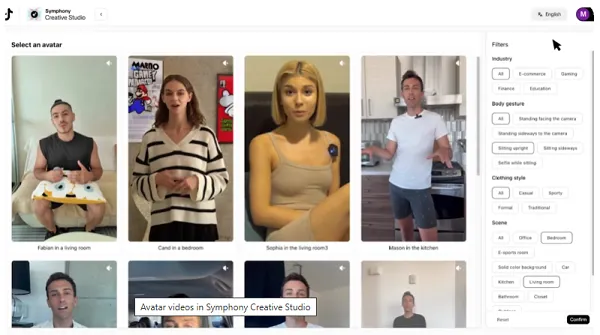
The new ban on AI-generated audio presents an intriguing paradox given TikTok’s broader, aggressive push to integrate artificial intelligence across various facets of its platform. Just recently, TikTok has been at the forefront of implementing AI elements, including the launch of AI-powered digital avatars for video creation. In 2024, the platform announced initiatives enabling businesses to create virtual characters capable of broadcasting on a brand’s behalf, with a key selling point being the ability to boost promotional value and frequency. These avatars were designed to provide cost-effective and scalable content solutions, allowing brands to maintain a consistent digital presence without requiring human presenters around the clock.
Moreover, the success of AI livestreamers on Douyin, TikTok’s sister app in China, further highlights this apparent contradiction. On Douyin, virtual influencers have become a massive business, with reports indicating over 993,000 digital avatar companies registered in China. These entities offer services that include inexpensive production costs and virtual characters capable of streaming 24/7 across various applications. The ability of these AI-driven entities to maintain continuous engagement and sales has made them incredibly popular, especially for smaller businesses looking to maximize their reach without significant overheads.
This divergence between TikTok’s global policy and Douyin’s established model suggests a nuanced understanding of market differences and user expectations. While AI-generated visuals and avatars might be embraced as creative tools for pre-recorded content or even as supplementary visual elements in live streams, the platform appears to draw a line at fully autonomous AI-generated audio for direct, interactive communication in a live setting. The distinction likely lies in the perceived authenticity and directness required for building trust and driving conversions in live commerce, particularly in Western markets where user expectations around live interaction may differ from those in Asia.
Rationale Behind the Policy Shift: Prioritizing User Experience
The most probable explanation for this policy reversal, despite TikTok’s ongoing AI ambitions, is a direct response to a deteriorating user experience. While AI offers scalability and cost efficiency, its unchecked use in live streams can lead to repetitive, low-quality content that alienates viewers. Industry observers suggest that some brands and creators may have abused the system, deploying AI-generated voices to broadcast monotonous, automated messages round the clock. This “AI slop” — content that lacks human nuance, spontaneity, and genuine interaction — inevitably leads to viewer fatigue and disengagement.
If viewers consistently encounter unengaging, machine-generated broadcasts, they are less likely to return to TikTok Live, undermining the platform’s investment in its live commerce infrastructure. TikTok’s core strength lies in its ability to foster community and authentic connections. When live streams become indistinguishable from automated advertisements, they erode the trust and entertainment value that draw users to the platform in the first place. This move, therefore, can be seen as a strategic decision to protect the integrity of the live streaming environment and ensure that it remains a vibrant, interactive space rather than becoming saturated with robotic, uninspired content.
Furthermore, the rise of sophisticated AI voice cloning and deepfake technologies has raised concerns about misinformation and deceptive practices. While the primary focus of this ban appears to be user experience, an underlying motivation could also be to mitigate potential risks associated with AI-generated voices, such as impersonation or the spread of misleading information, thereby enhancing platform safety and trustworthiness.
Implications for Creators and Brands
This new policy carries significant implications for content creators and brands leveraging TikTok Live. For those who had begun to invest in or rely on AI-generated voices for their live broadcasts, this ban necessitates a rapid pivot back to human-centric interaction. This could mean increased operational costs, as brands may need to hire or train human presenters to host their live streams. Smaller businesses, in particular, who sought to leverage AI for cost-effective 24/7 streaming, might face new challenges in maintaining their desired level of presence.
Conversely, the ban could empower human creators and presenters, placing a renewed emphasis on their unique ability to connect, empathize, and react spontaneously with audiences. It reinforces the value of genuine personality and real-time engagement, potentially creating new opportunities for charismatic hosts to thrive. Brands that prioritize authenticity and human connection may find this policy beneficial, as it levels the playing field against those relying solely on automated systems.
The policy also prompts a re-evaluation of content strategies. Brands will need to focus on developing engaging, interactive scripts and training their human presenters to deliver compelling live shopping experiences. This could lead to a higher quality of live content overall, as creators are pushed to innovate within the bounds of human interaction.
Industry Reactions and Expert Commentary
While TikTok has not released detailed statements beyond the rule update, industry analysts are closely watching the implications. Many view this as a proactive step by TikTok to differentiate itself in an increasingly crowded digital content landscape, particularly as other platforms grapple with the influx of AI-generated “slop.” Experts suggest that this policy could be a strategic play to maintain high content standards and user trust, crucial elements for long-term platform growth and monetization, especially in competitive Western markets.
“This move by TikTok highlights a critical juncture for social media platforms grappling with AI,” commented Dr. Emily Chen, a digital media researcher. “While AI offers undeniable efficiencies, the human element, especially in live interactive formats like shopping, remains irreplaceable for building genuine trust and engagement. TikTok is likely balancing innovation with the preservation of its core value proposition: authentic connection.”
Comparison to other platforms reveals a varied landscape. While many social media giants have introduced AI content creation tools, few have explicitly banned AI-generated audio in live settings. Most platforms currently focus on disclosure requirements for AI-generated content (e.g., labeling deepfakes) rather than outright prohibition, making TikTok’s stance particularly notable. This suggests TikTok might be taking a more aggressive approach to content quality control, perhaps learning from the experiences of its Chinese counterpart, Douyin, where the sheer volume of AI-generated content may have created a different set of user expectations.
The Future of AI on TikTok Live
Despite the current ban on AI-generated audio, TikTok’s long-term relationship with AI is unlikely to be one of complete prohibition. The platform’s commitment to AI-powered digital avatars for video content remains firm. This suggests a potential future where AI plays a supportive role rather than a dominant one in live streams.
The updated rules include a curious carve-out: “Don’t use animated figures or content that covers more than 50% of the screen.” While this primarily refers to visual elements, it hints at a possibility where AI-generated visual characters might still appear in live streams, perhaps as co-hosts or background figures, provided they do not dominate the screen or, crucially, generate their own live audio. Future iterations of AI integration might involve AI co-hosts that assist human presenters, offering data-driven insights or managing chat interactions, but with the primary verbal communication still originating from a human. This could offer a compromise, allowing brands to leverage AI’s capabilities for efficiency while maintaining the essential human touch.
Ultimately, this policy represents a significant development in TikTok’s ongoing adaptation to the rapidly evolving landscape of AI-generated material. It underscores the platform’s commitment to prioritizing user experience and authenticity, especially in the commercially vital live shopping segment. As AI technology continues to advance, the tension between innovation and content integrity will remain a central theme for digital platforms, and TikTok’s latest move serves as a prominent indicator of how major players are navigating this complex challenge. The battle against “AI slop” and the push for genuine human connection will likely define the next era of digital content consumption.