A comprehensive sales strategy is the bedrock upon which successful revenue generation is built. It encompasses every facet of the sales cycle, from meticulously identifying and understanding target audiences to the precise methods employed for engagement. Crucially, these strategies are not static pronouncements but dynamic, evolving documents, continuously refined with up-to-the-minute market intelligence and performance data to maximize future sales endeavors. The strategic imperative behind a well-crafted sales plan is clear: it empowers sales representatives to dedicate their efforts to the most impactful activities and enables marketing teams to position products and services with unparalleled effectiveness.
The Tangible Benefits of Strategic Sales Planning
The implementation of a thoughtful sales strategy yields a cascade of advantages, directly contributing to organizational efficiency and revenue growth. One of the foremost benefits is the enhanced productivity of sales teams. By clearly defining ideal buyer personas and understanding their compelling value propositions, sales professionals can eliminate wasted time on unproductive outreach. This laser focus ensures that every interaction is geared towards moving the sales process forward. Research consistently highlights the correlation between well-defined strategies and increased sales win rates. For instance, a study indicated that companies where sales and marketing teams collaborate strategically experience a remarkable 38% higher sales win rate, underscoring the power of a unified approach.
Furthermore, a robust sales strategy is instrumental in driving revenue growth and expanding the sales pipeline. Beyond simply increasing price points, strategic planning allows for the identification and optimization of acquisition channels with superior conversion rates. This meticulous approach to lead generation and nurturing transforms the sales pipeline from a speculative entity into a predictable engine of growth.

Cultivating Repeatable Systems for Predictable Success
The development of repeatable systems is another critical outcome of a well-defined sales strategy. By identifying and codifying the most effective sales processes, businesses can move beyond ad-hoc guesswork. For example, if data reveals that prospects who receive a demo call convert at a 50% higher rate than those who do not, this insight becomes a cornerstone of the sales process, systematically integrated into all customer interactions. This systematic approach not only ensures consistency but also builds a foundation for scalable and predictable growth, allowing businesses to replicate success across their entire lead base.
Navigating the Landscape of Sales Methodologies
Within the broader framework of sales strategy, several distinct yet often complementary methodologies exist: Inbound Sales, Outbound Sales, and Account-Based Marketing (ABM). The optimal choice, or blend, depends heavily on the specific business model and customer base.
Inbound Sales: Attracting and Nurturing Through Value
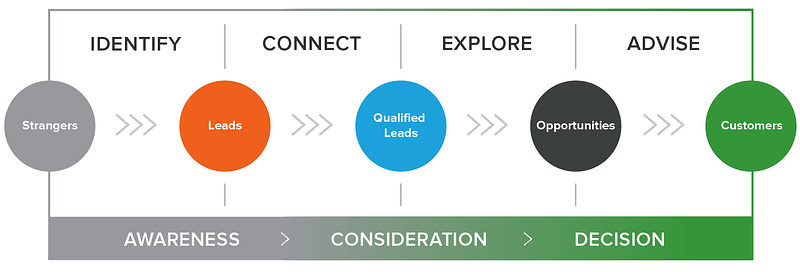
Inbound sales strategies are rooted in attracting potential customers by providing valuable content and resources. This methodology inherently blends sales and marketing efforts more intimately than traditional outbound approaches. An illustrative example involves a marketing team distributing insightful whitepapers or blog posts that address a prospect’s pain points. Once interest is piqued, sales representatives can then engage, offering product demos or delving deeper into the prospect’s specific challenges. In this model, sales professionals often adopt an advisory role, guiding leads through the process to ensure a genuine product-market fit. This approach relies on building trust and demonstrating expertise, making it particularly effective for complex or high-consideration purchases.
Outbound Sales: Proactive Outreach and Compelling Offers
In contrast, outbound sales strategies involve actively sourcing and contacting potential leads. While historically associated with cold calling and direct email campaigns, this methodology remains a potent tool for many organizations. The success of outbound sales hinges on a compelling offer and a seamless, efficient sales process. Moreover, in today’s regulatory environment, strict adherence to data privacy laws, such as GDPR, is paramount. DemandScience, for instance, offers solutions designed to assist businesses in sourcing leads in a compliant manner, mitigating potential legal and reputational risks. The effectiveness of outbound strategies is often amplified when coupled with meticulous lead qualification and a clear understanding of the prospect’s immediate needs.
Account-Based Marketing (ABM): Hyper-Targeted Engagement
Account-Based Marketing (ABM) represents a highly strategic approach that prioritizes targeting specific accounts with a high likelihood of conversion. This involves a deep understanding of the ideal customer profile and the creation of bespoke, highly relevant content designed to nurture these key accounts. ABM campaigns typically involve engaging multiple decision-makers within a target organization, aiming to build consensus and facilitate a smoother closing process. This methodology necessitates exceptionally close collaboration between sales and marketing teams, as both departments must align their efforts around specific target accounts. A typical ABM campaign might involve targeted LinkedIn advertising for key accounts concurrently with personalized cold email outreach from the sales team. This approach reverses the traditional sales funnel by first defining the target audience and then building campaigns around their specific needs and interests, making it a powerful strategy for enterprise-level sales.
The Blueprint for Constructing a Winning Sales Strategy
Developing an effective sales strategy involves a structured, multi-stage process designed to align with business objectives and market realities.
1. Foundational Analysis: Industry, Product, and Buyer Persona
The initial step in crafting a sales strategy involves a thorough examination of the industry landscape, the unique value proposition of the product or service, and a precise definition of the ideal buyer persona. Understanding the Average Contract Value (ACV) is also critical, as it dictates the appropriate tactics. Businesses with a low ACV may opt for high-volume, less personalized outreach, while those with a high ACV will likely invest in more in-depth, consultative sales processes. Industry norms also play a significant role; some sectors thrive on trade shows and in-person interactions, while others are predominantly digital.
2. Setting Ambitious Yet Achievable Sales Goals
Sales goals must be intrinsically linked to broader company objectives. Once overarching sales targets are established, they should be meticulously broken down into Key Performance Indicators (KPIs) and individual goals for sales representatives. For example, a quarterly revenue target might translate into a weekly quota for cold emails sent or a specific number of discovery calls completed. The core principle is that sales goals should accurately reflect the expected activities of the sales team and the desired ultimate outcomes.

3. Identifying Key Acquisition Channels
Determining the most effective acquisition channels requires a deep dive into buyer personas. The question to ask is: who is the ideal customer, and what are the most effective ways to reach them? A diverse array of demand generation strategies can be employed, depending on the target audience. For low-cost, high-volume products, channels like cold emailing and cold calling might be less efficient. Conversely, for expensive, infrequently purchased solutions, cold emails can serve as a crucial initial touchpoint to educate prospects before a more in-depth engagement.
4. Rigorous Measurement of Sales Performance
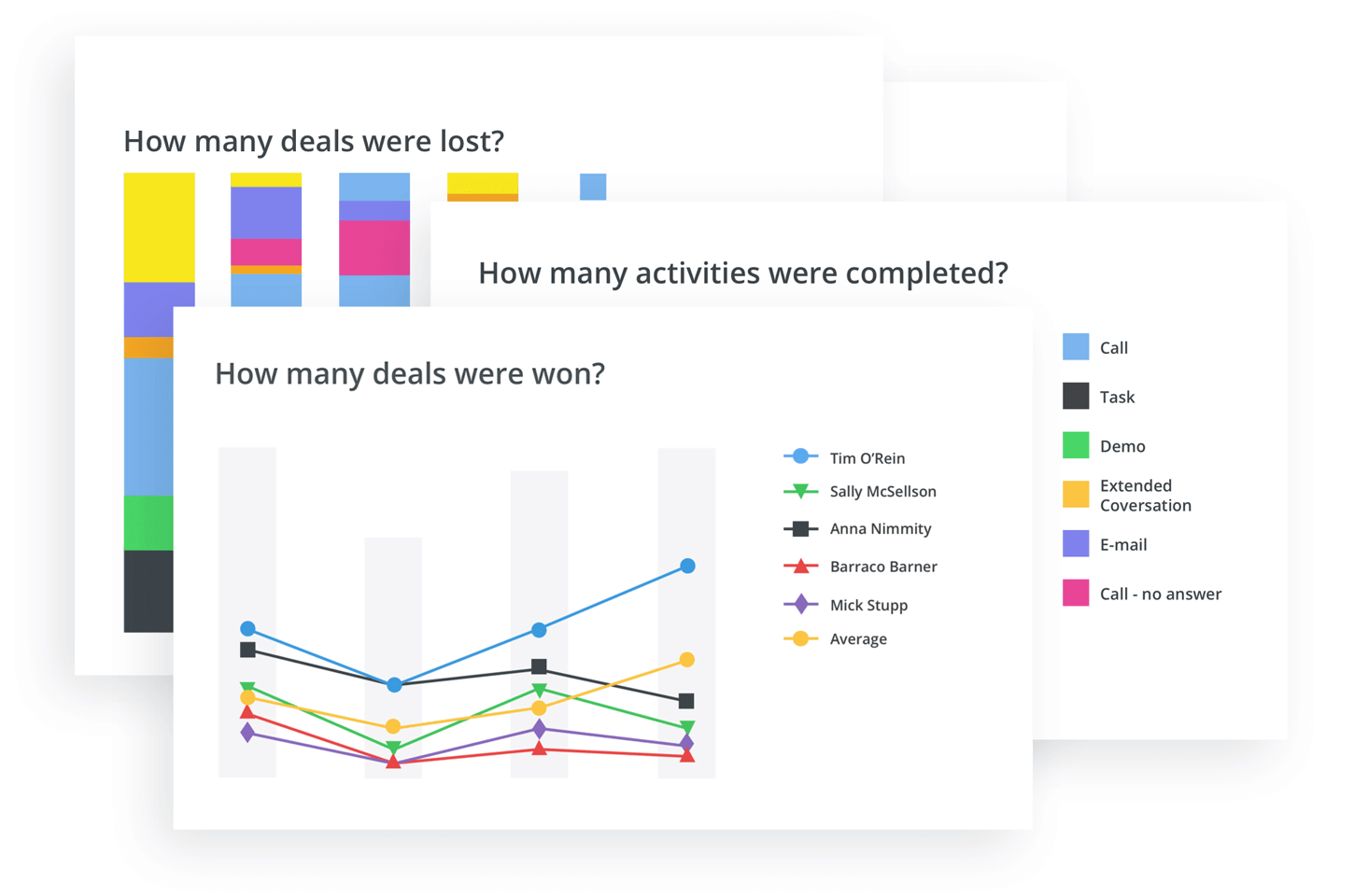
Consistent tracking and measurement are indispensable for evaluating the efficacy of any sales strategy. Without diligent metric monitoring, it becomes impossible to ascertain what is working and where valuable resources are being misallocated. While tools like Microsoft Excel or Google Sheets can provide basic tracking capabilities, dedicated CRM systems offer more sophisticated analytics. Over 50% of sales teams report enhanced productivity when utilizing CRM platforms, which often provide detailed reports on metrics such as email open rates, response rates, and revenue forecasts. Pipedrive, for instance, is a CRM that facilitates the tracking of key sales metrics, enabling data-driven decision-making.
5. Strategic Automation of Processes
Once a sales strategy demonstrates consistent success, the next logical step is to automate repetitive processes. This not only frees up valuable sales rep time for high-impact activities but also ensures scalability as the business grows. DemandScience, for example, offers solutions for generating targeted lead lists based on detailed buyer persona criteria, significantly reducing the manual effort involved in lead prospecting. Tools like Lead Forensics can identify website visitors, allowing for proactive outreach. Automated lead scoring is another critical component, enabling sales teams to prioritize their efforts by identifying leads that are most ready for engagement. CRMs such as HubSpot CRM, Salesforce, and Agile CRM offer robust lead scoring functionalities, ensuring sales representatives focus their attention on the most promising prospects.
Continuous Optimization for Sustained Success
The efficacy of a sales strategy is not a one-time achievement but an ongoing process of refinement. Regular optimization ensures that resources are utilized to their maximum potential. This involves a critical review of underperforming campaign elements. For instance, if cold email open rates are consistently low, the strategy must pivot to address potential shortcomings in either the subject line’s appeal or the email’s content and sender reputation. By systematically testing and adjusting these variables, businesses can continuously improve campaign outcomes.
The Enduring Value of Existing Customers
While the acquisition of new customers is vital, it is equally important not to overlook the significant value of existing clientele. Statistics indicate that businesses are substantially more likely to make a sale to an existing customer than to a new one. Maintaining high levels of customer satisfaction is paramount to fostering loyalty and repeat business, thereby mitigating customer churn, which represents a substantial financial loss for many companies. A customer-centric approach, therefore, should be an integral component of any comprehensive sales strategy.