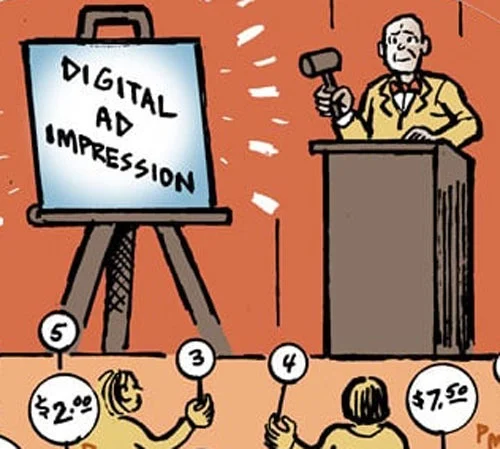
The contemporary publishing world often feels like a high-stakes game where the rules are set by a select few, and authors find themselves navigating an increasingly complex landscape. At the heart of this intricate system are Amazon and Goodreads, two platforms controlled by the same entity, which wield immense power over a book’s visibility, success, and ultimately, an author’s career. For many writers, both independent and traditionally published, the path to reaching readers is fraught with challenges, where algorithmic favoritism and the pressure to accumulate reviews often overshadow the inherent quality of the work itself. This dominance has sparked widespread concern among the literary community, raising critical questions about fairness, transparency, and the future of diverse voices in publishing.
The Rise of a Monopoly: Amazon’s Unprecedented Control
Amazon’s journey from an online bookseller in 1995 to a global e-commerce behemoth has fundamentally reshaped the publishing industry. Its introduction of the Kindle e-reader in 2007 democratized access to digital publishing, empowering countless independent authors. However, this accessibility came with a trade-off: unparalleled centralization of power. Amazon’s market share in book sales is formidable, estimated to be over 50% of all print book sales in the U.S., and an even higher percentage in the e-book market, often cited between 70% and 80%. This extensive reach means that for most authors, sidestepping Amazon is virtually impossible if they wish to reach a broad audience. The acquisition of Goodreads in 2013 further solidified Amazon’s control, integrating the primary retail platform with the leading social cataloging and review site, thereby creating a near-monopoly on both sales and reader feedback.
The Indispensable Currency: Reviews in the Digital Age
In this digital ecosystem, reviews have evolved beyond simple reader feedback; they are the lifeblood of a book’s discoverability and commercial viability. Positive reviews serve as potent social proof, signaling to potential readers that a book is worthy of their time and investment. Studies consistently show that consumer reviews significantly influence purchasing decisions. For instance, research from Northwestern University indicates that even a single review can boost sales by 10-20%, while a substantial volume of positive reviews can dramatically increase conversion rates, sometimes by over 270%. This data underscores why authors and publishers alike are under immense pressure to secure as many favorable reviews as possible, especially in a crowded market where thousands of new titles are released daily.

Amazon’s algorithms are meticulously designed to prioritize books with higher review counts and positive ratings. A book with a robust collection of reviews is more likely to appear prominently in search results, receive algorithmic recommendations, and be featured in sections like “Customers Also Bought.” This algorithmic favoritism creates a self-reinforcing cycle: books that gain initial traction through reviews continue to garner visibility, while those struggling to accumulate feedback remain buried. For emerging and independent authors, this reality means that reviews are not just about gauging reader reception but about unlocking the platform’s favor, making the pursuit of stars and comments a critical, if sometimes overwhelming, component of their promotional strategy.
Navigating the Opaque Review System: Challenges and Frustrations
Despite the paramount importance of reviews, Amazon’s review system is notoriously opaque, often leaving authors and readers frustrated by its lack of transparency. Authors frequently report instances where legitimate reviews are rejected or removed without clear explanation. Amazon’s automated systems, designed to combat fake or biased feedback, sometimes flag reviews from an author’s personal network, or from users who did not purchase the book directly through Amazon. While the intention is to maintain integrity, the execution can be arbitrary, penalizing genuine readers and authors. For example, one author shared the experience of a review from prominent technology evangelist Guy Kawasaki being inexplicably rejected, despite its clear authenticity and relevance. Such incidents highlight the inconsistency and lack of accountability within the system.
This unpredictability has real-world consequences. Authors may see a surge in positive feedback only to watch a significant portion of it vanish without recourse. The absence of a clear appeals process or detailed explanations from Amazon leaves authors in the dark, struggling to understand why their legitimate reviews disappear. This creates an environment where adherence to rules doesn’t guarantee protection, while books employing questionable tactics sometimes manage to bypass detection, further eroding trust in the system’s fairness.
The “Pay-to-Play” Paradigm: Financial Barriers to Visibility
Visibility in the publishing world, particularly on Amazon, increasingly comes at a financial cost. Authors quickly realize that a compelling story is often insufficient; gaining attention requires a substantial monetary investment. This manifests in various forms, from running Amazon Advertising campaigns to utilizing paid services for book promotion and review solicitation. Given that Amazon’s algorithms reward books with higher sales and review counts, authors feel compelled to invest in advertising to kickstart their visibility. This creates a “pay-to-play” environment where those with deeper pockets have a distinct advantage.

For independent authors, this financial divide is particularly challenging. Unlike traditionally published authors who benefit from the marketing budgets of large publishing houses, indie authors must rely solely on their own resources. This often necessitates investing in costly ads, promotional services, and even review services, which can quickly deplete an author’s budget with no guaranteed return. The unpredictability of these paid promotions means that many indie authors find themselves gambling, where success hinges more on financial investment than on the merit of their writing. This exacerbates inequalities, making it increasingly difficult for authors without significant marketing capital to break through the noise.
This “pay-to-play” dynamic extends beyond Amazon, influencing even prestigious lists like the New York Times Best-Seller list. There have been documented instances where authors and publishers have engaged in strategic bulk-buying or pre-order campaigns, leveraging substantial financial backing to manipulate sales figures and ensure their titles appear on the coveted list. This practice, while not directly tied to Amazon’s algorithms, underscores how financial power can distort traditional metrics of success, raising questions about the authenticity and integrity of literary recognition.
Goodreads: Amazon’s Review Arm and its Double-Edged Nature
Goodreads, with its vast user base of over 125 million members, has long been celebrated as a haven for book lovers. It offers a community-driven platform for discovering, rating, and reviewing books, fostering connections among readers. However, its integration into the Amazon ecosystem, often unknown to many users, adds a layer of complexity and potential conflict of interest. As a subsidiary of Amazon, Goodreads’ data and user activity can directly or indirectly influence Amazon’s promotional strategies and algorithmic recommendations.
Despite its community-centric ethos, Goodreads is not immune to manipulation. The platform’s reliance on user-generated content makes it vulnerable to tactics like “review bombing,” where a book, often a controversial or high-profile one, is flooded with negative reviews by individuals who may not have read the book. Conversely, authors desperate for positive feedback may solicit reviews from friends, family, or paid services, muddying the waters for readers seeking honest recommendations. This creates a paradox where a platform built on authentic book discussions sometimes struggles to uphold that very principle due to external pressures and incentives inherent in the review culture. The lack of transparent moderation policies on Goodreads, mirroring Amazon’s system, further compounds authors’ feelings of helplessness when their books are unfairly targeted or promoted.
The Broader Impact: Threat to Literary Diversity and Local Bookstores

Amazon’s dominance impacts not just authors but the entire literary ecosystem, particularly independent bookstores. These local establishments, often serving as vital community hubs, struggle to compete with Amazon’s aggressive pricing, vast inventory, and logistical efficiency. Independent bookstores often offer curated selections, championing independent or lesser-known authors that larger retailers might overlook. They foster personal relationships between readers and booksellers, providing a tailored experience that no algorithm can truly replicate.
The decline of independent bookstores due to Amazon’s market power represents a significant loss for literary diversity and local economies. When consumers choose to purchase from local shops, whether online or in person, they directly support a broader range of authors and help sustain small businesses that are integral to cultural vibrancy. Many independent stores offer competitive pricing and personalized recommendations, urging readers to make conscious choices about where their money goes to counter the growing monopoly and preserve the unique character of local literary communities.
Charting a New Course: Alternatives and Author Empowerment
While the challenges posed by Amazon and Goodreads are deeply entrenched, authors are not without recourse. A growing ecosystem of alternative platforms offers promising avenues for breaking free from the grip of these dominant entities. Two notable examples gaining traction are StoryGraph and Book Sirens.
StoryGraph: A Community-Driven Alternative
StoryGraph presents a refreshing departure from the commercial pressures of Amazon and Goodreads. Founded by book lovers for book lovers, it prioritizes authenticity and community engagement over complex algorithms and paid promotions. Unlike Amazon, which primarily pushes books based on sales and star ratings, StoryGraph enables discovery based on nuanced criteria like mood, genre, and pace. This approach allows readers to find books that genuinely resonate with their preferences, fostering more organic connections. For authors, StoryGraph offers a platform where their books can be reviewed without the same commercial constraints, enabling them to build an authentic following and gain visibility based on genuine reader interest rather than marketing budget. Its growing popularity and fewer instances of review manipulation create a more level playing field for new and established authors alike.
Book Sirens: Cultivating Early Buzz
Book Sirens serves as an excellent tool for authors in the crucial pre-launch phase of their book release, akin to services like NetGalley. It connects authors with a network of eager readers willing to provide advance reviews. By offering free copies of their books, authors can gather early feedback, generate pre-publication buzz, and build initial momentum. This platform is invaluable for securing Advance Reader Copies (ARCs) and collecting reviews that can be leveraged once the book officially launches. Book Sirens allows authors to tap into a dedicated community of readers enthusiastic about discovering and reviewing upcoming titles, providing vital social proof that can then be used across other platforms, including Amazon and Goodreads, to give a new release a crucial head start.

By strategically utilizing platforms like StoryGraph for post-launch engagement and Book Sirens for pre-launch reviews, authors can cultivate more genuine and organic connections with their audiences. These alternatives empower authors to side-step the intense commercial pressures imposed by the dominant platforms, fostering an environment where literary merit and authentic reader engagement can drive success. Embracing these diverse platforms represents a vital step towards leveling the playing field and ensuring that all voices, regardless of their marketing budget, have a fair chance to be heard and valued.
The Road Ahead: Advocacy and Awareness
The challenges presented by Amazon and Goodreads are systemic, deeply woven into the fabric of modern publishing. There is no simple solution to dismantle a system so entrenched in the industry. Authors face a complex and often frustrating battle for visibility and success, where algorithms, paid promotions, and the relentless pursuit of reviews can feel like the only viable path forward.
However, awareness is the foundational step towards change. By understanding the operational mechanics of these dominant platforms and recognizing the limitations and pressures they impose, the literary community can begin to advocate for greater transparency and fairness. The emergence of platforms like StoryGraph and Book Sirens offers a glimpse into a more balanced and authentic publishing ecosystem, demonstrating that alternatives are not only possible but necessary.
For authors, the imperative is to remain informed, critically question existing systems, and actively support alternatives that align with the values of creativity, fairness, and authenticity. This collective awareness and action are crucial—not merely for surviving the current publishing landscape, but for fostering an environment where diverse voices can thrive, ensuring that the future of literature is not solely dictated by the algorithms and financial might of a few digital gatekeepers.