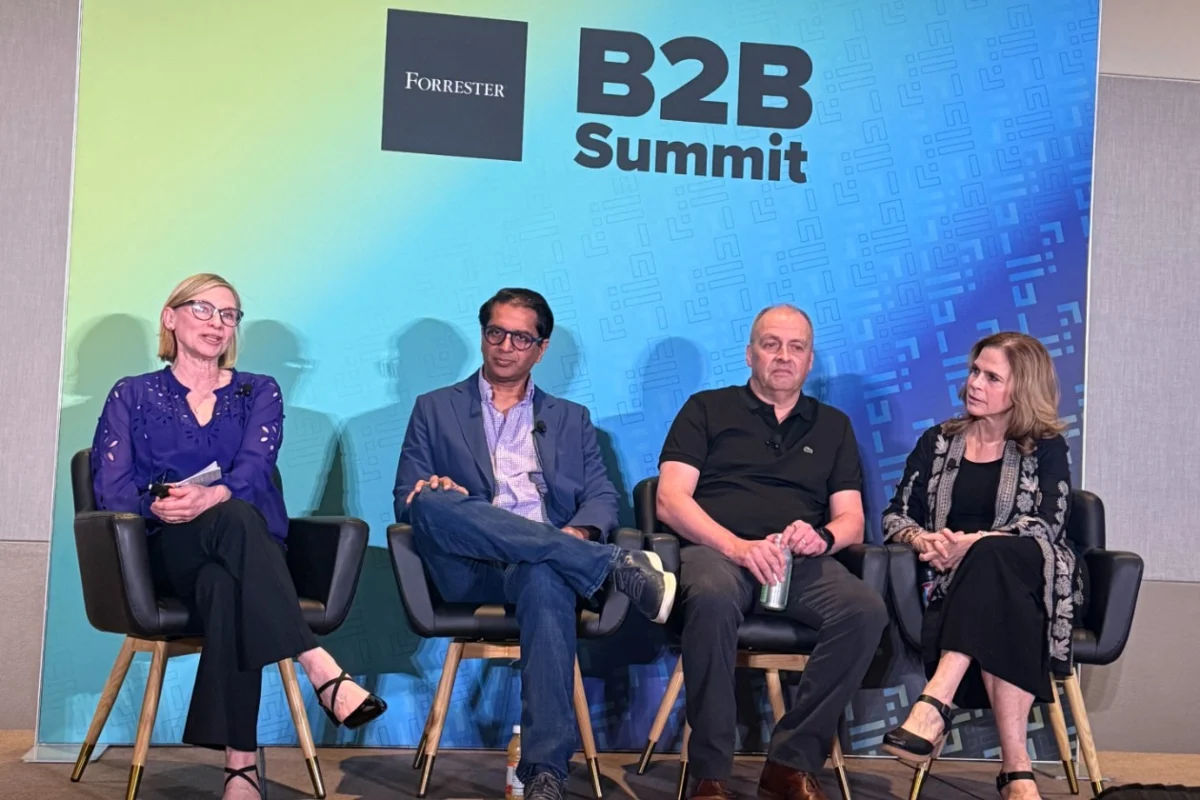
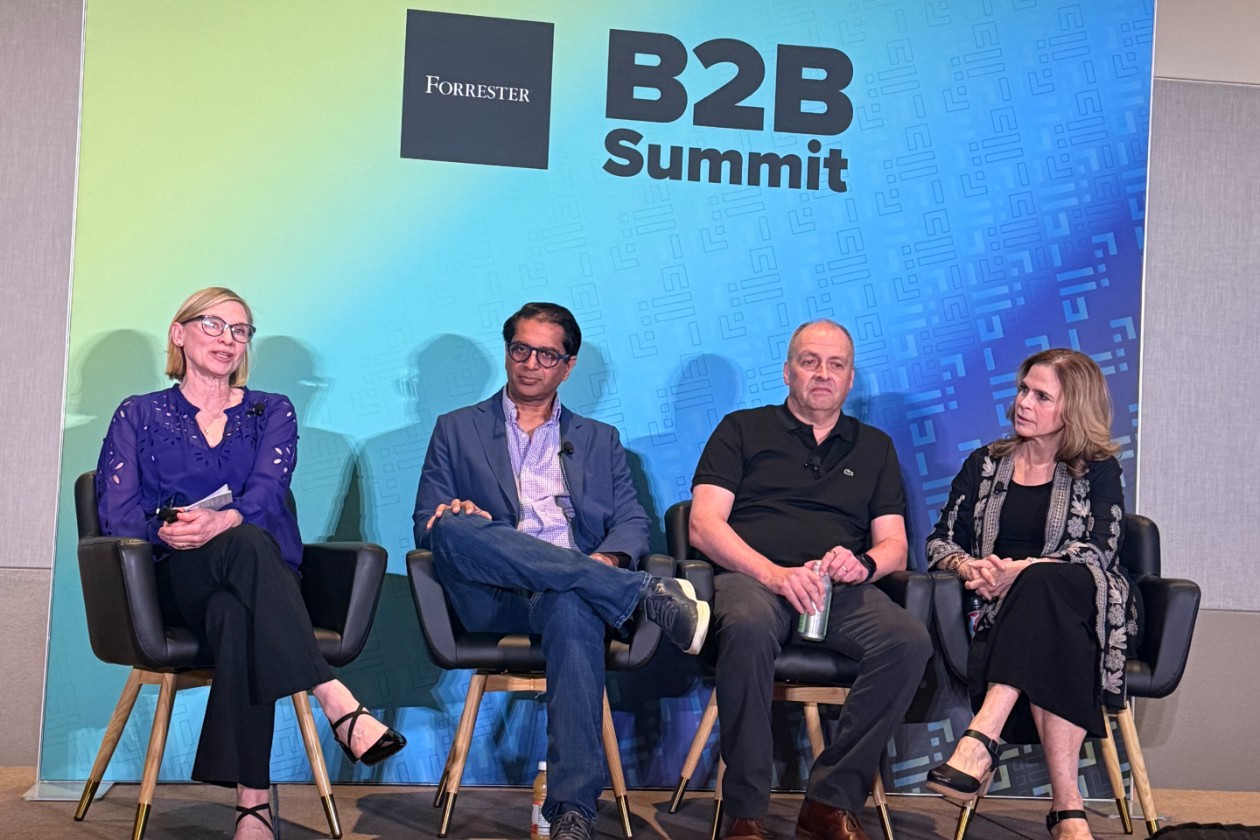
The atmosphere at the Forrester B2B Summit North America 2026 was palpable, with industry leaders and analysts converging to dissect one of the most critical challenges facing modern B2B marketing: the profound impact of generative AI on content authenticity and buyer trust. A pivotal panel, featuring seasoned analysts from Forrester alongside marketing executives from industry giants LinkedIn and SAP Concur, delved deep into this complex issue, seeking to define what constitutes authentic content in an era saturated with AI-generated material and to clarify its role in information discovery, engagement, and bolstering buyer confidence.
The consensus, forged from extensive Forrester research, practical experience, and platform-level data, offered a clear and actionable path forward. At its core, the decision to prioritize authenticity in content creation serves as the bedrock for establishing and nurturing buyer trust. This is not merely a philosophical stance; it is a strategic imperative. A staggering 94% of B2B marketers agree that trust is the paramount factor for achieving brand success in the B2B landscape, underscoring the foundational importance of authentic content in today’s competitive environment.
The Shifting Landscape of Visibility: AI Redefines the Starting Line
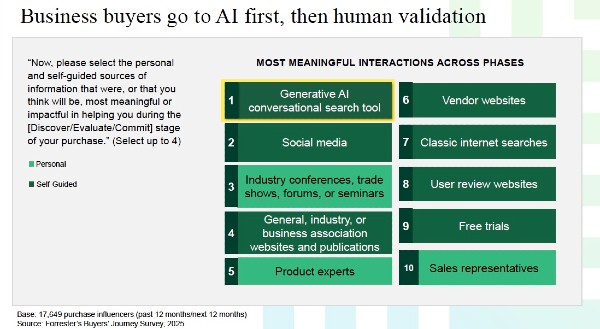
The session kicked off with Forrester’s Karen Tran presenting a data point that fundamentally reframes modern content discovery. According to the comprehensive Forrester Buyers’ Journey Survey, 2025, generative AI conversational search tools have ascended to become the single most impactful interaction in the B2B buying process. This places them ahead of traditionally dominant channels such as social media, industry publications, direct engagement with product experts, and even vendor-specific websites. This seismic shift means that initial buyer exposure to solutions and brands is increasingly mediated by AI.
The implications of this “AI-first” approach to discovery are profound. Buyers are leveraging AI to conduct their initial research and gather information, often before engaging with direct brand interactions. This necessitates a strategic re-evaluation of how content is created, optimized, and disseminated to ensure it resonates with both AI algorithms and the discerning human buyers they serve. The ability to be present and influential within these AI-driven discovery pathways is no longer a competitive advantage; it is a prerequisite for remaining on the buyer’s radar.
Buyers Initiate with AI, Then Seek Human Validation
This sequential buyer behavior has direct ramifications for content strategy, as highlighted by data shared by Karen Tran. A substantial 85% of brand mentions originate from third-party sources, indicating the critical role of external validation. Furthermore, a significant 49% of executives report actively scrutinizing how their brand and content appear within AI-powered search results. Despite this awareness, a considerable gap exists in preparedness: only 50% of B2B marketing decision-makers currently optimize their content for AI-powered search, and a mere 47% are creating content specifically designed to directly address the questions buyers are posing.
This disparity between buyer behavior and brand presence presents both a significant challenge and a substantial opportunity. B2B brands across the spectrum are experiencing a noticeable decline in visibility, fueling an urgent need to recapture lost attention. However, mere visibility is only the initial step. True success lies in becoming the recommended solution, endorsed by trusted sources that influence buyers – whether through AI search, established search engines, industry media, or influential creators. This is where attention transforms into intent, and where a brand ultimately positions itself as the optimal answer to a buyer’s needs.
The Triad of Audiences: Essential Pillars for B2B Content Programs
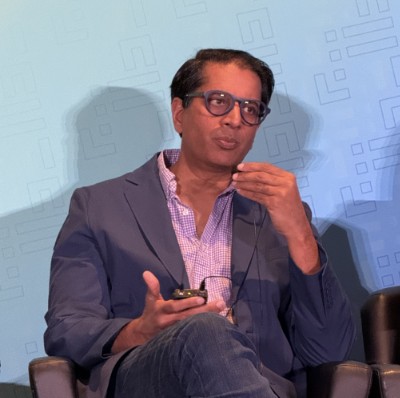
Davang Shah, VP of Marketing at LinkedIn, provided critical clarity on the multifaceted role of content in contemporary B2B marketing. He emphasized that today’s content programs must effectively influence three distinct entities simultaneously: end customers, large language models (LLMs), and AI agents.
“Content is grounded in trust that helps buyers make a decision that answers a question in a way that is useful. There are three entities to influence: end customers, LLMs, and agents. All of them are grounded in building trust,” Shah stated, articulating a foundational principle for modern content strategy.
This framework – customers, language models, and AI agents – offers a valuable lens for B2B marketers grappling with the evolving visibility landscape. The principles that cultivate trust with human audiences, such as credibility, consistency, and third-party validation, are remarkably similar to those that earn inclusion in AI-generated answers. In essence, the criteria for being chosen as a reliable answer converge across both human and artificial intelligence. Brands that approach AI optimization as an isolated endeavor, separate from an audience-first content strategy, are likely expending unnecessary effort.
Shah also highlighted a crucial demographic signal: 71% of B2B buyers today are Millennials and Gen Z. This generation actively seeks content that aids in problem-solving rather than purely sales-oriented material. Data referenced by Shah from Dreamdata indicates that the average B2B buying cycle now spans an extensive 272 days. Moreover, buyer groups are increasingly large, involving an average of 22 individuals, according to Forrester. Navigating this protracted and complex customer journey necessitates building trust across a long arc, through multiple voices, and across a diverse array of channels.
The Pillars of Authentic B2B Content Creation
The critical question for B2B content leaders, as probed by Karen Tran, Principal Analyst at Forrester, is how to harness the efficiency and scale offered by AI without sacrificing authenticity. The concern that AI might lead to a homogenization of content, resulting in a “vanilla” output, is a valid one. However, the panelists’ responses underscored that AI serves as a powerful production accelerator, not a replacement for the foundational source material that cultivates trust. This means that authentic inputs must always precede AI-driven scaling.
Phyllis Davidson, VP Principal Analyst at Forrester, articulated this concept through a “primary and derivative” content model. “Once you have high-value content – thought leadership, data from a third-party study – you can use that authentic content and use AI to create derivatives. Think of modules of content that drive trust, that are authentic and tell your brand story,” Davidson explained.
This insight directly aligns with the content atomization approach central to the Best Answer Marketing framework. Original research, proprietary data, and genuine expert perspectives serve as primary assets. AI then facilitates the scaling of these assets into derivative formats, such as social posts, video scripts, email sequences, and summaries, enabling brands to reach buyers across multiple channels throughout their extended buying journey. The sequence is crucial: authentic inputs must come first, followed by scaled distribution for maximum impact and value.
Davidson also raised a frequently overlooked risk: an overwhelming 60% or more of marketers admit to personalizing content based on their desired messaging rather than the messages buyers actually wish to receive. AI has the potential to amplify this misalignment. The solution lies in training AI systems to champion buyer needs, not simply brand preferences.
The Evolving Power of Third-Party Validation
Rob Gubas, Senior Director of Global Integrated Campaigns and Content Strategy at SAP Concur, brought invaluable practitioner perspective to the panel, particularly regarding the significance of third-party validation.
“Analyst content and third-party validation used to be table stakes. The real benefit now comes from marrying an analyst perspective with proprietary information from the brand. A five-stage maturity model built on 30 years of data, validated by an industry analyst – that combination creates something genuinely defensible,” Gubas asserted.
He identified three forms of third-party validation that are particularly impactful today: analyst-validated proprietary research, customer reviews (which he noted as a primary input for LLMs), and influencer programs. Gubas shared that his initial skepticism regarding B2B influencer marketing has significantly shifted, and he is now a firm believer, citing measurable program performance as evidence.
Supporting this trend, TopRank Marketing’s own research, detailed in the State of B2B Thought Leadership in 2026 report, found that 72% of B2B marketers who frequently collaborate with influencers report their research-based content is highly effective, a stark contrast to the 29% of those who do not engage with influencers. This performance differential provides a compelling argument for sustained investment in influencer and creator collaborations as an integral component of a trust-building content strategy.
Consistency and Longevity: The Antithesis of “One-and-Done”
A recurring theme throughout the session was the profound importance of consistency over sheer volume. Gubas elaborated on how a unique perspective on a topic of enduring audience interest, cultivated and sustained over time, yields compounding value that fleeting, campaign-specific content can never achieve.

“No one-and-done. Something you build up over time, program over program, year after year. Having that patience is key,” Gubas emphasized.
Davang Shah expanded on this concept, focusing on how brands leverage internal and external voices, including those of influencers and creators. “People buy from people, not from brands,” he reiterated, citing data that 77% of B2B buyers are more likely to purchase when they observe individuals from the brand actively engaging on social media. The impact hinges less on the volume of brand pronouncements and more on the credibility and consistency of the voices conveying genuine perspectives over time.
This resonates with a key finding from TopRank’s thought leadership research: 97% of B2B marketers acknowledge that thought leadership is critical for full-funnel success. However, only 43% extend this practice beyond the acquisition phase to engage and retain customers post-sale. While the long-term value of consistent, trust-building content is widely recognized, its consistent execution remains a challenge.
Seamless Integration Across Owned, Earned, and Paid Channels
The discussion then turned to the role of AI in fostering content integration across owned channels, earned media, and influencer and community partnerships, particularly in light of the demand for consistency and longevity throughout the extended buying cycle. Davang Shah underscored that brand voice and unique selling propositions form the essential foundation, acting as a unifying lens for consistency across all touchpoints. Without this foundational clarity, AI-enabled integration risks amplifying incoherence rather than coherence.
Rob Gubas stressed the necessity of a collaborative process, asserting that maintaining a consistent narrative thread requires intentional cross-functional alignment. The message must permeate every channel, not merely originate from a single source.

Concluding the session, Karen Tran reinforced these critical points: embedding authenticity into all content and messaging across activation channels, prioritizing co-creation with credible third parties to amplify brand visibility, and establishing robust governance frameworks to ensure brand alignment and safety.
GEO: Optimizing Content for the AI Answers Buyers Actually See
The prominence of AI as a discovery channel was a central theme throughout the summit, and this session provided numerous actionable insights. Davang Shah was unequivocal about its importance: “94% of buyers are using LLMs on their journeys. If you’re not present at that initial stage, you’re not on the day one list. If you’re not on that list, your chances of being chosen go down significantly.”
This brings the focus to AI Search Optimization (AEO), or more broadly, Generative Experience Optimization (GEO). This involves structuring content so that it is surfaced, cited, and recommended by AI systems, moving beyond traditional search engine rankings. Forrester frames this as a “zero-click visibility” problem: when an AI tool synthesizes an answer directly, content not structured to provide immediate, upfront value is bypassed entirely.
The criteria for inclusion in AI-generated answers mirror the principles discussed regarding buyer trust. Specificity supersedes volume. Original data and proprietary insights hold more weight than generic commentary. Third-party validation signals credibility to AI systems in the same way it does to human buyers. Content organized around what buyers are actively asking, rather than what a brand wants to convey, is far more likely to be retrieved and presented as a solution.
Rob Gubas’s point about customer reviews being a primary input for how LLMs characterize brands and products is particularly pertinent. Organic, third-party language in reviews and analyst reports carries significant weight with AI systems due to its perceived independence. This further reinforces the advantage of actively combining third-party validation with proprietary research, not only for trust-building but also for AI search optimization.

The positive news is that AI search-aware content is not an entirely new discipline. It shares many characteristics with best practices already advocated: content structured around buyer questions, grounded in original data, validated by credible voices, and consistent in perspective and terminology across channels. Brands already adhering to these principles are well-positioned. The critical question is whether their distribution architecture ensures content discoverability wherever buyers are actively searching. In essence, are they the best answer, where and when buyers are looking?
What AI and Authenticity Mean for Content Strategy in 2026
The panel’s central argument resonates strongly with the Best Answer Marketing framework: brands that will achieve visibility within AI-generated answers, traditional search, and the minds of B2B buying groups are those that are actively constructing a genuine trust infrastructure, rather than merely a content production factory.
This infrastructure comprises several key components: original research or proprietary data offering unique buyer insights; third-party voices that lend credibility to claims; a consistent presence across channels where buyers seek answers; and an AI strategy designed to accelerate the distribution of authentic inputs.
TopRank Marketing’s research indicates that 93% of B2B marketers utilizing research-based content find it effective in driving engagement and leads, with nearly half deeming it very effective. The discussions at the Forrester B2B Summit North America 2026 strongly affirmed this: research-backed content, amplified by trusted voices and optimized for the channels buyers actively use – including generative AI – is the cornerstone of being the best answer when it matters most. The evolving B2B landscape demands a strategic commitment to authenticity, a deep understanding of buyer journeys, and a forward-looking approach to leveraging AI as a tool for amplification, not a substitute for genuine connection and value.