The landscape of retail is in a perpetual state of evolution, driven by shifting consumer expectations and technological advancements. In this dynamic environment, omnichannel fulfillment has emerged not merely as a convenience, but as a critical strategic asset for retail chains seeking to boost conversion rates and cultivate lasting customer loyalty. New data from Digital Commerce 360’s annual Omnichannel Report, specifically the 2026 edition, reaffirms this trend, shedding light on the most impactful omnichannel options and their direct correlation with sales performance. The report underscores a persistent truth: retailers that effectively integrate their online and offline channels are consistently outperforming their less integrated counterparts.
The past five years have witnessed significant fluctuations in the adoption and popularity of various omnichannel strategies. While the share of retail chains within Digital Commerce 360’s Top 1000 Database offering curbside pickup saw a notable decline, falling from 53.9% in 2021 to 24.9% in 2025, this shift does not indicate a waning of its effectiveness. Instead, it reflects a strategic recalibration within the retail sector. Concurrently, the adoption of Buy Online, Pick Up In Store (BOPIS) and the display of in-store stock statuses on e-commerce platforms have both experienced consistent growth. This adaptation highlights how merchants have learned and responded to shopper preferences throughout the 2020s, a decade marked by unprecedented disruptions and accelerated digital adoption.
Crucially, the 2026 Omnichannel Report identifies the omnichannel option most strongly associated with elevated conversion rates in the past year. This finding has remained remarkably consistent, tracing a clear path from the height of the COVID-19 pandemic through the subsequent recovery period. For grocers and mass merchants, particularly those engaged in direct competition with e-commerce giants like Amazon, this data is not just informative but actionable. Understanding and leveraging these omnichannel strategies can provide a significant competitive edge, driving both immediate sales and long-term customer engagement.
The Unrivaled Impact of Curbside Pickup on Conversion Rates
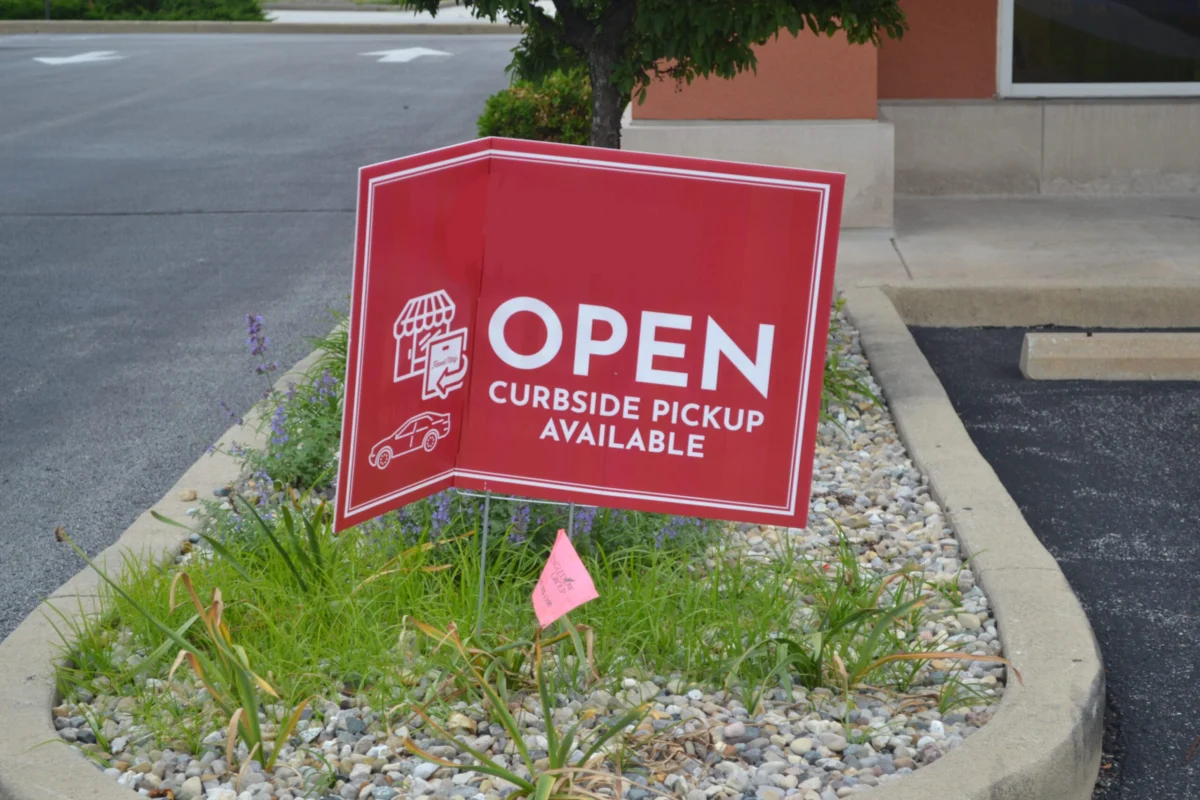
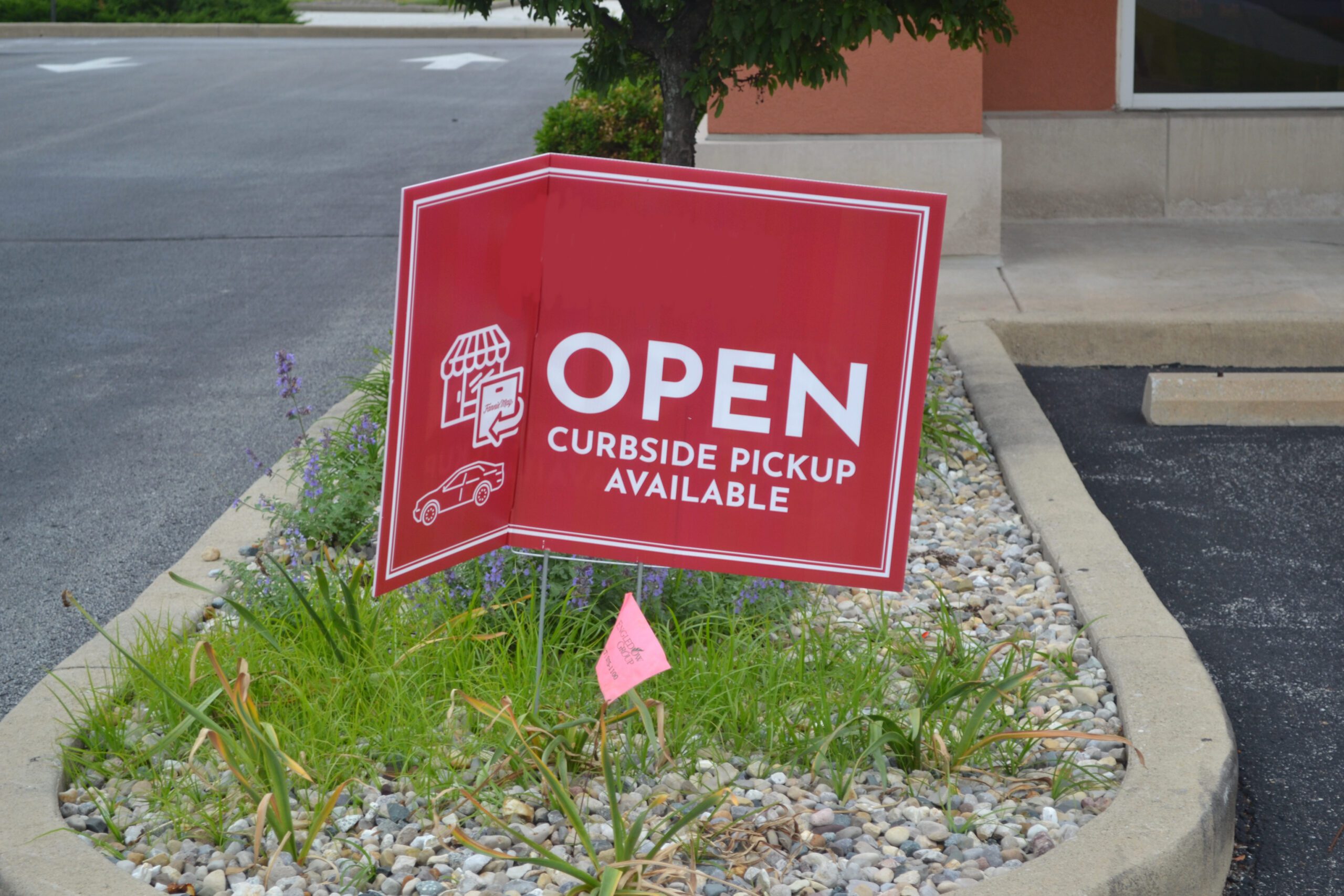
Digital Commerce 360’s analysis of its Top 1000 data for 2025 reveals a compelling narrative: retail chains that offered curbside pickup achieved an impressive conversion rate of 4.1%. This figure stands in stark contrast to the average conversion rate of 2.9% observed among all retail chains in the Top 1000 database for the same period. This difference of more than a full percentage point represents a substantial uplift, translating directly into increased sales and revenue.
The underlying advantages that facilitate high conversion rates for curbside pickup are multifaceted. Major players such as Walmart, Target, Albertsons, and Kroger, all of whom offer curbside pickup, exemplify this synergy. Their success is underpinned by robust mobile applications that streamline the ordering process, sophisticated loyalty programs that incentivize repeat business, and, perhaps most critically, the extensive physical footprint of their brick-and-mortar stores. The ample parking lot real estate inherent to these locations is a fundamental prerequisite for the efficient and scalable execution of curbside operations. This integration of digital convenience with physical accessibility creates a seamless customer journey that is highly conducive to conversion.
A Shifting Landscape: The Evolution of Omnichannel Options in 2025
While curbside pickup continues to command the highest conversion rates, other omnichannel strategies, namely BOPIS and the display of in-store stock availability, also demonstrate above-average performance and growing adoption. These options, though associated with slightly lower conversion rates than curbside pickup, are nonetheless vital components of a comprehensive omnichannel strategy.
Buy Online, Pick Up In Store (BOPIS): Steadfast Growth and Elevated Conversions
BOPIS has proven to be a resilient and increasingly popular fulfillment method. In 2025, retail chains utilizing BOPIS reported a conversion rate of 3.4%, a notable increase from 3.2% in 2021. This upward trajectory, even with a brief dip to 2.9% in 2023, indicates a sustained consumer preference for this flexible option. BOPIS offers a compelling blend of online shopping convenience and immediate gratification, allowing customers to avoid shipping fees and wait times. For retailers, it leverages existing store infrastructure to fulfill online orders, reducing the need for dedicated e-commerce fulfillment centers and potentially lowering operational costs. The growth of BOPIS reflects a maturing understanding by consumers of how to best utilize retail services to meet their immediate needs, a trend accelerated by the pandemic.
In-Store Stock Status: The Foundation of Informed Purchasing
The provision of real-time in-store stock status on e-commerce platforms has become an indispensable tool for driving sales. In 2025, this feature was associated with an average conversion rate of 3.3%, an increase from 3.1% in 2021. The adoption rate for in-store stock status has remained remarkably stable, with 64.9% of Top 1000 retail chains displaying this information in 2025, a slight decrease from a peak of 65.5% in 2024. This stability underscores the fundamental value proposition of this feature: empowering consumers with the knowledge that the desired item is readily available at a nearby location significantly reduces friction in the purchase decision. When shoppers can confidently confirm the availability of a product before visiting a store or committing to an online order, the likelihood of a completed sale increases dramatically. This transparency mitigates the risk of disappointment and wasted trips, fostering trust and encouraging immediate action.
The Broader Context: A Decade of Omnichannel Transformation
The evolution of omnichannel strategies is not an isolated phenomenon but rather a response to profound shifts in consumer behavior and the broader retail ecosystem over the past decade. The period leading up to and following the COVID-19 pandemic was a catalyst for accelerated digital adoption across all demographics. Consumers who may have previously been hesitant to shop online or utilize digital services were compelled to do so, creating a new baseline of expectation.
Pre-Pandemic Seeds of Omnichannel: Even before 2020, forward-thinking retailers were investing in omnichannel capabilities. Concepts like BOPIS and ship-from-store were gaining traction, driven by the desire to compete with the convenience offered by online pure-plays. However, the pandemic acted as an accelerant, forcing even the most traditional retailers to rapidly deploy and scale these services.
The Pandemic’s Unforeseen Impact: The widespread lockdowns and social distancing measures of 2020 and 2021 made curbside pickup and BOPIS essential for many consumers. Retailers with established infrastructures for these services were better positioned to weather the storm and even capitalize on the surge in demand for contactless fulfillment. This period solidified the importance of having flexible fulfillment options.
Post-Pandemic Adaptation and Refinement: As the immediate crisis subsided, the focus shifted from emergency deployment to optimization and integration. Retailers began to analyze the data generated by these omnichannel services, understanding which options resonated most with their customer base and how to best leverage them for competitive advantage. The slight decline in curbside pickup’s market share, for instance, can be attributed to a return to more traditional shopping patterns for some consumers, coupled with the maturation of other options like BOPIS, which may offer greater convenience for urban dwellers or those with less immediate needs.
The Ongoing Arms Race Against E-commerce Giants: The relentless growth of e-commerce behemoths like Amazon continues to shape retail strategy. For brick-and-mortar retailers, omnichannel fulfillment represents a critical lever to leverage their existing physical assets as a competitive advantage. The ability to offer immediate pickup, easy returns, and personalized in-store experiences, all integrated with a seamless online presence, is a powerful counterpoint to the vast selection and often faster delivery times of online giants.
Data-Driven Insights and Future Implications
The data presented in the 2026 Omnichannel Report paints a clear picture: omnichannel is not a trend, but a fundamental pillar of modern retail success. The consistent correlation between advanced omnichannel offerings and higher conversion rates is undeniable.
For Retailers:
- Prioritize Integration: The focus should be on seamless integration between online and offline channels. This means ensuring real-time inventory accuracy, consistent branding and customer service across all touchpoints, and a frictionless experience for customers regardless of how they choose to interact with the brand.
- Leverage Data: Retailers must continue to collect and analyze data related to omnichannel service usage. Understanding which services are most popular in different demographics and geographic locations, and how they impact customer lifetime value, is crucial for strategic planning.
- Invest in Technology: Continued investment in technology is essential. This includes robust e-commerce platforms, sophisticated inventory management systems, mobile app development, and data analytics tools.
For Consumers:
- Empowered Choices: Consumers today have more choices than ever before. They can research products online, check in-store availability, opt for curbside pickup, or choose home delivery. This flexibility is a significant benefit, allowing them to tailor their shopping experience to their specific needs and preferences.
- Expectation of Convenience: The widespread adoption of omnichannel services has raised consumer expectations for convenience and speed. Retailers that fail to meet these expectations risk losing customers to competitors who do.
The insights from Digital Commerce 360’s Omnichannel Report serve as a vital guide for retail chains navigating the complexities of the modern marketplace. As consumer behavior continues to evolve, those retailers that embrace and excel at omnichannel fulfillment will be best positioned for sustained growth, profitability, and enduring customer loyalty. The data strongly suggests that the future of retail is not about choosing between online or offline, but about mastering the synergy between them.