

Despite the proliferation of digital communication channels, email remains an indispensable cornerstone for businesses seeking to forge direct, meaningful connections with their clientele. In the rapidly evolving digital landscape of 2026, email marketing stands out as one of the few channels where businesses retain full ownership of their audience and data, free from the whims of algorithmic changes or platform policy shifts. Whether the objective is to disseminate product announcements, cultivate customer relationships through welcome sequences, deliver insightful newsletters, or launch compelling promotions, email provides an unparalleled direct line to the consumer.
Indeed, recent empirical evidence underscores email’s enduring supremacy. Data gleaned from Mailjet’s comprehensive 2024 email engagement report reveals that a significant majority – 75.4% of consumers across the U.S., UK, France, Germany, and Spain – express a distinct preference for email when receiving promotional messages. This preference extends to critical transactional communications, with 74% favoring email over all other channels for updates such as order confirmations or service notifications. This robust consumer preference solidifies email marketing’s position not merely as an option, but as a strategic imperative for sustained business success.
However, the very strength of email marketing has led to a densely populated marketplace of email marketing platforms. From agile solutions tailored for nascent startups to robust, feature-rich ecosystems designed for expansive enterprise teams, the variety is staggering. Some platforms excel in intricate automation capabilities, while others prioritize simplicity and ease of use. This abundance, while offering choice, simultaneously presents a significant challenge: identifying the optimal platform amidst a sea of options can quickly become an overwhelming endeavor. This comprehensive guide, informed by years of rigorous testing and analysis of marketing tools, aims to demystify this selection process. It is meticulously crafted to cut through the industry noise, providing clear, actionable insights to help businesses, from solo founders to burgeoning teams, pinpoint the email tool that seamlessly integrates with their operational workflows and strategic aspirations.

The Enduring Power of Email Marketing in a Dynamic Digital Age
The sustained dominance of email marketing is not accidental; it is rooted in its inherent advantages and remarkable adaptability. Unlike transient social media trends or pay-to-play advertising models, email fosters a direct, permission-based relationship with subscribers. This directness translates into impressive returns on investment. Industry reports consistently cite email marketing as generating an average ROI of $36 for every $1 spent, surpassing most other digital marketing channels. This efficiency stems from several key factors:
- High Engagement Rates: While open rates vary by industry, well-segmented and personalized emails consistently outperform generic broadcasts, achieving significant engagement metrics.
- Cost-Effectiveness: Compared to paid advertising, email marketing offers a highly cost-effective means of reaching a targeted audience, especially as lists grow organically.
- Versatility: Email can serve myriad purposes – from brand building and lead nurturing to direct sales and customer service, adapting to every stage of the customer journey.
- Data Ownership: Businesses own their email lists, granting them independence from third-party platform policies and algorithms, ensuring consistent access to their audience.
As the digital landscape continues to evolve, incorporating elements like artificial intelligence and advanced analytics, email marketing platforms have kept pace, offering increasingly sophisticated tools that further enhance its power and precision.
Navigating the Crowded Landscape: The Challenge of Choice
The sheer volume of email marketing platforms available today is a testament to the channel’s importance. This competitive environment has spurred innovation, leading to specialized tools that cater to niche requirements, from e-commerce specific automations to content creator-centric audience management. While this diversity is beneficial, it also amplifies the complexity of selection. Businesses often grapple with questions such as: “Do I need a simple drag-and-drop editor or advanced coding capabilities?” “Is subscriber-based or send-based pricing more economical for my growth trajectory?” “How crucial are integrations with my existing CRM or e-commerce platform?” This guide addresses these fundamental questions by dissecting the core attributes that define a truly effective email marketing solution.
Methodology: How the Top Platforms Were Evaluated
The platforms highlighted in this guide were subjected to extensive scrutiny, involving hours of hands-on testing. This process included setting up diverse campaigns, constructing intricate automation workflows, evaluating template libraries, and probing integration capabilities. Crucially, no platform gained inclusion through financial sponsorship; each earned its place based on rigorous evaluation against real-world use cases and a set of five non-negotiable criteria. Modern email marketing transcends simple message dissemination; it encompasses sophisticated segmentation, intelligent triggering, and hyper-personalization. Recognizing that many tools either over-engineer solutions for large enterprises or under-deliver for ambitious growing businesses, our selection process focused on a balanced set of attributes:
- Ease of Use and Accessibility: A platform’s power is diminished if it requires specialized technical expertise or extensive training to operate. The chosen tools prioritize intuitive user interfaces, clean dashboards, and straightforward processes for list building, campaign creation, and automation setup. Clunky or confusing experiences resulted in exclusion.
- Robust Automation Capabilities: Effective email marketing relies heavily on automation. Whether it’s a triggered welcome email for a new subscriber or a sophisticated post-purchase follow-up sequence, automations must be simple to configure and flawlessly reliable. The platforms selected enable businesses to design complex customer journeys without requiring any coding knowledge.
- Seamless Integration Ecosystem: An email marketing platform rarely operates in isolation. It must harmoniously connect with a business’s broader tech stack, including e-commerce platforms (e.g., Shopify, WooCommerce), CRM systems (e.g., Salesforce, HubSpot), booking software, and analytics tools. Platforms offering robust native integrations or reliable Zapier compatibility were prioritized to ensure smooth data flow and workflow efficiency.
- Strategic and Scalable Pricing Models: Budget considerations are paramount, especially for small businesses and growing teams. The guide emphasizes platforms offering transparent, affordable entry-level plans, or flexible pay-as-you-go options, avoiding prohibitive commitments or minimum volume requirements. The ability to start small and scale without encountering disproportionate cost increases was a key differentiator.
- Future-Proofing for Growth: A truly effective platform must accommodate future expansion. It should support the scaling of contact lists, campaign volumes, and automation complexity without forcing a costly and disruptive migration to a new system. The selected tools are designed to evolve with a business, ensuring long-term viability and return on investment.
Key Trends Shaping Email Marketing in 2026

As businesses plan their email strategies for the coming years, several macro trends are influencing platform development and best practices:
- Hyper-Personalization and Dynamic Content: Beyond basic name personalization, AI and machine learning are enabling platforms to deliver content tailored to individual subscriber behavior, preferences, and purchase history, leading to significantly higher engagement.
- Enhanced Data Privacy and Compliance: With evolving regulations like GDPR and CCPA, platforms are placing increased emphasis on robust consent management, secure data handling, and transparent privacy policies, making compliance a non-negotiable feature.
- Omnichannel Integration: The expectation is no longer just email. Platforms are increasingly integrating SMS, push notifications, and even live chat functionalities, allowing for unified customer communication strategies across multiple touchpoints.
- AI-Powered Optimization: AI is being leveraged for predictive analytics, optimal send times, automated subject line generation, and even content creation, streamlining workflows and boosting campaign performance.
- Focus on Deliverability: As spam filters become more sophisticated, platforms are investing heavily in deliverability tools, reputation management, and dedicated IP options to ensure emails consistently reach inboxes.
Deep Dive into Leading Email Marketing Platforms
Here’s an in-depth look at some of the best email marketing platforms, categorized by their primary strengths:
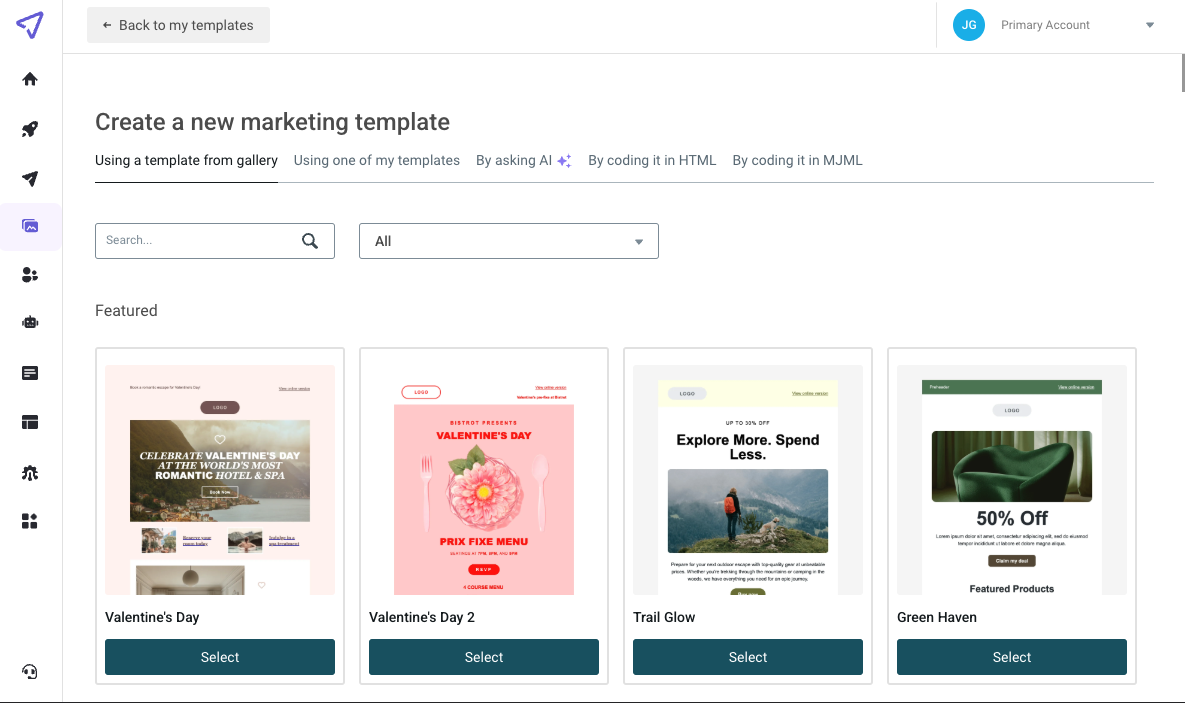
Mailjet: The Budget-Conscious Powerhouse
Mailjet distinguishes itself by offering a potent combination of advanced features and a highly accessible pricing structure, making it a compelling choice for startups and growing teams. Its intuitive platform is designed for both marketing and transactional emails, facilitating everything from sophisticated email campaigns to essential system notifications. A key differentiator is its pricing model: Mailjet charges based on emails sent, not on contact count. This predictability allows businesses to grow their subscriber lists without fear of escalating costs, a significant advantage over many competitors. The straightforward user interface further reduces the learning curve, enabling rapid deployment of email strategies.
- Key Features:
- Drag-and-Drop Editor: User-friendly interface for creating visually appealing emails.
- Email Automation: Setup automated workflows for various customer journeys.
- Transactional Email API: Robust API for integrating system-triggered emails.
- A/B Testing: Optimize campaigns by testing different email elements.
- Segmentation: Target specific audience groups with tailored messages.
- Analytics and Reporting: Track campaign performance with detailed metrics.
- Compliance Tools: Built-in features for GDPR and other privacy regulations.
- Landing Page Builder: Create dedicated pages for lead capture and promotions.
- Real-time Monitoring: Observe email performance as campaigns unfold.
- Sub-account Management: Ideal for agencies or businesses with multiple brands.
- Drawbacks:
- Customer support can sometimes be slower for lower-tier plans.
- Fewer advanced CRM features compared to all-in-one suites.
- Pricing:
- Free Plan: Up to 6,000 emails/month (200/day).
- Essential Plan: Starts at $15/month for 15,000 emails, no daily limit.
- Premium Plan: Starts at $25/month for 15,000 emails, includes advanced features.
- Custom Enterprise: Tailored solutions for high-volume senders.
Mailchimp: The Quintessential Starter Platform
Mailchimp has long been synonymous with entry-level email marketing, serving as the first port of call for countless beginners. Its robust free plan, accommodating up to 500 contacts, and its incredibly user-friendly interface make it ideal for those taking their initial steps in email marketing. Mailchimp excels at simplifying campaign creation, offering a wide array of templates and a straightforward drag-and-drop editor. However, as marketing strategies mature and demands for advanced automation or deep customization grow, businesses may encounter Mailchimp’s inherent limitations, particularly in its more advanced segmentation and automation capabilities compared to specialized platforms.
- Key Features:
- Intuitive Drag-and-Drop Builder: Easy campaign creation for beginners.
- Generous Free Plan: A solid starting point for small lists.
- Audience Segmentation: Basic tools for dividing your contacts.
- Basic Automation Workflows: Simple welcome sequences and abandoned cart reminders.
- Website Builder and Landing Pages: Integrated tools for online presence.
- Basic Reporting: Essential metrics like open and click rates.
- Drawbacks:
- Pricing can escalate quickly as contact lists grow.
- Advanced automation and segmentation are limited in lower tiers.
- Customer support can be less responsive for free and lower-tier users.
- Can become expensive for large lists without extensive features.
- Pricing:
- Free Plan: Up to 500 contacts, 1,000 sends/month.
- Essentials Plan: Starts at $13/month for 500 contacts.
- Standard Plan: Starts at $20/month for 500 contacts, with more advanced features.
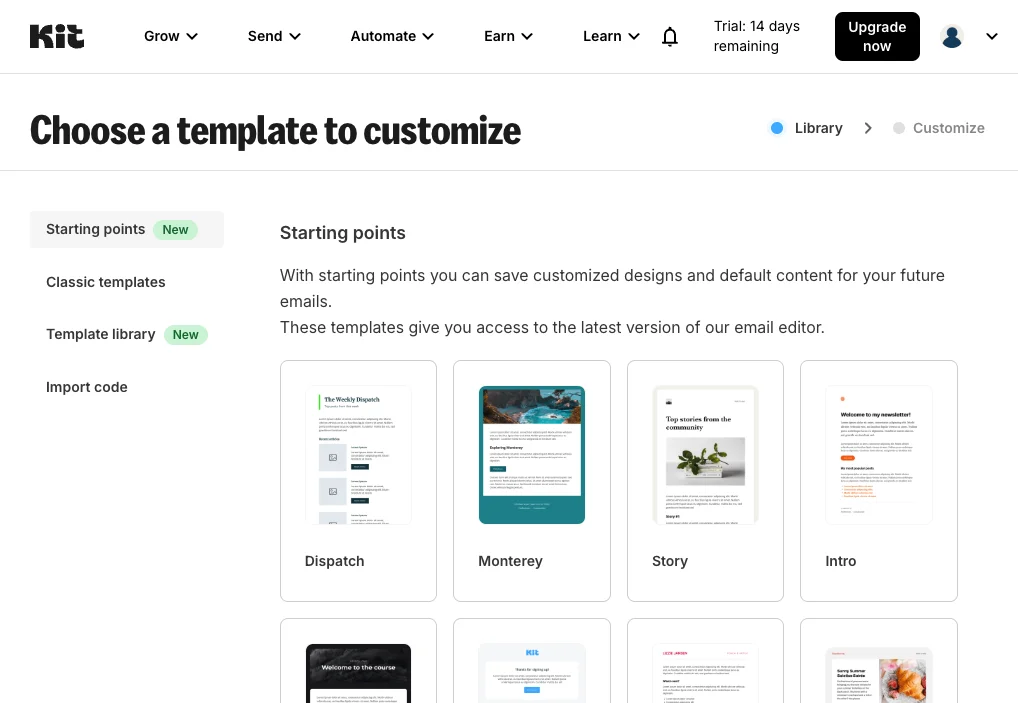
Kit (formerly ConvertKit): Empowering the Creator Economy
Kit, previously known as ConvertKit, is meticulously engineered for the unique needs of digital creators – bloggers, YouTubers, podcasters, and solo entrepreneurs. Its core strength lies in audience growth and automated follow-ups, with a particularly generous free plan supporting up to 10,000 subscribers. This platform excels at helping creators build engaged communities and monetize their content through email sequences, landing pages, and integrated e-commerce functionalities for digital products. While the free tier is substantial, advanced features like multi-sequence automation and complex sales funnels necessitate a paid upgrade.
- Key Features:
- Audience Tagging & Segmentation: Powerful tools for organizing creator audiences.
- Visual Automation Builder: Easily design complex email funnels.
- Landing Page & Form Builder: Dedicated tools for lead capture.
- E-commerce Integration: Sell digital products directly through email.
- Creator-focused Templates: Designed for bloggers and content creators.
- Direct Sales Tools: Integrate with payment processors for product sales.
- Drawbacks:
- Email design options can be less visually diverse compared to other platforms.
- Advanced features are locked behind higher-tier plans.
- Pricing:
- Free Plan: Up to 10,000 subscribers, limited features.
- Creator Plan: Starts at $9/month for 300 subscribers.
- Creator Pro Plan: Starts at $25/month for 300 subscribers, includes advanced features.
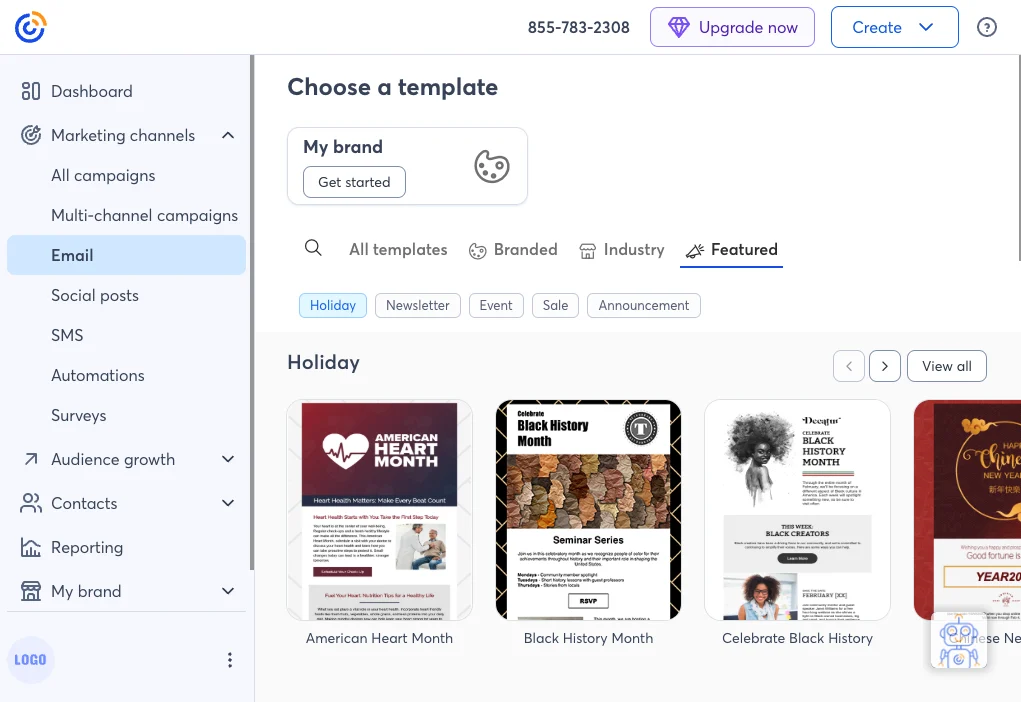
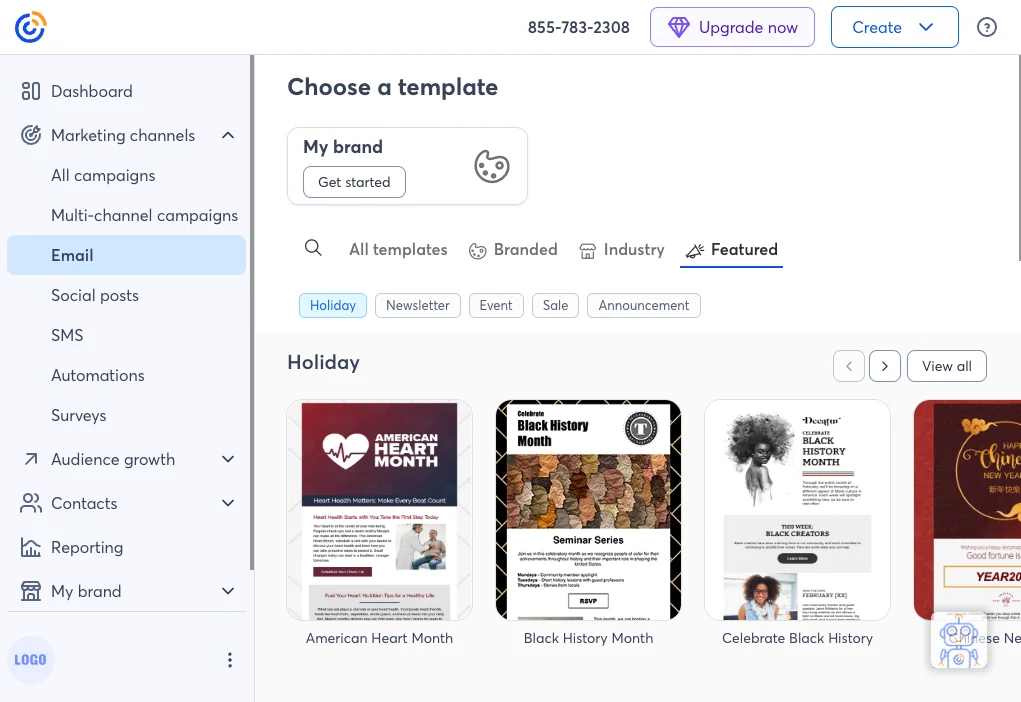
Constant Contact: Socially Integrated Campaigns for SMEs
Constant Contact is an excellent choice for small to medium-sized businesses (SMEs) that prioritize integrating their email campaigns with a robust social media strategy. Its drag-and-drop editor is commendably user-friendly, and the platform boasts consistently high email delivery rates, ensuring messages reach their intended recipients. Constant Contact is particularly adept for brands with a strong presence on platforms like Facebook and Instagram, offering tools to manage social posts and integrate campaigns seamlessly. However, the pricing for its more feature-rich plans might pose a challenge for smaller teams operating with constrained budgets.
- Key Features:
- User-Friendly Drag-and-Drop Editor: Simple for creating professional emails.
- Social Media Integration: Manage and link email campaigns with social posts.
- Event Management Tools: Promote and manage events directly from the platform.
- Website Builder: Create simple websites and landing pages.
- High Deliverability Rates: Ensures emails consistently reach the inbox.
- Comprehensive Template Library: A wide selection for various purposes.
- Drawbacks:
- Higher-tier plans can be expensive for businesses with larger lists.
- Automation features are less sophisticated compared to specialized platforms.
- Pricing:
- Core Plan: Starts at $12/month.
- Plus Plan: Starts at $45/month, includes advanced features.
AWeber: A Legacy of Reliability and Simplicity
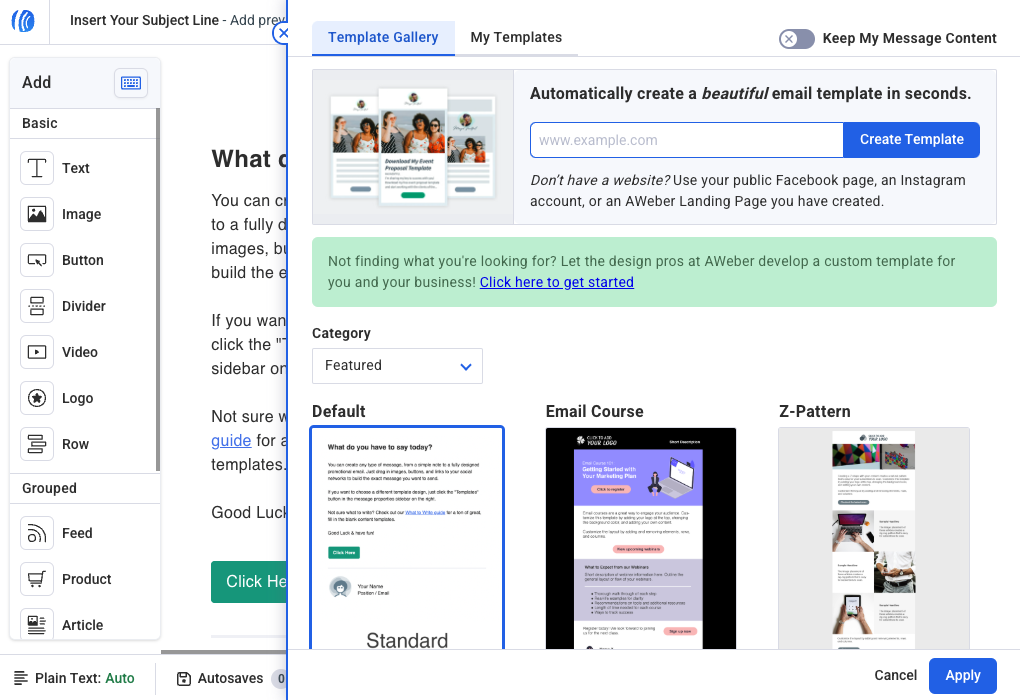
With over two decades of experience, AWeber has cultivated a reputation for long-standing reliability and straightforward functionality, making it a trusted choice for solo entrepreneurs and small business owners. The platform’s user-friendly interface encompasses pre-built templates, essential automation tools, and seamless integrations with popular platforms like Etsy and YouTube. While AWeber might not offer the cutting-edge complexity of some newer entrants, it masterfully handles the fundamentals, providing solid analytics and effective testing tools crucial for optimizing basic campaigns. Its strength lies in its dependability and ease of access for users who need a robust, no-frills email solution.
- Key Features:
- Autoresponders: Set up automated email sequences easily.
- Pre-Built Templates: A vast library to kickstart campaign design.
- Solid Analytics & Reporting: Track key performance indicators effectively.
- A/B Split Testing: Optimize emails for better engagement.
- Integrations: Connects with popular e-commerce and content platforms.
- Landing Page Builder: Create lead capture pages without coding.
- Drawbacks:
- Automation capabilities are less advanced than some competitors.
- Interface can feel a bit dated compared to newer platforms.
- Pricing:
- Free Plan: Up to 500 subscribers, 3,000 sends/month.
- Lite Plan: Starts at $12.50/month for 500 subscribers.
- Plus Plan: Starts at $20/month for 500 subscribers, with more features.
HubSpot: The All-in-One CRM and Marketing Suite
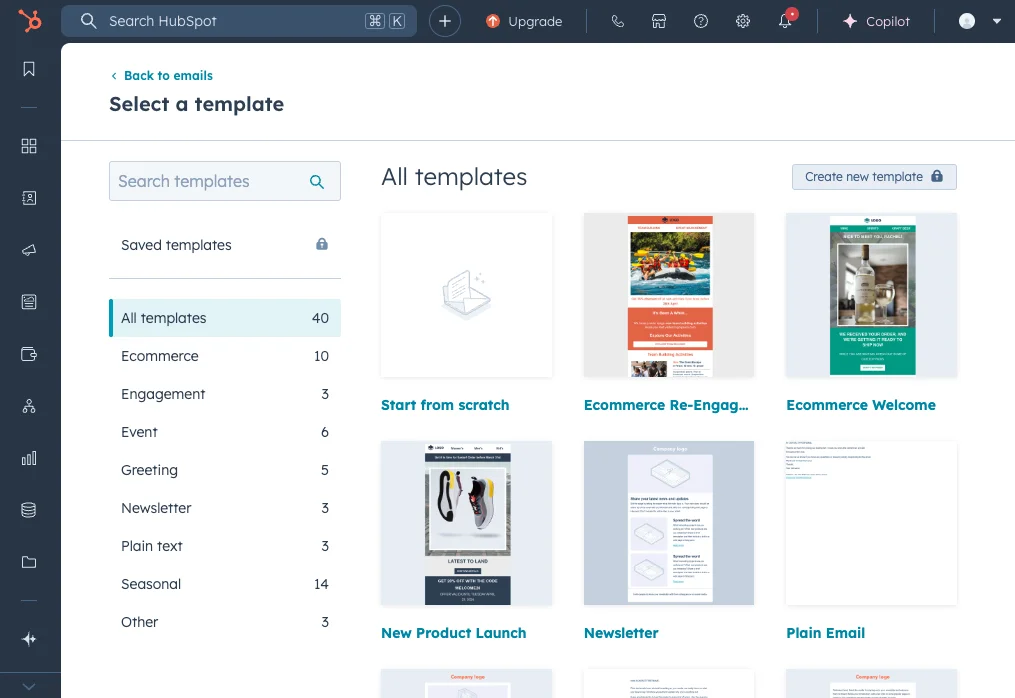
HubSpot transcends the traditional definition of an email marketing platform, evolving into a comprehensive CRM and marketing suite. It empowers businesses to manage contacts, orchestrate automated email flows, and monitor performance—all within a unified dashboard. HubSpot’s free tier is remarkably generous, offering core CRM functionalities alongside basic email marketing. However, to unlock its full potential, particularly its more advanced automation, lead scoring, and sales enablement features, businesses should anticipate a significant investment in its higher-tier plans. HubSpot is ideal for organizations seeking to integrate their sales, marketing, and customer service efforts into a cohesive inbound strategy.
- Key Features:
- Integrated CRM: Centralized contact management and customer data.
- Marketing Hub: Comprehensive tools including email, landing pages, and blogs.
- Sales Hub: Features for lead nurturing, tracking, and deal management.
- Service Hub: Customer support and ticketing functionalities.
- Advanced Automation: Sophisticated workflows across marketing and sales.
- Detailed Analytics: In-depth reporting on campaign and pipeline performance.
- Drawbacks:
- Can be prohibitively expensive for small businesses needing advanced features.
- Steeper learning curve due to the breadth of its functionalities.
- Pricing:
- Free Tools: Basic CRM, email marketing, and sales tools.
- Starter Plan: Marketing Hub starts at $20/month.
- Professional Plan: Marketing Hub starts at $890/month, significantly more features.
Omnisend: E-commerce Automation at its Core
Omnisend is purpose-built with the unique demands of e-commerce brands in mind. It stands out by offering omnichannel marketing tools, including SMS and push notifications, directly out of the box, even within its free plan. This integrated approach allows online stores to create cohesive customer journeys that extend beyond email, capturing engagement across multiple touchpoints. Omnisend excels at e-commerce specific automations such as abandoned cart recovery, product recommendations, and post-purchase follow-ups, directly contributing to increased conversions. While feature-rich, it occasionally receives feedback regarding its email deliverability and the visual diversity of its template library.
- Key Features:
- E-commerce Automation: Abandoned cart, product recommendations, order follow-ups.
- Omnichannel Messaging: SMS and push notifications integrated with email.
- Pop-ups & Forms: Robust tools for lead capture on e-commerce sites.
- Segmentation for E-commerce: Target customers based on purchase history and behavior.
- A/B Testing: Optimize e-commerce specific campaigns.
- Integrations with E-commerce Platforms: Deep connections with Shopify, WooCommerce, etc.
- Drawbacks:
- Some users report occasional deliverability issues.
- Template designs might not be as visually sophisticated as some competitors.
- Pricing:
- Free Plan: Up to 250 contacts, 500 emails/month, 60 SMS, 500 web push.
- Standard Plan: Starts at $16/month for 500 contacts.
- Pro Plan: Starts at $59/month for 500 contacts, unlimited emails, more SMS/web push.
Brevo (formerly Sendinblue): Multi-Channel Orchestration for Modern Businesses
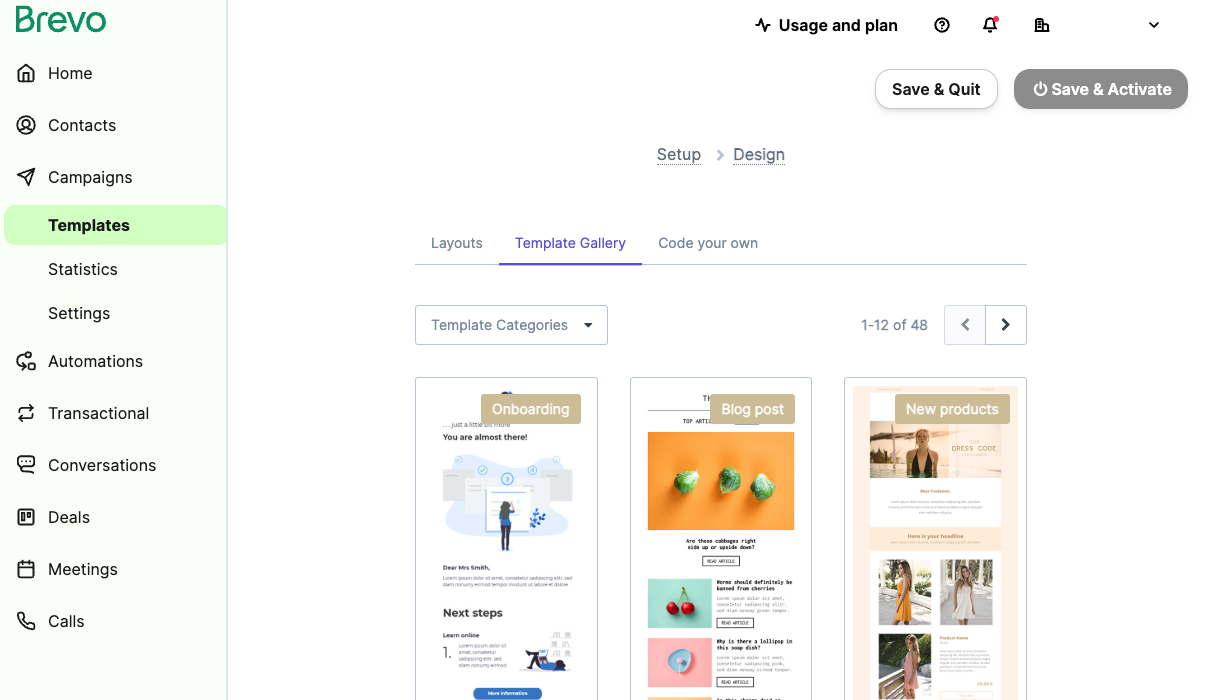
Brevo, previously known as Sendinblue, offers a compelling solution for businesses aiming to consolidate their communication efforts across email, SMS, and live chat within a single, unified platform. Its strength lies in providing an all-in-one marketing and sales toolbox with a clean, easily navigable user interface. Brevo is particularly well-suited for businesses that value operational efficiency and seek to manage various customer interactions from one central hub. While its lower-tier plans offer solid functionality, users will find that access to more in-depth analytics and advanced reporting features is typically reserved for higher-tier subscriptions, requiring a greater investment for comprehensive insights.
- Key Features:
- Email, SMS, & Live Chat: Unified multi-channel communication.
- Marketing Automation: Build simple to complex workflows.
- Transactional Email: Reliable sending for system-triggered messages.
- CRM Functionality: Basic contact management built-in.
- Landing Page Builder: Create effective lead generation pages.
- Sales CRM: Manage leads and customer interactions.
- Drawbacks:
- Advanced analytics and reporting are limited in lower-tier plans.
- Some users report a steeper learning curve for advanced features.
- Pricing:
- Free Plan: Up to 300 emails/day, unlimited contacts.
- Starter Plan: Starts at $25/month for 20,000 emails.
- Business Plan: Starts at $65/month for 20,000 emails, advanced features.
ActiveCampaign: The Apex of Marketing Automation and CRM
ActiveCampaign is an undisputed powerhouse for businesses that demand more than basic email blasts. It masterfully integrates advanced marketing automation with a robust built-in CRM, offering unparalleled control over the entire customer journey. From highly detailed workflow design to dynamic content delivery and sophisticated smart segmentation, ActiveCampaign is engineered for teams requiring depth and precision in their marketing efforts. While its capabilities are extensive, this power comes with a steeper learning curve and a higher price point, making it most suitable for businesses with dedicated marketing teams and complex strategic requirements. ActiveCampaign is a strategic investment for those committed to highly personalized and automated customer experiences.
- Key Features:
- Advanced Marketing Automation: Highly customizable, intricate workflows.
- Integrated CRM: Comprehensive customer relationship management.
- Lead Scoring & Nurturing: Qualify and progress leads automatically.
- Dynamic Content: Personalize email content based on subscriber data.
- Deep Segmentation: Create highly specific audience segments.
- Site & Event Tracking: Monitor user behavior across your digital properties.
- Sales Automation: Streamline sales processes and follow-ups.
- Predictive Sending: Optimize email send times for maximum engagement.
- Drawbacks:
- Can be significantly more expensive, especially for larger lists and advanced features.
- Steeper learning curve due requiring dedicated resources to fully leverage.
- Interface can feel overwhelming to new users due to feature richness.
- Pricing:
- Lite Plan: Starts at $29/month for 1,000 contacts.
- Plus Plan: Starts at $49/month for 1,000 contacts, includes CRM.
- Professional Plan: Starts at $149/month for 1,000 contacts, includes advanced automation.
- Enterprise Plan: Custom pricing for large organizations.
If deep automations and baked-in sales tools are paramount, ActiveCampaign is an exceptional choice, provided a business is prepared for the learning commitment and financial investment.
Strategic Selection: Matching Platform to Business Needs
The optimal email marketing tool is highly contingent on a business’s specific profile and strategic objectives. A lean small business, for instance, will have vastly different requirements compared to an expansive online store or a mission-driven nonprofit. Understanding these distinctions is crucial for making an informed decision.
- Small Businesses & Startups: For agile teams or solo entrepreneurs, the primary considerations are simplicity, affordability, and time-saving functionalities. Platforms with intuitive dashboards, responsive customer support, and automations that are easy to configure without extensive technical knowledge are ideal. Transparent pricing that scales predictably with growth, rather than penalizing it, is also a significant advantage.
- E-commerce Brands: For online retailers, email is a critical revenue driver. This necessitates advanced e-commerce specific features such as sophisticated abandoned cart recovery sequences, intelligent product recommendation engines, and seamless integrations with popular platforms like Shopify, WooCommerce, or Magento. Behavioral triggers and hyper-personalized automations are essential for maximizing conversions and customer lifetime value.
- Digital Creators & Bloggers: Content creators, including bloggers, YouTubers, and course creators, prioritize audience growth, engagement, and monetization. Platforms offering robust landing page builders, flexible tagging and segmentation for diverse content interests, and direct integration with digital product sales are highly beneficial. The ability to build strong, loyal communities through email is paramount.
- Nonprofits & Associations: Organizations in the nonprofit sector operate with strict budget constraints, making discounted pricing or dedicated nonprofit plans highly attractive. Essential features include customizable templates for fundraising appeals, donor segmentation capabilities, and integrations with fundraising platforms to efficiently engage supporters, manage donations, and disseminate critical information without overburdening staff.
- B2B Enterprises: For B2B companies, email marketing is integral to lead generation, nurturing, and pipeline acceleration. The chosen platform must offer deep integration with existing CRM systems, robust lead scoring mechanisms, and advanced tools for account-based marketing (ABM). The more interconnected the email platform is with the broader sales and marketing technology stack, the more effective it will be in driving qualified leads and closing deals.
Beyond Features: Crucial Considerations for Long-Term Success
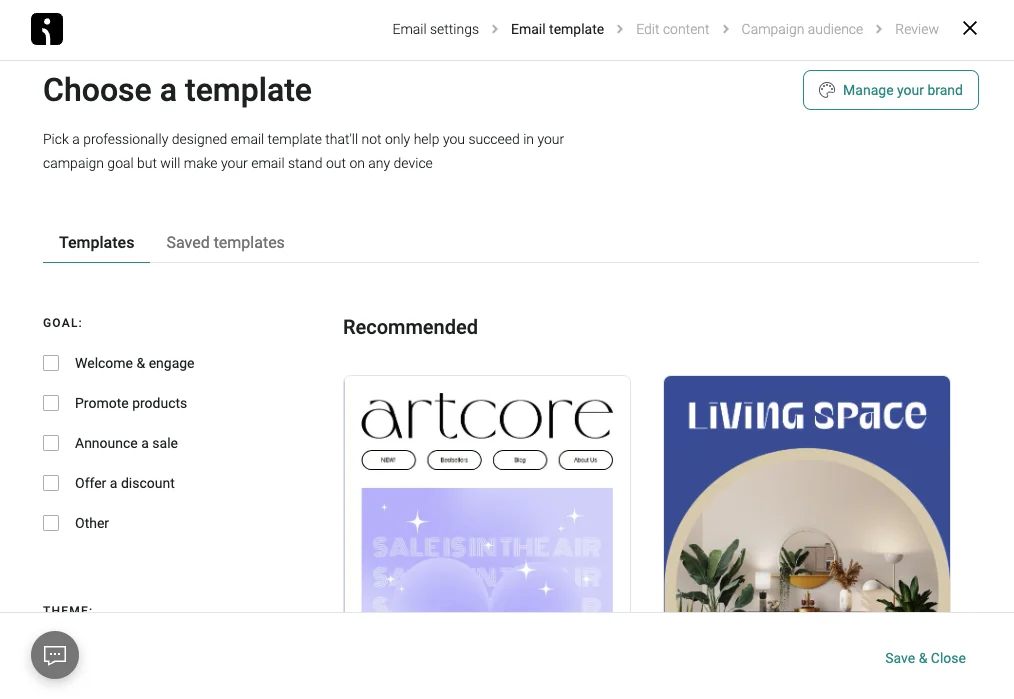
While features and pricing are critical, several other factors contribute to the long-term success of an email marketing strategy:
- Email Deliverability: This is paramount. Even the most perfectly crafted email is useless if it consistently lands in spam folders. Prioritize platforms with a strong reputation for deliverability, proactive spam prevention measures, and options like dedicated IP addresses for high-volume senders.
- Data Security and Privacy Compliance: With global regulations like GDPR, CCPA, and similar frameworks evolving, ensuring your chosen platform is fully compliant with data privacy laws is non-negotiable. Look for robust consent management, data encryption, and transparent privacy policies.
- Customer Support and Resources: Access to responsive customer support, extensive knowledge bases, and user communities can be invaluable, particularly when navigating complex campaigns or troubleshooting issues.
- Analytics and Reporting Depth: Beyond basic open and click rates, robust platforms offer detailed insights into conversion rates, ROI tracking, subscriber behavior, and A/B testing results. This data is essential for continuous optimization and strategic decision-making.
Conclusion: A Strategic Investment in Digital Engagement
The selection of an email marketing platform is more than a mere software procurement; it is a strategic investment in a business’s digital engagement capabilities. The ideal service strikes a delicate balance between powerful functionality, intuitive usability, and financial affordability, all while offering the inherent flexibility to scale and adapt as business needs evolve.
As businesses embark on this critical selection journey, keeping the following key takeaways in mind will prove invaluable:
- Prioritize Core Needs: Focus on the features that directly address your immediate and foreseeable business objectives, rather than being swayed by an overwhelming array of unused functionalities.
- Evaluate Scalability: Ensure the platform can gracefully accommodate growth in your subscriber list and campaign complexity without requiring a disruptive migration.
- Assess Integration Capabilities: Verify seamless connectivity with your existing tech stack, including CRM, e-commerce platforms, and analytics tools, to maintain workflow efficiency.
- Understand Pricing Models: Carefully analyze whether contact-based, send-based, or feature-based pricing aligns best with your budget and anticipated usage patterns.
- Test Drive Options: Leverage free trials or generous free plans to experience the platform firsthand, assessing its ease of use and suitability for your team.
- Consider Deliverability: Investigate the platform’s reputation for email deliverability to ensure your messages consistently reach the inbox.
- Support and Resources: Evaluate the quality of customer support and the availability of learning resources to facilitate efficient platform utilization.
- Future-Proofing: Look for platforms that demonstrate continuous innovation and adaptation to emerging marketing trends, such as AI and advanced personalization.
By adhering to these guidelines and diligently evaluating the available options, businesses can confidently select an email marketing service that will serve as a powerful engine for driving engagement, nurturing invaluable customer relationships, and ultimately achieving their overarching business objectives. With the right platform in hand, brands will be exceptionally well-equipped to navigate the complexities of the digital landscape and craft an email marketing strategy that truly sets them apart.
Frequently Asked Questions About Choosing an Email Service
For those new to email marketing or seeking to optimize their current setup, this FAQ addresses common queries regarding email marketing services, their features, pricing, integrations, and strategic implications.
What exactly is an email marketing service, and how does it function?
An email marketing service, or Email Service Provider (ESP), is a sophisticated software platform designed to facilitate the sending of both marketing and transactional emails to a subscriber list. These platforms offer a suite of integrated tools, including intuitive drag-and-drop editors for email design, robust automation engines for triggering sequences, customizable signup forms, advanced list segmentation capabilities, and comprehensive performance reports. This integrated approach allows businesses to manage complex email campaigns efficiently, even without dedicated design or development expertise.
How many emails am I typically allowed to send per month?
The permissible volume of emails varies significantly based on the specific plan type offered by each provider. Some higher-tier or business plans may offer unlimited email sends, while others impose strict monthly or even daily send limits. It is crucial to meticulously review the email send limitations associated with each monthly plan, particularly if your business operates with a substantial subscriber list or frequently dispatches bulk email communications.
What constitutes transactional emails, and are they essential for my business?
Transactional emails are automated, system-triggered messages








