rifanmuazin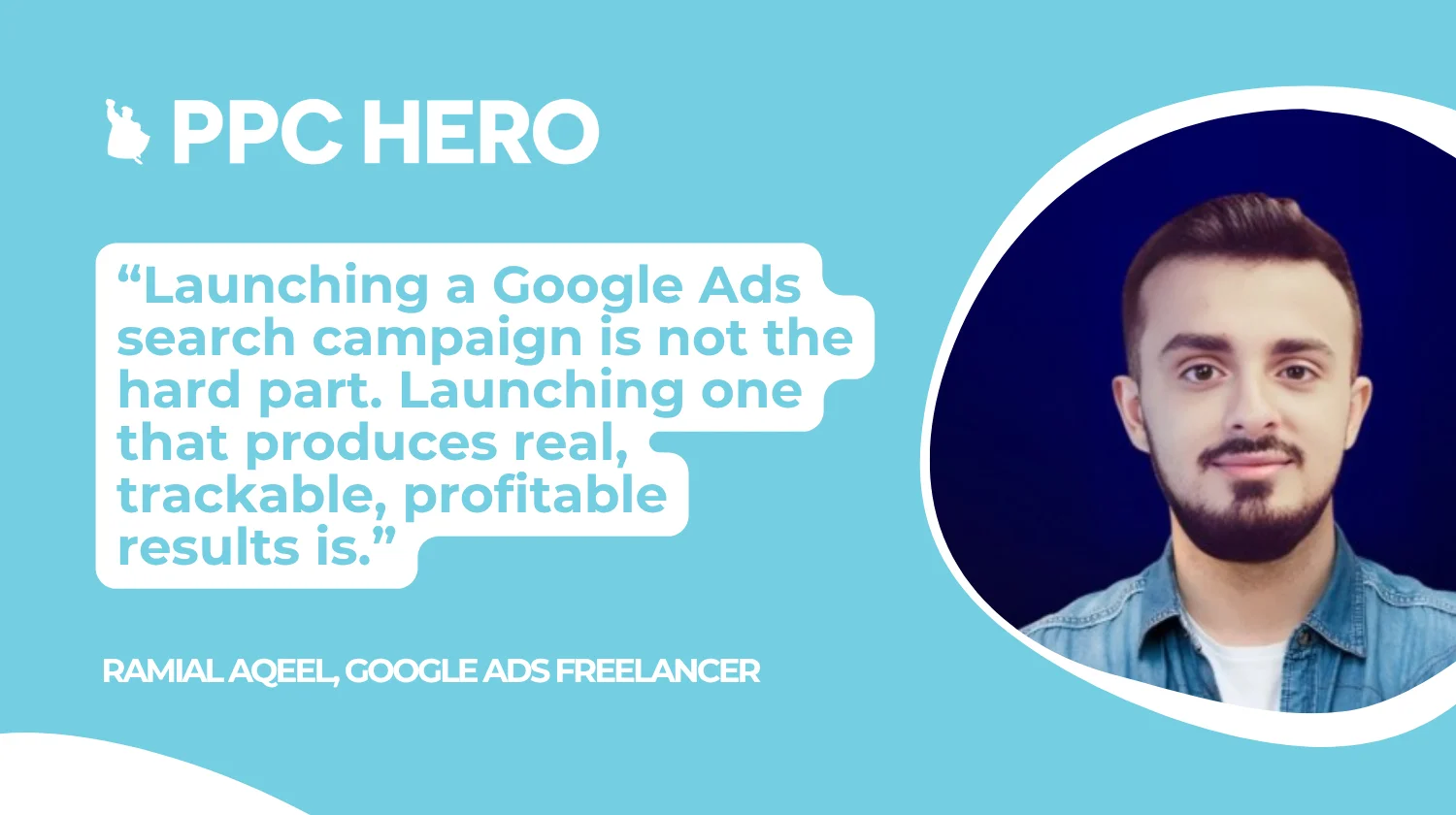
Many aspiring advertisers find themselves staring at a void of wasted ad spend and unfulfilled client expectations, not because Google Ads is inherently complex, but because the foundational steps are often overlooked. This common oversight leads to premature campaign failure, leaving businesses disheartened and questioning the efficacy of digital advertising. The following guidance, drawn from the experience of seasoned Google Ads practitioners, outlines critical steps to establish a robust and effective campaign from the outset, transforming potential failures into sustainable successes.
The Crucial First Step: Implementing Robust Conversion Tracking
The most significant error that dooms new Google Ads campaigns is the failure to establish clear, measurable goals before launching. In the realm of digital advertising, a “win” is not an abstract concept; it’s a tangible action that signifies genuine business value. This could be a completed lead form submission, a direct phone call, a booking, or a confirmed purchase. Without precisely defining and rigorously tracking these conversion events, advertisers are effectively flying blind.
“A campaign without conversion tracking is a campaign you cannot optimize,” emphasizes industry experts. “You and the algorithm will both be guessing blindly.” This sentiment underscores the paramount importance of this initial setup. Utilizing tools like Google Tag Manager is highly recommended, as it allows for centralized management of all conversion goals and seamless integration with Google Ads and Google Analytics 4 (GA4). This integration provides the essential data feedback loop that powers optimization.
The statistics surrounding conversion tracking highlight its critical role. According to a study by HubSpot, businesses that track conversions are significantly more likely to see a positive return on investment from their marketing efforts. Without this data, Google’s algorithms, which are designed to learn and adapt based on user behavior, lack the necessary information to identify valuable traffic and allocate budget effectively. This lack of data means that even if clicks are generated, they are unlikely to translate into meaningful business outcomes, leading to wasted expenditure and a perception of campaign failure.
Strategic Campaign Structure: One Offer, One Campaign
A fundamental principle of effective Google Ads management is the strategic segmentation of campaigns. Many beginners make the mistake of lumping disparate products or services into a single campaign, treating the campaign’s budget as a general pot to fund all advertising efforts. This approach is fundamentally flawed.
A Google Ads campaign is designed to be a distinct container for a specific advertising objective and budget. If a business offers multiple distinct services, such as emergency plumbing, general plumbing repairs, and drain cleaning, each of these should ideally reside in its own campaign. Attempting to manage them under a single umbrella will inevitably lead to budget dilution. The cheapest clicks, often associated with lower-intent searches, will consume the majority of the allocated budget, starving the higher-value services of necessary exposure.
The principle of consolidation is important, but so is segmentation when logical. For initial campaigns, prioritizing services or products with the clearest and most immediate buying intent is crucial. For instance, searches for “emergency plumber” or “dentist near me” indicate a user actively seeking an immediate solution and are therefore more likely to convert than searches for “plumbing tips” or “teeth whitening guide.” These bottom-of-the-funnel keywords, representing direct commercial intent, are where initial advertising efforts should be focused to generate the quickest and most demonstrable results. Data from Google itself suggests that campaigns with a clear, singular focus tend to outperform those with a broad, unfocused approach.
Precision Targeting: Tight Ad Groups, Themed by Intent
Within each carefully constructed campaign, ad groups serve a critical role: to bridge the gap between user search queries, the advertisements shown, and the landing pages users are directed to. A common pitfall for novice advertisers is the creation of overly broad ad groups, often containing dozens or even hundreds of keywords. This shotgun approach leads to generic ad copy that fails to resonate with specific search intents, resulting in a lower Quality Score, increased cost-per-click (CPC), and a significant portion of the keywords receiving no impressions at all.
The optimal strategy involves creating tightly themed ad groups, each containing a small, highly related set of keywords. The guiding principle is simple: if a keyword warrants a different headline or unique selling proposition in the ad copy, it belongs in its own ad group. For example, while both “emergency plumber” and “boiler installation” are related to plumbing services and likely to convert, they represent distinct user needs and search intents. A user searching for an emergency plumber is likely experiencing an urgent problem and requires immediate assistance, whereas someone searching for boiler installation is likely planning a significant purchase or upgrade. Tailoring ad copy and landing pages to these specific intents dramatically improves relevance and performance. This granular approach ensures that the ads shown are as relevant as possible to the user’s search query, thereby maximizing the likelihood of a click and subsequent conversion.

Keyword Strategy: Avoiding Broad Match Initially
Keyword match types are a frequent source of wasted ad spend for new advertisers. While broad match has seen improvements in its algorithmic capabilities, it can still introduce a significant amount of irrelevant traffic, especially in the early stages of a campaign when there is insufficient data to effectively manage it.
For initial campaign setups, it is strongly advised to begin with phrase match and/or exact match keywords. These match types offer a greater degree of control, ensuring that ads are shown for searches that are closely aligned with the advertiser’s intended offerings. Broad match, on the other hand, can lead to ads appearing for tangential or entirely unrelated searches, diluting the budget and providing the algorithm with noisy data.
A practical starting structure for each ad group typically involves a mix of exact and phrase match keywords. For instance, within an “emergency plumber” ad group, one might have the exact match keyword [emergency plumber] and the phrase match keyword "emergency plumber near me". The goal at this stage is not to capture every conceivable search query related to plumbing, but rather to target those searches that demonstrate the highest probability of conversion. As the campaign accumulates conversion data over several months, advertisers can then begin to cautiously experiment with broad match, often in conjunction with Smart Bidding strategies, to uncover new keyword opportunities. However, this exploration should only commence once a solid foundation of data has been established.
Proactive Defense: Implementing Negative Keywords from Day One
Negative keywords are the unsung heroes of efficient Google Ads management. They function as a filter, instructing Google Ads to exclude your ads from appearing for specific keywords and phrases that are irrelevant to your business offerings. Failing to implement a robust negative keyword strategy from the outset is a surefire way to hemorrhage budget.
Before even launching a campaign, advertisers should dedicate time to building a comprehensive negative keyword list. This process can be facilitated using tools like Google Ads Editor or a simple spreadsheet. The initial phase involves adding obvious generic terms that are unlikely to lead to conversions, such as “free,” “how to,” “DIY,” “courses,” “Amazon,” “eBay,” and “jobs.”
Following this, it’s crucial to pivot to industry-specific negative keywords. For an “emergency plumber” campaign, for instance, one would want to exclude terms related to DIY plumbing repairs or replacement parts, as these users are unlikely to be seeking immediate professional assistance. Even if these terms might seem tangentially related, their inclusion can lead to wasted ad impressions and clicks.
The most critical ongoing habit is to diligently review the Search Terms report daily for the first two weeks of the campaign’s life. This report reveals the actual queries users typed into Google that triggered your ads. Every irrelevant query identified should be immediately added to the negative keyword list. This single, consistent practice is often the decisive factor in differentiating between a campaign that steadily improves and one that drains resources. Early data suggests that neglecting this can result in a 20-30% increase in wasted ad spend due to irrelevant clicks.
Navigating Campaign Settings: Avoiding Common Pitfalls
Beyond keywords and ad copy, a number of default campaign settings can silently and systematically drain an advertising budget. These settings often go unnoticed by beginners, yet making the necessary adjustments before launching can save a significant amount of money and prevent costly optimizations later on.
A critical setting to review is the “Networks” option. By default, Google Ads campaigns are often set to show ads across both the Google Search Network and the Google Display Network. While the Display Network can be effective for brand awareness campaigns, it is generally not suitable for direct response search campaigns aimed at capturing immediate leads or sales. For a new search campaign focused on driving conversions, it is advisable to deselect the “Include Google Display Network” option. Similarly, for the Search Network, it’s generally recommended to uncheck “Include search partners” in the initial stages. Search partners can sometimes provide lower-quality traffic, and it’s more prudent to focus on the core Google Search Network where user intent is typically clearer.
Another common oversight relates to ad scheduling. If a business operates during specific hours or days, running ads 24/7 can lead to wasted spend during periods when no one is available to handle incoming leads or calls. Carefully reviewing and adjusting ad schedules to align with operational hours can significantly improve efficiency. Furthermore, device targeting settings should be examined. While mobile devices are dominant, certain services or products might have higher conversion rates on desktop or tablet. Analyzing initial data and adjusting bids or targeting based on device performance is key. These seemingly minor adjustments, which take only a few minutes, can yield more substantial savings than many complex optimization efforts undertaken later in a campaign’s lifecycle.

Smart Bidding and Budget: A Data-Driven Approach
For a brand-new Google Ads campaign that lacks any historical conversion data, employing advanced Smart Bidding strategies such as “Maximize Conversions” or “Target CPA” (Cost Per Acquisition) is premature and often counterproductive. These automated bidding strategies rely on a substantial amount of conversion data to effectively learn and optimize. Without this historical context, the algorithm is essentially operating on guesswork, which can lead to inefficient spending and poor performance.
The recommended approach for new campaigns is to start with more controlled bidding strategies. “Manual CPC” (Cost Per Click) allows for direct control over the maximum amount you are willing to pay for each click. Alternatively, “Maximize Clicks” with a defined “CPC cap” can be used. This strategy aims to get as many clicks as possible within your specified daily budget, while the CPC cap prevents individual clicks from becoming excessively expensive. These methods provide a foundational understanding of keyword costs and user engagement before handing over more control to automated systems.
Once a campaign has accumulated approximately 25 to 30 conversions within a 30-day cycle, it then becomes feasible and advisable to consider transitioning to Smart Bidding strategies like “Maximize Conversions” or “Target CPA.” At this juncture, the algorithm has sufficient data to make informed decisions and can effectively drive conversions at a more efficient rate. This data-driven transition ensures that automation is leveraged effectively, rather than being implemented prematurely with potentially detrimental results.
The Crucial First Two Weeks: Observation Over Intervention
One of the most costly mistakes new advertisers make is the overwhelming urge to constantly tweak and adjust their campaigns within the first week of launch. While the desire for immediate results is understandable, excessive editing during the initial learning phase can be highly detrimental. Google Ads algorithms require time and consistent data to learn and optimize effectively. Frequent changes can reset this learning process, prolonging the period of suboptimal performance and increasing overall costs.
During the first two weeks, the primary focus should be on observation and the implementation of essential foundational adjustments. This includes diligently reviewing the Search Terms report to identify and add negative keywords that are triggering irrelevant searches. Additionally, any ads or keywords that are demonstrably broken or completely misaligned with the campaign’s objective should be paused. Beyond these critical interventions, it is imperative to resist the temptation to make significant bid changes, pause numerous keywords, or drastically shift budgets.
The rationale behind this approach is that consistent, clean data is far more valuable than a month of constant tinkering. After approximately 14 days of consistent data collection, advertisers will have a much clearer picture of which keywords are performing well, which ad groups are driving the most valuable traffic, and which ad creatives are resonating with the target audience. This informed perspective allows for strategic decision-making regarding budget allocation, ad optimization, and keyword expansion. For accounts with smaller budgets, this learning and stabilization cycle may extend even further, underscoring the importance of patience and a data-informed approach.
The Unvarnished Reality: Foundations for Profitable Success
Ultimately, the act of launching a Google Ads search campaign is not the most challenging aspect of digital advertising. The true difficulty lies in launching a campaign that consistently delivers real, trackable, and profitable results. By meticulously addressing the foundational elements outlined above – robust conversion tracking, strategic campaign and ad group structuring, precise keyword selection, proactive negative keyword implementation, careful setting adjustments, and a data-driven approach to bidding and budget management – advertisers can significantly increase their chances of success.
Getting these fundamental aspects right from the outset accounts for approximately 90% of the effort required to build a high-performing Google Ads campaign. While ongoing optimization is certainly necessary for sustained growth and adaptation, a solid foundation built on these principles ensures that the campaign is set up for profitability from day one, rather than being a drain on resources due to common, yet avoidable, errors. The path to successful Google Ads management is paved with careful planning and a commitment to data-driven execution.