rifanmuazin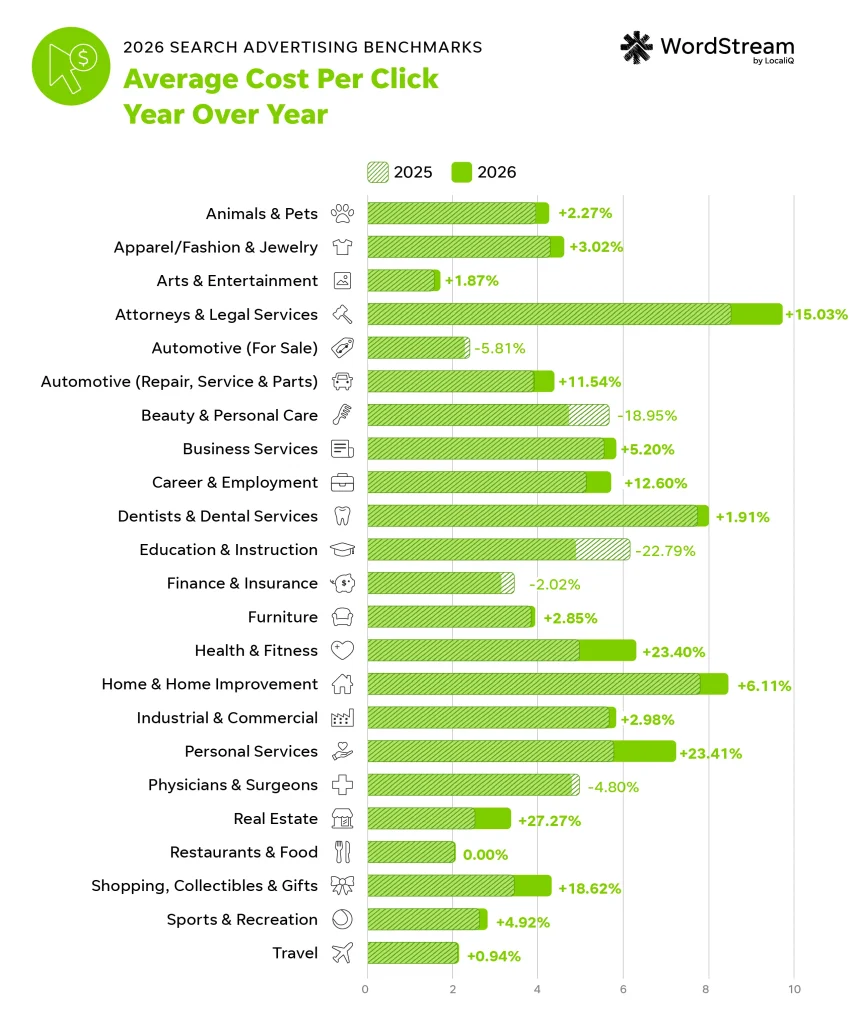
The question of “How much does Google Ads cost?” is a perennial one, especially for businesses venturing into the realm of paid search for the first time. While the allure of reaching a vast audience is undeniable, understanding the financial commitment is paramount. The good news is that Google Ads is accessible to a wide range of budgets, but the reality is that there is no single, universally applicable price tag. The cost is inherently variable, a fact that can be both liberating and, at times, frustrating for advertisers. This comprehensive guide aims to demystify the complex pricing structure of Google Ads, exploring the myriad factors that influence expenditure and empowering businesses to set realistic and effective budgets.
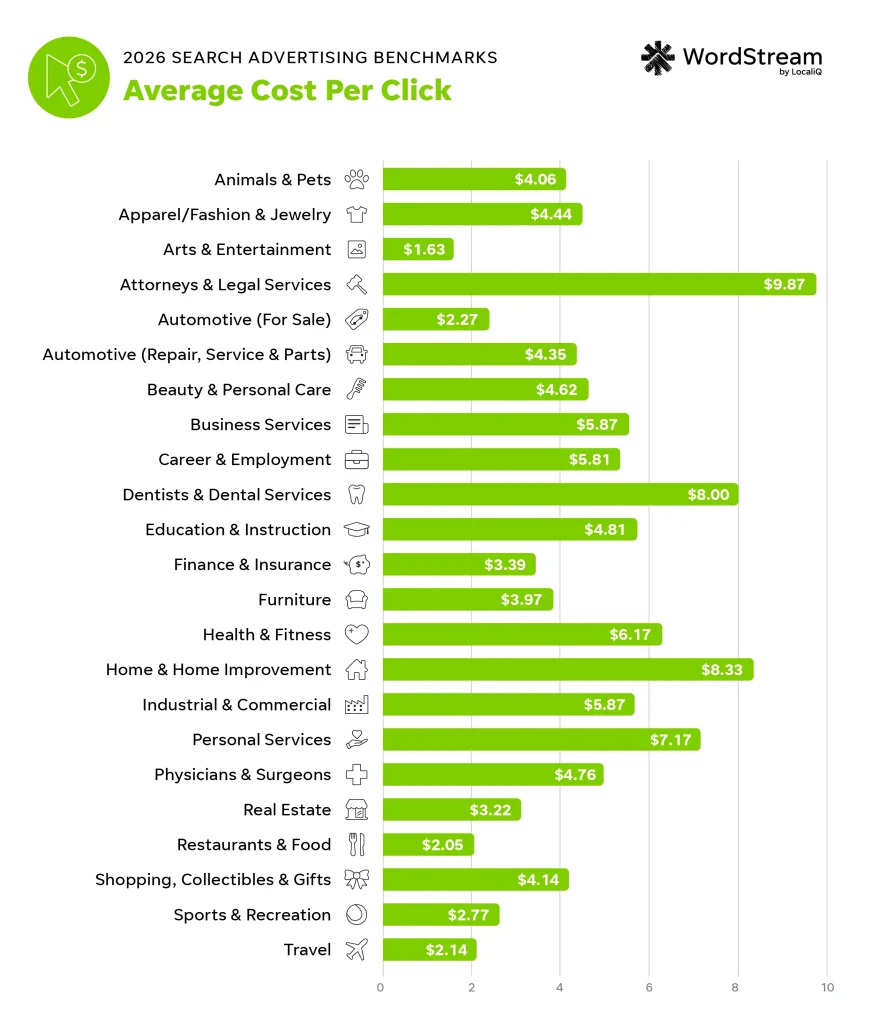
At its core, Google Ads operates on a pay-per-click (PPC) model. This means advertisers are charged only when a user clicks on their advertisement. However, the cost of each individual click, known as the Cost Per Click (CPC), is not static. For businesses operating within the United States, the average CPC across all industries and keywords on the Google Search Network hovers around $5.42. This figure serves as a general benchmark, but it’s crucial to understand that clicks on the Google Display Network are typically more affordable, often costing less than a dollar.

To draw an analogy, consider the landscape of traditional advertising. A prominent, full-page advertisement in a national glossy magazine naturally commands a higher price than a small classified ad in a local newspaper. In the digital sphere, the cost is not dictated by the visual format of the ad but by the intent behind the keywords being targeted and the level of competition for those keywords. For instance, a high-intent keyword like “emergency roof repair” will likely incur a higher CPC than a lower-intent query such as “what causes a leaky roof.”
The intensity of competition within specific industries significantly impacts CPCs. Sectors like legal services and accounting are notoriously competitive, leading to substantially higher click costs. Furthermore, keyword costs are not static; they can fluctuate due to various market dynamics and seasonal trends. Industry benchmarks can provide valuable insights into these fluctuations, illustrating how click costs can vary significantly over time for businesses.
It’s a common misconception that the most expensive keywords, often found in highly specialized or competitive niches, represent the entirety of Google Ads costs. In reality, these high-cost keyword categories constitute a relatively small portion of overall search volumes. The vast majority of web searches are driven by long-tail keywords – more specific, multi-word phrases. While these longer queries may have lower individual search volumes, they are often significantly cheaper than their shorter, broader counterparts and, crucially, can possess equal or even greater commercial intent.
Consider the example of a homeowner experiencing an ant infestation. A broad keyword like “exterminator” might be highly searched and consequently expensive. However, the homeowner might also search for “how to get rid of ants in my kitchen.” This longer, more specific query is a long-tail keyword. While the initial intent might be for DIY solutions, the advertisement for an exterminator appearing for this search still holds strong relevance and a high likelihood of a click. This highlights the strategic advantage of targeting long-tail keywords: they can offer a more cost-effective entry point to potential customers while still capturing significant commercial intent.
Factors Influencing Google Ads Costs
The question of Google Ads pricing is not a simple one to answer definitively. Several interwoven factors contribute to the overall cost for any given business. Understanding these variables is key to developing an effective and efficient advertising strategy.
Industry
The industry in which a business operates is arguably the most significant determinant of Google Ads pricing. Highly competitive sectors, such as legal, accounting, and real estate, often experience higher CPCs and Cost Per Lead (CPL). This elevated cost is justified by the substantial potential revenue a single client can generate. For a law firm, for example, securing a new client could yield thousands of dollars, making a CPC of $10 or more a worthwhile investment. Conversely, industries like arts and entertainment may have lower CPCs but require a larger volume of customers to achieve comparable revenue goals.
Customer Lifecycle
The duration of a customer’s decision-making journey also plays a crucial role. For products or services with a higher price point or complex sales cycle, it can take longer for a potential customer to move from initial awareness to a purchase. This extended lifecycle necessitates a sustained advertising presence to keep the brand top-of-mind throughout the consideration process. This might involve multiple touchpoints, such as website visits, content downloads, and webinar attendance, before a final commitment is made.
Current Trends and Market Dynamics
The digital advertising landscape is in constant flux, influenced by evolving consumer behaviors and economic conditions. Events like the COVID-19 pandemic demonstrated this volatility. During the initial stages of the pandemic, CPCs for the apparel industry saw a significant drop, only to rebound as consumer behavior adapted. Staying abreast of industry trends and shifts in consumer sentiment is vital for advertisers to adjust their strategies and budgets accordingly.
Account Management Efficiency
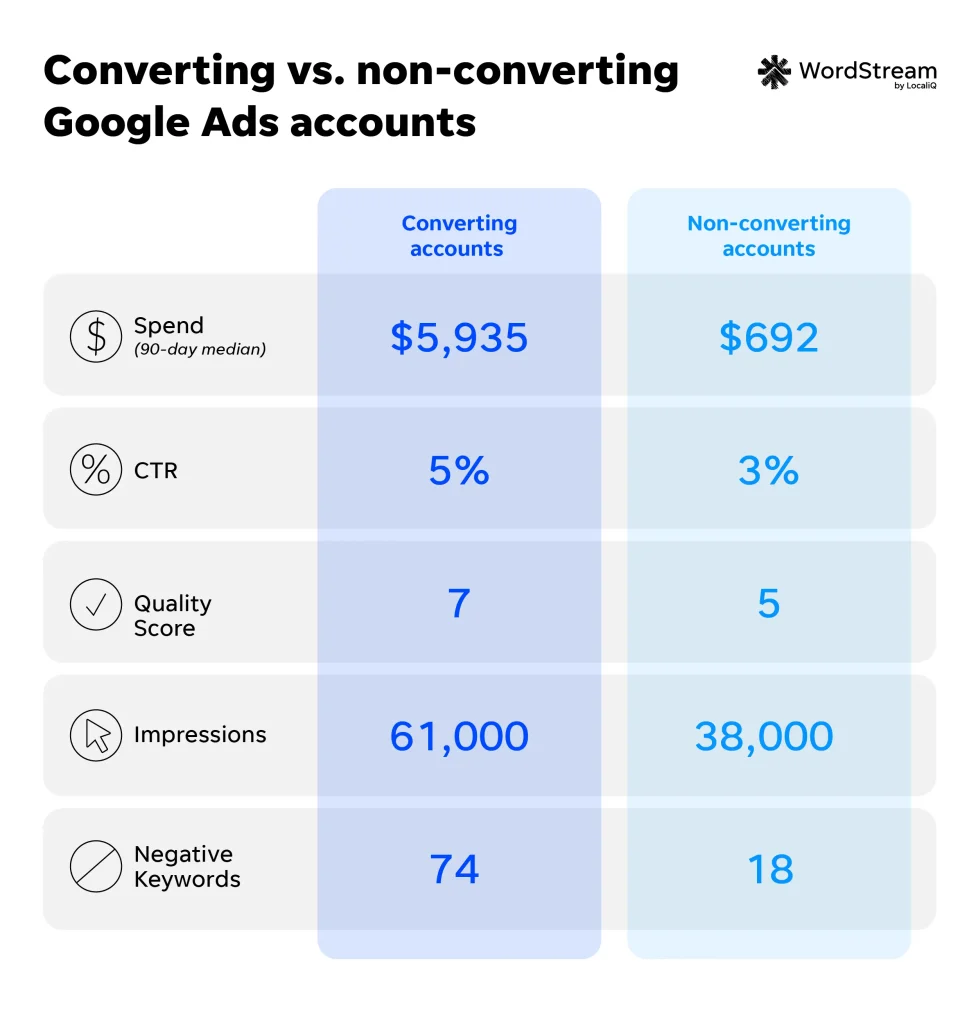
The effectiveness of an advertiser’s account management practices directly impacts the efficiency of their Google Ads spend. A significant percentage of businesses report satisfaction with their search advertising results, recognizing it as a prime source for lead generation. However, this success is contingent on diligent management. Simply launching an ad campaign is insufficient; continuous optimization, strategic keyword selection, and careful budget allocation are essential to maintain competitive costs and maximize returns.
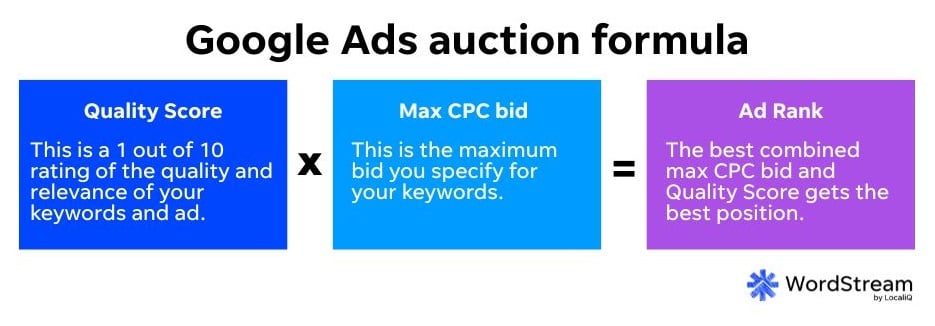
The Google Ads Auction: How Costs are Determined
Google Ads operates as an auction system, but it’s not solely about who bids the highest. A sophisticated algorithm determines which ads are displayed and at what cost. This process involves several key components:
Quality Score
When a user enters a search query, Google identifies advertisers bidding on relevant keywords. An auction is then initiated, and all relevant ads are entered. The first crucial factor in determining an ad’s success is its Quality Score, a rating from 1 to 10. This score is a composite of the ad’s relevance to the search query, the expected click-through rate (based on historical performance), and the quality of the landing page experience. A higher Quality Score generally leads to lower costs.
Ad Rank
Google calculates an Ad Rank for each participating ad by multiplying its Quality Score by the advertiser’s maximum bid (the highest amount they are willing to pay per click). The ads with the highest Ad Rank are then displayed in the paid search results, typically at the top of the page.

Cost Per Click (CPC) Calculation
Crucially, advertisers do not necessarily pay their maximum bid. The actual CPC is determined by the Ad Rank of the ad immediately below theirs, divided by the advertiser’s own Quality Score, plus one cent. This formula allows advertisers with a higher Quality Score to potentially pay less per click than a competitor with a lower Quality Score, even if that competitor has a higher maximum bid. This mechanism empowers advertisers with smaller budgets to remain competitive.
Additional Variables Affecting Ad Spend
Beyond the core auction mechanics, several other variables can influence an advertiser’s overall Google Ads costs:
- Ad Extensions: These provide additional information to users, such as phone numbers, website links, or location details, which can improve ad visibility and click-through rates.
- Ad Copy and Landing Page Relevance: Highly relevant ad copy and landing pages that directly address user intent contribute to a higher Quality Score.
- Audience Targeting: The precision with which an advertiser targets specific demographics, interests, or behaviors can affect CPCs.
- Bidding Strategy: The chosen bidding strategy (e.g., manual bidding, automated bidding) significantly impacts how much is spent.
- Negative Keywords: Identifying and excluding irrelevant search terms prevents wasted ad spend.
- Ad Scheduling: Showing ads only during specific times or days can optimize budget allocation.
- Geographic Targeting: Focusing ads on specific locations can reduce unnecessary impressions and clicks.
- Device Targeting: Adjusting bids based on whether users are searching on desktop, mobile, or tablet can refine spending.
Budgeting in Google Ads: Understanding Daily Budgets and Spending Limits
Effective budgeting is fundamental to controlling Google Ads costs. Many advertisers find their monthly budgets depleted rapidly, leading to the erroneous conclusion that Google Ads is prohibitively expensive. This often stems from a misunderstanding of how Google Ads budgeting operates.

Daily Budgets
When setting up a campaign, advertisers establish a daily budget. This figure represents the average amount they are willing to spend per day. However, Google does not strictly adhere to this exact amount each day. Instead, it aims to average the daily spend over the course of a month. This flexibility allows for fluctuations to capture opportunities when search volume is high.
Spending Limits
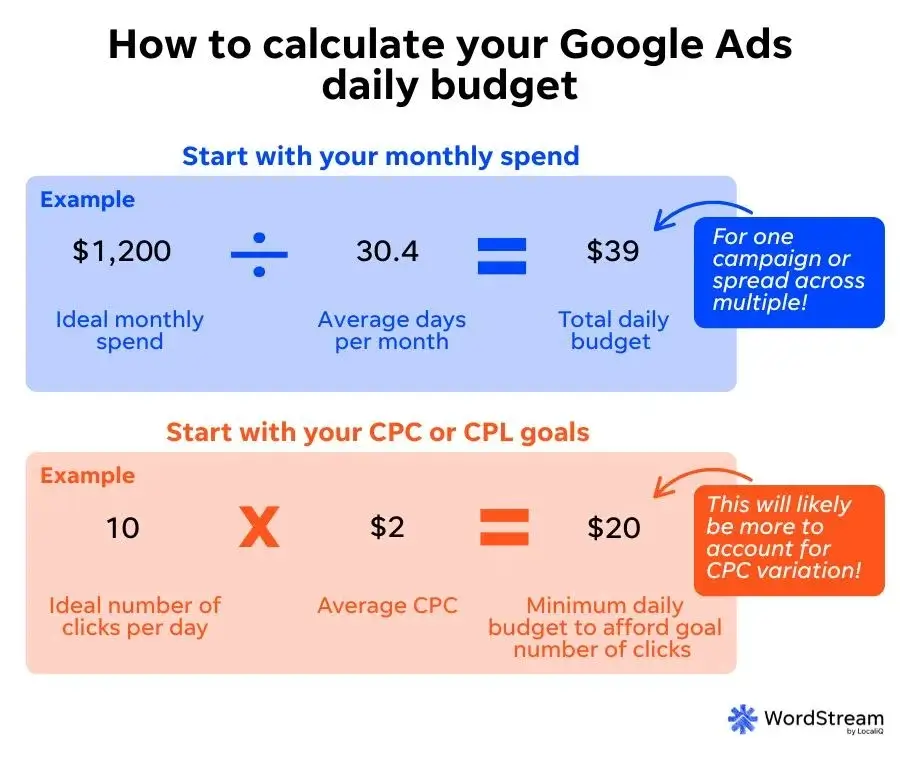
Google may, on occasion, spend up to twice the daily budget on a given day if it anticipates that this increased spend will lead to more clicks or conversions. This means that a $50 daily budget could potentially see up to $100 spent on a particular day. However, advertisers are protected by spending limits. They will never pay more in a single day than their daily spending limit, and their total monthly expenditure will not exceed their monthly spending limit, which is typically calculated as the average daily budget multiplied by 30.4 days. For advertisers using invoicing methods, a monthly spend limit can also be set at the account level.
Determining Your Average Daily Budget
To calculate an appropriate average daily budget, advertisers should first determine their total monthly budget for a specific campaign and then divide it by 30.4. The determination of this monthly budget should be based on several factors:
- Business Goals: What are the overarching objectives of the advertising campaign? (e.g., lead generation, brand awareness, sales).
- Target CPC: What is a sustainable CPC for the business to achieve its goals?
- Target CPA (Cost Per Acquisition): What is the maximum cost per conversion that is profitable?
- Expected Search Volume: How many relevant searches are occurring for the targeted keywords?
- Industry Benchmarks: What are competitors spending, and what are typical CPCs in the industry?
By inputting different daily average budget figures into Google Ads reporting tools, advertisers can project their potential monthly spend and assess its impact on campaign performance.
Bidding Strategies: Maximizing Value
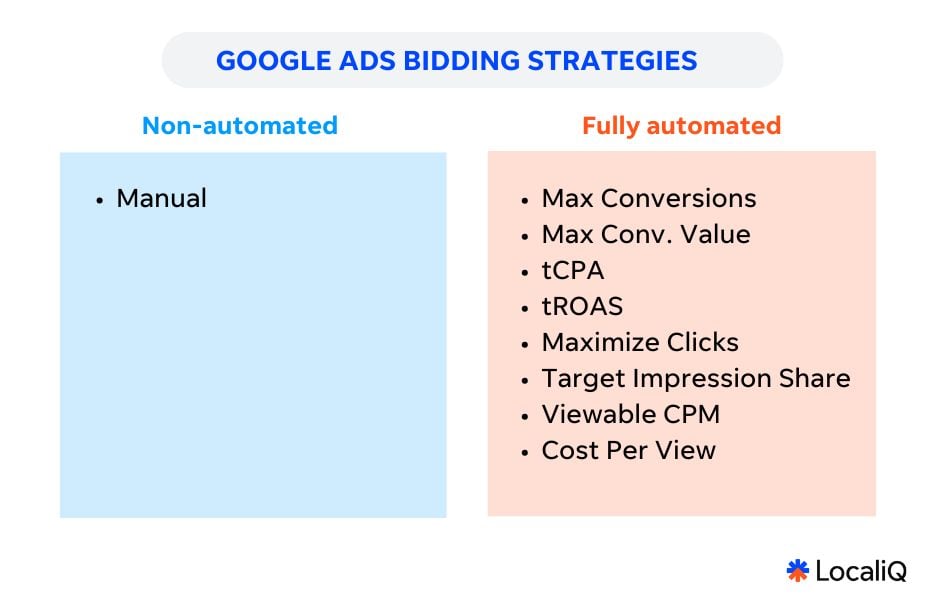
Bidding is a critical component of Google Ads cost management. The bid represents the maximum amount an advertiser is willing to pay for a click. Google offers various bidding strategies, from manual control to automated systems designed to optimize for specific goals:
- Manual CPC: Advertisers set their own maximum CPC bids for each keyword. This offers the most control but requires significant time and expertise.
- Automated Bidding Strategies: These strategies leverage Google’s machine learning to adjust bids automatically based on real-time auction data and campaign goals. Examples include:
- Maximize Clicks: Aims to get as many clicks as possible within a set budget.
- Maximize Conversions: Focuses on driving as many conversions as possible within a given budget.
- Target CPA (Cost Per Acquisition): Aims to achieve conversions at a specific target cost.
- Target ROAS (Return on Ad Spend): Focuses on maximizing revenue relative to ad spend.
The choice of bidding strategy should align with the campaign’s objectives and the advertiser’s comfort level with automated systems.
Other Potential Google Ads Costs
While the ad budget is the most direct cost, businesses should also consider other potential expenses associated with Google Ads campaigns:
Marketing Partner Costs
Many small and medium-sized businesses opt to outsource their Google Ads management to agencies or marketing partners. These services typically involve a percentage of the ad spend or a fixed monthly fee. While this can be a significant investment, experienced professionals can often mitigate wasted spend, improve campaign performance, and ultimately deliver a higher return on investment (ROI). It is crucial to vet potential partners carefully, ensuring their expertise aligns with your business needs and that their contracts clearly define performance expectations and payment structures.
Wasted Spend
It is an unfortunate reality that not all ad spend is 100% efficient. A portion of the budget may be consumed by clicks that do not result in conversions. This “wasted spend” can arise from poorly targeted keywords, ineffective ad copy, or suboptimal landing page experiences. Industry averages suggest that a considerable amount can be lost to wasted spend each month. Proactive account management, including the regular addition of negative keywords and meticulous campaign structure, is essential to minimize this inefficiency. Tools like Google Ads Graders can help identify areas of potential waste.

Key Takeaways on Google Ads Costs
To summarize the multifaceted nature of Google Ads pricing:
- No Fixed Price: Google Ads costs are highly variable and depend on numerous factors.
- Average CPC Varies: The overall average CPC on the Search Network is around $5.42, but this fluctuates significantly by industry and keyword.
- Competition Drives Cost: Highly competitive industries and keywords command higher CPCs.
- Quality Score is Key: A strong Quality Score can significantly reduce CPCs.
- Long-Tail Keywords Offer Value: Specific, longer keywords are often more cost-effective and have high commercial intent.
- Budgeting is Strategic: Daily budgets are averages, with potential for higher spending on some days, balanced by monthly limits.
- Bidding Strategies Matter: Choosing the right bidding strategy is crucial for optimizing spend.
- Management is Essential: Efficient account management and optimization are vital to control costs and maximize ROI.
- Additional Costs Exist: Consider potential costs for marketing partners and the inherent inefficiencies of ad spend.
Is Google Ads the Right Investment for Your Business?
Ultimately, the decision of whether Google Ads is the right investment hinges on a business’s specific goals, budget, and willingness to engage in strategic management. While the cost can vary widely, almost any business can find a way to make Google Ads work for them. By thoroughly understanding the factors that influence costs, meticulously planning campaigns, and continuously optimizing performance, businesses can leverage Google Ads to achieve their marketing objectives effectively and efficiently. Exploring resources like Google Ads Graders and free guides on saving money in Google Ads can provide further actionable insights for optimizing ad spend and ensuring a positive return on investment.