rifanmuazin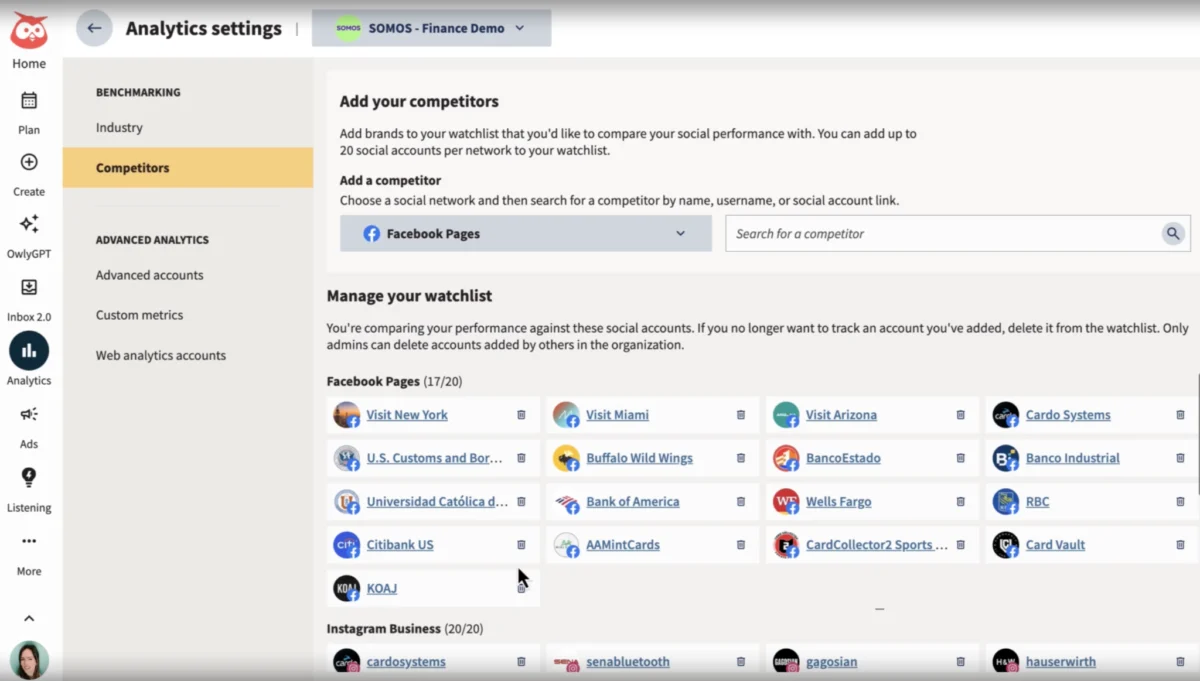
The Evolving Digital Battlefield: Why Competitor Analysis is Crucial
The advent of social media has fundamentally reshaped the marketing paradigm, transforming platforms like Facebook, Instagram, X (formerly Twitter), LinkedIn, and TikTok into critical battlegrounds for brand visibility and customer engagement. What began as informal communication channels has evolved into sophisticated ecosystems where brands vie for attention, build communities, and drive conversions. In this hyper-connected environment, simply having a social media presence is no longer sufficient; strategic differentiation is key. Recent industry reports indicate that global social media advertising spend is projected to exceed $200 billion annually, underscoring the immense investment and competitive intensity in this domain. Businesses are increasingly realizing that neglecting competitor analysis on these platforms is akin to navigating a complex terrain without a map.

A comprehensive social media competitor analysis provides a panoramic view of the competitive landscape, revealing not only who your direct rivals are but also how they interact with shared audiences, what content resonates most effectively, and where potential market gaps exist. This intelligence is invaluable for several reasons. Firstly, it helps clarify your unique value proposition. By understanding what competitors offer and how they communicate it, you can articulate what makes your brand distinct and superior. Secondly, it informs content strategy. Analyzing competitor posts that achieve high engagement can provide insights into content formats, themes, and tones that appeal to your shared target market, allowing you to replicate success or innovate beyond it. Thirdly, it aids in identifying emerging trends and potential threats. Competitors often experiment with new features, platforms, or campaign styles; monitoring these can provide an early warning system or inspiration for your own initiatives. For instance, a competitor’s sudden success with short-form video content on TikTok might signal a broader shift in consumer preference that your brand needs to address.
A Strategic Roadmap: The Steps to Effective Social Media Competitive Analysis
Executing a thorough social media competitive analysis requires a structured, multi-step approach, moving from initial identification to continuous strategic refinement. This systematic methodology ensures that the insights gathered are comprehensive, actionable, and aligned with broader business objectives.

Defining Your Competitive Arena
The initial phase involves meticulously identifying your true competitors, extending beyond obvious direct rivals to include indirect or emerging threats. This often begins with keyword research. Tools such as Google Ads Keyword Planner, SEMrush, or Ahrefs are indispensable for uncovering the search terms your target audience uses and, crucially, which brands consistently rank for those terms. For a boutique hotel in Manhattan specializing in local art and wine tastings, competitors aren’t just “NYC hotels”; they are other high-end, experience-driven accommodations targeting a similar demographic interested in culture and unique stays. Plug your own website into these tools to discover relevant keywords and then search these keywords on Google to identify websites that consistently appear in the top results, noting their social media handles.
Beyond traditional search engines, it is critical to conduct social-specific keyword searches. Platforms like Instagram, TikTok, YouTube, and X have their own search algorithms. Brands that rank highly in Google may not be the strongest content competitors on social media. For example, a search for “#boutiquehotelmanhattan” on Instagram might reveal smaller, influencer-backed brands or highly localized accounts that Google’s algorithm may overlook. Observing who appears in Reels, Shorts, or specific hashtag feeds is crucial, especially when targeting younger demographics, as TikTok has notably become a primary search engine for Gen Z. Furthermore, leveraging your existing social media analytics (e.g., Meta Business Suite Insights, TikTok Analytics) can reveal which brands your audience already follows or engages with, providing a direct pipeline to your competitive set. This data can pinpoint brands that share audience overlap, content preferences, or even customer service reputation. Once a comprehensive list is compiled, narrow it down to 3-5 direct competitors that closely mirror your business model, target audience, and product/service offerings for in-depth analysis.

The Art of Data Collection: What to Monitor
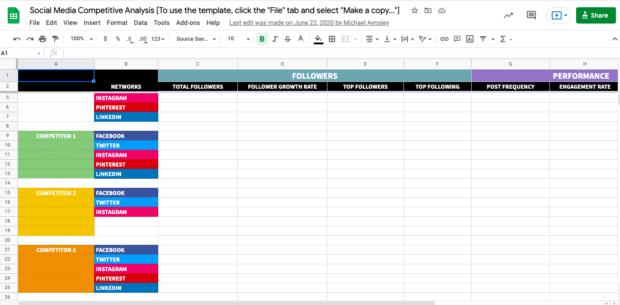
Once your core competitors are identified, the next step is to systematically gather intelligence on their social media activities. This involves a blend of manual observation and leveraging sophisticated analytics tools. Key areas to scrutinize include:
- Platform Presence: Which social media channels do they actively use? Are there platforms they dominate or ignore?
- Audience Demographics & Size: How large is their follower base on each platform? What are the discernible demographic characteristics of their audience (age, location, interests)?
- Content Strategy: What types of content do they publish (images, videos, stories, live streams, long-form text)? What themes, topics, and formats perform best? Are they using user-generated content, influencer collaborations, or branded campaigns?
- Posting Frequency & Timing: How often do they post on each platform? What are their peak posting times?
- Engagement Metrics: Beyond follower counts, analyze engagement rates (likes, comments, shares per post), reach, and impressions. Are certain types of content generating more interaction?
- Call-to-Actions (CTAs): What actions are they driving? Are they promoting website visits, product purchases, newsletter sign-ups, or event registrations?
- Customer Service on Social: How do they respond to comments, direct messages, and reviews? What is their average response time and tone?
- Hashtag Strategy: Which hashtags do they use? Are they branded, niche, or trending?
- Paid Social Campaigns: While harder to track directly, look for indications of sponsored posts or advertisements. Tools like Facebook Ad Library can offer some insights into their ad creatives and targeting.
- Brand Voice & Tone: Is their communication formal, casual, humorous, or educational? How does it align with their brand identity?
- Sentiment Analysis: What is the overall sentiment (positive, negative, neutral) surrounding their brand and content in public conversations?
While manual review provides qualitative context, dedicated social media analytics tools significantly streamline data collection, providing quantitative insights that would be impossible to gather by hand. It is equally important to collect this same data for your own brand to establish a baseline for comparison in the subsequent analysis.
Translating Data into Strategy: The SWOT Framework
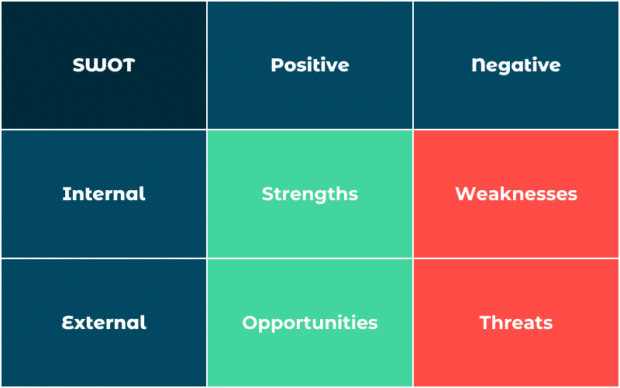
With the collected data in hand, the next critical phase is to perform a SWOT (Strengths, Weaknesses, Opportunities, Threats) analysis. This framework helps organize the information into actionable insights, providing a clear strategic direction for your social media efforts.
- Strengths: These are internal advantages where your brand outperforms competitors. Perhaps your Instagram engagement rate is significantly higher, or your LinkedIn follower growth outpaces rivals. Identify what you do exceptionally well on social media. These strengths should be leveraged as key differentiators in your messaging and content. For example, if your brand excels at creating highly informative video tutorials, this is a strength to amplify.
- Weaknesses: These are internal areas where your brand lags behind competitors. This could be a lower follower count on a crucial platform, infrequent posting, or a lack of engagement on specific content types. Weaknesses highlight areas requiring improvement through targeted strategies, A/B testing, and resource allocation. It’s crucial to be specific; for instance, a weakness might be “low average comment count on Facebook posts” rather than just “low engagement.”
- Opportunities: These are external factors or market conditions that your brand can capitalize on. Opportunities often arise from competitor shortcomings or unmet audience needs. Examples include a competitor neglecting a popular platform (e.g., TikTok), a gap in content addressing a specific demographic, or an emerging trend that no competitor has fully embraced. Identifying opportunities allows for strategic expansion, innovation, and capturing new market segments. For instance, if competitors are not engaging with customer queries effectively on X, there’s an opportunity for your brand to excel in social customer service.
- Threats: These are external challenges that could negatively impact your brand’s social media performance or market position. Threats can include the entry of a new, agile competitor, a competitor launching a highly successful campaign, a shift in platform algorithms favoring a competitor’s content style, or negative public sentiment developing around a shared industry practice. Proactive monitoring of threats allows for contingency planning and agile adjustments to your social media strategy.
The SWOT analysis transforms raw data into a strategic blueprint, guiding decisions on content creation, platform focus, community management, and even product development.

Sustained Vigilance: The Power of Ongoing Monitoring
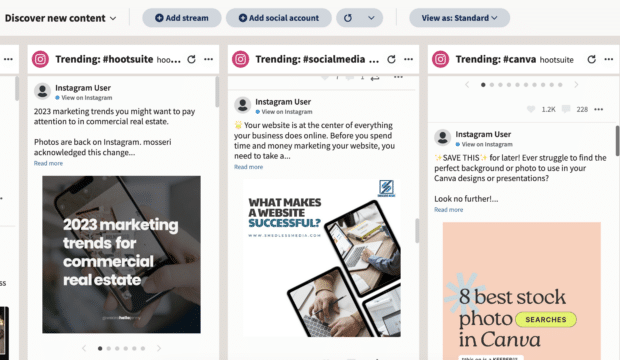
A social media competitive analysis is not a one-time exercise but an ongoing process. The digital landscape is in constant flux, with new trends, algorithms, and competitors emerging regularly. Therefore, continuous social monitoring is essential to keep your analysis relevant and your strategy agile. By regularly checking competitor activities, audience reactions, and industry conversations, businesses can spot new opportunities, identify potential threats early, and adapt their strategies in real-time. This involves setting up listening streams for competitor mentions, relevant hashtags, industry keywords, and even sentiment around specific topics. Tools that offer real-time alerts or regular reporting can automate much of this process. Integrating these insights into a living document or dashboard ensures that your social media strategy remains dynamic, informed, and ahead of the curve, rather than becoming static and outdated.
Leveraging Technology: Essential Tools for In-Depth Analysis

While manual observation provides valuable qualitative insights, the sheer volume of social media data necessitates the use of specialized tools for efficient and comprehensive competitive analysis. These platforms offer functionalities that automate data collection, provide deep analytics, and facilitate benchmarking.
Hootsuite Analytics: Your Command Center
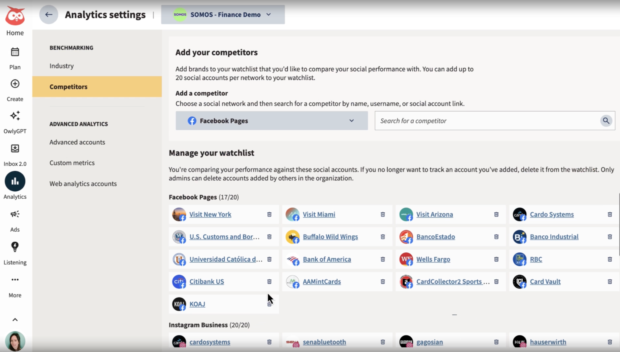
Hootsuite Analytics serves as a robust command center for understanding your brand’s performance against competitors across major platforms like Instagram, Facebook, and X. It allows users to track up to 20 competitor profiles per network, offering real-time benchmarking of crucial metrics such as follower growth, engagement rates, and content mix. This eliminates the arduous task of manual data compilation, presenting patterns and insights that genuinely impact your category. From identifying top-performing posts and trending hashtags to pinpointing content types that elicit the strongest audience responses, Hootsuite Analytics streamlines the analysis process. A significant advantage is its integration within the broader Hootsuite ecosystem, enabling users to translate insights directly into action—scheduling, optimizing, and publishing new content without switching between multiple applications. This seamless workflow is critical for agile marketing teams.

Beyond Social Feeds: Synapview for Broader Intelligence
For brands seeking to extend their competitive intelligence beyond traditional social media platforms, Synapview offers a unique advantage. This application facilitates monitoring of competitors and relevant hashtags on less conventional but highly influential platforms such as Reddit and various blogs. Reddit, often dubbed “the front page of the internet,” is a hotbed for niche communities and unfiltered consumer opinions, while blogs can be powerful sources of long-form content and thought leadership. Synapview allows for a deeper dive into competitor strategies on these platforms, uncovering discussions, content formats, and community sentiments that might be missed by social-only tools. This broader intelligence provides a more holistic view of a competitor’s digital footprint and influence.
Unveiling Sentiment: Mentionlytics’ Insights
Mentionlytics is a powerful social media monitoring tool designed specifically for competitive analysis. It enables businesses to track all mentions of their brand, competitors, or any specified keyword across a wide array of sources, including X, Instagram, Facebook, YouTube, Pinterest, news sites, and blogs. Its standout feature is sentiment analysis, which not only identifies what is being said but also how it’s being said—categorizing mentions as positive, negative, or neutral. This granular understanding of public perception is invaluable for guiding product development, refining messaging, and proactively managing brand reputation. By understanding the emotional tone surrounding competitor discussions, brands can identify unmet needs or areas of consumer dissatisfaction that they can address. Mentionlytics’ integration with platforms like Hootsuite further enhances its utility, allowing users to consolidate their monitoring efforts within a single dashboard.
Comprehensive Overview: Sprout Social’s Offering
Sprout Social is another comprehensive social media management tool that incorporates robust competitive analysis features. Its functionalities allow users to track and measure growth across competitors’ social accounts, providing easy comparisons to their own performance metrics. Sprout Social also offers a word cloud solution, which visually surfaces trending topics and keywords relevant to both your brand and your competitors. This can be particularly useful for identifying content themes that are gaining traction or understanding the dominant narratives within a specific industry. Its dashboards are designed for clear data visualization, making it easier for teams to interpret complex competitive data and derive actionable insights.
The Strategic Imperative: Broader Implications for Businesses
The implications of a well-executed and continuously updated social media competitor analysis extend far beyond tactical adjustments to social media posts. It fundamentally influences broader business strategy, driving innovation, enhancing customer relationships, and fortifying market position.
Improved Return on Investment (ROI): By identifying what works for competitors and what falls flat, businesses can allocate their social media budget more effectively, investing in proven content types, platforms, and advertising strategies. This reduces wasteful spending on ineffective campaigns and maximizes the return on marketing efforts.
Refined Target Audience Understanding: Analyzing competitor audiences provides deeper insights into shared demographics, psychographics, and pain points. This allows for more precise targeting, enabling brands to craft messages that resonate more powerfully and reach the most receptive segments of the market.
Enhanced Content Strategy and Innovation: Competitive analysis acts as a catalyst for creative content development. By observing successful formats, storytelling techniques, and campaign themes, brands can draw inspiration, identify content gaps, and develop innovative approaches that capture audience attention and differentiate them from rivals.
Proactive Risk Management and Reputation Building: Monitoring competitor activities and public sentiment provides an early warning system for potential threats, such as negative campaigns, emerging crises, or shifts in consumer preference. This allows businesses to react proactively, mitigating risks and protecting their brand reputation. Conversely, identifying areas where competitors falter in customer service or responsiveness can present opportunities to shine and build stronger customer loyalty.
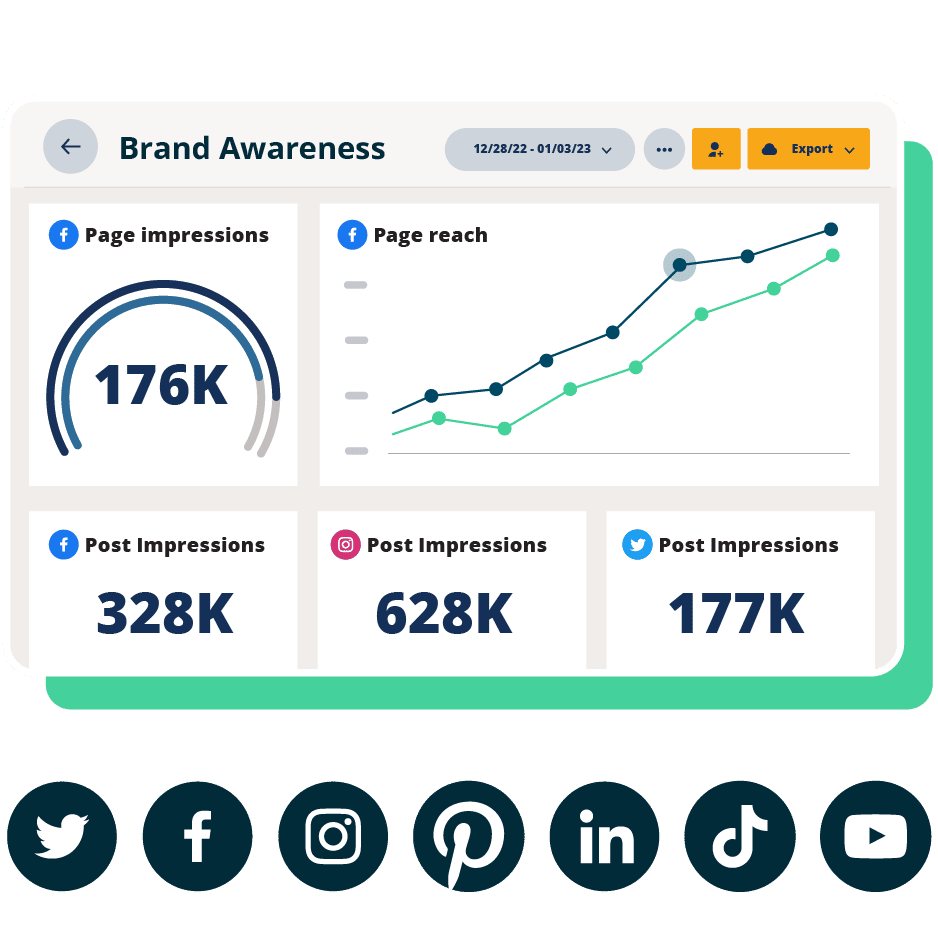
Informed Product Development and Service Enhancement: Social listening tools, often integrated with competitive analysis platforms, can uncover consumer desires and frustrations related to competitor products or services. These insights are invaluable for informing product development roadmaps, identifying features to add or improve, and enhancing customer experience.
According to Dr. Evelyn Reed, a prominent digital marketing strategist, “In today’s interconnected marketplace, competitive analysis on social media is no longer a luxury but a fundamental necessity. It’s the strategic intelligence that empowers brands to move from reactive marketing to proactive market leadership, fostering innovation and sustainable growth.” Furthermore, a spokesperson for Hootsuite recently remarked, “Our goal is to equip businesses with the clearest possible view of their competitive landscape. By consolidating data