rifanmuazin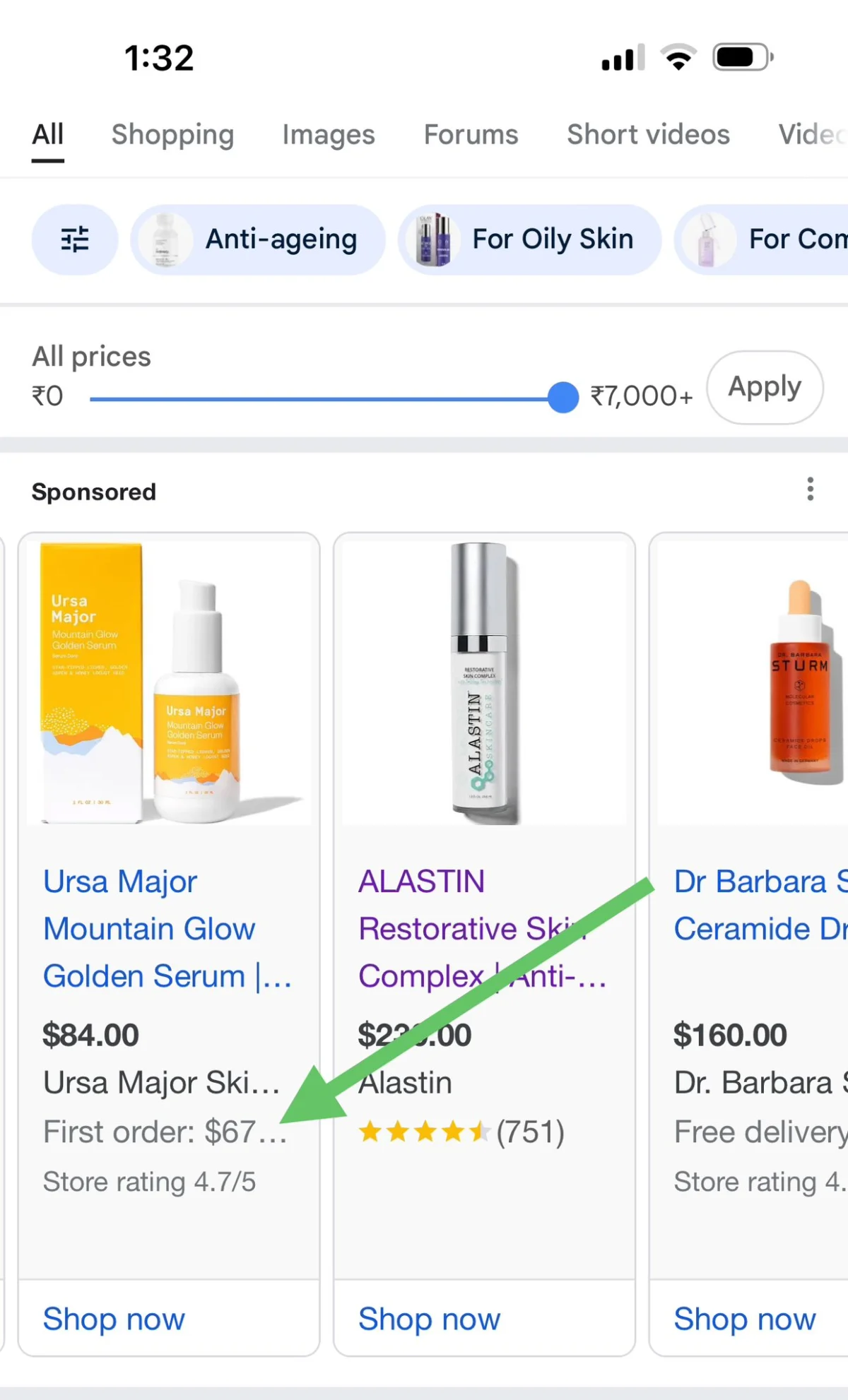
The Re-Emergence of First-Order Discounts in Google Shopping Ads
The current iteration, termed “1st order price,” functions similarly to its predecessor, explicitly informing shoppers that a particular price is a special discount applicable only to their initial purchase from the featured retailer. This label is designed to act as a powerful incentive, capitalizing on the psychological appeal of exclusive deals for first-time buyers. The re-testing of this feature was recently brought to public attention by Sachin Patel, who shared a screenshot on X (formerly Twitter), showcasing the label prominently displayed on a Google Shopping Ad. This observation confirms that Google is actively evaluating the impact and user reception of such direct promotional messaging within its search results. The original “First order” label, which offered a similar value proposition, was previously spotted in testing more than a year prior, indicating a consistent line of inquiry from Google into optimizing initial customer engagement.
A Chronology of Google’s Ad Label Experimentation
Google’s history is replete with continuous experimentation across its search and advertising interfaces. The company routinely tests new features, visual elements, and algorithms to refine user experience and advertiser performance. The first recorded instance of a “First order” label on Google Shopping Ads dates back to over a year ago. This initial test, as reported by industry observers, aimed to identify whether explicitly calling out a discount for new customers could significantly boost click-through rates (CTR) and conversion rates for participating merchants.
The current “1st order price” label, while functionally similar, suggests a refinement in nomenclature or perhaps a slightly altered implementation strategy. This iterative testing process is characteristic of Google, which often deploys A/B tests or phased rollouts to measure the impact of changes on various key performance indicators (KPIs) before wider adoption. These experiments are crucial for Google to understand how subtle changes in ad presentation influence user behavior, advertiser ROI, and the overall health of its advertising ecosystem. The gap between the first observation and the current re-test could imply a period of data analysis, internal adjustments, or a strategic re-evaluation of its potential benefits in a continually evolving e-commerce environment.

The Mechanism and Strategic Purpose Behind First-Order Price Labels
The operational mechanism of the “1st order price” label is straightforward: retailers offering a special discount exclusively for a customer’s first purchase can potentially have this offer highlighted directly within their Shopping Ads. This requires advertisers to configure their product feeds and Google Ads campaigns to accurately reflect these first-order-specific promotions. Google’s system would then identify eligible users (likely through cookies, account data, or other identifiers indicating no prior purchase history with the specific merchant) and display the relevant label.
From a strategic perspective, these labels serve multiple purposes for both Google and its advertisers:
- Enhanced Visibility and Differentiation: In a crowded Shopping Ads carousel, any unique visual cue can help an ad stand out. The “1st order price” label provides a clear, concise value proposition that immediately grabs attention.
- Increased Click-Through Rates (CTR): The promise of an exclusive discount is a powerful motivator. Users actively seeking deals or considering a new retailer are more likely to click on an ad that clearly advertises a first-order incentive.
- Improved Conversion Rates: Beyond clicks, the ultimate goal is to convert shoppers into buyers. By pre-qualifying the discount on the ad itself, retailers are attracting users who are already aware of and interested in the special offer, potentially leading to a higher likelihood of purchase upon landing on the product page.
- New Customer Acquisition: For many businesses, acquiring new customers is significantly more expensive than retaining existing ones. First-order discounts are a time-tested strategy to lower the barrier to entry for new buyers. Google’s labels amplify this strategy by making it visible at the crucial discovery phase.
- Data Collection and Optimization for Google: By testing such features, Google gathers invaluable data on user engagement, ad performance, and the effectiveness of different messaging strategies. This data informs future algorithm updates and feature rollouts, ultimately aiming to create a more efficient and profitable advertising platform.
Broader E-commerce Context: The Psychology and Economics of Discounts
The reintroduction of “1st order price” labels is deeply rooted in established e-commerce strategies and consumer psychology. First-order discounts, such as “10% off your first purchase” or “Free shipping on your first order,” are ubiquitous across online retail. Their effectiveness stems from several psychological principles:
- Scarcity and Exclusivity: The “first order” aspect implies a limited-time or limited-eligibility offer, creating a sense of urgency and exclusivity that encourages immediate action.
- Perceived Value: Consumers often perceive a discounted price as a better deal, even if the actual saving is modest. This perception of value can override initial price resistance.
- Risk Reduction: For new customers, trying a retailer for the first time can involve a perceived risk. A discount can mitigate this risk, making the initial purchase feel like a lower-stakes commitment.
- Customer Lifetime Value (CLV): While a first-order discount might reduce the profit margin on the initial sale, retailers often view it as an investment in a new customer’s potential Customer Lifetime Value. A satisfied first-time buyer is more likely to become a repeat customer, generating long-term revenue.
Economically, customer acquisition cost (CAC) is a critical metric for e-commerce businesses. Industry benchmarks for CAC vary widely by sector, but can range from under $10 for some digital products to over $100 for luxury goods. Strategies like first-order discounts, when effectively implemented, aim to reduce the effective CAC by improving conversion efficiency. A higher conversion rate from ad clicks directly translates to more efficient ad spend. Studies by marketing analytics firms often show that promotions can increase conversion rates by 10-30% or more, depending on the discount’s generosity and the product category. Therefore, Google’s initiative to highlight these offers directly within ads is a direct response to a fundamental economic driver in online retail.

Potential Implications for Advertisers and the Google Ads Ecosystem
The “1st order price” labels carry significant implications for advertisers utilizing Google Shopping Ads:
- Opportunity for Competitive Advantage: Retailers willing to offer first-order discounts, and configure their feeds accordingly, could gain a distinct edge over competitors who do not, or whose ads lack this prominent visual incentive. This might push more advertisers to adopt such strategies.
- Increased Ad Spend Efficiency: If the labels genuinely lead to higher CTRs and conversion rates, advertisers could see a better return on ad spend (ROAS). This means getting more sales for the same budget, or achieving desired sales volumes with reduced expenditure.
- Complexity in Campaign Management: Implementing and tracking these first-order specific promotions requires careful management of product feeds and campaign settings. Advertisers must ensure their backend systems can accurately process these discounts and that the offer is genuinely available to eligible new customers to avoid user frustration.
- Impact on Profit Margins: While beneficial for customer acquisition, relying heavily on discounts can compress profit margins. Retailers must carefully balance the benefits of new customer acquisition against the potential reduction in profitability per sale.
- A/B Testing and Optimization: Sophisticated advertisers will likely conduct their own A/B tests to measure the precise impact of these labels on their specific products and target audiences, comparing performance with and without the label. This will inform their pricing and promotional strategies.
- Potential for Abuse or Misinterpretation: As with any advertising feature, there’s a risk of misuse. Retailers might be tempted to offer minimal discounts just to get the label, or there could be instances where the discount is not applied correctly, leading to negative user experiences and potential policy violations. Google will likely need robust mechanisms to monitor compliance.
Potential Implications for Consumers and User Experience
For consumers, the “1st order price” labels could significantly impact their shopping journey:
- Improved Deal Discovery: The most immediate benefit is the easier discovery of special offers. Shoppers looking for the best value will appreciate the upfront transparency regarding discounts for new customers.
- Informed Purchase Decisions: By seeing the discount prominently, consumers can make more informed decisions about which retailer to choose, potentially opting for a new brand that offers an introductory incentive.
- Potential for Confusion: The original article’s brief mention of potential user confusion is a valid point. While the intent is clear, some users might initially misunderstand the “1st order price” as a general discount, only to find it’s contingent on being a new customer. This could lead to frustration if not clearly communicated on the landing page. Google’s design and the retailer’s subsequent communication will be critical here.
- Encouragement to Try New Retailers: The incentive might encourage consumers to step outside their comfort zone and try new brands or online stores, fostering a more diverse e-commerce landscape.
- Expectation Setting: Over time, if these labels become widespread, consumers might come to expect first-order discounts, potentially devaluing the impact of such promotions if they become the norm rather than an exception.
Inferred Statements and Industry Reactions
While Google has not issued an official statement specifically on the “1st order price” label re-test, the company’s general stance on ad innovations is consistent. Google frequently emphasizes its commitment to:
- Enhancing User Experience: Providing relevant, clear, and helpful information to users is paramount. Ad labels are often designed to make ads more informative and less disruptive.
- Supporting Advertisers: Offering tools and features that help businesses connect with customers and grow their sales is a core mission of Google Ads.
- Driving Transparency: Features like these aim to provide transparency about the nature of the offer, empowering users to make better choices.
Industry experts and e-commerce analysts would likely view this re-test as a logical evolution in Google’s ad offerings. Marketing consultant Jane Doe, specializing in e-commerce, might comment, “In an era of intense competition for consumer attention and loyalty, any tool that helps a retailer stand out with a compelling offer is valuable. Google’s ‘1st order price’ label is a direct response to the economic realities of customer acquisition.” Another analyst, John Smith from a digital marketing agency, could add, “The success of these labels will hinge on Google’s ability to accurately identify new customers and the seamless integration of these offers by advertisers. Any friction in the user journey could negate the benefits.”

The consensus among digital marketing professionals would likely be one of cautious optimism. The potential for improved ad performance is clear, but the implementation challenges and the need for clear communication to avoid consumer confusion would be key discussion points.
Broader Impact and Future Outlook
The re-emergence of “1st order price” labels on Google Shopping Ads is more than just a minor UI tweak; it reflects deeper trends and strategic priorities in the digital advertising and e-commerce sectors.
Firstly, it underscores the enduring power of discounts as a customer acquisition tool. In a market where consumers are increasingly price-sensitive and spoiled for choice, a well-placed discount can be the decisive factor. Google, as the gatekeeper to a vast audience of shoppers, is continuously exploring ways to facilitate these connections efficiently.
Secondly, it highlights Google’s ongoing commitment to enriching its Shopping Ads format. Historically, Shopping Ads have been visually rich, displaying product images, prices, and retailer names. Adding contextual labels like “1st order price” makes them even more informative and actionable, moving beyond mere product display to incorporate promotional messaging directly.

Thirdly, this test could pave the way for other specialized ad labels in the future. If “1st order price” proves successful, Google might explore labels for loyalty programs, subscription discounts, seasonal sales, or other targeted promotions, further enhancing the granularity and effectiveness of its ad offerings. This would transform Shopping Ads into even more dynamic and personalized advertising units.
Finally, for retailers, this initiative serves as a reminder of the importance of integrated marketing strategies. To fully leverage such features, businesses must ensure their pricing, promotional, and customer relationship management systems are aligned. A clear, consistent message from the Google Shopping Ad to the product landing page and through the checkout process is essential for converting interest into sales and building lasting customer relationships.
In conclusion, Google’s re-testing of “1st order price” labels on Shopping Ads is a strategic move designed to boost new customer acquisition for retailers and enhance the value proposition of its advertising platform. While offering clear benefits in terms of visibility and conversion potential, its ultimate success will depend on careful implementation, transparent communication, and positive user reception. As Google continues its relentless pursuit of advertising innovation, such experiments will remain a critical component of its strategy to shape the future of online commerce.