
 rifanmuazin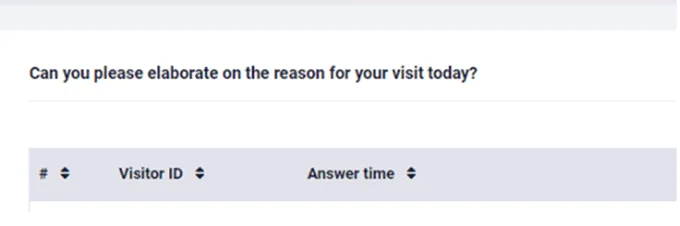
The digital marketing landscape in 2025 has reached a critical juncture where the traditional methods of tracking user behavior are being systematically dismantled. As third-party cookies become a relic of the past and privacy regulations tighten globally, enterprises are pivoting toward zero-party data—information that consumers intentionally and proactively share with a brand. Within this shift, website polls have emerged from their reputation as intrusive digital noise to become precision diagnostic tools. When integrated with behavioral analytics and conversion rate optimization (CRO) frameworks, these micro-interactions provide the “why” behind the “what” of quantitative data, allowing businesses to pinpoint the exact friction points preventing visitor conversion.
The Evolution of User Feedback in a Privacy-First Era
Historically, website polls were often implemented as an afterthought, appearing as generic pop-ups that disrupted the user experience with vague inquiries such as “How are we doing today?” However, the current methodology championed by industry leaders like Invesp suggests a more surgical approach. Khalid Saleh, a prominent figure in the CRO space, posits that polls serve as a vital bridge in the research process. According to Saleh, polls provide a few data points from a large volume of people, which does not replace deep qualitative research but significantly sharpens its focus.
The resurgence of polling is directly linked to the fragmentation of the customer journey. In 2025, a visitor might interact with a brand across six different touchpoints before making a purchase. In this environment, the ability to capture real-time sentiment while a user is actively engaged on a site is invaluable. This direct feedback loop allows marketers to bypass the limitations of inferred data, moving instead toward a strategy rooted in explicit user intent.
Chronology of the Modern Polling Strategy
The development of an effective polling strategy has evolved from a linear process to a cyclical, data-backed methodology. The timeline for implementing a sophisticated polling campaign generally follows four distinct phases:
- Diagnostic Research (Weeks 1-2): Before a single question is drafted, practitioners conduct heuristic evaluations and audit Google Analytics. This phase identifies “leaky” spots in the conversion funnel—pages with high traffic but disproportionately high exit rates.
- Hypothesis Formation (Week 3): Analysts use session recordings and heatmaps to observe behavior. If users are hovering over a price point but not clicking “Add to Cart,” a hypothesis is formed regarding price sensitivity or lack of trust.
- Poll Deployment (Weeks 4-6): Targeted polls are launched on specific pages to validate or refute these hypotheses. Unlike broad surveys, these are triggered by specific behaviors, such as exit intent or a specific duration of time spent on a page.
- Data Synthesis and Implementation (Ongoing): The feedback is synthesized to inform UI/UX changes, copy updates, or structural pivots in the marketing strategy.
Segmenting the Buyer’s Journey Through Targeted Inquiries
One of the most significant errors in modern digital marketing is the “wide net” approach to polling. Industry data suggests that a poll’s effectiveness is directly proportional to its relevance to the visitor’s current stage in the buyer’s journey. Analysts categorize these stages into five primary segments: Awareness, Interest, Desire, Action, and Post-purchase.
In the Awareness stage, visitors are often looking for information rather than a specific product. Polls at this stage should focus on “motivators,” asking questions such as, “What brought you to our site today?” This helps brands understand the initial hook that drives traffic.
As the visitor moves into the Interest and Desire stages, the focus shifts to “barriers.” If a user lingers on a product page but does not proceed, a poll might ask, “Is there anything preventing you from completing your purchase today?” This identifies “FUDs”—fears, uncertainties, and doubts. By addressing these concerns in real-time, or using the feedback to update the page’s FAQ section, companies can significantly reduce friction.
Finally, in the Action and Post-purchase stages, polls transition into “hooks” and “satisfaction” metrics. Understanding why a customer chose one brand over a competitor—and whether they would recommend the service—provides the qualitative evidence needed to refine value propositions for future marketing campaigns.
Supporting Data: The Impact of Behavioral Triggers
Recent industry studies indicate that behaviorally-triggered polls have a response rate 300% higher than those that appear immediately upon page load. Furthermore, data-driven polling can reduce cart abandonment rates by as much as 15% when the feedback is used to address specific usability issues.
For instance, an e-commerce case study involving session replay analysis revealed that users were scrolling aimlessly on a checkout page without engaging with the call-to-action (CTA). By deploying a poll asking for the reason for their visit, the brand discovered that a significant portion of their audience was looking for a specific shipping policy that was buried in the footer. By moving that information to the header based on poll feedback, the brand saw an immediate uptick in completions.
The Role of Polling in Validating Quantitative Findings
While quantitative tools like Google Analytics provide a macro-view of website performance, they are often silent on the emotional and psychological drivers of user behavior. This is where polling serves as a validation layer.
Invesp’s methodology highlights the use of polls to confirm trends seen in smaller sample sizes, such as customer interviews. If a dozen interviewees mention that they value a brand’s sustainability practices, a website-wide poll can confirm if this sentiment is shared by the thousands of daily visitors. This validation is crucial before a company invests significant capital into a brand pivot or a major site redesign.
Official Responses and Expert Perspectives
Marketing experts emphasize that the “annoyance factor” of polls is a result of poor design, not the medium itself. “The power of a poll is its ability to act as a mirror, reflecting the truth behind your data,” says an Invesp senior analyst. The consensus among CRO professionals is that polls must be “strategic, not sporadic.”
Leading software providers in the feedback space have responded to these needs by developing more “polite” polling tech. Modern tools now offer features like “scroll-depth triggers” and “frequency capping,” ensuring that a user is not bombarded with questions across every page of their session. This technical evolution reflects a broader industry shift toward respecting the user’s cognitive load while still gathering essential insights.
Broader Impact and Strategic Implications for 2025 and Beyond
The strategic use of website polls has implications that extend far beyond simple conversion increases. It fosters a culture of “customer-centricity” within an organization. When product descriptions, pricing models, and site layouts are informed by direct user feedback, the resulting brand experience is naturally more resonant.
Furthermore, the collection of zero-party data via polls builds a proprietary database of customer preferences that competitors cannot replicate through standard market research. In an era where AI-driven personalization is becoming the standard, this first-hand data serves as the “fuel” for more accurate machine learning models. Companies that master the art of the micro-poll will find themselves with a significant competitive advantage: a direct line to the consumer’s mind.
In summary, website polling in 2025 is no longer about asking “How are we doing?” It is a sophisticated, data-driven discipline designed to uncover the hidden barriers to growth. By integrating polls into a broader CRO framework, businesses can transform vague assumptions into actionable intelligence, ensuring that every click on their site is a step toward a more meaningful and profitable customer relationship. The shift from “interruption” to “interaction” marks a new chapter in digital marketing, where the voice of the customer is the primary driver of innovation.








