
 rifanmuazin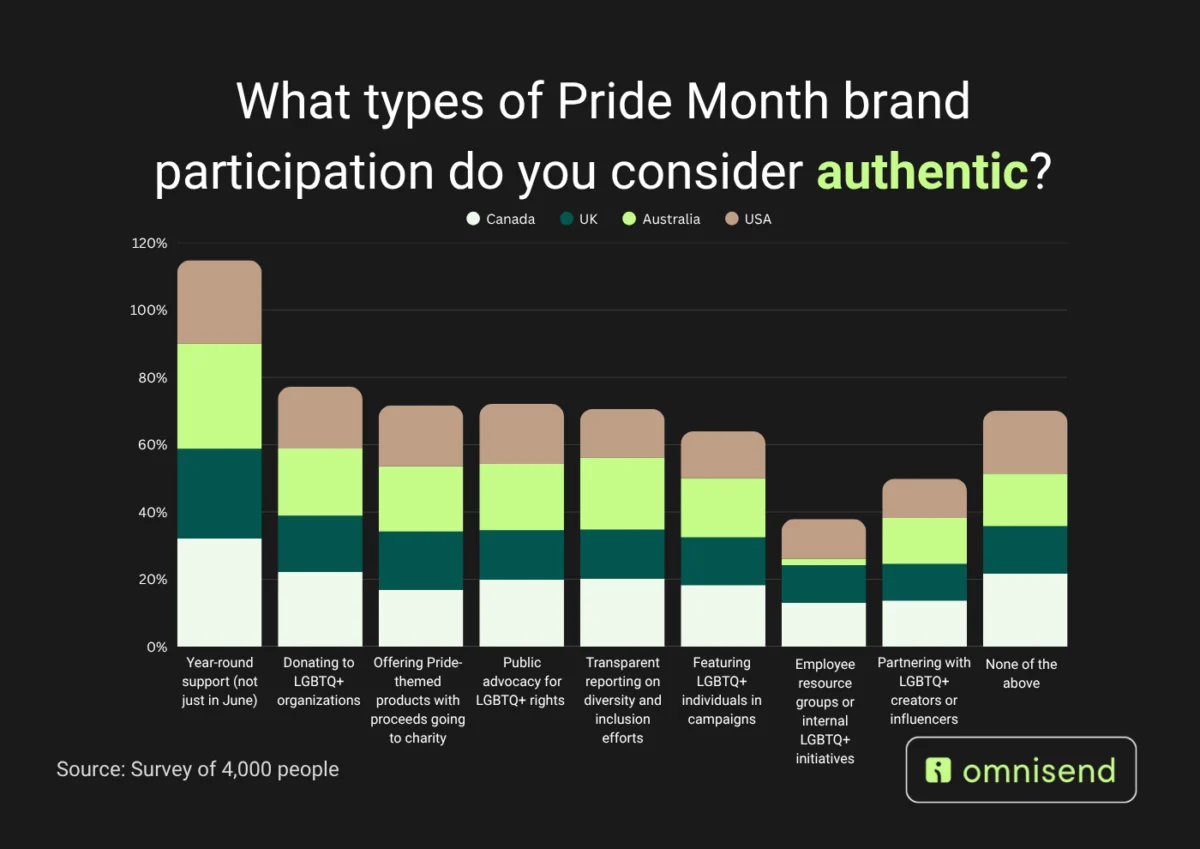
Corporate engagement with LGBTQ+ initiatives, particularly during Pride Month, is undergoing a significant contraction, marking a notable shift in business strategy. According to Gravity Research’s 2025 Pride Pulse Poll, a striking 39% of companies reduced their overall Pride Month engagement in 2025. This figure represents a more than fourfold increase from just 9% in 2024, signaling a rapid acceleration of this trend. This pullback comes despite robust consumer expectations for brands to demonstrate genuine support for the LGBTQ+ community, as highlighted by a recent Omnisend survey of 4,000 consumers across the United States, United Kingdom, Canada, and Australia. The survey reveals that while brands become more hesitant, consumers are increasingly adept at distinguishing between authentic advocacy and performative marketing, closely scrutinizing corporate actions.
The Shifting Tides of Corporate Pride: A Retrospective
For nearly two decades, Pride Month has evolved from a series of grassroots demonstrations commemorating the Stonewall Uprising into a prominent global celebration, increasingly embraced by corporations. What began as a vital moment for visibility and advocacy in the LGBTQ+ community gradually transformed, especially over the past decade, into a major commercial event. Brands enthusiastically adopted rainbow logos, launched limited-edition products, and rolled out extensive marketing campaigns throughout June. This ubiquitous “rainbow capitalism” or “rainbow washing” became a common sight, driven by a perceived moral imperative, the lucrative “pink pound” or “pink dollar” — representing the significant purchasing power of the LGBTQ+ community and its allies — and the broader rise of Environmental, Social, and Governance (ESG) principles and Diversity, Equity, and Inclusion (DEI) initiatives. Companies sought to align themselves with progressive values, appeal to younger demographics, and enhance their brand reputation as socially responsible entities.
However, the landscape has become increasingly fraught. In recent years, a growing cultural and political backlash, often characterized as “anti-woke,” has created a challenging environment for brands engaging in social issues. High-profile controversies surrounding brands like Bud Light and Target, which faced boycotts and intense criticism for their LGBTQ+ inclusive marketing, have made many corporations wary. This climate has forced companies to re-evaluate their strategies, leading to the observed scaling back of Pride activities. The substantial increase in companies reducing their engagement from 9% to 39% year-over-year underscores a rapid, strategic pivot by businesses navigating these complex cultural wars and seeking to avoid potential financial repercussions or reputational damage. This shift is not merely a change in marketing tactics but reflects a deeper recalibration of corporate social responsibility in a polarized world.
Consumer Expectations Remain High, Demand for Authenticity Soars
Despite the corporate retreat, the Omnisend survey unequivocally demonstrates that consumers have not lost interest in brands participating in Pride Month. In fact, a significant portion of the global consumer base considers brand involvement important, with percentages reaching 48% of Americans, 51% of Brits, 56% of Canadians, and 57% of Australians. A dedicated segment, ranging from 11% to 14% across these nations, considers it “extremely important.” This highlights a persistent expectation that brands should actively support and acknowledge the LGBTQ+ community.
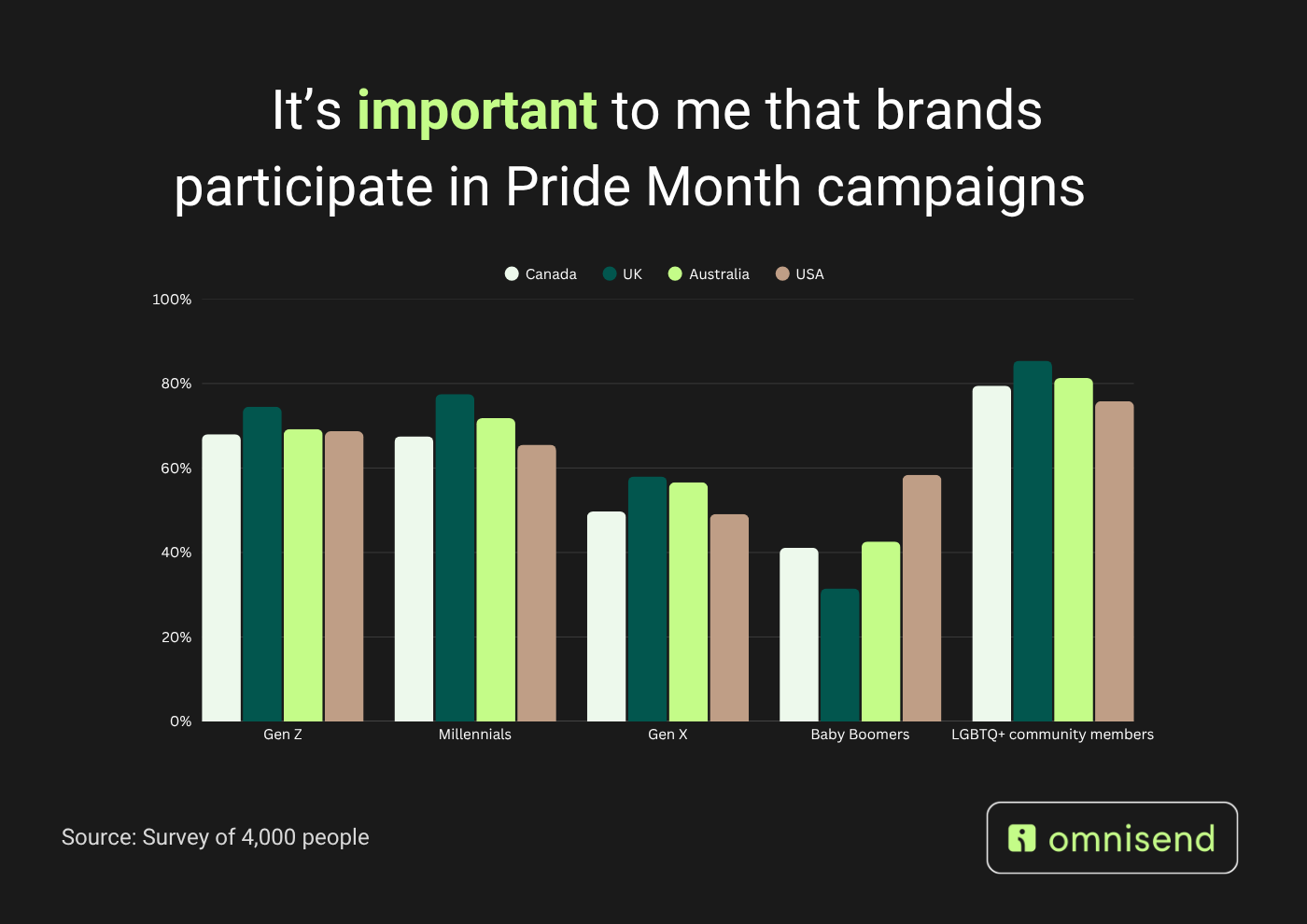
The importance of this participation is particularly pronounced among younger generations and within the LGBTQ+ community itself. Gen Z consumers, aged 18-24, show the highest awareness and expectation for brands to reflect their values, with 69% to 75% across the surveyed countries valuing Pride participation. Millennials, aged 25-44, closely follow, with 66% to 78% sharing similar sentiments. These demographics are known for their conscious consumerism, often aligning their purchasing decisions with their personal values and demanding transparency from corporations. For members of the LGBTQ+ community, the appreciation for brand support is even more profound, ranging from 76% to 85%, underscoring the deep personal connection and the significance of allyship from commercial entities.
Conversely, older generations, specifically Baby Boomers (aged 55-74), exhibit less concern for brand involvement in Pride Month. Only 28% of American and 31% of British Boomers consider it important, while their Canadian and Australian counterparts show slightly higher, though still comparatively low, percentages of 41% and 42% respectively. This generational divide underscores a divergence in values and priorities, which brands must navigate when crafting their engagement strategies.
Crucially, consumers are acutely aware of the changing corporate landscape. The survey revealed that the recent scaling back of Pride activities has not gone unnoticed. Approximately 37% of Americans, 28% of Brits, 33% of Canadians, and 34% of Australians reported observing brands reducing their participation in Pride events in recent years. This awareness is amplified within the LGBTQ+ community, where 58% to 67% across countries have noticed the shift. This vigilance indicates that brands cannot quietly withdraw from previous commitments without facing scrutiny from their audience, particularly from those who are most personally invested in the cause.
Marty Bauer, Ecommerce Expert at Omnisend, emphasized this consumer acumen, stating, “Consumers are paying much closer attention to whether brands stick to the values they talk about. That applies to Pride campaigns, but also to sustainability, social issues, and company culture in general. Topics tied to identity tend to draw even more attention because people often take them personally.” This insight underscores the heightened sensitivity surrounding identity-based issues and the need for brands to approach them with genuine commitment.
Defining Genuine Support: Beyond the Rainbow Logo
The core of consumer sentiment towards corporate Pride engagement boils down to authenticity. The survey results paint a clear picture: a significant segment of consumers, ranging from 39% to 46% across markets, explicitly stated a preference for Pride Month participation only from brands that genuinely support LGBTQ+ rights. This highlights a clear rejection of superficial gestures and a demand for substantive commitment.
Consumers have developed a sophisticated understanding of what constitutes genuine support versus performative “rainbow washing.” The survey meticulously distinguished between these two categories:
Behaviors Perceived as Authentic:
- Year-round support for the LGBTQ+ community: Valued by 25% to 32% of consumers, this indicates a desire for sustained commitment beyond the month of June. This can include internal DEI policies, employee resource groups, and ongoing partnerships.
- Donations to LGBTQ+ organizations: Seen as a strong indicator of genuine care by 17% to 22% of respondents. Tangible financial contributions demonstrate a direct impact and commitment.
- Giving proceeds from Pride-themed products to LGBTQ+ charities: Acknowledged as authentic by 15% to 20% of consumers, this links commercial activity directly to charitable giving.
- Public advocacy for LGBTQ+ rights and legislation: Also considered authentic by 15% to 20% of respondents, demonstrating a willingness to use their platform for social change.
Behaviors Perceived as Performative/Inauthentic:
- Participating only when profitable or politically safe: This was deemed the “worst offense” by 27% to 31% of consumers, exposing a deep cynicism towards opportunistic engagement.
- Simply changing logos to rainbow colors for a month: A classic example of “rainbow washing,” this behavior was criticized by 25% to 32% of respondents, highlighting its perceived superficiality without accompanying action.
- Selling Pride-themed products without any charitable donations: Viewed as inauthentic by 24% to 29% of consumers, this practice is seen as capitalizing on the community without giving back.
- Making public statements of support without taking any action: This hollow gesture was also cited by a notable percentage as performative.
Kaitlyn Barkley, Data Director at Do the Werq, reiterated this sentiment in a Marketing Dive interview: “Consumers are so incredibly savvy and are so incredibly aware. Brands that change their point of view and values based on macro, economic, and/or political environments are the ones that are going to look the most performative and stand the chance of losing the most consumer affinity.” This expert opinion underscores the significant risk brands face when their actions appear inconsistent or reactive rather than rooted in core values.
While aesthetic appeal remains a factor, the perceived sincerity of a brand’s support significantly influences purchasing decisions for Pride-related products. For instance, while liking the design was the most common reason (47% in the US, 47% in the UK, 45% in Canada, and 51% in Australia) for buying such items, a substantial portion of consumers were motivated by the impact of their purchase. Approximately 27% of Americans, 26% of Brits, 25% of Canadians, and 21% of Australians bought Pride-themed products specifically because proceeds supported LGBTQ+ causes. This demonstrates a clear link between perceived authenticity, charitable giving, and consumer behavior. Marty Bauer further cautioned that performative support can even backfire, leading to negative brand perception and alienated consumers. “What retailers can take away from this data isn’t limited to Pride Month. Consumers are getting better at spotting when a marketing campaign is disconnected from how a company actually operates. People don’t expect every brand to make bold political statements, but what they do expect is that messaging and company behavior feel real rather than reactive,” he concluded.
Broader Implications for Brands and DEI Initiatives
The data presents a complex strategic dilemma for corporations. On one hand, scaling back Pride engagement might seem like a pragmatic move to mitigate risk in a polarized socio-political environment. On the other hand, this retreat risks alienating a significant and vocal segment of consumers, particularly younger demographics and the LGBTQ+ community itself, who are actively monitoring brand behavior. This perceived inconsistency can erode brand trust and loyalty, which are increasingly hard-won assets in today’s competitive market.
The implications extend beyond just Pride Month marketing. This trend impacts broader Diversity, Equity, and Inclusion (DEI) initiatives within corporations. If brands are seen to be backing away from external commitments to the LGBTQ+ community, it raises questions about the sincerity and depth of their internal DEI efforts. This can affect employee morale, talent acquisition, and overall corporate culture, especially for LGBTQ+ employees and allies who expect their workplaces to reflect inclusive values. The economic argument for engaging with the LGBTQ+ market, estimated to have significant purchasing power globally, also remains potent. Brands that withdraw risk ceding this valuable demographic to competitors who maintain a consistent, authentic stance.
Moreover, the current climate underscores the evolving nature of corporate social responsibility. Consumers are no longer content with superficial gestures; they demand action, transparency, and consistency. This means that brands must integrate their values into their core operations, rather than treating social causes as seasonal marketing opportunities. Companies that demonstrate genuine, year-round commitment through their policies, donations, advocacy, and employee support are more likely to build resilient relationships with consumers and weather cultural storms. Those that vacillate risk being perceived as opportunistic and disingenuous, potentially suffering long-term damage to their brand equity and consumer affinity.
Navigating the Future of Corporate Engagement
The clear takeaway from the Gravity Research poll and Omnisend survey is not that consumers have lost interest in Pride, but that their discernment has sharpened. They are increasingly adept at distinguishing between brands that genuinely embody inclusive values and those that merely pay lip service. For brands, this means that scaling back participation, while perhaps perceived as a “safer” option in a volatile climate, is a visible action that carries its own risks, particularly among the most engaged and values-driven consumers.
To thrive in this evolving landscape, brands must move beyond symbolic gestures and integrate their support for the LGBTQ+ community into their fundamental business practices. This entails:
- Year-Round Commitment: Shifting from a singular focus on June to consistent, year-round support through internal policies, employee resource groups, and external partnerships.
- Tangible Action: Prioritizing direct donations to LGBTQ+ organizations, ensuring proceeds from Pride-themed products genuinely benefit the community, and engaging in public advocacy for LGBTQ+ rights.
- Authenticity and Transparency: Ensuring that marketing messages are aligned with actual company values and actions. Brands should be prepared to articulate why they support the LGBTQ+ community and how they demonstrate that support.
- Internal Alignment: Fostering an inclusive company culture where LGBTQ+ employees feel valued and supported, reflecting external messaging internally.
The brands that will ultimately come out ahead are those whose Pride Month activities are a natural extension of their year-round commitment to diversity and inclusion. Changing a logo to rainbow colors for June without any accompanying year-round support, meaningful donations, or consistent advocacy is precisely the kind of disconnect consumers are now accustomed to spotting instantly. The future of corporate engagement with Pride Month, and indeed with all social causes, will be defined by consistency, authenticity, and a genuine commitment that transcends seasonal marketing campaigns.
Survey Methodology:
The consumer survey was commissioned by Omnisend and conducted by Cint in March 2026. A total of 1,370 respondents in the US, 1,084 in the UK, 1,029 in Canada, and 1,028 in Australia participated. Quotas were set for age, gender, income, and place of residence to achieve a nationally representative sample of online adult populations in the four surveyed countries. The margin of error is +/-3 percent. It is important to note that self-reported data reflects consumer perceptions and stated preferences, not verified purchasing behavior, and findings may not reflect the views of consumers in other geographies. Awareness of brand behavior during Pride Month is subject to individual recall bias. Generational breakdowns were based on respondents’ age ranges: Gen Z (18–24), Millennials (25–44), Gen X (45–54), and Baby Boomers (55-74).









