
 rifanmuazin
Google Marketing Live 2026, held annually as a pivotal event for advertisers and marketers, marked a significant departure from previous years by centering its entire agenda on the pervasive integration of artificial intelligence. While past events showcased a series of distinct AI-powered features—some enhancing creative production, others bolstering ad dynamicism, and still others expanding metric availability—this year’s theme was unequivocally the seamless unification of these disparate AI capabilities. The overarching message from Google was clear: the company is aggressively working to connect its vast ecosystem of properties under a singular, intelligent umbrella.
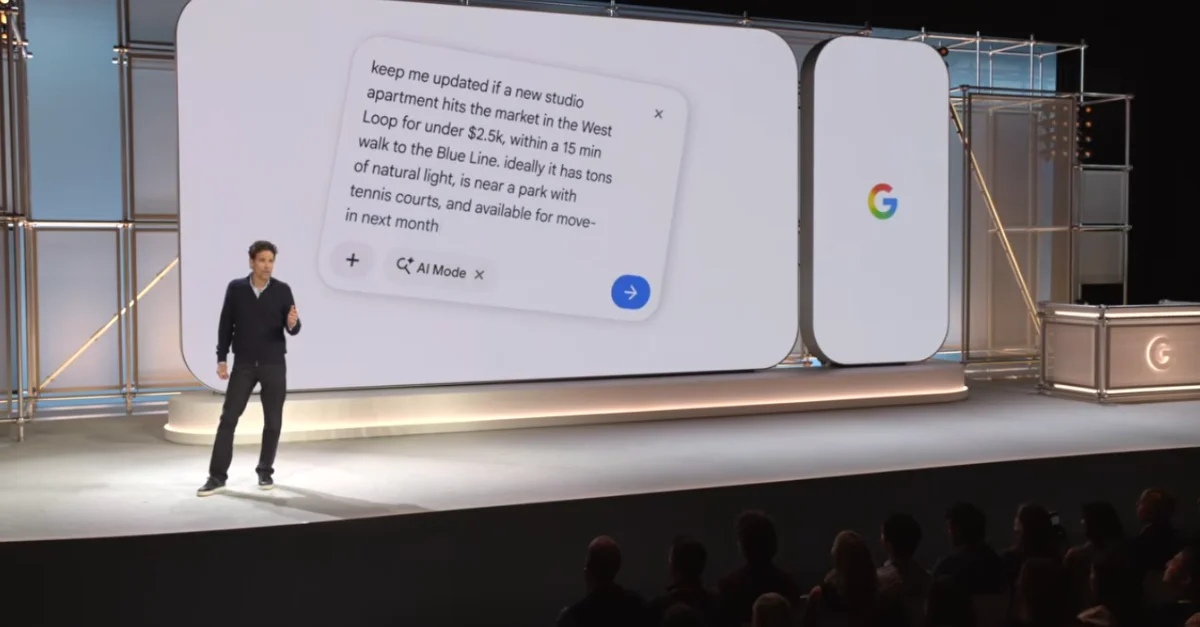
The keynote presentations revealed a suite of groundbreaking agentic commerce tools designed to follow shoppers across Google’s diverse surfaces, alongside a universal analytics experience engineered to extract actionable insights from any data source. This strategic pivot signals Google’s commitment to a more fluid, interconnected digital marketing landscape, powered by advanced AI.
Thematic Shift: From Silos to Synergy
For the past eight years, Google Marketing Live has been a bellwether for the evolution of digital advertising. However, Google Marketing Live 2026 stands out for its singular focus on integration. Previously, announcements often felt like independent advancements. For example, a new tool might simplify ad creation, while another would offer deeper performance analytics. This year, the emphasis was on how these AI-powered functionalities coalesce to create a more cohesive and efficient marketing experience.
This integration is not merely about adding AI features; it’s about fundamentally reshaping how marketers interact with Google’s platforms. The introduction of agentic commerce tools, for instance, suggests a future where AI agents proactively assist shoppers throughout their journey, from initial discovery to final purchase, across Search, YouTube, Maps, and Gmail. This holistic approach aims to reduce friction and enhance personalization at scale.
Key Takeaways from Google Marketing Live 2026
The event unveiled a comprehensive array of new and enhanced tools and features. Here are the most significant announcements and their potential implications for the advertising industry:
1. Conversational and Contextual Ad Formats for AI-Driven Search
Google introduced two novel ad formats powered by its Gemini AI model, specifically designed for its emerging AI Mode. These formats aim to embed advertisements more naturally into the user’s conversational search experience, making product discovery more contextual and less intrusive.
-
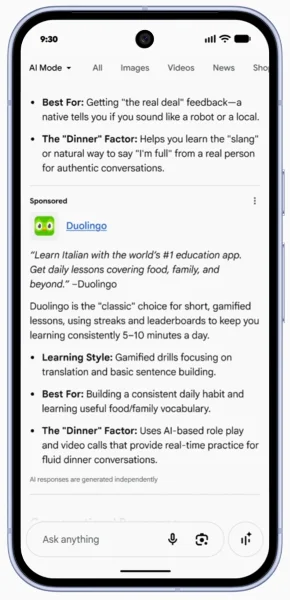
Conversational Discovery Ads: These ads are crafted to appear as organic extensions of AI-generated responses, directly addressing a user’s query rather than interrupting it. Gemini’s advanced matching capabilities ensure that these ads are relevant to both the user’s initial question and the surrounding AI-generated content. For example, a query about finding fragrances to create a spa-like home ambiance could trigger a conversational ad highlighting a relevant diffuser, with copy that seamlessly fits the AI’s response. This approach leverages the AI’s understanding of user intent to deliver highly pertinent advertising messages.
-
Highlighted Answers: In situations where users seek recommendations, such as “best apps for learning Spanish before a trip,” Google’s AI Mode will now present a curated list of suggestions. Advertisers whose products or services are a strong match can now have their ads featured directly within this list, offering a more prominent placement than traditional ad slots. This integration into recommendation lists signifies a deeper embedding of advertising within organic search results, increasing visibility for relevant offerings.
These AI-driven ad formats represent a significant shift from traditional search advertising, moving towards a more integrated and less disruptive user experience. The success of these formats will depend on Google’s ability to maintain relevance and avoid overwhelming users with promotional content within conversational AI interfaces.
2. Gemini-Powered Enhancements for Search Ads
Beyond AI Mode, Google is also infusing Gemini’s capabilities into its core Search ad offerings, aiming to enhance both product descriptions and lead generation.
-
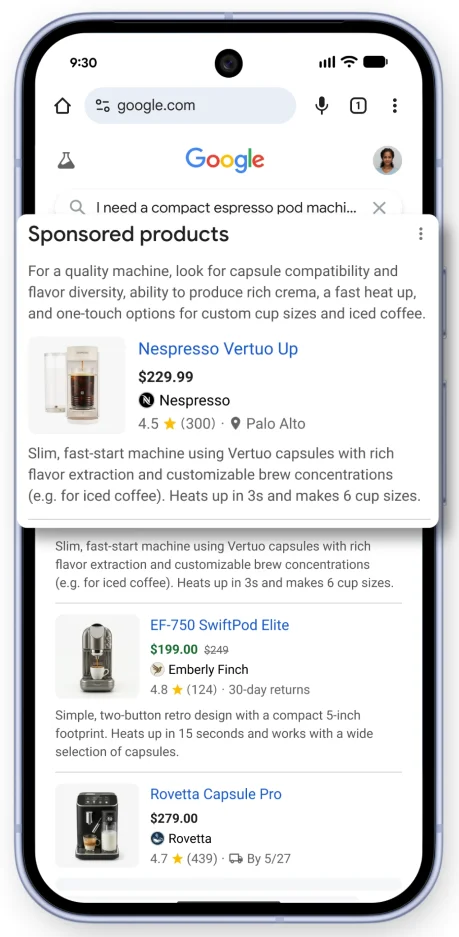
AI-Powered Shopping Ads: Gemini will now generate product descriptions for shopping ads, translating complex features into clear, user-friendly language tailored to specific search queries. Instead of generic titles and prices, these ads will highlight attributes most relevant to the user’s search intent. For an espresso machine search, Gemini could generate a custom description emphasizing features pertinent to the user’s query, such as brewing speed or milk frothing capabilities, thereby increasing the ad’s relevance and appeal.
-
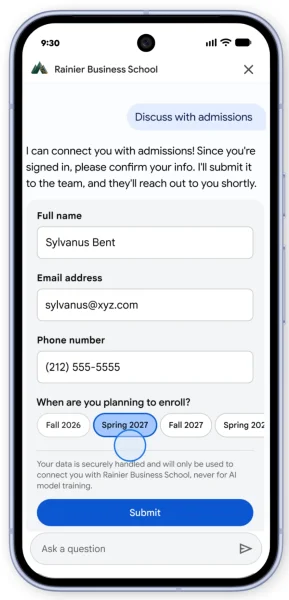
Business Agent for Leads: This innovative feature embeds a custom AI agent directly within an ad. Users can interact with this agent by asking questions, receiving answers drawn from the advertiser’s website, and subsequently submitting pre-filled lead forms. This self-qualification process ensures that leads reaching advertisers have already engaged with the brand and demonstrated a degree of interest. Google is currently piloting this format in sectors such as education, automotive, and real estate, where lead quality and customer engagement are paramount.
The introduction of AI-powered descriptions and interactive agents in search ads promises to elevate the quality of engagement and lead generation. However, advertisers will need to ensure their website content is robust and well-structured to effectively support these AI agents.
3. Expanded Direct Offers for Enhanced Promotions
Google is bolstering its Direct Offers pilot, initially launched in early 2026, with three key upgrades designed to highlight promotions at critical, high-intent moments and streamline the buyer experience. The expanded features allow brands to introduce a wider variety of offers and reduce friction for consumers. While specific details on the types of offers were not fully elaborated in the provided context, the emphasis on reduced friction suggests more integrated redemption processes and potentially more dynamic offer creation capabilities. This move aims to capitalize on moments of strong purchase intent by presenting timely and relevant promotional opportunities directly within the user’s search session.
4. The Universal Cart: A Unified E-commerce Experience
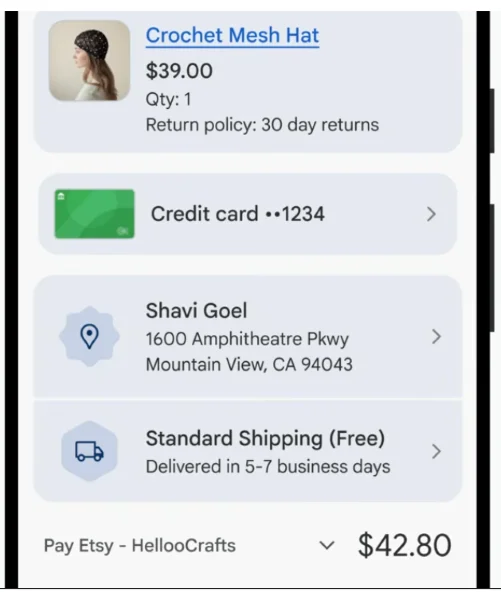
A significant announcement was the introduction of the Universal Cart, a persistent shopping cart powered by the Universal Commerce Protocol (UCP). UCP is an open industry standard that facilitates seamless data exchange between agents, merchants, and payment providers without the need for custom integrations. This protocol allows critical data, including inventory levels, pricing, loyalty program details, and customer account information, to flow effortlessly across Google’s applications and surfaces.
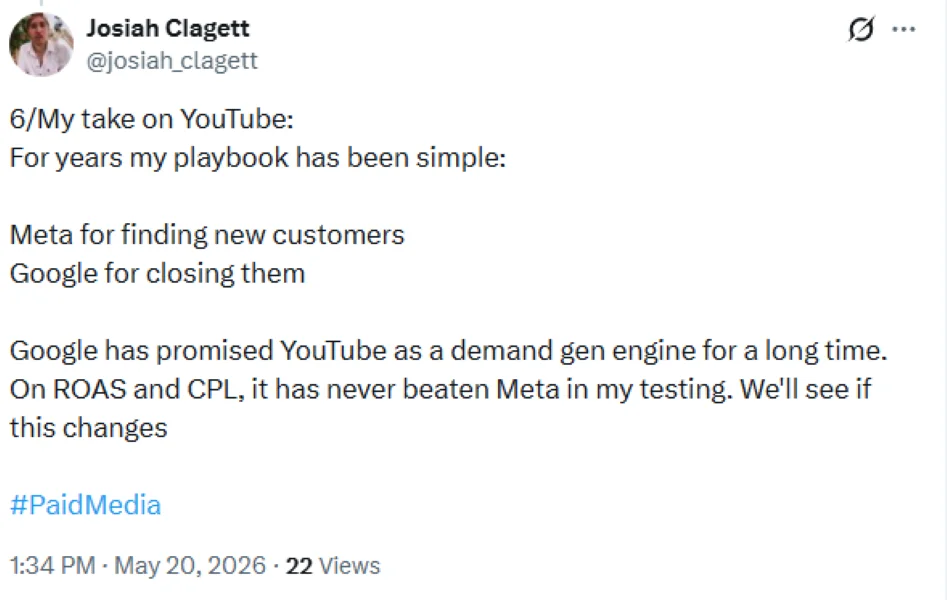
The Universal Cart enables shoppers to add products from any Google surface—Search, the Gemini app, YouTube, or Gmail—and have their cart intelligently track price drops and stock availability. When ready to purchase, consumers can complete transactions directly on Google or navigate to the retailer’s website. This persistent cart aims to bridge the gap between discovery and purchase, making online shopping more convenient and responsive. Integrations with financial services like Klarna and Affirm will also provide “Buy Now, Pay Later” options. Google also indicated that direct buying capabilities will expand to hotel bookings and local food delivery through AI Mode and Google Maps, further integrating commerce into everyday user experiences.
This initiative could fundamentally alter the e-commerce landscape, consolidating the shopping journey within Google’s ecosystem and offering unparalleled convenience to consumers. For retailers, it presents an opportunity to reach customers more directly and efficiently.
5. Integrated YouTube Creator Partnerships in Demand Gen Campaigns
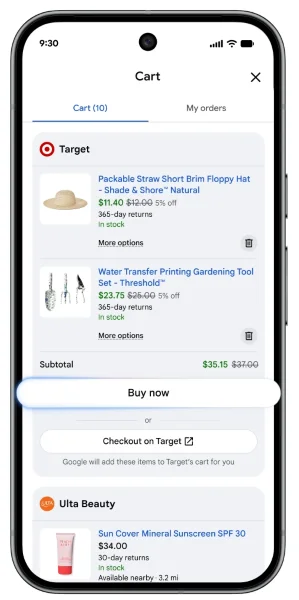
Google is enhancing its Demand Gen campaigns by allowing advertisers to seamlessly integrate relevant creator content, including affiliate partnership videos, directly from within the Google Ads platform. This feature surfaces existing creator assets associated with a brand, simplifying the process of incorporating influencer marketing into paid campaigns. Google’s internal data suggests that incorporating creator assets into Demand Gen campaigns can boost conversion lift by an average of 20%. This move is strategically aimed at solidifying YouTube’s position as a conversion-driving channel, leveraging the trust and reach of creators to influence purchasing decisions.
6. Asset Studio Updates: AI-Powered Creative Hub
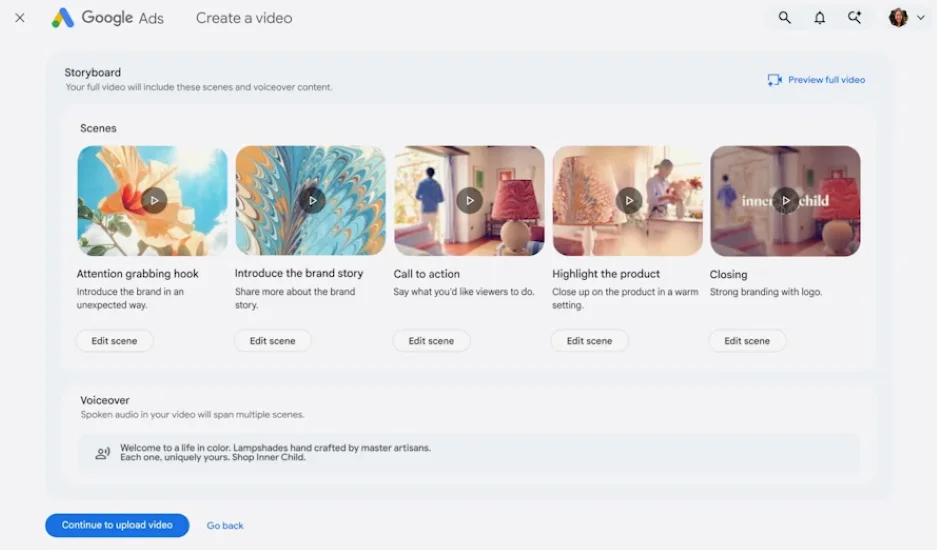
Google’s Asset Studio, the creative hub within Google Ads, is undergoing significant upgrades with the integration of Gemini, Veo (for video generation), and the new Gemini Omni model. This centralizes creative assets from various sources, including Adobe, Canva, and YouTube Studio, into a single, accessible library. Furthermore, the studio now features built-in A/B testing capabilities, allowing marketers to test creative variations and measure their impact without duplicating entire campaigns. This streamlined workflow is particularly beneficial for lean marketing teams, enabling them to efficiently generate, test, and deploy diverse creative assets across different formats and platforms directly within Google Ads.
7. AI Brief: Enhanced Creative Control with Generative AI
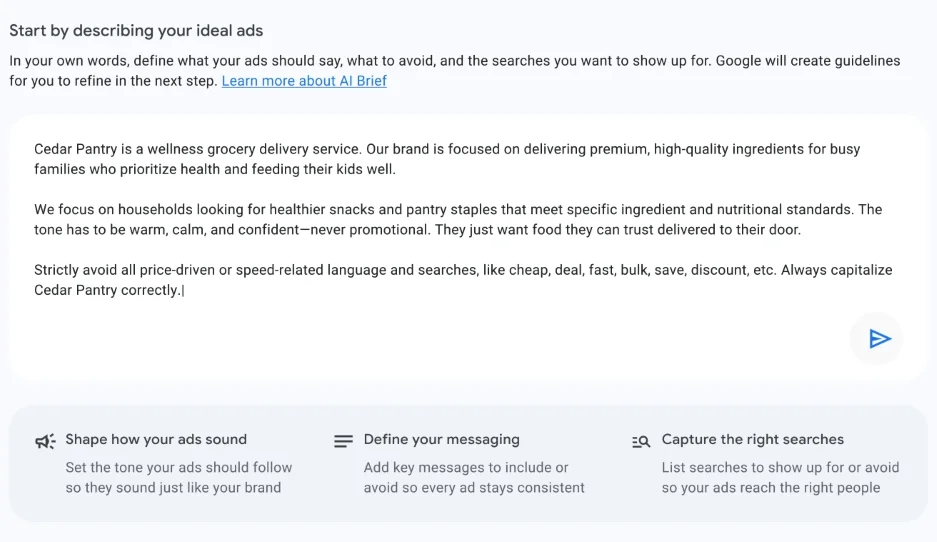
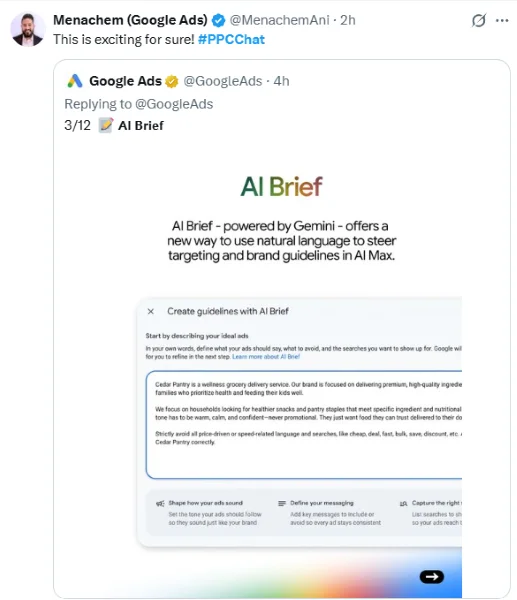
A highly anticipated feature, AI Brief, empowers advertisers to provide plain-language creative briefs to Google’s AI. These briefs can include brand voice guidelines, target audience definitions, messaging parameters, and other brand guardrails. The AI then interprets these inputs to generate ad guidelines and previews, which can be reviewed and refined before deployment. This feature directly addresses a common concern surrounding AI-generated ads: the potential loss of brand control. By allowing advertisers to set clear parameters, AI Brief ensures that AI-generated creative aligns with established brand identity and messaging, offering a balance between AI efficiency and brand integrity.
8. Qualified Future Conversions (QFC) Metric for Long-Term Impact
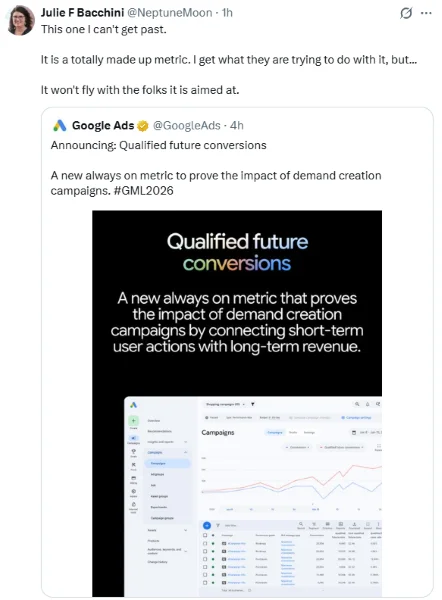
Google is introducing a new metric, Qualified Future Conversions (QFC), designed to predict profitable conversions up to six months in the future. This metric analyzes signals such as branded searches, video views, and site visits following ad exposure. QFC will be an always-on metric within the Google Ads UI, complementing attributed branded searches, which track near-term intent signals. The primary aim of QFC is to help businesses with longer sales cycles justify and defend upper-funnel spending, particularly on platforms like YouTube, by providing a predictive measure of future return on investment. While promising for long-term strategic planning, the effectiveness and accuracy of this predictive metric will be closely watched.
9. Campaign Type Attribution for Demand Gen
To provide clearer insights into the performance of Demand Gen campaigns, Google is implementing campaign type attribution. This feature will isolate conversions specifically attributed to Demand Gen campaigns, distinguishing them from those attributed to other campaign types. Previously, Google’s de-duplication process could obscure the true contribution of Demand Gen. This new attribution model offers a direct, apples-to-apples comparison, addressing a critical need for marketers seeking to understand and justify the ROI of their Demand Gen investments.
10. Google Analytics 360 as a Unified Measurement Hub
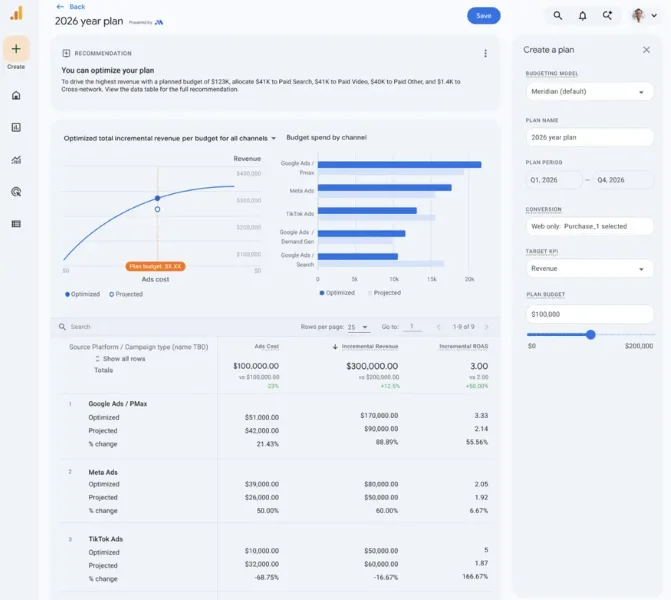
Google Analytics 360 is being re-envisioned as a comprehensive cross-channel measurement command center, powered by Meridian, Google’s open-source marketing mix modeling framework. This updated platform will integrate performance data from a broader range of sources, including TikTok, Pinterest, and Snap, into a single dashboard. It will also incorporate scenario-planning tools and conversational query capabilities, allowing marketers to analyze performance across diverse platforms and simulate the impact of various marketing strategies. This consolidation aims to simplify cross-channel reporting and directly link data analysis to budget allocation and strategic planning, reducing the complexity marketers currently face in managing multiple dashboards.
11. Ask Advisor: A Unified AI Assistant
Google is consolidating its various in-platform AI agents into a single, unified experience named Ask Advisor. This intelligent assistant will operate across Google Ads, Merchant Center, Google Analytics, and Google Marketing Platform. Ask Advisor will maintain context across user sessions and can perform actions on behalf of the user, such as launching campaigns, generating creative assets, and identifying optimization opportunities. This unification is designed to reduce the need for marketers to navigate multiple tools, functioning as a persistent, knowledgeable assistant particularly valuable for small businesses lacking dedicated operational support.
Broader Implications and Industry Impact
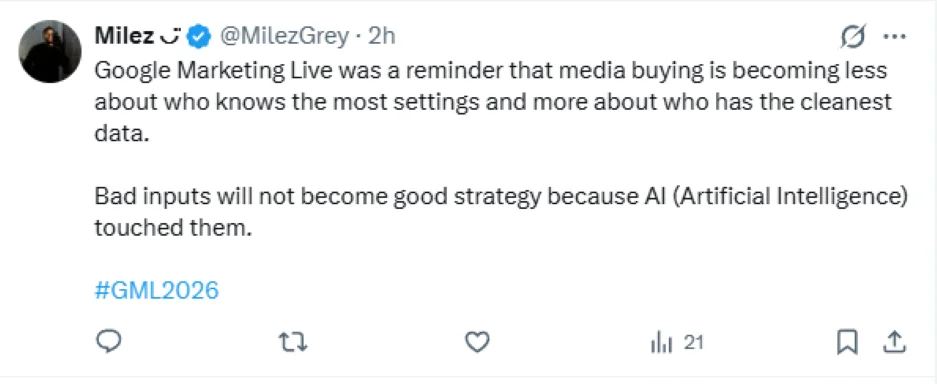
The overarching theme of Google Marketing Live 2026 underscores a profound shift in digital marketing, driven by the ubiquitous integration of generative and agentic AI. This year’s event demonstrated that AI is no longer a standalone feature but the foundational element upon which Google is building its future advertising and marketing ecosystem.
The implications are far-reaching:
- Increased Efficiency and Automation: The introduction of AI agents, automated creative generation, and unified analytics platforms promises to significantly boost marketing efficiency. Tasks that were once time-consuming and complex, such as campaign setup, asset creation, and performance analysis, will become more streamlined.
- Democratization of Advanced Marketing: Tools like Ask Advisor and the enhanced Google Analytics 360 aim to make sophisticated data analysis and campaign management more accessible to a wider range of marketers, including those with limited technical expertise or resources.
- Evolving Consumer Experience: The integration of AI into search and commerce experiences, such as conversational ads and the Universal Cart, suggests a future where online interactions are more personalized, contextual, and seamless. However, consumer acceptance of AI-generated content and fully autonomous agents remains a critical factor.
- Shifting Skill Requirements: As AI takes on more operational tasks, the demand for strategic thinking, creative direction, and AI oversight will likely increase. Marketers will need to adapt by developing skills in prompt engineering, AI governance, and interpreting complex AI-driven insights.
- Potential for Disruption: The move towards more integrated and automated systems could reshape the competitive landscape. Businesses that effectively leverage these new AI capabilities may gain a significant advantage, while those slow to adapt could fall behind.
While the advancements announced at Google Marketing Live 2026 present exciting opportunities, the industry will also need to navigate potential challenges. Concerns regarding data privacy, the ethical implications of AI-generated content, and the potential for over-reliance on automation will need to be addressed. Google’s success in this new AI-centric era will hinge not only on the technological prowess of its innovations but also on its ability to foster trust and provide marketers with the control and transparency necessary to navigate this evolving landscape. The coming months will reveal how effectively these new tools are adopted and how they reshape the future of digital marketing.










