rifanmuazin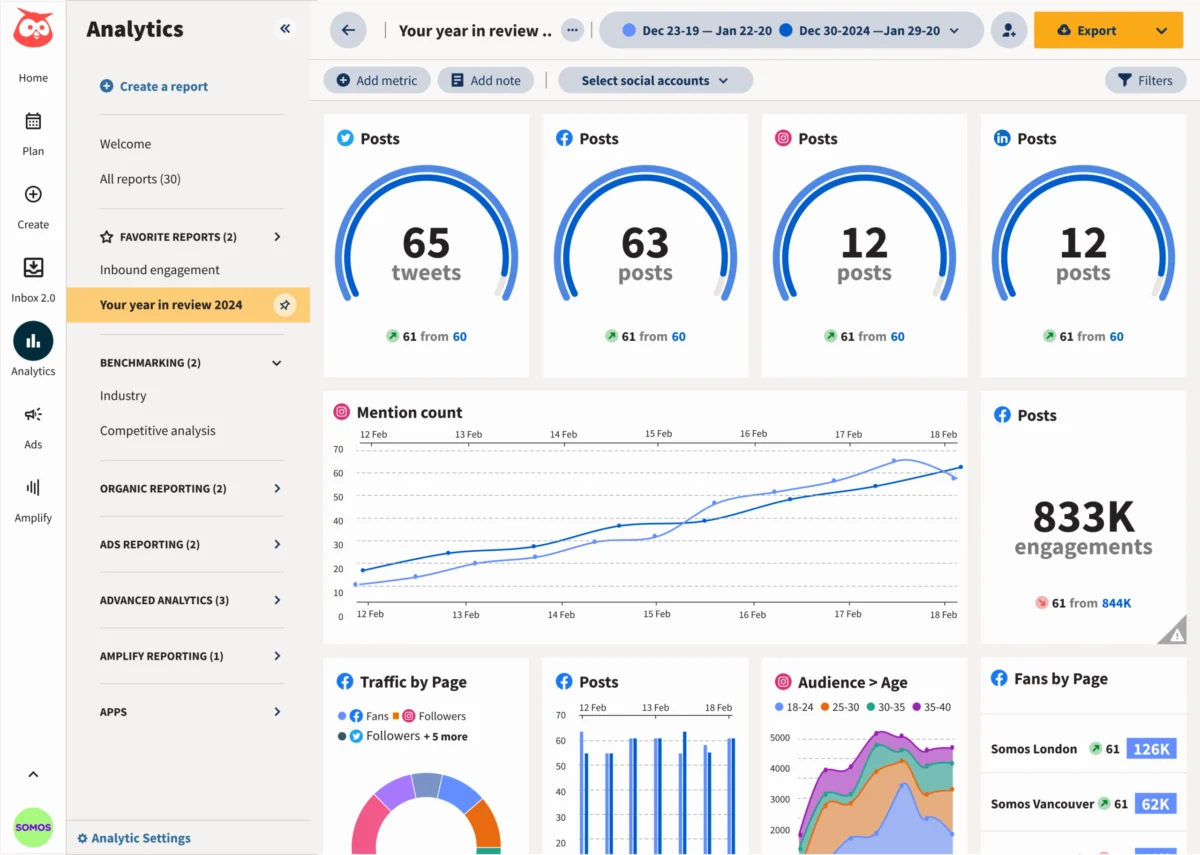
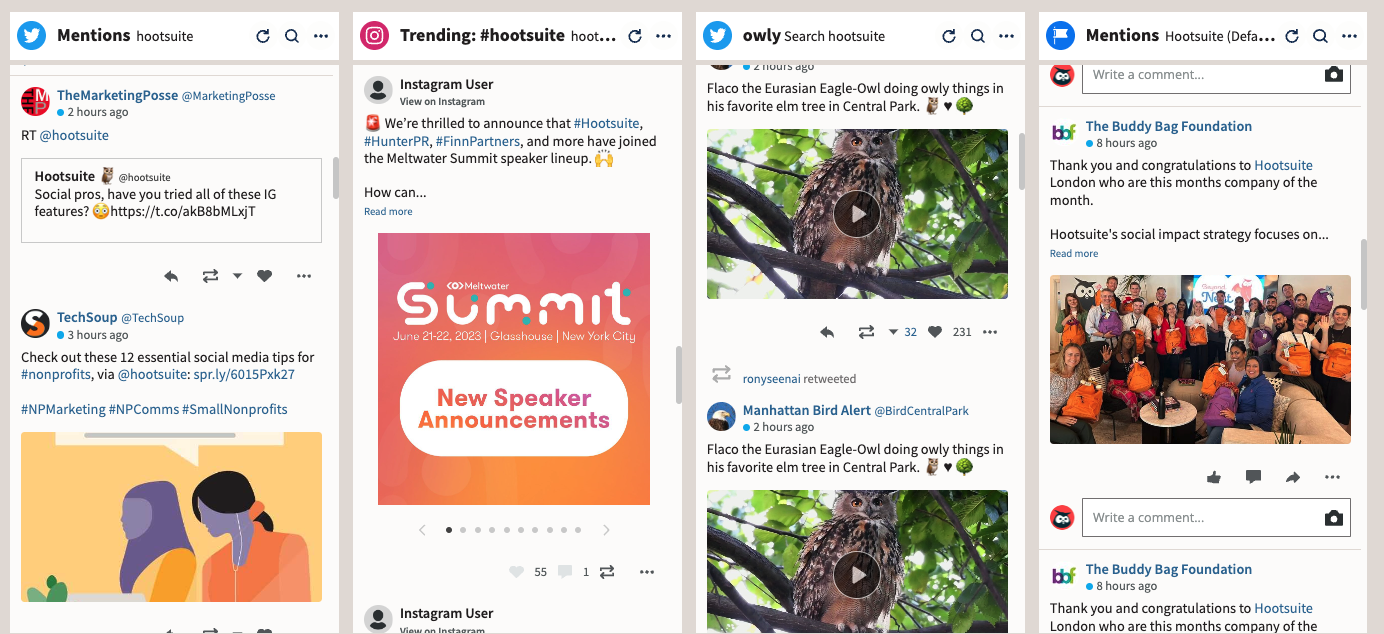
Social media listening, a critical discipline in the contemporary digital landscape, is the systematic practice of tracking and analyzing conversations across an expansive array of digital platforms, including social media networks, websites, online forums, and even podcasts. Its fundamental purpose is to cultivate a deep understanding of public sentiment, discourse, and emerging trends pertaining to a brand’s identity, its competitors, or the broader industry in which it operates. This strategic approach offers organizations an unparalleled, front-row perspective on authentic, relevant discussions unfolding in real time across the vast digital sphere.
The process of social listening typically unfolds in four sequential, yet interconnected, stages: diligent monitoring of digital conversations, rigorous analysis of the gathered data, extraction of actionable insights, and finally, the implementation of strategic actions based on these insights. This structured methodology transforms a deluge of raw conversation data into invaluable intelligence that directly informs business decision-making.

The Evolution of Digital Intelligence: From Monitoring to Strategic Listening
The rise of social media platforms over the past two decades has fundamentally reshaped how businesses interact with their audiences and perceive market dynamics. What began as a nascent form of “social media monitoring”—primarily concerned with tracking direct mentions and responding to immediate customer inquiries—has evolved into a sophisticated discipline known as “social listening.” This evolution reflects a deeper understanding of the strategic potential inherent in public online discourse.
Initially, monitoring involved reactive engagement: companies would track their brand name to address customer complaints, answer questions, or acknowledge positive feedback. This was a crucial step in customer service, ensuring timely responses and managing immediate reputational issues. However, as the volume and complexity of online conversations escalated, and with users now spending an average of 141 minutes per day on social media, the need for a more proactive and analytical approach became evident.

The distinction between social monitoring and social listening is pivotal. While social monitoring focuses on what people are saying—capturing mentions, comments, and direct messages that require immediate attention—social listening delves into why these conversations are occurring and what strategic implications they hold for the business. Monitoring is typically reactive and real-time, designed for quick responses and surface-level tracking. In contrast, listening is ongoing and strategic, aiming for a deeper understanding of patterns, sentiment shifts, and underlying motivations to inform long-term planning and improvement. For instance, merely responding to a customer complaint about a slow-loading website is monitoring. Identifying a recurring pattern of “slow loading times” mentions after a specific product update, analyzing the sentiment around it, and then routing this trend to the product engineering team for a systemic fix exemplifies social listening in action. This analytical depth allows businesses to move beyond mere reactivity to truly predictive and strategic engagement.
Unpacking the “Why”: The Core Value Proposition for Brands
For modern enterprises, social media listening is no longer a peripheral activity but a strategic imperative. It acts as a continuous feedback loop, turning the constant hum of online conversations into actionable intelligence that drives smarter decisions across various organizational functions, including marketing, product development, and customer support.
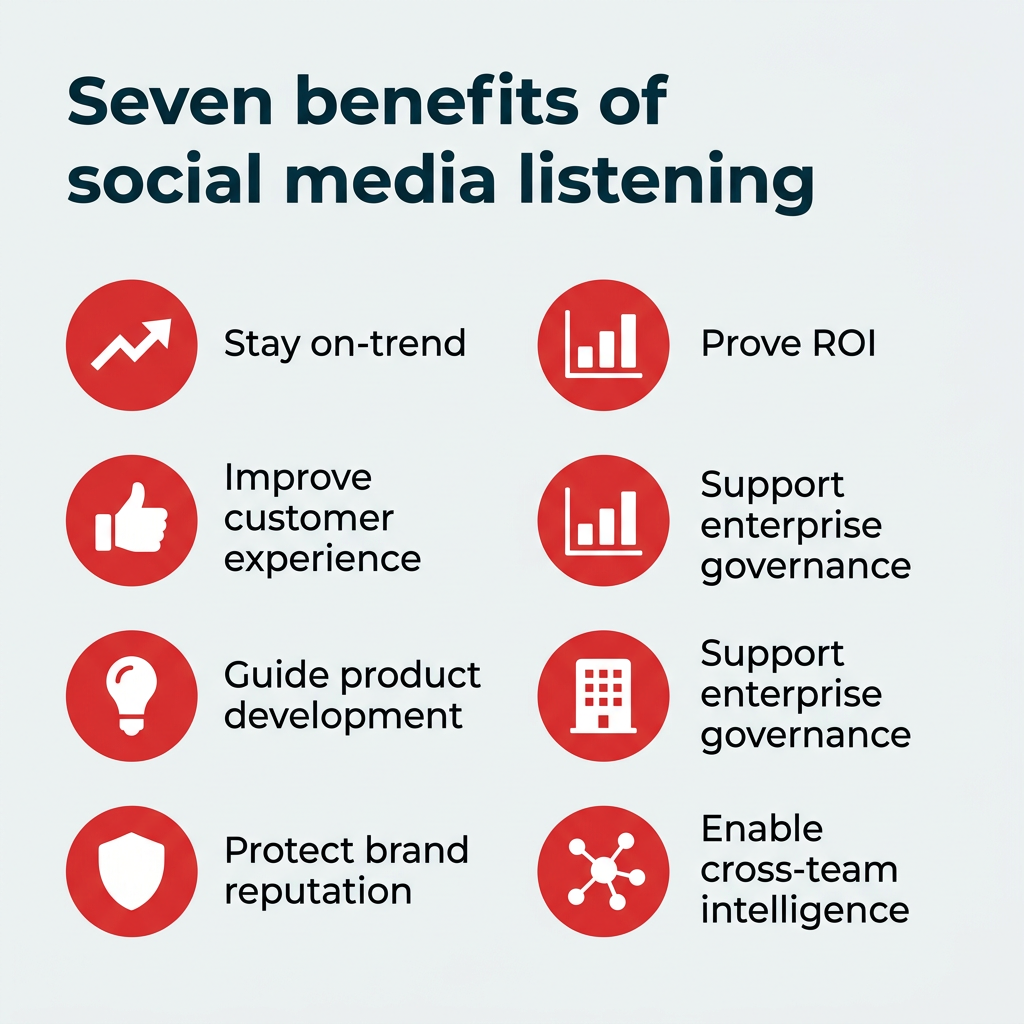
Industry leaders consistently underscore its importance. Brian Wright, Social Media Listening and Intelligence Leader at Wells Fargo, highlighted its value in a conversation with eMarketer, stating, “Social listening provides real-time insights for strategic decision-making, especially during change.” This sentiment resonates across sectors because social listening offers a multitude of benefits:
- Enhanced Brand Reputation Management: By tracking sentiment, brands can identify and mitigate potential crises early, protecting their public image. Positive sentiment can be amplified, while negative feedback can be addressed proactively.
- Competitive Intelligence: Monitoring conversations about rivals reveals their strengths, weaknesses, customer pain points, and unmet needs, allowing a brand to strategically differentiate itself and capture market share.
- Product Development Insights: Direct feedback from users about features, bugs, or desired enhancements can fuel product roadmaps, leading to more user-centric innovations.
- Optimized Marketing Campaigns: Understanding what resonates with target audiences allows marketers to craft more effective messaging, identify trending topics for content creation, and assess campaign performance in real-time.
- Improved Customer Experience: Identifying common customer service issues or recurring complaints enables businesses to refine support processes, develop better FAQs, and even predict future service needs.
- Identification of Influencers and Advocates: Social listening tools can pinpoint key opinion leaders and brand advocates, facilitating targeted outreach and potential partnership opportunities.
- Early Trend Detection: Spotting emerging industry trends or shifts in consumer preferences allows companies to adapt strategies, develop new products, or enter new markets ahead of competitors.
In essence, social listening equips brands with a comprehensive understanding of the market pulse, enabling agility and informed strategic pivots in an ever-changing digital environment.
Key Pillars of Social Listening: Techniques for Deeper Insight
Social listening encompasses a variety of analytical techniques, each designed to unearth distinct types of insights. The most common and impactful approaches include:
-
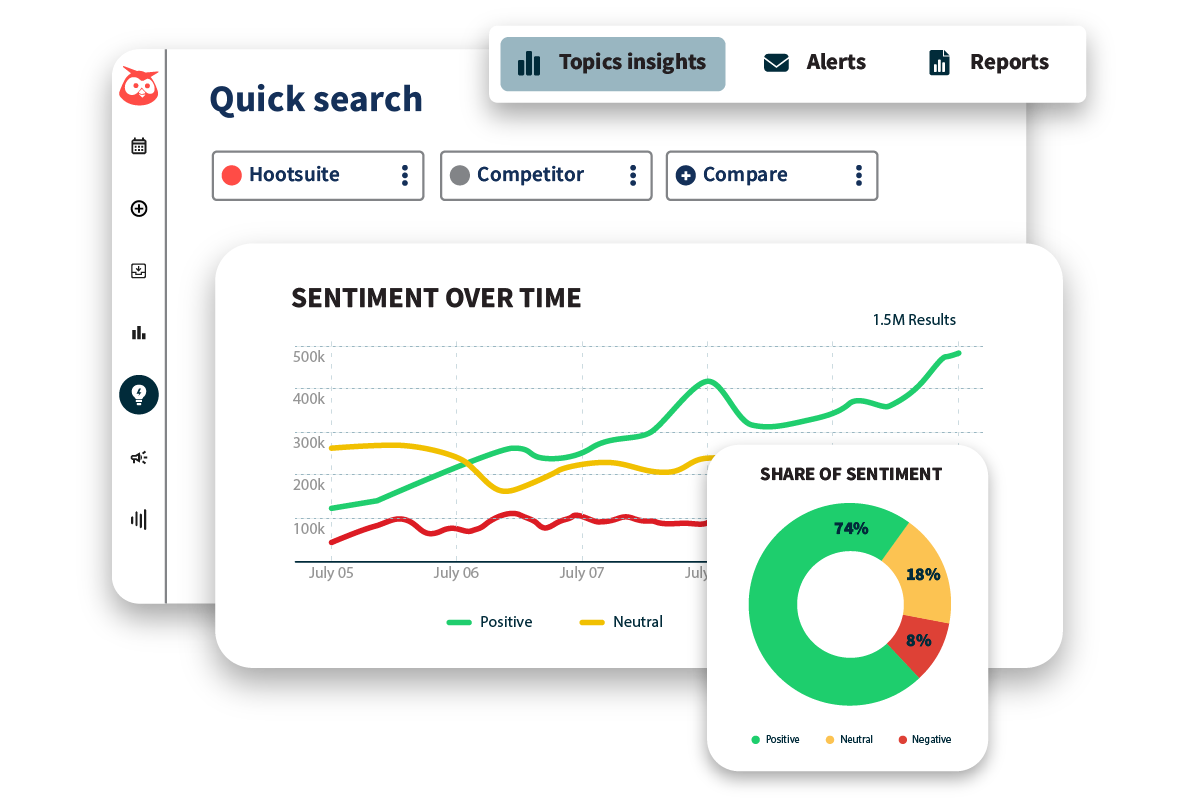
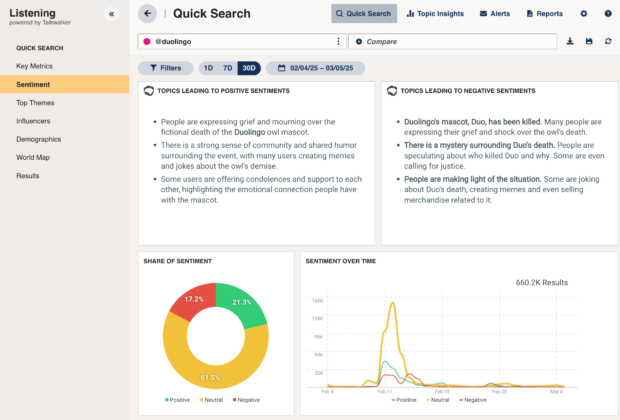
Sentiment Analysis: This technique involves categorizing mentions of a brand, product, or industry as positive, negative, or neutral. Advanced AI-powered listening tools can perform sentiment detection at scale, analyzing thousands of mentions across multiple languages and platforms in minutes. This provides a real-time health check on brand perception, allowing companies to identify shifts in public opinion before they escalate into larger issues. Beyond simple categorization, sophisticated sentiment analysis can detect nuances like sarcasm, irony, or specific emotions, offering a richer understanding of public discourse.
-
Trend Tracking: Monitoring emerging topics, hashtags, keywords, and conversations that are gaining momentum within a specific industry or cultural zeitgeist is crucial. Trend tracking helps marketing teams stay ahead of cultural moments, enabling them to plan and execute content strategies that are timely, relevant, and resonate deeply with their audience. For instance, identifying a burgeoning interest in sustainable packaging or a particular type of fitness regimen can inform new product lines or marketing campaigns, ensuring maximum impact.
-
Competitor Analysis: A vital component of social listening involves extending monitoring efforts beyond one’s own brand to include rival companies. By tracking what customers say about competitors, businesses can identify common pain points in their offerings, spot gaps in the market, and strategically position their own brand as a superior alternative. This also provides valuable benchmarks for “share of voice” – understanding how a brand’s online presence compares to its competitors. For example, if a competitor frequently receives complaints about customer support response times, a brand can highlight its own rapid and efficient service.
-
Keyword and Hashtag Monitoring: This forms the foundational layer of any social listening setup. It entails meticulously tracking branded terms, product names, industry jargon, common misspellings, abbreviations, and relevant hashtags. This comprehensive approach ensures that the full spectrum of conversations pertinent to the business is captured. Including local slang or niche community terms can yield unexpectedly rich insights, especially on platforms like TikTok or Snapchat, where language evolves rapidly. Monitoring influencer mentions also falls under this category, providing insights into conversations generated by key opinion leaders.
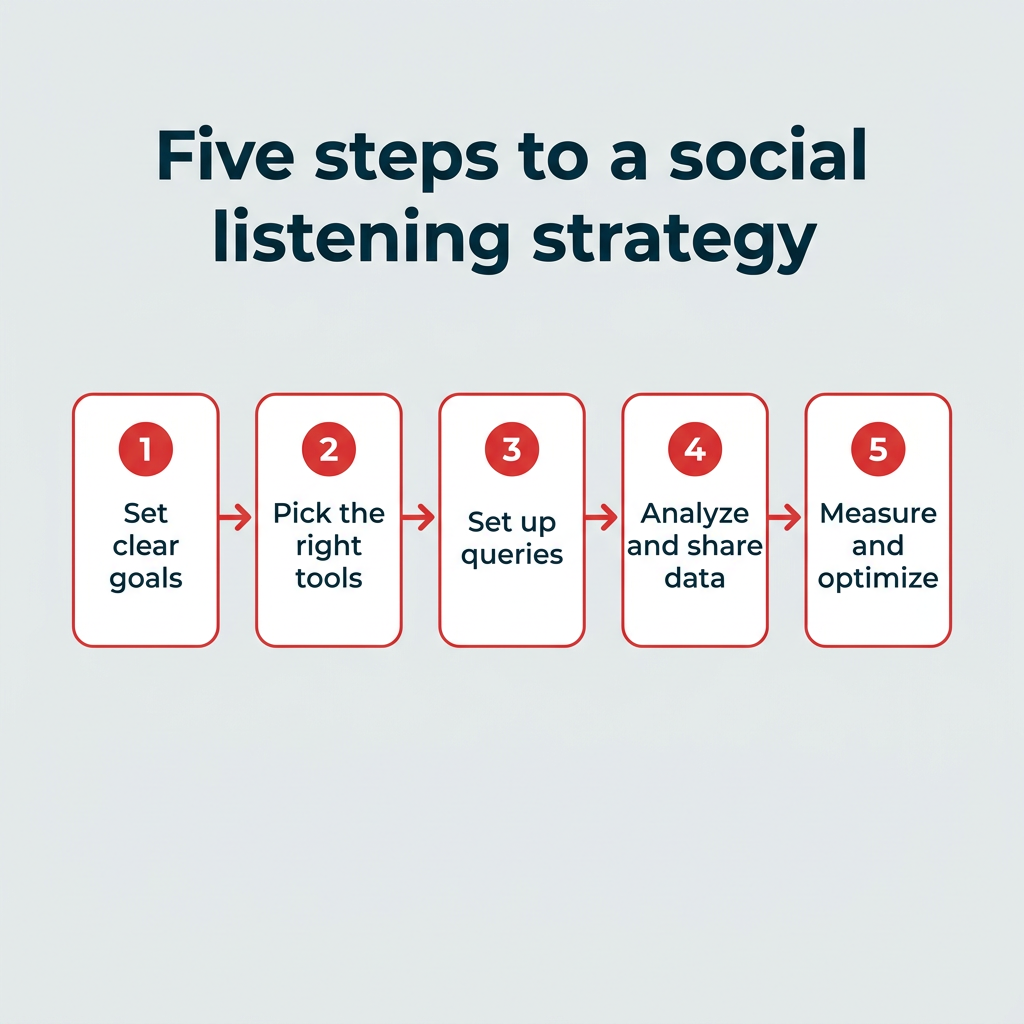
Crafting a Robust Social Listening Strategy: A Five-Step Framework
To harness the full potential of social listening, a well-defined strategy is essential. This involves a systematic approach from goal setting to continuous optimization.
-
Define Strategic Goals: The cornerstone of any effective social listening initiative is clarity on objectives. These goals must be directly linked to broader business outcomes. For instance, if the aim is to boost brand awareness, then monitoring “share of voice” relative to competitors becomes a key metric. If the goal is to enhance customer experience, tracking negative sentiment related to specific touchpoints is paramount. Adopting the SMART framework (Specific, Measurable, Achievable, Relevant, Time-bound) is crucial. An example of a SMART goal might be: “Increase positive sentiment regarding our new product launch by 10% in Q3 by proactively addressing 90% of customer inquiries within 24 hours.”
-
Selecting the Optimal Technology Partner: Manual scrolling through social feeds is impractical. Robust social listening platforms automate and scale the process. When choosing a tool, key considerations include: broad data coverage (encompassing diverse platforms and content types), AI-powered analytics (for sentiment, topic clustering, and predictive insights), real-time monitoring capabilities, seamless integration with existing tech stacks (CRM, BI tools), robust enterprise governance features, and intuitive, customizable reporting dashboards. The market for social media listening tools is projected to hit $16.19 billion by 2029, indicating the advanced capabilities available.
-
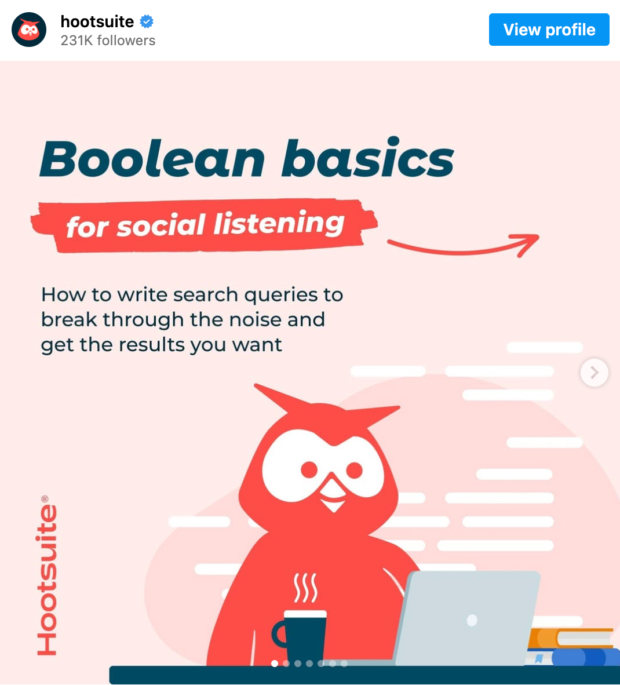
Precision Query Development: Effective listening hinges on accurate data collection, which is driven by precisely crafted queries. While all tools track basic keywords, achieving granular insights often requires Boolean logic (e.g., using “AND,” “OR,” “NOT” operators) to refine searches. This allows for the inclusion of specific phrases, exclusion of irrelevant terms, and targeting of particular contexts. Furthermore, incorporating trending hashtags, emojis, common misspellings, and even slang—especially for platforms like TikTok or Snapchat—can significantly broaden the scope of relevant conversations captured. Advanced queries can also focus on mentions from specific influential accounts or discussions within niche online communities.
-
Translating Data into Actionable Intelligence: Once data is collected, the real strategic work begins: interpreting findings and disseminating them to the appropriate stakeholders. Insights should be categorized into clear buckets, such as customer feedback (identifying common pain points or praise), product ideas (suggestions for new features or improvements), content opportunities (trending topics for marketing campaigns), competitive insights (gaps in competitor offerings), and crisis signals (early warnings of reputational damage). The critical step here is establishing clear communication channels to ensure insights reach relevant teams—be it marketing, product development, customer service, or public relations—enabling swift and coordinated action. This transforms social listening into a shared intelligence resource across the enterprise.
-
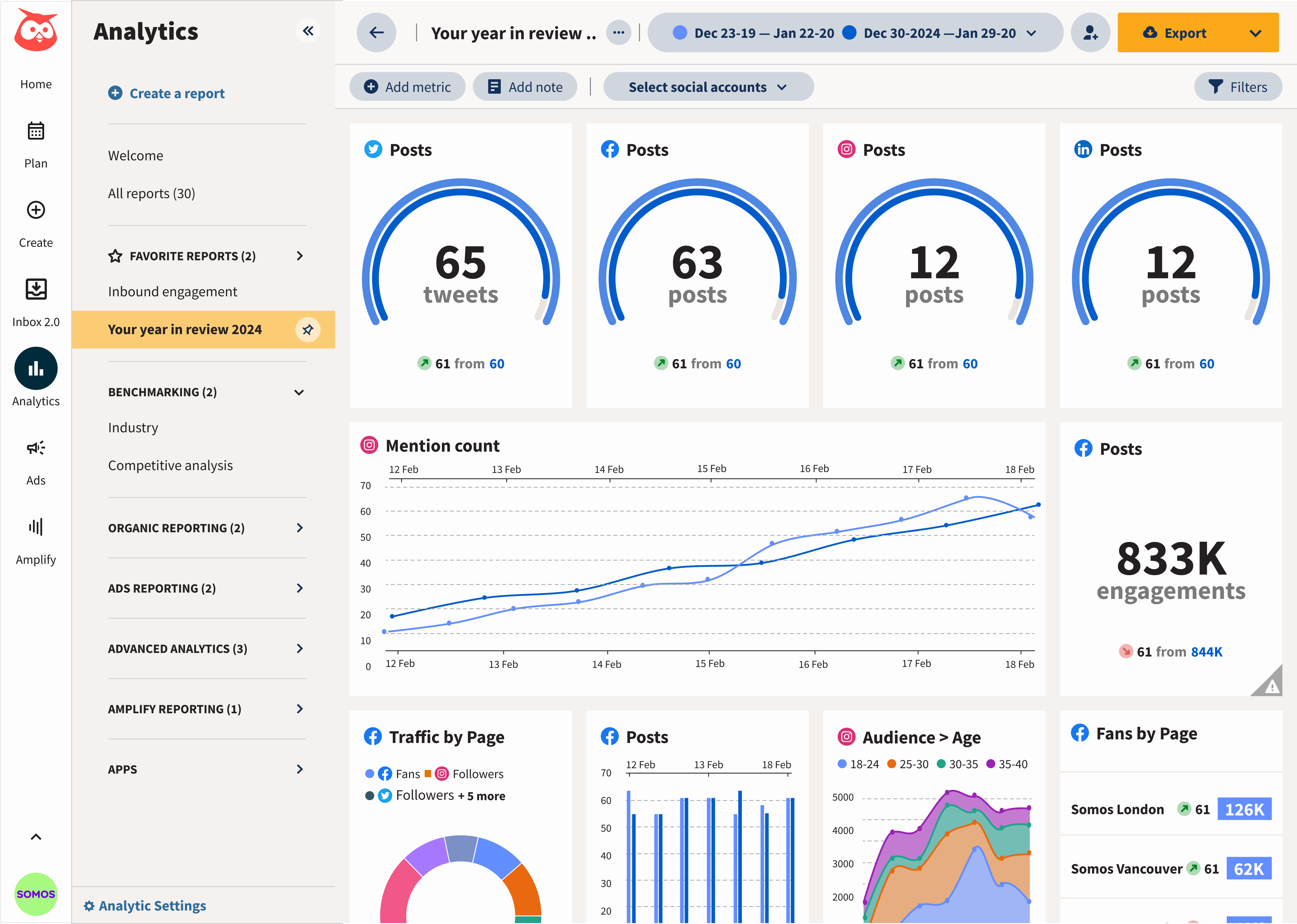
Continuous Measurement and Strategic Refinement: The final step involves rigorously measuring progress against established goals and iteratively optimizing the strategy. Key metrics include “share of voice” (a brand’s visibility relative to competitors), sentiment scores, response rates, engagement levels, and the impact of influencer mentions. Customizable analytics dashboards are indispensable for visualizing performance over time, providing clear, executive-ready summaries. Furthermore, setting up real-time alerts for spikes in mentions or sudden shifts in sentiment enables immediate tactical adjustments, ensuring the strategy remains agile and responsive to dynamic market conditions.
Advanced Applications and Best Practices for Maximizing Impact
Beyond the foundational strategy, several advanced practices can significantly amplify the value derived from social listening:
- Proactive Engagement through Sentiment-Driven Templates: Developing a comprehensive playbook with templated responses tailored to positive, negative, and neutral sentiment allows teams to scale response rates and significantly reduce response times. This ensures consistent brand messaging and tone, particularly crucial for large, distributed teams managing multiple brands or regions.
- Sustained Competitive Intelligence: Consistently monitoring competitors’ brand mentions, relevant hashtags, and reported pain points provides a dynamic view of the market. This allows organizations to not only identify weaknesses in rival offerings (e.g., slow customer support, product defects) but also to preemptively position their own brand as a superior solution. It also helps in catching emerging industry trends and understanding competitor campaign efficacy early.
- Leveraging Influencer Insights and Partnerships: Tracking mentions from influential accounts, as demonstrated by companies like HelloFresh, is crucial for tapping into high-stakes conversations and validating digital marketing efforts. HelloFresh reportedly set up real-time alerts for mentions from high-level influencers to ensure they never missed an opportunity to engage with an already interested target audience. Beyond macro-influencers, engaging micro-influencers can offer authentic reach, as younger audiences often trust their recommendations more.
- Integrating Social Insights into the Enterprise Ecosystem: The power of social listening data is exponentially increased when it’s integrated with other business systems. Piping insights into Customer Relationship Management (CRM) platforms enriches customer profiles, providing a holistic view of customer interactions and preferences. Routing critical alerts to internal communication platforms like Slack or Microsoft Teams ensures that product development, customer support, and sales teams receive relevant signals in real time, fostering cross-functional collaboration and faster decision-making.
- Developing Executive-Ready Strategic Overviews: While raw data is valuable, leadership typically requires concise, visual summaries that clearly link listening data to overarching business outcomes. Dashboards highlighting trends in share of voice, sentiment shifts, and key thematic analyses over specific periods are essential. These reports must speak the language of the C-suite, demonstrating the tangible impact of social listening on brand health, competitive positioning, and campaign performance.
AI’s Transformative Role in Social Intelligence
Artificial intelligence (AI) has fundamentally reshaped the capabilities and potential of social listening. It has moved the process from a largely manual, keyword-driven exercise to an automated, deeply analytical, and increasingly predictive capability.
AI’s impact is most pronounced in several key areas:
- Automated Data Processing and Scaling: AI algorithms can process colossal volumes of social data—millions of mentions, comments, and posts—at speeds and scales impossible for human analysts. This ensures comprehensive coverage and real-time insights.
- Enhanced Sentiment and Emotion Analysis: Beyond basic positive/negative/neutral classifications, AI-powered tools can detect nuanced emotions (e.g., joy, anger, surprise) and better interpret context, including sarcasm or irony, leading to more accurate sentiment scoring.
- Advanced Topic Clustering and Pattern Recognition: AI can automatically identify recurring themes, sub-topics, and hidden patterns within vast datasets, revealing emerging trends or widespread issues that might be missed by manual review. This helps in understanding the underlying drivers of conversations.
- Predictive Analytics: By analyzing historical data and current trends, AI can forecast future shifts in sentiment, predict the potential virality of content, or anticipate emerging crises, enabling businesses to be proactive rather than reactive.
- Multimodal Analysis: Modern AI extends analysis beyond text to include images and videos. Visual AI can identify brand logos, products, and even emotional cues in images and video content, providing a richer understanding of brand presence and perception across platforms like Instagram, TikTok, and YouTube.
- Efficiency and Accuracy: AI significantly reduces the manual effort involved in data sifting, allowing human analysts to focus on higher-level interpretation and strategic action. It also minimizes human error and bias in data categorization.
While AI dramatically reduces the time required to unearth insights, it augments, rather than replaces, the critical human judgment needed to act upon these insights. The combination of AI’s analytical power and human strategic acumen forms the most potent social listening capability.
Navigating the Challenges and Future Horizons
Despite its immense power, social listening is not without limitations. Understanding these challenges is crucial for setting realistic expectations and planning for effective human oversight. Key limitations include:
- Data Privacy and Accessibility: Evolving privacy regulations (e.g., GDPR, CCPA) restrict access to certain user data, particularly from private groups or direct messages (“dark social”). This means social listening primarily captures publicly available conversations, offering an incomplete picture of all online discourse.
- Data Quality and Context: The sheer volume of data can be noisy, containing irrelevant mentions, spam, or automated content. Interpreting sentiment accurately can also be challenging due to linguistic nuances, sarcasm, and cultural context that even advanced AI struggles with.
- Limited Demographic Information: While some tools offer demographic insights, detailed personal information is often unavailable due to privacy concerns, making it harder to segment audiences with extreme precision based solely on social data.
- Human Bias in Interpretation: Despite AI assistance, human analysts still interpret the insights. Pre-existing biases can influence how data is understood and acted upon, necessitating diverse analytical teams and rigorous validation processes.
These limitations do not diminish the value of social listening but rather underscore the need for sophisticated tools, clear objectives, and judicious human oversight.
Looking ahead, the landscape of social listening is evolving rapidly. The market is projected to reach $16.19 billion by 2029, driven by several key trends:
- Multimodal Listening: As audiences increasingly gravitate towards video, audio, and image-first platforms, listening tools are expanding their capabilities to cover podcasts, YouTube, TikTok, and even voice-based interactions, moving beyond text-centric analysis.
- AI-Generated Content Monitoring: The proliferation of AI-produced posts, reviews, and comments presents a new frontier. Brands will require tools capable of distinguishing authentic organic conversation from synthetic content to maintain trust and accuracy.
- Evolving Privacy Regulation: Continuous developments in data privacy laws will continue to shape what data is accessible and how it can be utilized. Brands that embed privacy compliance into their listening programs will be better positioned for future regulatory shifts.
- Deeper Integration with Business Intelligence: Social listening insights are increasingly flowing into broader Business Intelligence (BI) platforms, CRMs, and executive dashboards. This closes the gap between siloed social data and holistic enterprise decision-making, providing a unified view of customer and market dynamics.
- Real-time Predictive Analytics: The next generation of tools will move beyond reporting “what happened” to anticipating “what’s coming.” This will enable businesses to predict trends, forecast consumer behavior, and preemptively address potential issues.
In conclusion, social listening has transcended its origins as a simple monitoring function to become a strategic cornerstone for any enterprise aiming to thrive in the digital age. The brands that actively listen, analyze, and adapt based on the rich insights derived from online conversations will undoubtedly secure a significant competitive advantage. Investing in robust social listening capabilities today is not merely an option; it is a fundamental commitment to informed decision-making and sustainable business growth.