rifanmuazin
For decades, the business world operated under a relatively straightforward competitive paradigm. A local dentist understood their rivals to be other dental practices in the vicinity. An HVAC company’s competitive set was clearly defined by other businesses offering similar heating, ventilation, and air conditioning services. Competitors were those engaged in the exact same activities, vying for the attention of the same customer base. This predictable environment allowed for focused marketing strategies and well-defined positioning. However, this familiar landscape is undergoing a profound transformation, largely driven by the advent and rapid evolution of AI-powered search engines.
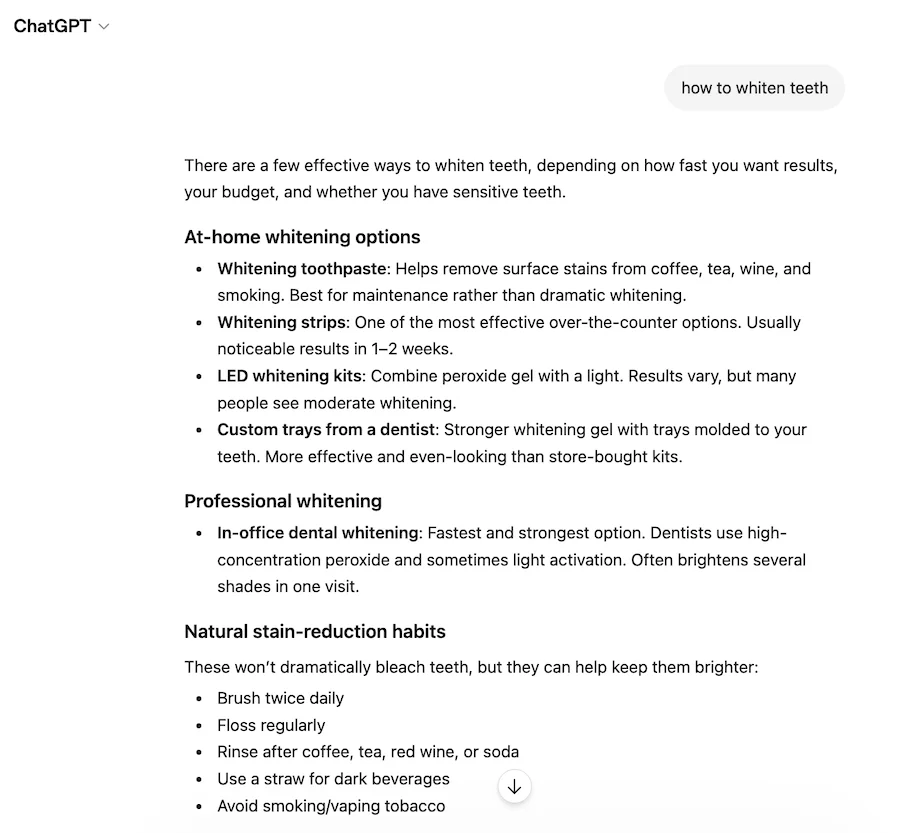
These new AI search tools are not simply curating lists of businesses within predefined categories. Instead, they are synthesizing information, generating comprehensive answers that often extend far beyond the user’s initial query. This capability means that consumers are now exposed to a broader spectrum of solutions, including those they might never have considered or even conceived of on their own. For instance, a user seeking information on teeth whitening might receive an AI-generated answer that seamlessly integrates professional dental treatments, over-the-counter whitening kits, specialized strips, and even trending charcoal toothpastes. The local dentist, once primarily concerned with the practice across the street, now finds themselves indirectly competing with the entire drugstore aisle, a multitude of online video tutorials, and a vast array of self-service options, all promising similar end results. This article will delve into the implications of this evolving competitive dynamic and outline actionable strategies for businesses to navigate this new reality.

The Expanding Frontier of Competition: AI Search and its Broadening Effect
The era preceding sophisticated AI search presented a relatively clear picture of the competitive landscape. Businesses could conduct thorough competitive analyses to identify direct local competitors and national chains, then strategically position themselves in response. Marketing efforts, website content, and advertising messages were largely crafted with these direct rivals in mind. The narrative was more controllable, and comparisons were primarily drawn within the business’s established industry category.
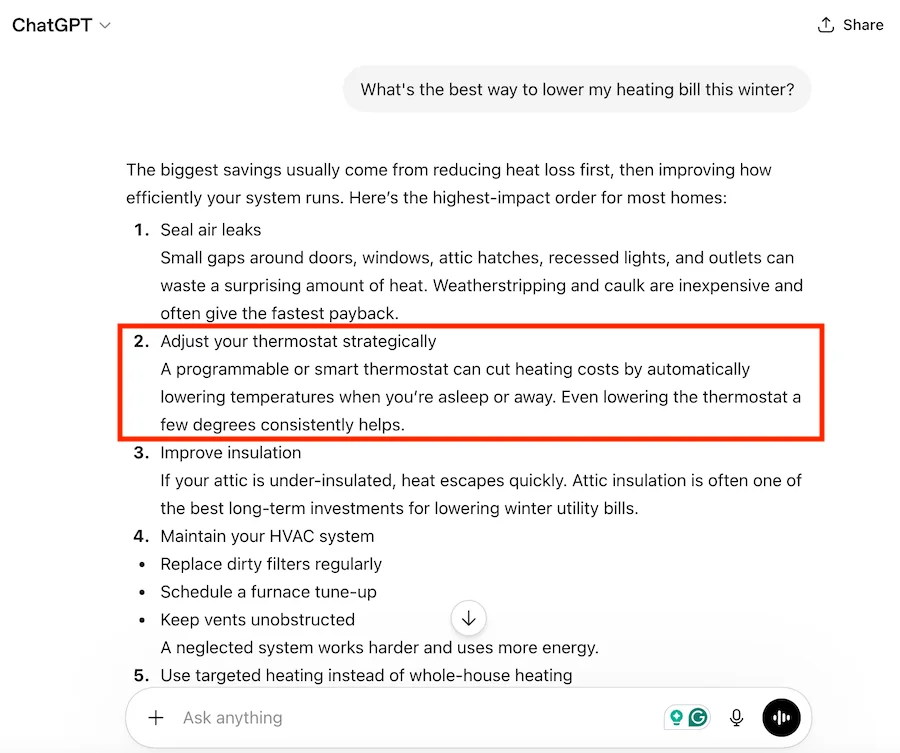
AI-driven search, however, disrupts this established order. AI search engines operate at a problem-solving level rather than a category-specific one. When a user queries, for example, “What’s the best way to lower my heating bill this winter?” the AI doesn’t solely present a list of local HVAC companies. It may also highlight smart thermostats, insulation solutions, or energy-efficient window treatments. This broadens the competitive set significantly. A company that traditionally focused on furnace repair and maintenance might find itself indirectly competing with a smart thermostat manufacturer, as both solutions aim to address the core problem of high heating costs.
The implications for business positioning are substantial. A website that merely states, “We offer furnace repair and maintenance,” offers little to an AI synthesizing information on energy savings. However, content that explains the underlying causes of high heating bills—such as duct leakage, airflow imbalance, or neglected equipment—positions the HVAC company as a knowledgeable resource. It transcends being a mere service provider within a category and becomes a trusted authority that can delineate when a product-based fix is sufficient, when it is not, and when a systemic issue requires professional diagnosis. This nuanced approach is crucial for AI visibility.
Substitute Solutions: The New Wave of Competitors
A core concept in economics, substitute solutions are products or services that address the same customer need through entirely different means. While this is not a new phenomenon, AI search has dramatically amplified the visibility of these substitutes.
Consider the example of teeth whitening again. A user seeking this service might be presented with information about professional dental treatments alongside consumer products marketed for at-home use. Brands offering affordable whitening kits, for instance, can be implicitly positioned as direct competitors to dental practices, even though the dentist never intended to compete on price or convenience in that specific manner.
If a dental practice’s website only states, “We offer professional whitening treatments,” this message lacks the depth to sway a consumer weighing multiple options. A more effective approach involves creating content that AI can leverage. This includes detailing the science behind different whitening methods, comparing the efficacy and safety of professional versus at-home options, and explaining the long-term benefits of professional care. Such content serves a dual purpose: it educates potential patients about the nuances of teeth whitening and provides AI systems with the detailed, comparative information needed to generate comprehensive answers. This marks a fundamental shift: businesses are no longer just competing with direct counterparts but with any entity that offers a plausible solution to the same underlying problem.
The DIY Advantage in AI Search
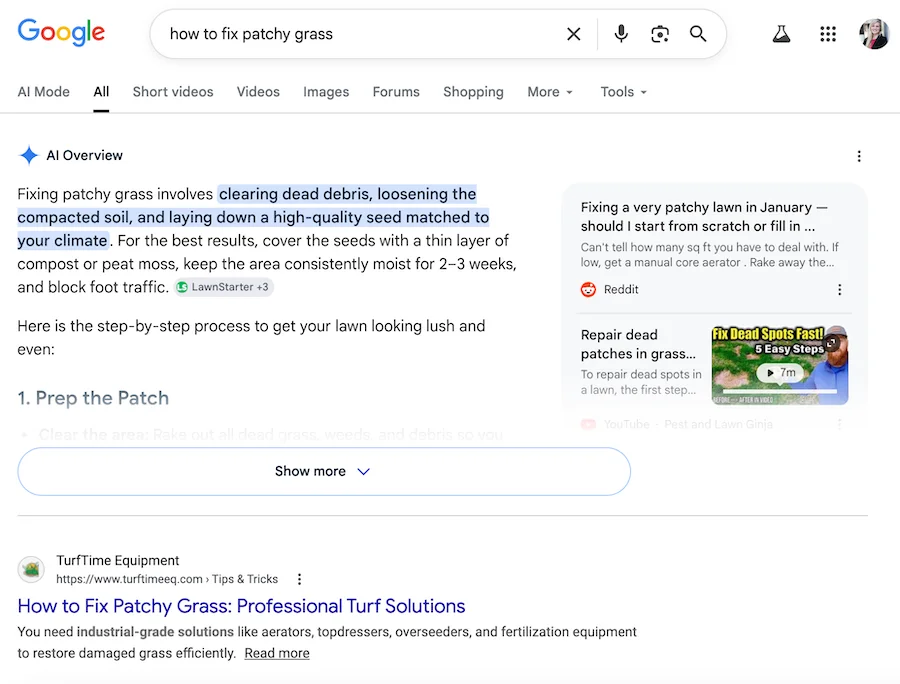
AI systems are trained on vast datasets from the internet, which is rich with how-to guides, tutorials, and instructional videos. This abundance of DIY content often gives these solutions a prominent position in AI-generated answers, sometimes appearing before professional service providers are mentioned. For example, a homeowner searching for methods to fix patchy grass might receive an AI overview heavily featuring DIY lawn care tips before any local lawn service companies are listed.
While DIY solutions may be presented first, it doesn’t necessarily mean they are the preferred choice for consumers. However, it highlights a common pitfall for businesses: creating content that assumes the user has already decided to hire a professional or purchase a product. Many consumers are still in the evaluation phase, weighing their options.
A more effective strategy involves addressing this indecision directly. This means creating content that outlines the various approaches to a problem, including DIY, product-based, and professional services. It involves explaining the trade-offs associated with each, such as the time investment for DIY, the potential limitations of consumer products, and the expertise and guaranteed outcomes offered by professionals. By answering these questions proactively on their websites, businesses can position themselves more effectively within the buyer’s actual decision-making process, thereby increasing their visibility to AI search.
Industry Boundaries Blur: AI Creates Cross-Sector Competitors
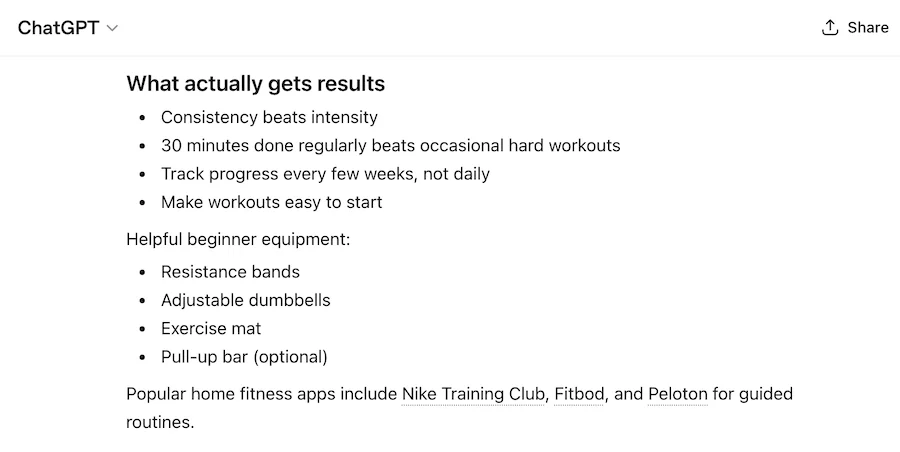
One of the less obvious, yet significant, impacts of AI search is its tendency to dissolve traditional industry boundaries when the ultimate goal for the consumer is the same. Personal training serves as a pertinent example. A local personal trainer historically competed with other trainers and local gyms. Today, however, they also contend with fitness apps, digital coaching platforms, and online fitness influencers.
Applications like Freeletics, which offers personalized training plans powered by an AI coach, can directly compete for the attention of individuals searching for ways to “get fit at home.” From an AI engine’s perspective, both a personal trainer and a fitness app can be considered legitimate answers to the same fundamental problem.
This reality necessitates that personal trainers move beyond generic claims about customized workouts, as most digital alternatives will also tout personalization. A more potent positioning strategy would focus on aspects that AI-driven platforms often struggle to replicate: the human element of accountability, personalized feedback based on real-time observation, and the motivational impact of in-person interaction. These are not mere marketing embellishments but critical decision criteria for consumers. By clearly articulating these unique selling propositions, businesses can increase their likelihood of being included in AI-generated recommendations.
The Visibility Gap: Why SMBs Struggle in the AI Era
A significant number of small and medium-sized business (SMB) websites were designed for an earlier generation of search engines. Their structure typically involves describing services, mentioning geographic location, and showcasing customer reviews and trust signals. While these elements remain important for local search results and branded queries, they often fall short in the context of AI-driven discovery, which assumes the competitive analysis begins within a defined category.
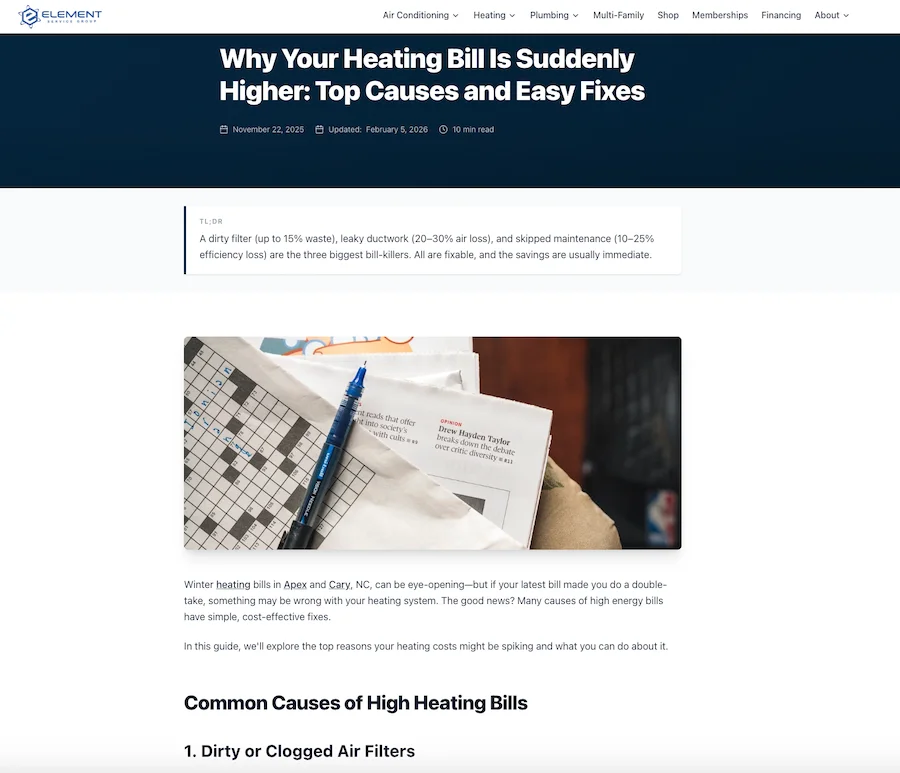
In the current environment, the consumer’s comparison process starts much earlier and is far broader. Many SMB websites fail to address the underlying questions behind user queries, often merely listing the services they wish to sell. This contrasts sharply with websites that delve into the “why” behind a problem. For instance, an HVAC company that publishes content explaining “Why Your Heating Bill is Suddenly Higher” provides a far richer resource for AI than a site that simply lists “Furnace Repair” as a service.
This disparity explains why many businesses perceive a decline in their visibility within AI search results. It’s not always a matter of domain authority or advertising expenditure. Often, the content itself lacks the substance that AI models can effectively extract and synthesize. AI requires detailed information that answers specific questions about problems, causes, solutions, and comparisons. Websites that fail to provide this depth risk becoming invisible to AI-driven discovery.
Strategic Positioning in an AI-Augmented Competitive Landscape
The expansion of the competitive set by AI search necessitates a strategic recalibration. Businesses must move beyond ignoring or downplaying alternative solutions and instead learn to position themselves directly against them. This can be achieved through several key strategies:
1. Openly Acknowledge and Discuss Alternatives
Many businesses shy away from mentioning competitors or alternative solutions, fearing they might inadvertently amplify their rivals. However, silence often creates ambiguity, which AI then fills with readily available information. Proactively addressing alternative solutions on a business’s website can be highly effective. For example, a lawn care company can create content that directly compares professional lawn care services with DIY approaches. This content can explore the pros and cons of each, the time commitment involved in DIY, and the long-term benefits of professional maintenance. Such an approach not only educates potential customers but also provides AI systems with structured, comparative data, increasing the likelihood of the business being featured in AI-generated answers.
2. Illuminate the Limitations of DIY Solutions
DIY-focused content often gains traction due to its perceived affordability, immediacy, and empowering nature. This makes it an attractive option for AI to present to users. The role of businesses, therefore, is to clearly articulate the failure points and limitations associated with DIY approaches. This involves creating content that addresses scenarios where DIY solutions fall short, such as explaining the potential risks of improper plumbing repairs, the ineffectiveness of certain home remedies for pest control, or the structural complexities that make professional installation of certain appliances necessary. By providing this critical context, businesses can demonstrate the value of their professional services without disparaging DIY efforts.

3. Emphasize Outcomes Over Service Labels
Customers are primarily driven by the outcomes they desire. They seek lower utility bills, improved aesthetic appeal, enhanced well-being, or increased efficiency. Businesses should align their website content with these outcome-oriented goals. While service pages remain important, “outcome pages” can make it easier for AI to understand the business’s value proposition and for customers to make informed decisions. For instance, a dentist’s website could feature pages focused on “achieving a brighter smile,” “long-term oral health,” or “pain-free dental experiences” rather than solely listing “teeth whitening” or “root canals.” This outcome-centric approach resonates more directly with user intent and AI’s problem-solving orientation.
4. Develop Extractable Comparative Content
AI systems prioritize content that is easily parsed and summarized. Clear headings, structured comparisons, and concise explanations significantly increase the chances of content appearing in AI answers. This formatting mirrors what is effective for featured snippets and AI Overviews. Businesses should create content that explicitly compares their offerings against alternatives, using bullet points, comparison tables, and question-and-answer formats. This structured approach not only aids AI in extracting relevant information but also provides users with a clear, digestible overview of their options, reinforcing the business’s position as a knowledgeable resource.
A Framework for AI-Optimized Competitive Positioning
To consistently apply these principles to content strategy, businesses can adopt a three-question framework when developing new content:

1. What is the Customer’s Actual Problem?
Move beyond simply identifying the service a customer might be seeking. Instead, focus on the underlying problem they are trying to solve. Is it a desire for lower heating bills, a wish for whiter teeth, a need for a healthier lawn, or the goal of improving physical fitness? By starting with the problem, businesses can better empathize with their customers and align their content with the way AI models process information, leading to more effective positioning.
2. What Substitute Solutions Exist?
Conduct a realistic assessment of all available solutions. This includes not only direct competitors but also products, apps, DIY guides, online tutorials, and adjacent services that address the same problem in different ways. Asking an AI itself can be a valuable exercise to understand what alternatives it is already recommending to potential customers.
3. Why is Your Solution Superior in Specific Situations?
This is where a business earns its place in AI-generated answers. Be specific about the circumstances under which your solution offers a distinct advantage. This could include situations involving complex issues, safety-critical work, the need for long-term results, or scenarios where guaranteed outcomes justify a higher investment. This approach is not about being defensive but about providing genuine value to individuals making critical decisions. Positioning around the problem, rather than just the service category, helps AI understand when to recommend your business, leading to increased visibility in conversations you might not have previously been part of.

Navigating the AI-Expanded Competitive Arena with Confidence
AI search has fundamentally redefined the meaning of “competition.” A local dentist now contends with the proliferation of at-home whitening kits. An HVAC company faces competition from smart thermostats. A lawn care business must acknowledge the influence of YouTube tutorials, and a personal trainer competes with affordable fitness applications.
The businesses that are successfully appearing in these AI-generated answers are not always those with the most robust traditional SEO or the largest advertising budgets. Instead, they are the ones that have most clearly positioned themselves against the full spectrum of solutions a customer might consider. This is a paradigm shift that requires careful internalization.
Winning in AI search is not merely about optimizing for keywords or climbing search engine rankings. It is about recognizing that when a user turns to AI for assistance, the true competition encompasses every potential answer to the question—not just the businesses physically located nearby. The most effective strategy to prevail in this expanded competitive arena is to engage with it directly: acknowledge the alternatives, explain the trade-offs, and present a clear, honest case for why your solution is the most appropriate choice for specific situations. Businesses that embrace this evolving landscape early will gain a significant advantage, while those that continue to optimize for an outdated competitive model risk being left behind.