rifanmuazin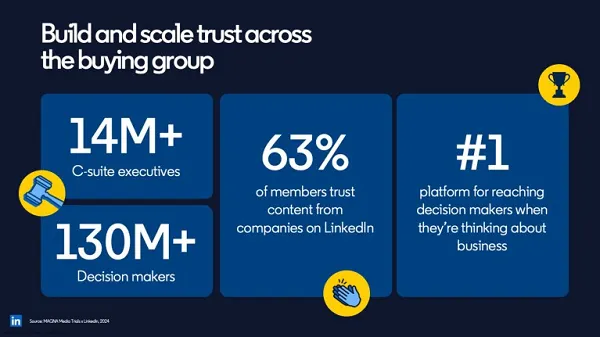
LinkedIn, the world’s largest professional networking platform, has recently introduced a new, comprehensive three-step framework designed to assist B2B marketers in optimizing their product launch campaigns. This strategic guidance, spearheaded by Robert Yanik, the platform’s Product Marketing and Go-to-Market (GTM) Leader, moves beyond the conventional focus on immediate attention spikes, instead advocating for a sustained approach centered on cultivating buyer confidence and building a robust brand presence over time. The framework aims to help B2B companies navigate the complexities of modern buying behavior, mitigate common advertising pitfalls, and ultimately drive stronger, more predictable returns on their marketing investments.
The Evolving Landscape of B2B Marketing
The contemporary B2B marketing environment is characterized by its increasing complexity and a significant shift in buyer behavior. Decision-making units within B2B organizations are expanding, often involving multiple stakeholders across various departments, each with distinct priorities and information needs. Furthermore, the digital transformation has empowered buyers, providing them with unprecedented access to information, peer reviews, and industry insights long before they engage directly with a sales representative. Research from Gartner indicates that B2B buyers are typically 57% of the way through the buying process before engaging with a sales representative, a figure that underscores the profound shift in the buyer’s journey. This necessitates a profound re-evaluation of traditional marketing strategies, which often prioritized product features and aggressive promotional tactics. Instead, the focus has shifted towards education, thought leadership, and the establishment of genuine trust. Companies that fail to adapt risk being overlooked in a crowded marketplace, where authenticity and credibility are increasingly valued currencies. The average B2B buying cycle can range from several months to over a year, with high-value enterprise deals often extending beyond 18 months, underscoring the critical need for sustained engagement rather than episodic bursts of promotion.
LinkedIn’s Strategic Imperative for B2B Success
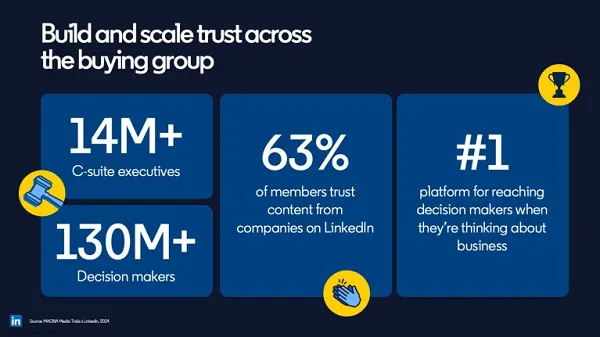
As the preeminent platform for professionals, LinkedIn holds a unique and increasingly critical position in the B2B marketing ecosystem. With over 950 million members across more than 200 countries and territories, it offers unparalleled access to decision-makers, industry influencers, and a highly engaged professional audience. Unlike consumer-focused social media platforms, LinkedIn’s environment is inherently business-centric, fostering conversations around industry trends, professional development, and corporate solutions. This makes it an ideal channel for B2B companies looking to connect with their target audience in a relevant and meaningful way, offering a distinct advantage for professional networking and content distribution.
LinkedIn’s suite of marketing solutions, including its robust advertising platform, advanced targeting capabilities, diverse content sharing formats (from articles and videos to document ads and live streams), and professional networking tools, provides a comprehensive toolkit for B2B marketers. The platform’s commitment to continuously evolving its guidance, such as this new three-step framework, reflects its understanding of the dynamic needs of its business users and its strategic goal to empower them for greater success in a competitive digital landscape. By providing prescriptive strategies, LinkedIn aims to solidify its role as an indispensable partner for B2B growth and market penetration.
Robert Yanik’s Vision: Confidence Over Campaigns
At the heart of LinkedIn’s new guidance is Robert Yanik’s insightful observation that, “Buyers don’t act on product announcements or corporate press releases. They act on confidence. That confidence is built through signals of trust from peers, executives, and recognized creators who understand their problem.” This statement articulates a fundamental truth often overlooked in the pursuit of immediate marketing metrics. While initial buzz can generate attention, it is sustained confidence that ultimately drives adoption, fosters loyalty, and secures long-term partnerships in the B2B space.
Yanik emphasizes that a single trust signal, such as a solitary endorsement, carries minimal weight. Instead, success hinges on orchestrating a “coordinated ecosystem of credible voices” that collectively shapes market perception and reinforces the product’s value proposition. This ecosystem includes a diverse array of stakeholders: internal subject matter experts, executive leadership, industry analysts, trusted influencers, and even satisfied customers. Their collective endorsement and consistent messaging contribute to a holistic perception of reliability and expertise, which is paramount for high-stakes B2B purchasing decisions. This approach acknowledges the psychological aspects of buying, where risk aversion is high, and validation from trusted sources significantly reduces perceived risk, making the purchasing decision easier and more secure for the buyer.
The Three-Step Framework for Impactful Product Launches
LinkedIn’s new framework for B2B product launches is meticulously structured into three distinct yet interconnected phases: Building a Foundation (Pre-launch), Amplifying Your Launch (Launch), and Sustaining Momentum (Post-launch). This chronological approach ensures that marketers are not merely reacting to market conditions but proactively shaping them, laying the groundwork for long-term success rather than fleeting attention. This structured methodology aims to embed the product deeply within the market consciousness and decision-making processes of target buyers.
Phase 1: Building the Foundation (Pre-Launch)
The initial phase, “Building the Foundation,” is arguably the most critical, setting the stage for everything that follows. Yanik stresses the importance of establishing credibility and educating the market long before the official product announcement. This involves several key activities:
- Thought Leadership Development: Consistently publishing high-quality, insightful content that addresses industry challenges and provides solutions relevant to the target audience, without explicitly pushing the product. This could include in-depth whitepapers, comprehensive industry reports, educational webinars, and long-form articles shared by company executives and subject matter experts on LinkedIn. The goal is to position the company as an authority and a valuable resource in its domain.
- Stakeholder Engagement: Identifying and engaging with key influencers, industry analysts, potential early adopters, and internal champions. Building genuine relationships with these individuals allows for early feedback, generates anticipation, and cultivates advocates who can later amplify the launch message. This also involves leveraging LinkedIn’s networking capabilities to connect directly with target decision-makers through personalized outreach and engagement in relevant groups.
- Audience Education: Gently introducing the problem the upcoming product will solve, without revealing the solution prematurely. This primes the market, creating a perceived need and demonstrating the company’s deep understanding of customer pain points. LinkedIn Events and Live streams can be particularly effective for delivering educational content, hosting interactive Q&A sessions, and building a community around the problem space.
- Cultivating an Internal Advocacy Network: Empowering employees, especially sales, customer success, and product teams, to become authentic brand advocates. Their genuine engagement, sharing of relevant content, and participation in industry discussions significantly expand the company’s organic reach and reinforce its credibility through a multitude of trusted voices.
Phase 2: Amplifying Your Launch (Launch)
Once a solid foundation is established, the “Amplifying Your Launch” phase focuses on maximizing awareness and generating leads at the moment of product release. This phase leverages the trust signals cultivated in the pre-launch period to create a powerful, coordinated impact:
- Multi-Channel Content Blitz: Deploying a carefully coordinated content strategy across various LinkedIn formats – sponsored content, video ads, document ads, thought leader ads, and organic posts – to ensure broad reach and diverse engagement. This content should clearly articulate the product’s value proposition, key features, and benefits, tailored to different audience segments and their specific needs.
- Executive and Influencer Endorsements: Leveraging the established relationships with executives and industry creators to share their perspectives on the product’s significance. Testimonials, interviews, and co-authored content from these trusted voices provide powerful social proof and amplify the message’s credibility, making it resonate more deeply with the target audience.
- Targeted Advertising Campaigns: Utilizing LinkedIn’s precise targeting capabilities to reach specific job titles, industries, company sizes, and seniorities with highly relevant advertisements. This ensures that the launch message reaches the most qualified prospects efficiently, minimizing wasted impressions and maximizing conversion potential.
- Interactive Engagement: Hosting LinkedIn Live events, expert-led Q&A sessions with product specialists, and virtual demonstrations to engage the audience directly, answer real-time questions, and build excitement. Encouraging comments, shares, and reactions on posts further boosts visibility and organic reach, fostering a sense of community and direct interaction.
Phase 3: Sustaining Momentum (Post-Launch)
The final phase, “Sustaining Momentum,” recognizes that a product launch is not a one-time event but the beginning of a continuous journey. This phase is dedicated to nurturing relationships, gathering feedback, and driving sustained adoption:
- Ongoing Content Strategy: Maintaining a consistent flow of valuable content that highlights diverse use cases, success stories, product updates, and continued thought leadership related to the new offering. This keeps the product top-of-mind, reinforces its ongoing relevance, and demonstrates the company’s commitment to continuous improvement.
- Customer Testimonials and Case Studies: Actively soliciting and showcasing positive customer experiences through detailed testimonials, success stories, and in-depth case studies. These real-world examples serve as powerful trust signals for potential buyers and demonstrate tangible return on investment. LinkedIn’s recommendation features and dedicated company pages can be used effectively for this.
- Feedback Loops and Iteration: Establishing robust mechanisms to gather customer feedback, both qualitative (e.g., interviews, surveys) and quantitative (e.g., usage data). This feedback is crucial for product improvement, demonstrating responsiveness to customer needs, and informing future marketing and development efforts. LinkedIn polls, dedicated groups, and direct messaging can facilitate this continuous dialogue.
- Community Building: Fostering a vibrant community around the product or solution, perhaps through dedicated LinkedIn Groups or exclusive networking events, where users can share insights, ask questions, and support each other. This builds loyalty, creates a self-sustaining ecosystem of advocates, and enhances the overall customer experience.
The Power of Trust Signals: Data-Driven Insights
Yanik’s assertion that “87% of B2B buyers rely on content from trusted industry creators to validate their choices” is a critical data point underpinning this framework. This statistic, often corroborated by various industry research reports from firms like Edelman, Forrester, and LinkedIn’s own B2B Institute, underscores the profound influence of third-party validation in B2B purchasing decisions. Buyers are increasingly skeptical of direct corporate messaging and prefer to glean insights from independent experts, peer networks, and recognized authorities within their field. This reliance on external validation is rooted in several factors:
- Reduced Risk: B2B purchases often involve significant financial investments, complex integrations, and can have far-reaching strategic implications for an organization. Trusted recommendations help mitigate the perceived risk associated with these high-stakes decisions.
- Credibility and Objectivity: Content from independent creators, industry analysts, or peers is often perceived as more objective and less self-serving than content directly from vendors, fostering greater confidence in the information presented.
- Industry Expertise: Trusted creators often possess deep, nuanced understanding of industry challenges, emerging trends, and best practices, offering valuable context and strategic insights that corporate marketing materials might lack.
- Social Proof: When multiple credible sources endorse a product or solution, it creates a powerful sense of social proof, indicating widespread acceptance, proven effectiveness, and reliability within the industry.
This data strongly suggests that B2B marketers must pivot from merely broadcasting messages to actively cultivating and leveraging these networks of trusted creators and advocates. This includes investing in influencer marketing, fostering genuine, long-term relationships with industry thought leaders, and empowering internal experts to share their knowledge authentically on platforms like LinkedIn. The returns on such investments are not merely in terms of immediate sales but in the long-term equity of trust, brand reputation, and market leadership.
Industry Perspectives and Strategic Alignment
Industry analysts largely concur with LinkedIn’s emphasis on building sustained confidence through trust signals. Marketing technology expert Scott Brinker, for instance, has often highlighted the increasing importance of “dark social” and peer-to-peer influence in B2B buying cycles, echoing Yanik’s sentiments about the power of indirect validation. Furthermore, a report by Demand Gen Report found that 92% of B2B buyers place significant value on customer testimonials and case studies, further validating the framework’s post-launch focus on collecting and disseminating positive customer experiences. This alignment across various industry voices underscores the universal applicability and growing necessity of this trust-centric approach.

This strategic alignment suggests that the framework is not merely a LinkedIn-specific tactic but a reflection of broader, enduring trends in B2B marketing. Companies that successfully implement such a strategy are likely to see several positive outcomes:
- Increased Brand Equity: Consistent, credible communication, amplified by trusted voices, builds a strong brand reputation that transcends individual product launches, leading to long-term market advantage.
- Higher Quality Leads: Buyers who are pre-educated, pre-disposed to trust, and confident in a brand are more likely to engage meaningfully, convert, and represent higher lifetime value.
- Improved Sales Enablement: Sales teams benefit immensely from a market that is already aware of and pre-disposed to trust the company and its offerings, shortening sales cycles and improving conversion rates.
- Enhanced Market Share: By consistently demonstrating thought leadership and building profound trust, companies can carve out a dominant and resilient position in their respective markets.
The emphasis on establishing a presence early and building influence across the entire buying journey ensures that a product is not just “announced” but “understood, remembered, and considered when decisions are made.” This holistic view is crucial for achieving sustained market penetration and competitive advantage in a complex B2B landscape.
Challenges and Future Outlook
While LinkedIn’s three-step framework offers a robust roadmap for B2B product launches, its successful implementation is not without challenges. Marketers must contend with:
- Resource Allocation: Developing high-quality, consistent content, managing intricate influencer relationships, and maintaining continuous engagement across multiple phases requires significant time, dedicated budget, and internal human resources.
- Measuring ROI of Trust: Quantifying the direct return on investment for intangible “trust signals” can be more complex than measuring immediate campaign metrics like clicks or impressions. Marketers need to adopt sophisticated attribution models that account for long-term brand building, multi-touch conversions, and the cumulative impact of trust.
- Authenticity Management: Ensuring that all “credible voices” – whether internal executives or external influencers – maintain genuine authenticity and truly believe in the product’s value is paramount. Inauthentic endorsements or forced messaging can quickly backfire, eroding the very trust the framework seeks to build.
- Adapting to Evolving Platforms: While LinkedIn is central, the broader digital landscape is constantly changing with new features, algorithm updates, and emerging platforms. Marketers must remain agile, continuously adapting their strategies to maintain relevance and effectiveness while upholding the core principles of trust and value.
Despite these challenges, the framework provides a forward-looking perspective on B2B marketing that is increasingly relevant. As the digital sphere continues to mature, the premium on genuine connection, credible information, and sustained relationships will only grow. LinkedIn, by offering such comprehensive guidance, reinforces its position not just as a professional network but as a strategic partner for B2B growth and innovation. The future of B2B marketing will undoubtedly be shaped by these principles, moving further away from transactional selling towards relationship-based engagement and thought leadership.
Conclusion: A New Paradigm for B2B Growth
LinkedIn’s new three-step framework for B2B product launches represents a significant evolution in strategic marketing guidance, shifting the focus from ephemeral attention to enduring buyer confidence. Robert Yanik’s insights underscore a fundamental truth: trust