rifanmuazin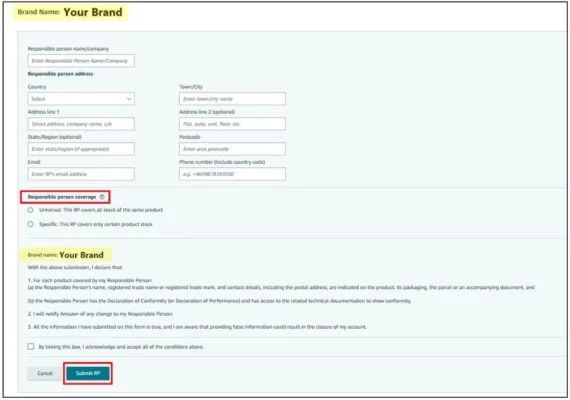
The European Union’s revamped General Product Safety Regulation (GPSR), which took effect in December 2024, represents a significant shift in product safety oversight, extending its reach across digital commerce, complex global supply chains, and the burgeoning market of internet-connected devices. This comprehensive legislation, first introduced in 2001, has undergone a crucial update to address the evolving landscape of product distribution and consumption, impacting all merchants, including those based outside the EU such as in the United States, who wish to sell their goods within the bloc.
Unlike previous regulations that often focused on specific product categories like toys or electronics, the revised GPSR establishes a broad, overarching framework. Its intention is to cover product safety obligations that may not have been adequately addressed by existing sector-specific rules. This includes a wide array of consumer goods, encompassing everyday items such as home furnishings, sports equipment, fashion accessories, kitchenware, and various lifestyle products. The regulation aims to ensure a consistent and high level of safety for all products available to EU consumers, regardless of their origin or type.
The Crucial Role of the EU-Based “Responsible Person”
For non-EU based sellers, the most impactful and potentially challenging new requirement is the mandatory designation of an “Responsible Person” (RP) located within the European Union. This individual or entity acts as a formal point of contact and accountability for product safety compliance. The GPSR stipulates that manufacturers and merchants operating outside the EU must ensure that a designated entity within the Union – such as an importer, an authorized representative, a fulfillment provider, a distributor, or another established company – officially assumes responsibility for the product’s adherence to safety standards.
The contact details of this appointed Responsible Person are not merely an administrative footnote; they must be prominently displayed on the product itself, its packaging, or in accompanying documentation provided to the consumer. This requirement is designed to create a clear chain of accountability and facilitate swift action in the event of any safety concerns or recalls. For foreign merchants accustomed to managing operations solely from their domestic warehouses, this necessitates establishing a physical or representative presence within the EU, presenting an operational and logistical hurdle that requires careful planning and investment.
Enhanced Transparency: Listing Requirements and Pre-Purchase Information
The GPSR places a significant emphasis on transparency, mandating that safety-related information must be readily accessible to consumers before they complete a purchase. This extends beyond the physical packaging of a product, requiring crucial safety details to be visible on e-commerce listings. The specific information required on product listings can vary depending on the product category but generally includes the manufacturer’s name, the contact details of the EU Responsible Person, batch numbers or other unique identifiers for traceability, information regarding the product’s intended use, explicit safety warnings, and clear care instructions.
This new directive applies across all digital sales channels serving EU customers, whether through major online marketplaces like Amazon, Etsy, and eBay, or on a merchant’s own proprietary e-commerce website. For instance, a product page on a German Amazon site (Amazon.de) might now feature a dedicated “Product Safety” section, detailing essential information. Such a section could include:
- E.U. Responsible Person: [Company Name], [City, Country], [Email Address]
- Manufacturer: [Company Name], [City, State/Country]
- Product ID: [Unique Identifier]
- Warning: [Specific safety warnings, e.g., “Keep away from children under 3 years.”]
This move towards visible pre-purchase safety information aims to empower consumers to make informed decisions and to proactively address potential hazards before a product enters their homes.
Marketplaces as Gatekeepers: Enforcement and Compliance
The enforcement of the GPSR is significantly amplified through online marketplaces. These platforms are now tasked with rigorously enforcing the regulation’s rules. Failure to comply with these obligations can result in substantial fines or other sanctions imposed by EU authorities. Consequently, marketplaces are acting as crucial frontline compliance gatekeepers, actively verifying product listings and proactively requesting missing safety information from sellers.
In practice, this means that merchants who fail to appoint an EU-based Responsible Person or provide the required documentation may find their products delisted from these platforms. This proactive enforcement by marketplaces often precedes any direct regulatory intervention, creating a strong incentive for sellers to achieve compliance swiftly. This shift places a considerable burden on online marketplaces, requiring them to invest in robust systems and processes for monitoring and verifying seller compliance across millions of listings.
Strengthening Traceability Throughout the Supply Chain
Beyond immediate safety information, the GPSR also introduces strengthened traceability obligations. The regulation mandates that products must carry identifying information that enables both authorities and sellers to trace items throughout the entire supply chain. This is critical for ensuring that products can be swiftly identified, recalled, and removed from the market if any safety issues or defects emerge.
Manufacturers are now required to maintain comprehensive technical files and related safety documentation for a period of up to ten years. This extensive record-keeping requirement is designed to provide a detailed history of each product, facilitating investigations and corrective actions. For merchants managing a diverse inventory of dozens or even hundreds of stock-keeping units (SKUs), the task of maintaining structured, accurate, and accessible compliance records for each product can represent a substantial operational undertaking, demanding significant investment in digital record-keeping systems and internal processes.

Timeline and Background Context
The journey to the revised GPSR began with growing concerns over the safety of products entering the EU market, particularly those sourced through increasingly complex and globalized supply chains. The rise of e-commerce and cross-border online shopping presented new challenges for traditional safety oversight mechanisms. Initial proposals for an updated regulation were discussed by the European Commission, followed by consultations with member states and industry stakeholders.
The legislative process involved debates and amendments in the European Parliament and the Council of the EU. The final text of the revised GPSR was formally adopted, with a transition period granted to allow businesses time to adapt to the new requirements. The regulation officially entered into force in December 2024, marking the culmination of several years of preparatory work and signaling a new chapter in EU product safety enforcement.
Supporting Data and Implications
The EU is a significant global market for consumer goods. In 2023, e-commerce sales in the EU reached an estimated €800 billion, with a substantial portion of these sales originating from sellers outside the bloc. The breadth of the GPSR means it impacts a vast number of product categories and, consequently, a significant portion of these online sales.
The requirement for an EU-based Responsible Person is particularly significant. For U.S. businesses, this could translate to increased operational costs, including fees for appointing a representative, warehousing, and logistics within the EU. However, it also presents an opportunity for EU-based service providers, such as compliance consultants and fulfillment centers, who can offer specialized services to help non-EU businesses navigate these new requirements.
The increased focus on traceability and documentation means that manufacturers must be prepared for more rigorous scrutiny. The potential for recalls and market withdrawals due to safety issues remains a constant concern for businesses. Data from the EU’s Safety Gate (formerly RAPEX) system, which alerts authorities to dangerous non-food products, indicates thousands of notifications annually. The GPSR aims to reduce the incidence of such dangerous products reaching consumers by strengthening preventive measures.
Analysis of Broader Impact
The revised GPSR represents a proactive approach by the EU to safeguard its citizens in an increasingly interconnected global marketplace. By placing more responsibility on economic operators throughout the supply chain, including online marketplaces, the regulation aims to create a more robust and responsive safety net.
For consumers, the enhanced transparency and stricter enforcement should lead to greater confidence in the safety of products purchased online. The clear designation of an EU Responsible Person and visible safety information on listings empower consumers with knowledge and provide a direct channel for addressing concerns.
From an economic perspective, while the GPSR introduces compliance costs for businesses, it also aims to level the playing field by ensuring that all products sold in the EU meet a consistent standard of safety. This can prevent unfair competition from lower-quality or unsafe products that might otherwise enter the market. Furthermore, the emphasis on traceability and documentation can lead to more efficient recall processes, minimizing potential economic damage from widespread safety incidents.
Official Responses and Industry Reactions (Inferred)
While specific official statements directly addressing the implementation of the GPSR might be varied, the European Commission has consistently emphasized the regulation’s objective: to enhance consumer protection and ensure a high level of safety for all products available on the EU market. They have highlighted the need for adaptation by businesses and the role of national market surveillance authorities in ensuring compliance.
Industry reactions, while not always publicly vocal, are likely to be mixed. E-commerce platforms have already begun implementing new dashboards and tools to help sellers manage their GPSR compliance, such as Amazon’s dedicated “Responsible Person” dashboard for eligible products. For businesses that already have strong compliance frameworks, the transition may be smoother. However, for smaller businesses or those with less experience operating in regulated markets, the new requirements present a significant challenge. Many businesses are likely relying on compliance service providers to navigate the complexities of the GPSR, indicating a growing demand for expertise in this area.
Next Steps for Businesses
Merchants engaging in e-commerce and selling into the European Union are strongly advised to take a structured approach to GPSR compliance. The following three steps are crucial:
- Determine Scope of Applicability: First and foremost, businesses must ascertain whether their products fall within the scope of the GPSR. As a broad framework, most non-food consumer goods are likely to be covered. This requires a thorough review of product categories and intended uses.
- Appoint an EU Responsible Person and Update Listings: The critical step of appointing a designated EU-based Responsible Person is paramount. Once appointed, their contact information must be accurately updated on product labels, packaging, and all relevant e-commerce listings, ensuring it is visible before a purchase is finalized.
- Assemble and Maintain Technical Documentation: Businesses must proactively assemble and diligently maintain comprehensive technical documentation. This includes detailed risk assessments, proof of compliance with relevant standards, batch traceability records, and any other safety-related documentation. This documentation should be readily available for inspection by authorities and should be kept up-to-date for the required ten-year period.
Ultimately, compliance with the GPSR is no longer an optional consideration but a fundamental cost of doing business within the European Union. Similar to the administrative processes involved in VAT registration or customs clearance, proactive planning and adherence to GPSR requirements are essential for market access and sustained commercial activity in the EU. Businesses are urged to integrate GPSR compliance into their market entry strategies, rather than viewing it as an afterthought.