rifanmuazin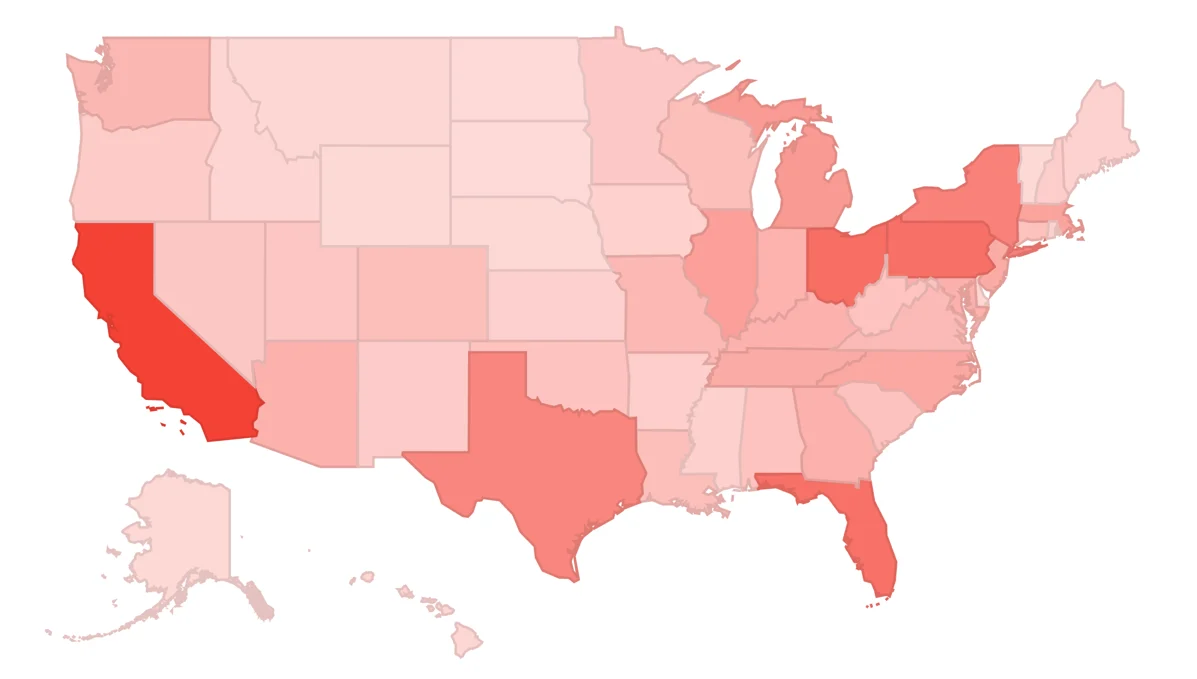
The United States continues to grapple with a public health emergency of unprecedented proportions as the opioid epidemic claims tens of thousands of lives annually, reshaping the demographic and socio-economic landscape of the nation. What began in the late 1990s as a surge in prescription opioid misuse has evolved into a multi-generational crisis involving heroin and highly potent synthetic opioids like fentanyl. According to data from the Centers for Disease Control and Prevention (CDC), the trajectory of drug overdose deaths has not only increased in volume but has also shifted in its chemical composition, presenting a complex challenge for healthcare providers, law enforcement, and policymakers. To understand the gravity of this situation, it is necessary to examine the intersection of drug usage rates, lethality, and the international context that places the United States at the epicenter of a global overdose phenomenon.
The Historical Evolution: Three Waves of the Epidemic
The current crisis is generally categorized by epidemiologists into three distinct waves, each characterized by the primary substance driving mortality rates. The first wave began in the 1990s, following the increased prescription of opioids for pain management. Pharmaceutical marketing campaigns at the time reassured the medical community that the risk of addiction was low, leading to a massive influx of prescription opioids such as oxycodone and hydrocodone into American households. By the time the addictive potential of these substances was fully realized, a significant portion of the population had already developed dependencies.
The second wave emerged around 2010, marked by a rapid increase in overdose deaths involving heroin. As access to prescription opioids became more restricted through legislation and monitoring programs, individuals with existing dependencies turned to cheaper, more accessible illicit alternatives. The transition from pills to needles intensified the public health risks, introducing higher rates of infectious diseases alongside the danger of fatal respiratory depression.
The third and most lethal wave began in 2013, driven by synthetic opioids, particularly illicitly manufactured fentanyl. Fentanyl is approximately 50 to 100 times more potent than morphine and is often mixed into other drugs, including heroin, cocaine, and counterfeit pills, frequently without the user’s knowledge. This surge in synthetic potency has decoupled the number of drug users from the number of deaths; while the total number of people using drugs may remain relatively stable, the lethality of the supply has increased exponentially.
Comparative Lethality: Usage Rates Versus Mortality
A critical component of understanding the opioid crisis lies in the disparity between the prevalence of drug use and the resulting death toll. Data sourced from FiveThirtyEight’s analysis of drug use by age reveals a startling trend: heroin and opioids represent a relatively small fraction of total drug users in the United States when compared to substances like marijuana or even cocaine, yet they account for the vast majority of overdose fatalities.
Among the 20-to-34 age demographic, heroin usage is statistically lower than that of many other illicit substances. However, the lethality of the drug means that even a small user base results in a disproportionately high number of deaths. In contrast, drugs such as cocaine and crack show a wider adoption across older age groups—specifically those aged 45 and above—but have historically resulted in fewer immediate fatalities per capita than opioids. This highlights the unique danger of the opioid class of drugs, where the margin between a therapeutic or recreational dose and a lethal dose is dangerously thin.
The CDC’s drug overdose death data underscores this reality. In recent years, annual overdose deaths in the United States have surpassed 100,000, with opioids involved in over 75% of those cases. The data suggests that the “efficiency” of opioids as a lethal agent is what differentiates this crisis from previous drug epidemics in American history.
The United States in a Global Context
When placed on a global stage using data from the United Nations Office on Drugs and Crime (UNODC), the United States stands out as a significant outlier. While drug addiction is a universal human struggle, the rate of fatal overdoses in the U.S. dwarfs that of almost every other industrialized nation. The U.S. leads the world in overdose deaths both in absolute numbers and in deaths per million people.
There are, however, other nations that exhibit high mortality rates relative to their populations. Iceland, for instance, often appears high on statistical rankings due to its very small population; a relatively low number of deaths can result in a high “per million” figure, making it a statistical outlier rather than a direct comparison to the American scale. Other nations such as Sweden, Australia, and El Salvador also report concerning trends, but their rates typically remain at less than half of the United States’ average.
The disparity between the U.S. and Europe is particularly noteworthy. Many European nations have implemented robust harm-reduction strategies, including supervised injection sites, widespread distribution of naloxone (an overdose-reversal agent), and more accessible addiction treatment programs. The variation in death rates suggests that while drug availability is a global issue, the American policy response and healthcare infrastructure play a significant role in the domestic mortality rate.
Regional Hotspots and Domestic Trends
Within the United States, the epidemic does not hit all regions with equal force. Data analysis identifies specific “hotspots” where the crisis is most acute, often linked to economic decline, lack of healthcare access, and historical over-prescription. The Appalachian region, including states like West Virginia, Ohio, and Kentucky, has consistently reported some of the highest overdose rates in the country.
West Virginia, in particular, has often served as the “canary in the coal mine” for the epidemic. The state’s mortality rate has frequently been double or triple the national average. However, the crisis is not static. Recent data indicates that the epidemic is shifting geographically, with significant increases in overdose deaths now occurring in the Northeast and the Desert Southwest.
Analysts categorize states into those with established problems and those with “developing” trends. While some states have managed to plateau their death rates through aggressive public health interventions, others are seeing a sharp upward trajectory as fentanyl penetrates local drug markets. This geographic shifting requires a dynamic response from federal agencies like the Drug Enforcement Administration (DEA) and the Department of Health and Human Services (HHS).
The Socio-Economic Impact and Policy Implications
The toll of the opioid crisis extends far beyond the loss of life; it has profound implications for the American economy and social fabric. A report by the Congressional Joint Economic Committee (JEC) estimated that the opioid epidemic cost the U.S. economy nearly $1.5 trillion in 2020 alone. This figure includes healthcare costs, lost productivity, and the costs associated with the criminal justice system and social services.
The crisis has also placed an immense burden on the foster care system. As parental addiction rates rise, so too does the number of children entering state care. Furthermore, the “neonatal abstinence syndrome” (NAS) crisis—where infants are born dependent on opioids—has created long-term challenges for the pediatric healthcare system.
In response, there has been a significant shift in public policy. The focus has moved from the “War on Drugs” era of pure criminalization toward a more nuanced approach involving:
- Prescription Monitoring Programs (PMPs): State-run databases that track the prescribing and dispensing of controlled substances.
- Expansion of Medication-Assisted Treatment (MAT): Utilizing drugs like buprenorphine and methadone to help patients manage withdrawal and maintain long-term recovery.
- Naloxone Access: Increasing the availability of Narcan to first responders and the general public to prevent immediate overdose deaths.
- Litigation against Manufacturers: Significant legal settlements from pharmaceutical companies and distributors, intended to fund addiction treatment and prevention programs at the state level.
Conclusion and Future Outlook
The journey to understand the US opioid epidemic through data reveals a grim reality: the crisis is a moving target. As the nation moves deeper into the era of synthetic opioids, the reliance on real-time data becomes more critical than ever. Traditional methods of tracking drug trends often lag behind the reality on the ground, making it difficult for health officials to deploy resources where they are most needed.
The data suggests that the solution cannot be found through law enforcement alone, nor through healthcare in isolation. It requires a multidisciplinary approach that addresses the root causes of addiction, the lethality of the illicit supply chain, and the socio-economic conditions that foster substance abuse. For data analysts and public health experts, the mission remains clear: to use statistical patterns to identify emerging threats and to advocate for evidence-based interventions that can stem the tide of this national tragedy. The immensity of the problem is matched only by the necessity of a sustained, data-driven response to save lives and repair the communities most affected by this ongoing crisis.