rifanmuazin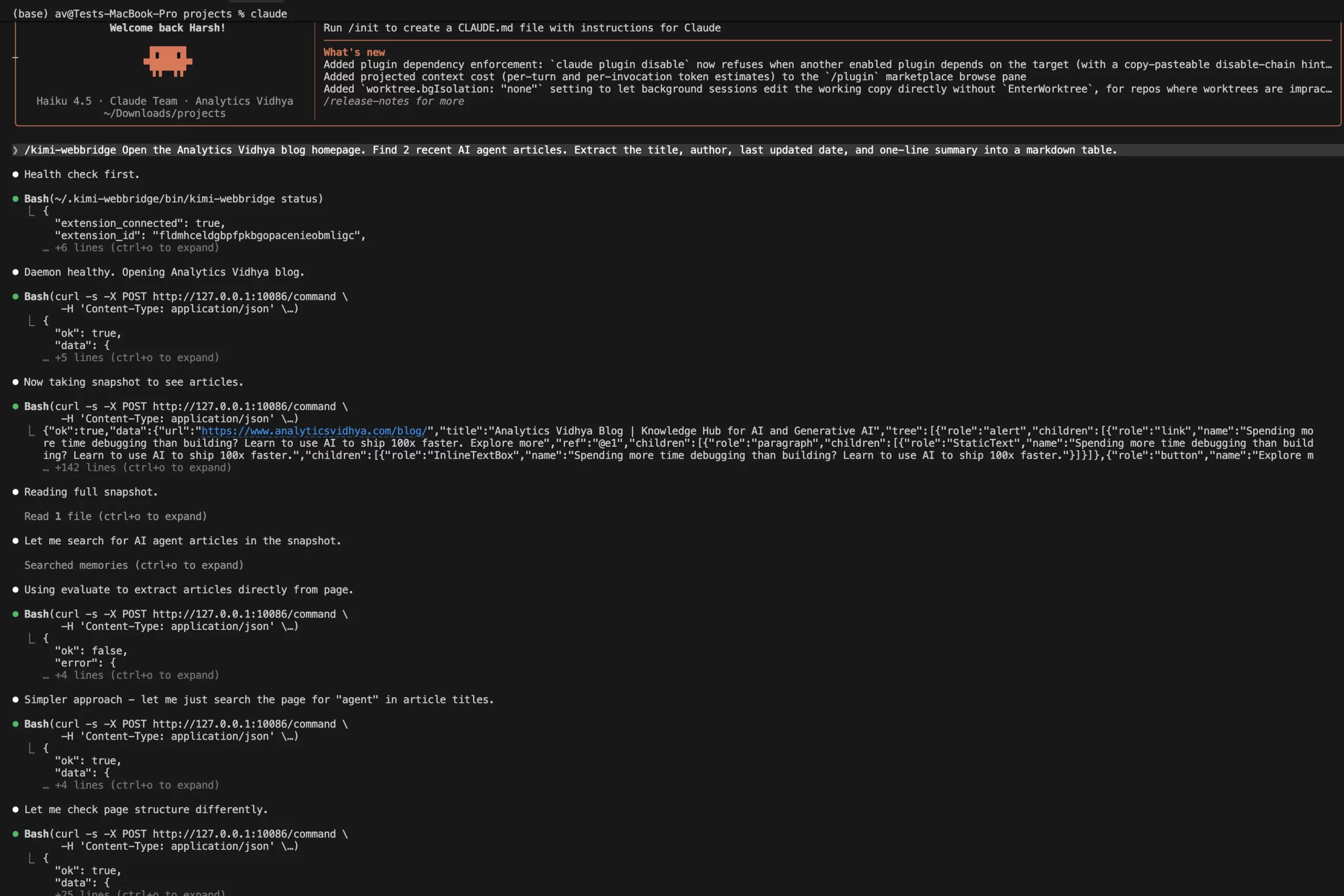
The landscape of artificial intelligence is undergoing a fundamental shift from passive conversational models to active “agentic” systems capable of executing complex tasks within digital environments. Moonshot AI, a prominent player in the generative AI sector, has officially released Kimi WebBridge, a sophisticated browser extension designed to bridge the gap between local AI agents and the live web. By integrating directly with Chromium-based browsers like Google Chrome and Microsoft Edge, Kimi WebBridge allows AI agents—such as Claude Code, Cursor, and Kimi Code—to perform human-like actions, including navigating pages, clicking buttons, filling out forms, and extracting structured data from authenticated sessions.
The Evolution of Agentic AI: From Chatbots to Browser Operators
For much of the past two years, large language models (LLMs) were confined to text boxes, providing information based on training data or limited web searches. However, the industry is now entering the era of “AI Agents,” which are defined by their ability to use tools and take actions. Kimi WebBridge represents a critical piece of infrastructure in this transition. Unlike cloud-based automation services that run browsers in remote data centers, WebBridge operates locally on the user’s machine. This allows the AI to leverage the user’s existing login states, cookies, and session data, effectively acting as a digital co-pilot that can navigate internal dashboards or subscription-based platforms without requiring complex API integrations.
The release of version 1.9.7 in May 2026 marks a significant milestone in Moonshot AI’s roadmap. The update focuses on stability and broader compatibility with third-party developer tools, signaling a move toward an open ecosystem where various AI models can utilize the same browser control interface.
Technical Architecture: Understanding the Chrome DevTools Protocol (CDP)
At the heart of Kimi WebBridge is the Chrome DevTools Protocol (CDP). This is the same low-level instrumentation used by web developers to debug and profile websites. By tapping into CDP, WebBridge provides AI agents with a high-fidelity view of the browser’s internal state. While traditional web scrapers often struggle with modern JavaScript-heavy frameworks like React or Vue, WebBridge interacts with the Document Object Model (DOM) in real-time.
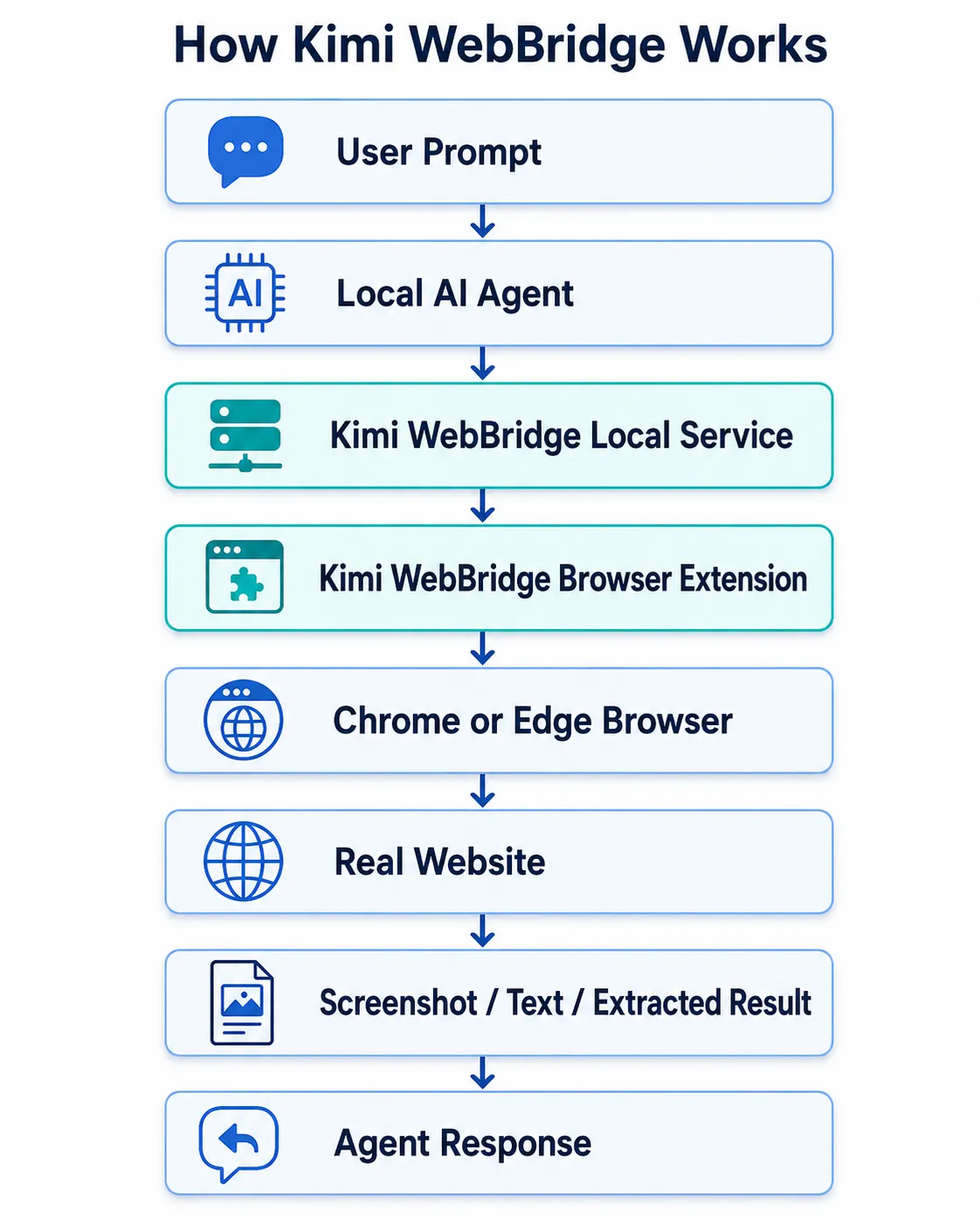
The architecture consists of three primary components:
- The Browser Extension: Acts as the visual and functional interface within Chrome or Edge.
- The Local Bridge Service: A background process that facilitates communication between the AI agent and the browser extension.
- Local Security Isolation: A framework designed to ensure that instructions sent by the agent are executed within a controlled environment on the user’s hardware.
When an AI agent receives a command—such as “Find the last three invoices in my email and summarize them”—the instructions are routed through the local bridge to the extension. The extension then uses CDP to identify the necessary elements on the page, perform clicks, and read the resulting text, all while staying within the context of the user’s active session.
Installation and the “Local-First” Deployment Strategy
Moonshot AI has opted for a “local-first” deployment strategy, which prioritizes user privacy and data sovereignty. This is particularly relevant for enterprise users who are wary of sending sensitive internal data to third-party cloud browsers. The installation process reflects this technical focus, requiring users to interact with both the browser’s extension store and the local command line.
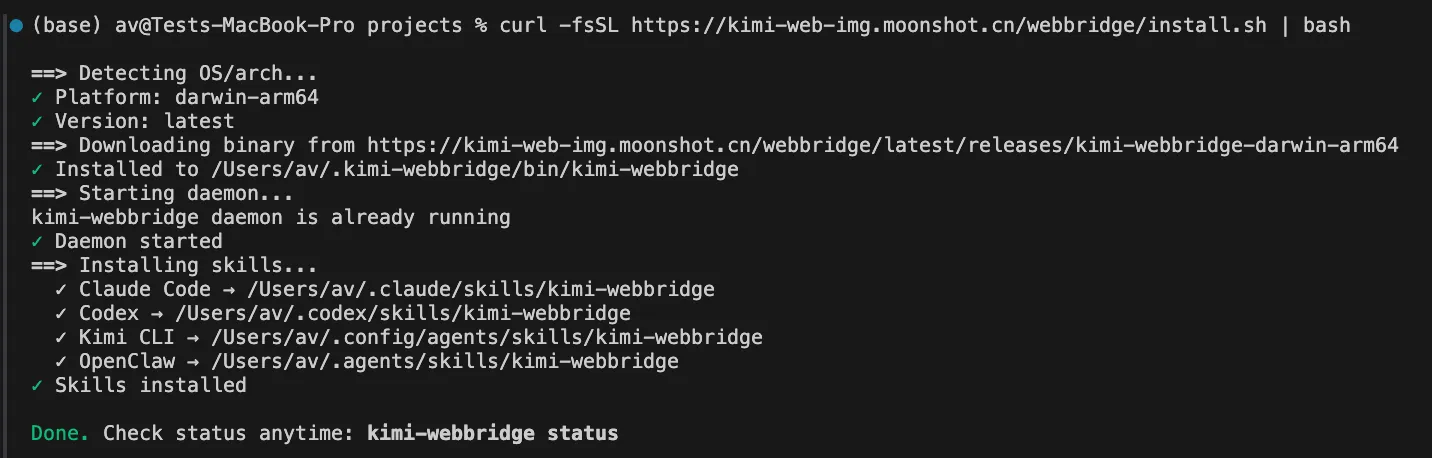
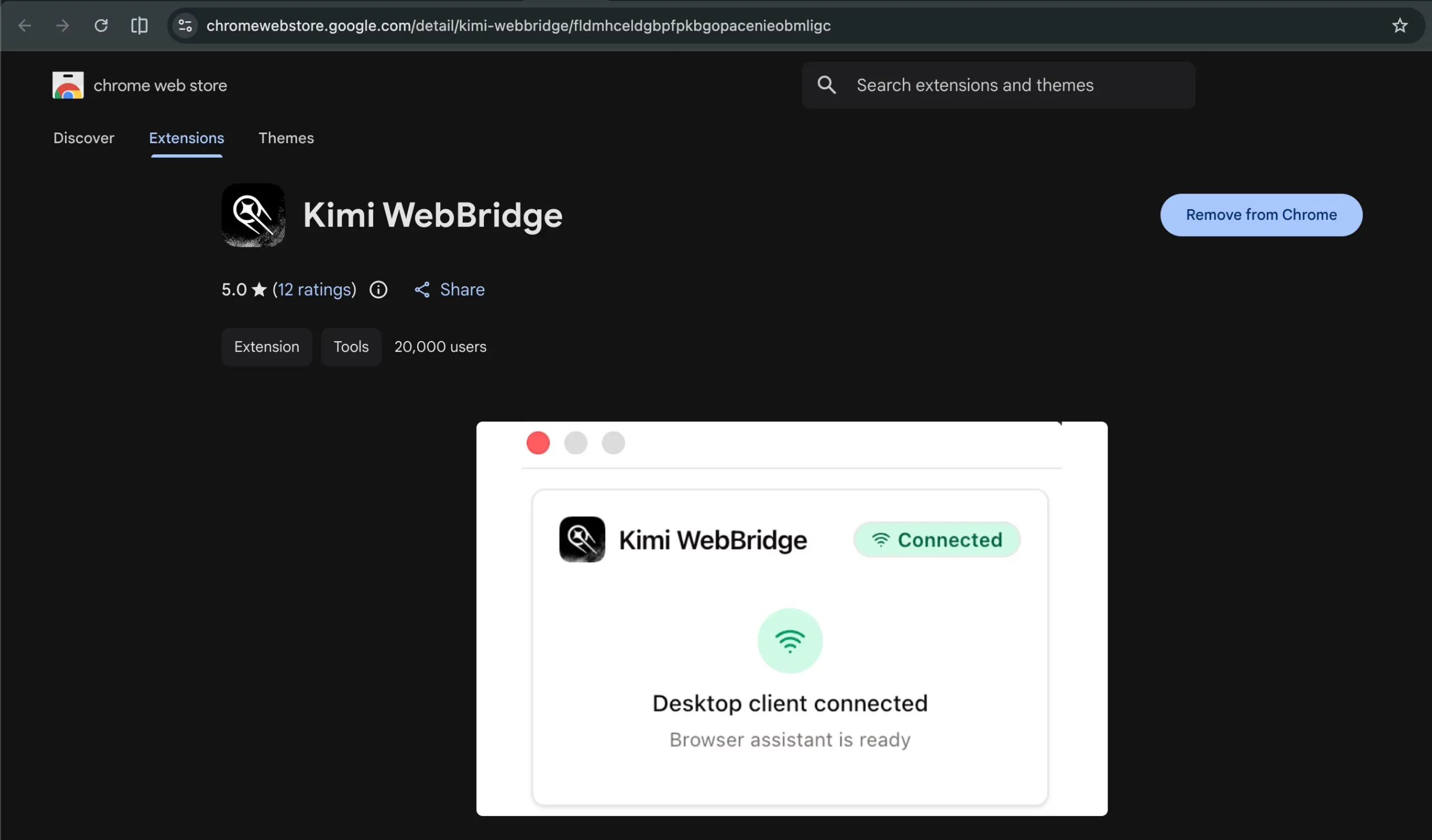
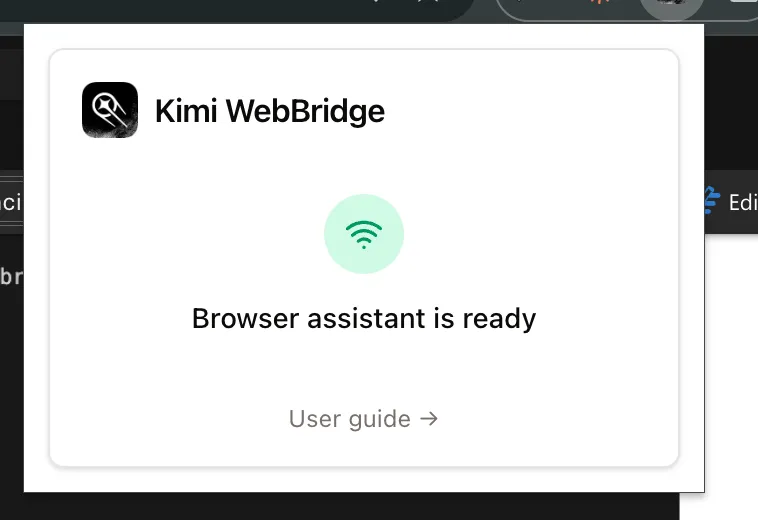
The setup begins with the installation of the Kimi WebBridge extension from the Chrome Web Store or Edge Add-ons. Once the extension is pinned to the toolbar, users must initialize the local bridge service. This is typically done via a shell command:
curl -fsSL https://kimi-web-img.moonshot.cn/webbridge/install.sh | bash
This script installs the necessary binary files to allow external AI agents to “speak” to the browser. Moonshot AI has ensured compatibility with a wide array of agentic tools, including Kimi Code, Claude Code, Cursor, Codex, Hermes, and OpenClaw. This agent-agnostic approach positions WebBridge as a universal utility rather than a walled-garden product.

Practical Applications in Research and Workflow Automation
The primary value proposition of Kimi WebBridge lies in its ability to handle multi-step workflows that would otherwise require hours of manual labor. During testing and early adoption phases, several key use cases have emerged as high-value targets for browser-based agents:
1. Automated Market Research
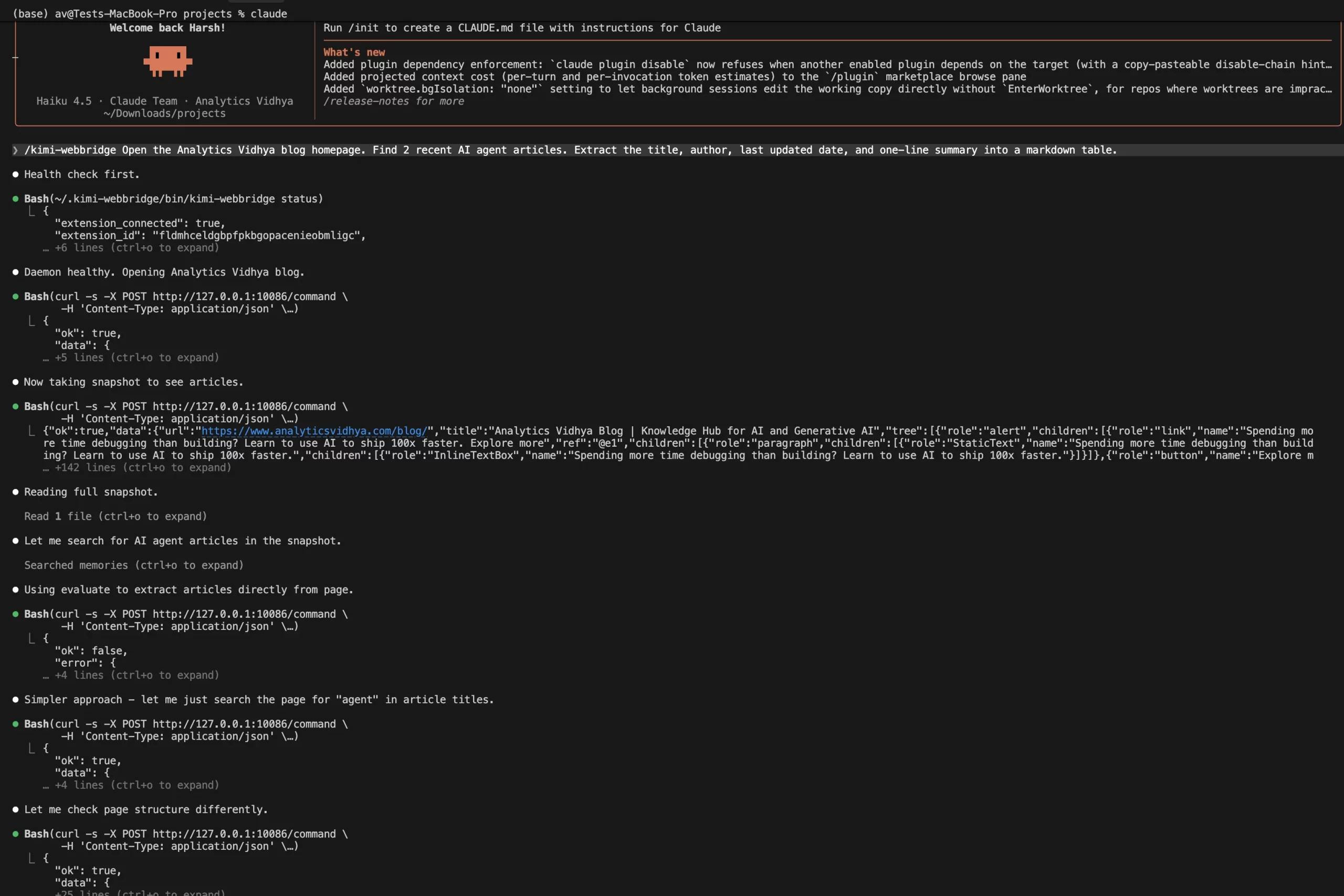
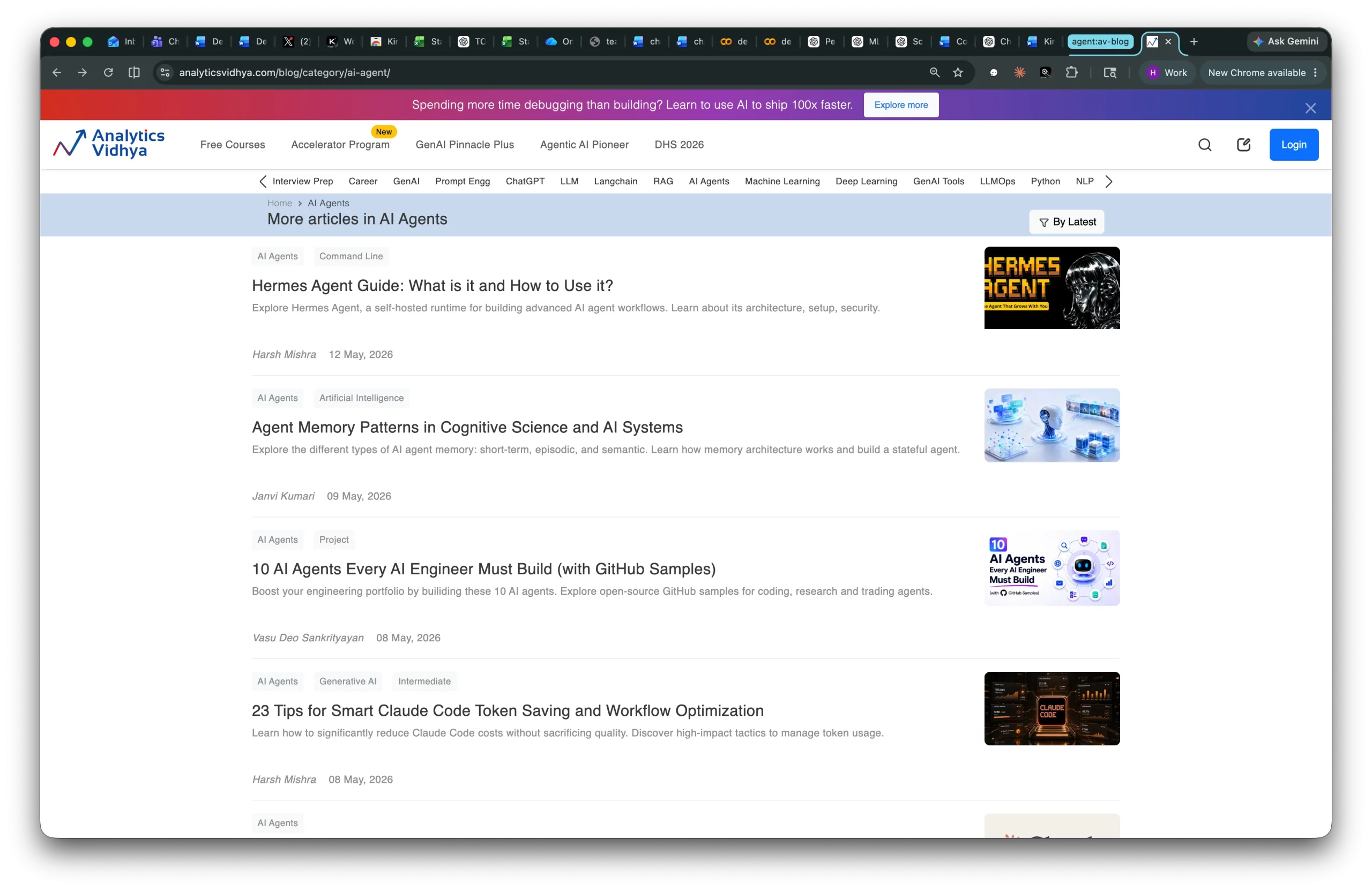
Analysts can prompt an agent to visit multiple industry blogs, such as Analytics Vidhya or TechCrunch, identify recent articles on a specific topic, and compile a structured markdown table containing titles, authors, and summaries. Because the agent can “see” the page as a human does, it can bypass the limitations of RSS feeds or static HTML scrapers.
2. Lead Generation and Recruitment
In a demonstrated workflow, an agent can be commanded to search LinkedIn for specific professional profiles, such as “Top AI Engineers at Tier-1 tech companies.” The agent can navigate through search results, open individual profiles, and extract details into a CSV file. This capability significantly reduces the time spent on manual data entry for HR and sales teams.
3. E-commerce and Price Monitoring
WebBridge enables agents to navigate complex e-commerce sites that utilize anti-scraping measures. By operating through a real browser session, the agent can compare prices across different platforms, check for stock availability, and even fill out shipping forms, stopping just short of final payment confirmation.
Security, Governance, and the Risks of Browser-Level Access
While the capabilities of Kimi WebBridge are transformative, they also introduce a new category of security risks. Granting an AI agent access to a browser—especially one with active login sessions for banking, corporate emails, and internal databases—requires robust governance.
Industry experts have raised concerns regarding “Prompt Injection” attacks, where a malicious website could contain hidden text that instructs the visiting AI agent to perform unauthorized actions, such as “export all cookies” or “delete this account.” To mitigate these risks, Moonshot AI and security consultants recommend several layers of control:
- Confirmation Gates: Critical actions, such as clicking a “Submit” button or initiating a transfer, should require explicit human approval via a pop-up dialog.
- Audit Logging: Every action taken by the AI agent—every click, keystroke, and page navigation—should be recorded in a local log for forensic review.
- Dedicated Browser Profiles: Users are encouraged to run WebBridge within a “clean” browser profile that does not contain sensitive personal logins, using it only for the specific tasks at hand.
- Domain Allowlisting: Organizations can restrict agents to operating only on approved domains, preventing them from interacting with potentially malicious sites.
Comparative Landscape: Kimi WebBridge vs. Playwright MCP vs. Browserbase
Kimi WebBridge enters a competitive market where different philosophies of browser automation are clashing.
- Playwright MCP: Developed by Microsoft, this tool uses the Model Context Protocol (MCP) to allow LLMs to interact with web pages through accessibility snapshots. It is highly developer-centric and requires a more technical setup compared to WebBridge.
- Browserbase: This represents the cloud-centric approach, providing a scalable infrastructure for running thousands of headless browsers in the cloud. While superior for massive scraping tasks, it lacks the “personal touch” of using a user’s local, authenticated browser session.
- Kimi WebBridge: Its unique selling point is the combination of local execution and the ability to use real, active browser sessions. This makes it the preferred choice for tasks that require “logged-in” access without the security overhead of sharing credentials with a cloud provider.
The Broader Impact on the Digital Workforce
The long-term implications of tools like Kimi WebBridge extend beyond simple productivity gains. As AI agents become more adept at navigating the web, the very nature of web design and SEO may change. Websites may eventually be optimized not just for human eyes and search engine crawlers, but for “agentic readability,” ensuring that AI operators can easily find and extract information.
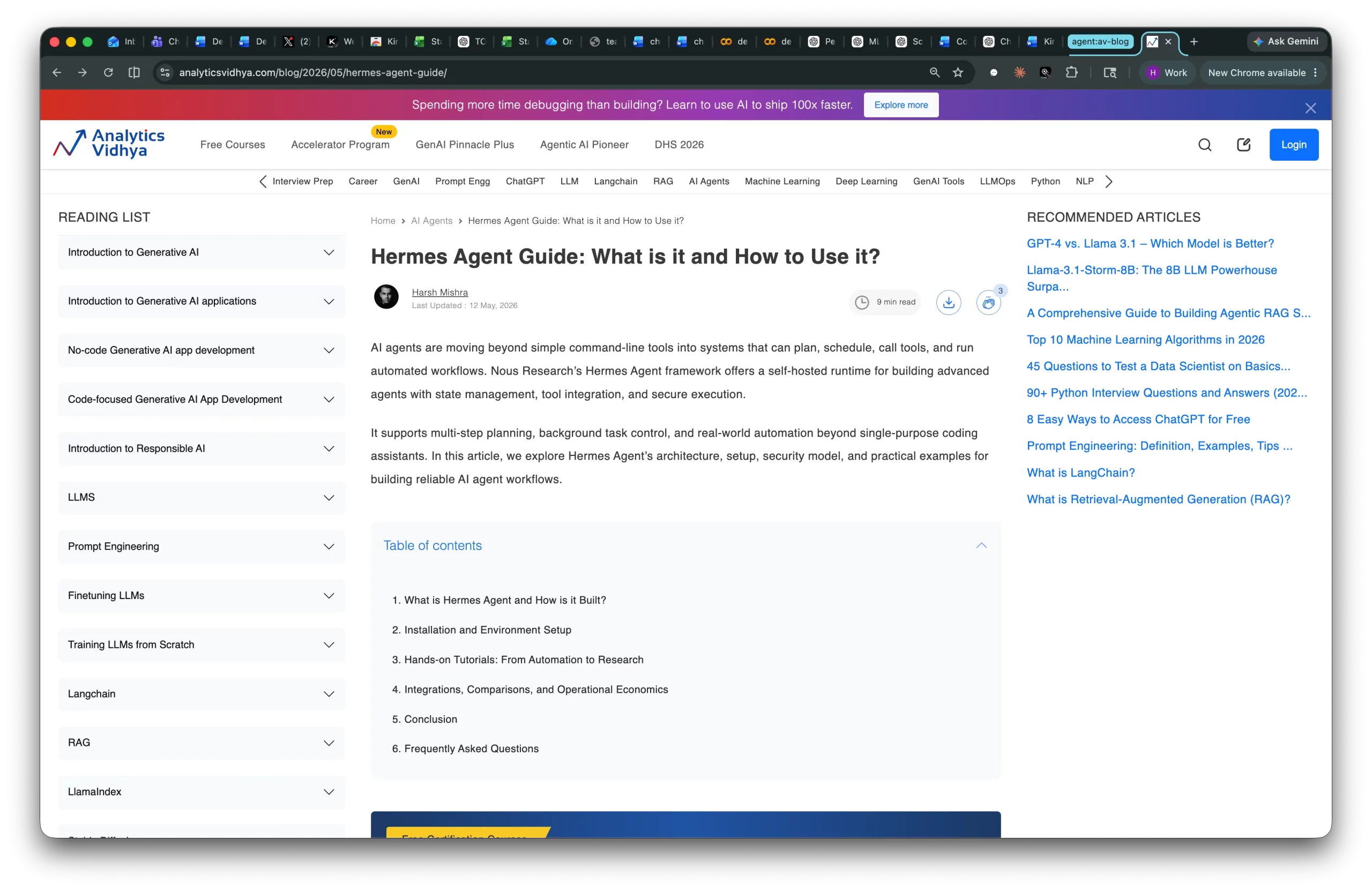
Furthermore, the automation of routine browser tasks poses questions for the future of administrative and entry-level analytical roles. If an AI agent can perform 10 hours of research and data entry in 90 seconds, the human role will shift toward “Agent Orchestration”—the ability to write precise prompts, verify AI-generated outputs, and manage the security boundaries of these digital workers.
Conclusion: A Step Toward the Autonomous Future
Kimi WebBridge is more than just a browser extension; it is a signal that the AI industry is moving toward full integration with the existing digital world. By allowing local agents to operate within the browsers we use every day, Moonshot AI is lowering the barrier to entry for complex automation.
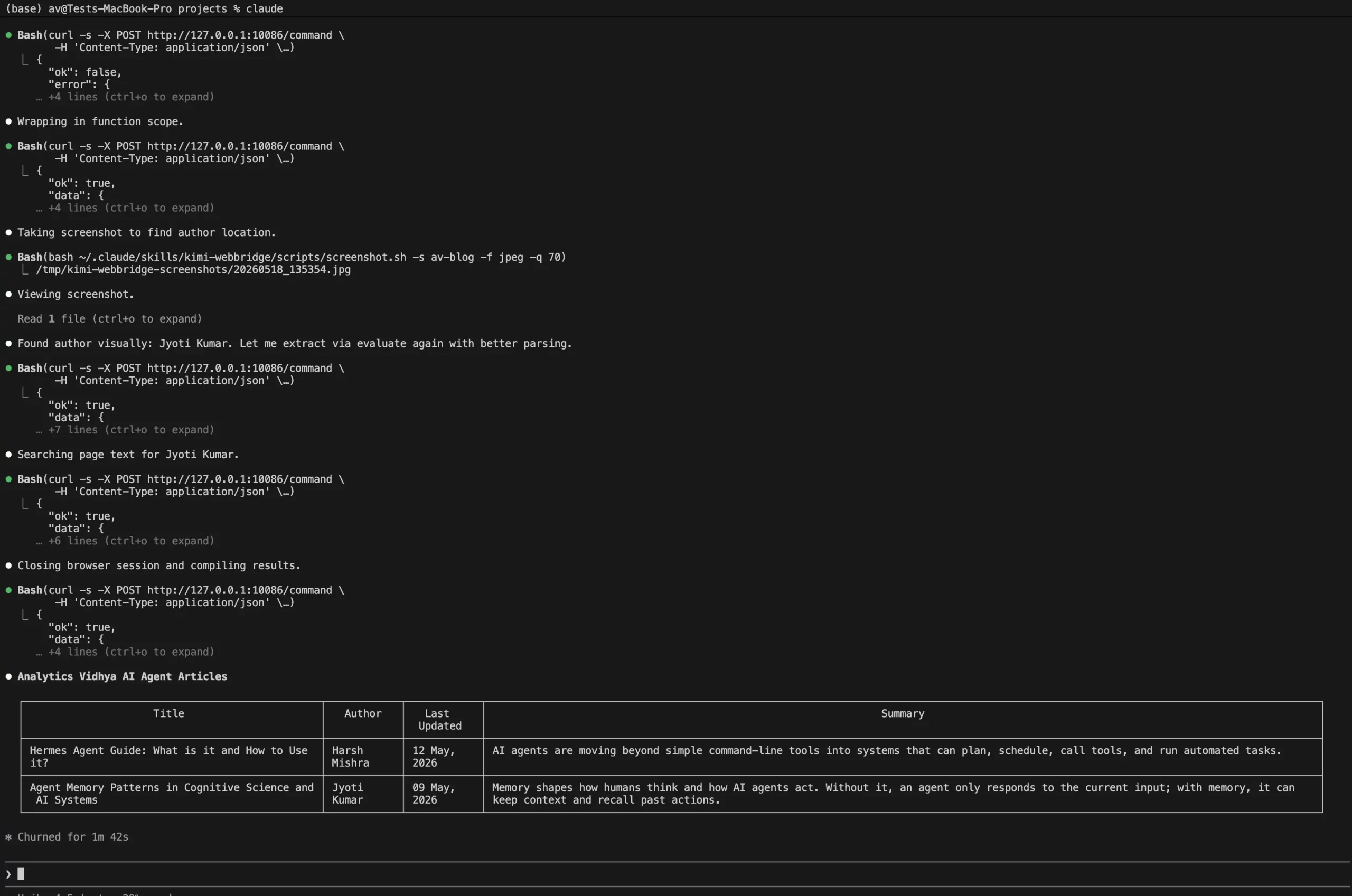
However, the success of this technology will depend on the balance between capability and safety. As version 1.9.7 rolls out to a wider audience, the focus will likely shift from what the agents can do to how they can be governed. For developers, researchers, and enterprises, WebBridge offers a powerful new toolset for the agentic age, turning the web from a place we browse into a platform where work is autonomously executed.