rifanmuazin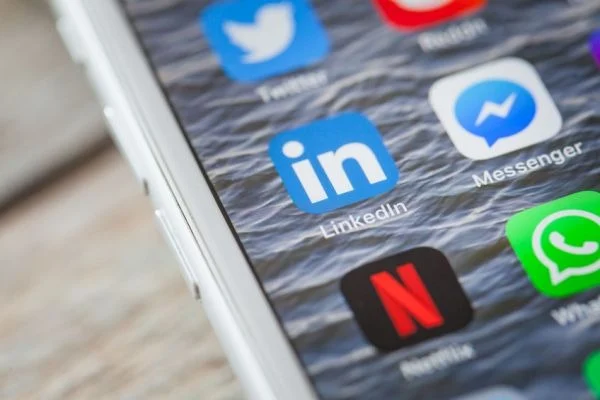
The digital landscape is undergoing a significant transformation as major social media platforms, including LinkedIn, X, Reddit, Snapchat, and Threads, implement sweeping updates designed to prioritize human authenticity and provide advertisers with more granular data. These changes come at a pivotal moment when the proliferation of generative artificial intelligence (AI) has led to concerns regarding “platform decay” and the saturation of automated content. By introducing stricter limits on automated activity and launching sophisticated measurement tools, these platforms are attempting to stabilize their ecosystems for both users and commercial partners.
LinkedIn Targets AI Slop to Preserve Professional Authenticity
LinkedIn, the world’s largest professional networking platform, has officially declared war on what industry observers call “AI slop”—generic, low-quality content generated by large language models (LLMs). The platform announced a new policy aimed at reducing the reach of AI-generated posts, automated comments, and “engagement bait” within its main feed. According to Laura Lorenzetti, an editor at LinkedIn, the primary goal is to prioritize “real voices, authentic perspectives, and lived expertise” over the repetitive, generic content that has increasingly cluttered the professional network.
The platform has deployed a proprietary detection system designed to identify and demote content that lacks original insight. This includes “thought leadership” posts that merely rephrase existing ideas without adding value, as well as automated responses that restate the original post’s content in a different format. LinkedIn’s internal testing suggests that these detection systems are highly accurate, correctly identifying generic or automated content 94% of the time. Content flagged by these systems will see its distribution severely curtailed, typically being restricted to the creator’s immediate network rather than being promoted to a wider global audience.
In tandem with this crackdown, LinkedIn is launching “Crosscheck,” a benchmarking system for AI models. Crosscheck is designed to evaluate how different LLMs perform on real-world professional tasks, such as writing business summaries or conducting logical reasoning. The system utilizes a blind-test methodology where users are presented with two different AI-generated responses to a single prompt without knowing which model produced which answer. By selecting the more useful response, users provide data that LinkedIn will use to create industry-specific leaderboards. This move positions LinkedIn as an arbiter of AI quality, focusing on utility rather than brand reputation.
Furthermore, LinkedIn is enhancing its transparency for B2B advertisers through an expanded partnership with DoubleVerify. This collaboration allows brands to measure media quality across the LinkedIn Audience Network, providing post-campaign insights into invalid traffic, brand safety, and geographic accuracy. As B2B advertising budgets face increased scrutiny, these metrics are essential for proving the return on investment (ROI) for digital placements.
X Imposes New Limits to Curb Spam and Redefine Audience Metrics
Under the leadership of Elon Musk and CEO Linda Yaccarino, X (formerly Twitter) continues to iterate on its usage policies to combat bot activity and encourage paid subscriptions. The platform recently announced new daily limits for unverified accounts, restricting them to 50 original posts and 200 replies per day. Additionally, a global limit of 500 Direct Messages (DMs) per day has been established for all accounts to prevent mass-messaging spam.
These restrictions are part of a broader effort to manage platform health. X indicated that these limits might be further broken down into specific time windows throughout the day to prevent “burst” spamming. The platform is also tightening its “follower-to-following” ratio requirements. Accounts that follow more than 5,000 users may face additional restrictions if their own follower count does not justify such aggressive following behavior. This is a direct response to “follow-churning,” a tactic used by bots and growth-hackers to artificially inflate their presence.
In a move toward greater transparency for influencers and advertisers, X’s head of product, Nikita Bier, announced a new metric that displays how many of an account’s followers are “active.” This feature is intended to distinguish between a “vanity” follower count—which may include dormant accounts or bots—and a “real” audience that regularly engages with the app. Bier noted that this context is crucial for understanding the true reach and performance of an account, especially as the platform seeks to attract more creators and high-value advertisers.
Reddit and Snapchat Focus on App Performance and Attribution
As Reddit prepares for its next phase of growth following its initial public offering, the company is doubling down on its advertising suite. Reddit has introduced a new performance dashboard specifically for app marketers. This tool allows advertisers to integrate Reddit’s internal data with third-party tracking services such as AppsFlyer and Apple’s SKAdNetwork.
The impetus for this update is Reddit’s recent surge in commercial utility. The company reported a 129% year-over-year increase in app install volume driven by Reddit ads. Internal research suggests that Reddit users are “higher-intent” consumers who spend more time within the apps they download compared to users from other platforms. By providing better attribution tools, Reddit aims to capture a larger share of the performance marketing market, which is currently dominated by Google and Meta.
Similarly, Snapchat has launched “Unified Attribution,” a centralized dashboard that merges Snapchat’s internal ad data with third-party measurement insights. This tool addresses a major pain point for digital marketers: the “fragmentation of truth” caused by conflicting data from different measurement sources. In the post-App Tracking Transparency (ATT) era, where privacy changes by Apple have made tracking more difficult, Unified Attribution provides a holistic view of how Snapchat ads drive downloads and purchases. This allows marketers to make data-driven decisions on budget allocation across various campaigns without having to manually reconcile disparate data sets.
Threads Enhances Brand Safety to Attract Institutional Advertisers
Meta’s newest platform, Threads, is continuing its integration into the broader Meta advertising ecosystem by expanding its brand safety controls. Advertisers on Threads can now utilize third-party “block lists” to ensure their content does not appear alongside topics or accounts they deem inappropriate or risky.
This feature, which is already a staple on Facebook and Instagram, is a critical requirement for large-scale institutional advertisers who are often wary of the “wild west” nature of new social platforms. By offering these controls, Meta is signaling that Threads is a mature, brand-safe alternative to other microblogging sites. The expansion of these tools suggests that Meta is preparing to more aggressively monetize Threads as its user base continues to stabilize.
Chronology of the Social Media Shift
The recent flurry of updates can be traced back to a series of industry-wide challenges that surfaced in late 2023 and early 2024:
- Late 2023: The rapid adoption of ChatGPT and other GenAI tools leads to a surge in automated content across LinkedIn and X, resulting in user complaints about “dead” feeds and bot-driven engagement.
- January 2024: X begins testing new subscription models and usage limits in select markets to evaluate their impact on bot traffic.
- March 2024: Reddit reports record growth in its ad business, prompting the need for more sophisticated measurement tools to compete with established giants.
- May 2024: LinkedIn initiates beta testing for its AI-detection algorithms, achieving the 94% accuracy rate that paved the way for the current rollout.
- June 2024: Snapchat and Threads finalize their respective attribution and brand safety tools to align with mid-year advertising budget reallocations.
Broader Impact and Industry Implications
The coordinated move toward authenticity and better measurement reflects a maturing social media industry. For years, “growth at all costs” was the primary metric for success. However, in the current economic climate, platforms are shifting their focus toward “quality of engagement” and “transparency of data.”
For users, LinkedIn’s crackdown on AI-generated content may restore the platform’s value as a hub for professional networking rather than a repository for generic advice. For creators on X, the “active follower” metric may initially be humbling, as it reveals the true scale of their reach, but it will ultimately lead to a more honest marketplace for brand deals.
For the advertising industry, the updates from Reddit, Snapchat, and LinkedIn signify a move toward “omni-channel” clarity. As privacy regulations continue to tighten, the ability of a platform to provide accurate, third-party-verified attribution will be the primary factor in determining where ad dollars are spent. The “Unified Attribution” and “Crosscheck” systems are early examples of how platforms are using technology not just to create content, but to validate its quality and effectiveness.
As these features roll out globally, the social media landscape will likely become more bifurcated: on one side, platforms that prioritize verified, human-centric interaction; and on the other, those that become overwhelmed by the very AI tools they helped integrate. For now, the major players are betting that authenticity is the only sustainable path forward.