rifanmuazin
The digital marketing landscape is undergoing a profound transformation, driven by the increasing prevalence of artificial intelligence in search engine results. Google AI Overviews, dynamic, AI-generated summaries appearing prominently at the top of search results, are now a critical factor for online visibility. As of 2026, these AI Overviews are surfacing for a significant and growing share of queries, fundamentally altering how users discover information and brands. For businesses and content creators, the challenge is no longer merely understanding their existence, but rather executing a robust strategy to earn citations within them, thereby maintaining or improving visibility against competitors who have already adapted to this new paradigm. This strategic imperative has given rise to a new discipline: Answer Engine Optimization (AEO).
Understanding the Shift: From Information Retrieval to Answer Generation
Google’s introduction and expansion of AI Overviews represent a pivotal moment in the evolution of search. Traditionally, Google Search operated primarily as an information retrieval system, presenting users with a ranked list of “blue links” to web pages deemed most relevant to their query. Users would then click through these links to find their answers. However, with the rapid advancements in large language models (LLMs) and the rise of conversational AI platforms like ChatGPT, Perplexity, and Gemini, user expectations have shifted. There is a growing demand for immediate, synthesized answers directly within the search interface, rather than a curated list of potential sources.
.png)
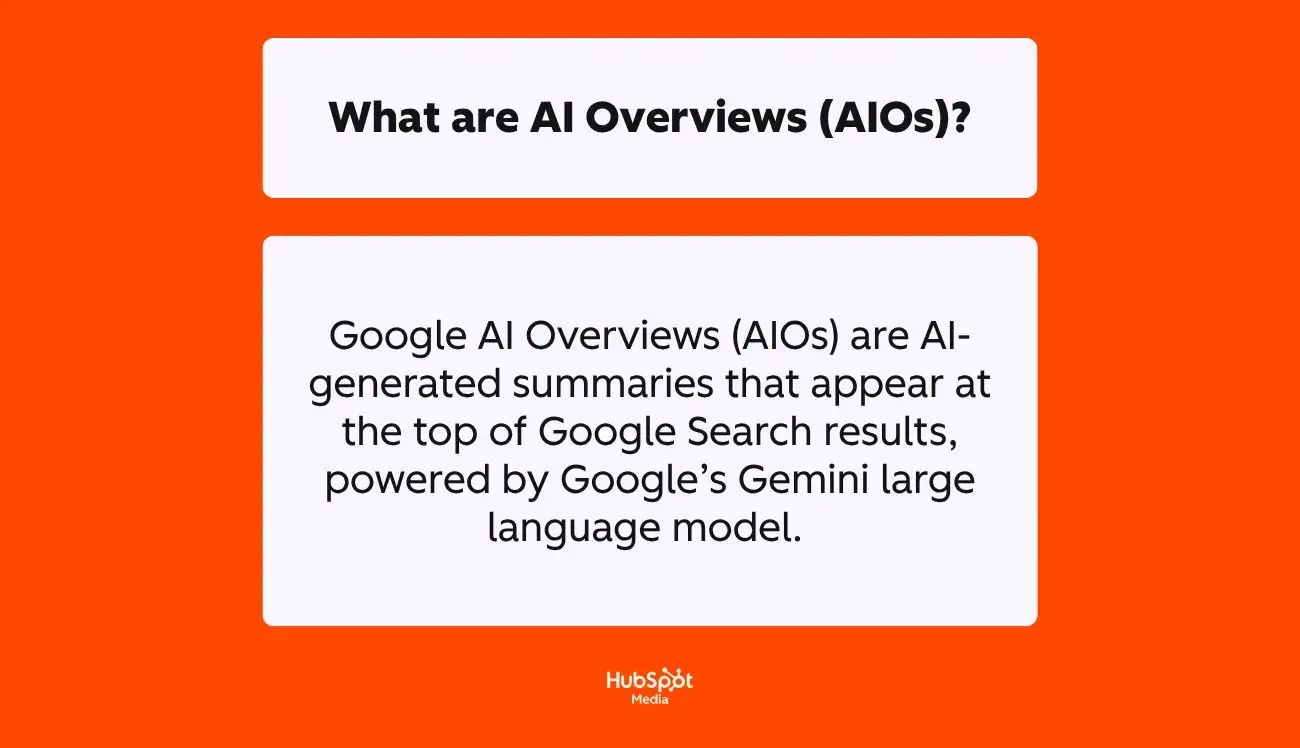
Google AI Overviews are the search giant’s direct response to this evolving user behavior and competitive landscape. Powered by Google’s sophisticated Gemini large language model, these overviews synthesize information from multiple high-ranking web pages, presenting a concise, source-linked answer block. This integration signifies a move from simply indexing information to understanding and generating answers based on that information. The implication is clear: content must not only be discoverable but also readily extractable and citable by AI systems.
The Mechanics of Google AI Overviews
When a user enters a query that triggers an AI Overview, Google’s systems determine that a synthesized answer would be more useful than a traditional ranked list of links, particularly when the answer spans multiple sources. According to 2026 data from Stan Ventures, AI Overviews now appear in 16% of all Google desktop searches, a figure that continues to trend upwards. Moreover, research by Amsive indicates that Google AI Overviews frequently draw information from a diverse range of social and video platforms, highlighting the comprehensive nature of the AI’s data ingestion.
The core process behind an AI Overview involves several sophisticated steps:

- Query Understanding: The system analyzes the user’s query to grasp its intent and context.
- Information Retrieval: Instead of just matching keywords, the AI performs a “query fan-out,” decomposing the initial query into multiple related sub-queries (e.g., “best CRM for small business” might fan out to “CRM pricing for small teams,” “CRM features comparison,” “easiest CRM setup”).
- Source Identification: It then identifies high-quality, authoritative web pages, social media posts, and video content that directly answer these sub-queries.
- Information Synthesis: The AI synthesizes the most relevant information from these diverse sources, extracting key facts, definitions, and explanations.
- Answer Generation: A concise, coherent summary is generated, addressing the original query comprehensively.
- Citation and Attribution: Crucially, the AI Overview includes inline citations and links back to the original source pages, providing transparency and encouraging users to explore the cited content further.
This “query fan-out” mechanism is a fundamental departure from traditional search. It means content can earn a citation not just by matching the primary keyword, but by clearly and authoritatively answering any one of the numerous sub-queries the AI generates behind the scenes.
AI Overviews vs. AI Mode: Critical Distinctions for Optimization
While both are AI-driven features within Google Search, distinguishing between AI Overviews and AI Mode is vital for effective optimization strategies. They serve different user intents and thus require nuanced content approaches.
- AI Overviews: These appear automatically at the top of the traditional search results page when Google’s systems deem a synthesized answer beneficial. They are concise, often 1-3 paragraphs, and sit above organic links, with other SERP features remaining visible below. The user doesn’t actively choose to engage with AI for these.
- AI Mode: This is an opt-in, conversational experience. Users actively select an “AI Mode” tab, which opens a chat-style interface, replacing the traditional SERP entirely. AI Mode responses are typically longer, more detailed, and result from significantly more extensive “query fan-out” (potentially 16+ simultaneous searches) to construct comprehensive, multi-faceted answers.
The strategic takeaway is that AI Overviews reward content that provides direct, citable answers upfront. AI Mode, on the other hand, favors content ecosystems that demonstrate comprehensive topical coverage across multiple related sub-questions. While foundational optimization practices benefit both, AI Overviews demand answer-first formatting and clear heading structures, whereas AI Mode benefits from deep topic clusters and robust internal linking.
The Imperative for Optimization: Earning Citations
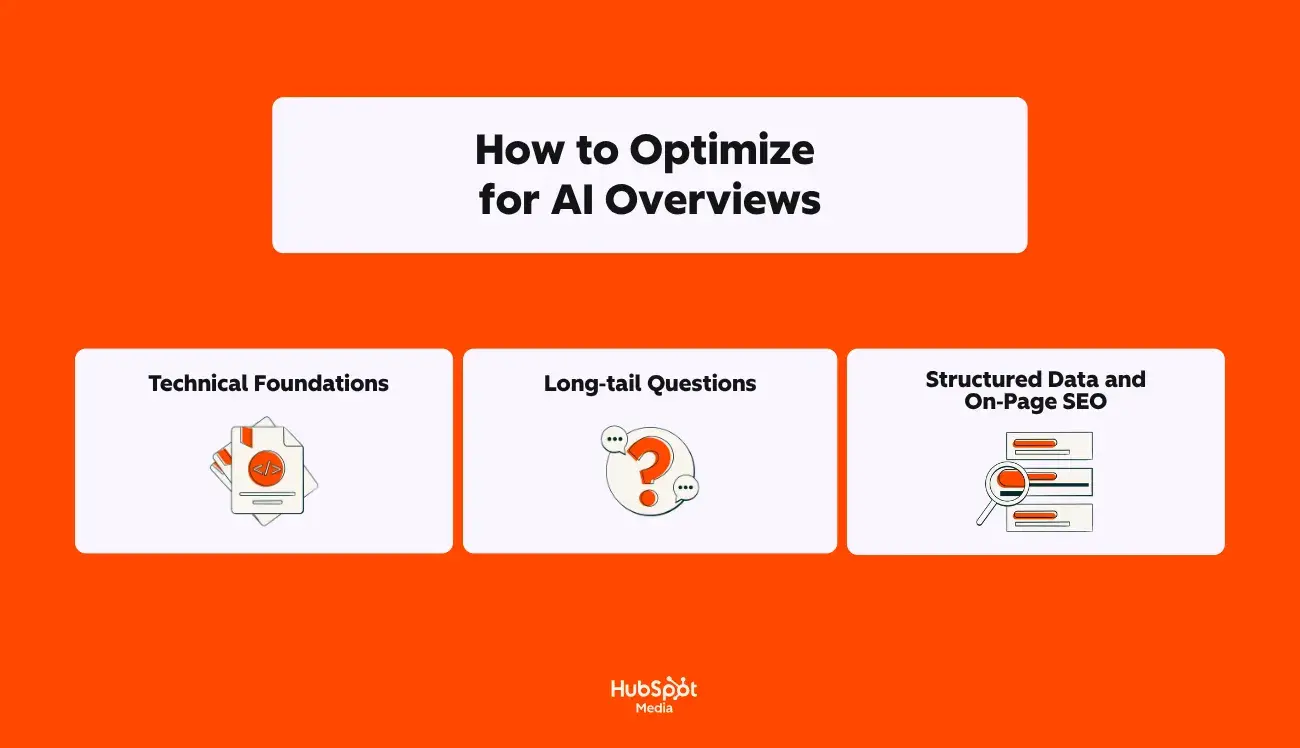
For content creators, the primary goal in the age of AI Overviews is to earn citations. Losing visibility in these prominent AI-generated blocks can lead to significant drops in organic traffic and brand exposure. While Google’s documentation states there are no additional technical requirements beyond standard search eligibility, practical observation of sites consistently earning citations reveals three common denominators:
- Robust Technical Foundations: Ensuring content is crawlable, indexable, and free from blocking directives.
- Strategic Content Structuring: Prioritizing long-tail, question-led content with answer-first phrasing.
- Effective Structured Data and On-Page SEO: Utilizing schema markup and clear formatting to enhance AI extraction.
1. Technical Foundations: The Unseen Bedrock of AI Visibility
Before any content or schema work can yield results, a site’s technical health must be impeccable. If Googlebot cannot access, render, and index pages, they are automatically excluded from consideration as a cited source in AI Overviews. Pages blocked by robots.txt, tagged with noindex, or restricted by nosnippet directives are invisible to the AI. Every such blocked page represents a missed citation opportunity, especially given the “query fan-out” mechanism that explores numerous sub-queries.
A quick technical audit checklist for AI Overview eligibility includes:
- Crawlability: Ensure
robots.txtisn’t blocking essential pages. - Indexability: Verify pages are indexed in Google Search Console.
- Snippet Eligibility: Check for
nosnippetdirectives that prevent content from being summarized. - Mobile-Friendliness: AI Overviews, while currently more prevalent on desktop, are designed for cross-device utility.
- Site Speed: Faster loading times improve user experience and crawl efficiency.
- Internal Linking: This is crucial. A well-structured internal link profile reinforces topical relationships and site authority, helping AI systems confidently identify a site as a comprehensive source across related sub-queries.
2. Strategic Content Adaptation: Long-Tail Questions and Answer-First Phrasing
AI Overviews most frequently trigger on longer, multi-word “long-tail” searches. Therefore, content optimized to directly address these specific questions significantly improves its chances of being cited.
Mapping Topics to Long-Tail Questions:
- Identify Core Topics: Begin with the primary subjects relevant to your business.
- Brainstorm Associated Questions: Use tools like Google’s “People Also Ask,” “Related Searches,” keyword research tools, and audience feedback to uncover specific questions users ask around these topics.
- Categorize by Intent: Group questions by user intent (informational, navigational, transactional, commercial investigation). This helps prioritize content for different funnel stages.
- Analyze Competitors: Observe which long-tail questions competitors are answering effectively, especially those appearing in AI Overviews.
Once mapped, these questions should directly form H2 and H3 headings within the content (e.g., “How long does a website redesign take?” instead of “Website redesign project duration”). This structure provides clear “extraction points” for the AI.
Answer-First Phrasing:
Google’s AI scans pages from top to bottom, seeking the most immediate answer. Pages that deliver their core answer within the first 40-60 words of each section consistently demonstrate higher citation rates. This means:
- Direct Answers: Start each section with a concise, direct answer to the heading’s question.
- Key Information First: Place critical facts, figures, and definitions immediately after the heading.
- Use Lists and Tables: These formats are highly extractable and easily digestible for AI.
- Concise Language: Avoid jargon and overly complex sentences.
This strategy directly addresses the root cause of missed citations: the AI’s inability to quickly locate the answer on the page.
3. Leveraging Structured Data and On-Page Signals
Structured data (schema markup) acts as a critical translation layer, providing explicit signals to AI systems about the meaning and context of your content. While not strictly a requirement for citation, accurate and intent-matched schema significantly boosts the confidence with which AI systems can extract and synthesize information. In 2026, sites with precise schema are seeing improved rich result rates and AI citation eligibility, while misaligned schema can lead to reductions.
Key Schema Types for AI Overviews:
- FAQPage Schema: Ideal for pages with a Q&A format, directly mapping to user questions.
- HowTo Schema: Useful for step-by-step guides, helping AI understand procedural information.
- Article Schema: Provides metadata about news articles, blog posts, and reports.
- Product Schema: Essential for e-commerce, detailing product features, prices, and reviews.
Formatting Content for AI Overviews:
Beyond schema, on-page formatting is paramount for extractability. Combine structural clarity with high information density:
- Descriptive Headings: Use clear, specific H1, H2, and H3 tags that accurately reflect content.
- Short Paragraphs: Break up text into digestible chunks, ideally 2-4 sentences.
- Bullet Points and Numbered Lists: Excellent for presenting key information in an easily scannable format.
- Bold Key Phrases: Highlight important terms and concepts to guide the AI’s attention.
- Internal Linking: Strategically place internal links within relevant text, reinforcing topic clusters.
The Measurement Conundrum: Tracking AI Visibility
One of the most significant pain points for organic growth practitioners is the limited visibility into AI Overview performance. Google Search Console (GSC) historically bundled AI Overview and AI Mode traffic within the general “Web” search type, making it impossible to isolate AI-specific impressions or citation rates. As of 2026, Google has begun rolling out specific Search Type filters in GSC for AI Overview and AI Mode data, but availability varies, and historical data is not retroactively available.
This gap has necessitated the development of dedicated answer engine monitoring tools. These platforms are designed to track AI citation visibility across various generative AI platforms, including Google AI Overviews.
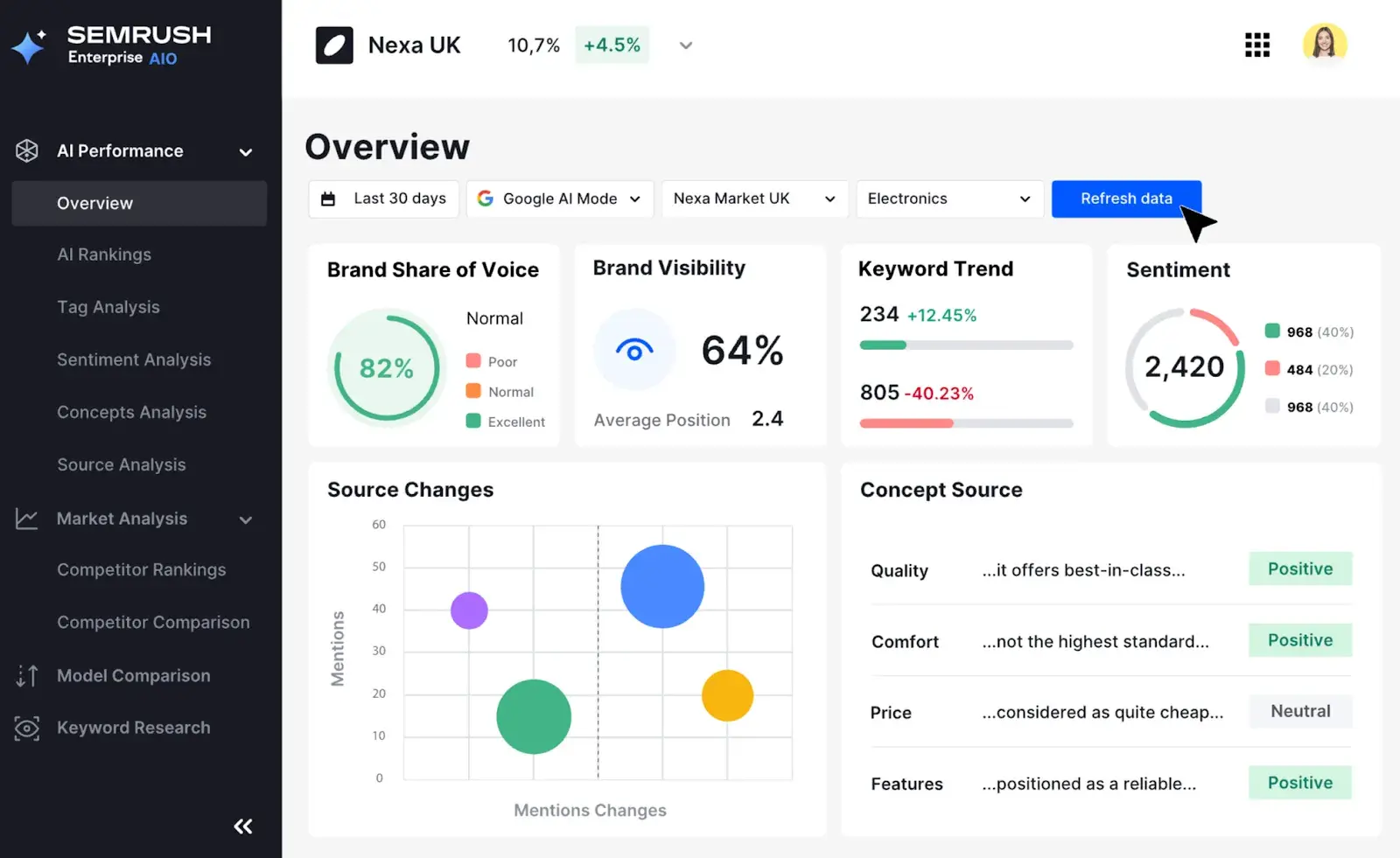
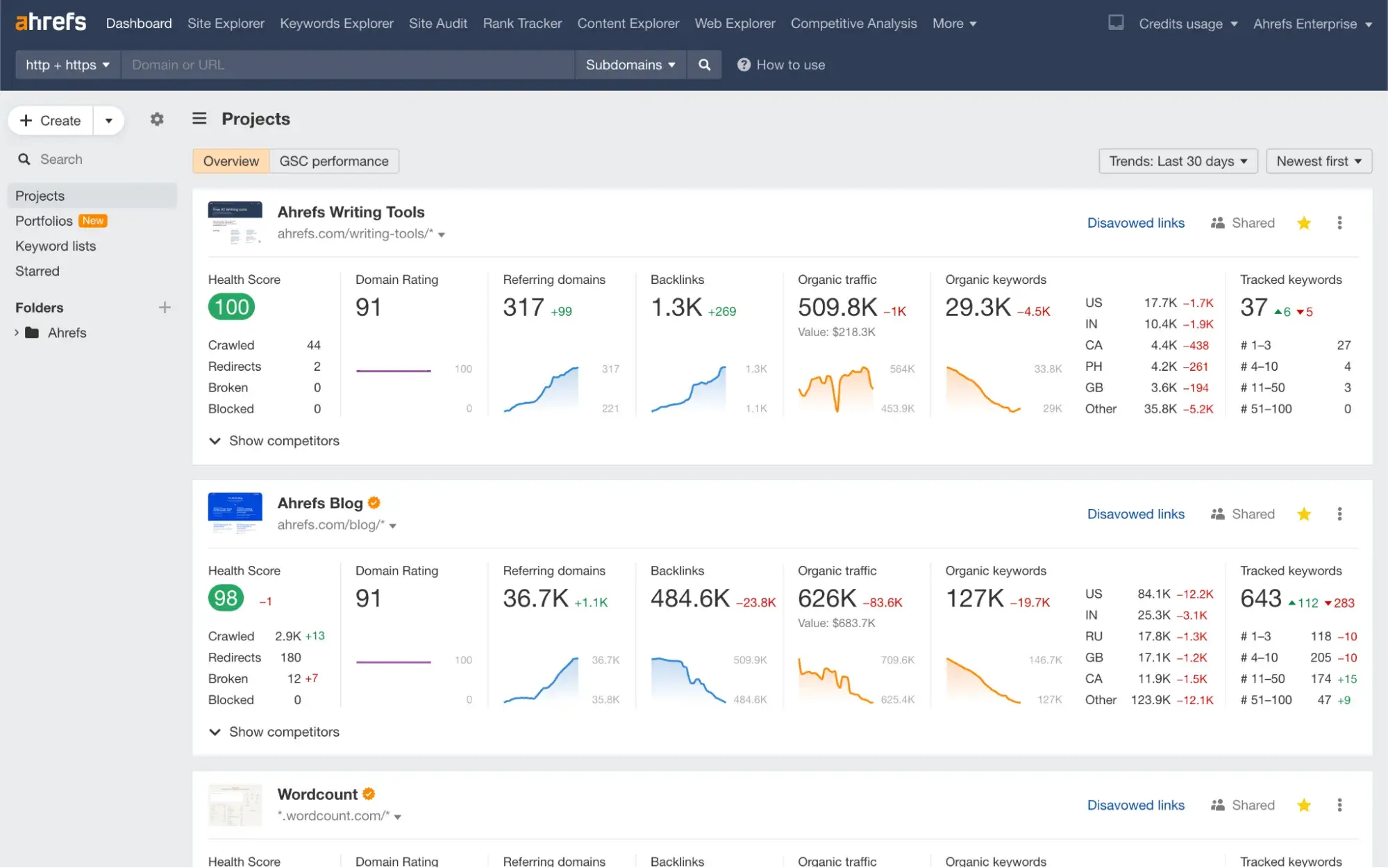
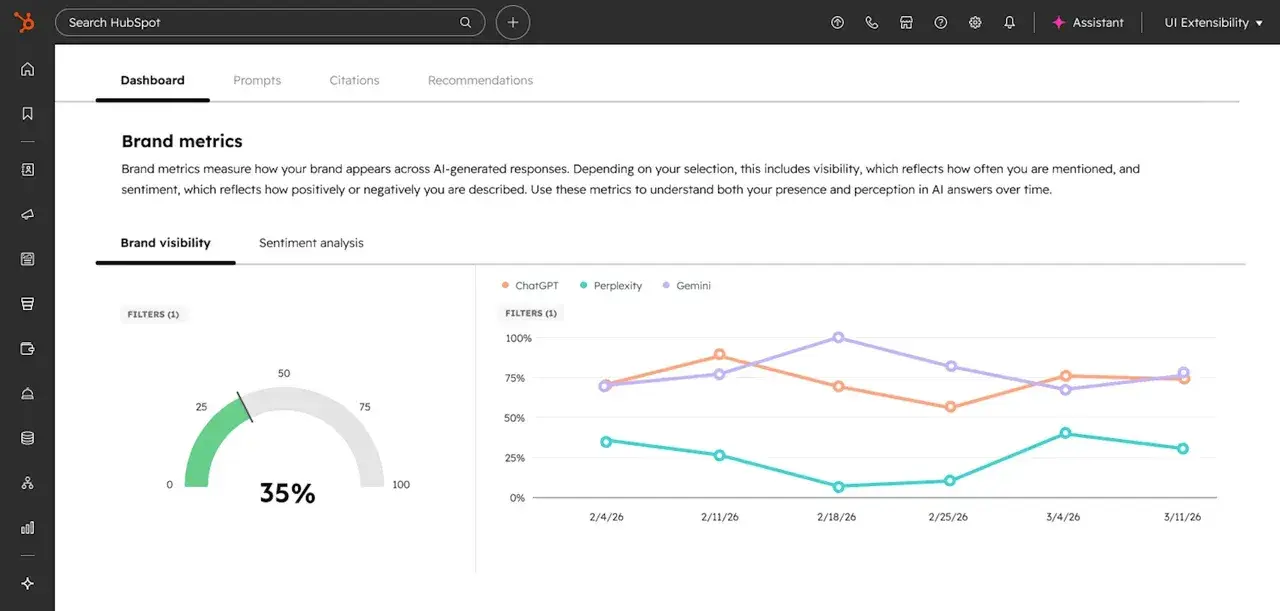
Leading Tools for Measuring AI Overviews (as of 2026):
- Semrush: Offers an “AI Visibility Toolkit” tracking brand mentions and citations across ChatGPT, Google AI Overviews, Google AI Mode, Perplexity, and Gemini. Integrated into its broader SEO platform, it provides comprehensive competitive analysis.
- Ahrefs: Its “Brand Radar” add-on tracks mentions and citations across major AI platforms, uniquely cross-referencing this data with Ahrefs’ extensive backlink index, offering insights into entity authority.
- HubSpot AEO: A dedicated answer engine optimization tool, it tracks brand appearance in AI-generated answers across ChatGPT, Perplexity, and Gemini. Its strength lies in identifying citation gaps, showing competitor visibility, and connecting recommendations directly to HubSpot’s content publishing tools for a closed-loop workflow.
- thruuu: A SERP analysis tool that captures full search result pages, including AI Overview blocks, allowing for detailed analysis of content patterns and citation sources. It’s particularly useful for generating content briefs based on what gets cited.
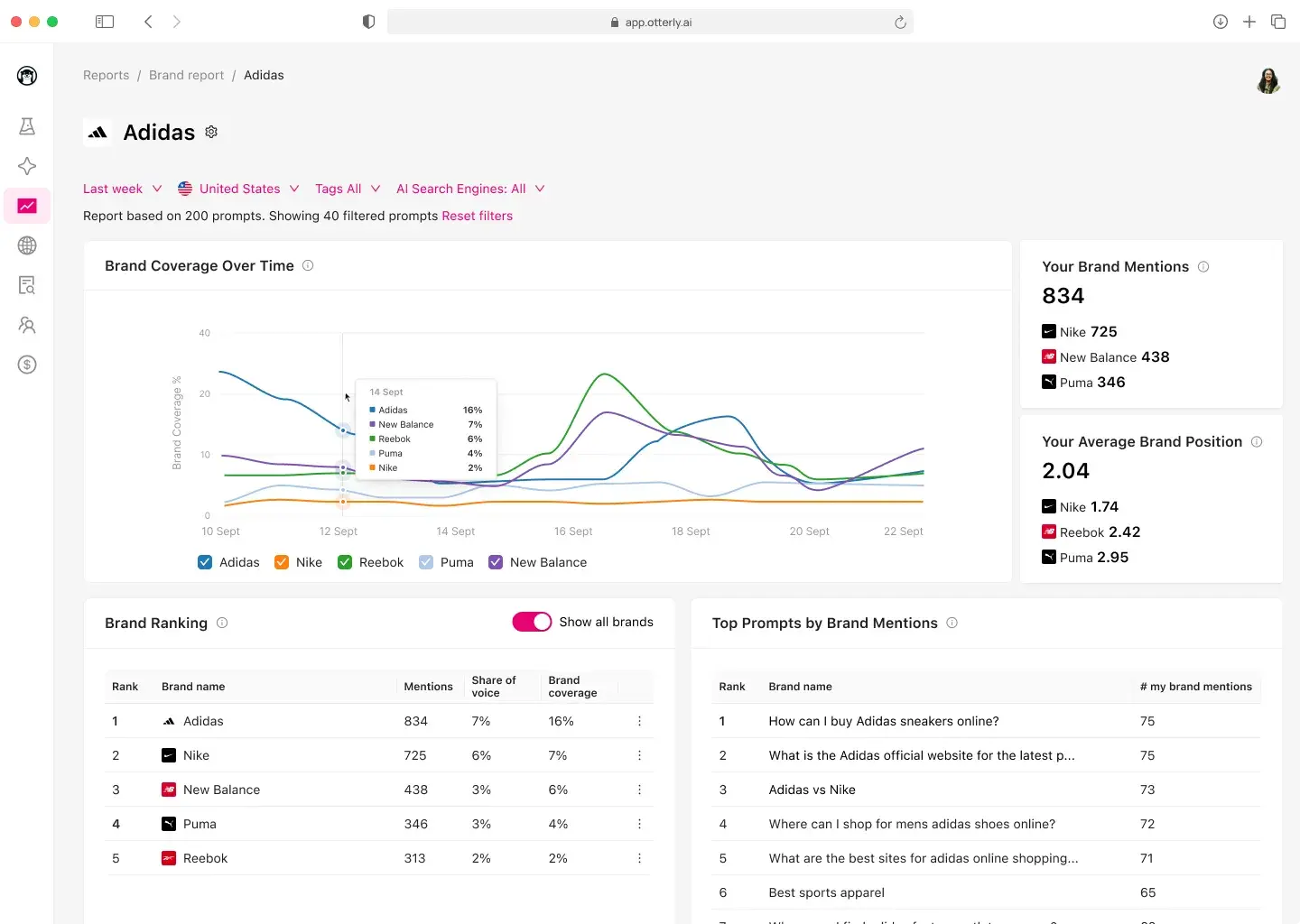
- Otterly.ai: A self-serve, prompt-level AI visibility tracker that monitors brand mentions and sentiment across ChatGPT, Google AI Overviews, Perplexity, and Microsoft Copilot, with integration for Looker Studio.
- Perplexity: Uniquely, Perplexity is the answer engine platform itself. Its “Publishers’ Program” offers participating publishers direct analytics dashboards showing per-article citation data and even revenue breakdowns, representing a first-party data source.
A Systematic Framework for Measuring AI Overview Impact
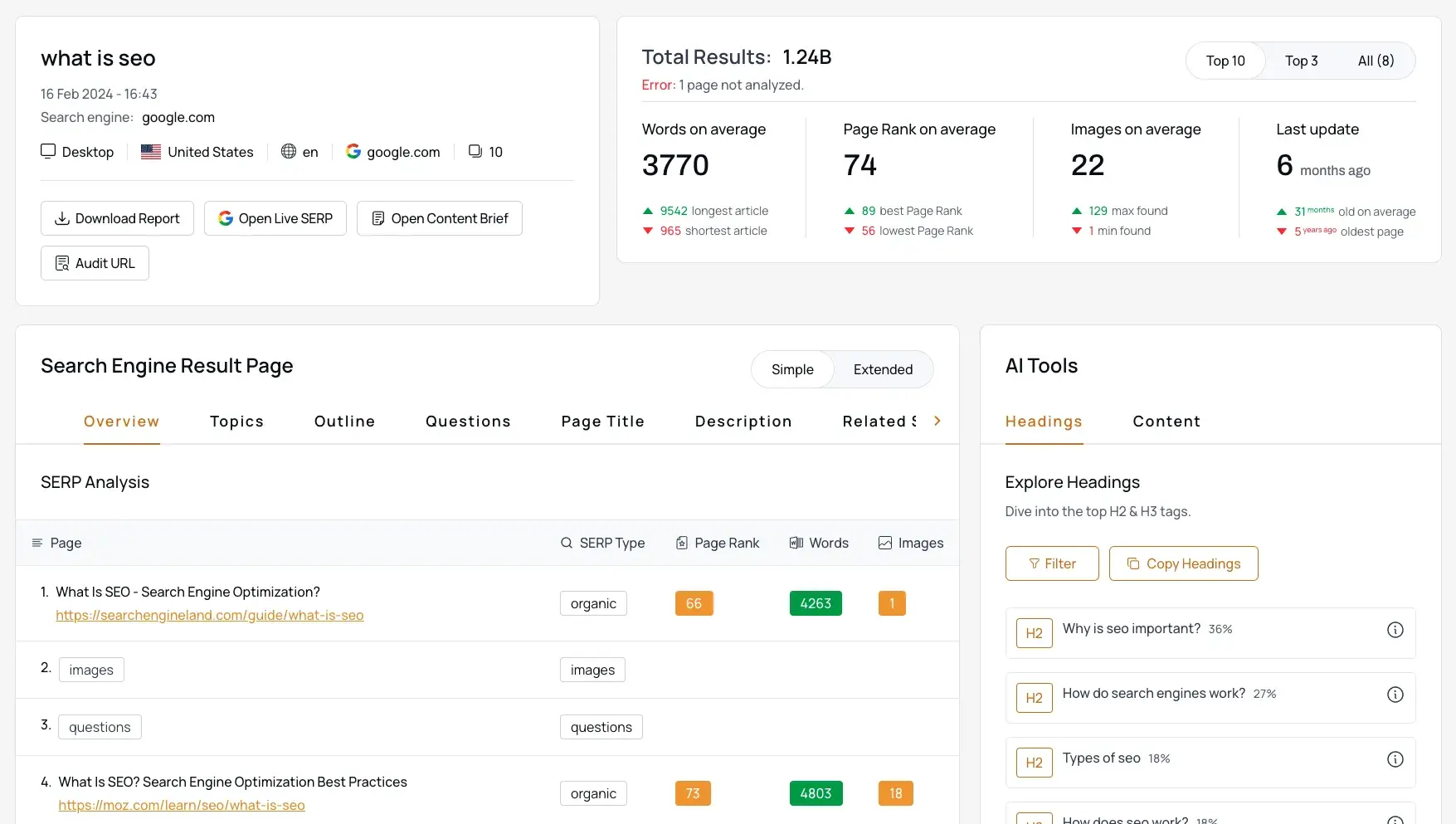
Having the right tools is only half the battle; integrating them into a repeatable workflow is crucial for translating AI visibility data into actionable decisions.
- Establish Keyword-to-Prompt Baseline: Identify which of your target keywords currently trigger AI Overviews using tools like Semrush or thruuu. Prioritize keywords linked to high-intent, revenue-driving pages.
- Track Citation Presence at the Prompt Level: For each identified keyword, determine if your brand or domain is cited. The key metric here is the citation rate – the percentage of tracked prompts where your brand appears. This is the AI equivalent of organic click-through rate.
- Segment by Query Intent and Funnel Stage: Not all citations hold equal business value. Segment tracked prompts by funnel stage (awareness, consideration, decision) and prioritize optimization for those closest to purchase intent. HubSpot’s data shows that LLM-referred visitors convert at 4.4x the rate of organic search visitors, underscoring the value of high-intent AI citations.
- Connect AI Visibility to Traffic and Conversion Data: While GSC may not fully isolate AI traffic, triangulate data by comparing GSC trends with AI monitoring tool data and Google Analytics engagement metrics. Increases in citation rate for specific pages should correlate with improved traffic quality or conversion rates.
- Report on AI Share of Voice: For leadership, the most impactful metric is AI Share of Voice – your brand’s percentage of total mentions across all tracked prompts, benchmarked against competitors. This frames AI visibility as a critical market-position metric, justifying ongoing investment.
Industry Dialogue and Google’s Evolving Stance on Opt-Out
As of mid-2026, the question of opting out of AI Overviews remains complex. There is no clean, direct method to specifically opt out of AI Overviews while retaining traditional organic search visibility. Google’s existing tools operate at a broader level: the nosnippet tag prevents any snippet display, and max-snippet limits snippet length, but neither specifically targets AI Overviews.
However, Google announced in March 2026 that it is “developing further updates to controls to let sites specifically opt out of generative AI features in Search,” including AI Overviews and AI Mode. While a timeline and technical specifications are pending, this indicates Google’s acknowledgment of publisher concerns. For most SEO professionals and content strategists, the pragmatic approach remains proactive optimization: rather than waiting for an opt-out, focus on ensuring that when content does appear in AI-generated answers, it drives meaningful brand visibility and referral traffic.
Beyond AI Overviews: The Rise of Answer Engine Optimization (AEO)
Google AI Overviews are not an isolated feature; they are a prominent signal of a broader, fundamental shift in how information is accessed and consumed online: the rise of answer engines. Platforms like ChatGPT, Perplexity, and Gemini are reshaping buyer journeys, and the same structural clarity, answer-first formatting, and robust technical foundations that earn citations in Google AI Overviews are precisely what makes content extractable and citable across all these answer engines.
Answer Engine Optimization (AEO) is the holistic discipline that addresses this broader landscape. It involves tracking how AI systems characterize your brand, identifying where competitors are gaining visibility you’re not, and translating these insights into actionable content strategies. AEO moves beyond traditional rank tracking and CTR, focusing instead on citation rate and AI Share of Voice as key performance indicators. It’s about ensuring your brand is not just found, but featured as an authoritative source in the AI-generated answers that increasingly dominate the search experience. For any organization aiming to thrive in the evolving digital ecosystem, embracing AEO is not merely an option, but a strategic imperative.