rifanmuazin
The landscape of digital communication is constantly evolving, and at its core, email remains an indispensable tool for brands and marketers. Far from being a mere utility, designing an effective email is increasingly recognized as a nuanced art form, blending aesthetic appeal with technical precision. The recent Email Camp event, held on December 2, 2025, served as a crucial platform for industry leaders to dissect the intricacies of modern email design, providing both foundational best practices and a glimpse into the cutting-edge trends poised to dominate 2026. This comprehensive session, featuring insights from Mike Nelson of Really Good Emails and François Sahli, Digital Design Director at Sinch, underscored that mastering email design is accessible to all marketers equipped with the right knowledge, tools, and resources.
The Email Camp event, a highly anticipated gathering for digital marketing professionals, convened to address the paramount importance of email design in fostering engagement, solving reader problems, and ensuring universal accessibility across diverse devices. Attendees were treated to an in-depth exploration of how strategic design choices directly influence campaign performance, from open rates to conversion metrics. Mike Nelson, a renowned authority from Really Good Emails, captivated the audience with his foresight into emerging design trends, offering actionable strategies to enhance audience connection. Complementing this, François Sahli, Sinch’s esteemed Digital Design Director, laid out essential best practices, ensuring that marketers, regardless of their experience level, could optimize their email campaigns for maximum impact. For those unable to attend the live presentation, a dedicated session recording is available, encapsulating the wealth of knowledge shared.

Foundational Pillars of Effective Email Design
Building a successful email campaign begins with adhering to fundamental design principles. François Sahli emphasized that these practices are universal, applicable to both novices and seasoned professionals. His advice forms the bedrock upon which all engaging and effective email campaigns are built.
Responsive Formatting: Adapting to the Multi-Device Landscape
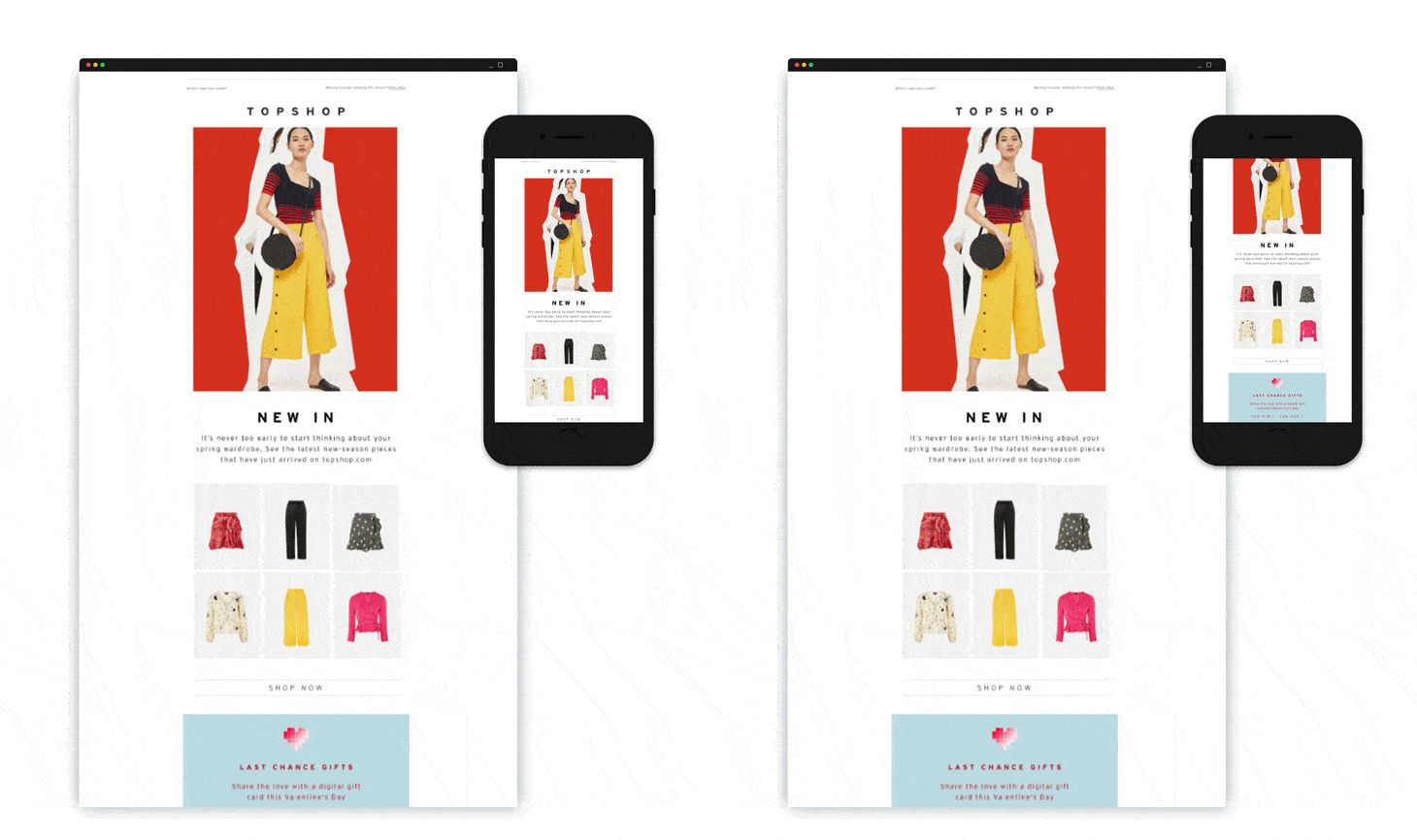
In an era dominated by mobile devices, responsive design is not merely a feature but a necessity. Sahli highlighted that emails are typically 600 pixels wide on desktops but shrink to 320 pixels on mobile phones. Adhering to these standard widths is crucial; deviating can force users into inconvenient horizontal scrolling, a common reason for immediate email deletion. Statistics show that over 80% of email recipients will delete an email that does not display correctly on their mobile device, underscoring the critical nature of this dimension.
Beyond layout, image optimization plays a pivotal role. Large, uncompressed images can significantly increase email load times, leading to user frustration and impacting deliverability by flagging messages as potentially spammy. Tools such as Compress JPEG are invaluable for reducing image file sizes while preserving visual quality. This optimization directly contributes to faster loading times, a smoother user experience, and improved inbox placement, as internet service providers (ISPs) often penalize oversized emails.
Strategic Image Integration for Impact and Deliverability

The delicate balance between text and images is a key determinant of an email’s fate. ISPs scrutinize the text-to-image ratio when assessing an email’s legitimacy. A recommended ratio of approximately 70% text to 30% images helps avoid spam filters, ensuring messages reach the intended inbox. Over-reliance on images can lead to emails being blocked or filtered, diminishing campaign reach.
Furthermore, email clients frequently block images by default for security and privacy reasons. To mitigate this, Sahli advises two critical practices:
- Alt-text: Incorporating descriptive alt-text ensures that if an image fails to load, a textual description is displayed, maintaining content context and accessibility for visually impaired users.
- Background Color: Adding a background color behind images guarantees that text remains legible even if the background image itself doesn’t load, preserving the email’s readability and design integrity.
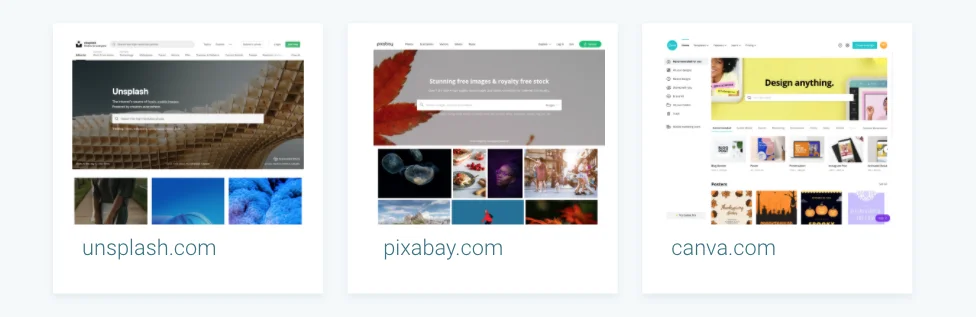
For marketers seeking high-quality visual assets, platforms like Unsplash and Pixabay offer extensive libraries of free stock photos. For those requiring simple, free design assistance, Canva provides an intuitive platform for creating engaging visuals.
Crafting Compelling Calls-to-Action (CTAs): Driving Conversion
Calls-to-action are the direct prompts guiding readers towards desired outcomes, whether it’s registering for a webinar or making a purchase. François Sahli’s recommendations for optimizing CTAs are rooted in maximizing conversion rates:
- Limit CTAs: Especially “above the fold” – the portion of the email visible without scrolling. Too many CTAs can overwhelm users and dilute their focus.
- Visual Prominence: Employ contrasting colors and distinctive designs to make CTA buttons stand out from the surrounding content, drawing the reader’s eye.
- Size and Spacing: On mobile devices, clickable elements should be at least 40 to 48 pixels wide. Adequate spacing between buttons and icons is essential to prevent accidental clicks, enhancing the user experience.
Typography: Balancing Aesthetics with Universal Readability
The choice of typography profoundly impacts an email’s readability and brand identity. Sahli differentiated between two primary font categories:
- Web Safe Fonts: These include common fonts like Arial, Times New Roman, Verdana, and Georgia, which are pre-installed on most operating systems and universally supported by email clients.
- Web Fonts: Fonts such as Open Sans and Roboto offer greater design flexibility but present compatibility challenges. As François Sahli noted, “While web fonts offer many design opportunities, specialists must be careful because, unfortunately, not all email clients support them.”
To circumvent compatibility issues, marketers must implement fallback fonts. This involves specifying a list of alternative web-safe fonts. If a recipient’s email client cannot render the primary web font, it defaults to the next available font on the list, ensuring a consistent and readable display that closely approximates the original design intent.
Navigating Email Client Compatibility with Code
The fragmented nature of email client support for HTML and CSS features is a persistent challenge for designers. Elements common in web development, such as web fonts, background images, and drop shadows, may render inconsistently or fail entirely across different email clients (e.g., Gmail’s occasional issues with web fonts, Outlook’s background image inconsistencies, and general webmail provider difficulties with drop shadows).
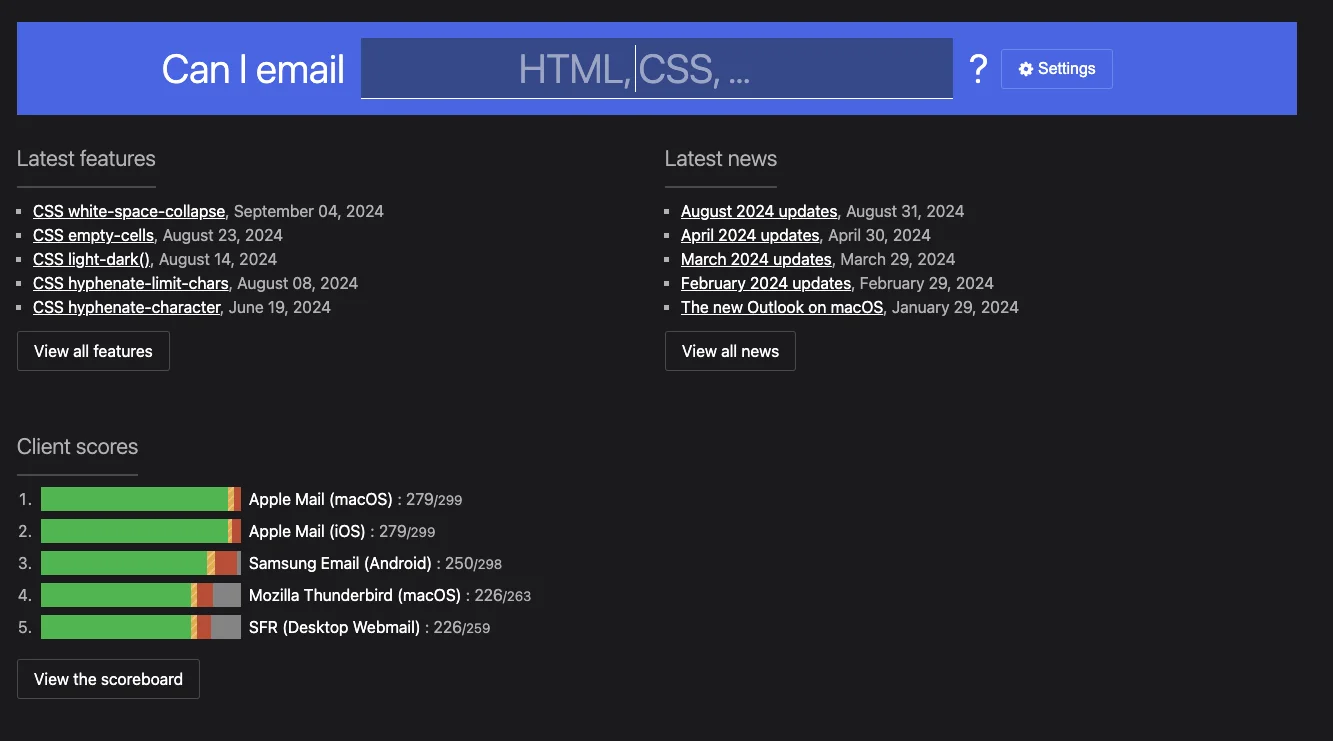
To address this, designers must proactively verify feature support. “Can I Email” stands out as an invaluable resource, providing a comprehensive database detailing partial or total support for various HTML and CSS features across a wide array of email clients. Utilizing such tools allows designers to make informed decisions, ensuring their creative vision translates accurately across all recipient environments.
The Imperative of Responsive Design
Responsive design, the technique that automatically adapts email layouts to fit any screen size or email client, is no longer optional. With the majority of users accessing emails on mobile devices, a non-responsive email is a significant deterrent. As highlighted, 80% of email recipients report deleting emails that fail to display correctly on mobile. Implementing responsive design principles—such as fluid grids, flexible images, and media queries—is crucial for maintaining user engagement and brand credibility. Sinch Mailjet’s Email Editor, for instance, offers responsive design by default and includes a preview feature that allows marketers to see how their emails will render across various devices, operating systems, and countries, eliminating guesswork and ensuring optimal presentation.
Leveraging Templates and Components for Efficiency and Consistency
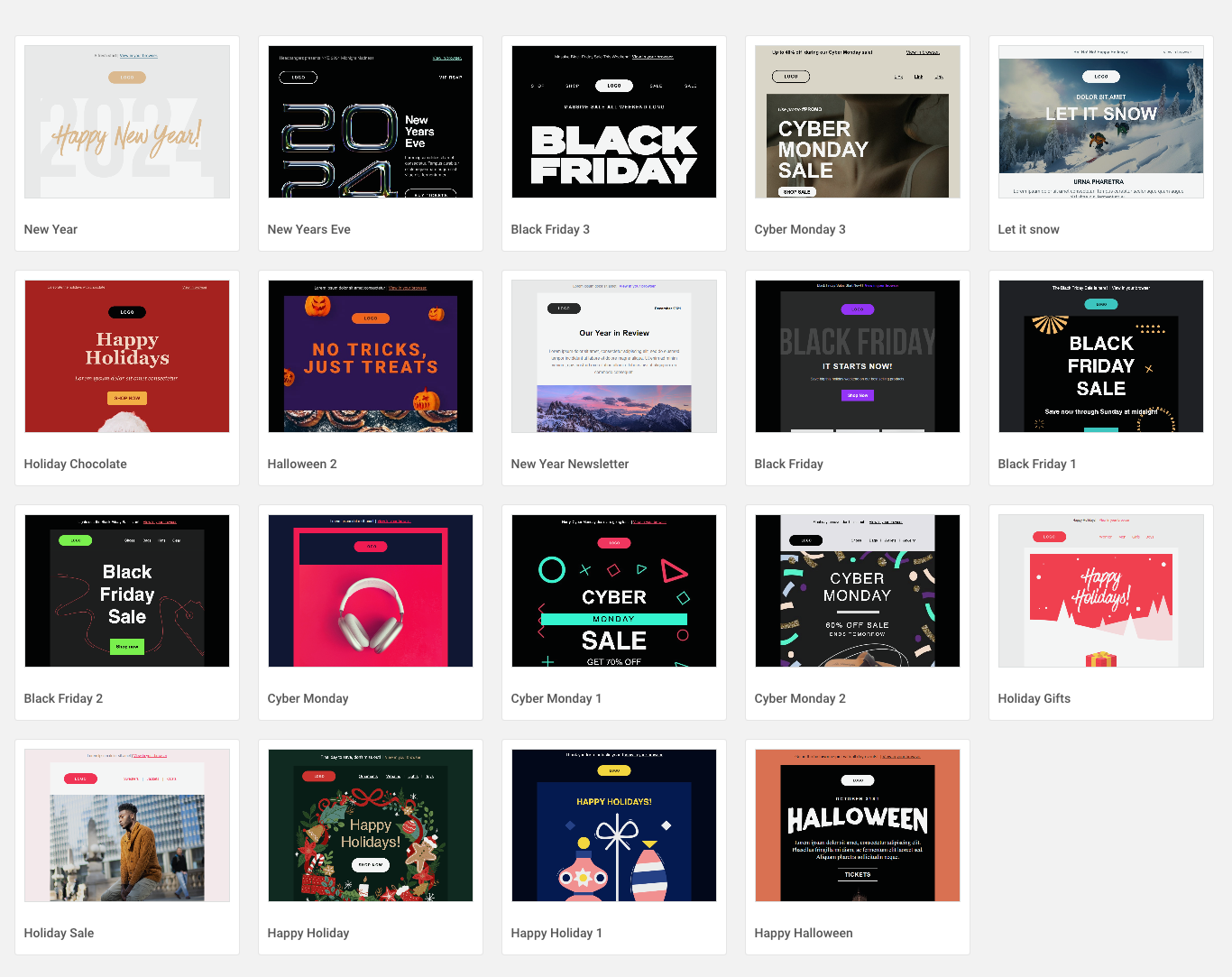
Drawing inspiration from web page design, creating a library of reusable email components and templates offers substantial benefits. A well-curated component library ensures brand consistency across all campaigns, streamlines the design process, and facilitates rigorous testing. By testing the entire library, marketers can guarantee that any email built from these components will display correctly. This approach also accelerates the development of new emails and enhances the efficiency of A/B testing, allowing for quicker iteration and optimization. For design inspiration, platforms like Really Good Emails and Email Love showcase a vast collection of well-designed emails, serving as an endless source of creative ideas. Sinch Mailjet further supports this with its extensive gallery of pre-designed newsletter templates, including specialized holiday themes, designed to save marketers time and effort.
Cutting-Edge Email Design Trends for 2026

As the digital landscape evolves, so do the aesthetic and strategic approaches to email design. Mike Nelson’s presentation at Email Camp unveiled several “cutting-edge” trends that are expected to drive engagement and define the visual language of email marketing in 2026.
“Go Big, Or Go Home”: Brand-Centric Visual Dominance
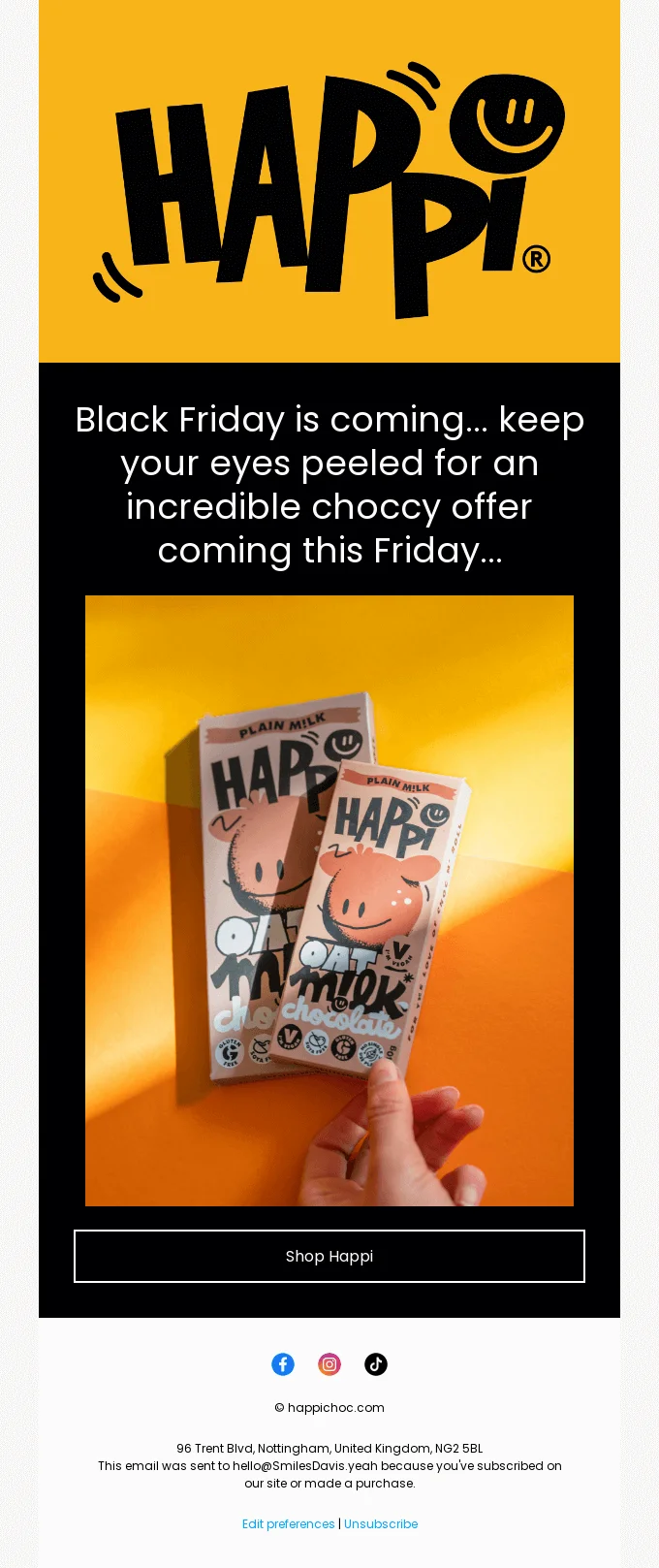
A prominent trend identified by Really Good Emails is brands’ concerted effort to differentiate themselves through bold, brand-focused visuals. This strategy involves emphasizing large, striking texts, headlines, and images, often prioritizing the brand’s unique aesthetic over merely showcasing products or logos. Examples like Happi, which uses expansive header images to command attention, and The Label Edition, which employs prominent titles to draw recipients in, illustrate this shift. The underlying rationale is clear: in an increasingly saturated market, brands are opting for unconventional, “quirky” designs to capture attention and foster deeper engagement, betting that a distinct visual identity will resonate more profoundly than traditional layouts.
“Hard Tables”: Structured Clarity for Complex Content
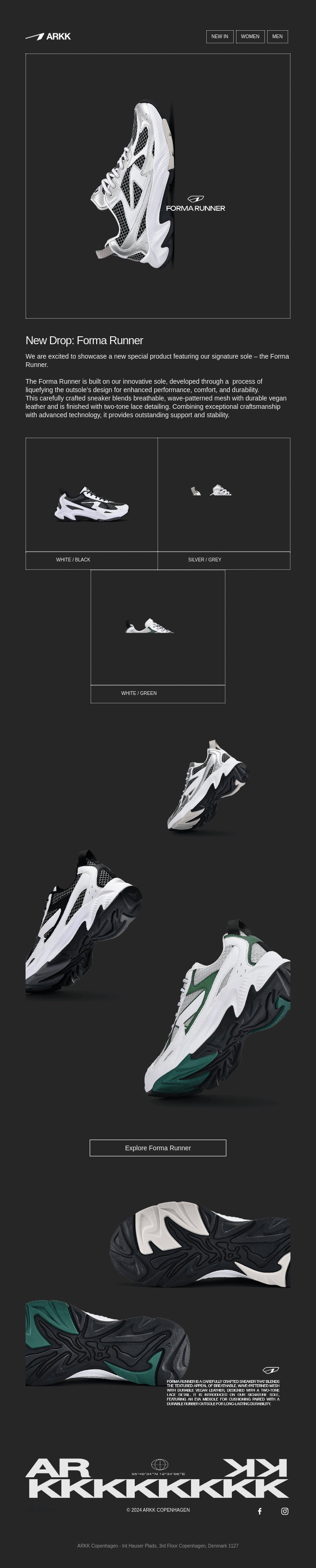
This trend refers to the use of clearly defined, often black-outlined, content blocks within an email. Far from being a throwback to basic HTML tables, “hard tables” provide a visual structure that enhances readability, particularly for newsletters with multiple sections or extensive content. This approach lends an organized and polished appearance, making it easier for readers to navigate and digest information. The adaptability of this trend is notable; while black outlines are common, white outlines are effectively used for emails designed in dark mode, as demonstrated by Arkk. XXXI’s traditional application of hard tables on a white background further showcases its versatility. The primary benefit is improved content organization and visual hierarchy, which translates into a more user-friendly experience.
“Celeb Cameos”: Re-embracing Influencer Marketing in Email

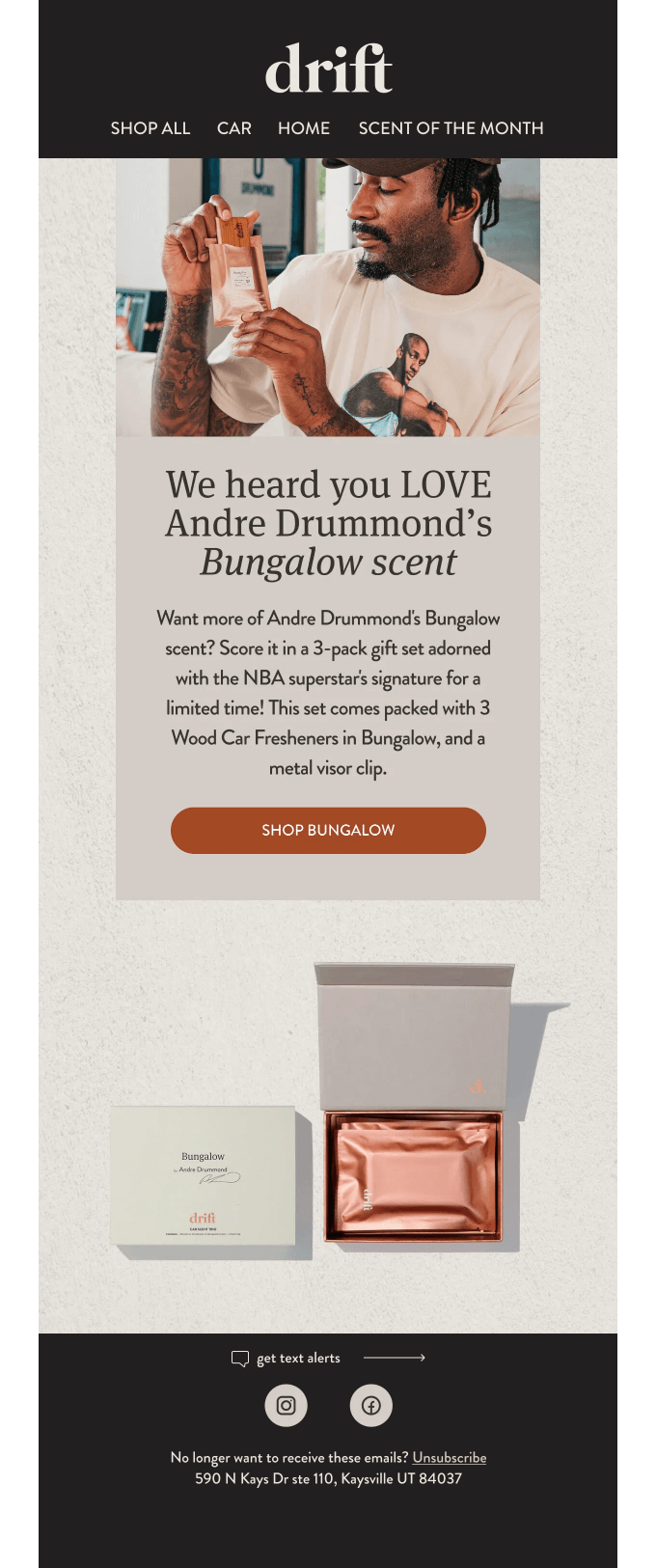
The integration of celebrity endorsements into email campaigns is experiencing a significant resurgence. While celebrity marketing dates back to figures like Lily Langtree endorsing Pears Soap in 1882, its application in email design is gaining renewed traction. Brands like Drift, featuring Andre Drummond in their campaigns, leverage the star power of public figures to enhance credibility and brand reputation. The effectiveness of this trend hinges on selecting celebrities who resonate with the target audience. When a popular figure endorses a product and potentially shares the campaign on their social media, it can generate viral reach, extending the brand’s message far beyond its conventional subscriber base.
“Picture Wall”: Visual Storytelling Through Abundance
This trend addresses the dilemma of selecting a few images from a wealth of high-quality visual assets by embracing them all. A “picture wall” design incorporates numerous images, creating a rich visual narrative. Lululemon’s and Le Rose’s email campaigns exemplify this, showcasing products from various angles and contexts. This approach is particularly effective for apparel or lifestyle brands, allowing them to display products on diverse body types, in different settings, and from multiple perspectives. This comprehensive visual presentation helps potential customers better visualize themselves using the product, fostering a stronger connection and encouraging purchase decisions.
“Raw and Unfiltered”: The Authenticity Movement in Digital Design
In an era increasingly shaped by artificial intelligence and hyper-curated digital content, a counter-culture movement towards authenticity is emerging. The “raw and unfiltered” trend involves incorporating unedited images and video footage into email campaigns, reminiscent of classic “no-nonsense” advertising. Patagonia, for instance, opens its newsletters with unedited photos of everyday scenes, like a dog in a camper van, while GiftShop collaborates with Parisian restaurants to market apparel using raw kitchen imagery. This trend seeks to establish genuine human connection and trust by presenting an unvarnished reality, offering a refreshing contrast to the often-polished and artificial aesthetic prevalent in digital marketing.
Beyond Aesthetics: Environmental Responsibility and Digital Accessibility

Looking ahead to 2026, email design is transcending purely aesthetic and engagement goals to embrace broader ethical and environmental considerations. Jonathan Loriaux, CEO and founder of the email marketing agency Badsender, underscored the dual focus on “data storage and display” as key areas for positive influence in email ecology.
Email Ecology: Reducing the Digital Carbon Footprint
The environmental impact of digital communication, often overlooked, is gaining critical importance. Several simple practices can significantly reduce an email’s carbon footprint:

- Image Optimization: Reducing file sizes of images directly decreases the data transmitted and stored.
- Clean Code: Efficient, streamlined HTML and CSS code minimizes file size and processing power.
- Efficient Servers: Utilizing email service providers with energy-efficient data centers contributes to a lower carbon footprint.
- Targeted Sending: Segmenting email lists and sending relevant content only to interested recipients reduces unnecessary data transfers and storage.
- Minimalist Design: Simplifying layouts and reducing superfluous elements can also contribute to lighter emails.
Designing for All: Ensuring Digital Accessibility
With over 1.3 billion people living with some form of visual impairment globally, designing for accessibility is not just good practice, but a moral imperative. The rise of voice assistants further emphasizes the need for well-structured, accessible emails. Key practices include:
- Semantic HTML: Using appropriate HTML tags (e.g.,
<p>,<h1>,<a>) helps screen readers interpret content logically. - Alt-Text for Images: As previously mentioned, descriptive alt-text is vital for visually impaired users.
- High Contrast Ratios: Ensuring sufficient contrast between text and background colors improves readability for those with low vision.
- Logical Heading Structure: Organizing content with hierarchical headings (H1, H2, H3) aids navigation and comprehension.
- Clear Link Text: Avoid generic “click here” and use descriptive link text that indicates the destination.
- Keyboard Navigation: Designing elements that can be navigated and activated using only a keyboard is crucial for users who cannot use a mouse.
Empowering Marketers: Sinch Mailjet’s Role in Modern Email Design

Amidst these evolving trends and best practices, tools like Sinch Mailjet’s email marketing solution empower marketers to navigate the complexities of modern email design with ease. Its intuitive drag-and-drop builder allows for the creation of 100% responsive email campaigns that display flawlessly across all screens. The platform’s integrated preview features provide immediate feedback on how designs render in various inboxes, eliminating the need for extensive manual testing. Furthermore, Mailjet’s extensive email template gallery streamlines campaign creation, freeing marketers to focus on optimizing performance through advanced features such as email segmentation, personalization, and A/B testing. By providing robust tools that align with both foundational best practices and emerging design trends, Sinch Mailjet positions itself as a critical partner for brands aiming to achieve impactful and accessible email communication.
In conclusion, the art and science of email design are continually refined by technological advancements and shifting user expectations. The insights from the Email Camp event, spearheaded by experts like Mike Nelson and François Sahli, provide a clear roadmap for marketers heading into 2026. By embracing foundational best practices in formatting, imagery, CTAs, typography, and responsive design, while simultaneously integrating cutting-edge trends like brand-centric visuals, structured layouts, influencer marketing, visual abundance, and authentic content, brands can significantly elevate their engagement. Moreover, the growing emphasis on environmental responsibility and digital accessibility underscores a broader commitment to ethical and inclusive digital communication. The synergy of these elements ensures that email remains a powerful, relevant, and responsible channel for connecting with audiences in the years to come.