rifanmuazin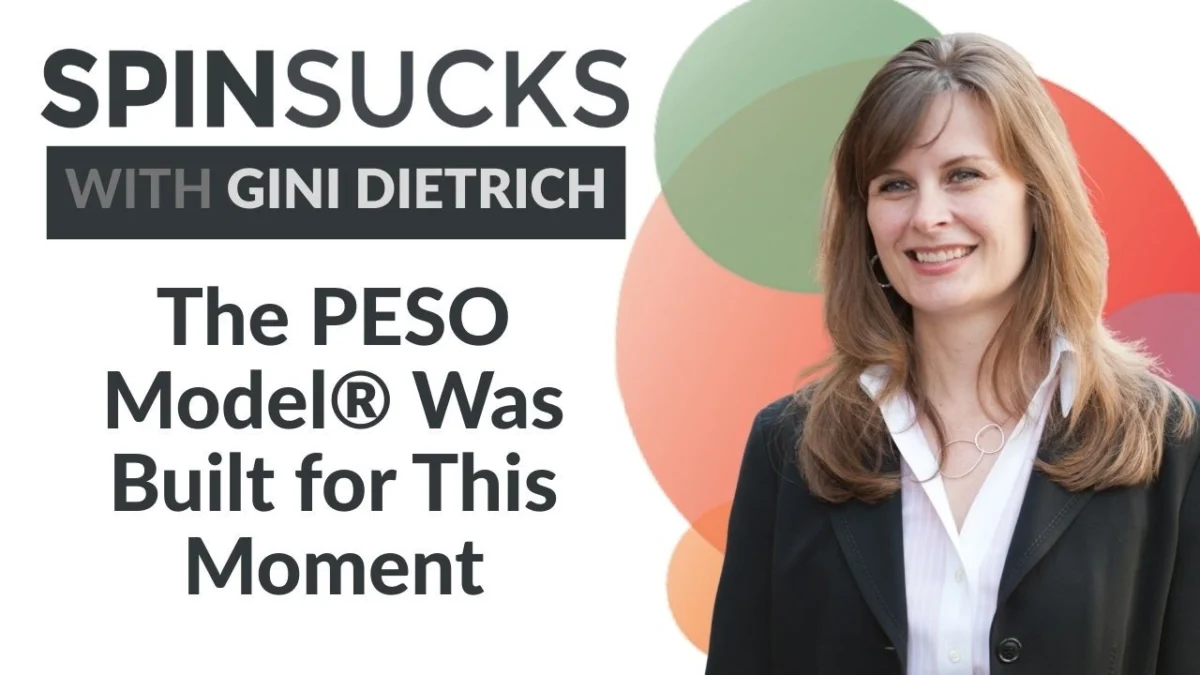
The landscape of modern strategic communications is undergoing a fundamental shift as the PESO Model—an industry-standard framework encompassing Paid, Earned, Shared, and Owned media—evolves from a tactical checklist into a comprehensive organizational operating system. While critics have suggested that the rapid rise of generative artificial intelligence and the proliferation of zero-click search environments might render traditional marketing frameworks obsolete, industry data and communication experts suggest the opposite is true. The integration of AI into the discovery process has not diminished the relevance of the PESO Model; rather, it has exposed the structural vulnerabilities of disconnected marketing efforts and necessitated a more synchronized approach to brand authority.
The Shift from Tactical Execution to Systemic Integration
For over a decade, the PESO Model, originally championed by Gini Dietrich and Spin Sucks, has served as the blueprint for integrating different media types to build brand equity. However, the 2026 iteration of the model represents a departure from the “kindergarten version” of the framework, which many practitioners utilized as a simple list of tasks: writing a blog post (Owned), pitching a reporter (Earned), posting to social media (Shared), and boosting a post (Paid).
In the current media environment, characterized by fragmented trust signals and AI-driven information retrieval, this siloed approach is increasingly ineffective. Modern practitioners now view the PESO Model as an interconnected system where each element serves a specific strategic function designed to feed into the others. Owned media establishes the “source of truth,” Earned media provides the necessary third-party “corroboration,” Shared media facilitates the “movement of signals” across networks, and Paid media acts as an “accelerator” for proven concepts. When these elements are integrated, they create a compounding effect that enhances a brand’s visibility to both human audiences and machine-learning algorithms.
A Chronology of the PESO Model’s Evolution
The journey of the PESO Model reflects the broader shifts in the digital economy over the past twelve years. Understanding its development provides essential context for its current application in an AI-centric world.
- 2014: The Inception: The PESO Model was officially introduced in Gini Dietrich’s book, Marketing in the Round. It provided the first clear visual and conceptual framework to help PR professionals move beyond simple media relations and embrace the digital transformation of the industry.
- 2017–2019: Digital Maturity: As social media algorithms became more restrictive, the “Shared” component of the model shifted from organic reach to community building, while “Owned” media became the cornerstone of SEO strategies.
- 2020–2022: The Trust Crisis: Amidst global upheaval, the “Earned” and “Owned” components gained renewed importance as consumers sought out verified information. The model began to be taught in university communications programs as a standard for ethical and effective messaging.
- 2023–2025: The AI Disruption: The launch of Large Language Models (LLMs) changed how information is discovered. Search engines transitioned into “answer engines,” leading to the rise of zero-click discovery.
- 2026: The Operating System Era: The PESO Model Certification was rebuilt to address the specific challenges of AI summaries, creator commentary, and the need for cross-channel corroboration. The model is now recognized not as a marketing plan, but as a business operating system.
Supporting Data: Why the “Old Way” of Marketing is Failing
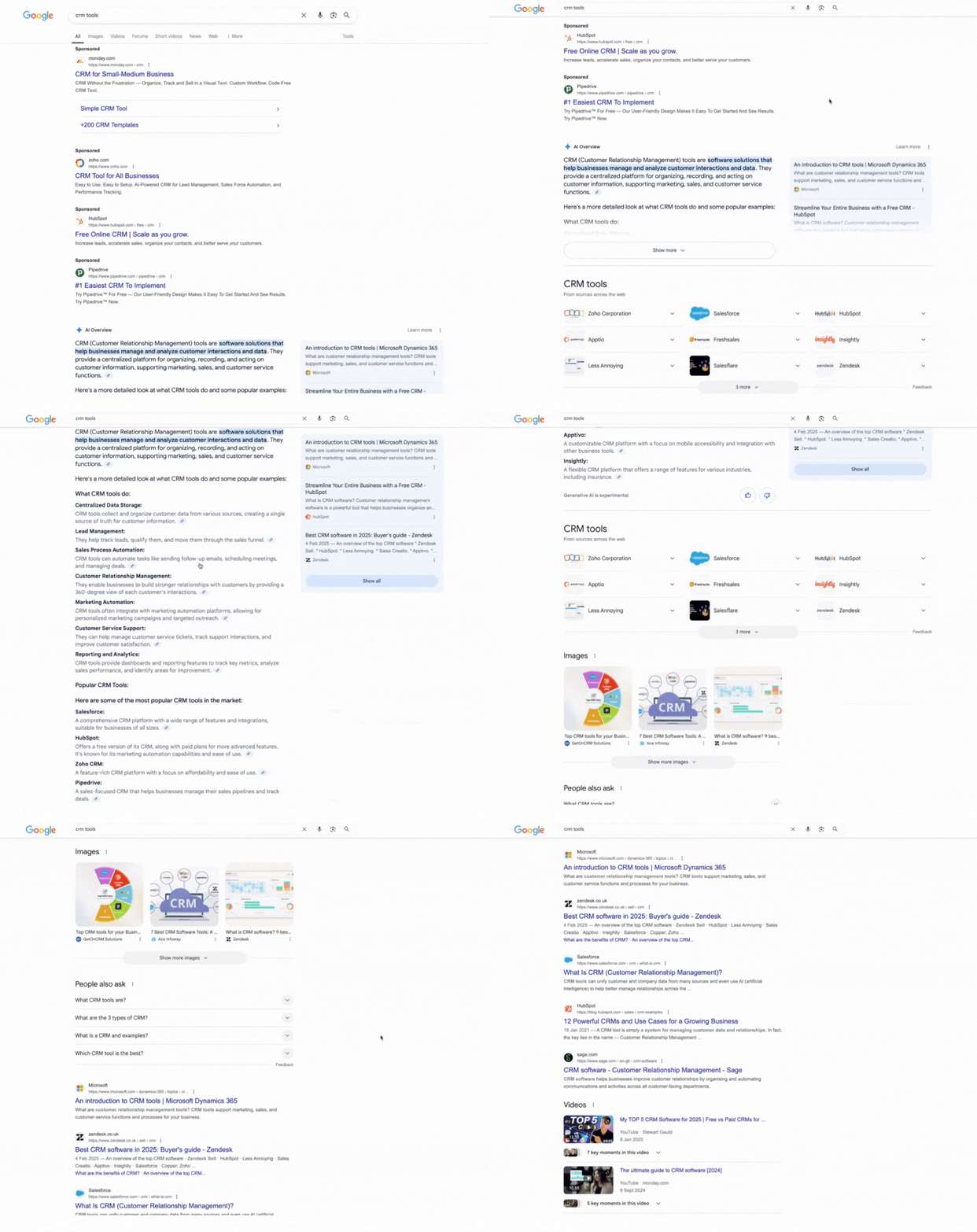
The necessity of an integrated system is backed by significant shifts in consumer behavior and search engine mechanics. According to data from SparkToro and Similarweb, approximately 58.5% of Google searches now end without a single click to a website. This “zero-click” reality means that if a brand’s information is not present within the AI-generated summary or the “People Also Ask” snippets, the brand effectively does not exist for that user.
Furthermore, the 2024 Edelman Trust Barometer highlights a growing “trust gap,” where consumers are increasingly skeptical of corporate advertising but place high value on peer reviews and third-party expert validation. This data underscores the importance of the “Earned” and “Shared” components of the PESO Model. Without the third-party corroboration provided by Earned media, a brand’s Owned content is often viewed as self-serving and lacks the credibility required to influence AI training sets or high-intent buyers.
The Role of AI: A Flashlight on Structural Flaws
Contrary to the belief that AI is a threat to strategic communications, industry analysts suggest that AI serves as a “flashlight” that illuminates existing cracks in a company’s strategy. When an AI tool like ChatGPT or Google Gemini summarizes a category or a company, it draws from a vast array of digital signals. If a company has inconsistent messaging across its social channels (Shared), its website (Owned), and its media mentions (Earned), the AI’s output will be fragmented or, worse, inaccurate.
The “random acts of marketing” that many firms relied on for years—such as sporadic blog posts or disconnected social media campaigns—are easily ignored by AI systems. These systems prioritize repetition, consistency, and corroboration. A unified PESO strategy ensures that the “source of truth” on a company’s website is echoed by reputable news outlets and discussed by relevant communities, creating a “visibility engine” that AI tools can easily recognize and reward.
Deep Dive into the Four Pillars of the Modern PESO Model
To function as an operating system, each pillar of the PESO Model must be executed with an understanding of how it supports the other three.
Owned Media: The Strategic Foundation
Owned media is no longer just about “content for content’s sake.” It is the definitive source of truth for a brand’s expertise. In an AI world, this content must be structured to be easily digestible by both humans and machines. This includes the use of schema markup, clear hierarchies, and authoritative white papers that serve as the primary data source for all other communications efforts.
Earned Media: The Corroboration Layer
Earned media remains the most powerful tool for building trust. When a reputable third-party publication validates a brand’s claims, it provides a signal of authority that cannot be purchased. For AI systems, these backlinks and mentions from high-authority domains serve as essential “proof points” that verify the accuracy of the brand’s Owned content.
Shared Media: The Distribution and Community Signal
Shared media has evolved beyond simple broadcasting. It is now about moving the signal through networks, influencers, and creator commentary. In the modern PESO Model, Shared media is used to foster engagement and generate the “social proof” that modern consumers demand before making a purchase decision. It is also a critical source of “unstructured data” that AI models use to gauge public sentiment.
Paid Media: The Strategic Accelerator
In the integrated model, Paid media is not used to “fix” a failing campaign. Instead, it is used to amplify what is already working. By putting budget behind content that has already shown traction in the Earned or Shared categories, companies can ensure a higher return on investment and accelerate the movement of their most effective messages through the funnel.
Professional Implications and the Value of Certification
As the complexity of the media landscape increases, the gap between those who “know of” the PESO Model and those who can “run” the model is widening. This has led to the rise of the PESO Model Certification©, a professional standard designed to ensure that communicators can move beyond tactical execution.
Certified professionals are trained to view communications through the lens of business outcomes rather than platform metrics. Instead of reporting on “impressions” or “likes”—which are often viewed as “decorative PowerPoint filler”—certified practitioners focus on how the integrated system moves the needle on business goals, such as lead generation, reputation management, and market share. This shift toward high-level accountability is essential for communications teams looking to secure their seat at the executive table.
Broader Impact and Future Outlook
The transition of the PESO Model into a systemic operating system has broader implications for the future of the workforce. As AI continues to automate the “production” side of marketing—such as generating social media copy or drafting basic press releases—the value of the human professional shifts toward “strategy” and “system design.”
The winners in the next decade of digital commerce will not be the companies that produce the most content, but the companies that build the most robust systems. These systems must be capable of adapting to new platforms and evolving search behaviors without requiring a total overhaul of the brand’s strategy.
The PESO Model provides this stability. By focusing on the fundamental ways that visibility and trust are built—through truth, corroboration, movement, and acceleration—the model offers a timeless framework that remains effective regardless of whether the primary interface is a search engine, a social feed, or an AI-powered voice assistant.
In conclusion, the evolution of the PESO Model demonstrates that in a world of fragmented discovery and automated content, the need for a cohesive, integrated strategy has never been greater. The model has moved past its origins as a simple acronym to become the essential operating system for any organization looking to maintain authority and visibility in the age of artificial intelligence. The question for modern marketers is no longer whether the model is relevant, but whether they have the systemic capability to execute it effectively.