rifanmuazin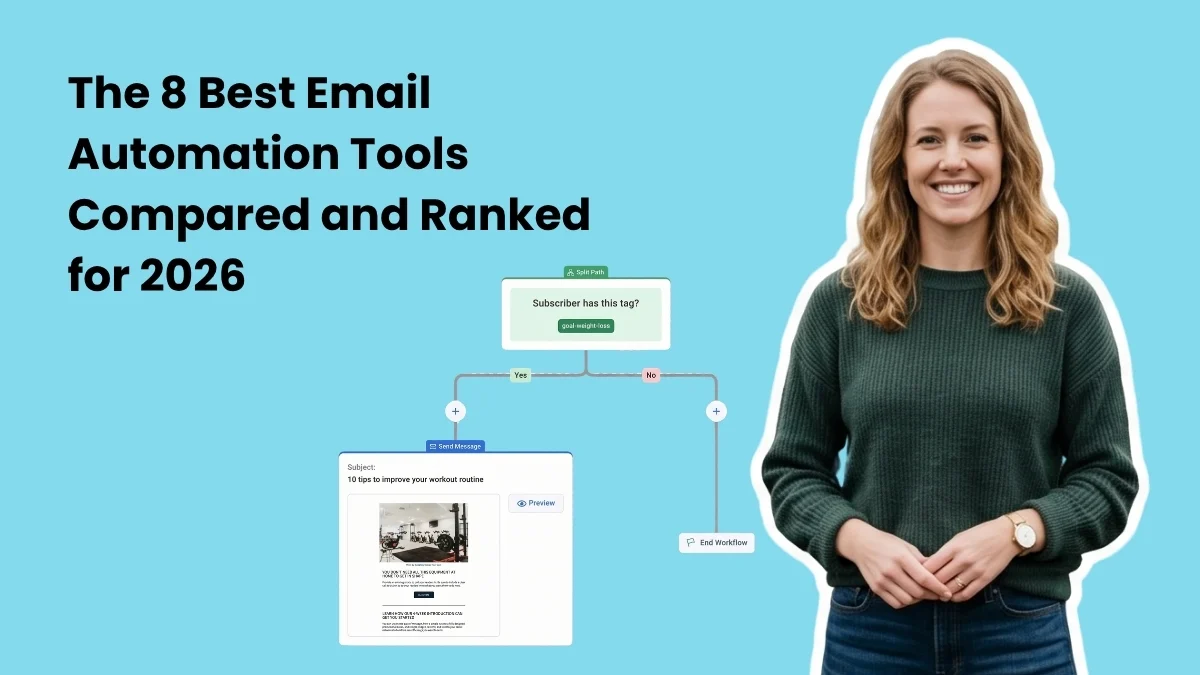
The landscape of digital marketing continues its rapid evolution, with email automation standing as a cornerstone for successful engagement and conversion. As of 2026, the strategic deployment of automated email sequences is no longer a luxury but a fundamental requirement for businesses aiming to connect effectively with their audiences. With a staggering 91% of marketers affirming the critical role of automation in their success, selecting the appropriate platform is paramount. This comprehensive analysis delves into the top-rated email automation services for the current year, providing an objective overview of their capabilities, target audiences, and pricing structures, thereby assisting businesses in making informed decisions without the exhaustive process of individual tool evaluation.
The Indispensable Role of Marketing Automation in 2026
Email marketing has transcended its origins as a simple broadcast channel to become a sophisticated ecosystem driven by automation. In 2026, the expectation from consumers for highly personalized and timely communication has never been higher. Automation platforms empower businesses to meet this demand by delivering tailored messages based on individual subscriber behavior, preferences, and lifecycle stages. This shift from mass mailing to individualized journeys not only enhances the customer experience but also significantly boosts marketing efficiency and return on investment.
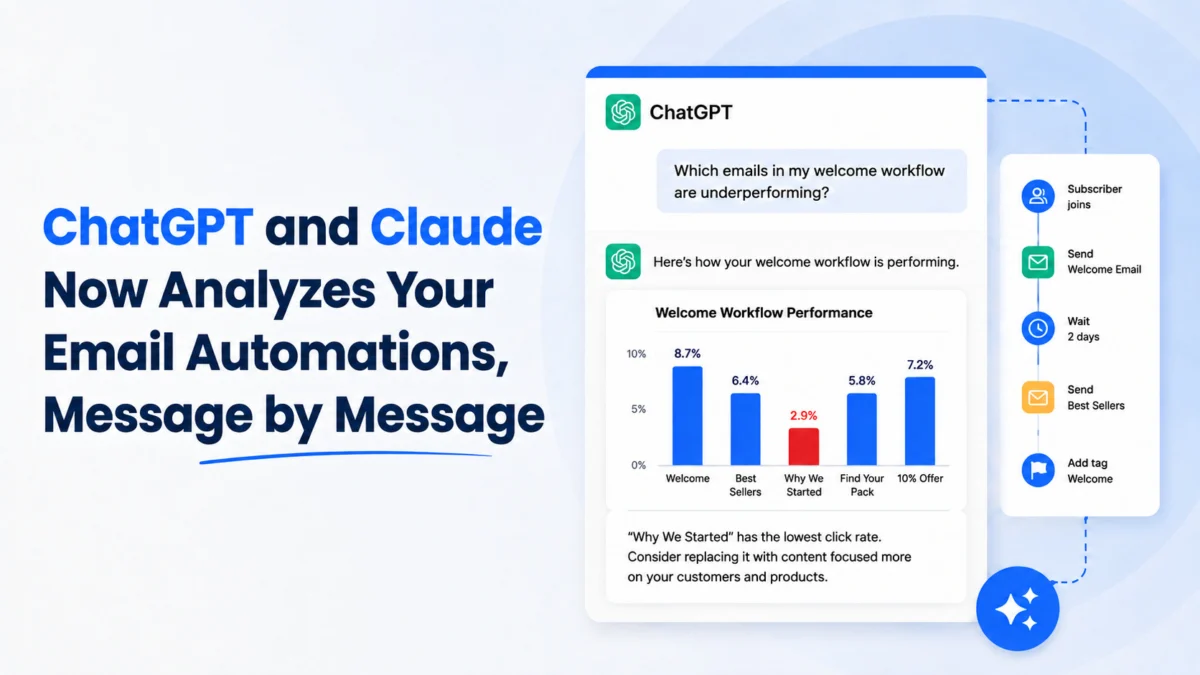
The growth trajectory of marketing automation software underscores its importance. Market research indicates a continuous upward trend, with global marketing automation market size projected to reach over $14 billion by 2026, driven by advancements in artificial intelligence (AI), machine learning (ML), and data analytics. Businesses that fail to adopt robust automation strategies risk falling behind competitors who are leveraging these tools to nurture leads, recover abandoned carts, upsell products, and maintain consistent brand communication across diverse customer segments. The ability to route subscribers down different paths based on actions such as clicks, opens, or specific tags, and to monitor the performance of each step within a unified builder, exemplifies the advanced capabilities now expected from leading platforms.
Key Criteria for Evaluating Email Automation Platforms in 2026
Before examining individual platforms, it is crucial to establish the benchmark criteria against which these services are assessed. The most effective email automation solutions share several core characteristics that directly influence their utility and impact on business objectives.
-
Essential Automation Features: A robust platform must offer intuitive trigger-based workflows, allowing for complex sequences to be built with ease. Behavioral segmentation is critical, enabling businesses to categorize subscribers based on their interactions, demographic data, and purchase history. Drag-and-drop builders, requiring no coding skills, are now standard, ensuring accessibility for marketers of all technical proficiencies. Features like A/B testing for email elements, conditional logic, and integration with CRM systems are also highly valued.
-
AI-Powered Options: The integration of artificial intelligence has revolutionized email marketing. Top platforms in 2026 leverage AI for optimized subject line generation, personalized email copy creation, predictive analytics for send-time optimization, and advanced segmentation based on predicted customer behavior. These AI capabilities not only save significant time but also enhance the effectiveness of campaigns by maximizing engagement and conversion rates.
-
Integration Capabilities: A truly effective email automation tool operates as part of a broader marketing technology stack. Seamless integration with customer relationship management (CRM) systems, e-commerce platforms (e.g., Shopify, WooCommerce), landing page builders, analytics tools, and social media platforms is essential. This interoperability ensures a unified data flow, preventing silos and enabling a comprehensive view of the customer journey across various touchpoints.
-
Scalability and Pricing Models: Businesses require platforms that can grow with them without imposing prohibitive costs. Pricing models vary, with some platforms charging per subscriber, others per email volume, and many offering tiered plans based on features. Understanding these models and their implications for future growth is vital for effective budget planning. Transparency in pricing and the availability of free or low-cost entry points are often key considerations for small and emerging businesses.
-
User Experience and Support: An intuitive user interface (UI) and user experience (UX) reduce the learning curve and improve productivity. Comprehensive customer support, including live chat, email, phone support, and extensive knowledge bases or tutorials, is also a critical factor. The availability of professional services, such as migration assistance or setup support, can be a significant differentiator, especially for businesses transitioning from older systems.
Top-Rated Email Automation Platforms for 2026: A Detailed Review
#1 – AWeber: The Apex for Small Business Automation
AWeber stands out as the premier email automation tool for small businesses in 2026, building on decades of experience in the email marketing space. Its Workflow builder offers unparalleled precision for managing the subscriber journey, enabling small enterprises to execute sophisticated strategies typically reserved for larger corporations. The platform’s tag-based routing system is a cornerstone, automatically directing subscribers through different sequences based on granular actions like clicks, opens, or specific behavioral triggers. This ensures that buyers, casual browsers, and disengaged contacts receive precisely the messages most relevant to them, significantly enhancing personalization.
AWeber’s commitment to user-friendliness is evident in its pre-built templates, designed around common business goals, allowing users to launch campaigns rapidly. A notable feature is the intelligent adjustment of wait times in automation sequences to align with each subscriber’s local time zone, maximizing open rates and engagement globally. Furthermore, AWeber’s integrated AI capabilities represent a significant time-saver, generating optimized subject lines and email copy that resonate with target audiences, freeing up valuable resources for small business owners.
Research conducted by AWeber indicates that small businesses consistently implementing automation are twice as likely to report effective email strategies compared to those without. This data underscores the tangible benefits of the platform’s offerings. A unique differentiator is AWeber’s professionally built email system, which includes ready-to-run automations tailored to specific business needs, delivered within 7 days with minimal client input (approximately 20 minutes). This service effectively removes the technical barrier to entry for small businesses, providing an almost immediate return on investment.
Pricing Breakdown: AWeber offers a compelling free plan for up to 500 subscribers, including core automation features. Paid plans, starting at $15 per month, scale based on subscriber count, providing unlimited automations, advanced analytics, and premium support, making it an accessible and scalable solution for growing businesses.
Statement: An AWeber spokesperson emphasized, “Our mission in 2026 is to empower every small business with enterprise-level automation capabilities, simplified. The combination of our intuitive builder, AI assistance, and unique professional setup service ensures that even the busiest entrepreneur can harness the full power of email automation to drive growth.”
#2 – ActiveCampaign: The Pinnacle of Advanced Automation
For businesses with complex marketing strategies and a need for sophisticated automation, ActiveCampaign remains the industry leader. Its platform delivers enterprise-level capabilities, excelling in intricate workflow design and detailed customer journey mapping. ActiveCampaign’s automation builder is adept at handling elaborate decision trees, allowing marketers to craft highly specific pathways based on a multitude of triggers, including subscriber behavior, demographic data, engagement history, and even external data points integrated via its robust API.
The platform’s deep CRM integration is a significant advantage, fostering seamless coordination between marketing and sales teams. This ensures that customer interactions are tracked holistically, enabling sales to follow up with precisely the right context and timing, thereby shortening sales cycles and improving conversion rates. Advanced features like machine learning-driven predictive sending, lead scoring, and site tracking allow for hyper-personalization and highly targeted campaigns that adapt in real-time to customer actions.
Pricing Breakdown: ActiveCampaign’s pricing begins at approximately $15 per month for basic features, but costs can escalate rapidly, potentially exceeding $500 monthly for larger subscriber lists or businesses requiring its full suite of advanced functionalities, reflecting its premium positioning and extensive capabilities.
#3 – GetResponse: Email Automation with Integrated Webinar Power
GetResponse distinguishes itself by seamlessly integrating email automation with powerful webinar functionality, making it an ideal choice for businesses that rely on educational content, online courses, and live events to nurture leads and convert prospects. The ability to manage an entire webinar funnel—from registration and reminders to post-event follow-ups and content distribution—within a single platform offers significant strategic advantages.
Webinar-focused features include customizable registration pages, automated email sequences for attendees and no-shows, and robust analytics for performance tracking. This synergy allows businesses to create cohesive, automated customer journeys where email communications are directly tied to event participation, maximizing engagement and ensuring consistent messaging. For coaches, educators, and B2B companies, GetResponse simplifies the process of engaging audiences through interactive content while automating the subsequent nurturing processes.
Pricing Breakdown: GetResponse offers a free tier for up to 500 contacts, with paid plans starting around $19 per month. Pricing scales with contact list size and feature requirements, providing a cost-effective solution for businesses leveraging webinars.
#4 – Kit (formerly ConvertKit): The Creator’s Automation Companion
Kit, previously known as ConvertKit, is purpose-built for content creators, bloggers, podcasters, and online educators. Its automation features are designed specifically to support audience building, community engagement, and monetization strategies. The platform’s unique strength lies in its tag-based system, which replaces traditional lists, offering far greater flexibility in subscriber management. This allows creators to segment their audience based on interests, product purchases, or content consumption, triggering highly specific automations.
Creator-specific features include intuitive landing page and form builders, e-commerce integrations, and a visual automation builder that simplifies the creation of complex sequences. Kit’s emphasis on clean design and ease of use ensures that creators can focus on producing content rather than grappling with technical complexities. The platform empowers creators to automate everything from welcome sequences and course enrollments to product launches and personalized content recommendations.
Pricing Breakdown: Kit provides a free plan for up to 1,000 subscribers, making it highly accessible for emerging creators. Paid plans start at $29 per month, offering advanced features as subscriber counts grow, providing a scalable solution for content entrepreneurs.
#5 – MailerLite: Elegant Design Meets Robust Automation
MailerLite strikes an impressive balance between user-friendliness and powerful automation capabilities, all at a competitive price point. Its emphasis on a clean, intuitive design makes it particularly appealing to businesses that value a streamlined user experience without compromising on functionality. Despite its minimalist appearance, MailerLite supports sophisticated automation workflows with multiple triggers, conditions, and actions, allowing for highly customized subscriber journeys.
The platform’s drag-and-drop email builder, combined with a comprehensive library of templates, enables rapid campaign creation. MailerLite also offers advanced features such as A/B testing, segmentation, and landing page builders. Its automation tools, in particular, stand out for their accessibility and depth, making complex sequences manageable even for beginners. For businesses seeking a visually appealing platform that delivers strong automation without breaking the bank, MailerLite is an excellent choice.
Pricing Breakdown: MailerLite offers a free plan for up to 1,000 subscribers, including essential automation features. Paid plans start at $10 per month, scaling based on subscriber count, providing an affordable yet powerful option for small to medium-sized businesses.
#6 – Brevo (formerly SendinBlue): Omnichannel Reach with SMS Integration
Brevo, previously known as SendinBlue, differentiates itself by combining email automation with integrated SMS marketing capabilities. This omnichannel approach is ideal for businesses that require the flexibility to reach customers through multiple communication channels from a single platform. The ability to create workflows that automatically send follow-up text messages when emails go unopened is a significant advantage, ensuring that critical messages are delivered through the customer’s preferred medium.
Brevo’s strength lies in its seamless integration of email and SMS, allowing for dynamic campaigns that adapt to subscriber engagement across both channels. It also offers CRM functionalities, live chat, and transactional email capabilities, providing a comprehensive communication suite. For businesses operating in sectors where immediate communication is crucial or where email deliverability might be a concern, Brevo offers a robust solution for maximizing reach and engagement.
Pricing Breakdown: Brevo provides a generous free plan for up to 300 emails per day, including core automation. Paid plans start around $25 per month, with pricing influenced by email volume and advanced feature requirements.
#7 – Constant Contact: Reliable Automation for Brick-and-Mortar Businesses
Constant Contact caters specifically to brick-and-mortar businesses, offering straightforward email automation combined with robust event management and local marketing tools. It has become a popular choice among physical retailers, restaurants, and service providers due to its focus on practical, easy-to-use features that support local business operations. The platform prioritizes simplicity and reliability, allowing businesses to implement essential automation without complexity.
Its event management integration is a standout feature, automatically handling registration confirmations, reminders, and post-event follow-up surveys, which is invaluable for businesses hosting physical events, workshops, or promotions. Constant Contact also provides tools for social media posting, website building, and lead generation, creating a cohesive marketing ecosystem for local enterprises. The platform’s user-friendly interface ensures that even those new to digital marketing can quickly set up and manage their campaigns.
Pricing Breakdown: Constant Contact’s plans start at approximately $12 per month, with pricing scaling based on subscriber count and feature tiers. While it may lack some of the advanced AI and complex workflow capabilities of higher-end platforms, its tailored features and ease of use offer significant value for its target audience.
#8 – Omnisend: Omnichannel Retail Automation Powerhouse
Omnisend specializes in serving e-commerce retailers, providing integrated email, SMS, and push notification automation from a single, unified platform. This multichannel approach is designed to create cohesive customer experiences across all touchpoints, ensuring consistent messaging whether customers receive emails, text messages, or browser notifications. For online stores, Omnisend is engineered to maximize customer lifetime value and recover abandoned sales.
Key features include pre-built e-commerce automation workflows for abandoned carts, welcome series, order confirmations, and post-purchase follow-ups. Its advanced segmentation capabilities allow retailers to target customers based on shopping behavior, purchase history, and product interests. The platform’s strength lies in its ability to synchronize messaging across channels, providing a truly unified customer journey that drives conversions and fosters loyalty in the highly competitive e-commerce landscape.
Pricing Breakdown: Omnisend offers a free plan with basic email features. Paid plans start at $16 per month, with pricing scaling based on contact list size and the volume of emails/SMS messages sent, providing a flexible solution for e-commerce businesses of all sizes.
Strategic Platform Selection: Implications for Business Growth
Choosing the right email automation platform in 2026 is a strategic decision with profound implications for business growth, customer retention, and overall marketing ROI. The diverse range of specialized platforms available reflects the varied needs of modern businesses.
-
For Small Businesses: AWeber’s combination of intuitive design, AI-powered tools, unlimited automations, and expert setup service provides an unparalleled foundation for those new to email marketing or seeking efficient growth. Its focus on accessibility and proven effectiveness makes it the go-to choice.
-
For Advanced Marketers: ActiveCampaign remains the gold standard for businesses requiring highly sophisticated automation, complex decision trees, and deep CRM integration. Its machine learning features and robust workflow builder justify the investment for organizations with mature marketing strategies and intricate customer journeys.
-
For E-commerce Businesses: Omnisend and AWeber offer specialized features tailored for online retailers, focusing on maximizing customer lifetime value and recovering abandoned sales through integrated omnichannel communication. Their pre-built e-commerce workflows streamline critical sales-driving processes.
-
For Content Creators: Kit’s tag-based system and creator-focused integrations provide the ideal ecosystem for building, segmenting, and monetizing an audience, offering simplicity without sacrificing power.
-
For Coaches and Educators: AWeber’s Calendly integration automates discovery call confirmations and session reminders, while GetResponse excels in automating complete webinar funnels, making client management and content delivery seamless.
-
For Businesses Needing Specialized Channels: Brevo’s integrated SMS capabilities ensure reach even when emails go unopened, while GetResponse’s webinar integration streamlines educational content delivery and follow-up.
The decision hinges on a careful assessment of current business needs, future growth aspirations, existing tech stack, and budgetary constraints. A platform that aligns perfectly with these factors will not only streamline marketing operations but also become a catalyst for enhanced customer relationships and sustainable business expansion.
Implementing Effective Email Automation: Best Practices and Common Questions
The technical barriers to email automation have largely dissolved, thanks to intuitive drag-and-drop builders. However, strategic implementation remains key to success.
-
Initial Automations for Small Businesses: Every small business should prioritize three fundamental automations:
- Welcome Series: Triggered immediately upon subscription, this sequence introduces new contacts to the brand, sets expectations, and guides them towards initial engagement.
- Abandoned Cart Sequence: For e-commerce businesses, this critical automation reminds shoppers of items left in their cart, often including incentives to complete the purchase.
- Re-engagement Campaign: Aimed at inactive subscribers (e.g., no opens in 90 days), this sequence attempts to rekindle interest or identify those who should be removed from the list to maintain list hygiene. AWeber’s research confirms that businesses with consistent automation, particularly these core sequences, are twice as likely to report effective email strategies.
-
Cost Considerations: Most small businesses can find robust solutions within the $15 to $50 per month range. Many platforms, including AWeber and MailerLite, offer free plans for smaller subscriber counts, allowing businesses to start without upfront investment. ActiveCampaign also starts at a similar price point, though costs increase more steeply with advanced features and list size.
-
Switching Platforms: Migrating between email automation platforms is a common and manageable process. Businesses can export their subscriber lists as CSV files. Many providers, including AWeber, offer free migration services to transfer contacts, tags, and even existing automation workflows. It is advisable to plan for one to two weeks of transition time to rebuild and thoroughly test sequences on the new platform before going live.
-
Technical Skills: Modern email automation platforms are designed for accessibility. Drag-and-drop workflow builders, as seen in AWeber’s Workflow builder, require no coding expertise. Users need only a basic understanding of their customer journey and marketing objectives to visually map out triggers, conditions, and actions. This democratization of advanced marketing tools empowers businesses of all sizes to leverage sophisticated strategies without needing dedicated technical staff.
In conclusion, the year 2026 solidifies email automation’s status as an indispensable component of a successful digital strategy. The array of sophisticated, yet user-friendly platforms available means that every business, regardless of size or sector, can find a solution tailored to its unique needs. By carefully evaluating options based on core features, AI integration, scalability, and integration capabilities, and by strategically implementing foundational automation workflows, businesses can unlock unprecedented levels of efficiency, personalization, and customer engagement, driving sustained growth in an increasingly competitive marketplace.