rifanmuazin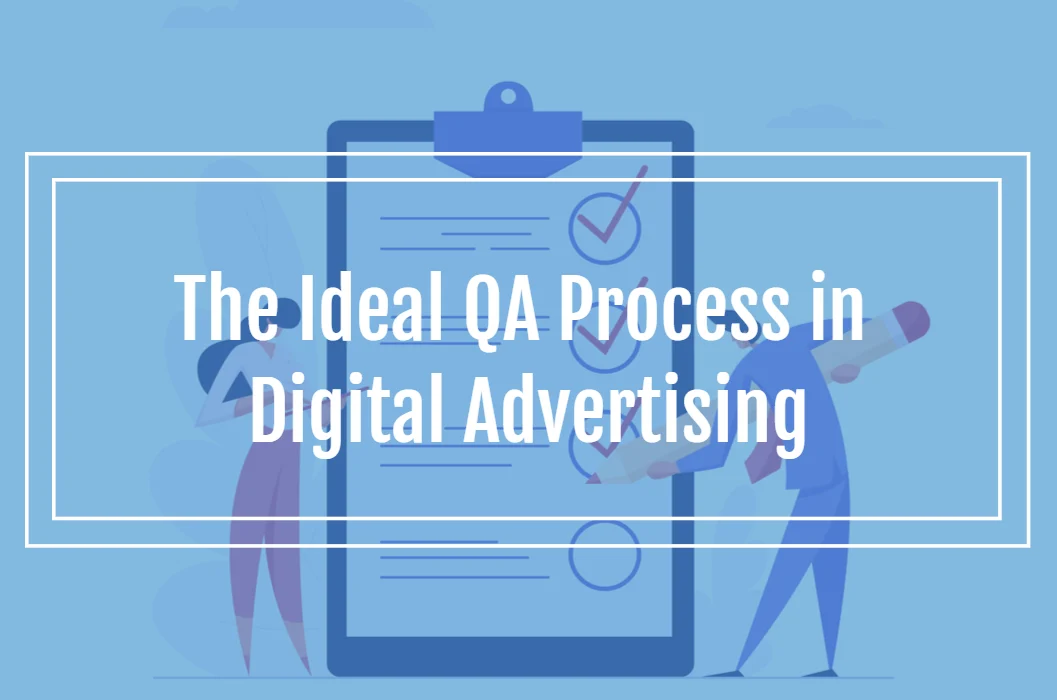
The digital advertising landscape offers unparalleled power to marketers, enabling precise targeting of global audiences through a sophisticated array of tools accessible from any internet-connected device. This immense capability, however, is intrinsically linked to significant responsibility. Minor oversights in campaign setup, often easily overlooked amidst the intricate details of budget caps, bid strategies, landing page configurations, and creative variations, can result in substantial financial losses, potentially costing tens of thousands of dollars in wasted ad spend and forfeiting valuable revenue opportunities. The crucial challenge for marketing professionals lies in establishing a robust quality assurance (QA) framework that effectively catches these errors without becoming an administrative bottleneck, thereby delaying critical campaign launches and creative refreshes.
Drawing from extensive experience in ad operations, platform campaign management, and account leadership, industry experts advocate for QA practices centered on experienced personnel and meticulously crafted, standardized checklists. These checklists are not generic templates but are tailored to the specific nuances of each campaign, ensuring that all critical elements are verified before final approval. While the exact components of such a list will vary, a foundational structure provides a reliable starting point for preventing costly mistakes.
The Strategic Imperative of Rigorous Digital Ad QA
In the high-stakes environment of digital advertising, precision is paramount. The ability to target specific demographics, interests, and behaviors across platforms like Google Ads, Meta Ads, LinkedIn Ads, and programmatic exchanges offers marketers unprecedented control over their reach. This granular control, however, amplifies the potential impact of even small errors. A misplaced decimal in a bid strategy, a broken link in a creative asset, or an incorrect audience exclusion can rapidly drain marketing budgets and severely undermine campaign performance.
The underlying technology that facilitates this precision – algorithms, automated bidding, and sophisticated targeting engines – operates at speeds and scales that can outpace human oversight if not properly managed. For instance, an automated bidding strategy, designed to optimize for conversions, could, if misconfigured, aggressively bid on irrelevant traffic, leading to a rapid depletion of the daily budget without generating any meaningful results. Similarly, a technical glitch that prevents a landing page from loading for a segment of the targeted audience means that all associated ad spend for that segment is effectively wasted.
Establishing a Foundational QA Framework
Effective QA in digital advertising hinges on a systematic approach that combines human expertise with structured processes. The core principle is to introduce checks and balances without creating an overly bureaucratic system that stifles agility. The ideal scenario involves a dedicated QA professional, possessing a deep understanding of the specific advertising platform and campaign objectives, meticulously reviewing a pre-defined checklist. This checklist acts as a safeguard, ensuring that all essential parameters are correctly configured.
Key elements typically covered in a comprehensive digital ad campaign QA checklist include:
- Campaign Structure and Settings: Verification of campaign objectives, naming conventions, start and end dates, daily/lifetime budgets, and any applicable budget pacing mechanisms.
- Targeting Parameters: Scrutiny of audience definitions, demographic targeting, interest-based targeting, custom audiences, lookalike audiences, geographic exclusions/inclusions, and device targeting.
- Bidding and Budget Management: Confirmation of bid strategies (e.g., manual CPC, target CPA, maximize conversions), bid adjustments for demographics, time of day, or location, and adherence to budget caps.
- Ad Group/Ad Set Configuration: Review of ad group naming, keyword selection (for search campaigns), audience segmentation (for display/social campaigns), and budget allocation at the ad group level.
- Creative Assets: Validation of ad copy for character limits, grammatical accuracy, adherence to platform policies, and brand consistency. Verification of image/video assets for correct dimensions, file types, and compliance with platform guidelines.
- Landing Page Experience: Crucially, testing that all ad creatives correctly link to the intended landing pages. This involves ensuring the landing page is functional, loads quickly, is mobile-responsive, and aligns with the ad’s messaging and offer.
- Tracking and Measurement: Confirmation that conversion tracking pixels (e.g., Google Analytics, Meta Pixel, Floodlight tags) are correctly implemented and firing as expected. Verification of UTM parameters for accurate source/medium attribution.
- Ad Extensions and Ad Customizers: Ensuring that all relevant ad extensions (e.g., sitelinks, callouts, structured snippets, location extensions) are properly configured and active. For dynamic campaigns, verifying ad customizers are correctly integrated.
- Platform-Specific Settings: Review of any unique settings or features relevant to the specific advertising platform being used (e.g., automated rules, negative keyword lists, placement exclusions).
The image provided in the original context, though not directly accessible for analysis here, is presumed to illustrate such a checklist, highlighting the detailed nature of pre-launch verification.
The Multifaceted Advantages of a Structured QA Process
Implementing a robust QA process yields significant benefits that extend beyond mere error prevention. The introduction of a second, independent set of eyes on a campaign is a fundamental safeguard. This dual review not only increases the likelihood of identifying errors but also distributes accountability, preventing the undue burden from falling solely on a single individual. This shared responsibility fosters a culture of meticulousness within the marketing team.
Task management and project management tools, such as Asana or Monday.com, can be instrumental in streamlining this process. These platforms allow for the creation of reusable QA checklist templates, the assignment of specific QA tasks to team members, and the tracking of progress, ensuring that no step is overlooked. Furthermore, collaborative spreadsheet applications like Google Sheets offer a flexible and cost-effective alternative for managing checklists, particularly for teams that may not require the full suite of features offered by dedicated project management software.
A particularly impactful addition to the QA workflow is a post-launch performance review, ideally conducted within 24 hours of the campaign going live. This “day-after” check involves reviewing key performance indicators (KPIs) such as clicks, impressions, website sessions via Google Analytics, and conversion rates. This proactive measure can uncover issues that were not apparent during pre-launch testing. For example, an ad that appeared to function correctly in a preview environment might fail to direct users to the landing page once it is live. Such a failure, if undetected, could lead to substantial wasted ad spend. These immediate post-launch checkpoints act as a critical safety net, preventing minor technical glitches or configuration errors from escalating into significant financial drains.
The Pitfalls of Overly Burdensome QA Procedures
While diligence in QA is essential, an excessively complex or time-consuming process can become counterproductive. The temptation to introduce a “third set of eyes” for an additional layer of review, while seemingly beneficial, often proves inefficient and can dilute the effectiveness of the initial checks. The rationale behind this is that the third reviewer, often less intimately involved with the specific account or campaign, may lack the nuanced understanding of its unique context and history.
This lack of deep familiarity can manifest in two problematic ways: either the third reviewer inundates the primary reviewers with numerous, often basic, questions, thereby consuming valuable time and disrupting their workflow, or they feel pressured to approve the campaign due to their position as the final gatekeeper, potentially overlooking subtle but critical issues. In such scenarios, the additional time invested yields minimal improvement in error detection rates, while simultaneously introducing delays in campaign deployment and creative updates. The goal, therefore, is to optimize the QA process for efficiency and effectiveness, not merely for the sake of adding more steps.
The digital advertising industry is dynamic, with platforms constantly evolving and new features being introduced. This necessitates a continuous review and adaptation of QA checklists. When mistakes inevitably occur, they should not be viewed as failures but as learning opportunities. The QA checklist should be expanded to incorporate specific checks designed to prevent the recurrence of that particular error. This iterative improvement process builds team confidence, assuring all stakeholders that the campaign settings are rigorously validated and that operations are running smoothly.
The implications of a well-executed QA process are far-reaching. Beyond preventing immediate financial losses, it contributes to building a brand’s reputation by ensuring a consistent and positive user experience. Inaccurate targeting or broken links can lead to user frustration and damage brand perception. Conversely, campaigns that are flawlessly executed, with accurate targeting and seamless landing page experiences, reinforce brand credibility and foster customer trust.
As the digital advertising ecosystem continues to expand in complexity, the strategic importance of meticulous quality assurance cannot be overstated. It is the silent guardian of marketing budgets and the unsung hero of successful campaign performance. For organizations seeking to navigate this intricate landscape effectively, a commitment to refining and implementing robust QA protocols is not just advisable, but imperative.