rifanmuazin
The global shift toward a customer-centric economy has transformed how businesses evaluate success, moving beyond mere revenue figures to the nuanced data of customer sentiment. Within this landscape, two metrics have emerged as the primary instruments for measuring the health of the customer-business relationship: the Customer Satisfaction Score (CSAT) and the Net Promoter Score (NPS). While these terms are frequently used interchangeably in corporate boardrooms, they represent fundamentally different dimensions of the customer experience. CSAT serves as a tactical, “real-time” gauge of satisfaction regarding specific interactions, whereas NPS functions as a strategic, “big-picture” indicator of brand loyalty and long-term advocacy. Understanding the mechanics, applications, and synergy of these two metrics is no longer optional for firms seeking to navigate the complexities of modern consumer behavior.
The Evolution of Customer Feedback: From Reactive to Proactive
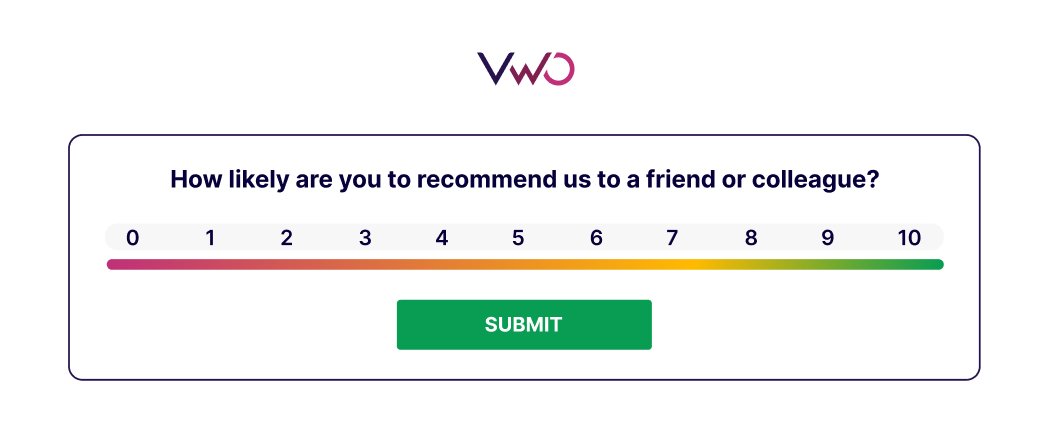
The history of customer feedback has undergone a radical transformation over the last three decades. In the late 20th century, feedback was largely reactive, collected through physical suggestion boxes, mailed surveys, or telephone complaints. This changed significantly in 2003 when Fred Reichheld, a partner at Bain & Company, introduced the Net Promoter Score in a Harvard Business Review article titled “The One Number You Need to Grow.” Reichheld’s research suggested that a single question—”How likely is it that you would recommend our company/product/service to a friend or colleague?”—correlated more strongly with company growth than any other metric.
Simultaneously, the rise of digital commerce and Software-as-a-Service (SaaS) models necessitated a more granular approach. As customer touchpoints multiplied—ranging from website checkouts to live chat support—companies needed a way to measure the efficacy of individual moments. This led to the widespread adoption of CSAT, a metric designed to capture the “pulse” of a transaction immediately after it occurs. Today, the integration of these metrics into comprehensive “Voice of the Customer” (VoC) programs allows organizations to move from simply tracking satisfaction to actively managing retention and organic growth.
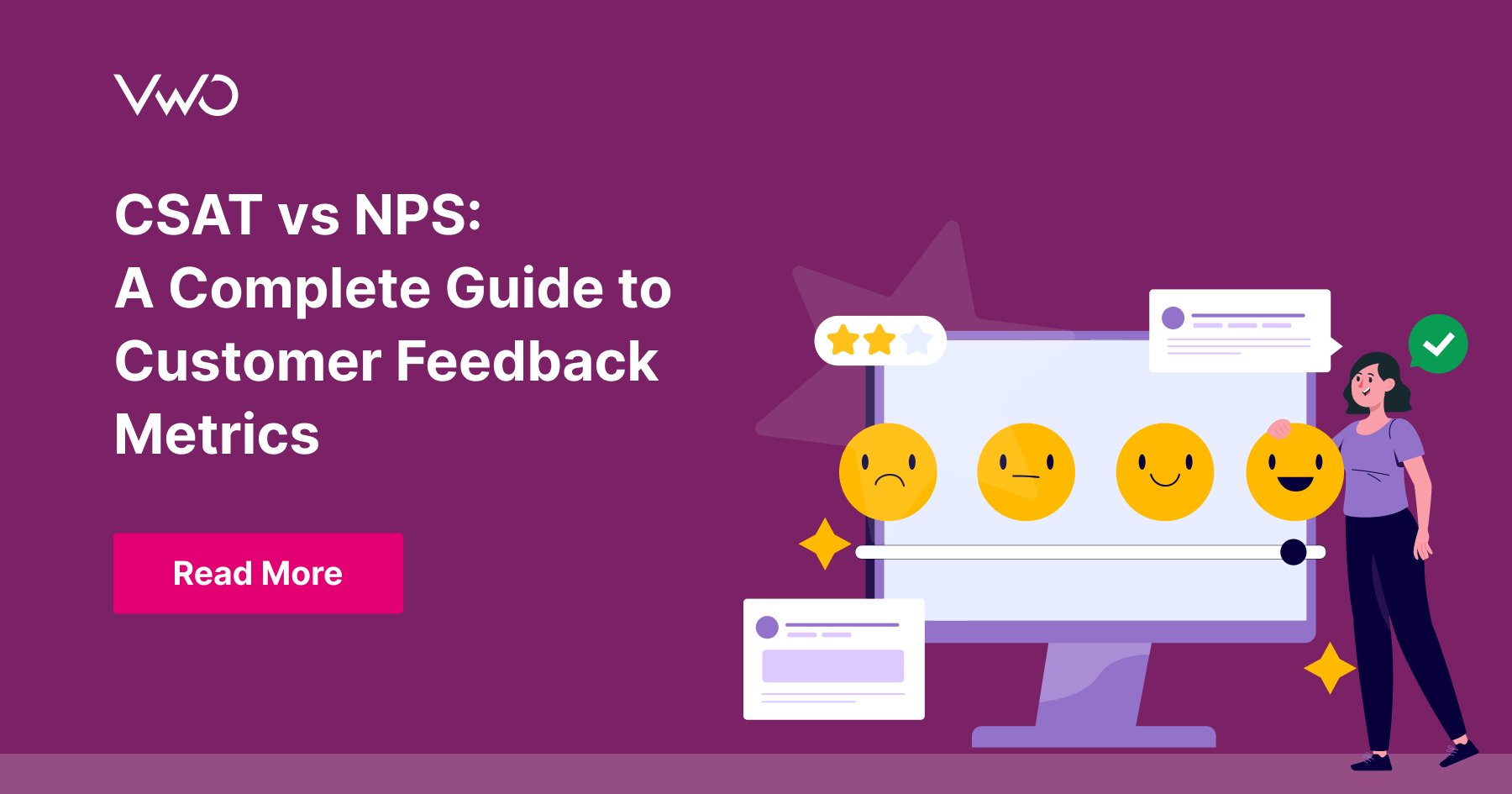
CSAT: The Micro-View of Customer Interaction
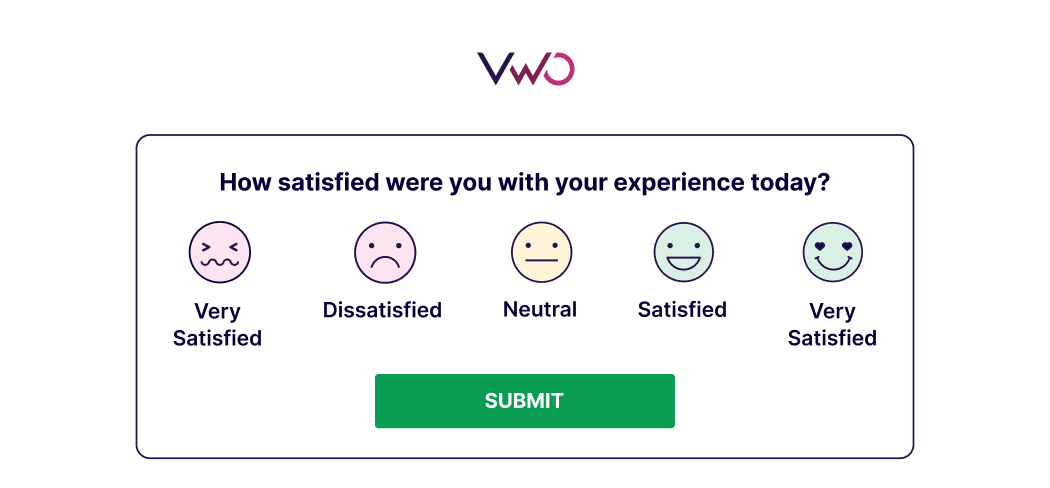
The Customer Satisfaction Score (CSAT) is the most direct way to measure how happy a customer is with a specific product, service, or interaction. It is typically calculated by asking a variation of the question: “How satisfied were you with your experience today?” Responses are usually given on a 1–5 scale, where 1 is “Very Dissatisfied” and 5 is “Very Satisfied.”
The primary strength of CSAT lies in its immediacy. By deploying a survey immediately following a support ticket resolution or a product delivery, companies receive feedback that is fresh and specific. This allows support teams and product managers to identify friction points in real-time. For instance, if a new software update causes a sudden dip in CSAT scores for the mobile app, developers can pinpoint the exact moment the user experience began to degrade.
However, the “micro” nature of CSAT is also its greatest limitation. A customer might be highly satisfied with a specific support interaction because the agent was polite and helpful, yet they may still be planning to switch to a competitor because the overall product pricing is too high. CSAT measures the “right here, right now,” but it rarely predicts long-term retention or brand advocacy.
NPS: The Macro-View of Brand Health
While CSAT looks at the trees, the Net Promoter Score (NPS) looks at the entire forest. NPS categorizes customers into three distinct groups based on their likelihood to recommend the brand on a scale of 0 to 10:

- Promoters (9–10): Loyal enthusiasts who will keep buying and refer others, fueling growth.
- Passives (7–8): Satisfied but unenthusiastic customers who are vulnerable to competitive offerings.
- Detractors (0–6): Unhappy customers who can damage your brand and impede growth through negative word-of-mouth.
The final NPS is calculated by subtracting the percentage of Detractors from the percentage of Promoters. The resulting score ranges from -100 to +100. A positive NPS is generally considered good, while a score above 50 is considered excellent.
NPS is a relational metric. It is not tied to a specific event but is instead measured periodically (quarterly or biannually) to gauge the overall health of the customer relationship. It is a powerful predictor of business growth because it measures “earned growth”—the revenue generated by customers who return and bring their friends with them. According to industry data, companies with high NPS scores often outpace their competitors’ growth by more than double.
Comparative Analysis: Tactical vs. Strategic Utility
The distinction between CSAT and NPS can be summarized as the difference between a “reaction” and a “reputation.” To better understand their roles, consider the following comparative breakdown:
- Scope of Measurement: CSAT focuses on specific touchpoints (e.g., “Was the checkout process easy?”); NPS focuses on the brand relationship (e.g., “Do you trust this company enough to stake your reputation on it?”).
- Timing: CSAT is transactional and real-time; NPS is periodic and longitudinal.
- Target Audience: CSAT is most useful for front-line managers, support leads, and UX designers; NPS is a vital KPI for executives, stakeholders, and marketing strategists.
- Business Outcome: High CSAT leads to improved operational efficiency and reduced friction; high NPS leads to increased Customer Lifetime Value (CLV) and lower Customer Acquisition Costs (CAC).
Industry experts suggest that relying on only one of these metrics creates a blind spot. A company could have a high CSAT because its support staff is excellent at “firefighting” problems, but a low NPS because the product itself is fundamentally flawed, requiring constant support in the first place.
The Loyalty-Satisfaction Matrix: A Strategic Framework
The most sophisticated organizations plot CSAT and NPS together to create a “loyalty-satisfaction matrix.” This allows them to categorize their customer base into four strategic quadrants, each requiring a different management approach:
- Brand Champions (High CSAT, High NPS): These users are satisfied with their daily interactions and loyal to the brand. Strategic move: Nurture them as case studies and referral sources.
- At-Risk Satisfied Users (High CSAT, Low NPS): These customers find the tool functional but lack emotional attachment. They are “mercenaries” who will switch to a competitor for a slight discount. Strategic move: Focus on brand building and community engagement to increase “stickiness.”
- Frustrated Loyalists (Low CSAT, High NPS): These users believe in the company’s vision but find the product difficult to use. They are loyal but their patience is wearing thin. Strategic move: Prioritize UX improvements and technical fixes to reduce friction.
- Churn Risks (Low CSAT, Low NPS): These customers are dissatisfied with the product and the brand. Strategic move: Immediate intervention or, in some cases, allowing a “graceful exit” to prevent further negative word-of-mouth.
The Role of Generative AI in Feedback Analysis
The sheer volume of feedback generated by CSAT and NPS surveys can be overwhelming for large enterprises. Traditionally, qualitative feedback—the “why” behind the score—required manual tagging and analysis. However, the advent of Generative AI has revolutionized this process.
Modern platforms now use Large Language Models (LLMs) to perform sentiment analysis at scale, identifying recurring themes and emerging risks in real-time. For instance, AI can detect if a sudden drop in NPS is being driven by a specific policy change or a recurring technical bug across thousands of open-ended responses. Ali Good, Global Head of Strategy and Product Marketing at Quizizz, notes that this “Voice of the Customer” data is essentially social proof that can be woven into brand messaging. By using the actual language customers use to describe value, companies can avoid marketing jargon and resonate more deeply with their audience.
However, analysts caution against total reliance on AI. While AI can surface patterns, human oversight is required to validate these insights and ensure they align with the broader business context. The goal is to use AI to augment, not replace, the human empathy required to manage customer relationships.
Broader Impact and Implications for Growth
The implications of mastering CSAT and NPS extend far beyond customer service departments. In the current economic climate, where the cost of acquiring a new customer is five to twenty-five times more expensive than retaining an existing one, these metrics are essential for financial stability.
A study by Bain & Company revealed that a 5% increase in customer retention can lead to a profit increase of 25% to 95%. By using CSAT to fix immediate friction and NPS to build long-term advocacy, companies can create a self-sustaining growth engine. Furthermore, high NPS scores are often a prerequisite for high valuations in the venture capital and private equity worlds, as they indicate a stable, recurring revenue base.
Conclusion: Closing the Loop
Collecting data is only the first step; the true value lies in “closing the loop.” This involves reaching out to customers who provided negative feedback, resolving their issues, and demonstrating that their input has led to tangible changes. Tools like VWO Pulse enable this by connecting feedback directly to experimentation and personalization workflows. When a customer reports a friction point via a CSAT survey, a product team can immediately test a solution using A/B testing and measure the impact on future scores.
In summary, CSAT and NPS are not competing metrics but complementary ones. CSAT provides the “what” of the present moment, while NPS provides the “what’s next” for the future of the brand. By integrating both into a unified strategy, businesses can transition from reactive troubleshooting to proactive experience management, ensuring that every micro-interaction contributes to a macro-reputation of excellence.