rifanmuazin
Every April 1st, digital marketing channels, particularly email inboxes, become a fertile ground for brands attempting to engage their audiences with a touch of humor and playful deception. This annual tradition, steeped in centuries of history, continues to evolve in the digital age, presenting both unique opportunities for brand connection and significant challenges in maintaining trust and navigating complex technological landscapes.
The Historical Tapestry of April Fools’ Day
The precise origins of April Fools’ Day, also known as All Fools’ Day, remain a subject of historical debate, yet its widespread observance underscores a universal human inclination towards playful trickery. One of the most commonly cited theories traces the modern iteration of the tradition back to 16th-century France. Prior to 1564, much of Europe, including France, celebrated the New Year with a week of festivities culminating on April 1st. This practice aligned with the Julian calendar. However, in 1564, King Charles IX officially adopted the Gregorian calendar through the Edict of Roussillon, shifting the start of the New Year to January 1st.
The transition was not immediate or universally accepted. Many people, either unaware of the change, resistant to it, or simply slow to adapt, continued to celebrate the New Year around April 1st. These individuals became the subject of ridicule and pranks, with others placing paper fish on their backs (a "poisson d’avril," or April fish, symbolizing a naive, easily caught person) or inviting them to nonexistent parties. This playful mockery is widely believed to be the genesis of the "April Fool" moniker.
Other theories suggest more ancient roots. Some historians point to the Roman festival of Hilaria, celebrated in late March, where people dressed in disguises and mocked others. Others link it to ancient spring equinox festivals that celebrated renewal and often involved playful chaos. Regardless of its exact origin, the tradition of April Fools’ Day has spread globally, adopting various local customs and names, from "Poisson d’avril" in France to "April Fish" in Italy and "Mischievous Day" in some parts of India. What remains consistent is the spirit of lighthearted deception and the collective enjoyment of a good, harmless prank.

The Strategic Power of Humor in Email Marketing
In the contemporary marketing landscape, particularly within the competitive realm of email, humor has emerged as a potent tool for brand differentiation and customer engagement. In an era saturated with information, breaking through the noise requires more than just compelling offers; it demands connection and memorability. Humor, when deployed skillfully, can achieve this by fostering a sense of shared experience and rapport with the audience.
A significant Oracle study highlighted the compelling appeal of humor, revealing that an impressive 91 percent of consumers actively desire brands to exhibit a humorous side. Furthermore, a substantial 72 percent indicated a preference for purchasing from a brand that uses humor over a competitor that does not. These figures underscore humor’s capacity to humanize a brand, making it appear more approachable, relatable, and authentic. Beyond mere preference, psychological research supports the efficacy of humor in marketing. Laughter triggers the release of endorphins, creating positive emotional associations with the brand. It enhances message recall, increases engagement rates, and can significantly improve brand loyalty by creating memorable interactions. Brands that successfully integrate humor often see higher open rates, click-through rates, and ultimately, conversion rates, as customers feel more connected and receptive to their messaging. Humor also serves as a powerful antidote to marketing fatigue, injecting novelty and entertainment into what can often be a monotonous stream of promotional content.
Establishing Ground Rules for Humorous Campaigns
While the benefits of humor are clear, its application in marketing, especially in a public and often permanent medium like email, demands careful consideration. A misstep can lead to confusion, alienation, or even legal repercussions. Therefore, marketers must adhere to a set of fundamental ground rules to ensure their humorous campaigns land effectively and positively:
- Know Your Audience Intimately: Humor is inherently subjective. What one demographic finds hilarious, another might find offensive or simply not funny. Brands must have a deep understanding of their target audience’s cultural sensitivities, values, and sense of humor. This involves demographic analysis, psychographic profiling, and continuous feedback monitoring. A youthful, edgy brand might get away with more provocative humor than a conservative financial institution.
- Maintain Brand Authenticity: The humor should always align with the brand’s established voice, personality, and values. It should feel organic, not forced or out of character. A luxury brand’s humor might be subtle and sophisticated, while a casual fast-food chain could employ more boisterous or self-deprecating jokes. The prank should reinforce, rather than contradict, the brand’s core identity.
- Avoid Offence at All Costs: This is perhaps the most critical rule. Humor should never target sensitive topics such as politics, religion, race, gender, sexual orientation, disability, or serious social issues. Jokes that could be perceived as discriminatory, insensitive, or mean-spirited are catastrophic for brand reputation. The aim is to unite and amuse, not divide or alienate.
- Clarity is King: Ensure It’s Clearly a Joke: The prank’s reveal or the humorous intent must be unambiguous and appear early enough in the communication to prevent genuine confusion, alarm, or distress. The goal is a lighthearted moment, not a stressful one. Ambiguity can lead to negative customer experiences, unsubscribes, or even complaints.
- Subtly Guide Towards a Brand Message: Even a prank email can serve a broader marketing objective. While the primary goal might be engagement, a clever April Fools’ campaign can subtly reinforce brand attributes, introduce new (real) products, or drive traffic to a website. The "joke" should ideally lead to a positive brand interaction, not a dead end.
- Moderation and Timing: Humor should be used judiciously, not constantly. Overusing humor can dilute its impact and make a brand seem unserious. April Fools’ Day is a prime occasion, but other instances should be carefully selected and integrated into a broader content strategy. The timing of the reveal is also crucial – it should resolve the prank before any real negative emotion sets in.
This Year’s Exemplary April Fools’ Campaigns

The annual observance of April Fools’ Day consistently showcases brands’ creativity and their willingness to playfully engage with their audiences. This year offered several standout examples that effectively leveraged humor while adhering to best practices:
-
Charlotte Tilbury’s "Talking Lipsticks": The luxury beauty brand Charlotte Tilbury demonstrated a masterful blend of whimsy and brand reinforcement with its announcement of a new range of "talking lipsticks." The campaign tagline, "The only lipstick that sweet talks with every swipe!", perfectly encapsulated the playful yet aspirational essence of the brand. A clever micro-animation depicting speech bubbles elegantly floating out of the lipstick tube added a dynamic and engaging visual element to the email. The featured phrase, "Gorgeous, Darling!", is iconic to Charlotte Tilbury’s personal brand and her signature style, making the joke instantly recognizable and perfectly on-brand. This campaign succeeded because it was charming, imaginative, and reinforced the brand’s image as one that celebrates beauty with a touch of magic and confidence. It elicited smiles without causing confusion, aligning with the brand’s sophisticated yet approachable persona.
-
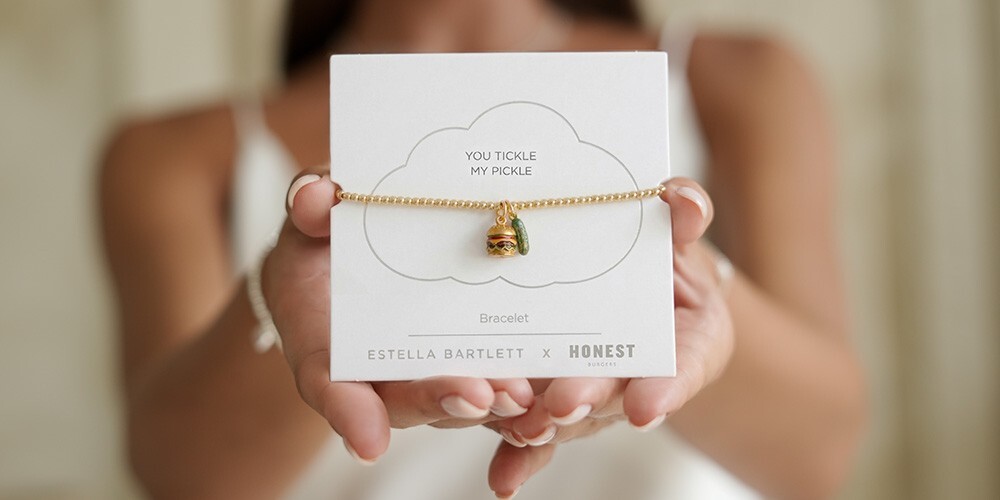
Honest Burger’s "Burger Necklace": Honest Burger, known for its strong community and cult-like following, pushed the boundaries slightly further, confident in its loyal customer base’s understanding of its brand humor. They unveiled a "Burger Necklace" in a mock collaboration with jewelry brand Estella Bartlett, complete with the cheeky tagline, "You tickle my pickle!" This campaign was successful due to several factors. Firstly, it leveraged an established brand personality that allows for more audacious humor. Secondly, the collaboration with Estella Bartlett lent an air of mock seriousness and perceived authenticity to the absurd product, making the prank more convincing initially. The humor derived from the juxtaposition of a gourmet burger with a delicate piece of jewelry, appealing directly to their customers’ affection for the brand’s core product. It was a well-calculated risk that paid off, generating amusement and strengthening brand affinity.
-
Virgin Voyages’ Experiential Fragrance: Virgin Voyages tapped into a sophisticated marketing concept known as embodied cognition, which explores how our sensory experiences and physical states influence our thoughts and decisions. Their April Fools’ prank announced a brand-new fragrance "inspired by the unforgettable (and occasionally questionable) memories made on our adults-only voyages." The brilliance lay in the meticulously crafted scent notes: top notes of sea salt spray and SPF, heart notes of champagne hangovers, and base notes of sunrise yoga and midnight gummy bears. This ingenious approach didn’t just present a product; it bottled the experience of a Virgin Voyages cruise. Each note evoked a vivid, multisensory memory or aspiration associated with their brand, from the refreshing scent of the ocean to the indulgent revelry and the unique blend of wellness and fun. The campaign resonated deeply because it spoke directly to the target audience’s desires and existing perceptions of the brand, making the "fragrance" sound irresistibly authentic to the cruise experience, even in its absurdity.
-
Philips’ "One Blade Wild" for Pets: Philips, a brand synonymous with precision grooming tools for humans, ventured into the absurd with its "One Blade Wild" – a new precision grooming tool specifically designed for pets. The product boasted advanced features like "Fur-Density Intelligence" and "Built-in Treat Dispensers," playfully mimicking the sophisticated technology found in human grooming devices. The inclusion of "rapturous" user reviews, such as "My rabbit has never looked sharper!", further enhanced the comedic effect. This campaign worked by taking a familiar product category and applying it to an unexpected context, creating immediate humor through incongruity. It highlighted Philips’ expertise in precision while demonstrating a playful side, making the brand more approachable. The detailed, mock-scientific descriptions of the pet grooming tool added a layer of clever satire.
The Perils of Prank Marketing: What Not to Do
While well-executed humor can be a boon, ill-conceived pranks can severely damage brand reputation and even lead to legal complications. The line between harmless fun and genuine alarm is thin, and some brands inadvertently cross it, offering cautionary tales for marketers.
Quasi provided a stark example of what to avoid. Their April Fools’ email carried the subject line, "Your Quasi Order Is Confirmed." This subject line, designed to pique curiosity, would have genuinely alarmed a significant portion of recipients, as it falsely implied an unauthorized transaction or an accidental purchase. Upon opening the email, subscribers were met with the reveal: "APRIL FOOLS! Just kidding, babe, you need to place it first." While the intent was to be playful, the initial shock and potential distress caused by the misleading subject line far outweighed any humor derived from the punchline.
This approach is not only detrimental to customer relations but also carries significant legal risks. Laws specifically prohibiting misleading subject lines are becoming increasingly common and rigorously enforced across jurisdictions. In the United States, the CAN-SPAM Act explicitly prohibits deceptive subject lines, classifying them as those that "materially misrepresent the content of the message." Similar regulations exist globally, such as the General Data Protection Regulation (GDPR) in the European Union, which emphasizes transparent communication, and Canada’s Anti-Spam Legislation (CASL). Violations of these laws can result in substantial fines, regulatory investigations, and a severe blow to a brand’s sender reputation and deliverability. The Quasi example underscores the critical importance of ensuring that even in jest, email communications are honest and do not create undue anxiety or false impressions, especially concerning transactional matters.
Broader Marketing Calendar Lessons in the Age of AI
April Fools’ Day campaigns also offer valuable insights and reminders for broader marketing strategies throughout the year, particularly as the digital landscape continues to evolve with the rapid advancement of artificial intelligence (AI). The challenges posed by AI summarizers and relevance-sorted inboxes have significant implications for how brands communicate, especially when subtlety, nuance, or time-sensitivity are involved.
The Challenge of AI Summarizers:
Humor, by its very nature, relies heavily on tone, context, and often, irony or sarcasm – elements that can be notoriously difficult for AI to interpret accurately. AI summarizers, designed to quickly distill the essence of an email, typically employ natural language processing (NLP) algorithms to identify keywords, main topics, and factual statements. They are highly efficient at literal interpretation but often struggle with the implicit understanding required for humor. If an April Fools’ prank’s reveal or the crucial indicator that it’s a joke is buried deep within the email, an AI summarizer might completely miss it. The summary presented to the user could therefore be a literal, alarming, or confusing rendition of the prank, leading to genuine misunderstanding or negative reactions before the user even fully engages with the email. This risk extends beyond April Fools’ Day to any marketing content that uses satire, nuanced storytelling, or indirect messaging. Marketers must now consider how their emails will be interpreted not just by human readers, but also by AI algorithms that act as gatekeepers or interpreters of content.

The Impact of Relevance-Sorted Inboxes:
Another critical factor is the prevalence of relevance-sorted inboxes implemented by major email providers like Google (Gmail), Microsoft (Outlook), and Apple Mail. These algorithms analyze user behavior, sender reputation, and email content to determine an email’s perceived importance and relevance to the recipient, often prioritizing it over strict chronological order. This system, while intended to improve user experience, can severely impact time-sensitive marketing campaigns.
We have observed this phenomenon with other major calendar events, such as Valentine’s Day and Mother’s Day, particularly in regions like the UK. Marketers reported instances where date-specific promotional emails were buried beneath older, algorithmically "more relevant" emails, leading to missed opportunities and reduced engagement. The challenge arises because algorithms may not inherently recognize the time-critical nature of an email unless it is explicitly signaled in a way they can understand.
For April Fools’ emails, which are inherently date-specific but also carry a comedic element, this poses a dual challenge. Not only might the AI summarizer miss the joke, but the relevance-sorting algorithm might also deem the email less important than a transactional message or a highly engaged-with newsletter from a favorite brand. To counteract this, marketers are adapting their strategies by explicitly referencing the date or event in the subject line and the body copy. For instance, instead of just "Special Offer," a subject line might be "Valentine’s Day Exclusive: Offer Ends Today!" This explicit dating helps algorithms recognize the email’s immediate relevance and urgency, increasing its chances of being delivered to the primary inbox and seen in a timely manner. The lesson for April Fools’ is to make the date of the prank clear, perhaps even in the subject line, to ensure the campaign is seen on the day it’s intended to be enjoyed.
Conclusion: Navigating the Future of Engaging Email Marketing
April Fools’ Day, with its rich history and contemporary digital manifestations, serves as a microcosm for the broader challenges and opportunities in modern email marketing. It underscores the profound impact of humor as a tool for brand engagement, capable of forging deeper connections and enhancing memorability. However, the cautionary tales highlight the critical importance of ethical considerations, audience understanding, and legal compliance.
As the digital landscape continues its rapid evolution, particularly with the increasing sophistication of AI, marketers must become adept at designing campaigns that resonate not only with human emotions but also with algorithmic logic. The ability to craft messages that are both humorous and clear, engaging yet unambiguous, and timely yet algorithm-friendly will be paramount. Brands that master this intricate balance – blending creativity with strategic foresight and ethical responsibility – will be best positioned to thrive in an increasingly complex digital ecosystem, turning playful pranks into powerful brand-building moments throughout the year.

For further insights into creative and strategic email marketing approaches, including discussions on navigating the nuances of humor and AI in digital communications, listeners are encouraged to explore Validity’s Email After Hours podcast. Available on Apple Podcasts, Spotify, YouTube, and Sender Score, the podcast offers an in-depth look at outrageous strategies and best practices in the dynamic world of email marketing.