
 rifanmuazin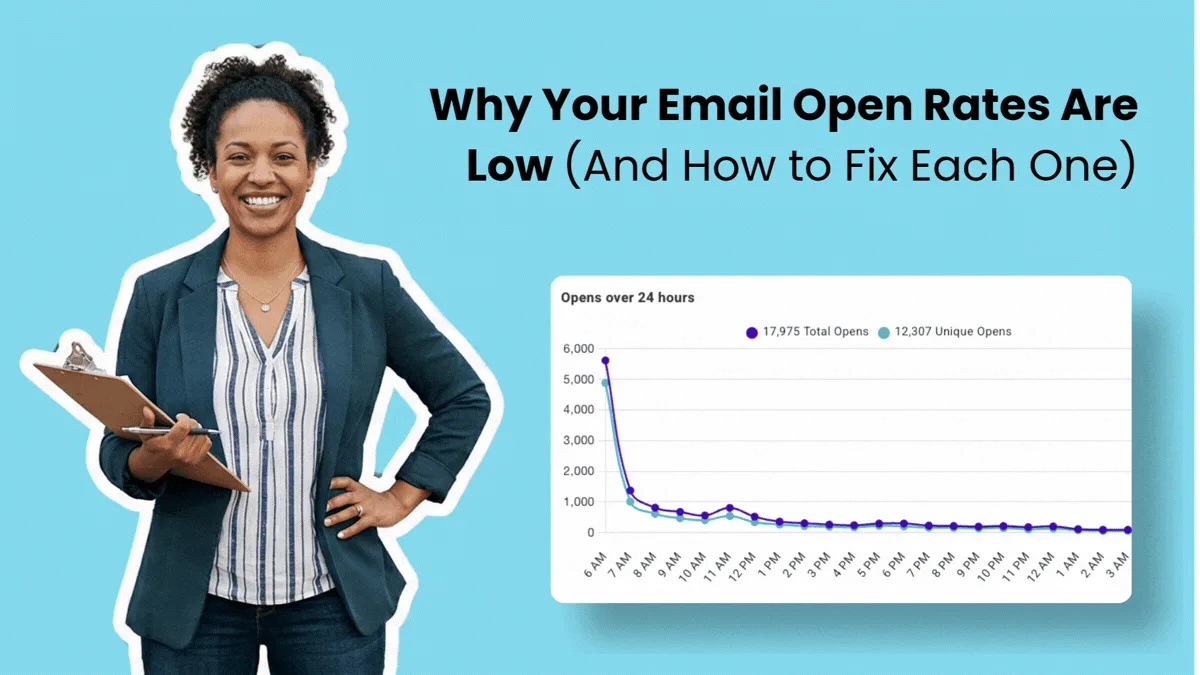
Email marketing remains a cornerstone of digital communication for businesses of all sizes, and the open rate serves as the primary indicator of its initial effectiveness. If subscribers do not open an email, the quality of its content, the allure of its offer, or the clarity of its call to action become entirely irrelevant. For many small businesses, however, discerning the root cause of a suboptimal open rate—whether it stems from an ineffective subject line, a pervasive deliverability issue, or a subtle tracking anomaly—presents a significant challenge. The path to improvement is contingent upon an accurate diagnosis of the underlying problem.
This article delves into the critical factors that influence email open rates, offering a comprehensive examination of common breakdowns and actionable strategies for resolution. Key areas of focus include subject line efficacy, strategic send timing, robust deliverability protocols, optimal email file size, the profound impact of Apple Mail Privacy Protection, the imperative of list quality and segmentation, and the often-underestimated significance of the sender name. By addressing these interconnected elements, businesses can systematically enhance their email engagement and ensure their messages resonate with their intended audience.
The Foundational Role of Open Rates in Digital Strategy
In the competitive digital landscape, an email’s journey from sender to recipient’s inbox is fraught with potential pitfalls. The open rate, typically calculated as the percentage of emails opened out of the total successfully delivered, acts as the gatekeeper to all subsequent engagement metrics. Industry benchmarks for email open rates vary significantly by sector, ranging from approximately 15% to over 30%, with factors like audience engagement, industry type, and content relevance playing crucial roles. A consistent decline in this metric can signal a fundamental disconnect between the sender and the subscriber, prompting a deeper investigation into operational and strategic approaches. Understanding the nuances of these metrics is vital, especially given the dynamic nature of email client technologies and privacy regulations that continually reshape how engagement is measured.
Crafting Compelling Subject Lines: The First Impression
The subject line is arguably the most potent lever for influencing an email’s open rate. It is the sole piece of information subscribers encounter before deciding whether to engage with the message or consign it to oblivion. Its primary function is singular: to compel an open. Achieving this requires a blend of brevity, relevance, and strategic appeal.
Research consistently indicates that subject lines optimized for mobile viewing, typically under 50 characters, tend to perform better, given that over half of all emails are now opened on mobile devices. Beyond length, the content must speak directly to the recipient’s perceived needs or interests, rather than merely promoting a product or service. Personalization, even a simple inclusion of the recipient’s first name, can significantly boost open rates by creating a sense of individual relevance. Moreover, strategic use of capitalization and emojis can draw attention, though excessive use can sometimes trigger spam filters or appear unprofessional.
A noteworthy case study from John Oszajca, founder of Music Marketing Manifesto, highlighted the impact of capitalization. His tests revealed that a lowercase subject line outperformed its sentence-case counterpart by a remarkable 35%, underscoring the value of A/B testing even seemingly minor stylistic choices. Modern email marketing platforms often provide AI-assisted tools, such as AWeber’s Subject Line Assistant, which can generate optimized suggestions based on email content, streamlining the creative process and enhancing performance. The continuous testing of different approaches—question-based, benefit-driven, urgent, or curious—is essential for discovering what resonates best with a specific audience.
Strategic Send Timing: Reaching Audiences at Peak Engagement
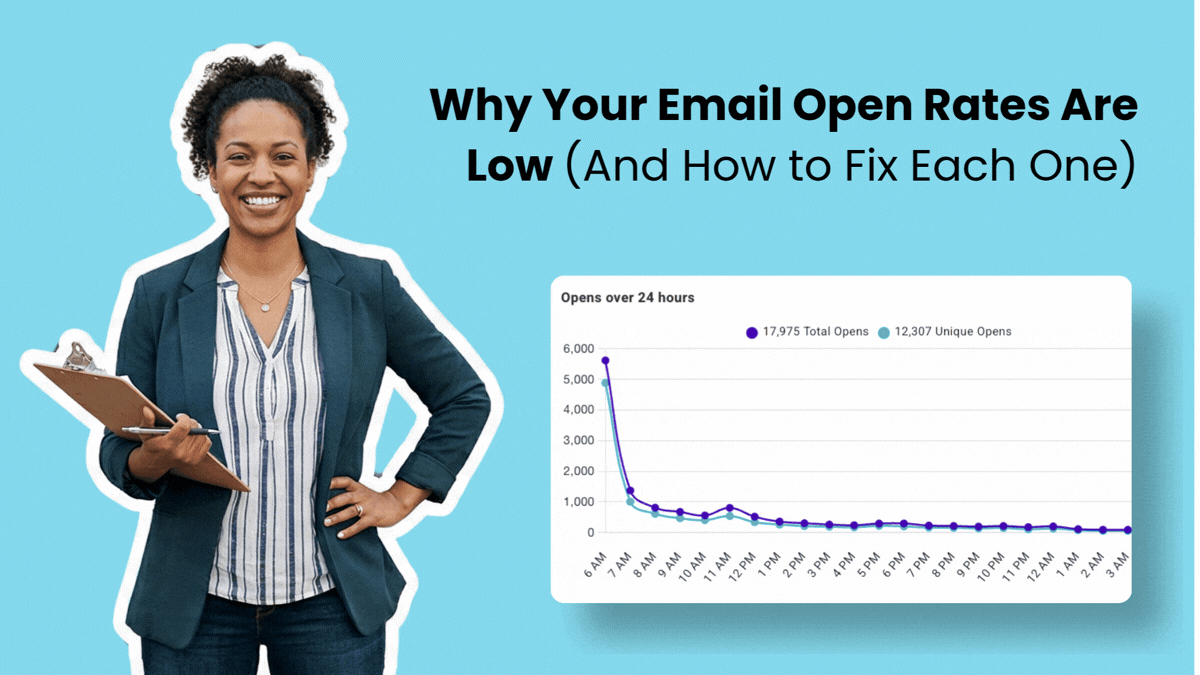
The timing of an email dispatch is a more significant determinant of open rates than many small businesses realize. An email arriving when a subscriber is actively checking their inbox or has mental bandwidth to engage will likely fare better than one sent during off-peak hours. There is no universally "best" time; optimal timing is highly dependent on the target audience, the nature of the content, and geographical location.
For instance, business-to-business (B2B) communications often see higher engagement during typical work hours (e.g., Tuesday to Thursday mornings), while business-to-consumer (B2C) emails might perform better in the evenings or weekends when leisure time is more prevalent. For lists spanning multiple time zones, a single global send time can lead to disparate delivery experiences, with some recipients receiving emails at opportune moments and others at inconvenient times, such as late at night. Advanced email platforms address this by offering features that schedule sends based on individual subscriber time zones, a crucial capability for geographically dispersed audiences.
Ultimately, the most reliable method for determining optimal send times is through analyzing proprietary data. Tools like AWeber’s QuickStats allow marketers to observe when their emails receive the most opens, revealing patterns specific to their subscriber base. Lacking sufficient historical data, practical starting points include Tuesdays through Thursdays, generally considered prime days for email engagement, and avoiding weekends or Mondays. Once a successful pattern is identified, maintaining consistency fosters predictability, building trust and conditioning the audience to anticipate and look for future communications.
Ensuring Deliverability: The Gateway to the Inbox
Deliverability is the bedrock of any successful email marketing campaign, dictating whether an email even reaches the primary inbox, or is shunted to spam folders or promotional tabs. A highly engaged list and a compelling subject line are rendered ineffective if the email fails to land in the intended destination. This challenge has intensified over time as Internet Service Providers (ISPs) and email clients have implemented increasingly sophisticated algorithms to combat spam and protect users.
The first line of defense for deliverability is proper email authentication. Protocols like DomainKeys Identified Mail (DKIM) and Domain-based Message Authentication, Reporting & Conformance (DMARC) are vital. These technical standards verify that an email sender is legitimate and authorized to send emails from a specific domain, preventing spoofing and improving sender reputation. Leading email service providers, such as AWeber, automatically verify domain authentication at the point of broadcast, holding emails in draft if configurations are incorrect. As AWeber’s CEO, Tom Kulzer, aptly stated, "Your email didn’t land in the spam folder because of bad luck. It landed there because your domain authentication wasn’t set up right when you hit send."
The choice of email platform also profoundly impacts deliverability. Platforms that do not prioritize robust infrastructure and proactive reputation management can inadvertently penalize their users. Brand strategist Coleen Otero experienced a drastic drop in open rates, from 30-40% to a mere 5%, after switching to a platform with subpar deliverability. Her return to AWeber saw her open rates rebound above 30%, highlighting the critical role of the underlying sending infrastructure. Beyond authentication, maintaining a clean list by removing invalid or unengaged subscribers and monitoring sender reputation (e.g., through bounce rates and spam complaint rates) are crucial for safeguarding deliverability. Dedicated deliverability teams, like AWeber’s, continuously monitor dozens of email signals, proactively working to maintain a high sending reputation, which benefits every legitimate sender on their platform.
Monitoring Email File Size: Avoiding the "Message Clipped" Trap
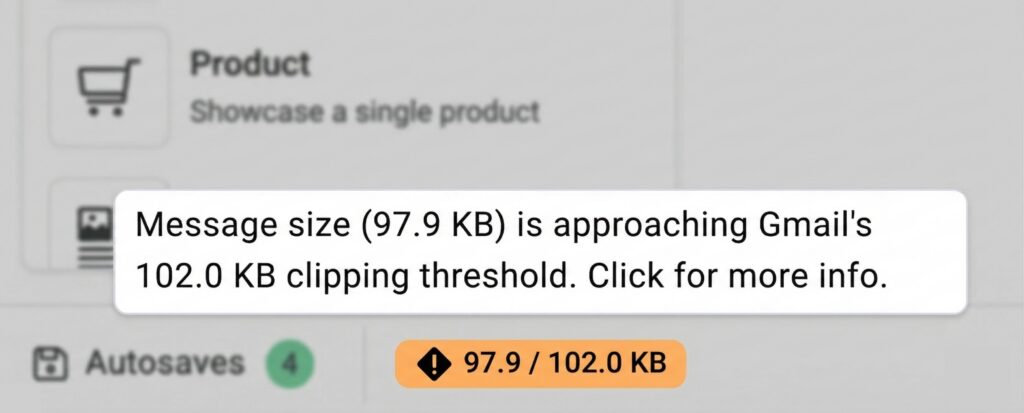
A frequently overlooked factor impacting open rates, particularly with Gmail users, is email file size. Gmail automatically clips any email exceeding 102 KB, displaying a "Message clipped" link at the bottom of the email. Crucially, most subscribers do not click this link, assuming the email has simply ended. The critical implication here is that the tracking pixel, often located at the bottom of the email for open rate measurement, may never load, leading to unrecorded opens even when the email has technically been viewed. This can significantly distort reported open rates, making it appear as though engagement is lower than it actually is.
The culprits behind oversized emails are often not extensive text but rather elements such as large image files, embedded social media icon grids in footers, excessive HTML bloat from pasting content directly from word processors, decorative fonts, and an abundance of seemingly useful but heavy links. Simpler, cleaner email designs are inherently less prone to crossing this size threshold. Modern email editors, such as AWeber’s, provide live indicators of message size during composition, alerting senders before dispatch. Furthermore, historical data analysis in QuickStats can flag past emails that were likely clipped by Gmail, offering insights into previously understated open rates. Awareness and proactive management of email file size are essential for accurate tracking and ensuring the full message is delivered.
Apple Mail Privacy Protection (MPP): Redefining Open Rate Measurement
The introduction of Apple Mail Privacy Protection (MPP) in September 2021 with iOS 15 and macOS Monterey represented a significant shift in email marketing analytics. MPP pre-loads email content, including tracking pixels, for Apple Mail users, regardless of whether the recipient actually opens or reads the email. This mechanism inflates raw open rate numbers, as an "open" is registered automatically, obscuring true user engagement. Given that Apple holds a substantial share of the email client market—often exceeding 50%—this feature has quietly distorted open rate data for millions of senders globally.
The immediate implication for email marketers was the realization that open rates, while still directional, could no longer be directly compared to pre-2021 benchmarks. The metric transformed from a direct measure of recipient action to a more ambiguous signal. Marketers are now advised to focus on their own trend data over time, observing whether rates are climbing or falling rather than chasing a specific percentage.
In this new landscape, more reliable engagement signals have come to the forefront. Click-through rates (CTR), which measure how many recipients clicked on a link within the email, provide a clearer indication of content resonance and offer appeal. Conversion rates, measuring actions taken after clicking (e.g., purchases, sign-ups), offer the ultimate proof of campaign effectiveness. Other valuable metrics include replies, unsubscribes, and even website traffic originating from email campaigns. The advent of MPP necessitates a holistic approach to email analytics, moving beyond sole reliance on open rates as the final verdict on campaign success.
Regular List Hygiene: Cultivating an Engaged Audience
Sending emails to subscribers who have ceased engaging is not merely unproductive; it actively harms sender reputation. Inbox providers closely monitor engagement signals, and a list predominantly composed of non-openers signals low-quality sending practices, increasing the likelihood of future emails being routed to spam. Regular list hygiene is therefore not about arbitrarily deleting subscribers, but about implementing a deliberate process to maintain a healthy, engaged audience.
This process typically involves identifying inactive subscribers, launching re-engagement campaigns to prompt renewed interest, and, if those efforts fail, systematically removing persistently unengaged contacts. While seemingly counterintuitive, paring down a list can lead to stronger overall performance. A smaller, highly engaged list almost invariably outperforms a larger, disengaged one. Research, such as AWeber’s 2020 report, found that small businesses with 500 or more active subscribers were twice as likely to have an effective email strategy compared to those with larger, poorly maintained lists. List hygiene is a continuous process, safeguarding sender reputation and ensuring that marketing efforts are directed towards the most receptive audience.
Segmentation: Delivering Hyper-Relevant Content
One of the quickest routes to subscriber disengagement is the practice of sending identical emails to an entire list, regardless of individual interests or behaviors. When subscribers perceive content as irrelevant, their propensity to open emails diminishes over time. Segmentation offers a powerful antidote, enabling marketers to send highly targeted emails to smaller, specific groups based on shared characteristics or past interactions.
The core logic of segmentation is simple: a more relevant email is a more opened email. For instance, a gardening supply store could segment its list into "houseplant enthusiasts" and "outdoor garden specialists," tailoring content, offers, and tips to each group’s specific needs. A business coach might differentiate between "new subscribers" and "existing clients," adjusting communication accordingly.
Starting segmentation can be as straightforward as categorizing subscribers based on how they joined the list (e.g., through a specific lead magnet, a particular purchase, or a general newsletter signup). Other criteria can include demographics, purchase history, website activity, or past email engagement. Even the implementation of one or two foundational segments can yield significantly better open and click-through rates compared to a blanket approach. Segmentation fosters a sense of personal connection, demonstrating that the sender understands and values the recipient’s unique interests.
The Power of the Sender Name: Building Immediate Recognition
The "From" name, often an overlooked element, serves as a crucial open rate lever. In the fleeting moment a subscriber scans their inbox, the sender name is a primary determinant of whether an email warrants attention. A recognizable and trusted name cultivates immediate confidence, while a generic or unfamiliar one often leads to an email being skipped or deleted.
For many small businesses, especially those where the owner or founder is the public face of the brand, testing a personal sender name (e.g., "Sean from AWeber" instead of "AWeber Marketing") often yields superior results. People inherently prefer opening emails from individuals they recognize or with whom they feel a personal connection. Consistency in sender name also builds brand recognition and trust over time. This seemingly minor detail plays a significant psychological role in the recipient’s decision-making process.
Conclusion: A Holistic Approach to Email Engagement
Optimizing email open rates in the current digital ecosystem demands a multi-faceted and adaptive strategy. It requires a foundational understanding of technical aspects like deliverability and file size, coupled with creative prowess in subject line writing and strategic thinking in timing and segmentation. The landscape is continuously shaped by technological advancements, evolving privacy regulations like Apple Mail Privacy Protection, and increasingly sophisticated user expectations.
While open rates remain a vital diagnostic tool, their interpretation must evolve, particularly in light of privacy enhancements. Marketers must integrate a broader suite of engagement metrics—click-through rates, conversion rates, and overall subscriber activity—to gain a comprehensive understanding of campaign performance. By proactively addressing the factors outlined herein, from the minutiae of subject line capitalization to the overarching strategy of list segmentation and hygiene, businesses can cultivate a healthier, more engaged email audience, ultimately driving greater marketing effectiveness and stronger connections with their customers. The commitment to continuous learning, testing, and adaptation remains paramount for navigating the complexities of modern email marketing.









