rifanmuazin
In an increasingly competitive digital landscape, effective email marketing remains a cornerstone for small businesses aiming to cultivate loyal customer relationships and drive sustainable revenue growth. Far from being a relic of the early internet, email marketing has evolved into a sophisticated channel, demanding strategic execution and adherence to best practices to cut through the digital clutter. For entrepreneurs and small business owners, the habits established early in their email marketing journey are critical in determining whether their subscriber list transforms into a reliable revenue engine or merely a collection of unengaged contacts. This comprehensive guide outlines the fundamental principles that distinguish successful email campaigns from those that fall short, offering a roadmap for maximizing engagement, ensuring deliverability, and fostering long-term customer value.
The Foundation of Engagement: Crafting Compelling and Accessible Messages
The modern inbox is a crowded space, and capturing a subscriber’s attention requires immediate impact. Emails must be designed for both readability and scannability, allowing busy recipients to quickly grasp key information without being overwhelmed. Industry data consistently shows that users spend mere seconds scanning emails; a well-structured message with clear headings, bullet points, and concise paragraphs significantly increases the likelihood of engagement. This approach prevents the immediate deletion often associated with dense blocks of text, instead encouraging readers to consume content and proceed to a call to action. Techniques such as using short paragraphs, bolding key phrases, and incorporating relevant imagery break up text and guide the reader’s eye, enhancing comprehension and retention.
Beyond scannability, ensuring email accessibility is not merely a compliance issue but a strategic imperative for reaching a diverse audience. Approximately 15% of the global population experiences some form of disability, making inclusive design a moral and business necessity. Prioritizing accessibility—such as using descriptive alt text for images, maintaining sufficient color contrast, and structuring content logically for screen readers—improves the experience for individuals with visual impairments, cognitive disabilities, or motor challenges. Moreover, accessible emails often boast better overall design and structure, benefiting all users and contributing to higher engagement rates. This commitment reflects a brand’s dedication to inclusivity, strengthening its reputation and expanding its potential reach.
Strategic Automation: Maximizing Early Engagement and Nurturing Relationships
Many small businesses mistakenly view email automation as an advanced tactic to implement "later." This perspective overlooks one of email marketing’s most potent advantages: the subscriber’s attention peaks the moment they sign up. This critical window of opportunity is fleeting and, once missed, difficult to reclaim. Establishing a robust welcome series before the first subscriber arrives is paramount. Studies consistently show welcome emails generating exceptionally high engagement; they can boast open rates four to five times higher and click-through rates up to five times higher than standard promotional emails, often yielding an astounding 320% more revenue per email. A basic welcome series typically introduces the brand, sets expectations, offers immediate value, and encourages a first interaction, laying the groundwork for a long-term relationship.
Beyond the initial welcome, several automation sequences are indispensable for consistent results. Lead nurture sequences are designed to transition opted-in prospects into ready-to-buy customers by systematically addressing common questions, showcasing value, and building trust over time. These sequences might cover pricing, onboarding processes, or ideal customer profiles. Re-engagement campaigns target inactive subscribers—those who haven’t opened an email in, for instance, 90 days—with a short series aimed at rekindling interest. If these efforts fail, removing unengaged subscribers improves deliverability and list quality, a crucial factor for sender reputation. Finally, behavioral triggers represent the pinnacle of personalization, responding directly to subscriber actions. Abandoned cart reminders, post-purchase follow-ups, and milestone emails (e.g., anniversary messages) are highly effective because they are contextually relevant at the moment of delivery, consistently outperforming generic broadcast campaigns. Platforms like AWeber offer visual workflow builders, enabling businesses to set up these complex automations without coding expertise, mapping out sequences and triggers effortlessly.
Optimizing for the Mobile Era: Design Principles for Universal Reach
The overwhelming majority of emails are opened on mobile devices. Data from recent years indicates that over half of all email opens occur on smartphones, making a mobile-first design approach not just preferable, but essential. An email that renders flawlessly on a desktop but breaks or is unreadable on a mobile screen risks alienating a significant portion of the audience, leading to immediate deletions and a diminished sender reputation.
Effective mobile-first design involves several key considerations:
- Single-Column Layouts: These are easiest to read and navigate on smaller screens.
- Larger Fonts: Ensuring readability without requiring users to pinch and zoom.
- Ample White Space: Reduces visual clutter and makes content more digestible.
- Clearly Spaced Buttons and Links: Facilitates tap accuracy, preventing accidental clicks.
- Concise Copy: Mobile users have even less patience for lengthy text.
- Compressed Images: Optimizing image file sizes ensures faster loading times, which is crucial for mobile users who may be on slower connections.
Crucially, the most important information and the primary call to action should be placed "above the fold" or high within the email, as many mobile users will not scroll extensively. The ultimate litmus test for any email is a live send to one’s own mobile device. What appears acceptable in a desktop preview can often present significant formatting or rendering issues on a six-inch screen, underscoring the necessity of real-world testing.
Precision Targeting: The Power of Segmentation and Personalization

Sending a generic message to an entire list is akin to broadcasting a single advertisement to a diverse crowd; it yields minimal impact. Segmentation, the practice of dividing subscribers into smaller, more homogeneous groups based on shared characteristics or behaviors, is fundamental to delivering relevant content. Even basic segmentation significantly outperforms a "send-to-all" approach, as the right message delivered to the wrong segment will inevitably fail to convert.
Three highly effective segmentation approaches are accessible to businesses of any size:
- Behavioral Segments: Grouping subscribers by their actions, such as past purchases, email open frequency, specific lead magnets downloaded, or their stage in the sales funnel. This approach is highly actionable as it directly reflects expressed interest and intent.
- Preference-Based Segments: Allowing subscribers to self-select their interests. A simple question in a welcome email, like "What are you most interested in?" with two or three options, can automatically route individuals into highly relevant content sequences, increasing engagement from the outset.
- Engagement Segments: Differentiating between active and inactive subscribers. This is vital for maintaining a healthy sender reputation and improving deliverability. Prioritizing sends to engaged segments signals to inbox providers that your content is valued, enhancing the likelihood of future emails reaching the inbox.
Starting with even one meaningful segment is more effective than none. The goal is not complexity but relevance. This leads directly to personalization, which leverages known subscriber data to craft highly targeted messages. A personalized email—one that references a subscriber’s city, past purchase, or specific situation—will always resonate more strongly than a mass-market message. Personalization extends beyond merely using a subscriber’s first name in the subject line; it encompasses tailoring content, offers, and even the timing of messages. Tags applied at signup or through subsequent interactions provide ample context for delivering meaningfully different messages from day one, regardless of list size or technical setup.
Leveraging Technology: AI in Content Creation
For many small business owners, the primary bottleneck in email marketing is not a lack of strategy but a lack of time. While they often possess clear ideas about what they want to communicate, consistently dedicating the hours required for content creation can be challenging. Artificial intelligence (AI) writing tools have emerged as a powerful solution to address this content gap directly.
AI’s most significant value lies in generating starting points, accelerating the drafting process, and overcoming "writer’s block." Its applications in email marketing include:
- Drafting Initial Email Copy: Providing a foundational text that can then be refined.
- Generating Subject Line Ideas: Offering creative and attention-grabbing options.
- Brainstorming Content Themes: Helping to develop new angles and topics.
- Repurposing Existing Content: Transforming blog posts or social media updates into email-friendly formats.
- Optimizing for Tone and Style: Suggesting adjustments to match brand voice.
It is crucial to understand that AI produces drafts, not finished emails. The authentic voice, specific details, nuanced judgment about audience preferences, and strategic calls to action still require human input. AI serves as a powerful assistant, enabling marketers to move past the blank screen faster, freeing up time for critical editing and personalization to align with brand identity and strategic goals. Platforms like AWeber’s Newsletter Assistant integrate AI capabilities directly into the workflow, allowing users to generate drafts and subject line suggestions without leaving the platform.
Cultivating Connection: Engaging Content and Clear Calls to Action
The fundamental purpose of any email is to engage the reader sufficiently to prompt a desired action. Every email sent should justify the next one, building trust and demonstrating value. A widely adopted guideline for content strategy is the 80/20 rule: approximately 80% of emails should deliver value without a direct sales pitch, focusing on information, insights, useful tips, or compelling stories. The remaining 20% can then be dedicated to promotional content. Subscribers who consistently receive valuable, non-promotional content are more likely to trust the sender and, consequently, more receptive when a sales message arrives. Resources like AWeber’s free guide on email content provide frameworks for various message types, ensuring a consistent flow of engaging material.
Equally important is the clarity and singularity of the call to action (CTA). Every email should feature one primary CTA. Introducing multiple competing CTAs does not double clicks; it divides attention and reduces overall engagement. Research, including AWeber’s own findings, indicates that businesses utilizing button CTAs achieve significantly higher click-through rates (6% or higher in 58% of cases) compared to those relying solely on text links.
An effective CTA is:
- Singular: One clear goal per email.
- Prominently Placed: Easily visible without excessive scrolling.
- Action-Oriented: Using strong verbs (e.g., "Learn More," "Shop Now," "Download Guide").
- Concise: Short and to the point.
- Visually Distinct: Often rendered as a button with contrasting colors.
Testing different wordings, colors, and placements for CTAs can yield outsized impacts on results, making continuous optimization a key practice.
Ensuring Deliverability: Maintaining List Health and Professional Standards
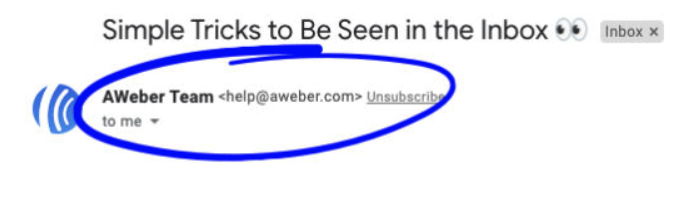
The most impeccably crafted email is useless if it never reaches the inbox. Deliverability—the behind-the-scenes process determining whether an email lands in the primary inbox, spam folder, or nowhere at all—is paramount. Inbox providers like Gmail, Outlook, and Yahoo monitor how subscribers interact with emails. High open rates, click-throughs, and positive responses signal valuable content, increasing future inbox placement. Conversely, low engagement or spam reports negatively impact sender reputation, leading to emails being routed away from the inbox.
Two non-technical practices are crucial for protecting deliverability:
- List Hygiene: Regularly removing subscribers who consistently bounce (due to invalid addresses) or remain unengaged after re-engagement efforts (e.g., no opens in 6 months). A smaller, highly engaged list consistently outperforms a large, unengaged one in terms of deliverability and ROI.
- Sender Authentication: Authenticating your sending domain (e.g., using SPF, DKIM, DMARC records) verifies to inbox providers that your emails genuinely originate from your brand, significantly reducing the likelihood of them being flagged as spam. Reputable email marketing platforms like AWeber automate much of this technical setup.
Furthermore, building a list responsibly is critical. Confirmed opt-in (also known as double opt-in), where subscribers verify their email address after signing up, drastically improves delivery rates. This process ensures subscribers genuinely want to receive your emails, leading to higher engagement and fewer spam complaints. Conversely, purchasing email lists is a detrimental practice. Sending emails to individuals who have not explicitly granted permission is considered spam, often illegal under regulations like GDPR and CAN-SPAM, and severely damages sender reputation. Purchased lists are typically riddled with outdated or inactive addresses, resulting in high bounce rates and immediate spam complaints, leading to blacklisting by inbox providers and email marketing services. Reputable platforms strictly prohibit importing purchased lists.
Finally, the professionalism of your sending address significantly impacts perception and deliverability. An email originating from "[email protected]" conveys legitimacy and trustworthiness, whereas "[email protected]" suggests a less professional operation, or worse, a scam. A professional email address matching your website domain reinforces brand identity, builds credibility, and signals a legitimate business, all of which contribute to better deliverability and subscriber trust. Concurrently, avoiding "no-reply" email addresses is essential. Sending from a "no-reply" address communicates a lack of desire for engagement, which inbox providers view negatively. It also hinders customer service and prevents valuable feedback. Instead, use an address that encourages replies (e.g., "[email protected]" or "[email protected]"), even if an auto-responder is needed to manage volume. This two-way communication signals authenticity and improves sender reputation.
The Imperative of Quality Assurance: Pre-Send Testing
A single broken link in a campaign sent to thousands of subscribers is a costly error that cannot be undone. Implementing a rigorous pre-send testing checklist is a non-negotiable step to prevent mistakes that erode trust and waste marketing efforts.
The testing process should encompass three key areas:
- Technical Checks: Verifying all links are active and correct, images load properly and have alt text, and personalization tags are accurately populated.
- Content Checks: Proofreading for typos, grammatical errors, consistency in brand voice, and ensuring the message flows logically and aligns with the campaign’s objective.
- Experience Checks: Sending test emails to various email clients (Gmail, Outlook, Apple Mail) and devices (desktop, mobile, tablet) to confirm consistent rendering, optimal display across screen sizes, and accurate display of subject lines and preview text.
Many email marketing platforms, including AWeber, offer integrated pre-send checklist features that automatically flag common issues like broken links, missing alt text, and rendering problems, allowing marketers to catch and correct errors before the email reaches the subscriber’s inbox. This meticulous attention to detail safeguards brand reputation and ensures the effectiveness of every send.
Strategic Implementation: A Phased Approach to Email Marketing Excellence
Achieving optimal results from email marketing does not necessitate implementing all these practices simultaneously. The most successful businesses adopt a phased approach, selecting one practice, executing it consistently, and then gradually integrating the next. For those just embarking on their email marketing journey, initiating with a well-crafted welcome series is the most impactful first step. It is the highest-return automation, operating continuously in the background while the business focuses on other priorities.
For businesses already sending emails but struggling to see desired results, the initial focus should shift to list health. A clean, engaged subscriber list forms the bedrock upon which all other successful email marketing strategies are built. Without a healthy list, even the most sophisticated campaigns will falter. Platforms like AWeber provide the tools and resources to implement each of these practices effectively, even without a dedicated marketing team or extensive technical background, offering free trials to help businesses begin their journey toward email marketing excellence today.