rifanmuazin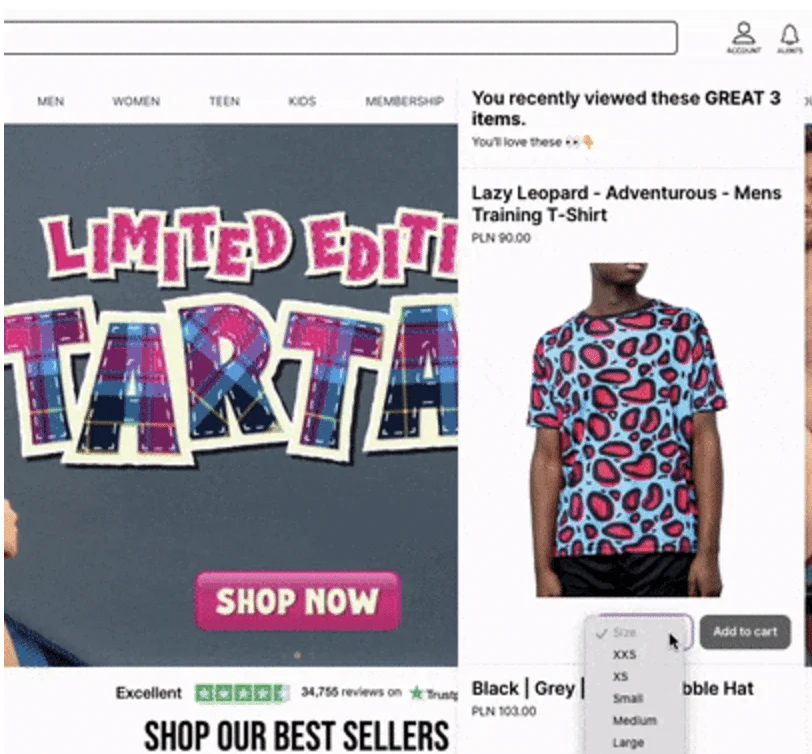
The landscape of digital commerce is undergoing a fundamental transformation as Artificial Intelligence (AI) shifts from a peripheral novelty to the core engine of Conversion Rate Optimization (CRO). For decades, digital marketers relied on manual A/B testing and retrospective data analysis to improve website performance. However, the emergence of AI-powered optimization tools has introduced a new era of real-time, predictive, and hyper-personalized user experiences that anticipate consumer needs before they are explicitly stated. This transition represents a departure from traditional, reactive marketing toward a proactive model where data-driven insights are generated and acted upon with millisecond precision.
The Evolution of Conversion Rate Optimization: A Historical Chronology
To understand the impact of AI on current marketing strategies, it is essential to examine the trajectory of CRO over the past quarter-century. The discipline has moved through three distinct phases of evolution.

In the early 2000s, Phase One was characterized by basic heuristic reviews and manual tracking. Marketers made changes based on "best practices" or gut feelings, using rudimentary tools like Google Analytics in its infancy. Data was sparse, and testing was often unscientific.
Phase Two, beginning around 2010, saw the rise of dedicated A/B testing platforms such as Optimizely and VWO. This era introduced statistical rigor to the process, allowing businesses to run sequential tests to determine which headlines or button colors performed better. While effective, this phase was hampered by "bandwidth bottlenecks." Human analysts had to manually design every test, wait weeks for statistically significant results, and then manually implement the winners.
Phase Three, which began to take hold around 2019, is defined by AI-Enabled Real-Time Optimization. In this current era, the "bottleneck" is removed. AI does not merely facilitate tests; it identifies friction points, prioritizes experiments, and adjusts website content dynamically for different user segments simultaneously. The focus has shifted from "what works for the average user" to "what works for this specific user right now."
Core Mechanics: How AI Redefines the Conversion Funnel
AI Conversion Rate Optimization (AI CRO) functions by synthesizing vast datasets to identify patterns in behavior that are invisible to the human eye. According to recent industry reports, the average enterprise website generates more data in a single day than a team of human analysts could process in a month. AI bridges this gap by automating data collection and providing actionable analytics.
The primary objective of AI CRO is to reduce "conversion friction"—the obstacles that prevent a user from completing a desired action, such as a purchase or a sign-up. By leveraging machine learning algorithms, businesses can now optimize several key areas of the customer journey:
-
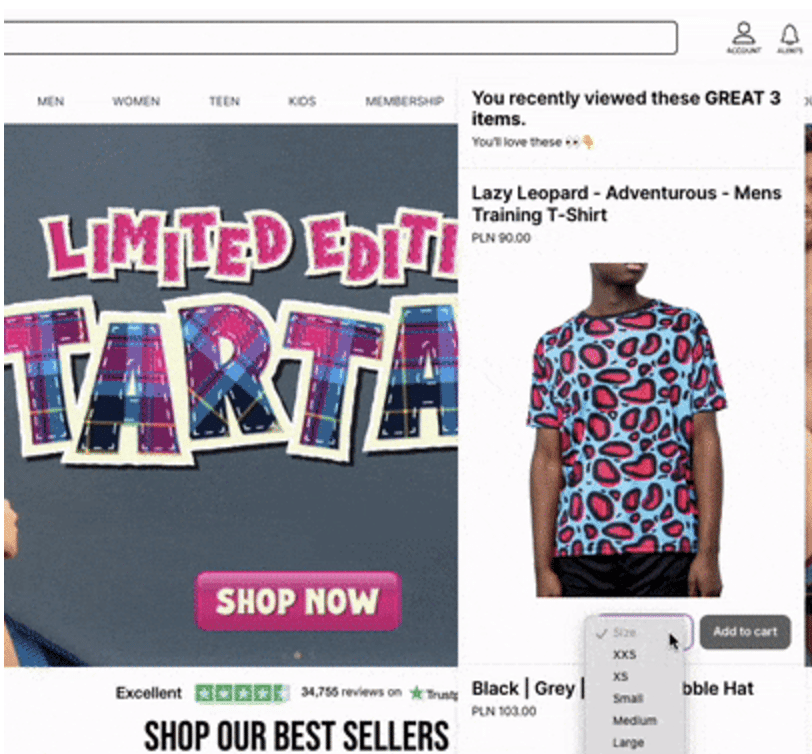
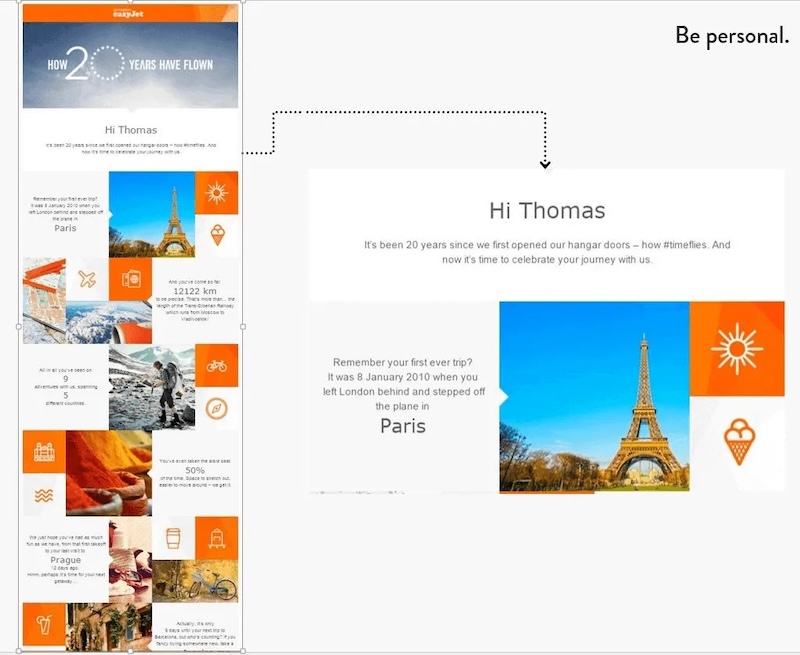
Personalization Engines: Unlike static websites, AI-driven platforms deliver tailored experiences. For example, the UK-based underwear brand OddBalls utilizes AI wishlists and dynamic on-site notifications. By analyzing a visitor’s browsing history in real-time, the system triggers personalized recommendations after a user has viewed a minimum of three products, significantly increasing the likelihood of a conversion.
-
Automated A/B and Multivariate Testing: Traditional testing is often limited to two variables. AI tools, such as FigPii, allow for multivariate testing where hundreds of variations can be tested against different segments. The AI automatically directs more traffic to the high-performing variations, minimizing the "opportunity cost" of showing a sub-optimal version of a site to users.
-
Predictive Analytics: Tools like HubSpot and Pendo use machine learning to forecast future actions based on historical data. If a user exhibits patterns associated with "cart abandonment," the AI can preemptively offer a time-sensitive discount or a chatbot intervention to secure the sale.
Industry Case Studies: From Retail to Public Service
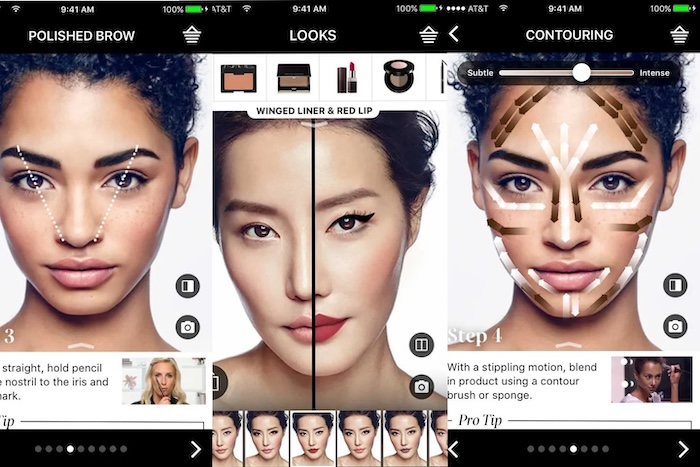
The practical application of AI CRO is best illustrated through its adoption by global leaders. Sephora, a titan in the beauty industry, has integrated AI to bridge the gap between digital browsing and physical application. Their "Virtual Artist" tool uses augmented reality and AI to allow customers to virtually "try on" makeup. This reduces the uncertainty that often leads to high return rates and low conversion in the beauty sector. Furthermore, Sephora’s recommendation engine analyzes skin type and past purchases to suggest products with high affinity scores, creating a bespoke shopping environment.
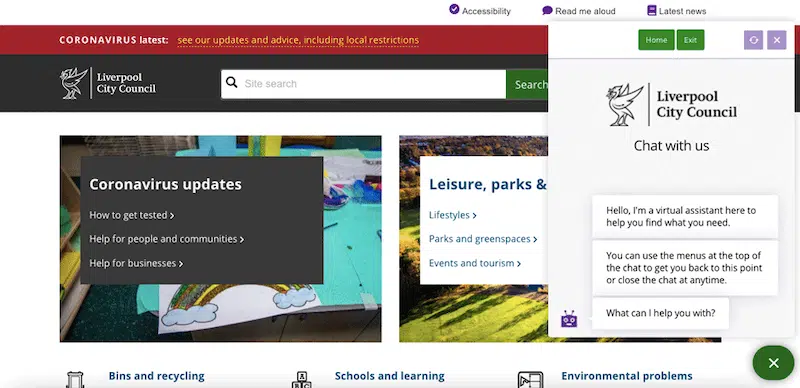
The impact of AI is not confined to the private sector. The Liverpool City Council in the United Kingdom implemented an AI-driven virtual assistant to manage digital inquiries. By using natural language processing (NLP), the chatbot resolves complex queries regarding council tax and benefits in real-time. This application demonstrates that AI CRO principles—improving user flow and reducing friction—are equally effective in public service as they are in e-commerce.
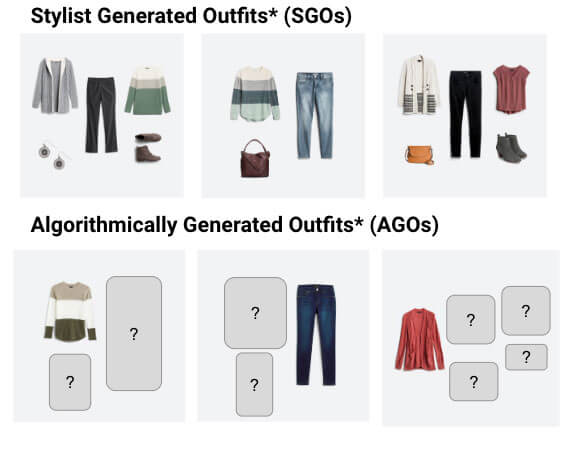
In the fashion subscription space, Stitch Fix has pioneered the use of "Generative AI" and its Outcome-Conditioned Model (OCM). By combining customer feedback with algorithmic styling, the company ensures that the items sent to customers have the highest statistical probability of being kept, directly impacting their retention and conversion metrics.
Supporting Data: The Economic Impact of AI in Marketing
The shift toward AI is backed by compelling economic data. A 2023 report by McKinsey & Company estimated that AI and generative AI could add between $2.6 trillion and $4.4 trillion annually to the global economy. Specifically, in marketing and sales, AI-driven personalization can lead to a 10% to 30% increase in revenue and a higher return on ad spend (ROAS).
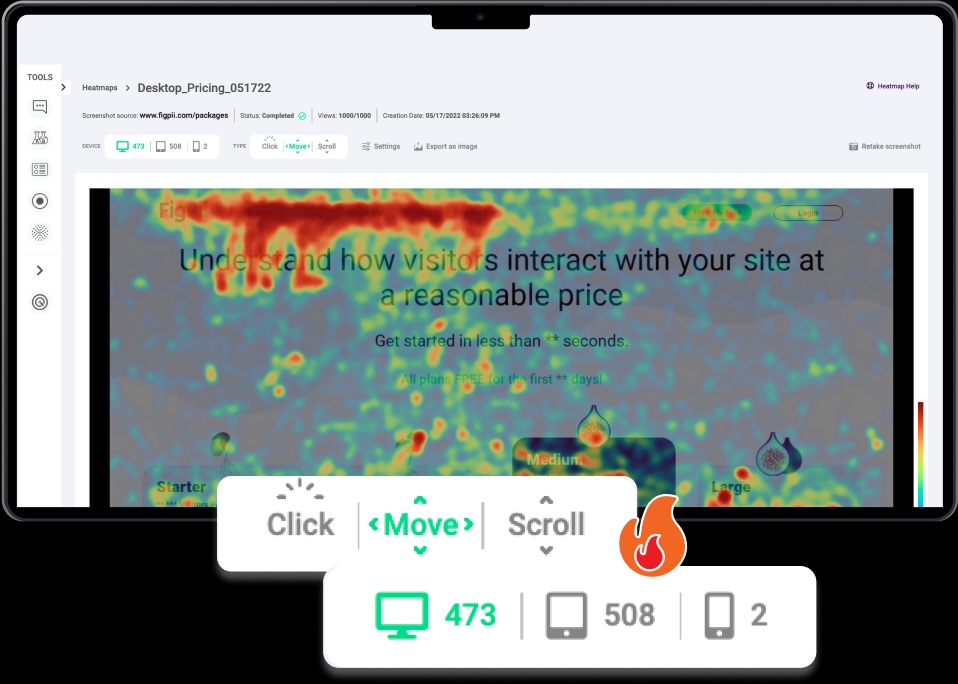
Furthermore, data from Gartner indicates that by 2025, 80% of customer service and support organizations will be applying generative AI technology to improve customer experience and agent productivity. In the context of CRO, businesses that have adopted AI-powered heatmaps and behavioral analytics report a 45% faster identification of "dead zones" on their landing pages compared to those using manual analysis.
Official Perspectives and Market Reactions
Industry experts suggest that the integration of AI is no longer a competitive advantage but a baseline requirement for digital survival. "The speed of the market has surpassed human capacity to react," says one digital strategy analyst. "If your competitor is using AI to adjust their pricing and content in real-time based on a user’s local weather or browsing device, and you are waiting for a weekly report to make changes, you have already lost."
However, the rapid adoption of AI has also prompted reactions regarding data privacy and ethics. Regulatory bodies in the EU and the US are increasingly scrutinizing how AI algorithms use consumer data for predictive modeling. Companies are now being forced to balance "hyper-personalization" with "data transparency," ensuring that AI-driven optimizations do not cross the line into manipulation or privacy infringement.
Broader Implications: Building a Data-Driven Culture
The successful implementation of AI CRO requires more than just software; it necessitates a fundamental shift in corporate culture. Businesses must move away from "HIPPO" (Highest Paid Person’s Opinion) decision-making and toward a culture of continuous validation.
AI functions as a "digital detective," spotting anomalies that might indicate a technical bug or a sudden shift in consumer sentiment. For instance, if a specific demographic suddenly stops converting on a mobile site, AI heatmaps can instantly reveal if a new software update has rendered a "checkout" button unclickable on certain devices.
Moreover, AI is democratizing data science. In the past, only Fortune 500 companies could afford a team of data scientists to build predictive models. Today, through SaaS platforms like Unbounce, Crazy Egg, and Intercom, small-to-medium enterprises (SMEs) can access the same level of analytical power, leveling the playing field in the digital marketplace.
Conclusion: The Future Horizon of AI-Driven Optimization
As AI technology continues to evolve, the future of CRO will likely move toward "Autonomous Optimization." We are approaching a point where websites will be "living organisms" that restructure themselves for every individual visitor. Dynamic content optimization will go beyond changing a first name in a greeting; it will involve the real-time generation of imagery, copy, and site architecture tailored to the user’s cognitive style and emotional state.
The transition to an AI-driven CRO model represents the final move in the "chess game" of digital marketing. By providing clarity, foresight, and the power to act with precision, AI allows brands to move beyond basic metrics and create meaningful, seamless customer connections. The businesses that thrive in the coming decade will be those that view AI not as a replacement for human creativity, but as the engine that allows that creativity to be delivered to the right person, at the right time, every single time.