rifanmuazin
For email marketers operating in the United States and much of Western Europe, the earlier observance of Mother’s Day in the United Kingdom, typically in mid-March, provides a crucial window of opportunity. This temporal gap allows marketers to analyze real-world campaign performance, adapt to evolving inbox dynamics, integrate artificial intelligence advancements, and navigate persistent economic pressures before the significant retail event arrives in May. By meticulously reviewing the strategies employed and their outcomes in the UK, brands can fine-tune their approaches, mitigating risks and maximizing engagement for their later-in-the-year Mother’s Day initiatives. This strategic advantage, often underutilized, offers invaluable insights into consumer behavior, deliverability challenges, and creative efficacy in a rapidly changing digital landscape.
The practice of observing Mother’s Day varies significantly across the globe, with the UK’s "Mothering Sunday" rooted in Christian traditions, occurring on the fourth Sunday of Lent. In contrast, the United States and many other Western nations celebrate Mother’s Day on the second Sunday in May, a tradition initiated in the early 20th century. This chronological difference creates a natural, two-month beta test for email campaigns, offering a preview of what resonates with audiences and what falls flat. Marketers can observe the efficacy of various email tactics, from subject line performance to visual content engagement, and even the broader impact of deliverability challenges influenced by new AI-driven inbox sorting algorithms and the ongoing squeeze of consumer spending. This proactive analysis is essential for maintaining robust sender reputation and ensuring campaigns cut through the increasing noise of promotional emails.

1. Re-evaluating Opt-Out Email Strategies: Beyond the "Do You Want to Hear From Us?" Approach
During the initial phases of the COVID-19 pandemic, a pronounced trend emerged wherein brands proactively offered subscribers the option to opt out of emails related to potentially sensitive events, such as Valentine’s Day or Mother’s Day. This practice, born from a heightened sense of empathy and a desire to avoid causing distress to individuals who might have experienced loss or complex family situations, quickly became standard. However, industry analysis suggests that while well-intentioned, these standalone opt-out emails can inadvertently reinforce the very sensitivity they aim to mitigate. By drawing explicit attention to a potentially painful holiday, these messages can trigger negative associations rather than simply providing a choice.
The shift in best practice now advocates for integrating such sensitive content preferences directly into a brand’s overarching preference center. As exemplified by Hotel Chocolat, empowering subscribers to manage their communication preferences in a centralized hub allows for a one-time, discreet selection. This approach removes the need for recurring, event-specific opt-out emails, fostering a more positive and less intrusive subscriber experience. The implication for marketers is clear: by embedding these choices within a broader preference management system, brands can reduce the psychological friction associated with sensitive topics, enhance user autonomy, and contribute to a healthier long-term relationship with their audience. Data consistently shows that subscribers who feel in control of their inbox are less likely to mark emails as spam, thereby protecting sender reputation and improving overall deliverability. This subtle but significant change reflects a maturation in email marketing, moving from reactive sensitivity to proactive, user-centric design.

2. Enhancing Subscriber Autonomy Through Granular Control
The principle of subscriber control extends far beyond sensitive event opt-outs. Industry reports and countless marketing surveys consistently highlight "too many emails" as the leading reason for unsubscribes and spam complaints. This persistent challenge underscores the critical need for marketers to provide comprehensive options for managing email frequency and content preferences. Without such controls, brands risk alienating segments of their audience who may value the content but not the volume, leading to increased churn and diminished engagement metrics.
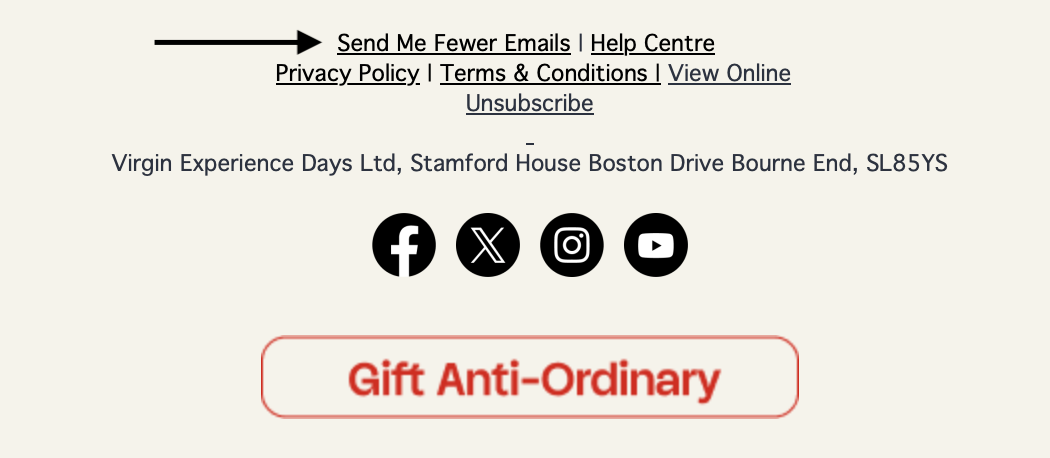
Virgin Experience Days offers an exemplary model by presenting a straightforward "send me fewer emails" option, allowing subscribers to reduce frequency with a single click. This simple yet effective solution addresses a primary pain point for many consumers. Furthermore, a growing trend in 2024 involves dedicated email campaigns specifically promoting and explaining the functionalities of a brand’s preference center. Brands that invest in standalone communications to raise awareness of these subscriber controls often observe a significant boost in performance, characterized by lower unsubscribe rates and higher engagement. By offering additional choices—ranging from daily to weekly updates, or segmenting content by product category—subscribers gain greater control over what they receive and how often. This empowerment translates into increased relevance, higher open and click-through rates, and ultimately, a more engaged and loyal customer base. The strategic implication is that a robust and actively promoted preference center is no longer a mere compliance feature but a powerful tool for fostering customer loyalty and optimizing email program health.
3. The Enduring Power of Striking Imagery in a Visually Driven Era
Despite the advancements in artificial intelligence that enable email summaries and quick content digests, the visual impact of email imagery remains an indispensable component of successful campaigns. While AI may reduce the necessity of opening every message for textual information, human psychology dictates that compelling visuals are powerful drivers of initial engagement and brand recall. Preview panes, a common feature in many email clients, offer recipients a glimpse into an email’s content without a full open, making the initial visual impression paramount. Furthermore, Google’s Gmail Annotations now actively select and display key email images directly within recipients’ Promotions tabs, offering a prime opportunity for visual persuasion before an email is even fully opened.
High-quality, distinctive visuals serve as a critical tool for brand reinforcement, instantly communicating identity, value, and emotional appeal. The examples cited—Belvedere’s luxurious gift bag with roses and vodka, Cartier’s clever recreation of their butterfly logo using jewelry, and dynamic GIFs from brands like Pizza Express—demonstrate the diverse ways imagery can captivate attention. Belvedere’s image immediately conveys luxury and gifting potential, stopping a scroller mid-feed. Cartier’s creative use of product to form a logo is not only aesthetically pleasing but also subtly promotes the items. Pizza Express’s GIF introduces an element of fun and dynamism. These visuals are not just decorative; they are integral to storytelling, conveying brand personality, and driving desire. Industry data consistently supports the notion that emails with compelling images experience higher open rates and significantly greater click-through rates compared to text-only alternatives. In an increasingly crowded digital space, investing in striking, high-resolution imagery and thoughtful visual design is crucial for standing out, reinforcing brand identity, and converting casual browsers into engaged customers.

4. Strategically Encouraging Deeper Engagement Through Scrolling
A persistent challenge in email marketing, underscored by extensive usability research, is the phenomenon of content disappearing "below the fold." Studies, such as those from the Nielsen Norman Group, indicate that fewer than half of consumers consistently venture beyond the initial visible portion of an email. This tendency, exacerbated by inbox overload and diminishing attention spans, means that a significant portion of carefully crafted content, valuable offers, and compelling narratives often goes unseen. Marketers frequently invest considerable resources in developing rich, informative email layouts, only to have much of it overlooked.
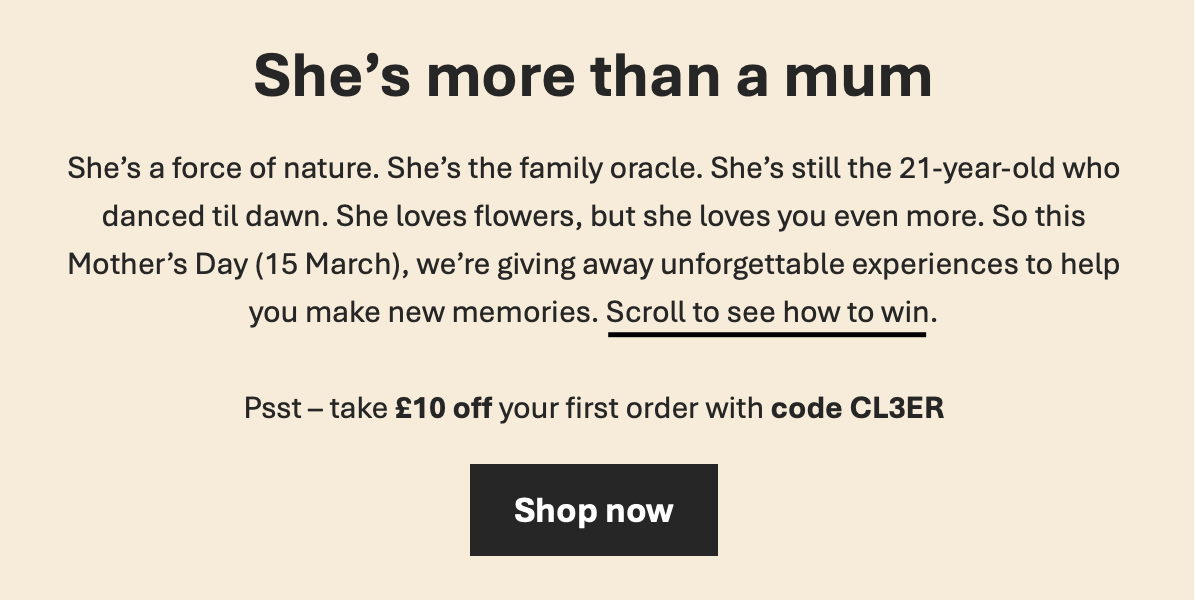
Recognizing this, a growing number of senders are now explicitly designing their emails to encourage scrolling. This involves a variety of techniques, including text-based prompts ("Scroll down for more!"), subtle arrows, and engaging micro-animations that hint at further content. Bloom & Wild, for instance, elevates this tactic by incentivizing the behavior, using a compelling call-to-action such as "scroll to see how to win." Such direct encouragement provides a clear reason for the recipient to continue interacting with the email. The implications of successfully prompting subscribers to scroll are substantial: it increases the visibility of critical information, extends the time subscribers spend engaging with the brand’s message, and ultimately improves the return on investment for content creation. By strategically designing emails with a clear visual hierarchy and persuasive cues, brands can ensure that their full message is received, leading to better conversion rates and a more comprehensive brand experience.

5. Cultivating Inspiration to Ease the Gift-Giving Process
The act of purchasing a gift for a special occasion, particularly for a significant figure like a mother, is often fraught with emotional pressure and decision fatigue. Many consumers experience genuine stress in selecting the "perfect" gift, fearing a misstep or an uninspired choice. In this context, helpful guidance from brands can transform a potentially stressful experience into a positive and engaging one. This is where "inspiration emails" become a powerful marketing tool.
Interflora masterfully executes this strategy with campaigns like "Don’t worry, we’re here to help. Here are a few top tips for a beautiful and stress-free Mother’s Day." Their emails transcend mere product showcases, offering a comprehensive suite of supportive content: a short gift-finder quiz to narrow down options, suggestions for crafting the perfect card message, reminders about international delivery services, and even a thoughtful nudge for partners to "celebrate your mom and the mom of your little ones." This multi-faceted approach addresses various customer needs and anxieties. Similarly, Charlotte Tilbury encourages subscribers to "Shop Trending Now" by highlighting the most-viewed products over the past seven days. This leverages social proof and simplifies the decision-making process for those seeking popular or proven gifts. By shifting from a purely promotional stance to one of supportive guidance and curated inspiration, brands can reduce purchase friction, enhance the customer experience, and significantly increase conversion rates by positioning themselves as helpful allies in the gift-giving journey. This strategy builds trust and reinforces brand loyalty beyond the transactional nature of a purchase.

6. Leveraging Multi-Channel Communication: SMS as an Inbox Supplement
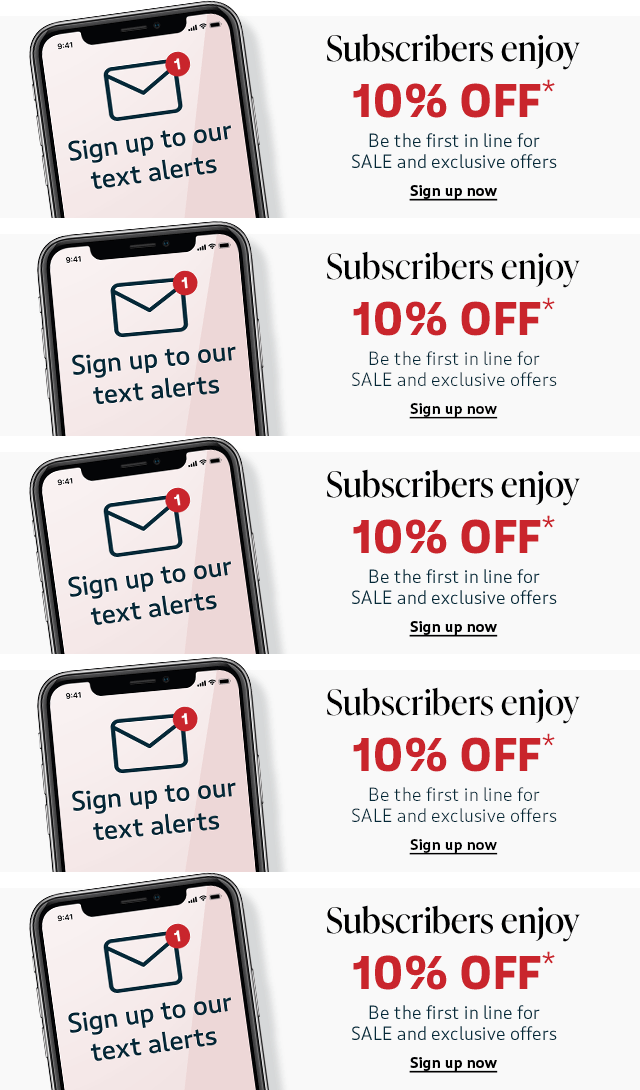
Modern marketing programs thrive on a multi-channel approach, where email forms the core, but mobile, social media, and dedicated applications play crucial supporting roles. Many consumers express a strong preference for mobile communication, particularly for post-purchase messages such as order receipts, shipping notifications, and delivery updates, due to the immediacy and convenience offered by text messages. Cotton Traders provides an excellent example of how to solicit SMS opt-ins, utilizing clever micro-animations to highlight the benefits of receiving timely updates directly on a mobile device.
Beyond transactional messages, SMS is increasingly vital for a new use case: compensating for the challenges posed by evolving inbox algorithms. As evidenced by analyses of Valentine’s Day and April Fools’ email campaigns, Gmail’s relevance-sorted Promotions tab can inadvertently bury date-sensitive emails beneath messages deemed more relevant by its AI. This can lead to missed opportunities for time-critical promotions. A strategically timed text message, such as "Don’t miss our Mother’s Day promotion—check your inbox today!" can serve as a direct prompt, guiding subscribers immediately to the relevant email. This cross-channel synergy ensures that important marketing messages gain visibility, even amidst complex inbox sorting. As a complementary strategy, marketers should actively utilize Gmail Annotations. By specifying details like discounts, expiration dates, and product previews, emails can earn a coveted "Featured Deal" card at the top of the Promotions tab, dramatically boosting visibility and relevance. Integrating SMS effectively into the marketing mix thus becomes a powerful tool for ensuring campaign reach and combating potential inbox de-prioritization, significantly enhancing the overall effectiveness of email campaigns.
7. Incentivizing Early Purchases for Operational Efficiency and Customer Benefit
For major retail events like Mother’s Day, encouraging customers to make their purchases well in advance offers multifaceted benefits, impacting both the brand’s operational efficiency and the customer’s satisfaction. From an operational standpoint, early purchases alleviate pressure on critical infrastructure, including website servers, customer service teams, and fulfillment logistics. This proactive distribution of demand can prevent system overloads, reduce shipping delays, and allow customer service representatives to provide more focused support during peak times.
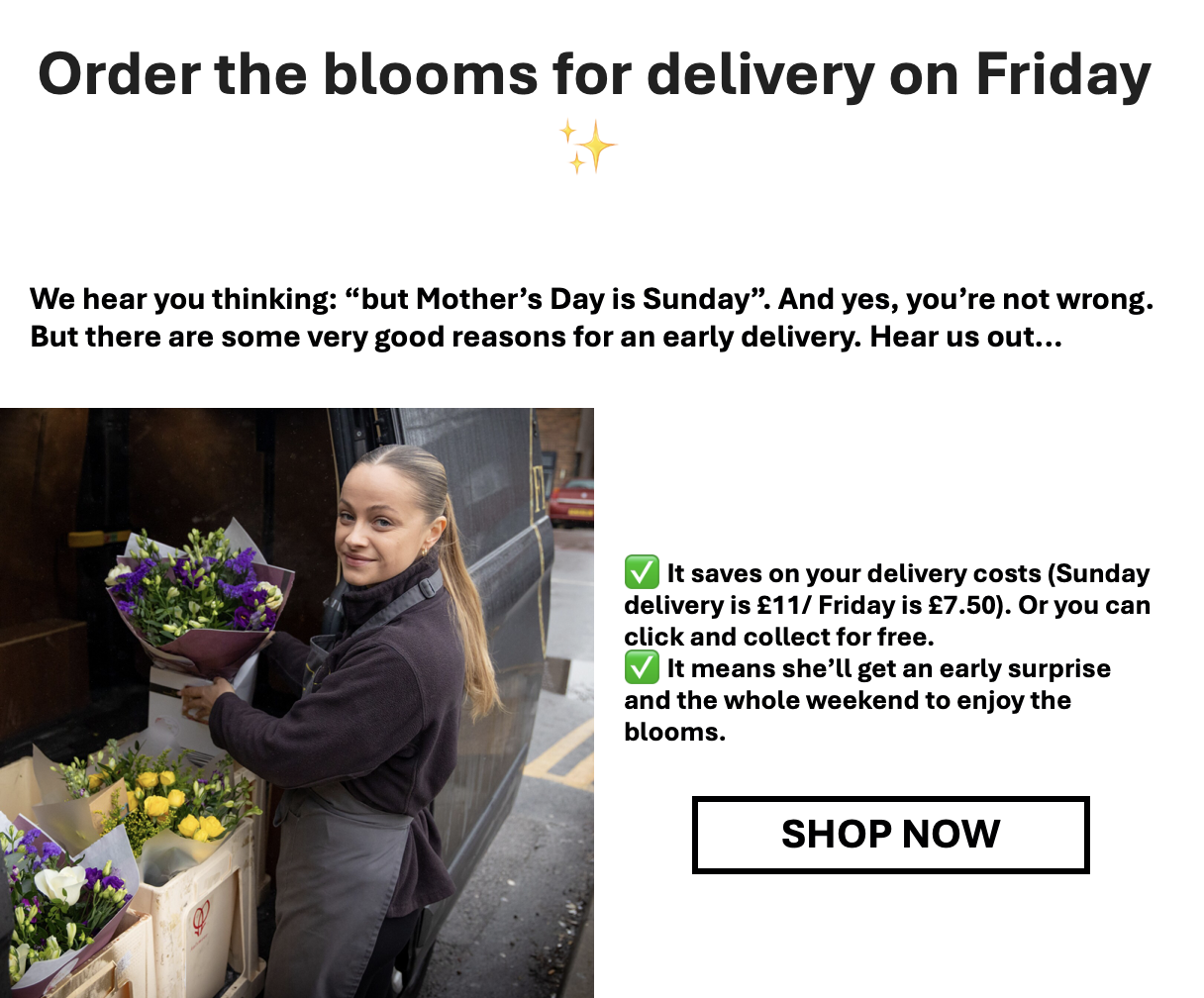
Crucially, this strategy can be framed as a genuine benefit to the customer, transforming an operational necessity into a value proposition. Interflora, for instance, masterfully implements this by offering incentives for early orders. Their messaging is simple and compelling: "Order early for cheaper delivery, and mom gets to enjoy her flowers for the full weekend." This pitch creates a clear win-win scenario. Customers benefit from reduced costs and the assurance that their gift will arrive well in time, allowing the recipient to enjoy it over an extended period. The brand benefits from smoother operations, reduced last-minute stress, and potentially higher customer satisfaction due to reliable delivery and service. This tactic, when communicated effectively, can significantly improve customer experience while simultaneously optimizing internal processes, leading to a more successful and less chaotic promotional period.

8. Implementing Proactive "Remember the Date!" Reminder Services
While many consumers are highly organized and plan their gift purchases weeks in advance, an equally significant segment comprises individuals who, despite their best intentions, are prone to forgetting important dates. Forgetting Mother’s Day, in particular, can lead to considerable personal distress and potential interpersonal repercussions. Recognizing this common consumer challenge, forward-thinking brands are implementing proactive reminder services that extend beyond a single promotional push.
Interflora again provides an exemplary model for this strategy. They offer subscribers the ability to utilize a reminder service within their account, allowing them to set advance notifications for a range of special events, including Mother’s Day, birthdays, and anniversaries. Subscribers can customize parameters, specifying how far in advance they wish to receive a nudge, and are often incentivized with a discount for each order placed through the reminder service. This approach offers immense value to the customer, transforming a brand from a mere vendor into a helpful personal assistant. For the brand, it fosters deep customer loyalty, secures future purchases by locking in commitment, and provides predictable revenue streams for recurring events. The "What’s not to like?" aspect for the customer is evident: peace of mind, convenience, and a discount. For the brand, it’s a powerful tool for customer retention and increasing lifetime value, demonstrating a genuine understanding of consumer needs beyond the immediate transaction.

9. Dynamic Content for Post-Event Relevance: Replacing Expired Offers
Once a major promotional event like Mother’s Day has passed, the relevance of associated marketing emails rapidly diminishes. Promotional content centered on the now-expired occasion becomes obsolete almost instantly. Subscribers are far more likely to delete such emails without opening them or, worse, mark them as spam due to their perceived irrelevance. This can significantly harm a sender’s reputation and negatively impact future deliverability. Smart marketers understand the imperative of maintaining content freshness and actively manage their email real estate to ensure ongoing engagement.
The solution lies in the strategic use of dynamic content, allowing marketers to automatically swap out expired offers with new, relevant promotions. Look Fabulous Forever’s approach, while aiming for this, highlights the potential for further optimization. Their instinct to replace outdated Mother’s Day content was correct, preventing it from lingering and becoming a source of frustration. However, the opportunity existed to make the replacement content even more timely and engaging. For example, with Easter often closely following Mother’s Day in the UK, a natural and highly relevant redirect would have been to pivot to Easter-themed promotions. By implementing robust dynamic content capabilities, brands can ensure that emails retain their value and appeal regardless of when they are opened. This proactive management of content relevance protects sender reputation, minimizes negative subscriber actions, and keeps the marketing conversation fresh and engaging, ultimately contributing to higher long-term engagement rates.
10. Adhering to Inbox Provider Guidelines: Avoiding System Manipulation
A persistent misconception among some email marketers is the notion that landing in a subscriber’s "Primary" inbox tab automatically guarantees greater visibility and engagement compared to the "Promotions" tab. This belief often leads to misguided attempts to manipulate inbox placement, such as explicitly encouraging customers to recategorize emails as "Primary." The White Company’s example, where they actively prompt customers to move their emails, illustrates this prevalent but problematic practice.
However, major email service providers, including Gmail, Microsoft, and Yahoo, have consistently and unequivocally cautioned against any attempts to "game the system." At industry conferences and in official guidelines, these providers have explicitly stated that such manipulative tactics will be penalized. Their algorithms are sophisticated and designed to categorize emails based on content, sender behavior, and user interaction. Subscribers generally expect to find marketing emails in their Promotions tab and actively engage with them there. Trying to force promotional content into the Primary tab can backfire severely, leading to damaged sender reputation, lower deliverability across all tabs, and ultimately, a decrease in overall email program effectiveness. The professional journalistic stance here is clear: adherence to platform guidelines and fostering legitimate engagement within the designated tabs is paramount for long-term email health and success. Trust, transparency, and respecting user expectations within the framework provided by ISPs are far more beneficial than short-sighted attempts at manipulation.
11. Geographic and Temporal Segmentation: The Crucial UK Mother’s Day Distinction
Revisiting the core premise of this analysis—the differing dates for Mother’s Day celebrations—underscores a critical, albeit sometimes overlooked, point for international senders. Mother’s Day in the UK occurs two months prior to its observance in the US and many other global markets. A common pitfall, and a reliable recipe for high complaint rates and damaged sender reputation, is for non-UK senders with UK-based customers to inadvertently send them Mother’s Day promotions in May.
This error, while seemingly minor, represents a significant failure in audience segmentation and localization. Receiving a promotional email for a holiday that has already passed, or one that is not relevant to their geographic location, is a jarring and frustrating experience for subscribers. It signals a lack of attention to detail and a disregard for their specific context. The implication is severe: such misfires not only lead to immediate unsubscribes and spam complaints but also erode customer trust and loyalty. Brands must implement robust geo-segmentation strategies to ensure that holiday-specific campaigns are sent only to the relevant audience segments at the correct time. For senders with an international customer base, meticulous attention to cultural and temporal nuances is not merely a nicety but a fundamental requirement for maintaining a healthy email program and fostering positive customer relationships.

Learning from History: Optimizing for Future Success
The adage, often attributed to Winston Churchill, that "those who fail to learn from history are doomed to repeat it," holds particular resonance for email marketers. The UK’s earlier observance of Mother’s Day provides a unique and invaluable historical dataset, offering senders across the globe a rare opportunity to conduct a live dress rehearsal and fine-tune their email programs before the larger May event. By meticulously analyzing the successes and shortcomings of UK campaigns—from engagement metrics and conversion rates to deliverability challenges and subscriber feedback—marketers can proactively adapt their strategies.
This foresight allows for evidence-based adjustments in content, timing, segmentation, and creative execution, mitigating risks and enhancing the probability of success for subsequent campaigns. The insights gleaned from this earlier cycle are not merely anecdotal but represent actionable data points concerning evolving inbox dynamics, the impact of AI on deliverability, and consumer responses to economic shifts. Therefore, leveraging this temporal advantage is not just a strategic option but a critical imperative for any marketer aiming to achieve optimal performance and maintain a robust, high-performing email program. To further refine email strategies and navigate the complexities of the current digital landscape, marketers are encouraged to consult comprehensive industry resources, such as the recently published Litmus State of Email 2024 report, to elevate their email programs to the next level of sophistication and effectiveness.