rifanmuazin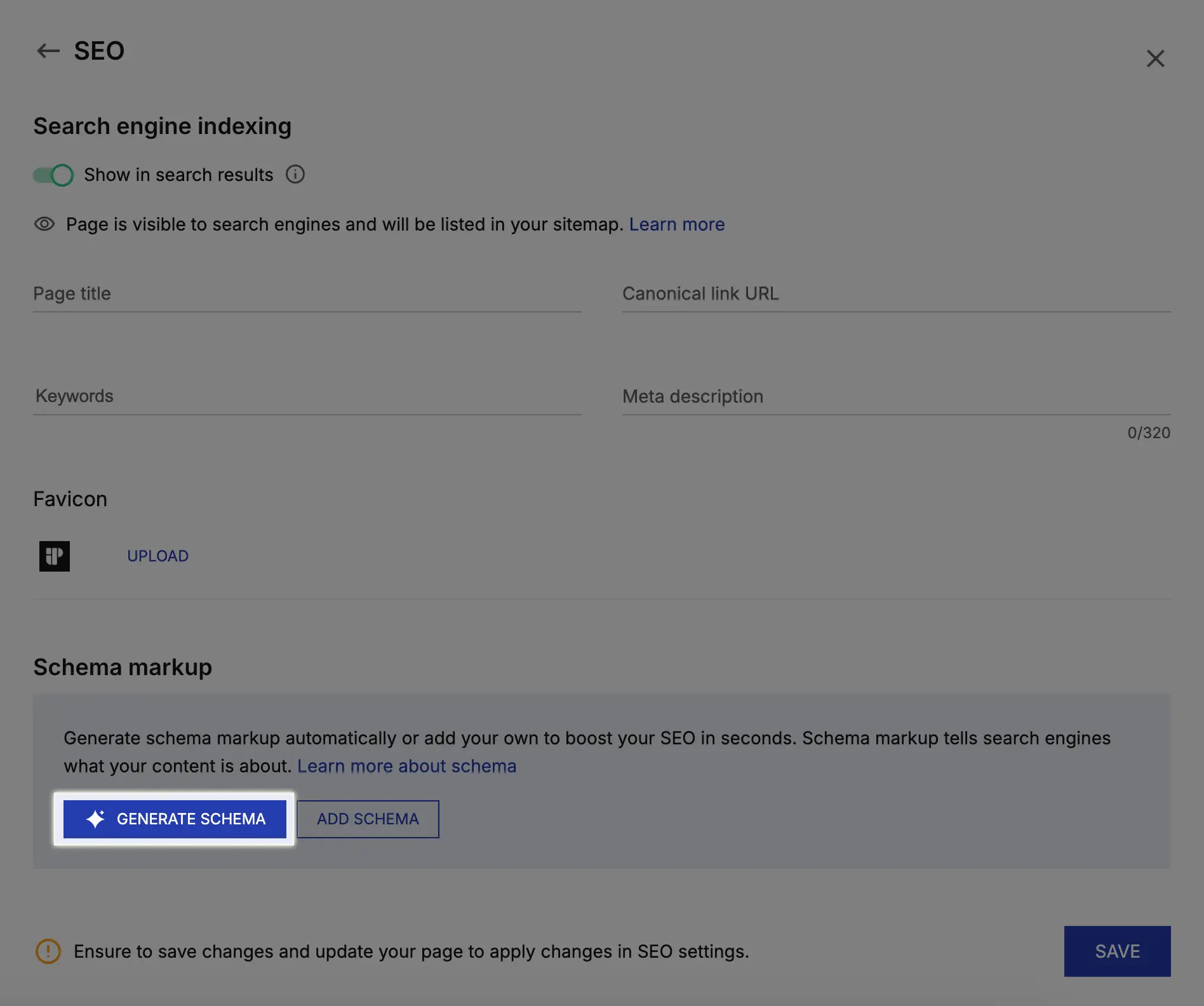
The landscape of digital marketing is undergoing a fundamental transformation as traditional search engine optimization (SEO) converges with the rapidly evolving field of Artificial Intelligence Optimization (AIO). In response to this shift, Instapage, a leading landing page platform, has announced the launch of a new AI-powered Schema Markup feature. This tool is designed to address a growing challenge for digital marketers: ensuring that high-converting landing pages are not only visually appealing to human visitors but also technically intelligible to the sophisticated algorithms powering modern search engines and AI assistants.
As global marketing budgets face increasing scrutiny and tightening constraints, brands are being forced to diversify their traffic sources beyond expensive paid media. The rise of "zero-click" searches and AI-generated answers has made organic visibility more competitive than ever. Industry data suggests that the brands currently securing top-tier placements in search results and AI summaries are not necessarily those with the largest advertising spends, but rather those that provide the clearest "structured signals" to web crawlers. Instapage’s new integration aims to democratize access to these technical signals, allowing marketers to implement complex JSON-LD (JavaScript Object Notation for Linked Data) without the need for specialized web development resources.
The Technical Imperative: Why Schema Markup Matters in the AI Era
To understand the significance of Instapage’s latest update, one must first understand the role of schema markup in the modern web ecosystem. While a human visitor sees a landing page as a collection of headlines, images, and buttons, search engines like Google and AI systems like OpenAI’s SearchGPT or Google Gemini perceive pages as data sets. Schema markup acts as a universal translator, providing a standardized vocabulary—established by Schema.org—that tells these systems exactly what the content represents.
Without structured data, an AI might struggle to distinguish between a product price and a phone number, or an event date and a publication date. This lack of clarity often results in pages being overlooked for "rich snippets"—the enhanced search results that include star ratings, price ranges, and FAQ dropdowns. According to various SEO industry benchmarks, pages with rich snippets can see click-through rates (CTR) increase by as much as 30% compared to standard blue-link results. Furthermore, as AI assistants increasingly provide direct answers to user queries, they rely heavily on structured data to verify the facts they present. If a page lacks these signals, it effectively becomes invisible to the very systems that are increasingly responsible for directing web traffic.
Functional Overview of the Instapage Schema Tool
The newly released feature within the Instapage platform allows users to generate, validate, and publish structured data directly from their page settings. The workflow is designed to eliminate the traditional "back and forth" between marketing teams and IT departments, which has historically been a bottleneck for SEO implementation.
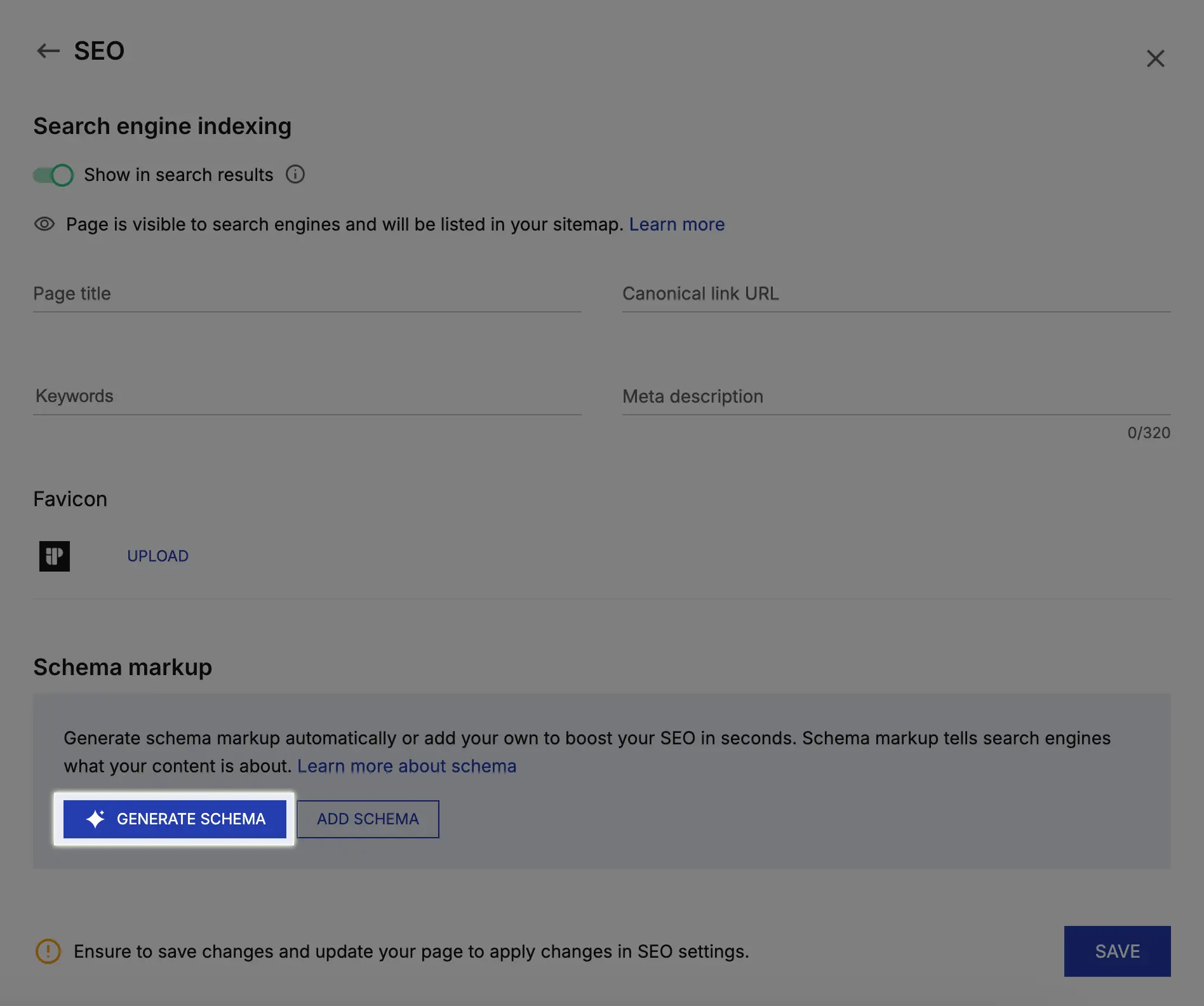
The process begins within the SEO settings of the Instapage builder. Users are presented with a selection of the most common schema types, including:
- Organization: Providing details about a company’s identity, logo, and social profiles.
- Person: Defining the credentials and history of an individual, crucial for personal branding and E-E-A-T (Experience, Expertise, Authoritativeness, and Trustworthiness).
- Product: Detailing price, availability, and reviews for e-commerce conversion.
- LocalBusiness: Essential for brick-and-mortar entities looking to appear in "near me" searches.
- Event: Highlighting dates, locations, and ticketing information.
- FAQPage: A strategic choice for capturing real estate in Google’s "People Also Ask" sections.
A standout component of the update is the "Auto-detect" option. Utilizing integrated AI, the platform can analyze the existing content on a landing page and automatically suggest the most appropriate schema types. Once a type is selected, the AI generates the corresponding JSON-LD markup. Before going live, the tool includes a validation step to ensure the code meets the rigorous standards required by search engines, preventing the technical errors that often lead to search engine penalties.

Historical Context and Market Trends
The launch of this feature comes at a pivotal moment in the history of search. For over two decades, SEO was largely a game of keyword density and backlink acquisition. However, the introduction of Google’s Knowledge Graph in 2012 and the subsequent rise of BERT and Smith algorithms shifted the focus toward "entities" and "intent."
The timeline of structured data development shows a clear trajectory toward the current AI-centric model:
- 2011: Creation of Schema.org by Google, Bing, and Yahoo.
- 2015: Google begins prioritizing JSON-LD over other formats like Microdata.
- 2020-2022: The explosion of "Rich Results" as the primary driver of organic CTR.
- 2023-2024: The emergence of Generative AI in search, making structured data a prerequisite for being cited as a source by AI bots.
Instapage’s decision to integrate AI into this technical process reflects a broader trend in the "MarTech" (marketing technology) industry. As marketing stacks become more complex, there is a high premium on "all-in-one" solutions that reduce "technical debt"—the implied cost of additional rework caused by choosing an easy but limited solution now instead of using a better approach that would take longer.
Strategic Implications for Diverse Business Models
The implications of accessible schema markup vary across different sectors, but the underlying benefit remains consistent: improved visibility and trust.
For E-commerce and Direct-to-Consumer (DTC) Brands:
In the competitive world of online retail, the "Product" schema is a necessity. By providing search engines with real-time data on pricing and stock levels, brands can ensure that their search listings are accurate. This reduces "bounce rates" caused by users clicking on a link only to find a product is out of stock or at a different price point than expected.
For B2B and Lead Generation:
B2B marketers often use landing pages for whitepapers, webinars, and consultations. By utilizing the "Event" or "FAQ" schema, these marketers can answer common prospect questions directly on the Search Engine Results Page (SERP). This establishes authority before the user even clicks through to the page, increasing the likelihood of a high-quality lead conversion.
For Local Services:
Local businesses, such as law firms, medical clinics, or contractors, rely heavily on the "LocalBusiness" schema. This data feeds into map applications and local "3-pack" search results. Instapage’s tool allows these businesses to ensure their Name, Address, and Phone Number (NAP) data is consistently communicated to the web, which is a primary ranking factor for local SEO.
Analysis of the "Developer-Free" Paradigm
One of the most significant aspects of this announcement is the removal of the developer barrier. Traditionally, implementing JSON-LD required a working knowledge of JavaScript and the ability to access a website’s <head> tag. For many marketing teams, this meant submitting a ticket to a development team and waiting days or weeks for implementation.
By moving this capability into the hands of the marketer, Instapage is facilitating "agile marketing." In a landscape where search trends can shift in hours, the ability to update a page’s technical signals in five minutes is a competitive advantage. This shift also reflects the changing role of the modern marketer, who is increasingly expected to possess a "T-shaped" skill set—having a broad understanding of various digital disciplines while specializing in a few.
Official Perspectives and Industry Reaction
While official statements from search engine representatives often remain neutral regarding specific tools, the consensus among SEO practitioners is one of cautious optimism. Analysts suggest that tools like Instapage’s schema generator are essential for maintaining the "health" of the open web. If small and medium-sized businesses cannot easily communicate their data to AI systems, the digital landscape risks becoming a monopoly dominated by a few large corporations with the resources to manually optimize their technical infrastructure.
"The gap between what a browser renders and what a bot understands has been the silent killer of many great marketing campaigns," says one industry analyst. "By automating the creation of JSON-LD, Instapage is essentially giving smaller brands a seat at the table in the AI era."
Broader Impact on the Future of Search
As we look toward the future, the role of landing pages will likely evolve from being mere destinations to being "data hubs." As AI agents become more autonomous—performing tasks like booking appointments or comparing products on behalf of users—the structured data hidden in the code of a landing page will be more important than the visual design.
Instapage’s new feature is a proactive response to this reality. It acknowledges that the future of the internet is one where humans and machines are co-consumers of content. For a brand to succeed, it must cater to both. The launch of the AI-powered Schema Markup tool signifies a move toward a more "readable" web, where information is structured, verified, and easily accessible to the algorithms that increasingly mediate our experience of the digital world.
In conclusion, the addition of Schema Markup to the Instapage platform is more than just a functional update; it is a strategic alignment with the future of search and AI. By simplifying a complex technical requirement, Instapage is providing its users with the tools necessary to compete in an environment where visibility is determined by the clarity of one’s data. As organic search continues to be a cornerstone of sustainable growth, the ability to "speak the language" of search engines and AI assistants will remain a critical factor in the success of digital marketing efforts worldwide.