rifanmuazin
A recent survey of local SEO experts has illuminated the critical, yet often misunderstood, role of local citations in digital marketing. Citations, defined as online mentions of a business including its name, address, and phone number (NAP), are fundamental to local search engine optimization (SEO) and are increasingly influential in the evolving landscape of AI-driven search. Despite their significance, many small businesses struggle with the complexities of citation management and its impact on their online visibility.
The survey, conducted by WhiteSpark, a leading local SEO consultancy, highlighted two key data points regarding citations that have sparked discussion within the industry. While the specific details of these findings were not fully elaborated in the initial announcement, the underlying theme points to a persistent gap in understanding among business owners about how to effectively leverage citations. This lack of clarity can lead to missed opportunities for increased visibility, customer engagement, and ultimately, business growth.
With years of experience in building and managing thousands of local citations, industry professionals observe a recurring challenge: small businesses often lack a comprehensive understanding of the citation process. This includes not only the mechanics of acquiring and maintaining these listings but also their profound effect on local SEO performance and their growing importance in the age of artificial intelligence search.
Several points of confusion frequently arise. Businesses may be unsure about the difference between a citation and a backlink, whether to prioritize structured or unstructured citations, or how data aggregators fit into the overall strategy. Perhaps the most significant dilemma for many is the decision of whether to handle citation building in-house or to outsource the task, and if opting for the latter, how to do so effectively. This article aims to demystify the world of local citations, offering insights into their value, cost, and the most effective strategies for implementation, including a step-by-step guide for businesses looking to manage their citations independently.

What Are Local Citations?
At its core, a local citation is any online mention of a business. In the context of local SEO, this typically refers to a structured listing on an external website that prominently features the business’s name, address, and phone number (NAP). These listings are commonly found on directory-style websites, which can vary widely in their scope and focus. They can be categorized into several types:
- General Directories: Broad platforms like Yelp, Yellow Pages, and Google Business Profile that list businesses across all industries.
- Industry-Specific Directories: Websites dedicated to particular sectors, such as Angie’s List for home services, Healthgrades for medical professionals, or TripAdvisor for hospitality businesses.
- Local and Regional Directories: Online resources focused on specific geographic areas, like city or county chambers of commerce, local government sites, or regional tourism boards.
- Data Aggregators: Services that collect, verify, and distribute business information to a vast network of downstream directories, apps, and mapping services. Examples include Data Axle, Neustar Localeze, and Foursquare.
Local Citation Examples
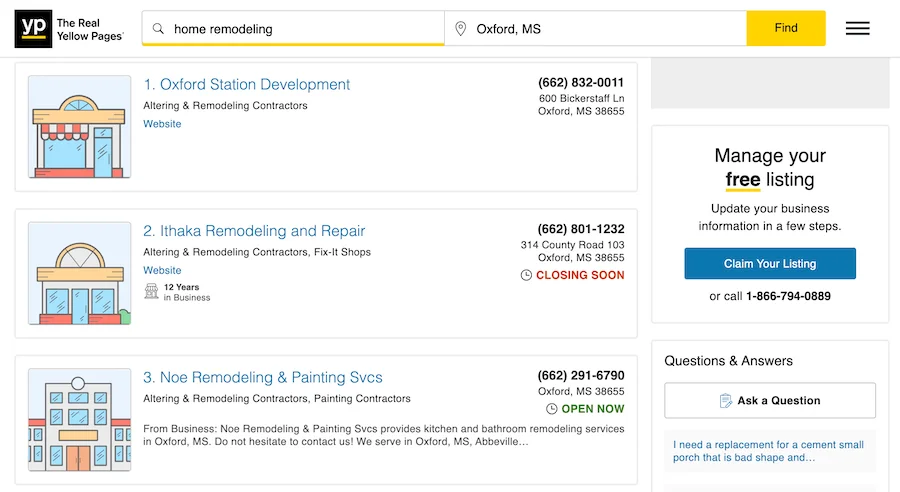
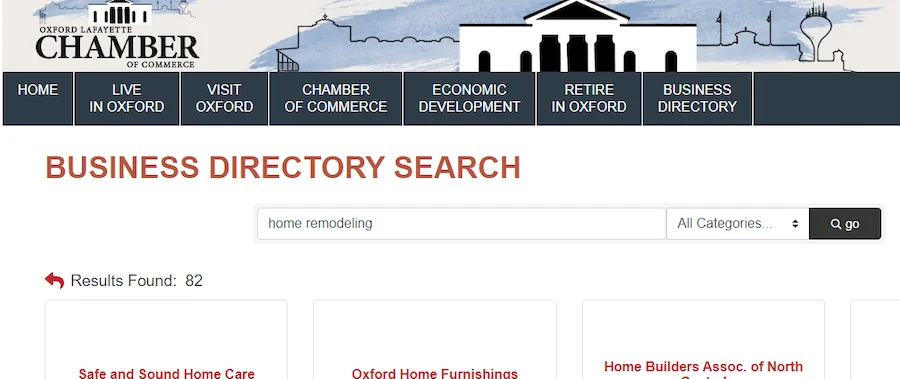
To illustrate, consider a hypothetical home remodeling business based in Oxford, Mississippi. This business could secure a listing on a general directory like the Yellow Pages. Such a listing would typically include the business name, address, phone number, website, and a brief description of services.
Beyond national directories, the business could also establish a presence on local platforms. This might involve securing a listing with the Oxford Chamber of Commerce, a government-affiliated directory, or a local travel and tourism site. These regional citations reinforce the business’s local presence and can be particularly valuable for attracting customers within its immediate service area.
Furthermore, the business could target directories specifically catering to the construction and home improvement industries. Sites like ContractorHub or HomeAdvisor, for example, would allow the remodeling company to reach a more targeted audience actively seeking renovation services. Each of these listings, whether general, local, or industry-specific, contributes to the business’s overall citation profile.
The Cost of Local Citations
The market for local citation services is diverse, with a wide spectrum of pricing and quality. A deep dive into over 50 different local citation providers revealed significant cost variations. While exact figures fluctuate, key takeaways from this research indicate a broad range. The cheapest citations can be found for as little as $0.13 per citation, while the median price hovers around $1.33 per citation. Premium services, excluding cleanup, can reach up to $4.73 per citation. The cost-effectiveness often depends on the volume of citations purchased, with prices per citation typically decreasing as package sizes increase. However, the cheapest per-citation price doesn’t always equate to the best value.
Manual citation building services, often in packages of 50-100 citations, tend to fall within the $1-$2 per citation range and include quality verification. Budget freelance options can dip below $0.50 per citation but may lack essential NAP auditing and quality checks. Software-as-a-Service (SaaS) tools often charge more per listing but provide ongoing management and synchronization capabilities.
A crucial distinction to consider is the "own vs. rent" model. Manual and freelance citations are typically one-time purchases that businesses retain indefinitely. In contrast, SaaS listings are often subscription-based, meaning the listings may be removed if the subscription is canceled. This factor significantly impacts the true long-term cost of citation building.
Several factors influence the cost of citation acquisition:
- The number of citations: Larger packages generally offer a lower per-citation rate.
- The quality and comprehensiveness of the service: Services that include NAP auditing, duplicate cleanup, and detailed reporting will naturally cost more.
- The inclusion of niche or industry-specific directories: These often require more specialized effort and may be priced higher.
- The speed of delivery: Rush services can incur additional fees.
Understanding these cost drivers empowers businesses to ask the right questions when evaluating vendors and to find the optimal balance between service quality and budget. Alternatively, businesses can assess the cost of investing their own time and effort into citation building and weigh it against the expense of outsourcing.
Local Citations vs. Link Building
A common point of confusion is the distinction between local citations and backlinks. While many local citations will include a link back to a business’s website, not all do. The primary objective of citation building is not solely to acquire links, but rather to ensure a business is listed in key directories where potential customers are likely to search. These listings serve as important signals to search engines like Google, indicating that a business is legitimate, noteworthy, and relevant to specific business categories and locations.
However, the process of building citations invariably leads to an increase in the number of backlinks to a website, as many directory platforms permit the inclusion of a website URL. This dual benefit—enhanced local visibility and improved backlink profile—underscores the strategic importance of citation management.

NAP Consistency and Citations
NAP consistency refers to the uniformity of a business’s name, address, and phone number across all its online listings. Inconsistencies, such as variations in business name, outdated addresses, or incorrect phone numbers, can significantly harm local search rankings. Search engines interpret these discrepancies as signs of unreliability, potentially diminishing a business’s trustworthiness in their algorithms.
While citation building primarily involves creating new listings, it often goes hand-in-hand with "cleaning up" existing citations. This process involves identifying and correcting NAP inconsistencies across the web, claiming business profiles on platforms where they may exist unbeknownst to the business owner, and updating outdated information. Many citation service providers offer a comprehensive approach that includes both new citation creation and the rectification of existing data inaccuracies.
Structured vs. Unstructured Citations
Citations are also differentiated by their format: structured and unstructured.

- Structured Citations: These are listings found on directory-style websites that adhere to a predefined format, with uniform fields for information such as business name, address, phone number, website, and category.
- Unstructured Citations: These appear outside of formal business profiles, often within articles, blog posts, or news mentions. Examples include a business being mentioned in a "best of" listicle, an employee being quoted in an industry publication, or a business being featured in a local news story. While less common as a primary citation strategy, these can still contribute to a business’s online presence and authority.
Local Citations vs. Data Aggregators
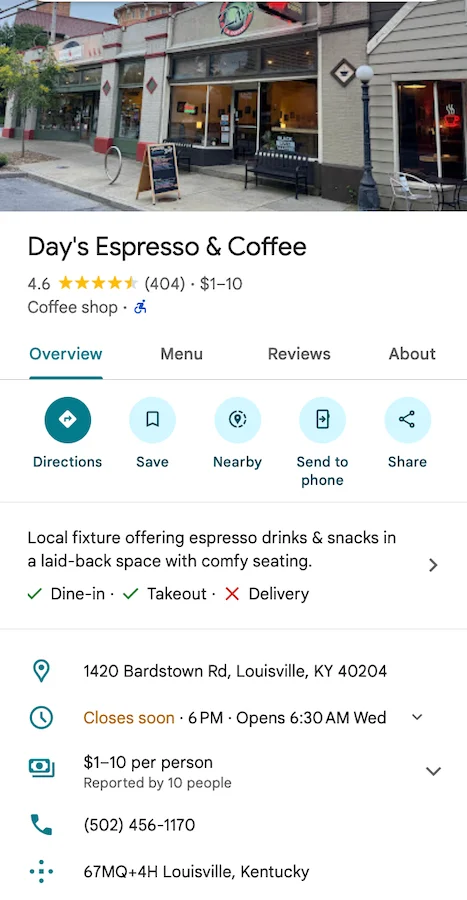
Data aggregators play a pivotal role in the citation ecosystem. These services collect, verify, and then distribute business information to hundreds of downstream directories, applications, and mapping services. Essentially, they facilitate a bulk submission of business data, creating numerous citations simultaneously. Major data aggregators include Data Axle (formerly Infogroup), Neustar Localeze, and Foursquare.
Many citation services incorporate submissions to data aggregators as part of their packages. Alternatively, businesses can engage directly with these aggregators, often paying a one-time fee for the initial data syndication. This approach ensures that a business’s core information is disseminated widely across the digital landscape.
The Value of Local Citations
The value of local citations in impacting search engine rankings is a topic of ongoing discussion and research. Recent observations from local SEO experts suggest a nuanced perspective. One case study indicated that building citations positively influenced organic search rankings for a specific landing page, although it did not show a direct impact on Maps rankings. Conversely, other industry professionals have observed that consistent citation building can have a direct and significant impact on rankings, particularly in local map results.
The consensus suggests that the effectiveness of citations can vary, often depending on the specific industry, geographic location, and the competitive landscape. However, several fundamental truths hold:
- Citations help search engines understand your business: Consistent and accurate NAP information across multiple reputable sources signals to Google and other search engines that your business is legitimate and relevant.
- Citations contribute to your authority: A robust citation profile, particularly one that includes industry-specific and geographically relevant directories, enhances your business’s perceived authority.
- Citations can drive traffic and leads: While not their primary function, well-placed citations with links can direct potential customers to your website or business.
Measuring the effectiveness of citation building involves tracking key performance indicators such as rankings in Google Maps and organic search, overall visibility, and the number of leads and sales generated from these channels. For businesses engaged in multiple SEO activities concurrently, the cost of citation building can be factored into the overall SEO and AI search investment.
How Many Local Citations Does a Business Need?
The optimal number of local citations varies based on several factors, including industry competitiveness, geographic market size, and the number of local competitors. However, general guidelines can be established:
- Tier 1 (Essential Platforms): Aim for completeness on the top 5 essential platforms, including Google Business Profile, Apple Maps (Apple Business Connect), Bing Places for Business, Facebook Business Page, and Yelp.
- Tier 2 (Data Aggregators): Ensure your business is listed with the major data aggregators, which can syndicate your information to hundreds of other directories.
- Tier 3 (Major Directories): Secure listings on approximately 7-10 widely recognized general directories.
- Tier 4 (Industry & Niche): Identify and list your business on 8-15 relevant industry-specific and niche directories.
For businesses in highly competitive markets, a more extensive citation strategy might be necessary, potentially involving 50-100 or even more high-quality citations. The focus should always be on quality and relevance over sheer quantity.
Building Local SEO Citations Independently
While citation building can be time-consuming, it is a manageable process for businesses willing to invest the effort. The first step is to gather essential business information:
- Accurate Business Name: Ensure it’s consistent with your legal registration and branding.
- Precise Business Address: Use the exact address as recognized by postal services.
- Primary Business Phone Number: This is the number customers will use to contact you.
- Website URL: The primary web address for your business.
- Business Categories: Select categories that accurately reflect your services and products.
- Business Description: Craft a compelling and keyword-rich summary of your offerings.
- Business Hours: Clearly state your operating hours.
- Photos and Videos: High-quality visuals can enhance your listings.
It is highly recommended to maintain a spreadsheet to track all the information submitted for each citation. This practice helps in ensuring consistency and provides a valuable reference for future updates or new submissions. Access to the email address used for sign-ups and the phone number provided for verification is also crucial, as many platforms require these for confirmation.
Local Citation Audit
Before embarking on new citation building, it’s prudent to conduct a local citation audit. Tools like the LocaliQ Business Listings Grader offer a free, instant assessment of your existing listings, highlighting any inaccuracies or missing information. This audit helps identify NAP inconsistencies and ensures your foundational listings are up-to-date.
Finding Citation Opportunities
Several strategies can be employed to discover and secure valuable citation opportunities:
-
Target Top Citation Sites: Begin by ensuring your business is listed on the most critical and widely recognized platforms. These include the essential Tier 1 sites mentioned earlier, along with major general directories like Yellow Pages (YP.com), Better Business Bureau (BBB), Manta, and Superpages. Resources like WhiteSpark’s top citation sources by country and BrightLocal’s lists can provide extensive directories to explore.
-
Submit to Data Aggregators: As previously noted, submitting your business information to major data aggregators is a highly efficient way to achieve broad distribution across numerous directories.
-
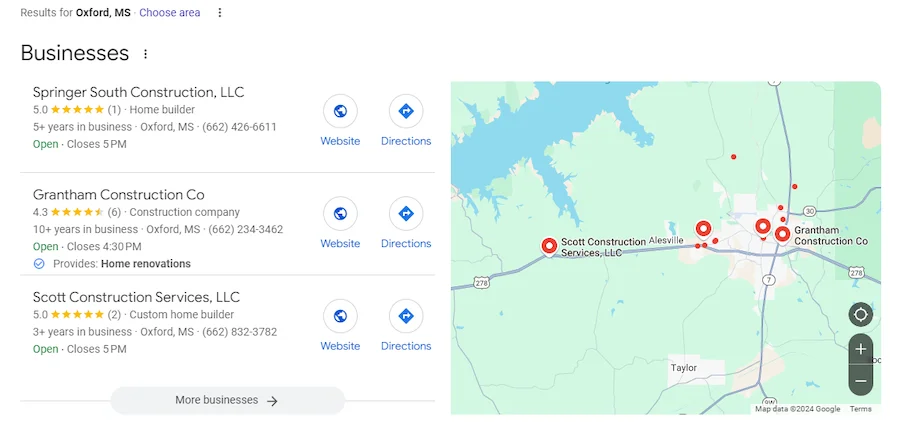
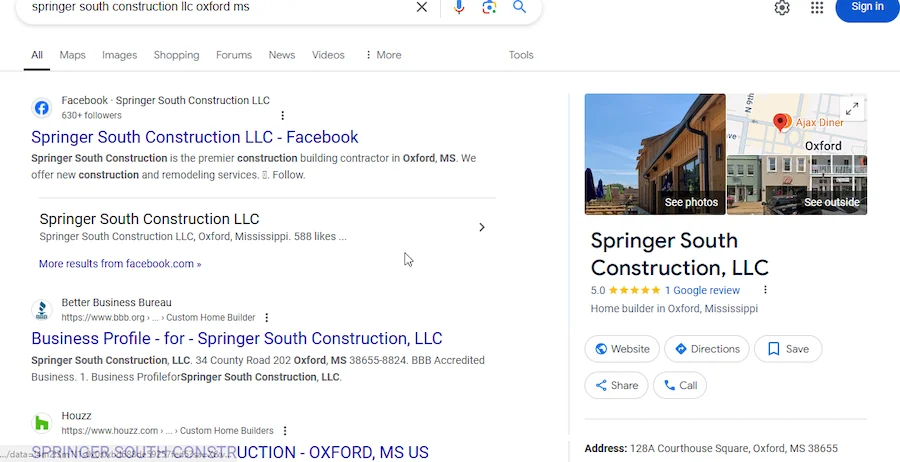
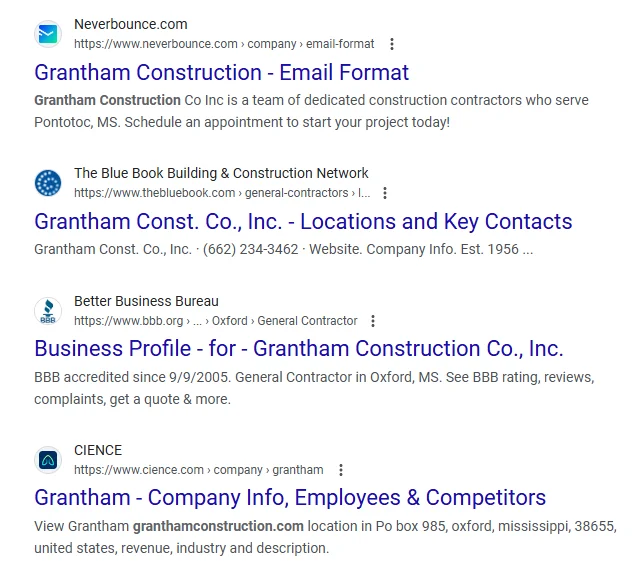
Analyze Competitor Citations: A powerful method for identifying high-impact citation opportunities is to examine where your local competitors are listed. Focus on businesses that appear prominently in local search results (e.g., in the Google Map Pack). By searching for competitor names followed by their website domain (e.g., "competitorwebsite.com"), you can uncover a wealth of their online listings. Tools like Ahrefs, Semrush, BrightLocal, and WhiteSpark can also provide detailed backlink and citation analyses for competitors. This analysis can reveal:
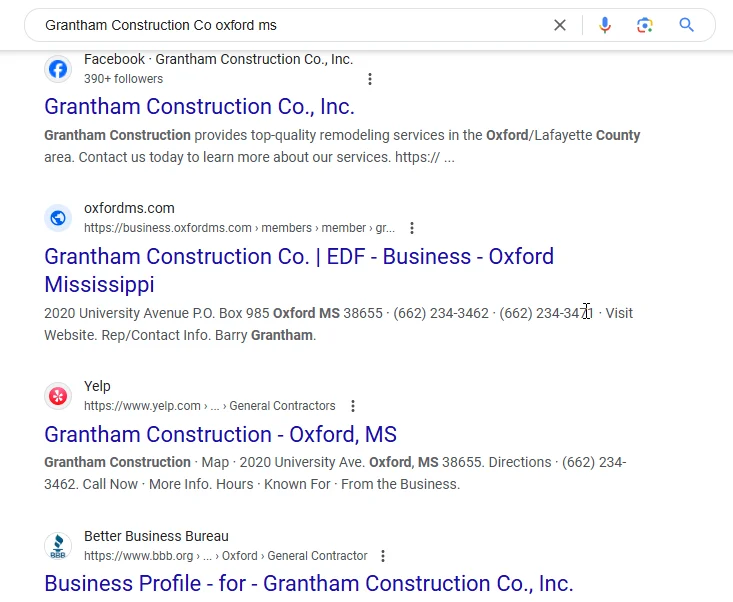
- Common citation sources: Identifying directories where multiple competitors have listings.
- Niche directories: Discovering specialized platforms relevant to your industry.
- High-authority sites: Pinpointing directories that seem to drive significant visibility.
Ensuring Citations Are Indexed
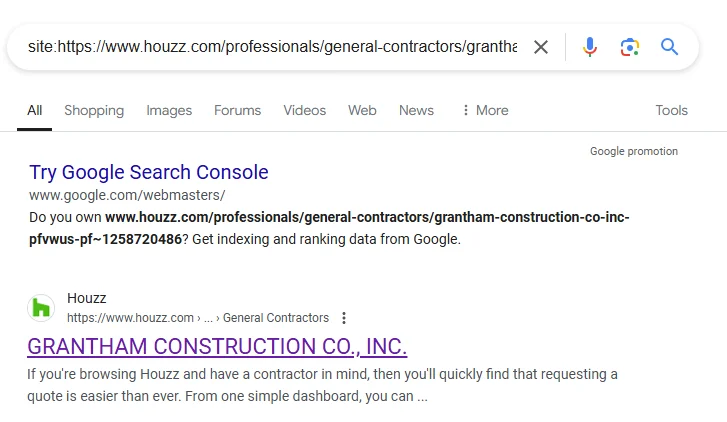
For citations to be effective, search engines must be able to find and index them. Manually checking if a specific citation is indexed can be done by performing a Google search using the format site:directory.com/your-business-listing. If your listing appears in the search results, it is indexed. If not, it may require further indexing efforts.
For bulk indexing checks, paid tools like URL Profiler or IndexCheckr.com can be utilized. If citations are not being indexed, several methods can help:
- Manual Submission: Some directories allow for manual re-submission.
- Pinging Services: Tools that notify search engines about new or updated content.
- Link Building: Creating backlinks to the citation page can signal its importance to search engines.
- Social Signals: Sharing the citation link on social media can sometimes expedite indexing.
Businesses in highly competitive markets may need to go beyond core citations and competitor listings. This can involve:
- Broader directory searches: Using Google searches like "[industry] directories" or "[city] business listings" to find less common but potentially valuable platforms.
- Local and regional association websites: Investigating websites of local business associations, chambers of commerce, and community organizations.
- Industry-specific association websites: Targeting websites of national or international associations relevant to your niche.
The decision of whether to build local citations independently or to outsource this task is a significant one for small business owners. Given the time investment required and the potential impact on local SEO, outsourcing is often a strategic choice. When selecting a service provider, it’s crucial to ensure they conduct NAP audits, clean up existing inconsistencies, build new citations on relevant platforms, provide detailed reporting, and offer ongoing management or periodic updates.
Free Local Citation Tools
To assist businesses in their citation efforts, several free tools are available:
- Citation Coverage Calculator: This tool helps track progress in obtaining citations on essential platforms and highlights priority gaps.
- Searchable Citation Directory: A filterable directory allows businesses to find important citations by category, providing details on citation source, cost, and notes.
- Citation Tiers and Ranking Factors Guide: An interactive guide explains the relative importance of different citation tiers (Essential Platforms, Data Aggregators, Major Directories, Industry & Niche) and how citations fit into the broader local ranking factors, which include Google Business Profile optimization, reviews, on-page SEO, and backlinks.
The guide also emphasizes the critical importance of NAP consistency, noting that a significant percentage of businesses have at least one NAP inconsistency, which can lead to ranking improvements when fixed.
The Bottom Line: What Should Small Businesses Do?
Small business owners have a few primary options for managing local citations:
- Do It Yourself: This involves dedicating time and resources to research, create, and manage citations manually. It offers maximum control but is time-intensive.
- Hire a Freelancer: Engaging a freelance SEO specialist can be a cost-effective way to outsource citation building, provided the freelancer has demonstrable expertise.
- Contract with an Agency or Service Provider: This offers a comprehensive solution, often including auditing, cleanup, and ongoing management. While typically the most expensive option, it can deliver the best results for businesses with limited internal resources.
When considering outsourcing, key factors include the provider’s experience, their process for auditing and cleaning NAP data, the quality and relevance of the directories they target, their reporting transparency, and their approach to ongoing maintenance.
Ultimately, local citations remain a cornerstone of effective local SEO and a vital component of a robust digital marketing strategy. By understanding their value, cost, and implementation strategies, businesses can significantly enhance their online visibility and attract more local customers in an increasingly competitive digital marketplace.