rifanmuazin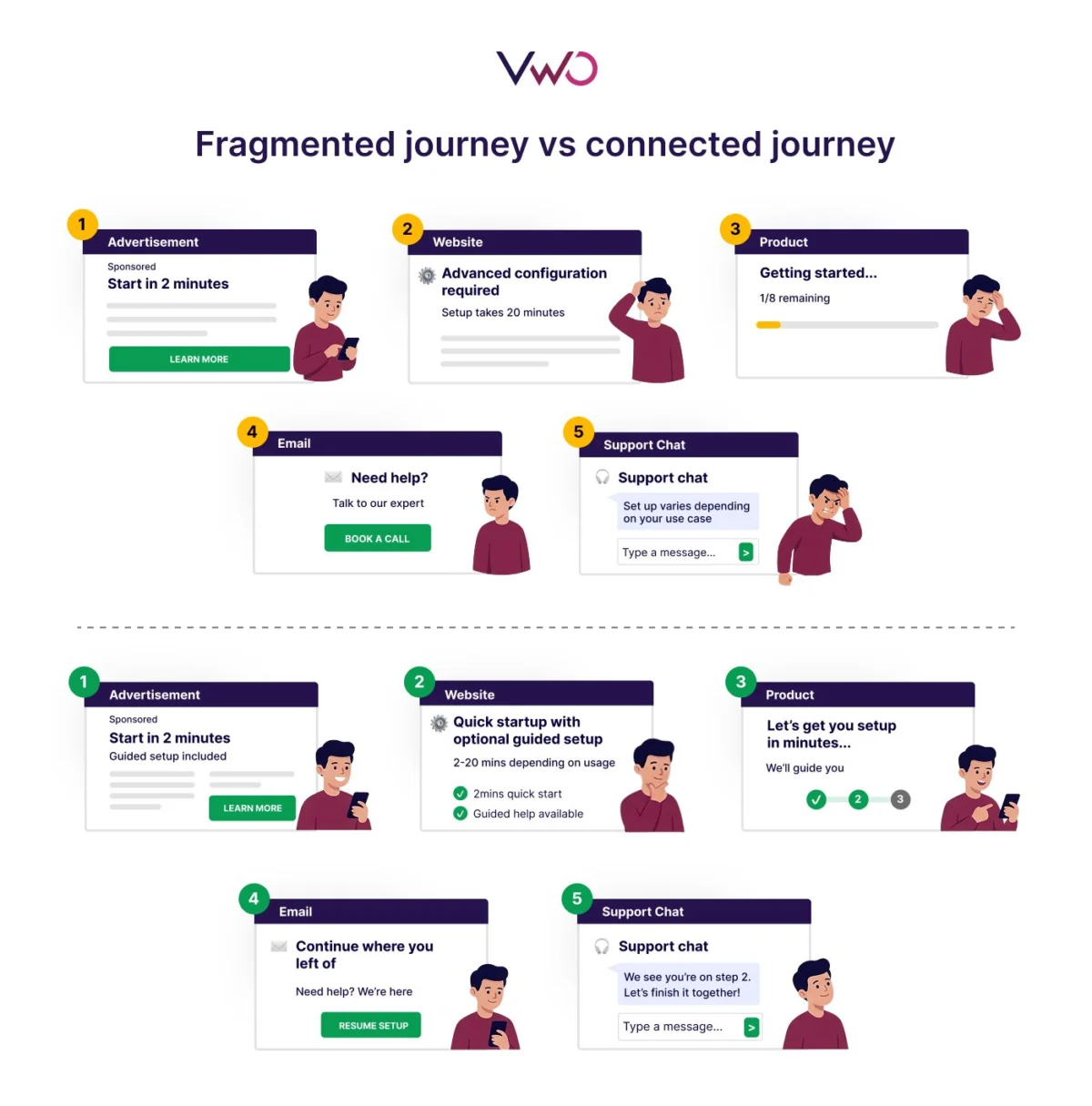
The global digital landscape is currently undergoing a fundamental shift in how businesses approach growth, moving away from isolated website-level testing toward a holistic model of experimentation-led decision-making. This transition marks the maturation of Conversion Rate Optimization (CRO) from a technical niche into a core strategic discipline. In a recent industry discourse led by Andres Pinate, a prominent Marketing Director and Strategic Consultant based in Spain, the focus of optimization has pivoted from "what" is being tested to "how" business strategies are formulated. Pinate, whose career spans consumer electronics, fast-moving consumer goods (FMCG), mobility, and the automotive sector, argues that the next competitive advantage for brands will not be found in the volume of tests conducted, but in the speed and accuracy of the decisions derived from those experiments.
The Strategic Pivot: Experimentation as an Operating Model
For over a decade, CRO was largely viewed as a series of tactical "hacks"—changing button colors, adjusting headlines, or rearranging landing page elements to elicit immediate micro-conversions. However, as acquisition costs on platforms like Google and Meta continue to rise, businesses are finding that these surface-level adjustments offer diminishing returns. The industry is now embracing "Decision Design," a concept that treats experimentation as a strategic lens rather than a growth trick.

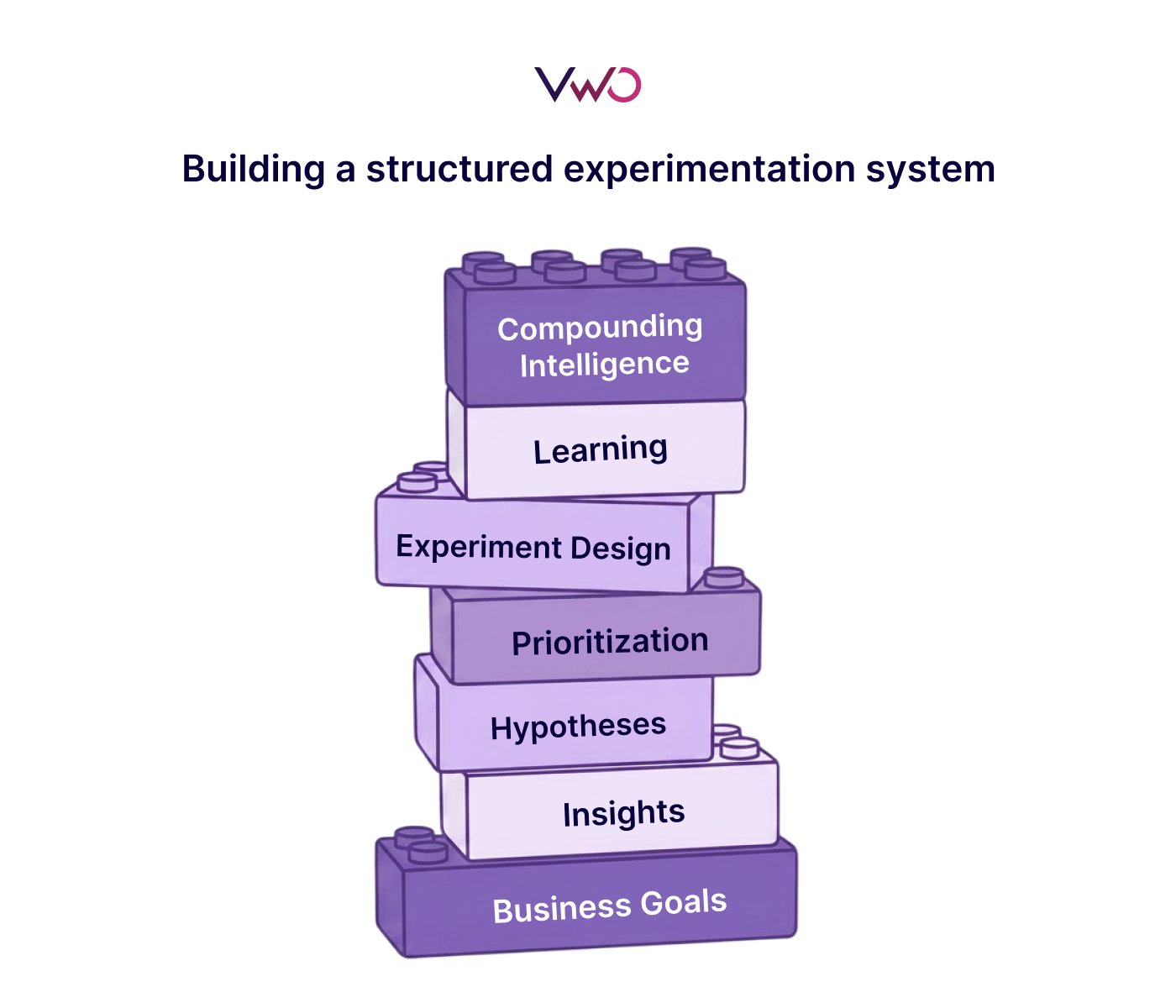
According to Pinate, a robust experimentation system must function as an organizational operating model. This requires a shift from "performative testing"—running experiments to satisfy a quota—to a system that compounds organizational intelligence over time. The goal is to build a repository of knowledge where every test, regardless of whether it "wins" or "fails," clarifies the business thesis. This model relies on a structured hierarchy: alignment on core business goals (revenue, retention, or customer quality), a disciplined hypothesis generation phase, and a "ruthless" prioritization framework that filters out ideas lacking commercial or behavioral relevance.
A Chronology of Conversion Optimization
To understand the current state of the industry, it is essential to trace the evolution of digital experimentation over the last twenty years:
- The Era of Gut Feeling (Pre-2010): Decisions were primarily driven by the "HiPPO" (Highest Paid Person’s Opinion). Web design was static, and changes were made based on aesthetic preference rather than user data.
- The Rise of A/B Testing (2010–2015): Tools like Optimizely and VWO democratized testing. The focus was on "low-hanging fruit" and quick wins. This era birthed the "growth hacker" movement.
- The Integration of UX and Data (2015–2020): Organizations began combining quantitative data (Google Analytics) with qualitative insights (heatmaps and user recordings). CRO teams started moving into product development cycles.
- The Decision Design Era (2021–Present): Experimentation is now integrated into the boardroom. It is used to validate business models, pricing strategies, and long-term brand positioning. The focus has moved toward "Trust Density" and "Commercial Logic."
Supporting Data: The Quantitative Reality of Modern Marketing
The necessity for this strategic shift is underscored by current market data. According to industry benchmarks, the average conversion rate across all industries remains stubbornly between 2% and 3%. Furthermore, Gartner reports that in the B2B sector, the typical buying group now involves six to ten decision-makers, each armed with four or five pieces of independently gathered information.

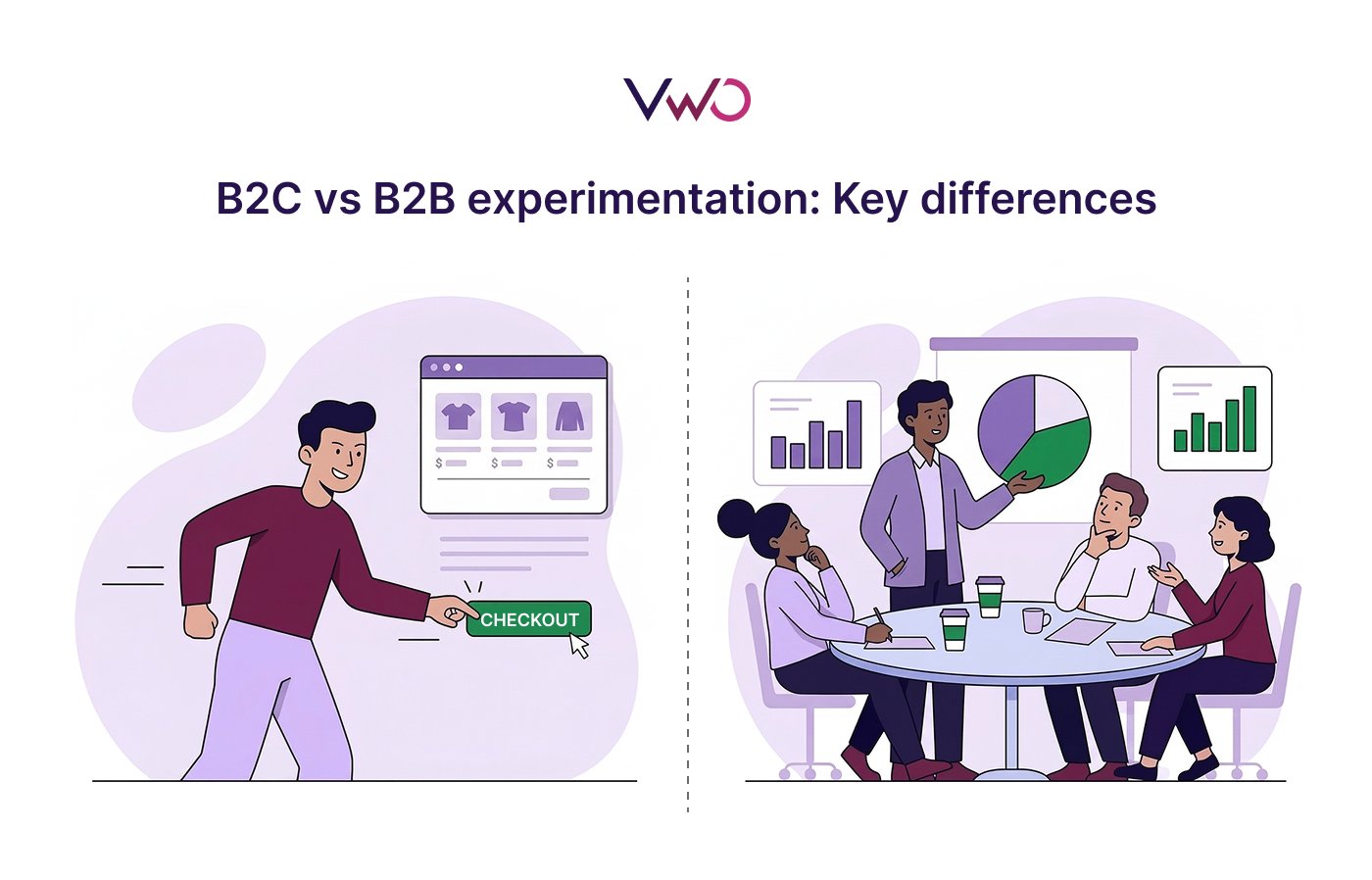
Pinate notes that the difference between B2B and B2C experimentation is rooted in the nature of the decision itself. While B2C rewards emotional clarity and the removal of friction for a single buyer, B2B is governed by perceived risk and consensus. In B2C, the feedback loop is short, allowing for rapid-fire testing. In B2B, experiments must be more patient and connected to the complex commercial logic of the enterprise. The data suggests that for B2B firms, experiments that illuminate how a group reaches a consensus are far more valuable than those that merely track a single click.
Navigating the Zero-Click Reality
One of the most significant challenges identified by Pinate is the rise of "zero-click" behavior. Data from SparkToro indicates that over 50% of Google searches now end without a click to a third-party website, as users find their answers directly on the search engine results page (SERP) or through AI-generated summaries.
This shift has fundamentally altered the user’s arrival point. When a user finally does land on a brand’s website, they are no longer looking for basic information; they are carrying pre-formed context and sharper expectations. Pinate argues that the website’s role has changed from a place of information to a place of "trust density." In this environment, brands win by providing nuance, context, and proof that justifies a user’s decision to act. The experience itself becomes the value proposition, necessitating a deeper level of psychological alignment between the brand and the consumer.
The AI Frontier: Scale vs. Judgment
The integration of Artificial Intelligence (AI) into the experimentation workflow is perhaps the most discussed trend in the current landscape. AI is already proving its worth in pattern recognition, speed of analysis, and the generation of content variations. However, Pinate issues a cautionary note regarding the "automation of mediocrity."
While AI can lower the threshold for running tests, it cannot replace the human skill of interpretation. "Scale without judgment is dangerous," Pinate asserts. The essential guardrails for AI in experimentation include human oversight, source traceability, and strategic accountability. The most successful teams will be those that use AI to amplify high-quality human thinking rather than those that use it to replace the strategic process entirely. The objective is to use machine learning to surface patterns faster, allowing human practitioners to focus on the "why" behind the data—the emotional and psychological drivers of user behavior.
Regional Analysis: Spain’s Emerging Digital Maturity
As a leader based in Spain, Pinate provides unique insight into the Mediterranean digital market. Traditionally, the Spanish market has been slower to adopt high-level experimentation compared to the UK or the US. However, a shift is currently underway.
Spain is moving into a more mature phase where the conversation is shifting from tactical "fixes" to cultural capabilities. Spanish organizations are increasingly treating UX, analytics, and business strategy as a single, unified conversation. Pinate observes that the next phase of growth in the Spanish market will belong to companies that can reduce uncertainty through rigor and creativity. This evolution is seen as a necessary response to a globalized economy where Spanish firms must compete with digitally native giants.
Broader Impact and Implications for Global Business
The implications of moving toward an experimentation-led decision-making model extend far beyond the marketing department. When revenue ownership shifts from being a departmental task to a systemic responsibility, it changes the internal language of the organization.
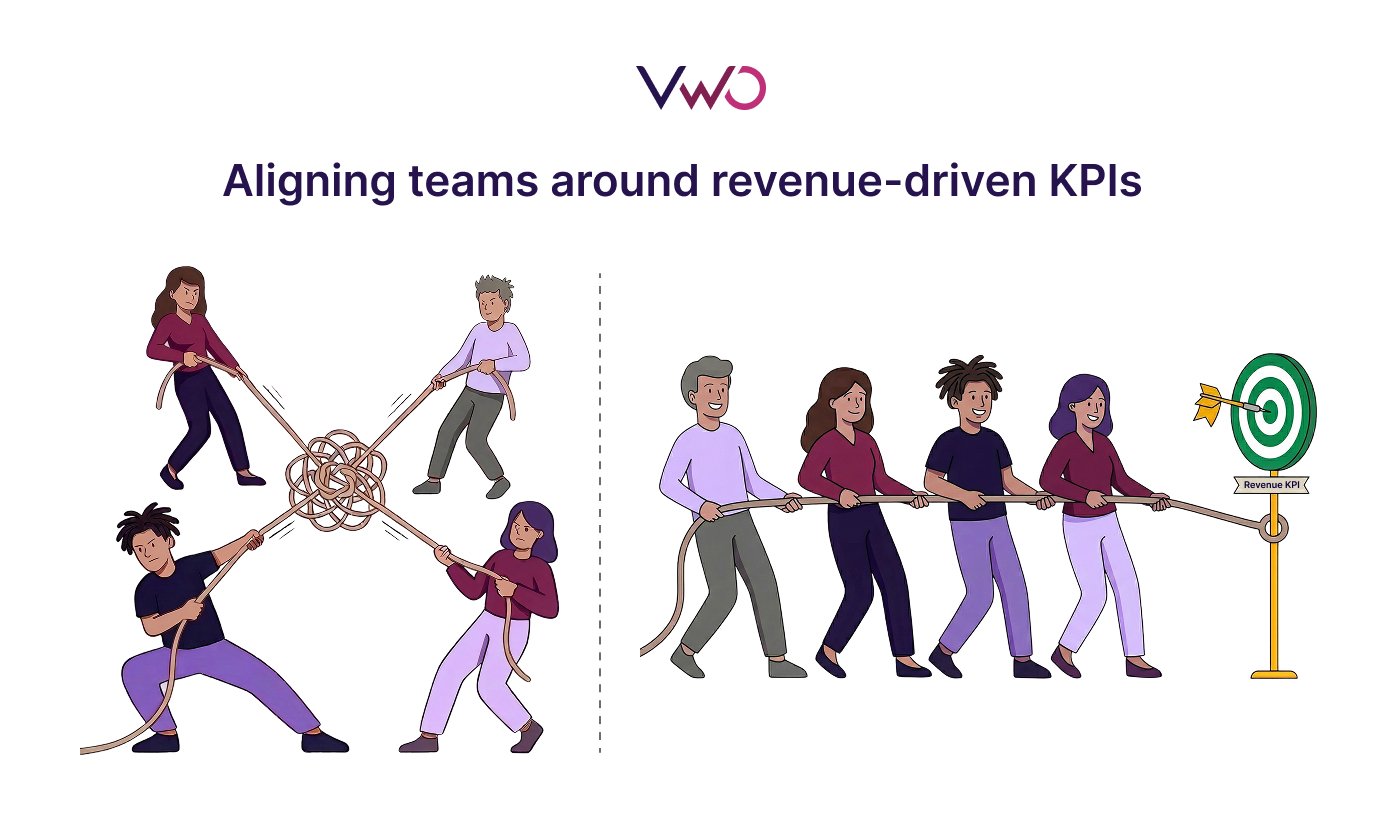
- Organizational Coherence: Fragmented customer journeys are often a symptom of fragmented internal thinking. By aligning teams around revenue-driven KPIs rather than siloed marketing metrics, companies can create a more coherent experience for the user.
- Financial Accountability: Marketing stops being viewed as a "cost center" or a support function and is instead recognized as an economic engine. This requires a unified view of acquisition, activation, retention, and expansion.
- Personalization vs. Complexity: The industry is learning that personalization is not an inherent good. If it adds complexity or draws attention to itself, it can erode trust. The future of personalization lies in restraint—using it as a precision tool to reduce user effort rather than a decorative feature.
Conclusion: The Path Forward
The insights shared by Andres Pinate suggest that the future of business growth lies in the intersection of data-driven evidence and qualitative depth. As the digital world becomes increasingly crowded and trust becomes a rarer commodity, the ability to make better decisions faster will be the ultimate differentiator.
For businesses looking to thrive in this new era, the mandate is clear: stop treating CRO as a project and start treating it as a cultural capability. By building structured experimentation systems that compound intelligence, companies can navigate the complexities of the zero-click world, leverage the power of AI responsibly, and build the "trust density" required to turn casual browsers into lifelong customers. The transition from tactical testing to strategic decision design is not merely a trend—it is the new standard for commercial survival in the digital age.