rifanmuazin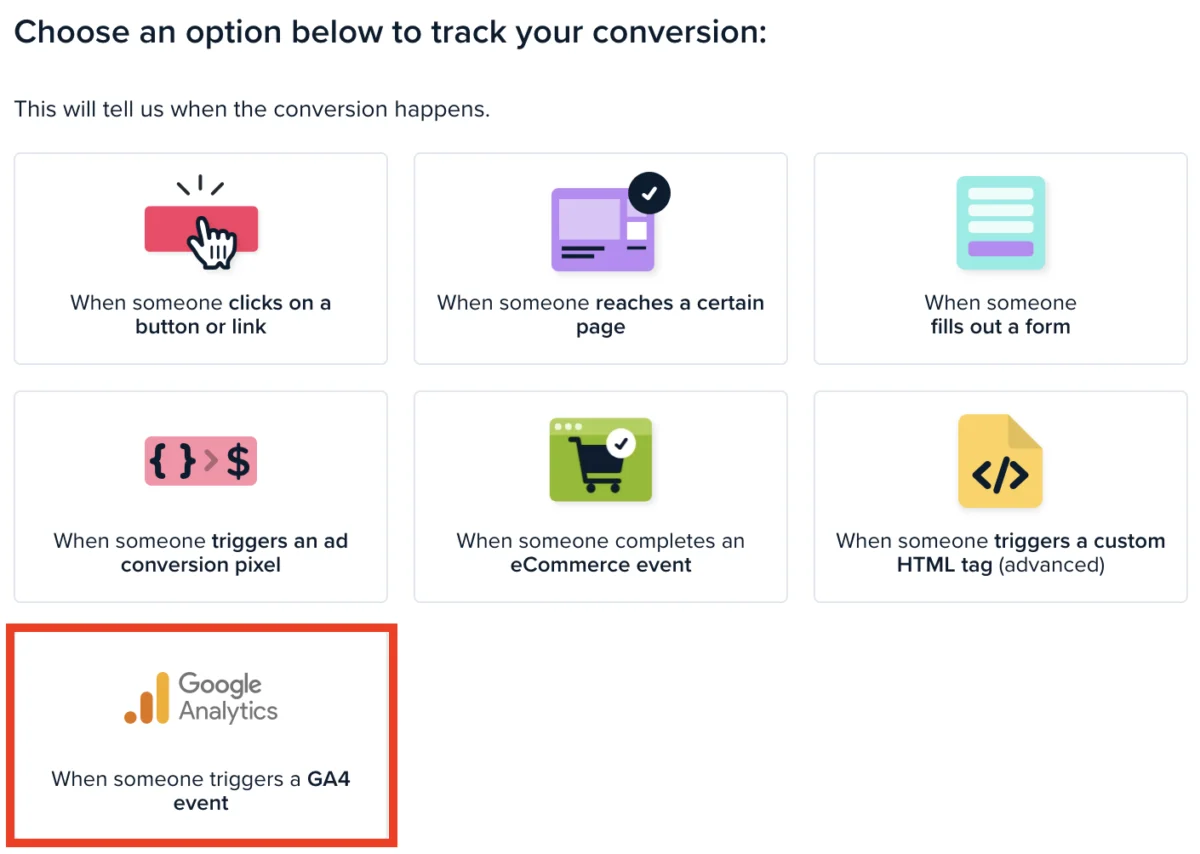
The digital analytics landscape has reached a significant milestone as Crazy Egg, a pioneer in heatmapping and session recording technology, officially launched a new integration capability allowing users to track Google Analytics 4 (GA4) "key events" as conversions within the Crazy Egg platform. This development marks a critical shift in how digital marketers and user experience (UX) researchers bridge the gap between quantitative traffic data and qualitative behavioral insights. By eliminating the need for redundant tagging or complex code injections, the integration simplifies the workflow for thousands of businesses that rely on GA4 for their primary data reporting while using Crazy Egg to visualize user friction and engagement.
The integration arrives at a time when the industry is still adjusting to the comprehensive changes introduced by Google’s transition from Universal Analytics (UA) to GA4. Under the GA4 framework, the concept of "goals" was replaced by "conversions," which were recently rebranded by Google as "key events" to better align with the Google Ads ecosystem. Crazy Egg’s decision to support these key events directly ensures that organizations can maintain a "single source of truth" for their performance metrics, ensuring that a conversion recorded in GA4 is mirrored accurately in their heatmaps and session recordings.
Technical Architecture and Implementation
The mechanism behind this integration is designed for maximum efficiency and minimal technical debt. Crazy Egg can now detect any GA4 key event as long as it is triggered within the visitor’s browser. This encompasses events fired through the standard Google Tag (gtag.js), Google Tag Manager (GTM), and various Customer Data Platforms (CDPs) that operate on the client side. The platform monitors the data layer and browser events for specific GA4 triggers, allowing Crazy Egg to tag a session as a "conversion" the moment the specified criteria are met.
However, the company has clarified specific technical boundaries regarding this feature. The integration is strictly client-side; it does not support events that are forwarded server-side or processed after the visitor has left the page. This is a deliberate architectural choice, as Crazy Egg’s visual tools—such as heatmaps and recordings—are inherently tied to the user’s active browser session. By focusing on browser-level events, the platform ensures that the conversion data is perfectly synchronized with the visual behavior observed in the session recordings.
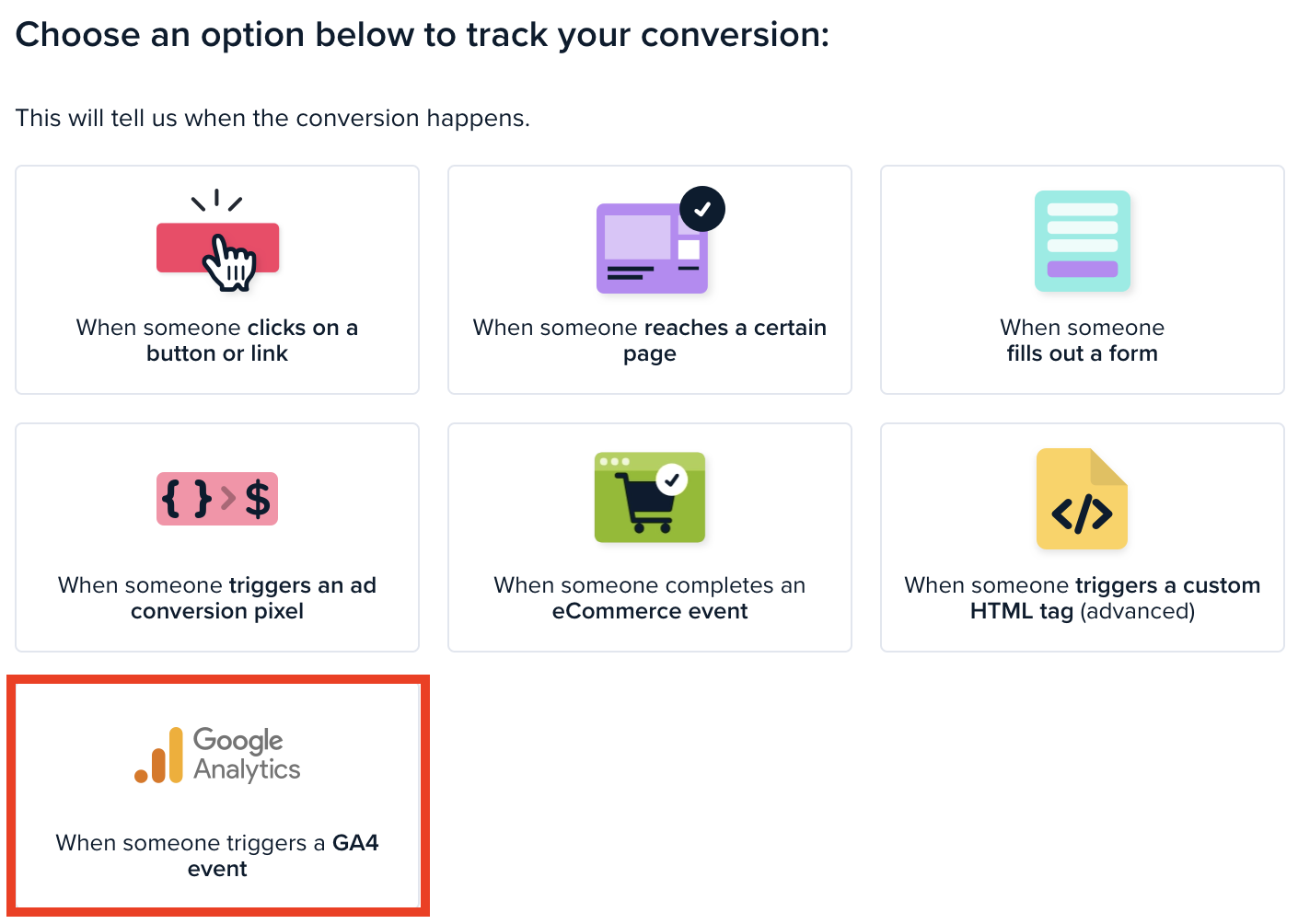
To implement this feature, users navigate to their Crazy Egg dashboard and access the conversion settings. Within the setup interface, a new option for GA4 triggers allows users to select from their existing GA4 event library. Once the connection is established, Crazy Egg automatically identifies the firing of these events. This "no-code" approach is particularly beneficial for marketing teams that may not have immediate access to developer resources but need to pivot their optimization strategies based on real-time data.
The Evolution of Analytics: Context and Chronology
The necessity for this integration is rooted in the broader timeline of web analytics evolution. For over a decade, Universal Analytics served as the industry standard, utilizing a session-based model. In July 2023, Google officially sunsetted Universal Analytics in favor of GA4, an event-based model designed to offer better cross-platform tracking and enhanced privacy controls. This transition created a period of volatility for businesses, as many third-party tools struggled to keep pace with GA4’s unique event structure and nomenclature.
Crazy Egg’s timeline for this update follows a series of incremental improvements aimed at deep-stack integration. In late 2023, the company began expanding its API capabilities to better handle the event-heavy nature of modern web applications. By early 2024, the development team focused on the "Key Events" nomenclature shift announced by Google, ensuring that their interface would be familiar to GA4 users. The current release represents the culmination of these efforts, providing a seamless bridge between Google’s data collection and Crazy Egg’s visualization suite.
Supporting Data and Industry Implications
The impact of synchronized conversion tracking is supported by significant industry data regarding Conversion Rate Optimization (CRO). According to recent industry benchmarks, the average website conversion rate across all industries hovers between 2% and 5%. However, companies that utilize unified analytics—combining behavioral tools with quantitative data—report an average increase in conversion rates of up to 15% within the first six months of implementation.
Data from the Econsultancy "Conversion Optimization Report" suggests that "difficulty in joining data from different sources" is one of the top three barriers preventing marketers from improving their site performance. By allowing GA4 key events to act as triggers in Crazy Egg, the platform directly addresses this barrier. It allows users to filter session recordings by "Converted" or "Not Converted" based on the exact same definitions used in their high-level executive reports. This granularity enables a deeper analysis of why certain users drop off at the final stage of a checkout funnel or why others successfully navigate complex lead-generation forms.
Furthermore, the integration supports more accurate ROI calculations for A/B testing. When a conversion is tracked in Crazy Egg via a GA4 trigger, the platform can overlay this data onto heatmaps. This reveals not just where people clicked, but where the successful users clicked compared to those who abandoned the site. This level of distinction is vital for refining user interfaces to prioritize high-value actions.
Reactions from the Digital Marketing Community
While official statements from Google are rare regarding third-party integrations, the digital marketing community has responded with cautious optimism. Independent UX consultants have noted that the "re-tagging fatigue" associated with GA4 has been a significant pain point for small to medium-sized enterprises.
"The ability to leverage existing GA4 architecture within a tool like Crazy Egg is a major win for efficiency," says one industry analyst. "Most teams spent the better part of 2023 just trying to get their GA4 events to fire correctly. Asking them to do that all over again for their heatmapping tool was a tall order. This integration acknowledges the reality of the modern tech stack—tools need to talk to each other without constant manual intervention."
Marketing directors have also highlighted the benefit of alignment. When the marketing department reports a 4% conversion rate in GA4, and the UX team sees that same 4% reflected in their behavioral studies, it builds institutional trust in the data. Discrepancies between tools often lead to "analysis paralysis," where teams spend more time debating which number is correct than they do fixing the website.
Broader Impact on UX and Data Privacy
Beyond mere convenience, this integration has broader implications for the future of UX design. We are moving toward an era of "intelligent analytics," where the platform does the heavy lifting of data organization. By automatically syncing key events, Crazy Egg allows designers to focus on empathy-driven improvements—seeing the frustration in a user’s cursor movement when they encounter a broken "Submit" button that GA4 has flagged as a failed key event.
From a data privacy perspective, this integration is also a step forward. Because it relies on existing browser events rather than introducing new tracking scripts, it minimizes the "script bloat" that can slow down websites and complicate consent management. As global regulations like GDPR and CCPA continue to evolve, maintaining a lean and transparent tracking environment is essential. Crazy Egg’s reliance on the user’s existing GA4 configuration means that if a user has opted out of tracking via a consent banner, those preferences are naturally respected by the browser-side event listener.
Analysis of Future Implications
Looking ahead, the integration of GA4 key events into Crazy Egg is likely just the beginning of a trend toward deeper cross-platform synergy. As AI and machine learning become more integrated into analytics, the ability to feed "clean," synchronized data into these systems will be a competitive advantage. We can anticipate future updates where Crazy Egg might use GA4 data to automatically highlight "anomaly sessions" where conversion behavior deviates significantly from the norm.
For businesses, the takeaway is clear: the siloed approach to data is ending. The companies that will succeed are those that can quickly translate a "key event" in their analytics into a tangible understanding of user intent. Crazy Egg’s latest update provides the infrastructure for this understanding, ensuring that every click, scroll, and hover is viewed through the lens of business outcomes.
In conclusion, the launch of GA4 key event tracking within Crazy Egg represents a thoughtful response to the changing needs of the digital economy. It respects the technical realities of the post-Universal Analytics world while providing a practical, high-value solution for optimization experts. As the digital landscape continues to grow in complexity, the value of such streamlined, integrated solutions will only continue to rise, making it an essential update for any data-driven organization.