rifanmuazin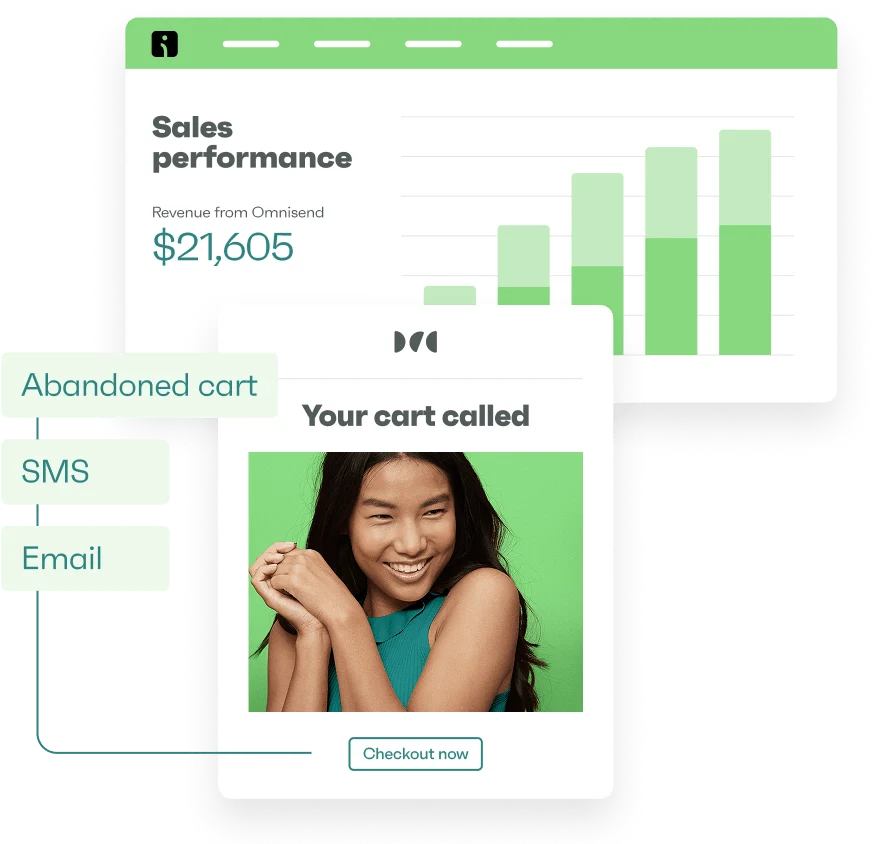
A recent analysis underscores the profound impact of email automation on the e-commerce sector, demonstrating its unparalleled efficiency in driving revenue and enhancing customer experiences. Data from Omnisend’s 2026 Ecommerce Marketing Report highlights that automated email sequences, despite comprising a mere 2% of total sends in 2025, were responsible for a significant 30% of overall email-attributed revenue, outperforming traditional scheduled campaigns by a factor of 16. This disparity points to a strategic shift in digital marketing, where contextual, behavior-triggered communications are becoming indispensable for businesses aiming to optimize their outreach and cultivate lasting customer relationships.
The findings from 2025 data, published in the Omnisend report, reveal that automated emails generated an average of $2.87 per send, starkly contrasting with the $0.18 achieved by one-time or scheduled campaigns. This dramatic difference is attributed to the inherent relevance and timeliness of automated messages, which are triggered by specific customer actions, preferences, and lifecycle stages. As the digital marketplace becomes increasingly competitive, the ability to engage customers precisely when they are most receptive is proving to be a decisive factor in converting interest into sales and fostering long-term loyalty.
The Evolution of E-commerce Communication
The landscape of e-commerce communication has undergone a significant transformation over the past decade. What began with broad, generic email blasts has evolved into a sophisticated ecosystem driven by data, artificial intelligence, and machine learning. Early email marketing efforts often involved manual scheduling of newsletters and promotional offers, a labor-intensive process that frequently resulted in diminishing returns due to a lack of personalization and context. Customers were inundated with irrelevant messages, leading to low open rates and high unsubscribe rates.
The advent of marketing automation platforms marked a turning point. These technologies enabled businesses to move beyond simple mass communication to intelligent, responsive engagement. By tracking customer behavior on websites, their interactions with previous emails, and a wealth of demographic and purchase data, e-commerce platforms could automate personalized responses. This capability addressed a critical challenge: the inability of human marketing teams to manually manage individualized communication for thousands, or even millions, of customers across diverse purchasing journeys. The shift from a "send-when-we-want" model to a "send-when-they-need" model has fundamentally reshaped customer expectations and the strategic imperatives for online retailers.
Disproportionate Revenue Generation: A Core Advantage
The most compelling argument for email automation lies in its capacity to generate revenue far exceeding the effort and volume of sends. The 2025 figures indicate that while automated emails constituted a mere fraction of outgoing messages, they captured nearly a third of all email-driven sales. This efficiency is largely driven by specific automation flows designed to capitalize on high-intent moments. Notably, welcome emails for new subscribers and abandoned cart recovery emails together accounted for a remarkable 76% of all automation-related orders.
Case studies from various e-commerce businesses corroborate these findings. FLEXTAIL, a retailer of outdoor electronics gear, successfully leveraged a welcome email series for new subscribers, generating an impressive $235,000 in attributed sales from over 3,000 orders. Similarly, Dukier, a dog accessories retailer, reported a staggering 525% increase in Omnisend-attributed revenue over three years, with 55% of this growth directly linked to email automations, particularly welcome, abandoned cart, and lead capture sequences.
Marketing agencies, often at the forefront of digital strategy, have also recognized this trend. A separate report on top agencies revealed that these professional service providers achieved $5.96 per send for automations compared to $0.67 for campaigns, with automations contributing 45% of their clients’ total email revenue. Karolina Petraškienė, Marketing Projects Lead at Omnisend, commented on this phenomenon, stating, "Our data shows that email automations account for significantly more revenue than campaigns for standalone e-commerce brands and agencies. Consider all the touchpoints that benefit from them, and you can see why. A welcome series for new subscribers, a thank-you email for first-time buyers, a browse abandonment email for window shoppers, and so on. Scheduled and one-time emails can’t touch those moments." This expert observation underscores the strategic imperative for businesses to prioritize automation to tap into these critical customer touchpoints.
Precision Timing and Hyper-Relevance
A cornerstone of email automation’s success is its ability to deliver messages at precisely the right moment in a customer’s journey. Unlike scheduled campaigns, which operate on a fixed calendar, automated emails are triggered by real-time customer behavior, dates, lifecycle stages, or cross-channel interactions. This contextual relevance significantly boosts their effectiveness.
For example, back-in-stock notifications emerged as a top performer in 2025, boasting the highest revenue per email at $8.46 and an exceptional conversion rate of 6.46%. These emails are sent immediately when a previously unavailable product becomes restocked, reaching customers who have explicitly expressed interest and are poised to make a purchase. The report indicates that nearly one in three clicks on automated emails culminated in a purchase in 2025, a testament to the power of timely, relevant communication.
Welcome emails, for instance, are deployed instantly upon a customer’s sign-up, capitalizing on their initial interest. Abandoned cart emails are typically sent an hour or so after a customer leaves items in their basket, providing a gentle reminder without being intrusive. Furthermore, automation allows for the creation of multi-stage email series that unfold over days, weeks, or months, maintaining engagement and nurturing leads over an extended period without continuous manual intervention. This strategic deployment ensures that communication aligns with the customer’s intent and expectations, maximizing the probability of conversion.
Elevating Customer Engagement Metrics
Beyond direct revenue, email automations demonstrably improve key engagement metrics. The 2026 Ecommerce Marketing Report highlights that automated emails achieved 24% higher open rates, six times more clicks, and 19 times higher conversion rates compared to traditional scheduled campaigns in 2025. These figures are not merely statistical anomalies; they reflect a fundamental shift in how customers perceive and interact with brand communications.
The underlying reason for these superior engagement rates is the personalized and relevant nature of automated messages. Customers are more likely to open and engage with emails that address their specific actions or interests, rather than generic promotional content. This perceived value transforms email from a potential nuisance into a helpful resource. The report also noted a 53% year-over-year jump in click-to-conversion rates in 2025, indicating that fewer clicks are now leading to more purchases, suggesting that customer intent is stronger when interacting with automated content.
AcreValue, a land intelligence platform, provides a compelling example of this engagement uplift. By implementing a sunset automation to re-engage inactive subscribers, the company saw its open rates skyrocket from 5-7% to 60-70%, re-engaging 10% of dormant subscribers within two months. This success was also coupled with improved deliverability through better segmentation and a dedicated IP address, reinforcing the idea that strategic automation, combined with best practices, can dramatically revitalize customer engagement.
Scalability and Operational Efficiency
One of the most attractive benefits of email automation for businesses of all sizes, particularly small and medium-sized enterprises, is its inherent scalability without a proportionate increase in headcount. Once an automation flow is designed and implemented, it operates continuously in the background, requiring only periodic refinements based on performance data. This "build once, optimize continually" model frees up valuable marketing resources, allowing teams to focus on broader strategic initiatives rather than repetitive manual tasks.
Bowy Made, a luxury baby accessories brand, exemplifies this operational efficiency. By adopting an automation-heavy email marketing strategy, the brand now attributes 70% of its total revenue to these automated flows, demonstrating how sophisticated customer engagement can be maintained and scaled with a lean operational footprint. Similarly, top marketing agencies are deploying an average of 5.3 active automations per client, underscoring the industry’s reliance on these tools for efficient client management and revenue growth.
Modern email marketing platforms further enhance this scalability by offering features such as customizable templates and automated brand asset application. This significantly reduces the time and effort traditionally associated with email design, making it easier for businesses to launch and iterate on their automated campaigns. Karolina Petraškienė elaborates, "There are e-commerce stores with millions of dollars in turnover, tens of thousands of customers, and marketing teams of fewer than five people. Those lean brands owe it all to automation. In the case of email, we’re talking about automated customer experiences across confirmations, alerts, purchases, and follow-ups, via software such as Omnisend. The more you automate, the lower your workload, even at scale." This highlights the crucial role of automation in democratizing high-impact marketing for businesses of varying scales.
Strategic Revenue Recovery Mechanisms
A significant portion of potential e-commerce revenue is lost when customers abandon their carts, checkouts, or browsing sessions without completing a purchase. Email automation provides a powerful mechanism to recover this otherwise lost revenue. Abandonment emails, triggered after a customer leaves their cart, checkout, or browsing session, serve as timely reminders, often including the specific products left behind and sometimes a small incentive or time-sensitive offer to encourage completion of the purchase.
The effectiveness of these recovery flows is evident in the data: abandoned cart and welcome emails jointly accounted for 76% of all automation-related orders in 2025. Verpakgigant, a packaging supplies retailer, successfully recovered €25,000 across 147 orders through its abandoned cart automation, which achieved an impressive 46.4% open rate. This demonstrates the tangible financial impact of strategically deployed recovery emails.
Beyond cart abandonment, browse abandonment emails target customers who viewed products but did not add them to a cart, while checkout abandonment emails focus on those who initiated the checkout process but did not complete it. Back-in-stock alerts also fall into this category, capturing customers who showed interest in a product that was unavailable. These automations collectively create a safety net, ensuring that every expression of customer interest is met with a relevant and actionable follow-up.
Cultivating Long-Term Customer Value
While initial sales are crucial, sustainable e-commerce growth is built on repeat customers and high customer lifetime value (CLV). Email automation plays a pivotal role in nurturing these long-term relationships, converting one-time buyers into loyal advocates. Post-purchase emails, loyalty programs, win-back campaigns, and birthday greetings work in the background to maintain engagement and encourage repeat purchases without manual oversight.
Birthday emails, for instance, proved to be the highest-AOV automation in 2025, generating an average order value of $744.37 – more than four times the overall average. These personalized messages, often including a special offer, celebrate the customer and provide a compelling reason to revisit the store. Post-purchase emails are equally vital; Verpakgigant, for example, utilized a post-purchase review request automation to increase its Google reviews from 15 to over 240, a 1,500% increase. Such reviews not only aid in customer acquisition but also build trust and reinforce retention for existing customers.
Loyalty and win-back automations are designed to reward repeat customers and re-engage those who show signs of disengagement. By sending targeted messages based on purchase history, activity levels, or time since last purchase, businesses can proactively strengthen customer bonds, extending their CLV and fostering a community of dedicated patrons.
Seamless Multichannel Integration
Modern email automation platforms are increasingly capable of integrating with other marketing channels, creating a cohesive and powerful multichannel strategy. Within platforms like Omnisend, email automations can incorporate SMS messages and web push notifications, leveraging the strengths of each channel. Emails are ideal for delivering rich content and detailed product recommendations, while SMS messages provide immediate, time-sensitive alerts and notifications.
For example, an automation flow could send an email with personalized product recommendations, followed by an SMS text prompting the customer to "Check your email." An abandoned cart flow might trigger both an email and a text message, spaced a few hours apart, each containing a direct link back to their basket. The data supports this integrated approach: automated SMS generated $0.74 per send in 2025, significantly higher than the $0.15 for SMS campaigns. Cosmetics brand INGLOT Canada experienced a remarkable 2,130% lift in revenue per message by combining SMS and email workflows.
Web push notifications also demonstrate strong performance in automated sequences, achieving ten times higher conversion rates and seven times higher ROI than push campaigns in 2025. Click-to-conversion rates for push automations jumped from 13.9% to 22.9%. Top agencies are already capitalizing on this multichannel synergy, with those utilizing SMS marketing reporting 202% more revenue on average than those that do not. It is critical, however, to ensure compliance with regulations such as TCPA and GDPR, obtaining explicit customer consent for marketing texts and including clear opt-out language.
Continuous Improvement Through Data and Optimization
The power of email automation is further amplified by its capacity for continuous improvement through testing and optimization. Every automated sequence generates a wealth of performance data, including send volume, open rates, click-through rates, placed orders, deliverability, and attributed revenue. This data, visualized through comprehensive reports provided by email marketing tools, allows businesses to identify high-performing flows and areas for refinement.
The Omnisend Top Agencies report highlights that agencies engaging in A/B testing achieved 192% higher revenue on average, while segmentation efforts resulted in up to an 8% incremental revenue uplift. These statistics underscore the value of an iterative approach. Small adjustments, such as repositioning a discount offer within a welcome series or personalizing a birthday email’s subject line, can lead to significant gains in open rates, clicks, and conversions. These improvements compound over time, transforming marginal gains into substantial revenue growth across the entire automation ecosystem.
Furthermore, businesses can optimize beyond their custom automations by replacing generic default confirmation emails sent by e-commerce platforms (like Shopify) with branded, more engaging templates. This not only enhances the customer experience but also opens opportunities to integrate additional relevant messaging that traditional platform emails often lack.
Strategic Implications and Future Outlook
The comprehensive data presented in the 2026 Ecommerce Marketing Report solidifies email automation’s position as an indispensable channel for e-commerce success. It represents more than just a marketing tactic; it is a strategic imperative that redefines how businesses interact with their customer base. By providing branded, contextual touchpoints throughout the entire customer lifecycle, automation fosters deeper relationships, influences purchasing behavior, and builds a level of customer experience that is difficult for competitors relying on manual efforts to match.
The unparalleled opportunities for revenue recovery, from abandoned carts to browse sessions, offer a tangible return on investment that directly impacts the bottom line. For businesses navigating an increasingly crowded digital landscape, email automation offers a competitive edge, allowing them to operate with greater efficiency, achieve higher conversion rates, and cultivate enduring customer loyalty.
As the technology continues to advance, integrating more sophisticated AI and machine learning capabilities, the potential for hyper-personalized and predictive automation will only grow. This will enable even more nuanced customer journeys, anticipate needs before they arise, and further optimize the timing and content of communications. Businesses that embrace and continually refine their email automation strategies will be best positioned to thrive in the evolving e-commerce environment, turning minimal effort into maximized revenue and exceptional customer satisfaction.