rifanmuazin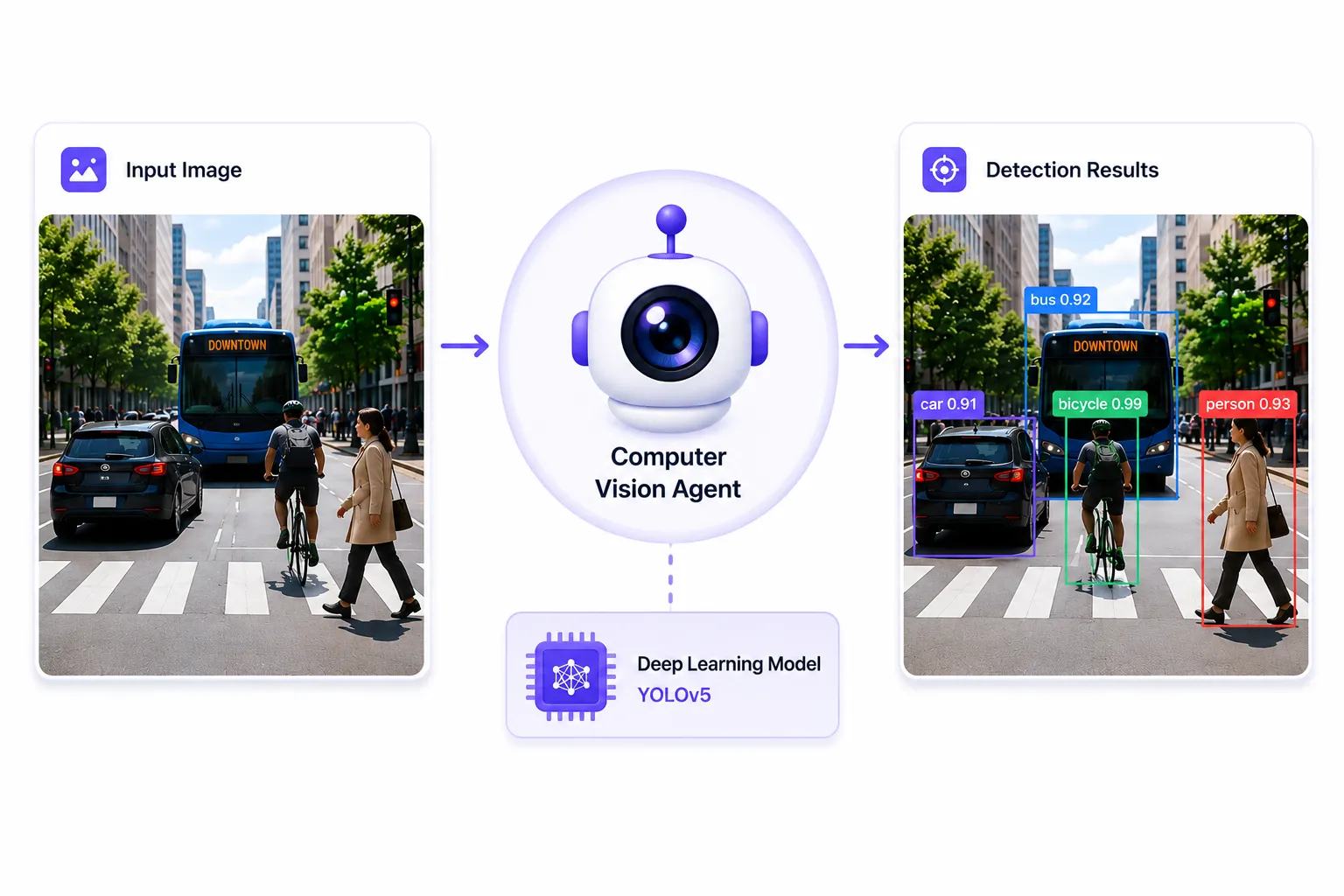
The landscape of artificial intelligence has undergone a fundamental shift from passive large language models to autonomous agentic workflows, marking a new era where software does not merely respond to queries but actively executes complex tasks. As the industry transitions from simple chatbots to sophisticated AI agents capable of reasoning, tool use, and multi-step execution, the demand for engineers who can architect these systems has reached an all-time high. Building AI agents has emerged as the most effective method for developers to gain hands-on experience with the intricacies of modern machine learning, API orchestration, and feedback loops. By developing a portfolio of specialized agents—ranging from recommendation engines to financial traders—engineers can master the nuances of state management, retrieval-augmented generation, and autonomous decision-making.
The Evolution of Agentic AI: A Brief Chronology
To understand why building these ten agents is critical, one must look at the rapid evolution of the field over the last half-decade. In 2020, the release of GPT-3 introduced the world to high-level text generation, but these models remained "stateless" and confined to a chat box. By 2022, the debut of ChatGPT popularized conversational AI, yet the systems still lacked the ability to interact with external software.
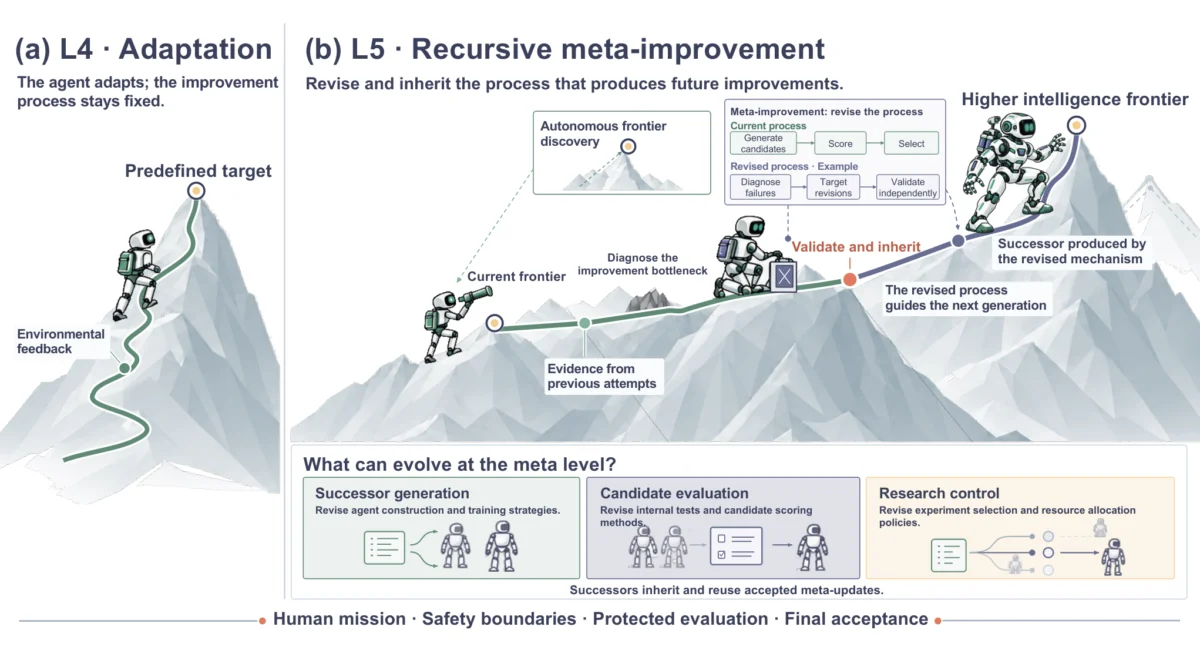
The year 2023 served as the "Year of the Agent," with the emergence of open-source frameworks like AutoGPT and LangChain. These tools allowed models to use "tools"—such as web browsers or code interpreters—to solve problems. In 2024, the focus shifted toward "Agentic Workflows," a term popularized by AI pioneer Andrew Ng, which emphasizes iterative loops where an AI agent writes, tests, and reflects on its own work. Today, the industry is moving toward specialized, domain-specific agents that operate with high degrees of autonomy in professional environments.
1. The Personal Recommendation Agent
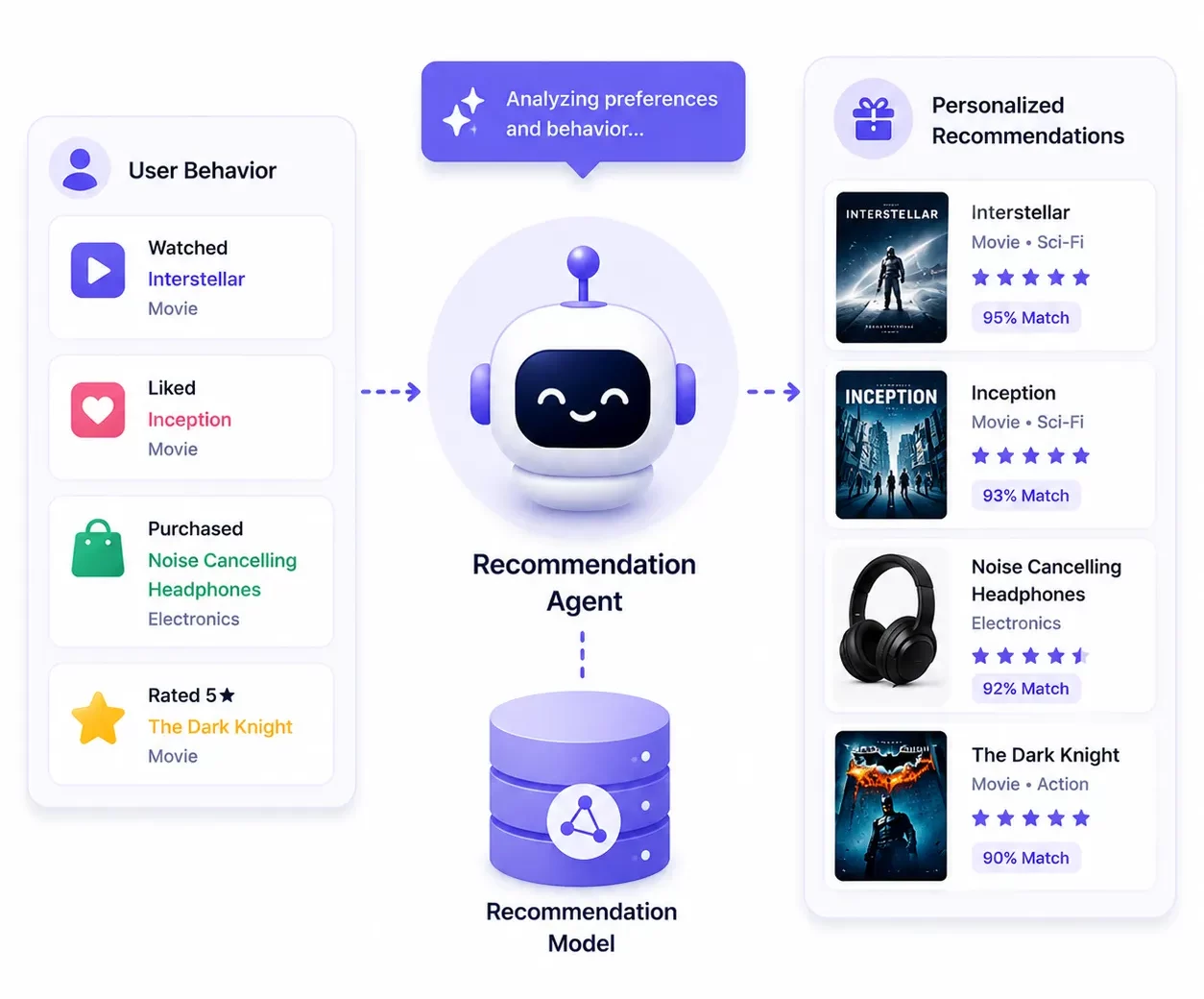
Recommendation agents are the backbone of the modern digital economy, powering the discovery engines of platforms like Netflix, Amazon, and TikTok. According to industry data, recommendation algorithms are responsible for up to 35% of Amazon’s total sales and 75% of what users watch on Netflix. Building a recommendation agent teaches engineers the fundamentals of collaborative filtering, content-based filtering, and reinforcement learning.
When developing this agent, engineers must learn to handle large-scale datasets and implement ranking algorithms that balance "exploration" (showing new items) with "exploitation" (showing items the user is known to like). Utilizing frameworks like Microsoft’s "Recommenders" repository provides a structured path for implementing these systems using Python and Spark.
2. The Autonomous Coding Agent
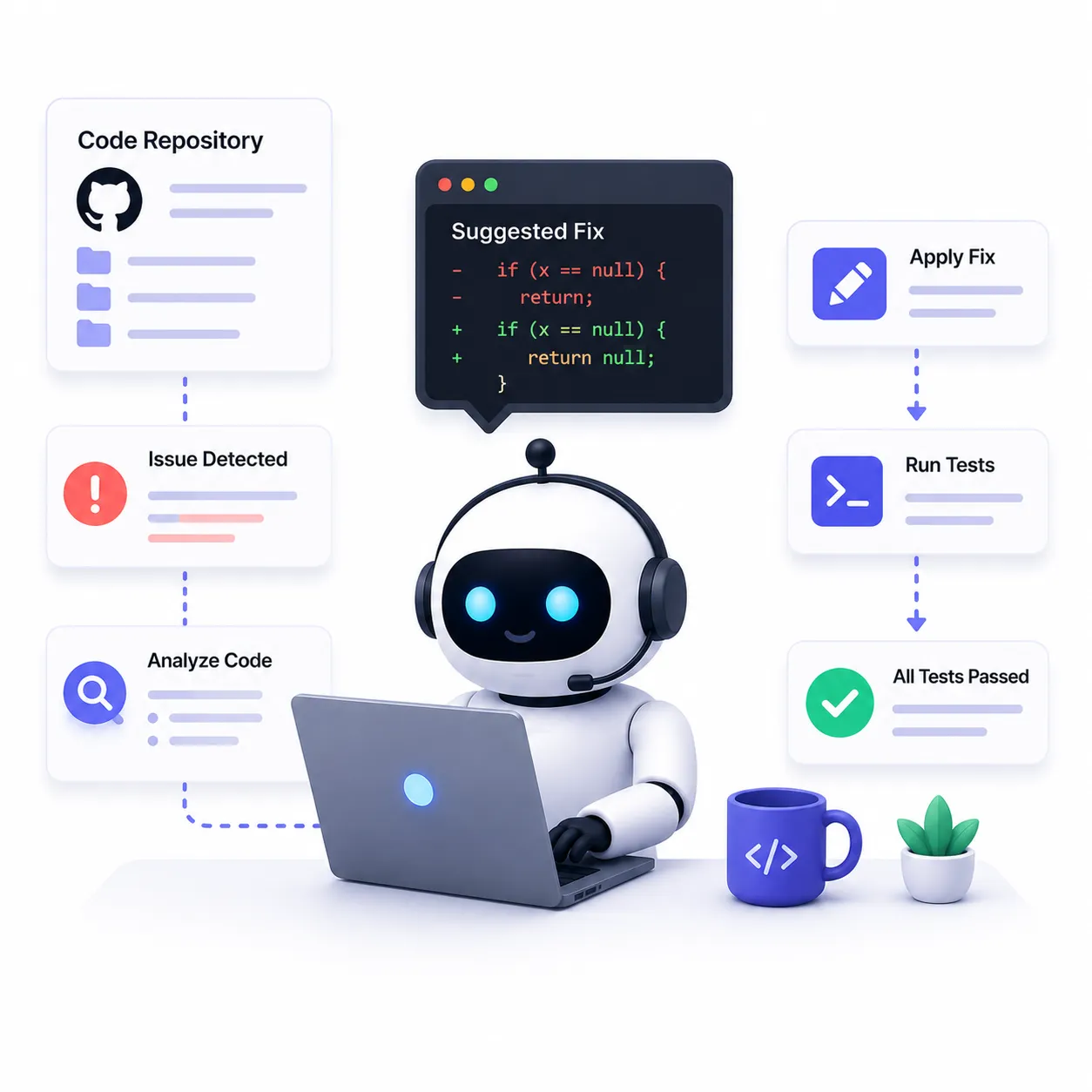
Coding agents represent one of the most practical applications of LLMs today. Unlike simple autocomplete tools, an autonomous coding agent can navigate a complex repository, identify bugs, and generate pull requests. The development of the "SWE-agent" by researchers at Princeton University demonstrated that AI could resolve nearly 12% of real-world GitHub issues autonomously, a significant leap from previous benchmarks.
Engineers building this agent will gain deep expertise in software architecture, unit testing automation, and "agentic loops"—where the agent attempts a fix, runs a test suite, observes the failure, and iterates until the code passes. This project is essential for understanding how AI can be integrated into the DevOps lifecycle.
3. The AI Research Agent
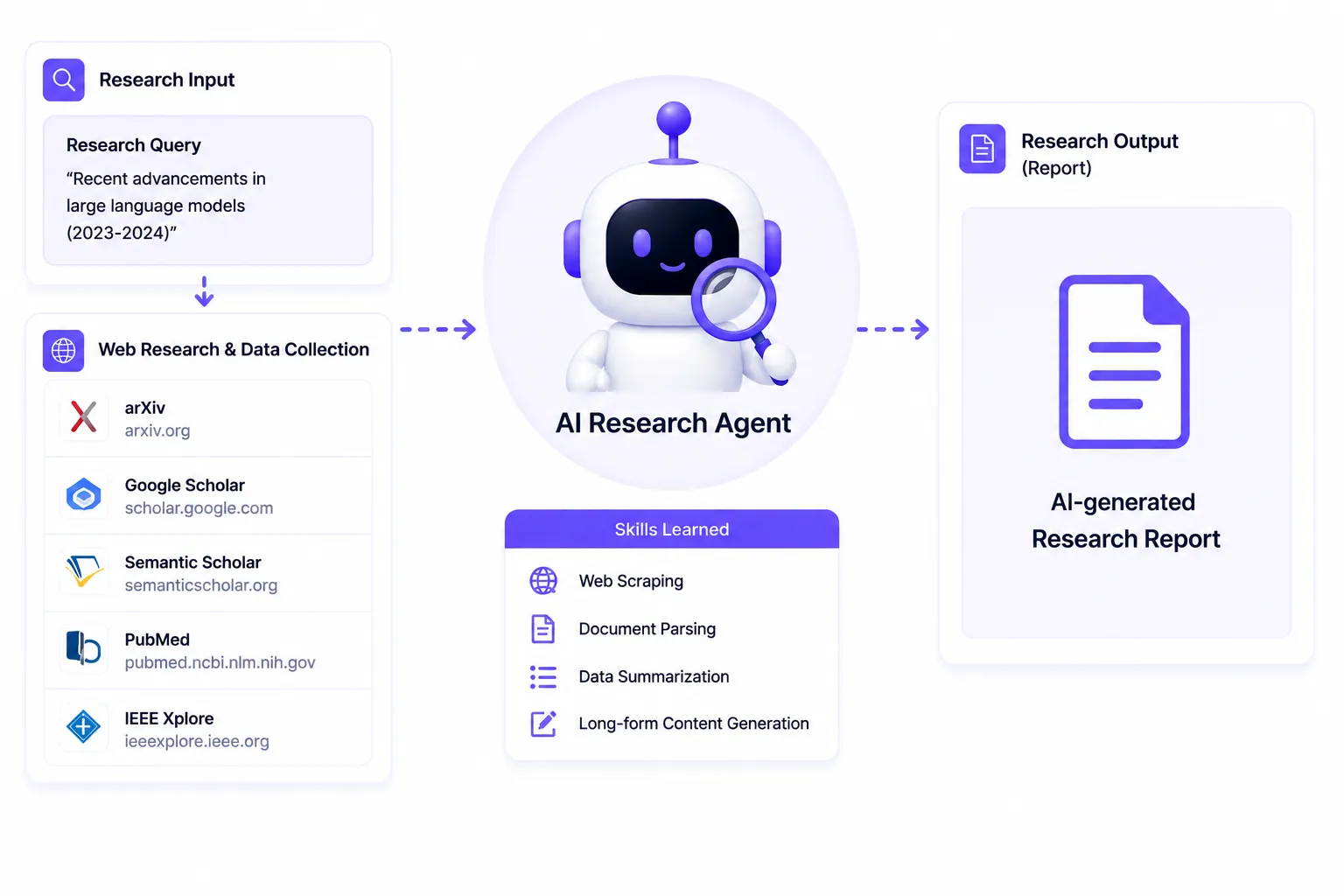
In an era of information overload, the AI Research Agent serves as a digital librarian and analyst. These agents are designed to crawl the web, identify authoritative sources, and synthesize vast amounts of data into a coherent report. This requires the implementation of "long-context" management and the ability to filter out hallucinations.
Key skills learned here include web scraping, natural language processing (NLP) for summarization, and citation management. The "GPT-Researcher" project on GitHub serves as a primary reference, showing how an agent can run multiple sub-tasks in parallel to gather information from diverse sources before compiling a final document.
4. The Browser Automation Agent
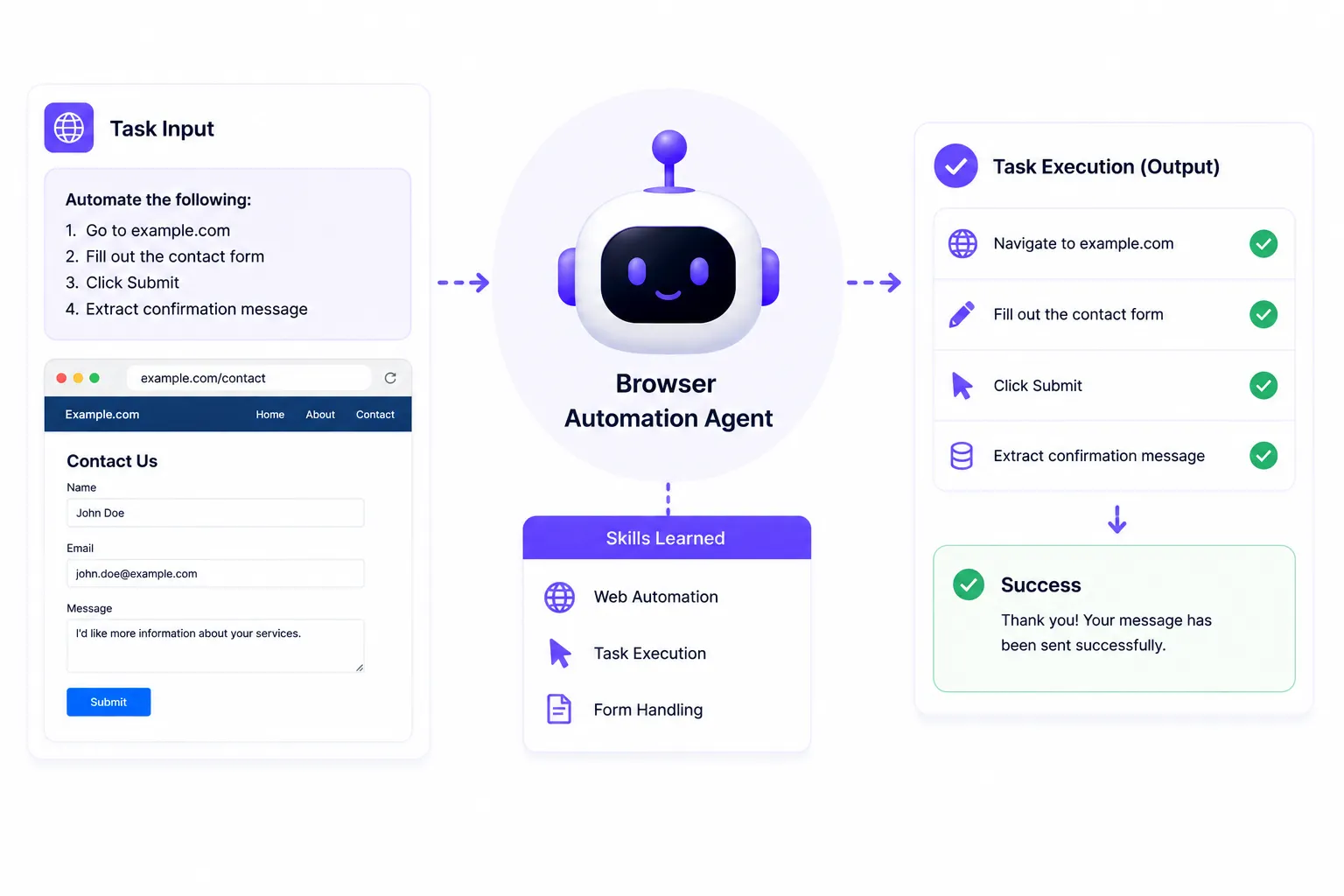
Browser automation agents take AI out of the terminal and into the visual world of the web. These agents use tools like Playwright or Selenium to "see" and interact with websites—clicking buttons, filling forms, and navigating menus just as a human would. This is a critical component for automating legacy business processes that do not have accessible APIs.
Building this agent requires a firm grasp of Document Object Model (DOM) manipulation and computer vision, as many modern agents now use visual tokens to understand web layouts. The "browser-use" library is a popular starting point for engineers looking to bridge the gap between LLM reasoning and browser execution.
5. The Document Q&A and RAG Agent
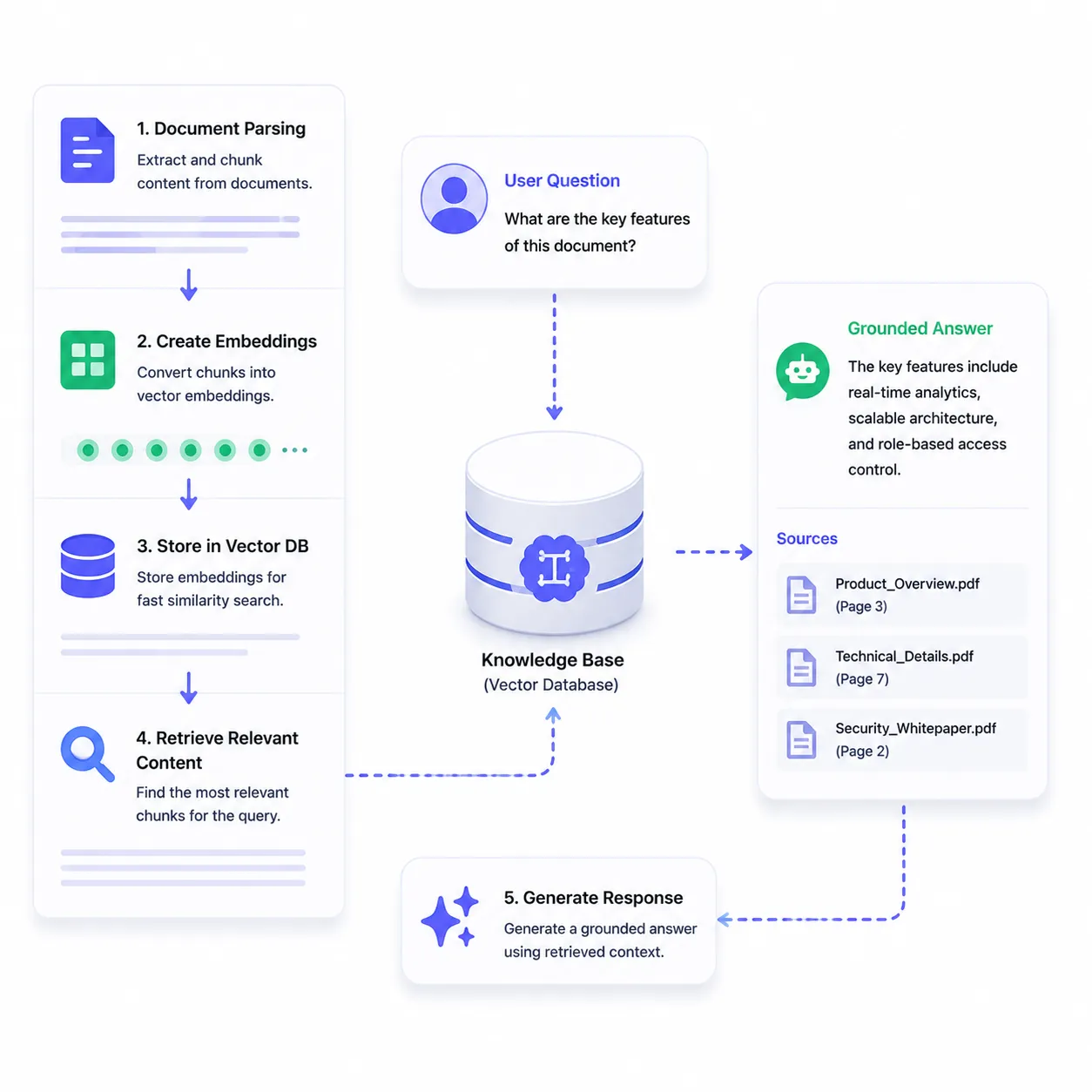
Retrieval-Augmented Generation (RAG) has become the industry standard for reducing AI hallucinations. A RAG agent does not rely solely on its training data; instead, it queries a specific set of documents—such as a company’s internal wiki or legal contracts—to provide grounded, fact-based answers.
This project introduces engineers to the world of vector databases (like Pinecone, Milvus, or Weaviate) and text embeddings. Learning how to "chunk" data and retrieve the most relevant snippets is a foundational skill for any AI engineer. The "RAG-Anything" repository offers a blueprint for building agents that can ingest PDFs, Word docs, and text files to serve as a high-precision knowledge assistant.
6. The Intelligent Customer Support Agent
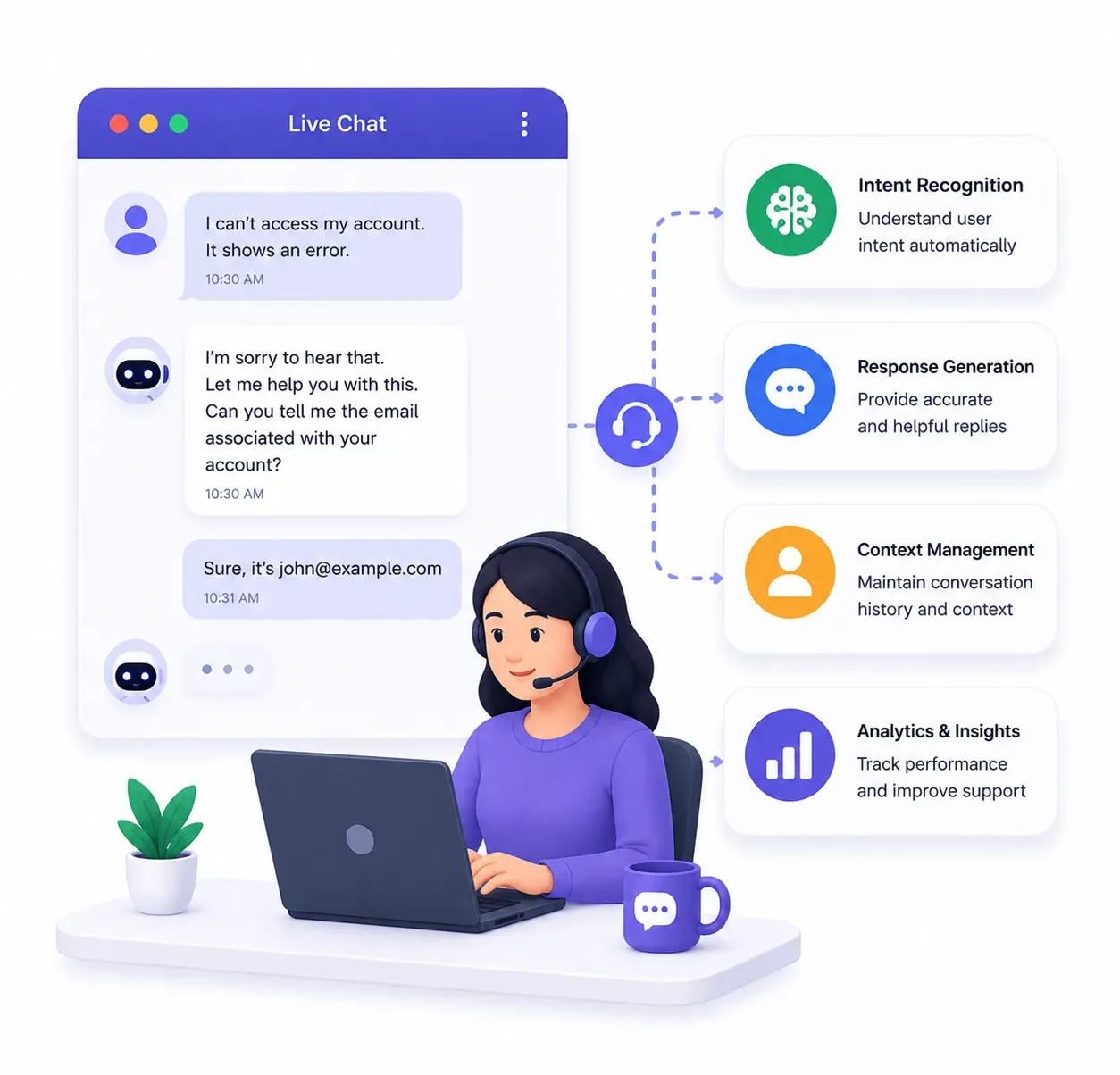
Customer support is being revolutionized by agents that can move beyond scripted responses. Modern support agents utilize "intent recognition" to determine if a user is frustrated, seeking a refund, or asking a technical question. They can then interface with a company’s CRM (Customer Relationship Management) system to provide personalized resolutions.
By building a helpdesk assistant using frameworks like Rasa or LangGraph, engineers learn about dialogue state tracking and how to maintain "memory" across long conversations. This is vital for creating AI that feels helpful rather than repetitive.
7. The Personal AI Assistant Agent
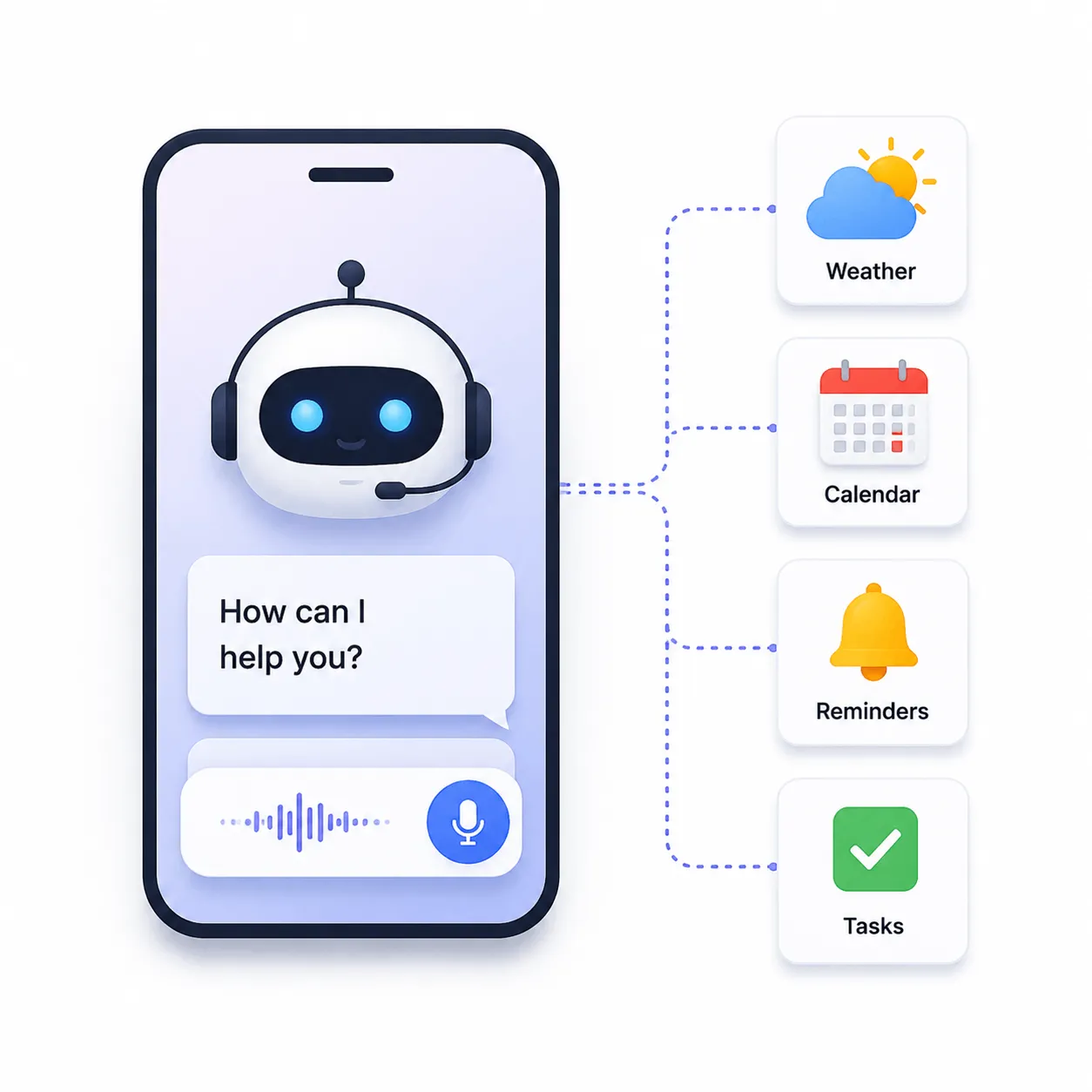
The Personal Assistant is a multi-modal agent that integrates with a user’s daily life, managing calendars, setting reminders, and even sending emails. This project emphasizes the "Tool Use" or "Function Calling" capabilities of modern LLMs.
Engineers must learn how to securely handle OAuth tokens and API integrations with services like Google Calendar or Slack. The "QwenPaw" project is an excellent example of how to build an assistant that processes both voice and text to execute real-world actions across different platforms.
8. The Predictive Maintenance Agent
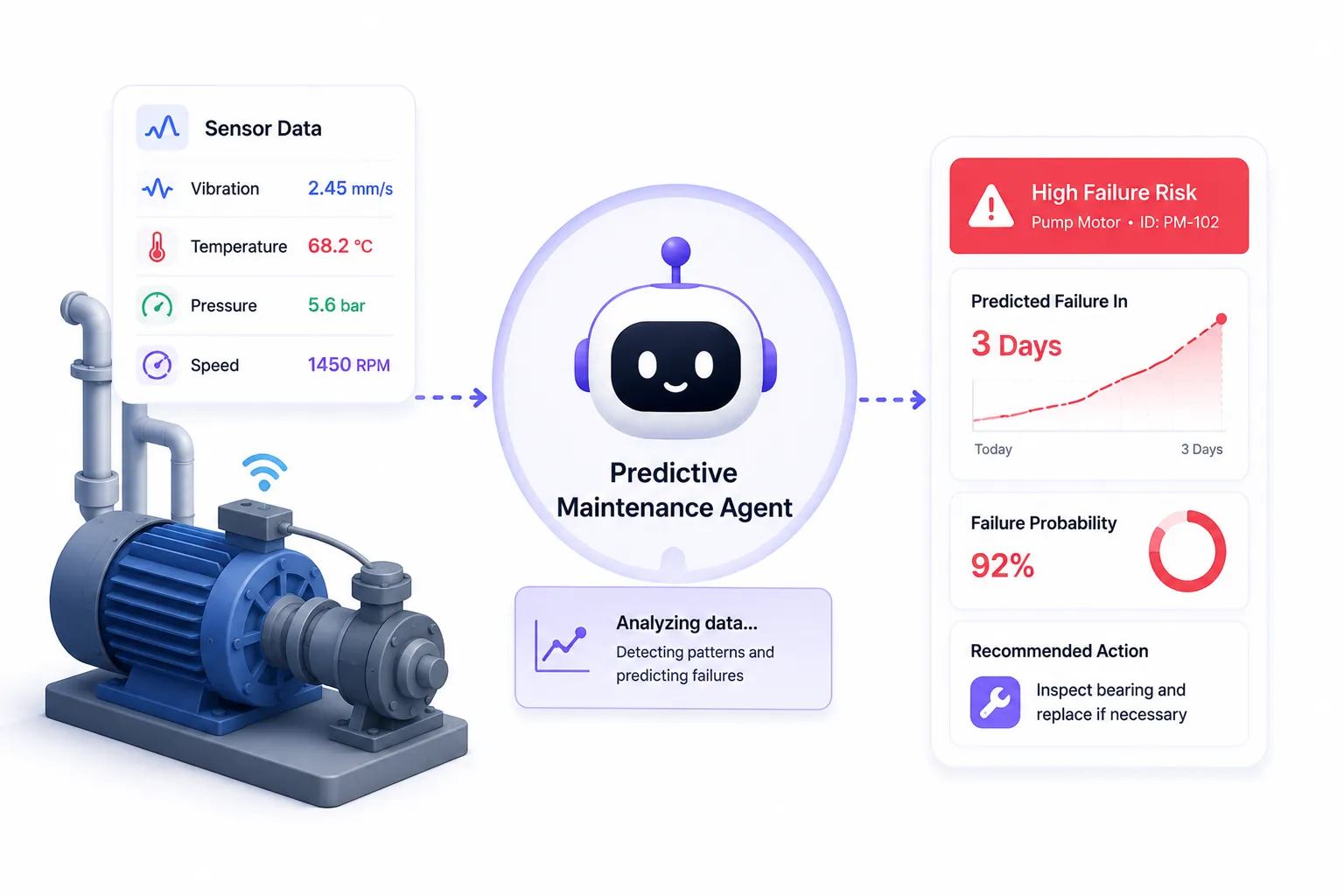
In industrial settings, downtime can cost companies millions of dollars per hour. Predictive maintenance agents analyze real-time sensor data—temperature, vibration, and pressure—to predict when a machine is likely to fail. This is a move away from generative AI and toward "Discriminative AI" and anomaly detection.
Building this agent teaches engineers how to work with time-series data and how to deploy models at the "Edge" (close to the machinery). The AWS Labs predictive maintenance repository provides a framework for using machine learning to identify the subtle patterns that precede a mechanical breakdown.
9. The Computer Vision Agent
Computer vision agents allow AI to interpret the physical world. Using architectures like YOLO (You Only Look Once), these agents can detect objects, track movement, and even analyze sentiment from facial expressions in real-time.
Engineers working on vision agents gain experience with convolutional neural networks (CNNs) and data augmentation techniques. The YOLOv5 and YOLOv8 repositories are the gold standard here, offering pre-trained models that can be fine-tuned for specific tasks, such as autonomous drone navigation or security monitoring.
10. The Financial Trading Agent
Perhaps the most high-stakes application of AI is in the financial markets. A financial trading agent uses reinforcement learning (RL) to develop strategies for buying and selling assets. Unlike traditional algorithmic trading, an AI agent can learn from market volatility and adjust its strategy dynamically.
Building a trading agent requires a deep understanding of reward functions and risk management. The "FinRL" framework is a comprehensive tool for this, allowing engineers to simulate trading environments and train agents on historical market data before ever risking real capital.
Market Analysis and Technical Implications
The shift toward these ten agents is supported by significant market data. According to a 2024 report by Gartner, over 40% of enterprise applications will have embedded conversational AI by 2026, up from less than 5% in 2020. Furthermore, the "Agentic AI" market is projected to grow at a CAGR of 32% over the next five years.
From a technical perspective, the move toward agents signifies a departure from "Prompt Engineering" toward "Agent Engineering." Lead AI researchers at companies like OpenAI and Anthropic have noted that the bottleneck is no longer the model’s intelligence, but the robustness of the "scaffolding" built around it. Engineers who can build reliable state machines, error-handling protocols, and evaluation frameworks for these agents will be the architects of the next software revolution.
The Broader Impact on Software Engineering
The implications of agentic AI extend beyond mere automation; they redefine the role of the software engineer. In the traditional paradigm, engineers wrote explicit instructions for every possible scenario. In the agentic paradigm, engineers define the goal, provide the tools, and build the guardrails within which the AI operates.
This shift requires a new set of ethics and safety standards. As agents gain the ability to move money (Trading Agents), delete code (Coding Agents), and interact with customers (Support Agents), the importance of "AI Alignment" and "Human-in-the-loop" systems becomes paramount. Building these ten projects provides engineers not just with technical skills, but with a practical understanding of the safety challenges inherent in autonomous systems.
By systematically working through these ten agent archetypes, aspiring AI engineers can transition from being consumers of AI models to being creators of AI systems. The transition from "Models" to "Agents" is the defining trend of the mid-2020s, and those who master these builds will be at the forefront of the next technological frontier.