rifanmuazin
In an increasingly interconnected world, the strategic utilization of social media has transitioned from a supplementary marketing tactic to an indispensable pillar of business growth. Recent industry surveys and evolving consumer behaviors underscore a seismic shift, placing Social Media Optimization (SMO) at the forefront of digital marketing imperatives. For small and medium-sized businesses (SMBs), the implications are profound, with social platforms now serving as the primary conduit for customer engagement and traffic generation, surpassing even traditional search engines in many instances.

According to a comprehensive survey of 300 SMBs, a striking 64% identified social media as their leading source of website traffic. This figure represents a significant increase from previous years and highlights the platform’s evolving role from a mere communication tool to a critical driver of business objectives. This trend aligns seamlessly with consumer habits, where 61% of buyers report discovering new brands or products on social media within the last 12 months. Furthermore, social media has emerged as the preferred channel for product discovery among the crucial 18-to-44 age demographic, solidifying its position as a non-negotiable element of any forward-thinking marketing strategy.
The imperative for businesses to meet their audiences where they are actively engaged is clearer than ever. This necessitates a deliberate and sophisticated approach to Social Media Optimization, a practice focused on refining social media profiles, content, and posting strategies to amplify visibility, foster engagement, and ultimately drive traffic across both social platforms and search engines. SMO encompasses a wide array of tactical adjustments, from crafting keyword-rich bios and ensuring consistent brand messaging to selecting optimal content formats, posting schedules, and leveraging platform-specific features designed to maximize reach to the most relevant audiences.
Understanding the Pillars of Social Media Optimization
At its core, Social Media Optimization (SMO) is the meticulous process of enhancing a brand’s presence on social media channels. This involves a multi-faceted approach that extends beyond simply posting content. It includes optimizing profile elements, such as bios and profile pictures, to be informative and searchable. Content optimization involves tailoring posts for maximum impact, considering factors like visual appeal, keyword integration, and adherence to platform best practices. Strategic posting involves understanding audience behavior and platform algorithms to determine the most effective times and frequencies for publishing content.
The benefits of a robust SMO strategy are far-reaching and directly contribute to a business’s bottom line. By optimizing social media efforts, businesses can expect to:
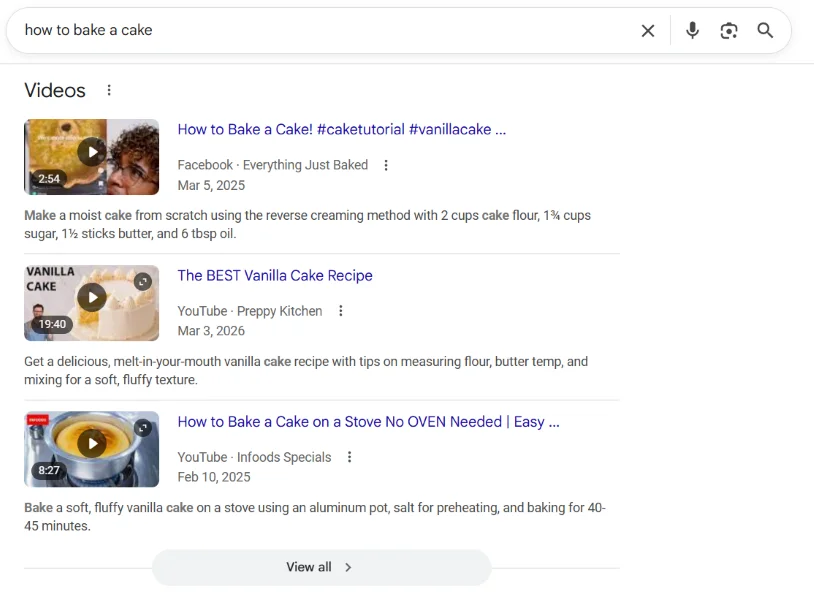
- Increase Brand Visibility: Enhanced profiles and optimized content are more likely to be discovered by users actively searching for related topics or brands. This extends beyond social feeds, as optimized social content can also appear in broader search engine results pages, broadening a brand’s digital footprint.
- Drive Website Traffic: A primary goal of SMO is to direct users from social platforms to a company’s website, where conversions can occur. This is achieved through compelling calls to action and strategically placed links.
- Boost Engagement: Optimized content is more likely to resonate with audiences, leading to higher rates of likes, shares, comments, and saves. This increased engagement signals to platform algorithms that the content is valuable, leading to further amplification.
- Improve Search Engine Rankings: While distinct from Search Engine Optimization (SEO), SMO plays a supportive role. Social signals, such as shares and mentions, can indirectly influence search rankings. Furthermore, optimizing social profiles with relevant keywords enhances discoverability within social platforms themselves, which often function as mini-search engines.
- Build Brand Authority and Trust: Consistent, high-quality content, coupled with responsive engagement, helps establish a brand as a credible authority in its industry. This builds trust among consumers, making them more likely to consider the brand when making purchasing decisions.
- Gain Valuable Audience Insights: Analyzing the performance of optimized content provides critical data on audience preferences, content formats that perform best, and optimal posting times. This information is invaluable for refining future marketing strategies.
Quick Wins for Immediate Impact
For businesses looking to quickly enhance their social media performance, several immediate, high-impact tactics can be implemented. These "quick wins" require minimal time investment but can yield significant improvements in visibility and engagement.
1. Optimize Your Profile and Bio
Your social media profile serves as the digital storefront for your brand. A well-optimized bio is crucial for first impressions and for helping algorithms understand your business. Key elements to consider include:

- Keyword Integration: Incorporate relevant keywords that potential customers might use to search for your products or services.
- Clear Value Proposition: Concisely articulate what your business offers and what makes it unique.
- Call to Action (CTA): Include a clear directive, such as "Visit our website" or "Shop now," with a link.
- Branding Consistency: Ensure your profile picture and cover photo align with your overall brand identity.
- Contact Information: Provide essential details like website, location (if applicable), and contact methods.
2. Implement the 80/20 Rule for Organic Content
To foster long-term growth and genuine audience connection, a balanced content strategy is essential. The 80/20 rule suggests that approximately 80% of your organic social media content should focus on providing value – educational, entertaining, or community-building posts – while the remaining 20% can be dedicated to direct product or service promotion. This approach builds a loyal following by offering consistent value, making promotional content more receptive when it is presented.
3. Strategically Utilize Hashtags
Hashtags are powerful tools for categorizing content and increasing its discoverability beyond your existing follower base. A strategic approach involves using a mix of:

- Popular/Broad Hashtags: These can offer wide reach but may also result in content being lost in a high volume of posts.
- Niche/Specific Hashtags: These target a more defined audience interested in particular topics, leading to higher engagement rates.
- Branded Hashtags: Create unique hashtags for your brand or specific campaigns to foster community and track conversations.
- Location-Based Hashtags: Essential for local businesses to connect with customers in their geographic area.
4. Incorporate Closed Captions in Videos
With a significant percentage of mobile users viewing videos with the sound off, closed captions are no longer optional but a necessity for accessibility and engagement. Subtitles ensure that your message is understood by a wider audience, including those with hearing impairments or those in environments where audio is not feasible. This practice significantly boosts video watch time and comprehension.
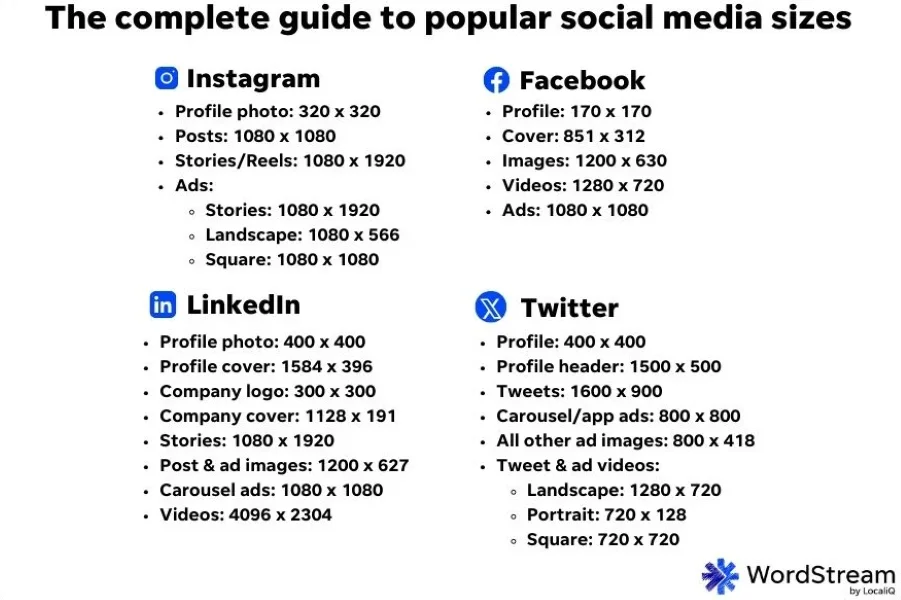
5. Ensure Correct Image and Video Sizes
Each social media platform has specific dimensions for images and videos. Adhering to these guidelines ensures that your visuals are displayed correctly, without cropping or distortion, thereby maintaining a professional appearance and maximizing visual impact.

6. Add Alt Text to Profile Images
Alt text, or alternative text, describes an image for search engines and for users who rely on screen readers. By including relevant keywords in alt text for your social media images, you enhance their discoverability within the platform and improve accessibility, contributing to both SEO and user experience.
7. Post at Optimal Times
Understanding when your target audience is most active on social media is critical for maximizing content reach. Algorithms often prioritize recency and early engagement. Researching and testing different posting times for each platform, considering your audience’s time zones, can lead to a substantial increase in visibility and interaction.

8. Employ Compelling Calls to Action (CTAs)
A strong CTA guides users toward the desired next step, whether it’s visiting a website, making a purchase, or signing up for a newsletter. CTAs should be clear, concise, and prominently placed within your post copy or utilize the platform’s built-in CTA buttons.
9. Complete All Business Information
Maximizing the information available on your social media profiles is a free and effective way to provide comprehensive details about your business. This includes contact information, operating hours, business descriptions, and links to your website, making it easier for potential customers to find and engage with you.
Advanced Tactics for Sustained Growth
Once the foundational elements of SMO are in place, businesses can implement more advanced strategies to further amplify their social media impact and achieve sustained growth.
10. Leverage Social Media Management Tools
A plethora of social media management tools exist, designed to streamline various aspects of SMO. These tools typically fall into categories such as content scheduling and publishing, analytics and reporting, and social listening and engagement. Utilizing these platforms can significantly improve efficiency, allowing for more strategic planning and execution of SMO efforts.

11. Actively Engage in the Comments Section
Social media offers a unique opportunity for direct, two-way communication. Responding to comments, answering questions, and participating in discussions fosters a sense of community and humanizes your brand. This active engagement not only strengthens customer relationships but also signals to platform algorithms that your content is valuable and interactive, leading to increased organic reach.
12. Move Negative Conversations to Private Channels
While public engagement is crucial, sensitive or negative customer interactions should be handled with care. Responding promptly and empathetically in public, then transitioning the conversation to private messages or direct emails, demonstrates professionalism and helps de-escalate potential issues, preventing them from escalating into public relations crises.

13. Implement Social Media SEO
Similar to search engines, social media platforms employ algorithms to rank and display content. Optimizing your social media content for these algorithms, often referred to as social SEO, involves using relevant keywords in your profile descriptions, post captions, and even image alt text. This ensures your content is discoverable by users searching within the platform.
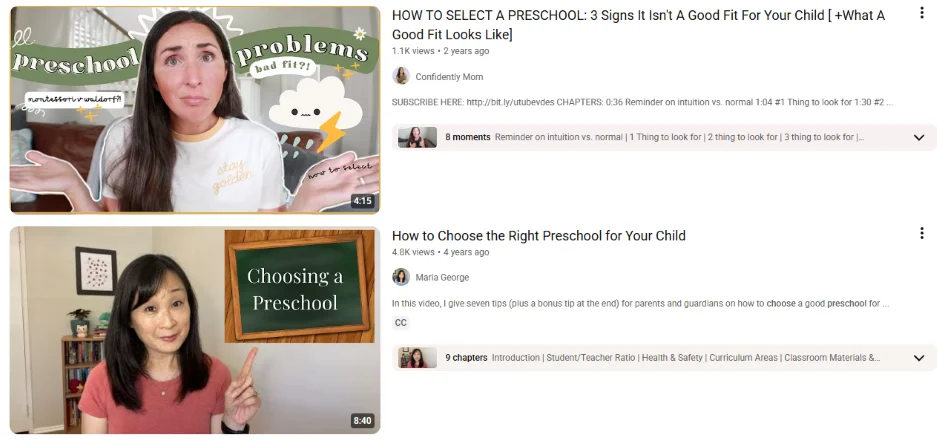
14. Customize Thumbnail Images
For video content, a compelling thumbnail image acts as a critical first impression. Customizing thumbnails with eye-catching visuals, clear messaging, and emotional resonance can significantly increase click-through rates. A well-designed thumbnail can effectively communicate the value of your video content, enticing viewers to engage.

15. Analyze Competitor Strategies
Understanding what your competitors are doing well on social media can provide invaluable insights. Monitoring their content, engagement strategies, and promotional activities can reveal successful tactics and identify potential gaps in your own strategy. Tools like the Meta Ad Library and TikTok Ads Library offer further insights into competitor paid advertising efforts.
16. Utilize All Available Content Formats
Social media platforms offer a diverse range of content formats, from static images and videos to Stories, Reels, and live streams. Experimenting with each format allows businesses to discover which ones best resonate with their audience and align with their content creation capabilities. A diverse content mix can cater to different audience preferences and keep your feed dynamic.

17. Share User-Generated Content (UGC)
User-generated content, such as customer reviews, photos, and videos, provides authentic social proof and a valuable source of fresh content. Encouraging and sharing UGC not only addresses the challenge of consistent content creation but also leverages the trust and reach of your customers’ social networks.
18. Add UTM Parameters to Links
UTM parameters are tags added to URLs that allow for precise tracking of traffic sources within analytics platforms. By using UTMs, businesses can accurately attribute website traffic originating from specific social media platforms, campaigns, or even individual posts, providing crucial data for performance analysis and strategy refinement.

19. Employ Polls and Questions
Interactive content formats like polls and questions are highly effective for boosting engagement. They encourage audience participation, provide valuable insights into customer preferences, and can even spark viral conversations. These tools can be used for market research, product development feedback, or simply to create lighthearted interaction.
20. Test, Track, and Tweak Continuously
The social media landscape is in constant flux. A fundamental aspect of effective SMO is a commitment to continuous testing, tracking, and iteration. Regularly analyzing performance metrics, identifying what works best, and adapting strategies based on these insights is crucial for long-term success and for staying ahead of evolving platform trends and algorithms.
The Foundation: Social Media Auditing
Before embarking on any new SMO tactics, a thorough social media audit is essential. This process establishes a baseline of current performance, allowing businesses to measure progress and identify areas for improvement. An audit typically involves evaluating metrics such as follower growth, engagement rates, content performance, and audience demographics. By understanding your current standing, you can develop a more informed and targeted SMO strategy.
In conclusion, the growing dominance of social media as a traffic and discovery channel necessitates a proactive and strategic approach to Social Media Optimization. By implementing a combination of quick wins and advanced tactics, and by grounding these efforts in regular audits and continuous testing, businesses can harness the full potential of social media to drive engagement, increase brand visibility, and achieve sustainable growth in today’s dynamic digital marketplace.