Anny Havercroft, TikTok’s global head of product marketing communications and industry enablement, is spearheading a significant shift in how brands perceive and utilize the platform, signaling a profound evolution in digital advertising strategy. Once primarily seen as a viral content hub known for its entertainment value and unparalleled reach, TikTok is rapidly cementing its position as a formidable demand-generation engine, driving measurable business outcomes far beyond superficial engagement metrics. This strategic pivot emphasizes the creation of actual sales pipelines rather than merely accumulating "likes," marking a critical turning point for marketers seeking tangible returns on their social media investments.
The Paradigm Shift: Beyond Vanity Metrics
TikTok’s explosive growth over the past few years has been nothing short of phenomenal, accumulating over a billion monthly active users globally. This rapid ascent initially positioned the platform as an indispensable tool for brand awareness, particularly among younger demographics. However, as the digital advertising landscape matures, marketers are increasingly demanding quantifiable results and a clear return on investment (ROI) from their campaigns. The days of solely celebrating "vanity metrics" like impressions and likes are giving way to a more rigorous focus on lead qualification, conversion rates, and cost per acquisition (CPA).
Havercroft’s mission is precisely to address this demand: "I’m helping advertisers learn how to turn TikTok into a demand engine," she states. Her role involves educating businesses on how to leverage TikTok’s unique ecosystem not just for discovery but for effectively closing the sales funnel. This applies equally to business-to-consumer (B2C) campaigns, like the notable success of Invisalign, and the burgeoning opportunities for business-to-business (B2B) demand generation, whether leads are captured in a simple spreadsheet or seamlessly integrated into a sophisticated customer relationship management (CRM) system like HubSpot. Havercroft’s five years building TikTok’s B2B lead generation playbook, initially across the APAC region and now globally, have provided invaluable insights into common patterns and, crucially, often overlooked opportunities that can transform ordinary campaigns into powerful demand drivers.
Key Pillars for Maximizing TikTok Lead Generation
Marketers frequently miss crucial opportunities that, when leveraged effectively, can significantly amplify lead generation efforts on TikTok. Havercroft highlights four fundamental areas where strategic adjustments can yield substantial improvements.
1. Prioritizing Readiness Over Pure Reach
The sheer scale of TikTok’s user base, exceeding a billion monthly users, makes it tempting for marketers to view the platform primarily as a "reach play." However, Havercroft argues that true demand generation on TikTok hinges not on the quantity of impressions but on the quality and engagement of its community. "It can be very easy to think about it as a reach play when you’re generating demand," she explains, "but actually it is about the quality of our community and how the engagement of our audiences actually turns into some really well-qualified leads."
This focus on quality is driven by "signals" – nuanced indicators of user intent and interest. A signal can range from the duration a user watches a video, to a specific like or share, or even a direct search for a product or category within the app. Brands that demonstrate an ability to "read the signals" generated by everyday user actions are the ones successfully converting engagement into high-quality leads. Industry research consistently shows that understanding user intent through behavioral signals can increase conversion rates by as much as 20-30%.
Invisalign exemplified this principle by designing a campaign that actively generated its own signals through an innovative approach. Instead of merely directing users to an external form, the brand integrated a "Smile Quiz" directly into its ad creative. This card-layout quiz allowed interested users to answer a series of qualifying questions without ever leaving the TikTok environment. This interactive, in-app experience effectively pre-qualified leads, ensuring that only genuinely interested individuals progressed further. The results were compelling: a 28% higher form submission rate, an 11% lower cost per acquisition (CPA) compared to previous campaigns, and a remarkable 133% higher landing page load-and-finish rate, indicating significantly reduced abandonment. This proactive approach to pre-qualification not only improved efficiency but also delivered a more refined pool of prospects. The pro tip here is clear: proactively build mechanisms like quizzes, qualifying questions, and deep-funnel tracking into campaigns to identify users genuinely ready to become customers.
2. Diversifying Content Formats Across the Funnel
TikTok conceptualizes the customer journey as a seamless progression: "watch it, love it, want it." This reflects how discovery, consideration, and action can unfold fluidly within a single user experience. To maintain this frictionless flow, marketers must resist the urge to force users down a rigid, linear path. Instead, Havercroft advises leveraging TikTok’s extensive array of tools, each designed to engage users at different points in their buyer journey.
At the foundational level, businesses can capture leads by directing users to their own websites, utilizing pixels and APIs for comprehensive conversion tracking. Alternatively, TikTok offers native instant forms, providing a self-contained, in-app experience akin to Invisalign’s quiz, minimizing friction by keeping users within the platform. For businesses requiring deeper engagement, pre-qualification, or consultations before a lead is considered "warm," specialized formats like messaging ads and call ads are available. These formats facilitate direct communication, allowing brands to gather more detailed information or offer immediate assistance. Recognizing that optimal format selection isn’t always obvious, TikTok also provides built-in test-and-learn solutions, enabling advertisers to run multiple formats simultaneously and automatically identify the highest-performing option.

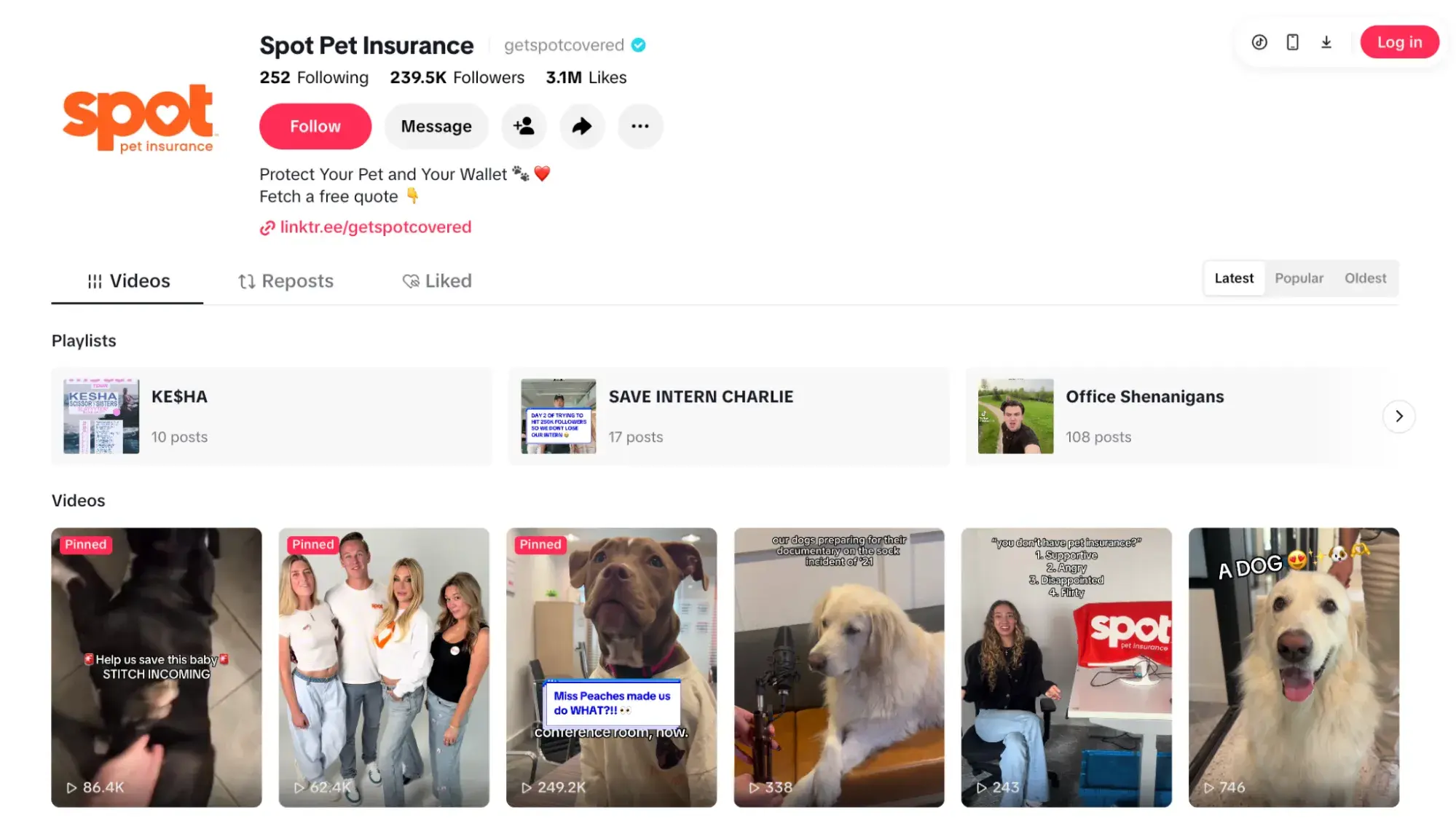
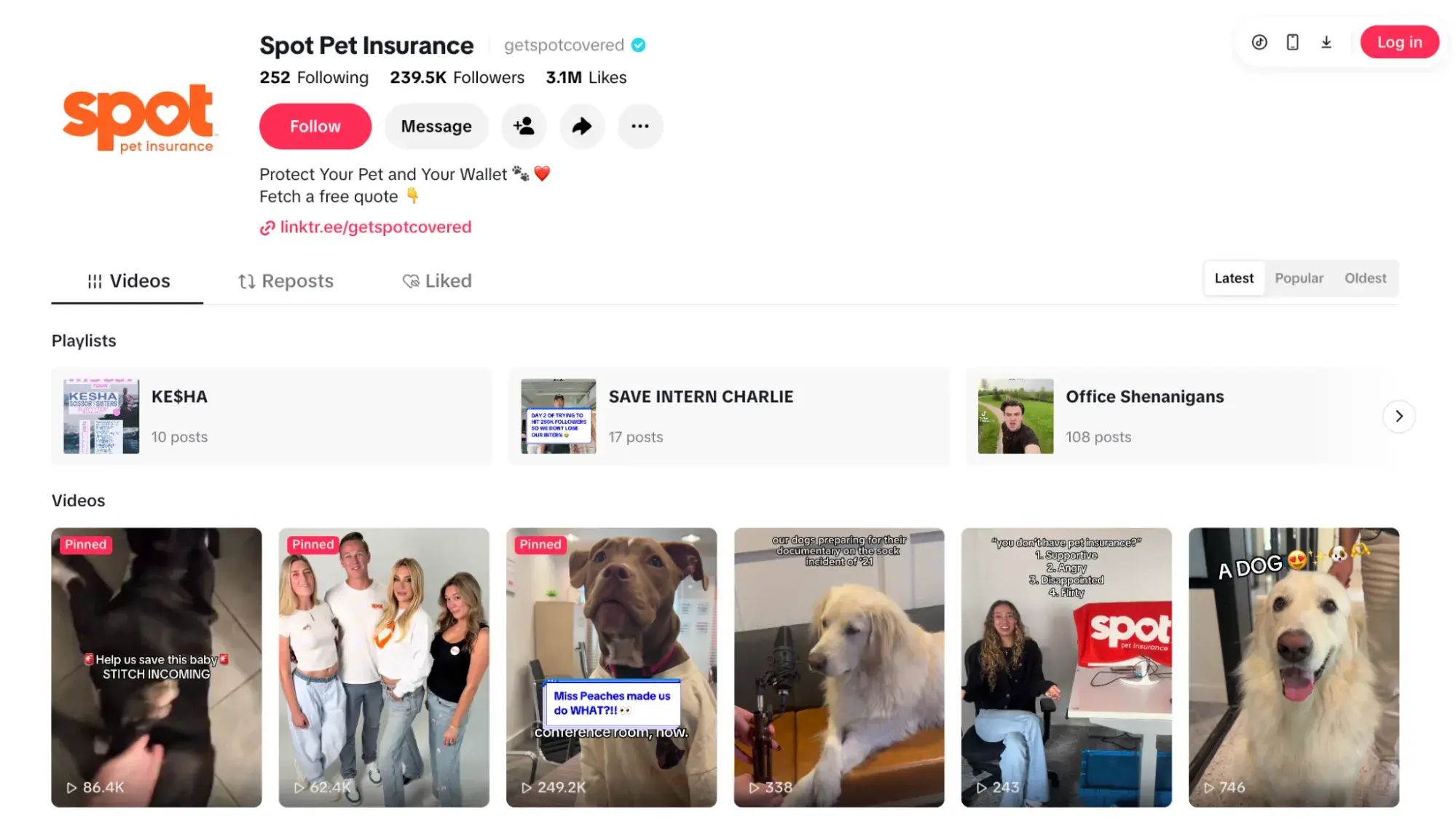
The choice of format should always align with the specific funnel stage a brand is targeting. Spot Pet Insurance, a prominent online pet insurer in the U.S., masterfully utilized this diversified approach. Rather than solely optimizing for initial form submissions, they meticulously tracked quote requests and ultimately, completed payments – following leads through the entire purchase journey. This holistic tracking resulted in a 23% increase in qualified leads and a 19% lower cost per lead (CPL). This case study underscores the importance of a full-funnel perspective, moving beyond top-of-funnel metrics to track actual conversion events. The pro tip is straightforward: match the ad format precisely to the intended funnel stage.
3. The Critical Role of Lead Nurturing
Havercroft draws a vivid analogy to highlight a pervasive marketing misstep: letting acquired leads go cold. "You’re out there, you’ve got someone’s number… and you are ghosted," she quips, expressing bewilderment at why marketers generate leads only to abandon them. This "ghosting" of leads represents a significant waste of resources and a missed opportunity to convert interest into loyalty. Industry data suggests that companies that excel at lead nurturing generate 50% more sales-ready leads at a 33% lower cost.
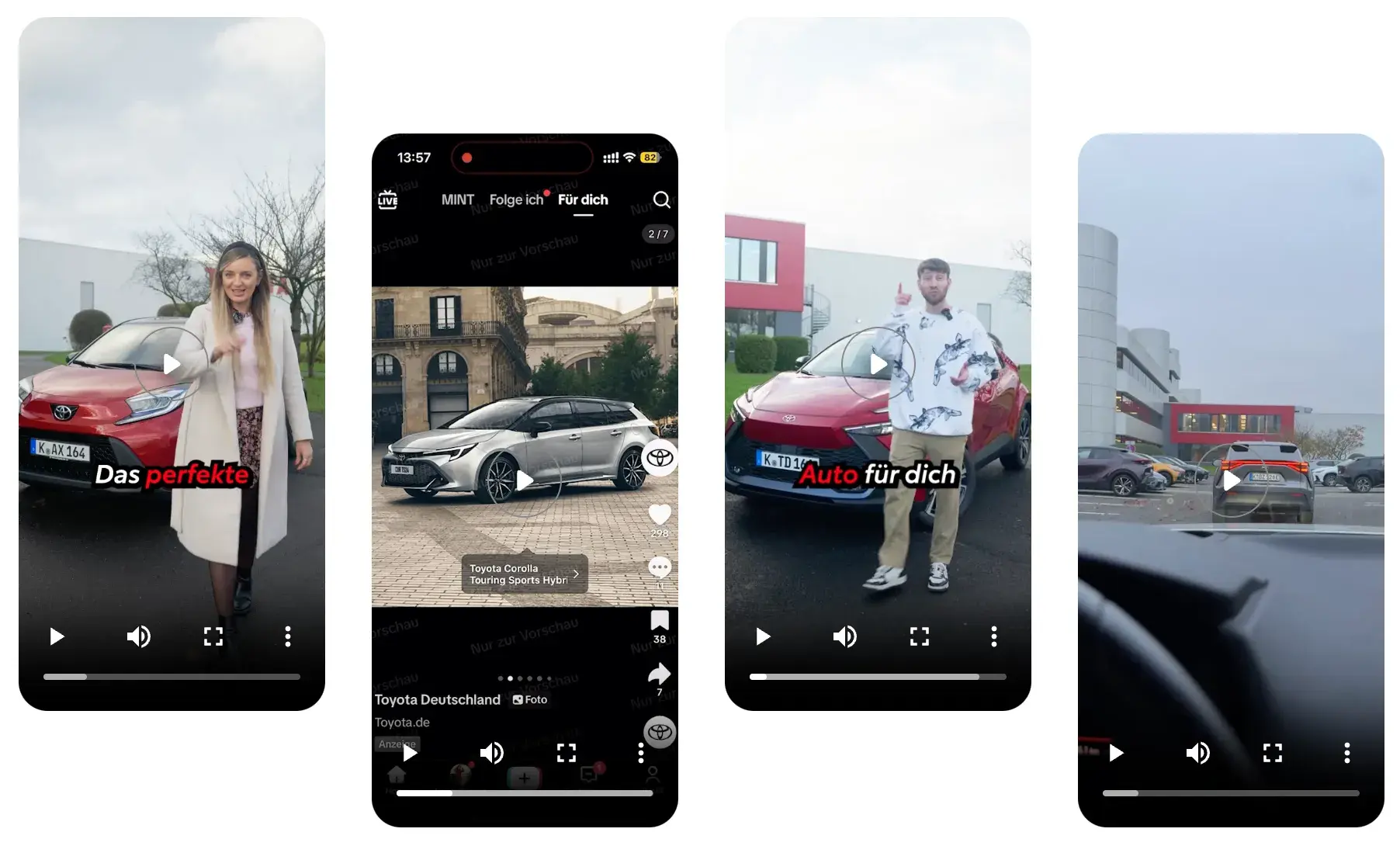
Toyota Germany, a brand navigating the typically long and complex car buying journey, offers a sterling example of effective lead nurturing. Prospective car buyers often engage in extensive online browsing, video consumption, and eventually, test drive bookings – each stage demanding distinct content and engagement strategies. Toyota Germany’s TikTok lead generation strategy was meticulously built around this protracted journey. Crucially, every lead generated through TikTok was fed directly into their existing CRM nurture programs, rather than treating TikTok as an isolated channel. This seamless integration ensured that leads received relevant, timely follow-up tailored to their specific stage in the buying process. The result was a significant 38% decrease in cost per acquisition, demonstrating the immense value of a cohesive, integrated nurturing strategy.
This is where the native integration between TikTok and CRM platforms like HubSpot becomes indispensable. The integration facilitates bidirectional data flow: campaign-level insights from TikTok are automatically synced into HubSpot, providing a comprehensive view of lead origins and behaviors. Conversely, HubSpot’s rich customer lifecycle data and nurture outcomes flow back to TikTok, enabling the platform to optimize ad delivery towards audiences most likely to convert, not just those most likely to click. Havercroft describes this as "what a great handoff looks like… that loop that kind of feeds the two parts of those systems," emphasizing the symbiotic relationship between ad platform and CRM. The pro tip is to plan for long-term relationships, routing every lead into a meticulously designed nurture program based on its position within the customer lifecycle.
4. Unleashing the Power of Creator-Led Growth
"Creators are really the superpower and the hero of our community," Havercroft asserts, lamenting that some marketers relegate creator partnerships to an afterthought. This oversight represents a substantial missed opportunity. Creators inject "relevancy and connectivity to our audiences," according to Havercroft. Their content, often perceived as authentic and organic rather than overtly promotional, tends to garner a higher degree of engagement, which, crucially, translates into better conversion rates. The global influencer marketing market size is projected to exceed $24 billion by 2028, underscoring the undeniable impact of creator-led strategies.
Gana Energia, a Spanish energy provider, conducted a compelling experiment to validate this theory. Tasked with educating its audience on energy cost management and switching providers, the brand developed both traditional brand-produced assets and creator-led content sourced through TikTok One. An A/B test was then conducted, pitting these two approaches against each other, with the objective of scaling the format and messaging that delivered the strongest results. The creator-led content emerged as the clear winner. The overall campaign achieved a staggering 632% increase in total lead volume and a remarkable 64.5% reduction in cost per lead, unequivocally demonstrating the superior efficacy of authentic creator voices.
For brands intimidated by the prospect of creator partnerships, Havercroft offers practical advice: "Brief them as you would a creative partner." This entails providing creators with clear context regarding the business problem and campaign objectives, while simultaneously trusting them to translate that message in a way that resonates organically with their specific audience. The most successful creator-led lead generation campaigns, she notes, deftly combine authenticity with a crystal-clear call to action. Incorporating mechanisms like affiliate incentives can provide a concrete pathway for engagement to convert into measurable actions. The pro tip: brief creators on business objectives, grant them creative flexibility, and rigorously test their content directly against brand-produced assets.
A Unified Approach: The 5-Step Framework for Success
The four opportunities outlined above are not disparate tactics but integral components of a cohesive strategy designed to elevate marketing campaigns. Building them into the foundational planning process helps teams cultivate effective habits from the outset. Havercroft recommends a comprehensive five-step framework for any brand embarking on a TikTok lead-generation strategy:
- Define Clear, Measurable Objectives: Move beyond superficial metrics. Establish specific, quantifiable goals related to lead quality, conversion rates, and cost efficiency from the outset.
- Understand Your Audience and Interpret Signals: Leverage TikTok’s rich behavioral data to identify high-intent users. Focus on engagement signals that indicate genuine interest and readiness to convert.
- Develop Diverse, Funnel-Optimized Creative Formats: Experiment with a range of TikTok’s ad formats, including interactive quizzes, instant forms, messaging ads, and video styles, ensuring each is tailored to a specific stage of the customer journey.
- Implement Robust Tracking, Testing, and Optimization: Utilize TikTok’s native optimization tools, such as Smart+, which automates much of the manual testing previously required. Continuously A/B test different creatives, audiences, and formats to refine performance.
- Integrate with CRM and Nurture Leads: Establish seamless data flow between TikTok and your CRM. Develop comprehensive lead nurturing programs that engage prospects based on their stage in the customer lifecycle, ensuring no lead goes cold.
Notably, TikTok’s Smart+ AI performance solution automates a significant portion of the optimization work, allowing marketers to dedicate more time to creative development and strategic planning rather than tedious, spreadsheet-level campaign management.
The Technological Backbone: TikTok and HubSpot Native Ad Integration
The strategic shift towards measurable demand generation is significantly amplified by technological advancements, particularly through native integrations. HubSpot’s native TikTok integration is a prime example, empowering marketers to sync, manage, and measure both TikTok ads and organic content directly within the Marketing Hub. This integration means campaigns no longer operate in isolation; marketers can target audiences based on invaluable first-party data such as lifecycle stage, deal history, and past purchase behavior, creating highly personalized and effective campaigns.
Beyond paid advertising, the integration allows users to schedule and publish organic TikTok content alongside all other marketing channels, fostering a unified content strategy. Furthermore, users gain access to Breeze AI, an intelligent assistant that can generate compelling captions, manage comments efficiently, and compile unified campaign reports, streamlining operational tasks and providing holistic performance insights. This two-way data flow is crucial: campaign-level insights from TikTok are automatically synced with HubSpot, while HubSpot’s own customer lifecycle and nurture data feeds back into TikTok’s optimization algorithms. This dynamic exchange ensures that advertisers are not forced to choose between platform-native signals and their proprietary customer data, enabling them to run campaigns that are truly data-driven and yield optimal results.
Broader Implications for the Digital Marketing Landscape
The transformation of TikTok into a robust demand generation engine carries significant implications for the broader digital marketing landscape. It signals the maturation of social media platforms as full-funnel marketing channels, challenging the dominance of traditional ad platforms and emphasizing the imperative of integrated, data-driven strategies. Marketers must now adapt their creative approaches to resonate with TikTok’s unique culture while simultaneously integrating sophisticated tracking and CRM capabilities to demonstrate clear ROI.
This evolution also underscores the increasing importance of artificial intelligence and machine learning in optimizing campaign performance. Tools like TikTok Smart+ and HubSpot Breeze AI represent the future of campaign management, where automation frees marketers to focus on higher-level strategy and creative innovation. The convergence of content and conversion, facilitated by seamless platform integrations, is redefining social commerce and reinforcing the necessity of building comprehensive, integrated marketing ecosystems. TikTok is no longer just a platform for viral entertainment; it is a critical, measurable tool for driving tangible business growth, demanding a sophisticated, strategic approach from all advertisers.