The era of creative scarcity, once a defining characteristic of marketing and content production, is rapidly drawing to a close. The exponential advancement and increasing accessibility of generative artificial intelligence (AI) are fundamentally reshaping how creative assets are produced, ushering in a new paradigm of “infinite creative.” This technological leap promises to dismantle traditional production bottlenecks, but it simultaneously introduces a profound and complex challenge: in a world where the capacity to create is virtually limitless, how do we discern what to create, and more importantly, what will resonate and perform? This article delves into the evolving landscape of creative production, exploring the strategic frameworks necessary to thrive in an era of unprecedented creative abundance.

The Commoditization of Creative Production: A Paradigm Shift
For decades, the cost and time required to produce high-quality creative assets—from static imagery to dynamic video content—have served as a significant constraint on marketing campaigns. This bottleneck not only dictated the pace of campaign activation but also directly impacted its overall effectiveness. Research consistently highlights the paramount importance of creative in driving campaign performance, with some studies suggesting it accounts for as much as 70% of a campaign’s success. Furthermore, the diversity of creative elements has been identified as a crucial driver of performance, underscoring the need for a broad spectrum of compelling content.

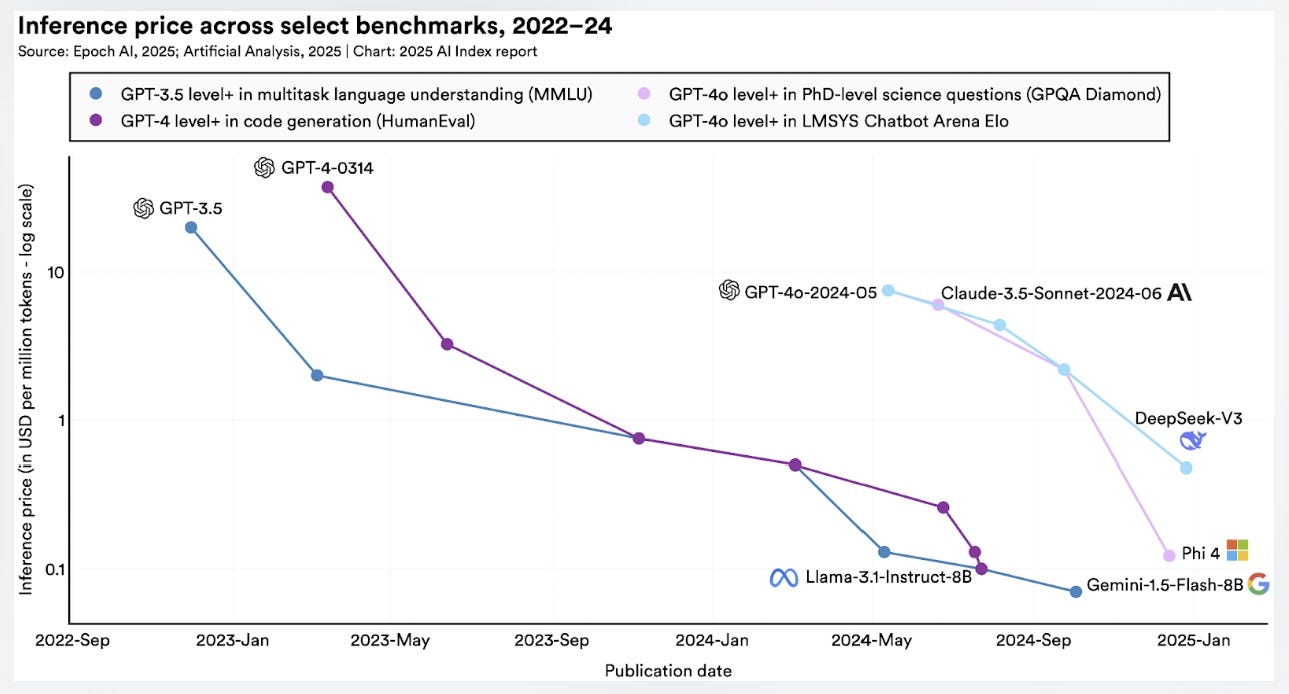
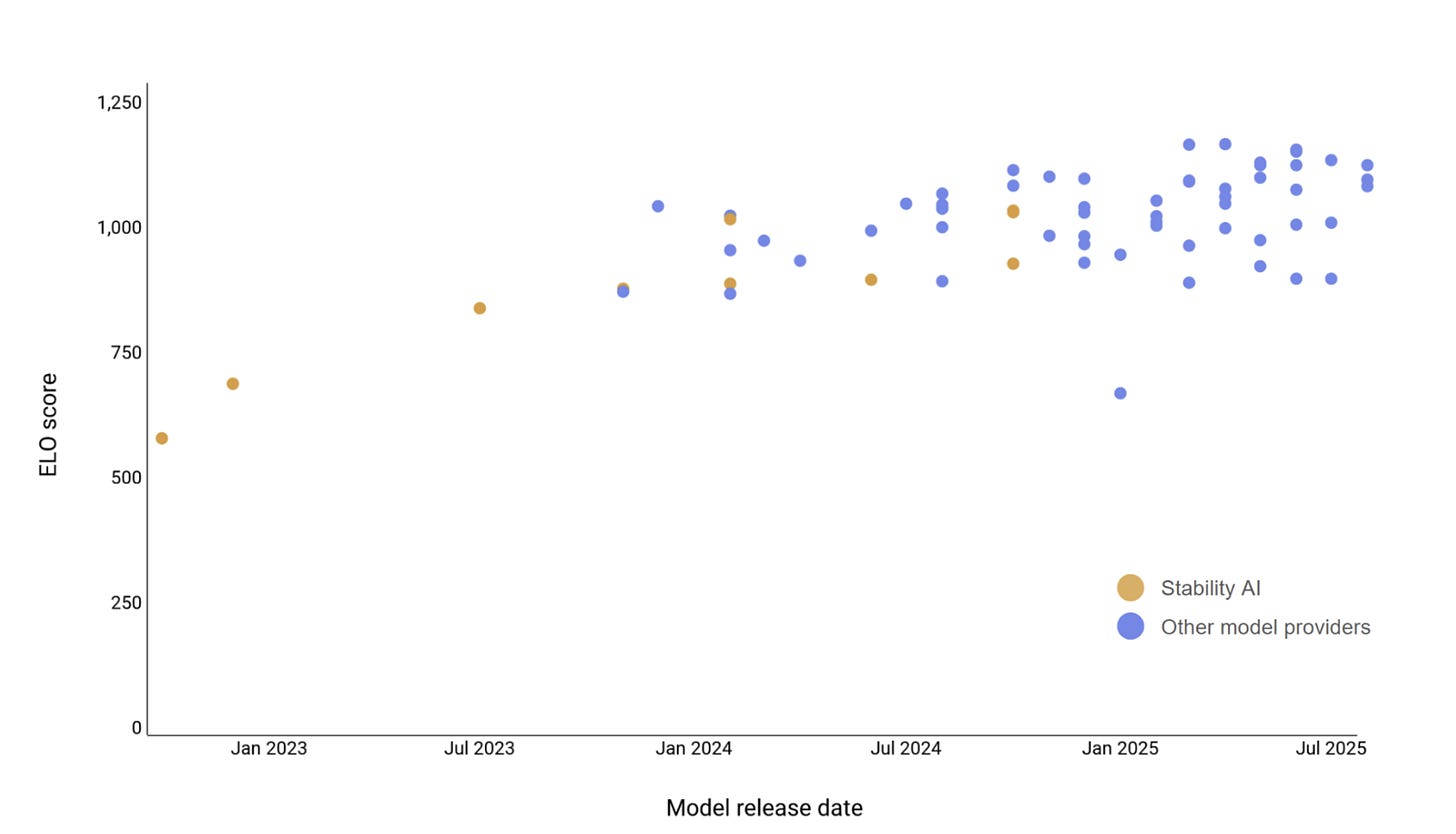
However, recent trends indicate a dramatic shift. The quality of generative AI tools for image and video creation has seen a rapid and significant improvement. Concurrently, the market for these technologies appears to be on a trajectory toward commoditization. Data analysis, as illustrated in Graph 1, reveals a diminishing advantage for early movers in the AI image generation space, such as Stability AI. More tellingly, the scores of various AI models are clustering, suggesting that the performance differences between leading platforms are becoming increasingly marginal. While current pricing for image and video generation remains relatively stable, the historical trajectory of similar large language model (LLM) technologies points towards a rapid decrease in costs. It is widely anticipated that image and video generation will follow a similar path, becoming significantly more affordable and accessible in the near future. Graph 2, illustrating the falling cost of one million inference tokens over time, further supports this trend, projecting a continued decline in the economic barriers to AI-driven content creation.
This confluence of factors—enhanced quality, reduced cost, and increased accessibility—means that the production of creative content is no longer the primary limiting factor in marketing. The future promises a reality where the ability to generate any creative, with any content, on demand, will become commonplace. This will result in an effectively infinite pool of creative options, a prospect that warrants careful consideration.
Navigating the Creative Fitness Landscape
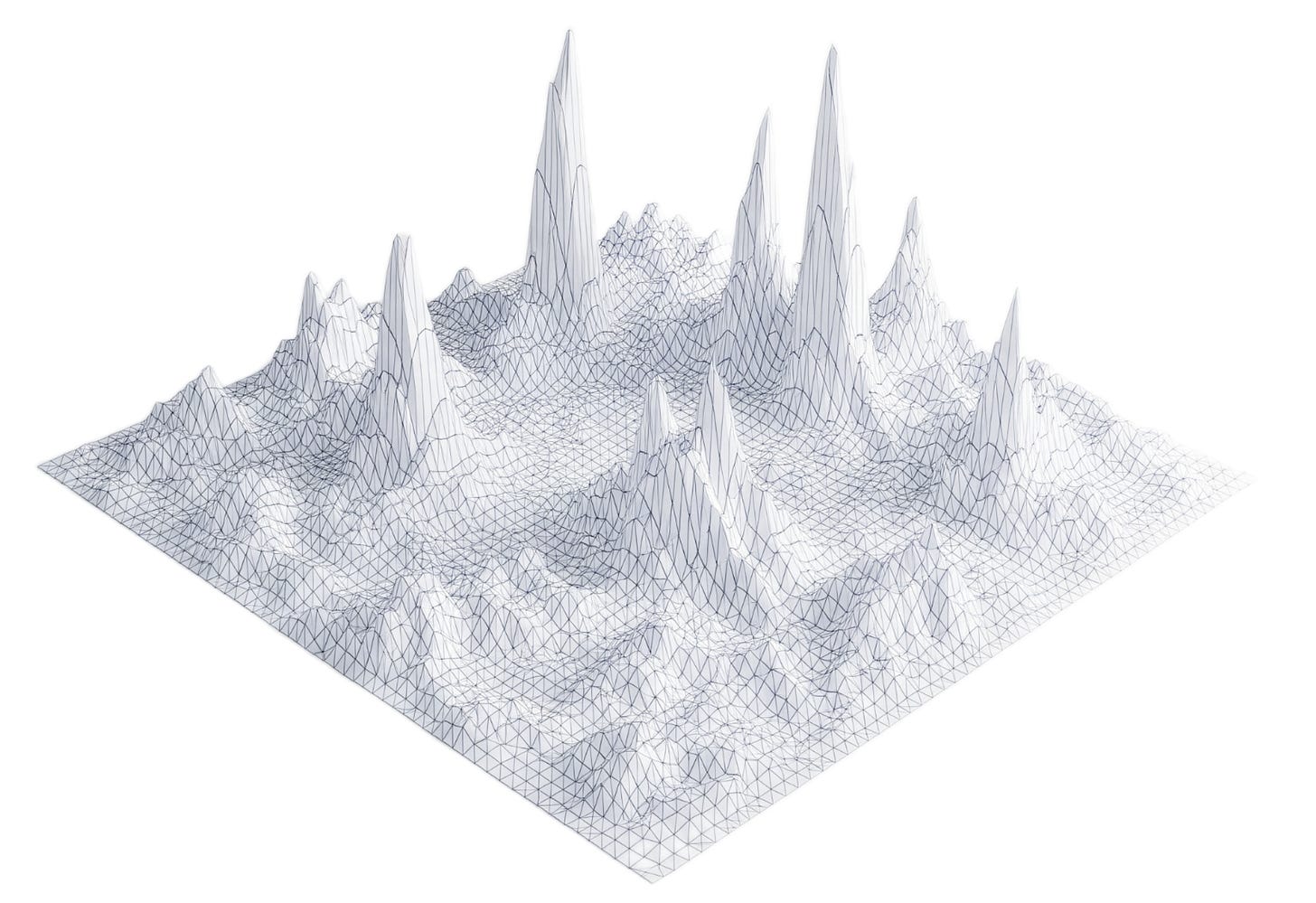
To understand how to navigate this new reality, we can visualize the vast expanse of creative possibilities as a “creative fitness landscape.” Imagine a three-dimensional space where the horizontal plane represents the spectrum of creative variations, with adjacent points signifying minor differences in content, style, or messaging. The vertical axis of this landscape represents “fitness,” a measure of creative performance, loosely defined as the effectiveness of an advertisement or piece of content in achieving its objectives, such as engagement, conversion, or brand recall. The “peaks” within this landscape symbolize highly effective creative assets, while the “valleys” represent those that underperform.
The fundamental challenge lies in identifying these peaks. In a traditional setting, creative performance is determined through live testing, a process that, while essential, becomes practically impossible when faced with an infinite creative landscape. Consider the sheer scale of testing even one million creative variants in a live campaign; the daily clicks or conversions for each would likely be too low to yield statistically meaningful insights. This creates a new paradox: while the ability to create is nearly limitless, the data required to test and validate these creations is not. The core problem then becomes: how can we intelligently navigate this creative fitness landscape to maximize creative performance when data acquisition remains a constraint?
The Navigator’s Toolkit: Exploit and Explore

To address this navigation challenge, a two-pronged strategic approach is proposed, leveraging the power of generative AI to make both strategies more efficient and effective than ever before:
The “Exploit” Strategy
The “Exploit” strategy focuses on meticulously mapping a known high-performing area of the creative landscape to identify its absolute highest peak.
- Goal: To refine and optimize existing successful creative assets to their fullest potential, extracting maximum performance from a known effective area.
- Method: This involves using generative AI to create a series of micro-variations on a currently high-performing creative. These variations are designed to exist in close proximity to the original within the fitness landscape. The process then iteratively selects the highest-performing variant and uses it as the “seed” for generating further, even more refined variations. This creates a rapid, data-driven cycle of gradual improvement.
- Why it Works: This approach offers two primary benefits. Firstly, by generating a greater diversity of creative options, it provides sophisticated bidding algorithms with more choices, enabling them to more effectively match the right creative to the right user in the optimal context. Secondly, by continuously using the top performer as the basis for subsequent generations, a virtuous cycle of incremental enhancement is established. Brainlabs, a digital marketing agency, has explored this technique, demonstrating its ability to increase creative diversity and incrementally move towards local optima through small-scale variation generation across text and creative elements. This can be applied directly to advertisements, keeping all other campaign elements constant while iterating on the creative itself.
The “Explore” Strategy
The “Explore” strategy is designed to break free from the limitations of the “Exploit” approach and discover entirely new, potentially more rewarding territories within the creative landscape.
- Goal: To escape the confines of “local peaks” and discover new, breakthrough creative territories that offer significantly higher performance.
- Method: This strategy involves making data-informed “big jumps” across the creative landscape. It leverages historical performance data to guide these leaps. By analyzing the attributes and characteristics of past successful creatives, marketers can identify other regions of the landscape that are likely to be fertile ground for new, high-performing content. This can be achieved by labeling past high-performers to understand their core elements (e.g., themes, visual styles, emotional tones) and then generating new creatives based on these insights. Alternatively, creatives can be directly “cross-bred” without necessarily reducing them to discrete labeled components, fostering unexpected combinations and innovations.
- Why it Works: This method transforms exploration from a speculative endeavor into a calculated, strategic endeavor. For instance, imagine an AI analyzing top-performing advertisements in a specific industry, identifying key attributes such as “vibrant color palettes” or “empowering narratives.” The AI can then apply these identified principles to generate novel creative concepts that represent a significant departure from existing campaigns, with a higher probability of success due to the data-informed nature of the exploration. This strategy is crucial for avoiding the trap of optimizing within a limited scope and missing out on potentially groundbreaking creative opportunities.
Beyond Current Constraints: The Promise of Synthetic Audiences
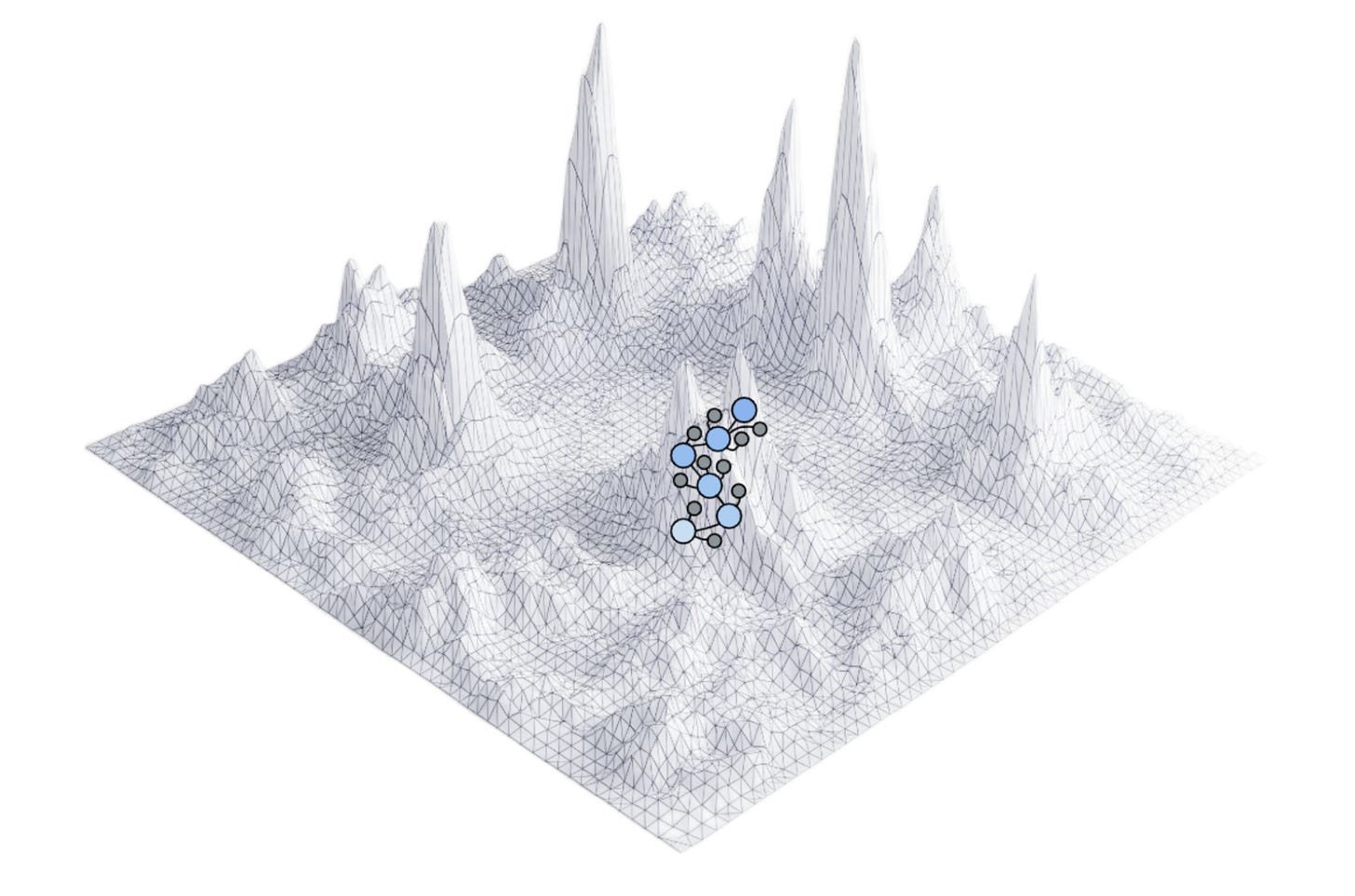
While both the “Exploit” and “Explore” strategies are powerful tools for navigating the creative landscape, they are ultimately constrained by the speed and cost of acquiring real-world performance data. The ultimate key to unlocking the full potential of this infinite creative landscape may lie in removing this data limitation altogether.
The future of creative testing could be revolutionized by the development and adoption of “synthetic audiences.” These are sophisticated simulations of real individuals or target market segments, constructed from a combination of LLM outputs and real-world data. The aim is to create highly accurate representations of audiences, which can then be calibrated and utilized much like a focus group for pre-testing creative concepts.

By employing synthetic audiences, it may become possible to generate synthetic datasets of performance metrics at an unprecedented scale. While exploring the entire infinite landscape may still be computationally prohibitive, even with synthetic data, it would allow for significantly accelerated testing. This could enable faster iteration within the “Exploit” strategy and de-risk “Exploratory” jumps by providing a more robust, albeit simulated, evaluation before committing to live testing. In a scenario where model speeds continue to increase and costs decline—a likely outcome given their LLM-based nature and the trend toward commoditization—it’s even conceivable that these exploratory searches for the most effective creative could occur in real-time at the point of auction. Using real-time signals, the landscape could be narrowed, and then “Exploit” and “Explore” strategies could be employed to hone in on the optimal creative for an individual user based on all available data, effectively transforming dynamic creative optimization (DCO) from a guesswork-driven process into a data-driven science.
However, a significant caveat must be acknowledged. This future hinges entirely on the assumption that synthetic audiences can accurately predict the real-world outcomes of creatives when presented to actual human beings. The reliability and predictive power of these simulated environments are still very much under scrutiny, and the jury is still out on their ultimate efficacy.

Conclusion: Embracing the Infinite Creative Frontier
We stand at a pivotal moment, on the cusp of a new creative era. The long-standing bottleneck of production, which has historically defined the boundaries of marketing and content creation, is dissolving under the transformative power of generative AI. This evolution presents an unparalleled opportunity, but it fundamentally shifts the core challenge from the “how” of creation to the “what” and “why” of selection.
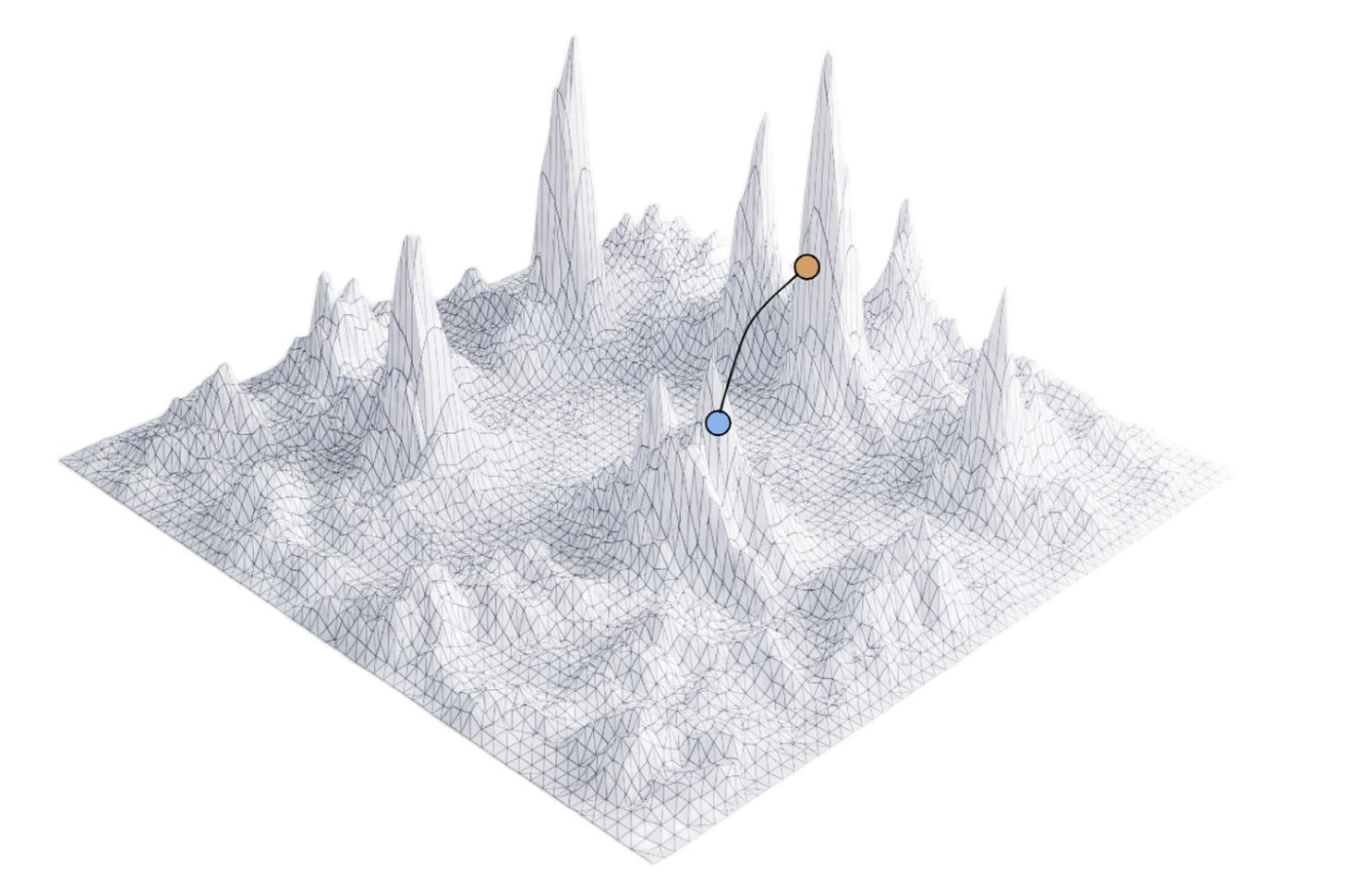
Navigating this vast and ever-expanding creative landscape necessitates a sophisticated, dual approach. The “Exploit” strategy allows for surgical precision in refining known successes through meticulous micro-variations, ensuring that existing high-performers are optimized to their absolute zenith. Simultaneously, the “Explore” strategy provides the means to venture into uncharted creative territories, making data-informed leaps to discover entirely new avenues of performance.
Looking ahead, the potential for synthetic audiences to democratize and accelerate creative testing offers a glimpse into a future where data constraints are significantly diminished. This could unlock creative testing at a scale previously unimaginable, further empowering marketers to identify and deploy the most impactful creative content. As the capabilities of AI continue to advance, the ability to effectively harness and navigate this infinite creative frontier will become the defining differentiator for success in the marketing landscape of tomorrow. The challenge is no longer about whether we can create, but about how wisely and strategically we choose to do so.