rifanmuazin
Social media data collection, the systematic gathering of information from platforms about audience behavior, content performance, and brand perception, has become an indispensable pillar of modern marketing and business strategy. With major platforms like Facebook boasting over three billion monthly active users, the sheer volume of public discourse and user interaction represents an unparalleled reservoir of insights. This data, ranging from basic engagement metrics like impressions and clicks to nuanced sentiment analysis derived from posts, comments, and mentions, empowers organizations to move beyond guesswork and craft data-backed strategies that resonate deeply with their target demographics.
The Evolving Landscape of Social Media Data

The journey of social media data from a nascent concept to a critical business asset reflects the rapid evolution of digital platforms themselves. Initially, marketers primarily focused on superficial metrics such as follower counts, mistaking quantity for genuine influence. However, as social media matured and its influence on consumer behavior became undeniable, the need for deeper, more actionable insights grew. This led to the development of sophisticated analytics tools and methodologies capable of dissecting complex data sets. Today, social media data is not merely a report card for past campaigns; it is a dynamic feedback loop that informs content creation, product development, customer service, and even crisis management.
The explosion of social media platforms, each with its unique audience demographics and interaction patterns, has further complicated and enriched the data landscape. Beyond Facebook, platforms like Instagram, X (formerly Twitter), TikTok, LinkedIn, and YouTube each offer distinct data streams reflecting different aspects of user engagement and content consumption. For instance, TikTok’s rapid content virality generates vast amounts of trend data, while LinkedIn offers professional demographic and industry insights. This diversity necessitates a holistic approach to data collection, often requiring integrated tools that can consolidate and analyze information across multiple channels.
Furthermore, the distinction between first-party data (metrics and audience information directly from an organization’s own social media accounts) and publicly available data (mentions, hashtags, and conversations occurring across the wider platform) has become crucial. While first-party data provides a direct view of an organization’s performance, publicly available data, often gathered through social listening, offers invaluable competitive intelligence and broad market sentiment. Effective social media strategies leverage a judicious mix of both to gain a comprehensive understanding of their digital ecosystem.

From Raw Numbers to Strategic Insights: Understanding Key Data Types
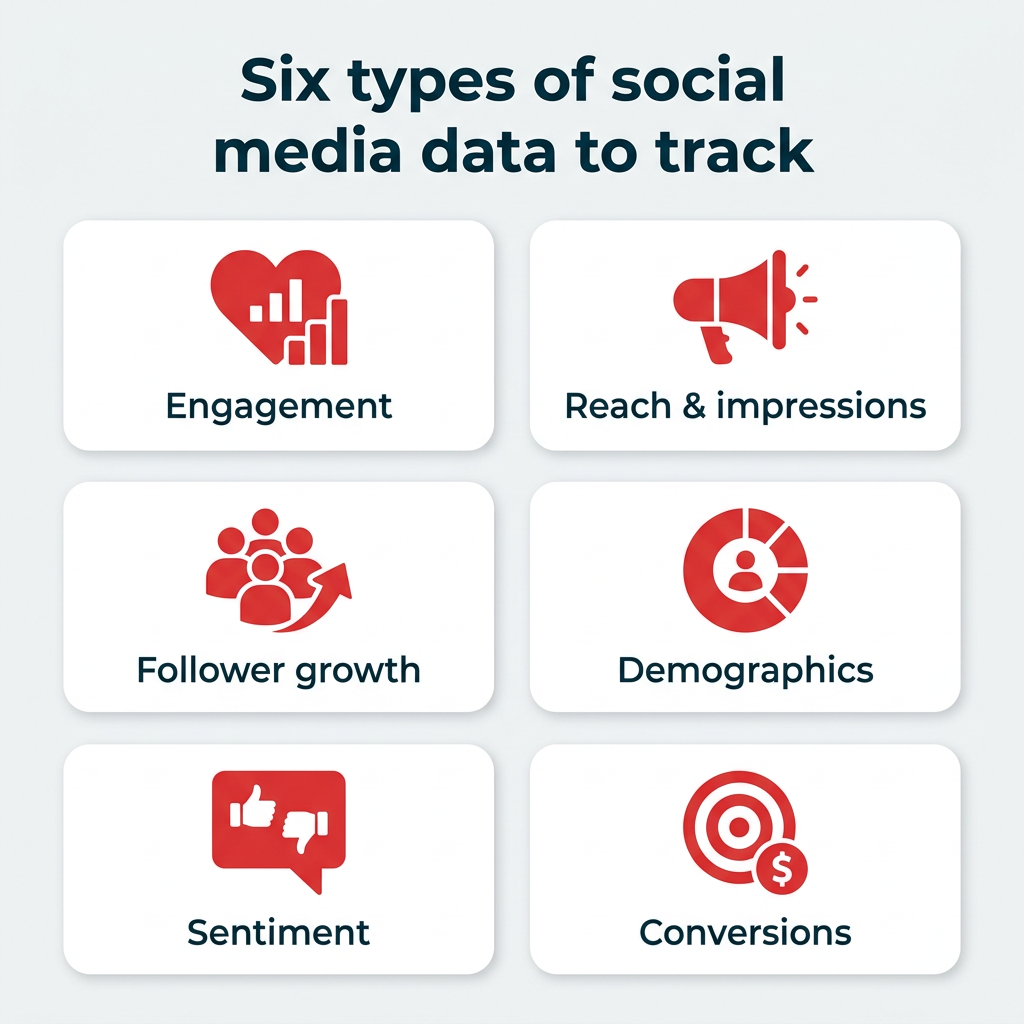
To harness the full power of social media data, organizations must identify and track metrics aligned with their specific objectives. The SMART goals framework (Specific, Measurable, Achievable, Relevant, and Time-bound) serves as an excellent foundation for defining these objectives, ensuring that data collection efforts are purposeful and yield actionable intelligence. Different strategic goals necessitate different data points, each providing unique insights into performance and audience behavior.
Engagement Metrics: These metrics quantify how users interact with content in real-time. They include likes, comments, shares, saves, direct messages, and click-through rates. Tracking engagement rates is paramount as it reveals content resonance, indicating what aspects of a message or format captivate the audience. High engagement not only signals audience interest but also often correlates with increased visibility within platform algorithms, amplifying organic reach. For example, a post with a high save rate on Instagram suggests valuable, evergreen content, while numerous shares on X indicate strong virality.
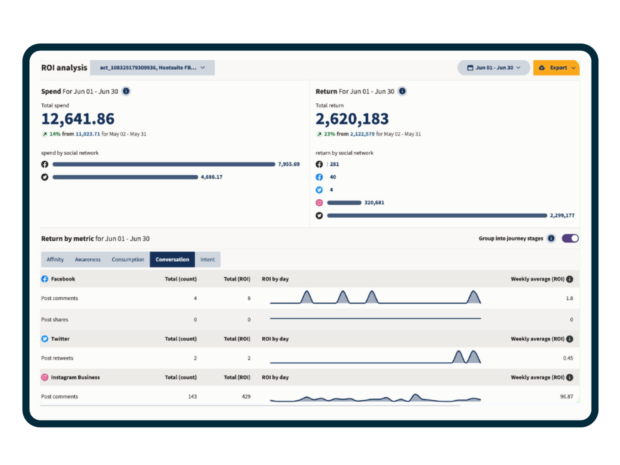
Reach and Impressions: These metrics measure the visibility of content. Impressions denote the total number of times content was displayed, while reach refers to the unique number of users who saw the content. These figures are vital for understanding brand awareness and content dissemination. Organizations focused on expanding their market presence or launching new products will prioritize these metrics to gauge the breadth of their message’s exposure. A low reach despite high impressions might indicate a concentrated audience, whereas high reach with moderate impressions points to broad, but perhaps less frequent, exposure.
Follower Growth: This tracks changes in an audience’s size over time, including new followers, unfollows, and net growth. While not the sole indicator of success, consistent follower growth, especially when paired with strong engagement, suggests a sustained increase in audience interest and brand momentum. It can also reflect the effectiveness of broader marketing campaigns in attracting new segments. For instance, an uptick in followers following a specific campaign launch can directly link promotional efforts to audience expansion.
Demographic Data: This category provides detailed insights into who an audience is, encompassing age, gender, location, interests, education, and job title. Understanding audience demographics is fundamental for tailoring content to specific needs, preferences, and cultural contexts. For instance, knowing that 55% of women use Instagram compared to 44% of men, as per Pew Research, can influence platform-specific content strategies. This data is also critical for precise targeting in paid advertising campaigns, maximizing ad spend efficiency.

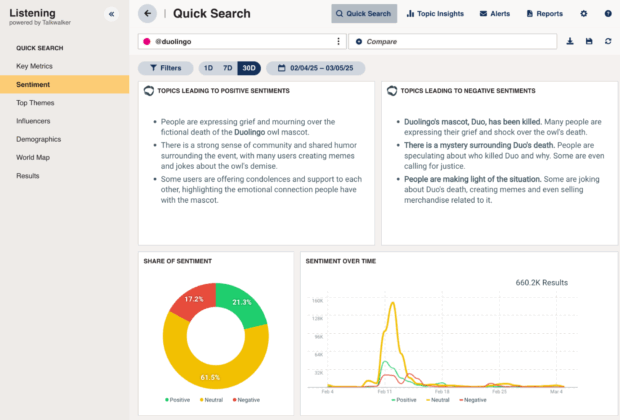
Sentiment and Brand Perception: Derived primarily from social listening, sentiment analysis measures the emotional tone (positive, negative, neutral) of public conversations about a brand, product, or industry. This qualitative data is invaluable for monitoring brand reputation, identifying emerging issues, and recognizing opportunities for proactive engagement or customer service intervention. Early detection of negative sentiment can prevent a minor issue from escalating into a full-blown crisis, while positive sentiment can be leveraged in testimonials and promotional content.
Share of Voice (SOV): SOV quantifies an organization’s visibility in public conversations relative to its competitors. It involves tracking mentions of one’s brand versus competitor mentions across social media. A higher share of voice suggests greater market presence and mindshare. This metric is crucial for competitive benchmarking, assessing the impact of marketing campaigns, and identifying industry trends where a brand might be gaining or losing ground. For example, a significant increase in SOV during a product launch indicates successful market penetration compared to rivals.
Conversion and Website Traffic: These metrics link social media activities directly to business outcomes beyond the platform, such as website visits, lead generation, sales, or sign-ups. By using UTM parameters on social links and integrating social analytics with web analytics tools like Google Analytics, organizations can track the full customer journey from a social post to a completed purchase. This data provides a clear return on investment (ROI) for social media efforts, demonstrating tangible business value.
Mastering Data Acquisition: Key Methodologies
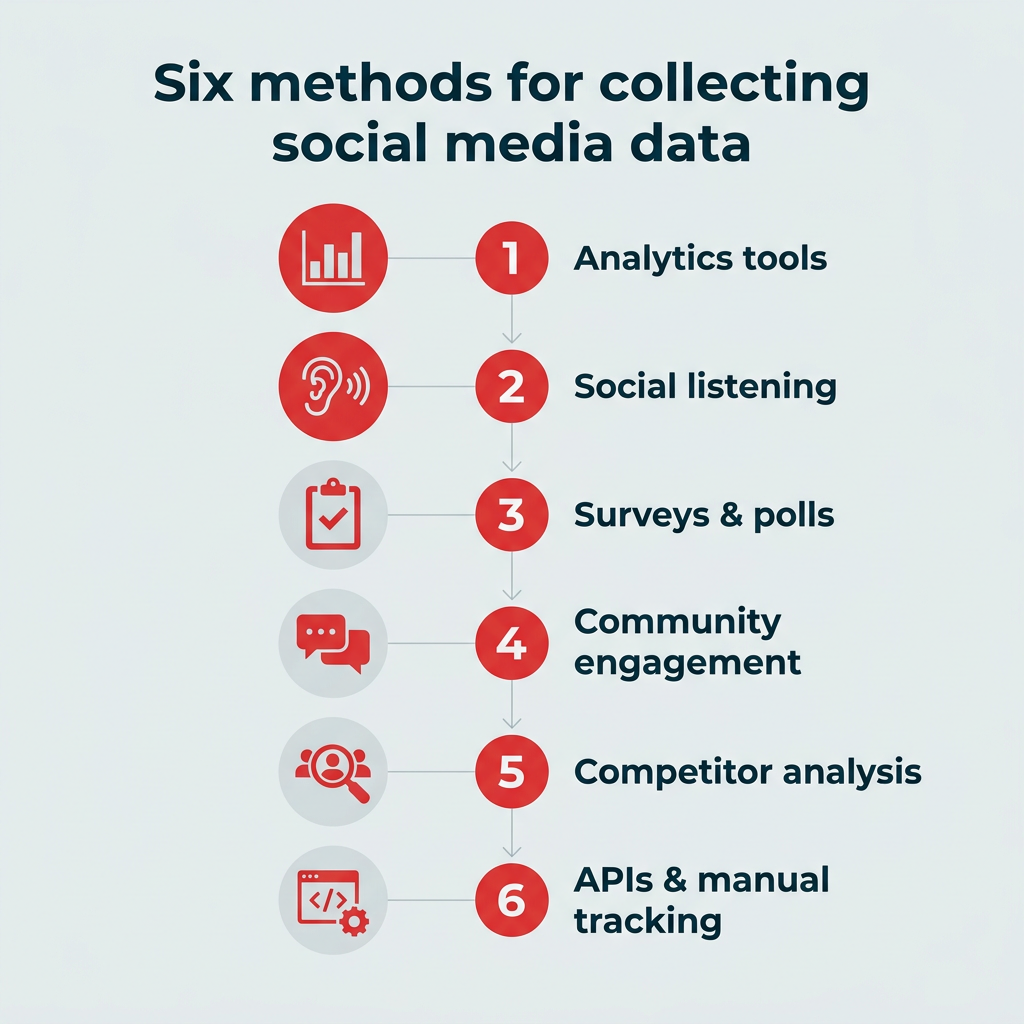
The effective collection of social media data relies on a combination of tools and strategic approaches. While basic analytics are often built into social platforms, a more comprehensive strategy typically involves a multi-faceted methodology.
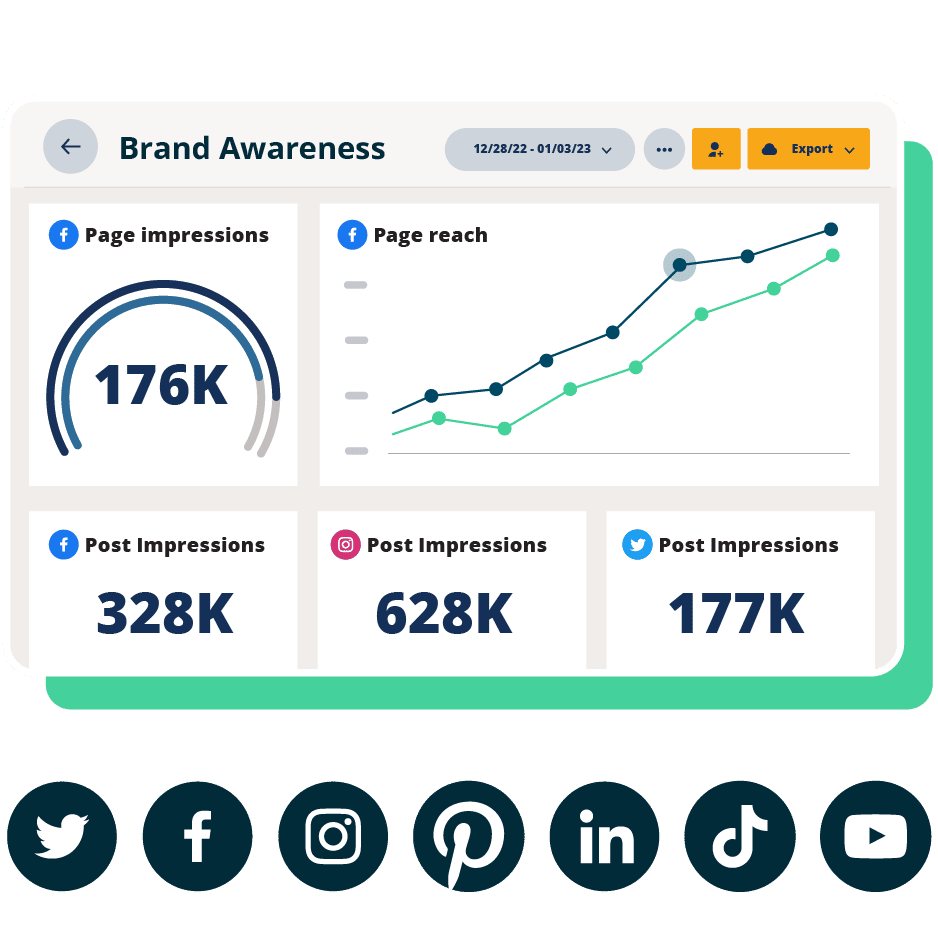
1. Leveraging Integrated Analytics Tools: While native platform analytics (e.g., Meta Business Suite, LinkedIn Analytics) offer foundational data on individual platforms, their siloed nature often hinders a holistic view. Integrated social media management platforms, such as Hootsuite Analytics, consolidate data from multiple channels into a single dashboard. This allows marketers to compare cross-platform performance, identify high-performing content types across different audiences, and build custom reports. Advanced analytics features often include competitive benchmarking and flexible data filtering, providing deeper strategic insights.
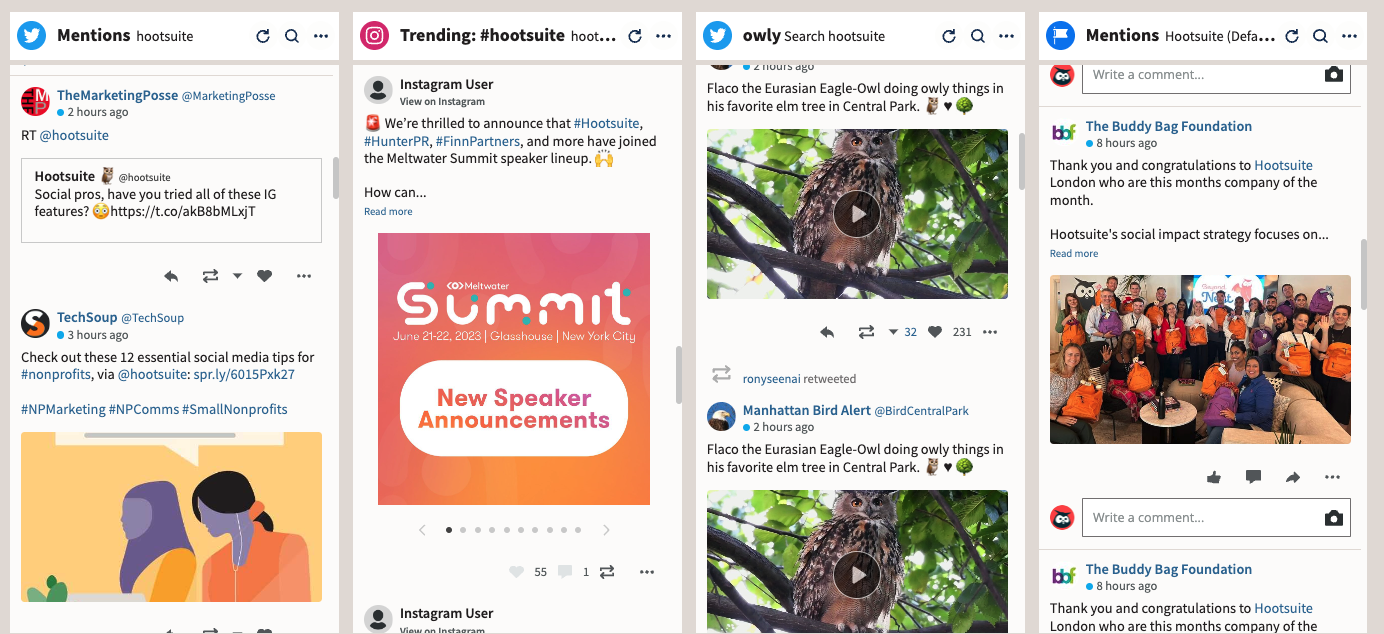
2. Implementing Social Listening: Beyond owned channels, valuable data resides in broader public conversations. Social listening tools monitor keywords, hashtags, brand mentions, and sentiment across the entire social web, even when a brand is not directly tagged. This method reveals unfiltered public opinion, identifies emerging trends, uncovers customer pain points, and provides intelligence on competitor activities. For instance, tracking conversations around a competitor’s product launch can reveal market gaps or consumer dissatisfaction that a brand can capitalize on.
3. Conducting Surveys and Polls: To understand the “why” behind quantitative data, direct feedback from the audience is invaluable. Platform-native polls (e.g., Instagram Stories polls, X polls, LinkedIn polls) offer quick ways to gauge audience preferences, test content ideas, or solicit opinions on new products. For more in-depth qualitative data, third-party survey tools (e.g., Typeform, Google Forms) can be utilized, with links shared across social channels. This direct interaction helps clarify the motivations and perceptions that quantitative metrics alone cannot fully explain.
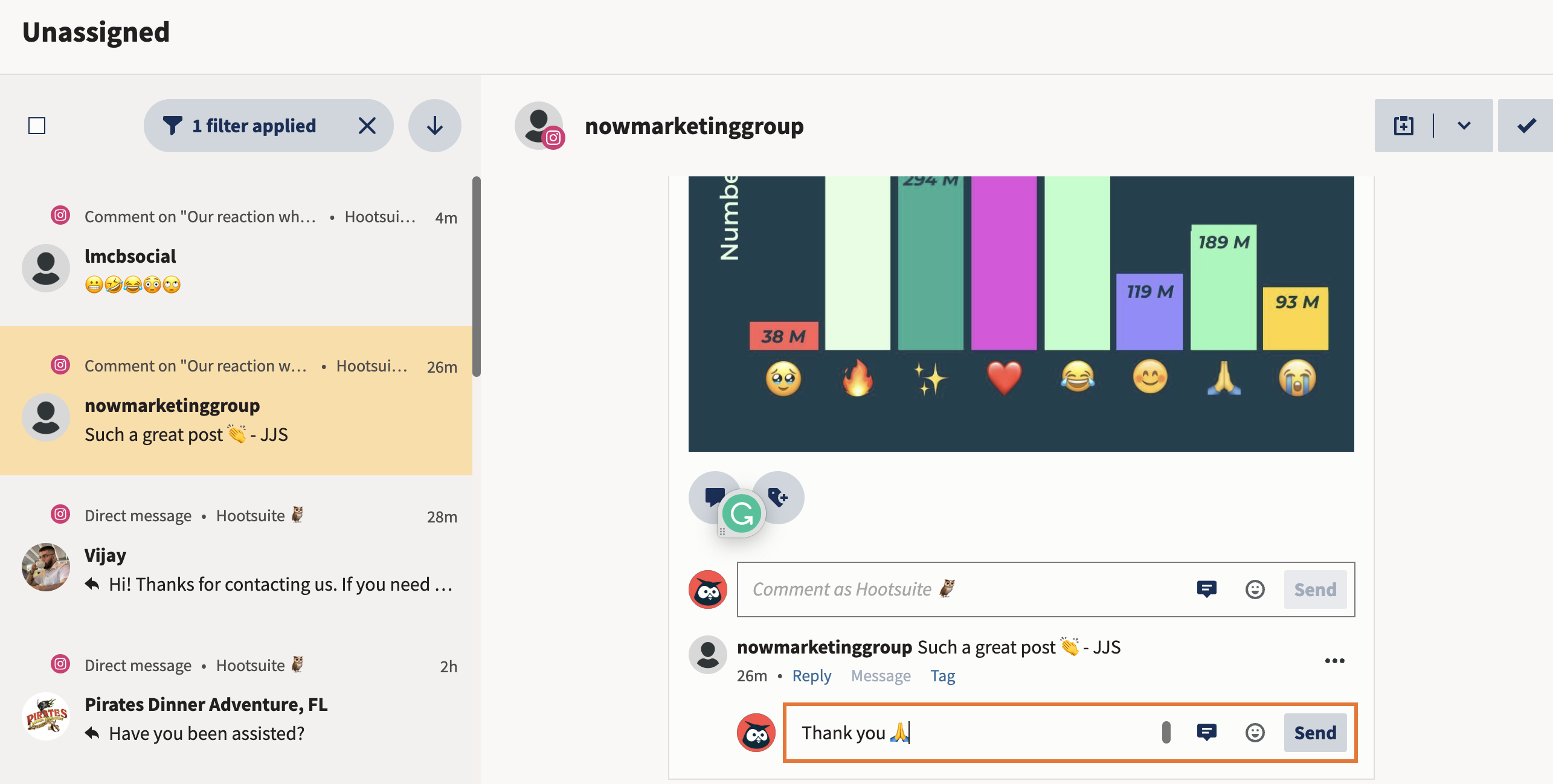
4. Engaging with the Community: Direct interactions with the audience through comments, direct messages, replies, and user-generated content (UGC) are rich sources of qualitative data. Monitoring these exchanges can reveal common questions, recurring themes, product feedback, and the language customers use to describe their needs and experiences. Active community engagement not only gathers data but also fosters trust and strengthens brand loyalty, creating a virtuous cycle of feedback and relationship building.
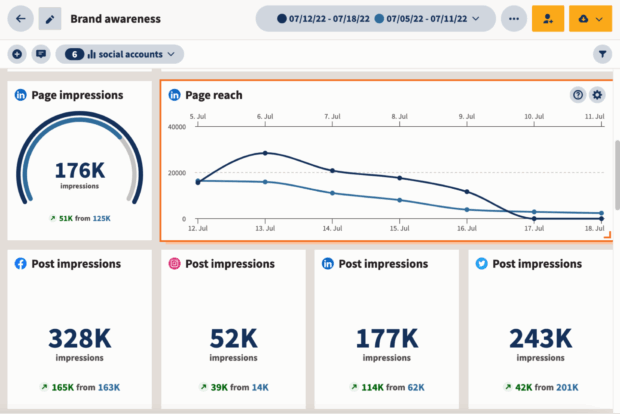
5. Analyzing Competitor Performance: Competitors’ social media activities offer a vital benchmark and source of strategic intelligence. Competitive benchmarking tools within platforms like Hootsuite allow organizations to monitor key metrics of up to 20 rivals, comparing engagement rates, follower growth, and content strategies. Combined with social listening, this analysis helps identify industry best practices, market gaps, and opportunities for differentiation. Understanding what works (or doesn’t work) for competitors can significantly refine one’s own strategy.
6. Utilizing APIs and Manual Tracking: For enterprise teams requiring highly customized data integration with internal CRM or business intelligence (BI) systems, platform APIs offer direct access to raw social data. This allows for bespoke reporting and advanced analytical models. Smaller teams or those just starting out can still collect basic data manually using spreadsheets, tracking key metrics over time. While time-intensive, manual tracking provides flexibility and a foundational understanding of data points before scaling up with automated tools.
Translating Data into Actionable Strategy
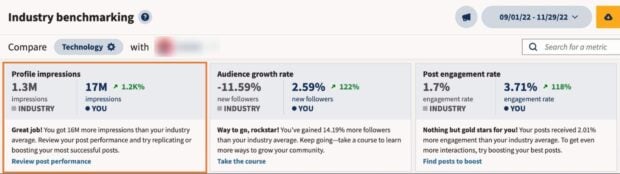
Collecting data is merely the first step; its true value lies in its organization, interpretation, and application to strategic decision-making. A robust system for data management and reporting is essential for converting raw numbers into actionable insights.
Organizing Data for Clarity: For nascent efforts, a simple spreadsheet can suffice, tracking performance by platform, content type, or campaign. However, as an organization scales, integrated platforms like Hootsuite Analytics become indispensable. These tools automatically collect and organize cross-platform data, allowing for real-time tracking of KPIs, campaign tagging, and content filtering. The key is intentionality: focus on tracking fewer, highly relevant metrics directly tied to strategic goals rather than becoming overwhelmed by a deluge of disparate numbers.
Sharing Data for Collaborative Decision-Making: Effective data communication is paramount for cross-functional alignment. Reports should be tailored to their audience:
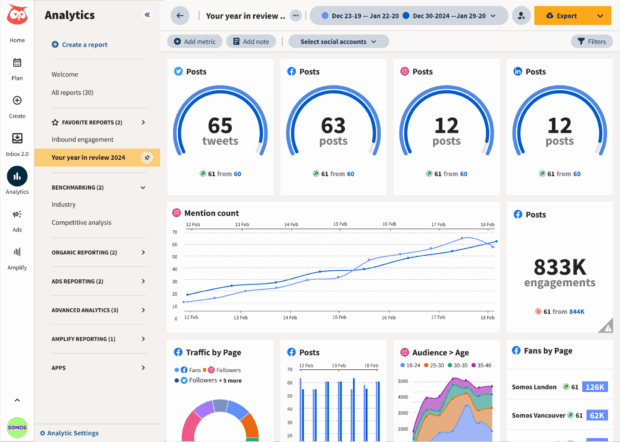
- Social media managers need granular data on post performance, audience engagement, and content trends to optimize daily operations.
- Marketing leadership requires aggregated campaign performance, ROI, and competitive insights to inform broader marketing strategies.
- Executive stakeholders benefit from high-level summaries focusing on strategic impact, brand health, and overall business outcomes.
Automated reporting features within tools like Hootsuite Analytics can generate custom, visual reports that highlight key findings and actionable recommendations. The most impactful reports don’t just present numbers; they tell a story, offering clear takeaways and suggesting next steps based on the data. This fosters a data-driven culture where decisions are informed by evidence, leading to continuous improvement and innovation.
Navigating the Ethical and Regulatory Maze
While social media data collection offers immense strategic advantages, it is accompanied by significant legal and ethical responsibilities. The increasing global focus on data privacy means organizations must operate with transparency, integrity, and strict adherence to regulatory frameworks.
Key Legal and Ethical Considerations:
- Privacy Laws: Adherence to regulations such as the General Data Protection Regulation (GDPR) in Europe and the California Consumer Privacy Act (CCPA) in the United States is non-negotiable. These laws mandate user consent for data collection, grant individuals rights over their data, and require robust data protection measures. Organizations operating globally must navigate a complex patchwork of such regulations.
- Platform Terms of Service: Each social media platform has its own terms of service regarding data collection and usage. Violating these terms can lead to account suspension or legal action. It is crucial to understand and respect these rules, which often dictate what data can be collected, how it can be used, and whether third-party tools are permitted.
- Transparency and Consent: Users expect transparency regarding how their data is collected, stored, and utilized. While much social media data is publicly available, any collection that delves into personal or potentially sensitive information requires explicit consent and clear communication of purpose.
- Data Security and Retention: Organizations are responsible for protecting collected data from breaches and misuse. This involves implementing strong cybersecurity measures and establishing clear data retention policies that comply with legal requirements and ethical standards, ensuring data is not stored indefinitely without justification.
- Ethical Use: Beyond legal compliance, ethical considerations dictate that data should not be used in ways that are discriminatory, manipulative, or harmful to individuals or groups. This includes avoiding profiling that could lead to unfair treatment or exploiting vulnerabilities.
Tools like Hootsuite are designed with data privacy laws like GDPR and CCPA in mind, offering features that help organizations maintain compliance. However, the ultimate responsibility rests with the organization to stay informed, implement robust internal policies, and prioritize user privacy in all data collection endeavors.
Industry Perspectives and Best Practices: The Vessi Case Study
Real-world applications underscore the transformative power of data-driven social media strategies. Taylor Knight, Social Media Manager at Vessi, a prominent footwear brand, exemplifies how data can guide strategy, streamline reporting, and foster team alignment. Her insights offer practical guidelines for leveraging social media data effectively.
1. Purpose-Driven Metrics: Knight emphasizes that not every post can be a record-breaker across all metrics. Instead, each piece of content should have a clear purpose, and its success should be measured against that specific objective. For example, a brand awareness post might prioritize reach and impressions, while a conversion-focused post would track clicks and sales. This approach prevents “decision fatigue” and ensures reporting remains focused and relevant. Using campaign tagging features, like those in Hootsuite, allows teams to categorize content by objective (e.g., “brand awareness,” “engagement,” “product launch”) and generate custom reports comparing results by intent.
2. Focus Beyond Follower Count: While follower growth is a common benchmark, Knight argues that it’s not always the best indicator of organic success, especially in larger organizations with multiple teams contributing to audience growth. She champions “reach, average reach per post, and shares” as more indicative metrics for organic success. These numbers demonstrate how widely content is disseminated and whether users are actively sharing it within their networks—an often-overlooked signal of true content resonance and organic expansion. Analyzing top posts by reach and shares in analytics dashboards can identify content that genuinely drives organic growth.
3. Zooming Out for Repeatable Patterns: Effective data analysis involves both micro and macro perspectives. Knight’s team monitors individual post data for immediate feedback but also conducts monthly reports to identify broader trends. “We zoom out and do monthly reports to look at trends within our content and see what’s helping us achieve our goals,” she explains. This macro view, looking at data month-over-month, allows clear patterns to emerge, informing content strategy refinements and providing data-backed justifications for strategic shifts.
4. Storytelling with Data: Presenting raw numbers without context can be overwhelming. Knight’s team transforms data into actionable narratives by highlighting the top-performing posts in key categories each month, often using visuals. This helps cross-functional teams understand what content is achieving their goals, fostering alignment across the marketing department. Tools like Hootsuite Advanced Analytics enable the creation of custom, visual reports that articulate the story behind the data, making complex information accessible and impactful for all stakeholders.
The Future of Social Media Data
The landscape of social media data collection continues to evolve rapidly. The integration of artificial intelligence and machine learning is poised to revolutionize data analysis, enabling predictive analytics, more sophisticated sentiment understanding, and automated anomaly detection. The ongoing development of metaverse platforms will introduce new dimensions of user interaction and, consequently, new types of data to collect and analyze. Furthermore, the debate around data privacy and ethical AI will intensify, driving stricter regulations and demanding even greater transparency from organizations. In this dynamic environment, the ability to collect, analyze, and ethically leverage social media data will remain a critical differentiator for businesses seeking to thrive in the digital age.
Ultimately, social media data collection is not merely a technical process; it is a strategic imperative. By understanding what data to collect, employing the right methodologies, and translating insights into purposeful action while upholding ethical standards, organizations can unlock unprecedented opportunities for growth, innovation, and deeper connection with their audiences.