


Landing pages are standalone web pages meticulously crafted with a singular objective: to prompt visitors to execute a specific action. Devoid of typical navigation and extraneous distractions, their design focuses solely on a clear call to action. The efficacy of a landing page hinges critically on its type, which must align precisely with the intended goal. For instance, a page designed to capture email addresses will differ significantly in structure and content from one engineered to sell a product. Similarly, a page promoting a webinar requires distinct elements compared to one announcing a pre-launch initiative. Misalignment between the page type and the marketing objective is a pervasive reason for underperforming landing page campaigns, highlighting the strategic importance of informed selection.
According to proprietary research conducted by AWeber, a prominent email marketing service, over 90% of small business owners who leverage landing pages attest to their importance, or even critical importance, within their overarching marketing strategies. This widespread consensus underscores that the fundamental question is no longer whether to employ landing pages, but rather which type to deploy and when to maximize their potential. For those new to the concept, understanding the basics is a foundational step. However, for marketers already conversant with the fundamentals, a deeper dive into the diverse typologies, their specific functions, and optimal deployment scenarios is essential for achieving superior conversion rates and tangible business outcomes.
The Strategic Imperative of Specialized Landing Pages
In an increasingly competitive digital ecosystem, the attention economy dictates that every online interaction must be purposeful and efficient. Generic homepages or broad product catalogs, while serving as informational hubs, often present visitors with an overwhelming array of choices, a phenomenon known as "analysis paralysis." This abundance of options can dilute focus and significantly impede conversion rates. Specialized landing pages, by contrast, are engineered to eliminate this cognitive load. By presenting a focused message and a single, unambiguous call to action (CTA), they streamline the visitor’s journey, guiding them towards a desired outcome with minimal friction. This targeted approach is a cornerstone of effective conversion rate optimization (CRO), directly impacting return on investment (ROI) for marketing spend.
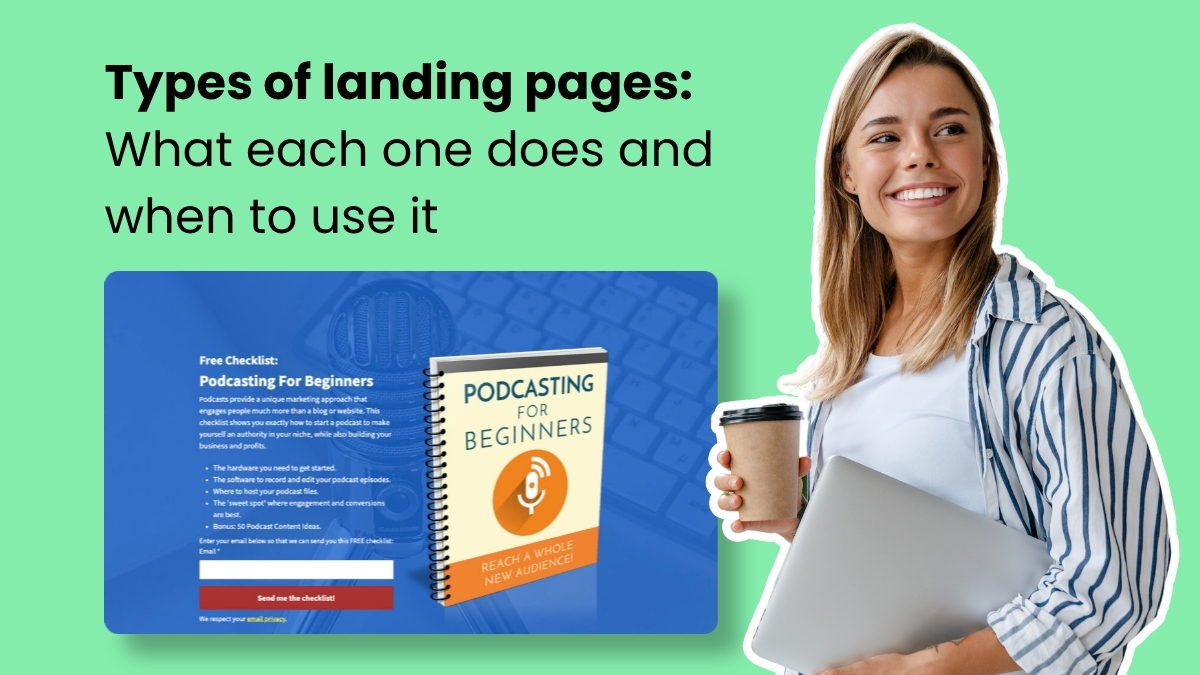
Moreover, the analytical capabilities inherent in dedicated landing pages provide invaluable insights into visitor behavior, campaign performance, and audience segmentation. Unlike general website analytics that might conflate various user intents, landing page metrics offer a precise view of how specific campaigns resonate with targeted audiences, enabling continuous refinement and optimization. This data-driven approach is vital for allocating resources efficiently and scaling successful initiatives.
Foundational Categories: Driving Engagement and Lead Generation
Several types of landing pages are specifically designed to initiate engagement and cultivate leads, forming the bedrock of many digital marketing funnels.
1. Webinar Landing Page: Cultivating Engaged Audiences
A webinar registration page serves as a promotional hub for upcoming live or recorded online events, with the primary goal of collecting sign-ups. Beyond merely announcing the event, an effective webinar page meticulously details the topics covered, introduces the presenters, specifies the date and time, and, critically, articulates the compelling benefits of attendance.
The most successful webinar pages prioritize the attendee’s potential transformation or learning outcome over the presenter’s credentials. For example, a statement like "You’ll walk away knowing exactly how to set up your first email automation" resonates far more powerfully than a mere biographical sketch. Presenter credentials, while important for credibility, should follow the compelling articulation of value. This strategy works because prospective attendees register for webinars driven by the anticipated outcomes and solutions they expect to gain. A registration page that foregrounds this transformative value directly addresses the visitor’s core question: "What’s in it for me?" These pages are indispensable when hosting any webinar and require a dedicated platform to drive registrations efficiently.

2. Ebook Landing Page: Gated Content for Nurturing Leads
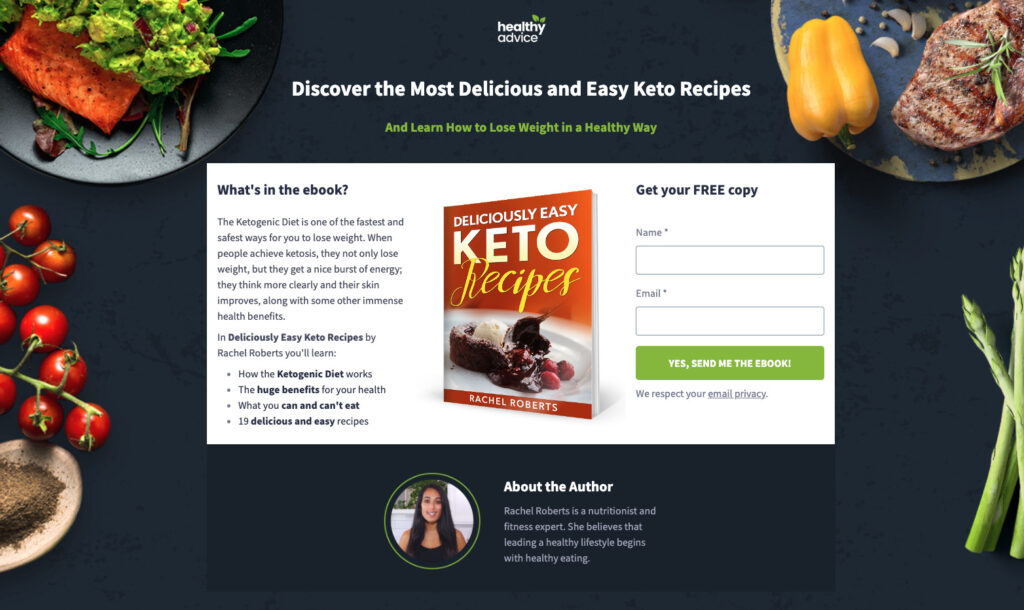
An ebook landing page is purpose-built to promote and facilitate the acquisition of an electronic book. It acts as a dedicated destination where visitors can delve into the ebook’s content, understand its benefits, and subsequently purchase or download it. The rise of digital publishing has empowered entrepreneurs to bypass traditional publishing models, selling ebooks directly online. Beyond direct sales, ebooks are widely recognized as powerful lead magnets, serving to expand email lists by offering valuable content in exchange for contact information. This strategy aligns with content marketing principles, positioning businesses as thought leaders while simultaneously building a receptive audience for future communications and offers.
3. Lead Magnet Landing Page: Value Exchange for Audience Growth
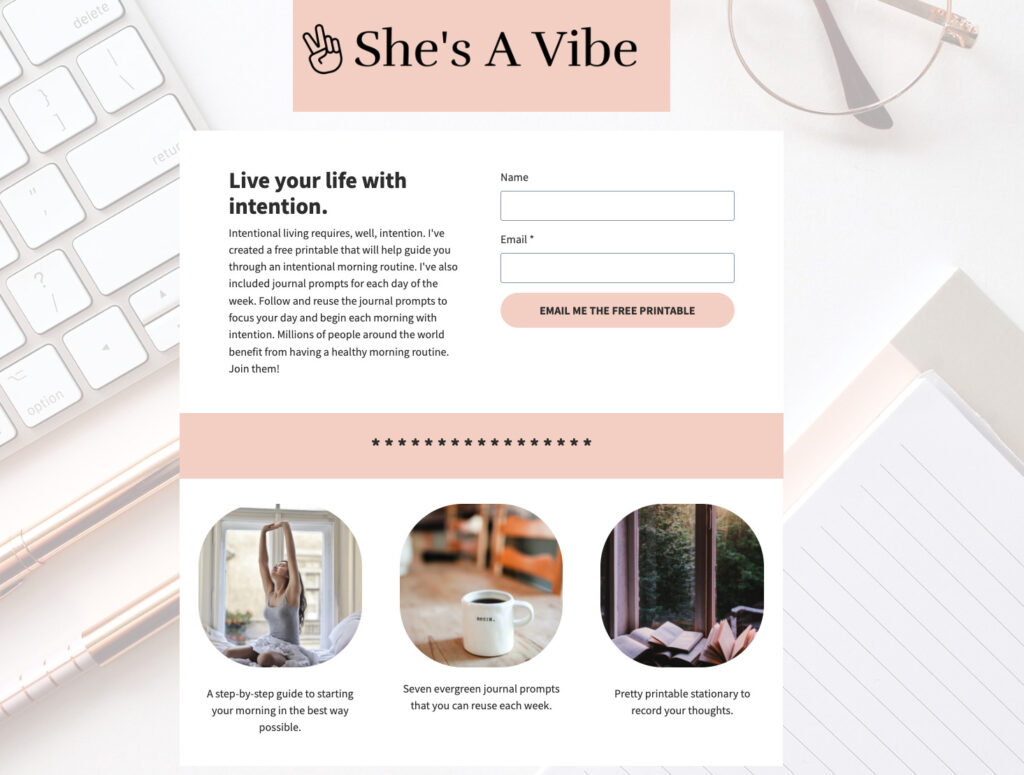
A lead magnet landing page offers a specific, high-value resource—such as a template, checklist, free course, toolkit, or exclusive downloadable—in direct exchange for a visitor’s email address. These pages are distinct from general lead capture forms in that the resource itself is the central attraction. A strong lead magnet page focuses intensely on the tangible outcome or immediate problem solved by the resource, rather than primarily promoting the brand behind it.
This approach is highly effective because it leverages the principle of reciprocity: when the offered resource genuinely addresses a pressing need or desire of the audience, providing an email address feels like a fair and worthwhile exchange, not a barrier. The page’s primary role is to "sell" the value of the lead magnet itself. These pages are invaluable when a business has created a resource that genuinely resonates with its target audience, representing one of the quickest and most effective methods to cultivate an email list populated by individuals already interested in the core topic.
4. Squeeze Page: The Art of Minimalist Lead Capture
A squeeze page represents the epitome of minimalist lead capture. Its sole function is to acquire an email address with absolute efficiency. Characterized by a stripped-down design, it typically features only a compelling headline, one or two concise sentences of copy, an email input field, and a clear call-to-action button. It deliberately omits lengthy descriptions or detailed benefit lists found on more elaborate lead capture pages.
The defining characteristic of a squeeze page is its singular focus on requesting only an email address. This extreme brevity minimizes decision fatigue for the visitor. Its minimal design removes virtually all reasons for hesitation, presenting visitors with a stark choice: opt-in or leave. This simplicity is particularly advantageous when running paid traffic campaigns, as it helps to keep the cost per lead remarkably low by optimizing for rapid conversion. Squeeze pages are ideal for campaigns targeting warm audiences already familiar with the brand or for high-volume paid traffic where speed and low friction are paramount.
5. Lead Capture Landing Page (General): The Versatile List Builder
A general lead capture landing page is designed to gather contact information in exchange for a valuable asset. This could be a free guide, a discount code, a checklist, or access to an exclusive webinar. The fundamental transaction is clear: the visitor receives a valuable resource, and the business acquires their email address.
These pages operate on a direct value proposition, allowing businesses to engage potential customers without immediately pushing for a purchase. The focus is on providing immediate utility, fostering trust, and initiating a relationship. The effectiveness of a lead capture page is often inversely proportional to the number of fields requested; typically, a name and email address suffice to begin the nurturing process. For small businesses aiming to consistently expand their email lists, lead capture pages are among the most reliable and fundamental tools. Mastering the creation of these pages is essential for sustainable audience growth and effective email marketing strategies.
Transactional Hubs: Driving Sales and Conversions
Beyond lead generation, other landing page types are engineered to facilitate direct sales and guide prospects through the purchase funnel.
6. Ecommerce Landing Page: Precision for Product Sales
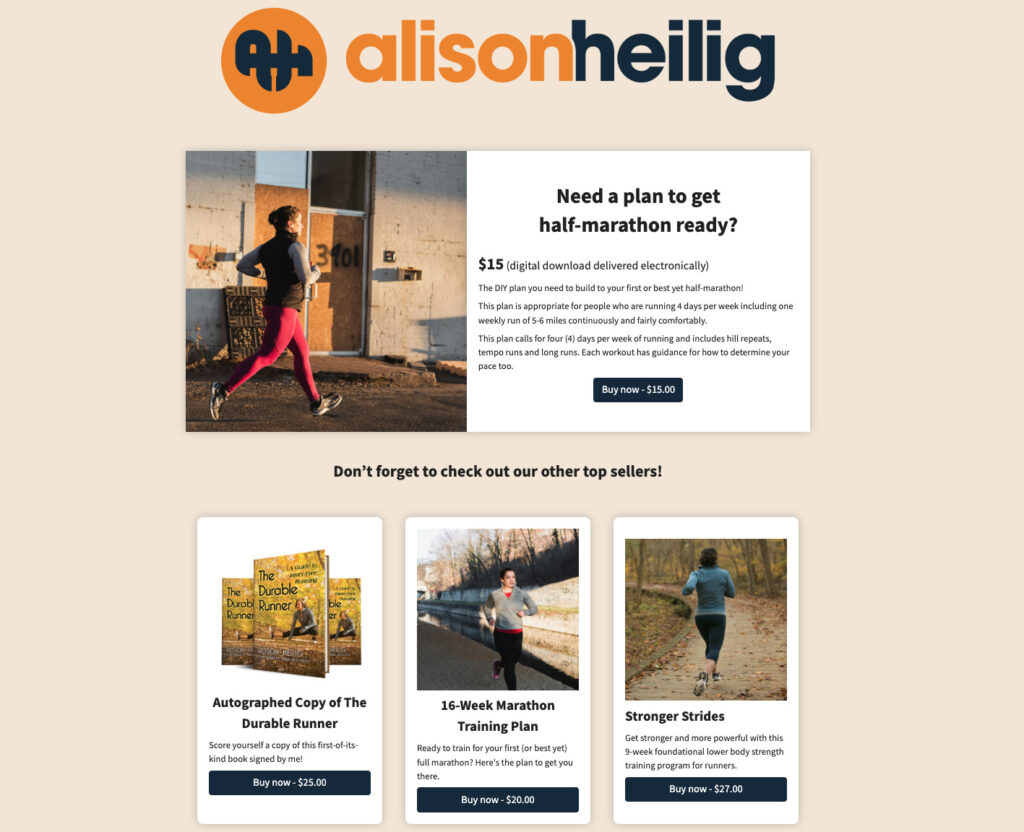
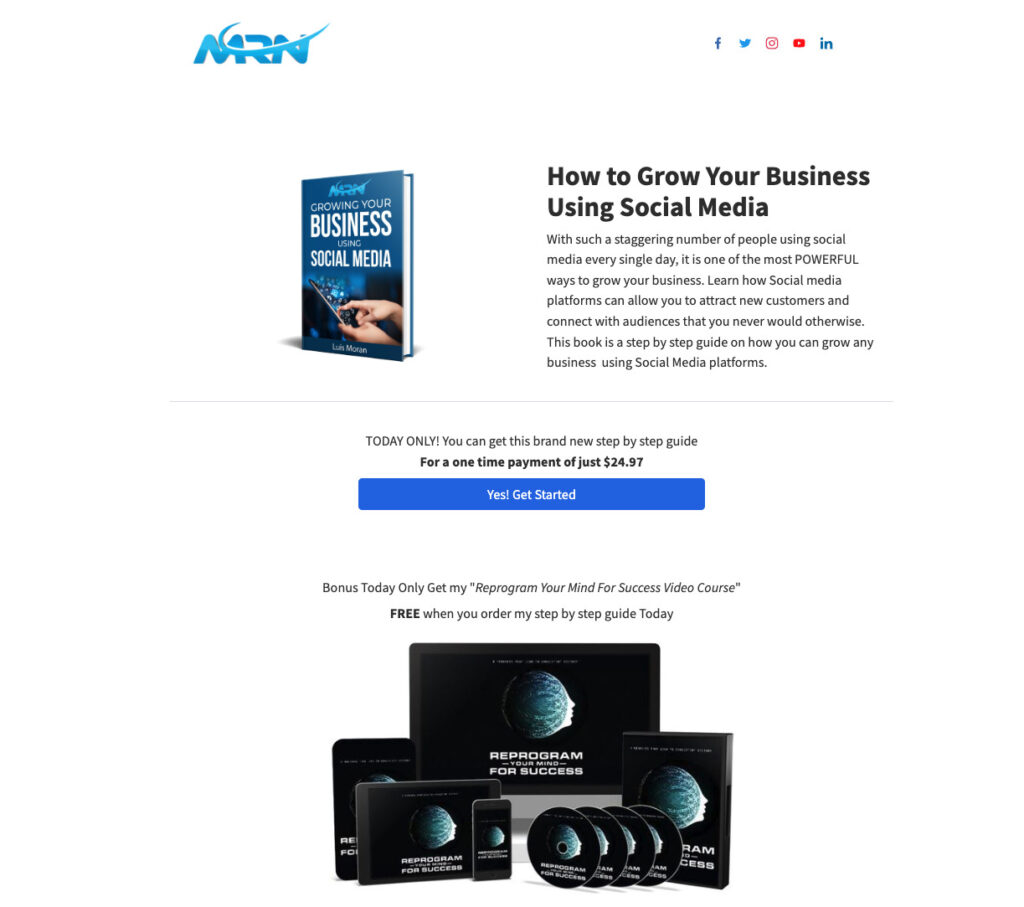
An ecommerce landing page is meticulously focused on showcasing a single product or a very specific product category. Unlike a comprehensive online catalog, its purpose is to convert traffic from a distinct source, such as a paid advertisement, into immediate sales. A paid ad directed to a dedicated ecommerce landing page typically achieves significantly higher conversion rates than the same ad pointing to a general homepage or a broad shop page.
These pages are rich with conversion-driving elements, including high-quality product images, transparent pricing, a prominent and unambiguous call-to-action (e.g., "Add to Cart," "Buy Now"), compelling social proof (customer reviews, testimonials), and concise answers to common purchase-related questions (e.g., shipping, returns). The success of this type lies in its ability to eliminate choice paralysis. By presenting one product, one offer, and one clear action, it maximizes the likelihood of conversion, directly impacting sales revenue. They are crucial when running targeted paid advertisements or when launching specific product campaigns that require a focused message distinct from the general store experience.
7. Click-Through Landing Page: Nurturing Cold Traffic to Conversion
A click-through landing page plays a crucial intermediary role in the sales funnel. Unlike other types, it does not solicit immediate contact information or transactions. Its primary function is to "warm up" visitors and compel them to click through to a subsequent purchase or sign-up page. This page is characterized by the absence of forms or direct transactional elements, instead focusing purely on providing information designed to build confidence and interest before the next commitment step.
Typically positioned between an advertisement and a checkout page, click-through pages offer visitors an opportunity to understand an offer without the pressure of an immediate decision. Common formats include detailed free trial offers, comprehensive product walkthroughs, or feature comparison guides. This approach is particularly effective when dealing with cold traffic, which rarely converts directly on a purchase page. By allowing visitors to engage with compelling information and develop interest, a click-through page pre-qualifies them. By the time they arrive at the final purchase page, they are already invested and primed to convert, thereby significantly reducing abandonment rates and improving overall funnel efficiency.
Audience Engagement and Channel-Specific Optimization
Certain landing pages are tailored to specific platforms or content formats, optimizing for audience engagement and ownership.
8. Podcast Landing Page: Securing Direct Audience Access
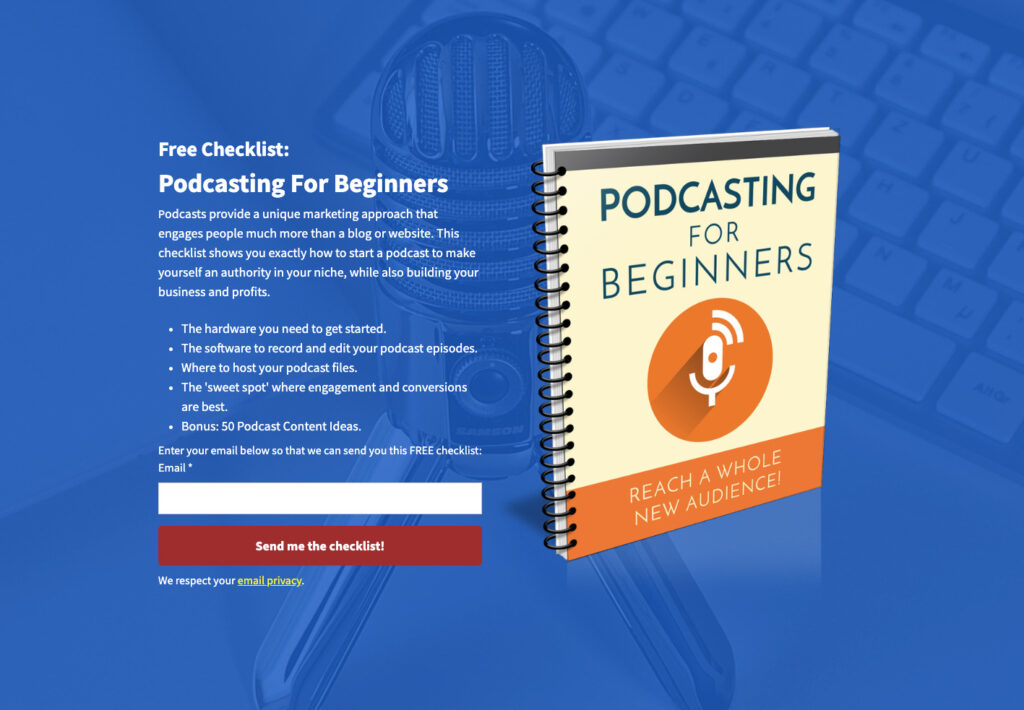
A podcast landing page is dedicated to promoting a specific podcast show or individual episode, offering listeners a direct pathway to subscribe or join an email list for updates. For podcasters, moving listeners onto a proprietary email list is paramount because streaming platforms fundamentally control content distribution and audience access. Ownership of an email list provides a direct, algorithm-immune channel to communicate with listeners, enabling direct notifications for new episodes, sharing bonus content, promoting merchandise, or announcing live events.
This type of page excels by converting transient listeners into dedicated, owned subscribers. Once a listener is on an email list, the podcast creator gains an invaluable asset that is not subject to the fluctuating visibility rules of third-party platforms. It empowers a direct relationship, fostering loyalty and enabling diversified monetization strategies. These pages are essential for podcasters committed to building a robust, independent audience beyond the confines of streaming services.
9. Video Landing Page: Visual Storytelling for Conversion
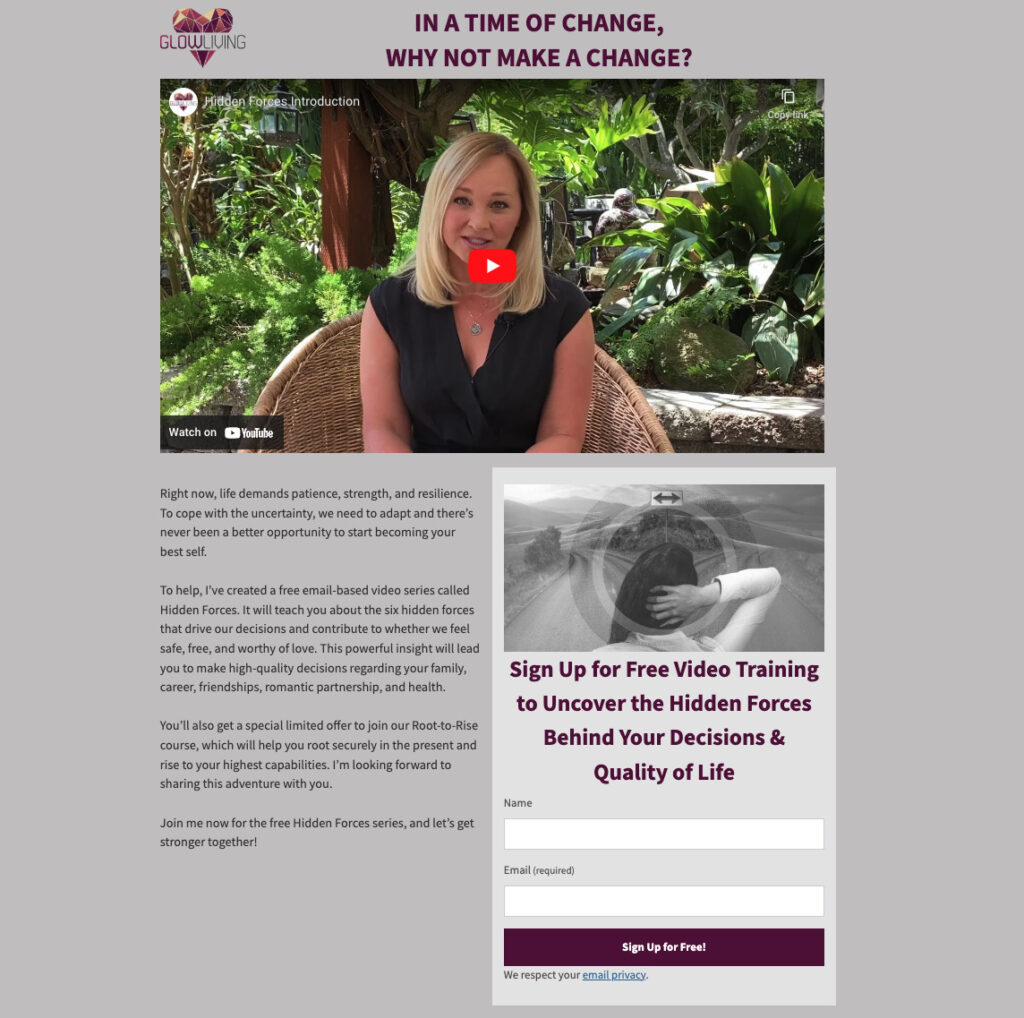
A video landing page leverages video as the dominant medium for conveying its message. The video content might range from a product demonstration, a customer testimonial reel, or a concise explainer video. While supporting text is present, its role is to complement and reinforce the video, not to replace it as the primary communication tool.
Video’s inherent power lies in its ability to build trust and convey complex information far more effectively and rapidly than static text. For offers that are visually driven, difficult to articulate in text, high-value, or dependent on personal credibility, video excels at removing hesitation. A visitor who watches a two-minute product demonstration often gains a deeper and more immediate understanding than one who reads several paragraphs of descriptive copy. Furthermore, video marketing consistently demonstrates high engagement rates and improved conversion metrics, making video landing pages a potent tool when the audience is receptive to visual content or when a personal connection is crucial before asking for a conversion.
Campaign-Specific and Multi-Platform Solutions
Modern digital marketing demands tailored solutions for various campaign types and social media environments.
10. PPC Landing Page: Precision for Paid Search Campaigns
A PPC (pay-per-click) landing page is meticulously designed to receive traffic originating from paid search advertisements. Its critical characteristic is "message match," meaning the page content, particularly the headline and offer, must precisely mirror the keywords and ad copy that prompted the visitor’s click. If a user clicks an ad for "email newsletters for restaurants" and lands on a generic email marketing page, they are highly likely to abandon the page.
This stringent message alignment is not only crucial for user experience but also directly impacts Google’s Quality Score, which rewards relevance. Better-matched pages often result in lower cost-per-click and improved ad rankings. PPC landing pages protect significant advertising investments by ensuring visitors receive exactly what the ad promised, thus maximizing conversion rates and enhancing ad campaign efficiency. Each ad group or keyword theme within a paid search campaign should ideally be linked to its own, highly specific landing page, rather than a shared, less targeted destination.
11. Facebook Landing Page: Bridging Social Reach to Owned Audiences
A Facebook landing page is specifically optimized for traffic flowing from Facebook advertisements or a business’s Facebook profile. Its overarching purpose is to convert social media followers and ad clickers into email subscribers or direct buyers. The fundamental principle here is that while Facebook offers immense reach, the audience technically belongs to the platform. Algorithms dictate visibility, which can change arbitrarily.
By transitioning Facebook followers onto an email list, businesses establish a direct, algorithm-proof communication channel. This type of landing page acts as a crucial bridge, transforming "rented" social media attention into an "owned" audience asset. Every follower who converts to a subscriber becomes a direct contact, ensuring consistent reach regardless of future platform changes. Building an email list via Facebook landing pages is one of the most high-leverage strategies for transforming social media engagement into a durable, controllable audience asset.
12. Link-in-Bio Landing Page: Consolidating Social Presence
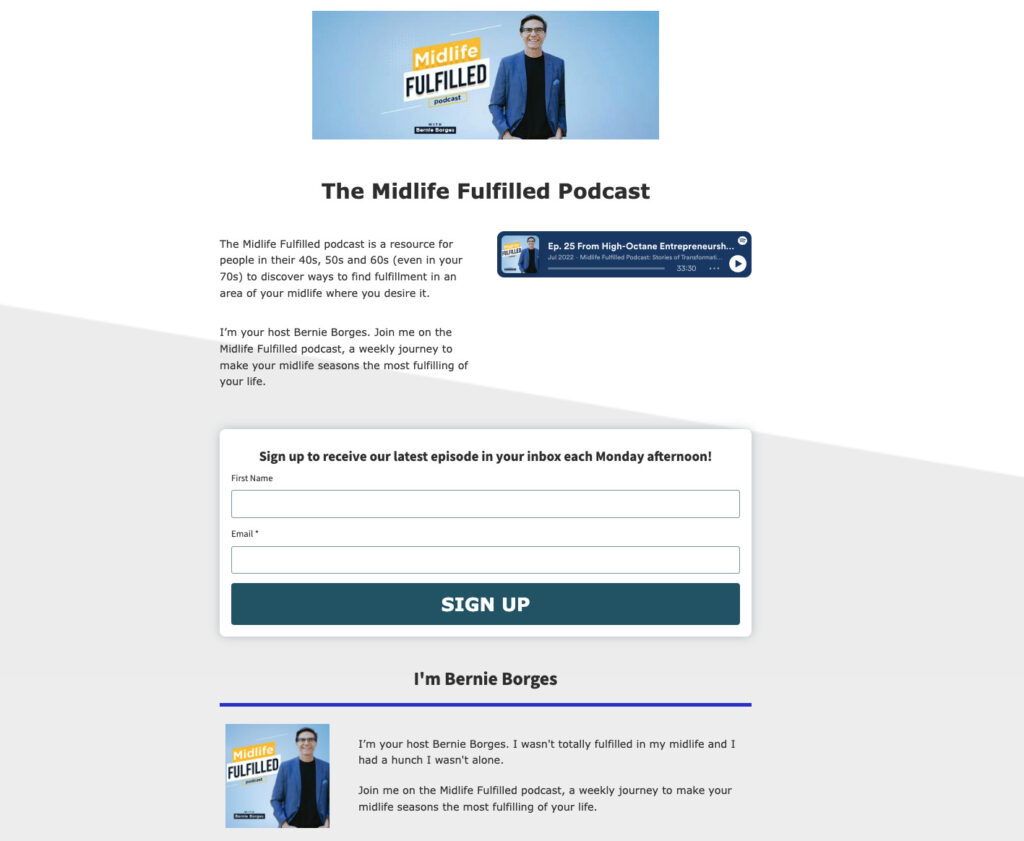
A link-in-bio page is a single, concise web page designed to host multiple links, effectively circumventing the common limitation of social media platforms (like Instagram, TikTok, or X) that typically permit only one clickable link in a profile biography. This page acts as a centralized hub, directing followers to various destinations such as a newsletter sign-up, product pages, the latest blog content, a booking calendar, or other key resources—all accessible from a single URL.
This solution is invaluable for social media creators and businesses striving to maximize their social presence. Instead of forcing a choice between linking to a newsletter or a new product, a link-in-bio page provides comprehensive access to all desired destinations. Every follower who visits the profile bio gains immediate access to a curated selection of the most important content and offers. It optimizes the limited real estate of social media bios, transforming a single link into a powerful gateway to a multifaceted digital presence.
Post-Conversion Optimization and Future-Proofing
The customer journey doesn’t end at the first conversion. Smart marketers leverage post-conversion pages and pre-launch strategies.
13. Thank You Page: The Underestimated Conversion Accelerator
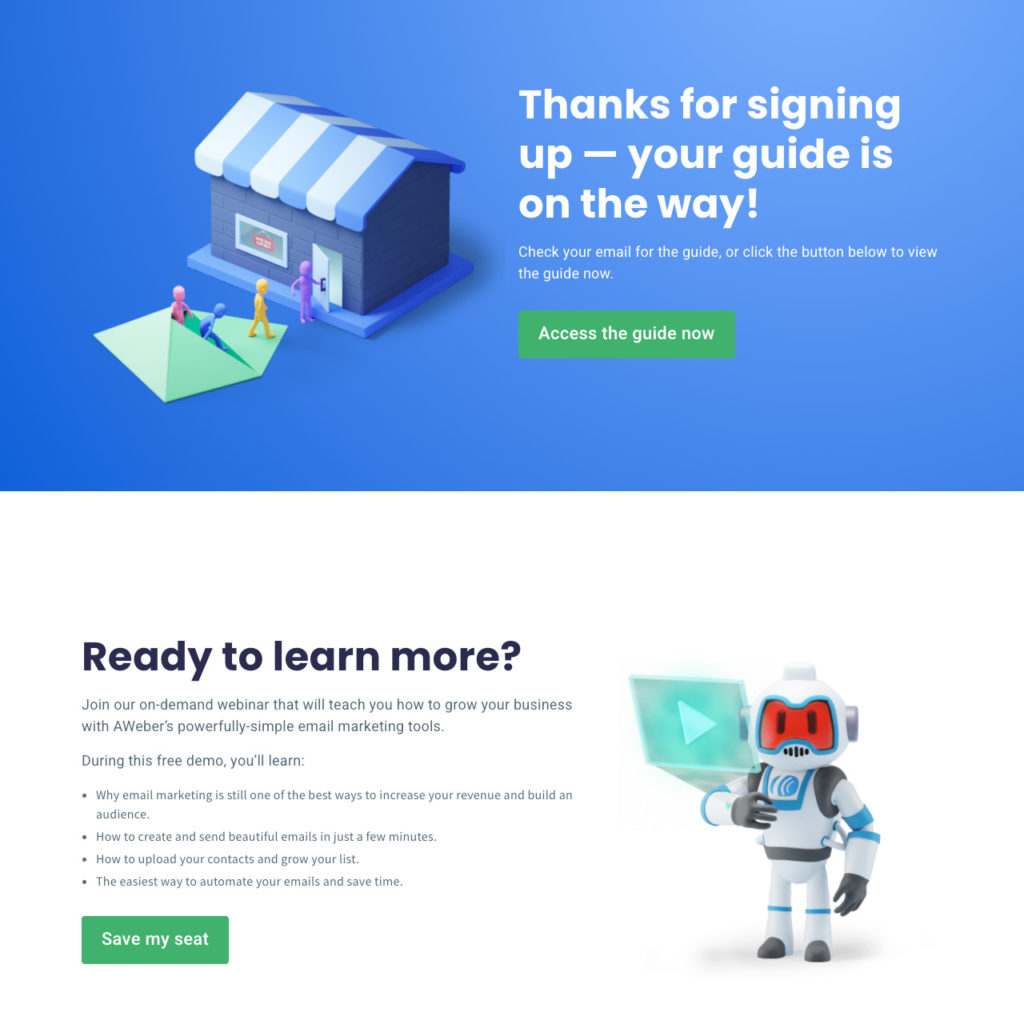
A thank you page appears immediately after a visitor completes a desired conversion—whether signing up, downloading content, or making a purchase. Its primary function is to confirm the successful action and clearly communicate the next steps. However, most thank you pages are significantly underutilized. A visitor who has just converted is arguably at their peak level of engagement and commitment within the marketing funnel. This opportune moment presents a prime chance to offer a related resource, extend an invitation to book a consultation, or guide them towards a secondary, often more valuable, next action.
The effectiveness of a well-designed thank you page lies in its ability to capitalize on this momentum. It doesn’t just acknowledge a completed action; it transforms that first conversion into a potential second one, whether it’s an upsell, a cross-sell, a social media share, or a deeper engagement with the brand. By strategically leveraging this "peak engagement" moment, businesses can significantly enhance customer lifetime value and deepen brand loyalty. Every conversion, regardless of its initial scope, should lead to a thoughtfully designed thank you page that offers clear instructions and strategic opportunities for further interaction.
14. Pre-Launch Landing Page: Validating Ideas and Building Hype
A pre-launch landing page is strategically deployed to generate interest and build anticipation before a new product, service, or feature officially goes live. Its dual purpose is to collect email addresses from individuals eager for launch updates and, crucially, to test market demand before significant resources are committed to development.
The data gathered from a pre-launch page offers invaluable market validation. If a substantial number of sign-ups are generated before a product even exists, it provides compelling early evidence of genuine market appetite. Conversely, slow sign-up rates offer crucial feedback, signaling a need to re-evaluate or pivot, thereby preventing wasted investment. A pre-launch page simultaneously builds a primed audience for launch day and validates the underlying concept. A list of 500 early subscribers who proactively opted in before a product’s existence often holds more value than a larger list acquired post-launch, as these individuals have explicitly expressed a pre-existing desire for the offering, making them highly receptive to initial marketing efforts.
How to Choose the Right Type of Landing Page
The selection of the appropriate landing page type is a direct consequence of the specific marketing objective. If the goal is to acquire email subscribers, a lead capture page, squeeze page, or lead magnet page would be the ideal choice. To warm up cold traffic before a purchase, a click-through page is highly effective. For direct sales, a dedicated sales page for high-ticket items or an ecommerce page for specific products is essential. When promoting an event, a webinar registration page or a pre-launch page would be most suitable. Finally, for paid search campaigns, a highly targeted PPC landing page is indispensable.
The most common pitfall in landing page strategy is attempting to achieve too many objectives with a single page. Marketers should always begin with one clear, singular goal and design a page exclusively to fulfill that objective. This focus is the single most critical factor in preventing underperformance and maximizing conversion success.
The Dawn of AI-Powered Landing Page Creation: AWeber’s Innovation
The landscape of landing page creation is on the cusp of a significant transformation with the impending launch of AWeber’s AI Landing Page Builder. This innovation promises to dramatically accelerate the journey from ideation to live deployment. Instead of the traditional method of selecting and modifying pre-existing templates, users will be able to describe their desired page—encompassing layout, copy, imagery, and sign-up forms—and the AI will generate the complete page. This seamless integration ensures that every subscriber acquired directly populates the user’s AWeber list, ready for immediate engagement through welcome emails and subsequent nurturing sequences.
This AI-driven approach is designed to cater to every type of landing page discussed, from lead magnet pages for free checklists to webinar registration pages and pre-launch campaigns. Users simply articulate their offer and objective, and the AI handles the intricate design and content generation. Furthermore, the builder allows users to upload screenshots of existing landing pages they admire, and the AI can recreate them, incorporating specific branding, copy, and offers. Even image edits become conversational, enabling users to describe desired changes for AI-driven modifications, eliminating tedious stock photo searches or starting designs from scratch. This advancement heralds a new era of efficiency and accessibility in digital marketing, particularly beneficial for small businesses and entrepreneurs.
Frequently Asked Questions About Landing Page Types
What is the most common type of landing page?
Lead capture landing pages are the most widely deployed type. They focus on collecting a visitor’s contact information, typically in exchange for a free resource or valuable offer. Their low barrier to entry compared to a direct purchase makes them highly versatile and effective across virtually all industries and business models, often yielding higher conversion rates.
What is the difference between a squeeze page and a lead capture page?
While both squeeze pages and lead capture pages aim to collect email addresses, they differ significantly in their length and complexity. A standard lead capture page typically includes more descriptive elements such as a detailed headline, a comprehensive benefit description, an image representing the offer, and a multi-field form. In contrast, a squeeze page is deliberately minimalistic, featuring only a headline, one or two brief lines of copy, a single email input field, and a button. Squeeze pages are predominantly used with paid traffic campaigns where their extreme brevity and low commitment significantly reduce the cost per lead.
What types of landing pages work best for building an email list?
The three most effective types for robust email list building are squeeze pages, general lead capture pages, and lead magnet pages. Squeeze pages are highly efficient for paid traffic due to their low friction, which helps maintain a low cost per lead. Lead capture pages are versatile, performing well with both paid and organic traffic sources. Lead magnet pages are exceptionally effective when a business offers a specific, highly desirable resource, such as a checklist, ebook, or template, that directly addresses a need or interest of the target audience, leveraging the power of perceived value for conversion.








