

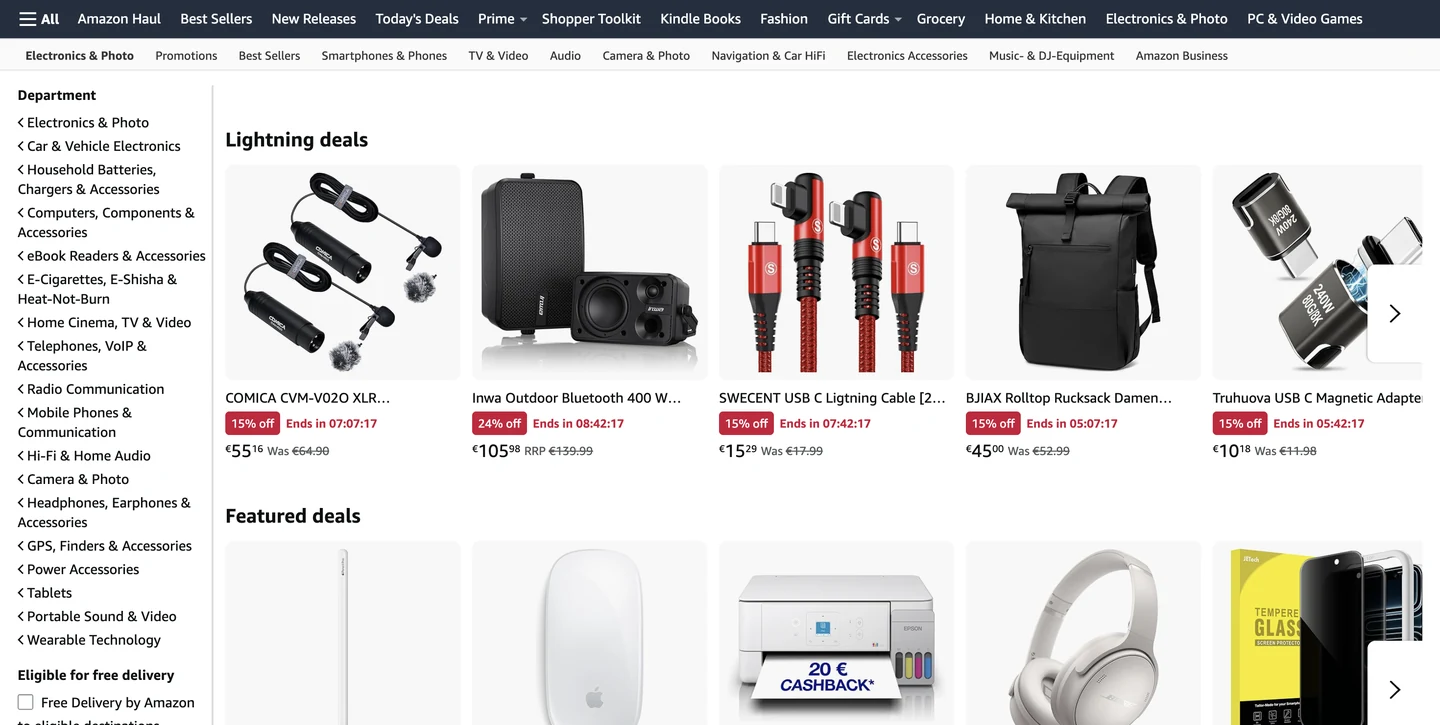
Black Friday dropshipping in 2026 represents a refined strategy for e-commerce entrepreneurs, moving beyond simple product marketing to embrace robust margin safety and sophisticated automation. This shift is critical for adapting to a dynamic global trade environment, marked by significant changes in import duties, fluctuating carrier surcharges, and evolving consumer trends. This comprehensive guide outlines optimal product selection, a detailed month-by-month Black Friday Cyber Monday (BFCM) roadmap, and an email and SMS playbook designed to convert a high-traffic sales weekend into a sustained base of repeat customers.
The Evolving Landscape of Dropshipping in 2026
Dropshipping, despite perennial predictions of its demise, remains a powerful and relevant business model in 2026, particularly for high-volume events like Black Friday. Its inherent flexibility, allowing businesses to offer extensive product catalogs without the burden of inventory management, makes it ideal for capitalizing on bundling opportunities and diverse consumer demand. However, the operational landscape has undergone significant transformations, demanding a more disciplined and strategic approach from merchants.
Adapting to New E-commerce Realities
The most profound change impacting dropshipping operations between 2025 and 2026 is the alteration of the de minimis tariff exemption rules. Historically, this exemption allowed low-value shipments to enter countries without duties or extensive customs procedures, significantly benefiting cross-border dropshipping. In May 2025, the United States initiated a suspension of its $800 de minimis exemption for shipments originating from China and Hong Kong. This policy was subsequently extended to include all countries by August 2025, signaling a broader re-evaluation of international trade practices. Concurrently, the European Union implemented its own significant reform on July 1, 2026, replacing its €150 duty exemption with a flat €3 duty per declaration line, irrespective of value.
These regulatory shifts have forced many e-commerce businesses to fundamentally re-evaluate their dropshipping strategies. The immediate consequences include increased shipping costs, longer delivery timelines due to enhanced customs scrutiny, and a more complex compliance landscape. Industry analysts suggest these changes are aimed at leveling the playing field for domestic retailers, reducing the influx of untaxed goods, and improving supply chain transparency. While these adjustments present new hurdles, they do not signify the end of dropshipping; rather, they mandate a pivot towards greater operational rigor and financial prudence.
Why Dropshipping Remains Viable
Despite the added complexity, dropshipping continues to offer compelling advantages. Its low barrier to entry, scalability, and ability to test new products with minimal risk are attractive to entrepreneurs. The crucial differentiator for success in 2026 lies in a disciplined approach to product sourcing and selling. Businesses that prioritize robust supplier relationships, meticulous margin calculations, and efficient logistics stand to thrive. E-commerce experts emphasize that the core fundamentals of customer acquisition and retention, coupled with an agile response to regulatory changes, will define success.
Strategic Imperatives for Profitability
The rising operational costs, primarily driven by the de minimis changes, necessitate a rigorous update to Black Friday dropshipping margin calculations. Businesses can no longer afford to operate on razor-thin margins, making a detailed cost stacking and evaluation process essential.
Mastering Margin Safety in a High-Cost Environment
A healthy profit margin is the bedrock of sustainable dropshipping, particularly during high-stakes events like BFCM. Merchants must meticulously account for every cost component to ensure profitability, even after discounts and marketing expenditures. The shift in de minimis rules means that what was once a simple cost calculation now requires factoring in new duties and customs fees, which can vary significantly by product category and origin.
A Detailed Look at Cost Components
Consider a typical cost breakdown for a $50 product:
- Product (COGS): $18 (The direct cost from your supplier)
- Duties + Import Fees: $6 (Newly significant post-de minimis changes)
- Shipping + Surcharges: $7 (Includes base shipping, fuel surcharges, peak season surcharges)
- CAC (Ads + Promos): $12 (Customer Acquisition Cost through advertising and promotions)
- Returns Cushion: $2 (Allocated for potential returns, refunds, and replacements)
- Total Cost: $45
- Profit Left: $5
This example illustrates a mere 10% profit margin on a $50 sale. At such levels, any unforeseen increase in returns, an unexpected carrier surcharge, or a slight miscalculation in duties can completely erase profitability. This necessitates a proactive approach to cost management and a focus on products that inherently offer better margins or can be bundled to absorb these costs.
Identifying When to Engage: The Risk-Reward Calculus
Black Friday, while a massive sales opportunity, is also an intensely competitive period. It is emphatically not the time for new entrants to dropshipping to "learn the ropes." Dropshipping should be avoided if:
- There’s insufficient capital to cover initial product samples, advertising, and a buffer for unexpected costs.
- Supplier relationships are not yet established or reliable, risking fulfillment delays and quality issues.
- There’s a lack of understanding of e-commerce marketing fundamentals, particularly email and SMS automation.
- No clear product niche or value proposition has been defined, leading to undifferentiated offerings.
- The business cannot accurately calculate landed costs and profit margins, making it vulnerable to financial losses.
Strategic planning takes time, but it lays a strong foundation for sustained growth, especially when entering high-pressure sales events.
The Margin Checklist: Foundations for Success
For BFCM 2026, brands must focus on accurate margin calculation and robust supplier partnerships. The de minimis changes, while adding to overall costs, do not alter fundamental business principles. Before committing to a BFCM dropshipping strategy, businesses must ensure they can:
- Calculate Landed Costs Accurately: Incorporate all duties, taxes, and fees from the outset.
- Negotiate Favorable Supplier Terms: Especially regarding shipping costs and fulfillment speed.
- Identify Low-Return Products: Minimize the financial drain of reverse logistics.
- Implement Smart Pricing Strategies: To maintain competitiveness while preserving margins.
- Leverage Automation for Efficiency: To reduce manual errors and optimize operations.
- Build a Reserve for Unexpected Costs: A 10-15% buffer is advisable.
Understanding Black Friday Dropshipping Dynamics
Black Friday dropshipping leverages a retail model where merchants sell products online without holding inventory. Instead, when a customer places an order, a third-party supplier handles fulfillment, shipping, and storage directly to the customer. This model allows merchants to focus on marketing, customer experience, and conversion optimization. Its utility peaks during BFCM by enabling businesses to meet surging demand without the significant capital outlay and risk associated with overstocking. Success, however, is contingent on seamless store operations and efficient supply chain management under heavy traffic conditions.
Key Performance Indicators from BFCM 2025
The 2025 BFCM period provided critical insights into consumer behavior and market trends. According to aggregated research from Adobe, Chain Store Age, and Shopify:
- Cyber Week sales: Reached $44.2 billion, marking a 7.7% year-over-year (YoY) increase from 2024.
- Cyber Monday: Generated $14.25 billion, a 7.1% YoY increase from 2024.
- Black Friday: Saw $11.8 billion in sales, an impressive 9.1% YoY increase from 2024.
- Shopify merchants: Collectively achieved $14.6 billion in sales, a substantial 27% increase compared to 2024, highlighting the platform’s growing ecosystem.
- Mobile share: 56.4% of all online transactions during this period occurred via smartphones, underscoring the dominance of mobile commerce.
- Full holiday season (Nov 1–Dec 31): Online spending totaled $257.8 billion, a 6.8% jump from $241.4 billion in 2024.
These figures underscore the immense potential of BFCM but also the intensifying competition. The significant growth in mobile transactions, in particular, dictates that mobile optimization is no longer optional but a fundamental requirement for success.
Optimizing Product Selection for BFCM 2026
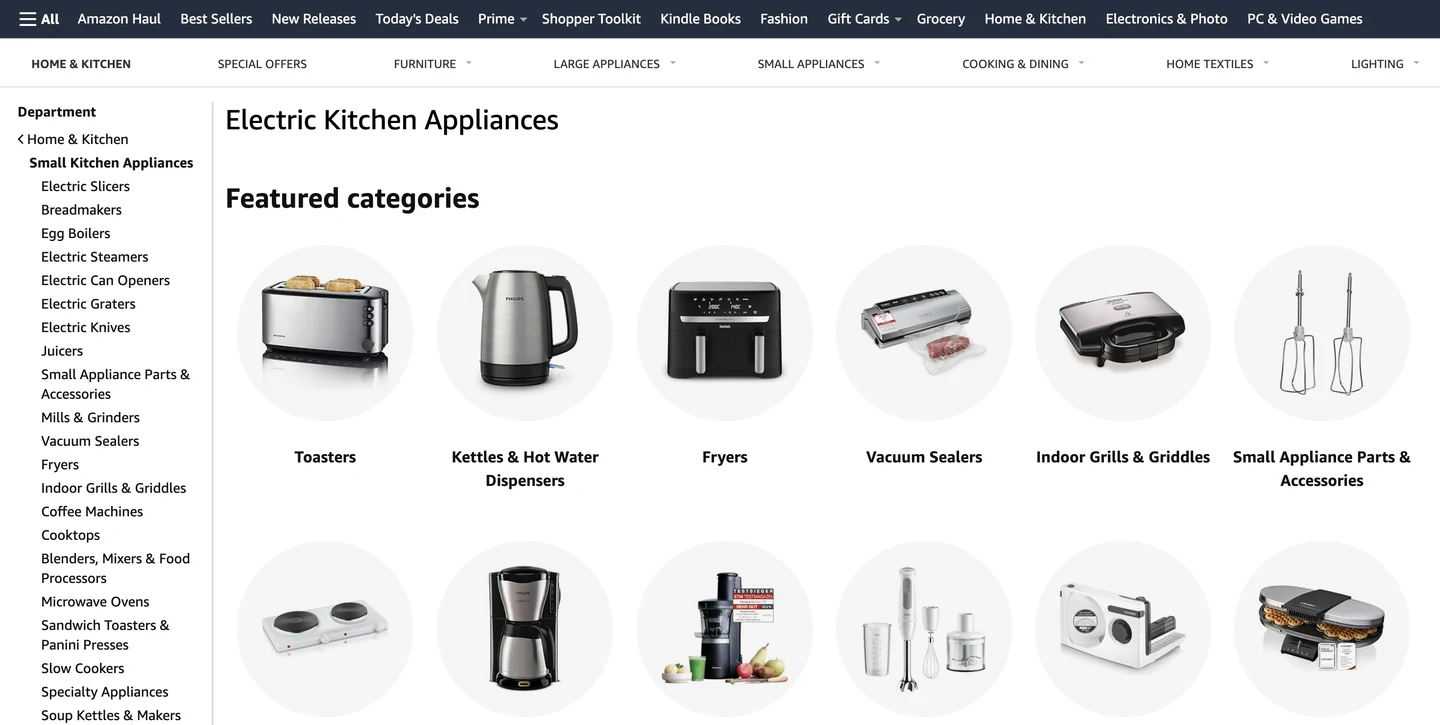
For Black Friday dropshipping in 2026, the focus must be on building a store capable of handling high demand and ensuring timely product delivery. This requires prioritizing lightweight, giftable items with high perceived value, such as tech and car accessories, home and kitchen add-ons, beauty tools, fitness gear, and print-on-demand (POD) bundles.
A Framework for High-Performing Products
Before adding any product to a dropshipping catalog, a structured evaluation based on returns, sourcing, and marketability is essential. Key considerations include:
- Low Return Rate: Products less prone to sizing issues, defects, or buyer’s remorse.
- Reliable Sourcing: Consistent availability and quality from trusted suppliers.
- High Perceived Value: Items that customers feel are worth their price, especially when discounted.
- Easy to Ship: Lightweight and compact items minimize shipping costs and transit times.
- Broad Appeal: Products with a wide target audience, suitable for gifting.
- Minimal Compliance Hurdles: Avoiding products with complex certifications or regulations.
This framework helps maintain profitability and smooth operations during the intense BFCM period.
Curated Categories for Peak Demand
Several product categories consistently perform well during BFCM due to their alignment with the selection framework:
- Tech Accessories: Items like phone chargers, cases, screen protectors, and wireless earbud cases are perennial bestsellers. They are typically lightweight, have high margins, and are often purchased as add-ons or affordable gifts. Their low return risk and minimal compliance issues make them ideal.
- Home and Kitchen Add-ons: Organizers, mini tools, hooks, and silicone utensils are popular due to their practicality and reasonable pricing. They make excellent gifts and are generally light, ship quickly, and have a low return rate. Merchants should, however, avoid electrical items that may have higher compliance requirements.
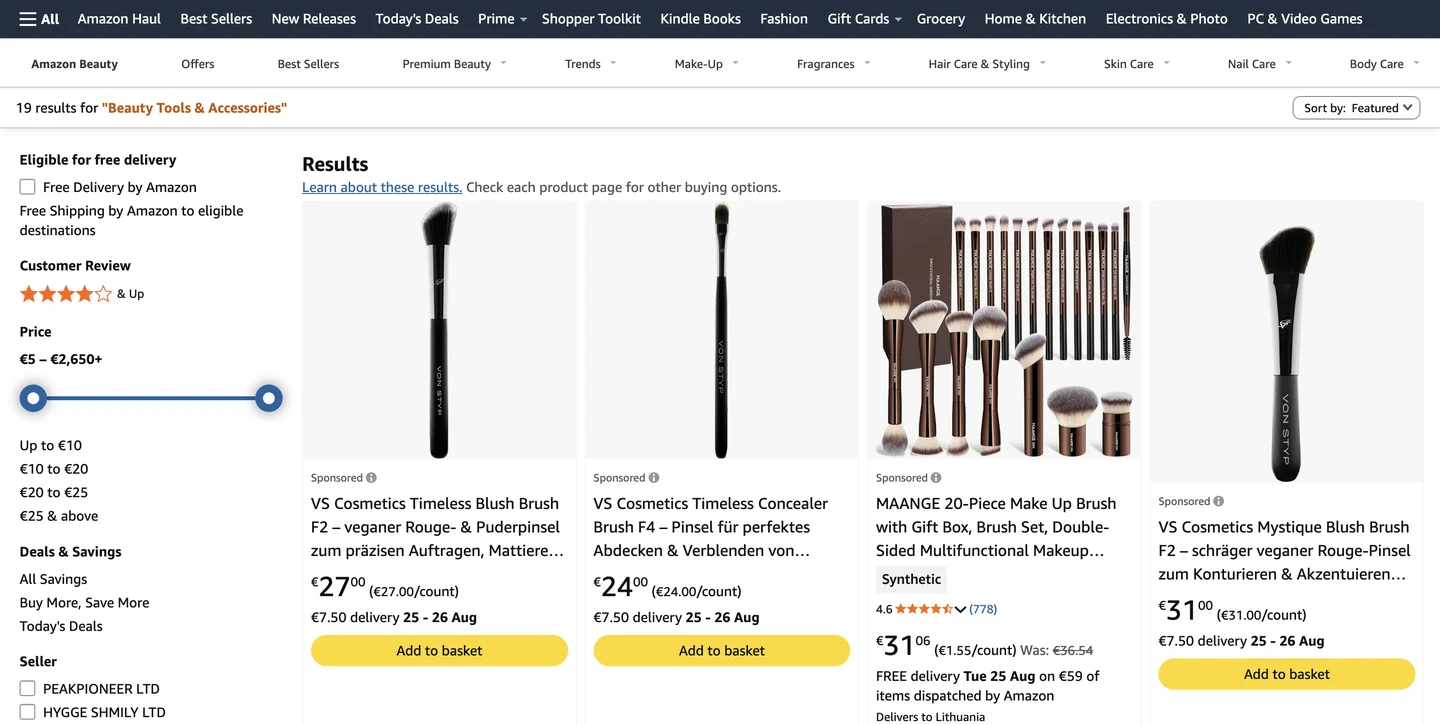
- Beauty Tools: Hair wavers, LED masks, facial rollers, and manicure kits tap into the self-care trend. These products offer high margins and are generally light to medium weight. While the return risk is medium, merchants must avoid making medical or FDA claims to ensure compliance.
- Fitness and Wellness Gear: Resistance bands, yoga mats, foam rollers, and water bottles cater to health-conscious consumers. These items are typically light to medium weight, have medium margins, and low return risk. It’s crucial to avoid making unsubstantiated health-benefit claims.
- Car Accessories: Seat gap fillers, organizers, phone holders, and sunshades are practical, low-cost upgrades. They are lightweight, have high margins, and a very low return risk, as they are largely fit-agnostic, thus avoiding common sizing issues seen in apparel.
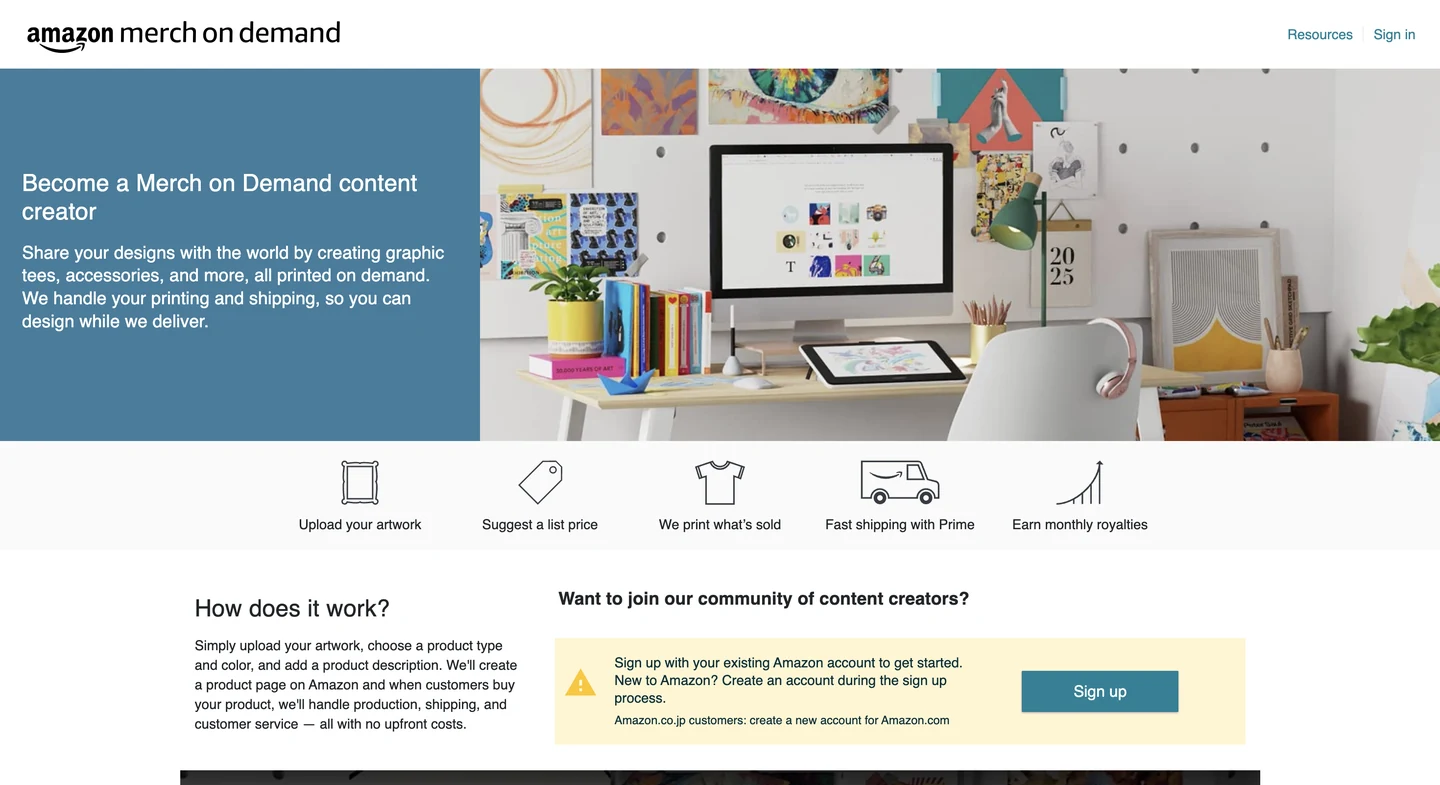
- Print-on-Demand (POD) Bundles: The POD market continues to grow, supported by platforms like Etsy and Amazon. Custom mugs, t-shirts, notebooks, tote bags, or full gift sets offer personalization and are excellent, low-cost holiday gifts. Production occurs after the sale, mitigating duty exposure from unsold stock, and they typically have high margins and low return rates, provided no licensed artwork is used without permission.
The Power of Product Bundling
Bundling products is a highly effective tactic to increase average order value (AOV) and acquisition orders. Instead of selling a single item for $12.99, which often leaves little room for ad spend and shipping after costs, bundling allows merchants to flip the economics:
- Increase AOV: Customers buy more items, boosting the total transaction value.
- Absorb Costs: Higher total sale value provides more margin to cover per-order costs like shipping and advertising.
- Enhance Perceived Value: Bundles often feel like a better deal to customers.
- Simplify Shipping: Shipping multiple lightweight items in one package can be more cost-effective than separate shipments.
For instance, if the cost of goods is $8 and shipping is $5, a total of $13 per item is spent before advertising. Selling a single $12.99 item results in a loss. However, bundling two items for $30 leaves $17 to cover ads, returns, and other overheads, making the transaction profitable.
Budgeting and Financial Planning for Peak Season
Most dropshipping businesses can launch BFCM campaigns with budgets ranging from $100 to $2,000. The ideal budget depends on factors such as annual revenue, target audience, and product type. Critically, with the recent de minimis changes, merchants must meticulously factor customs and duties into their overall production and shipping costs.
Allocating Resources for Maximum Impact
A detailed budget breakdown is essential for navigating BFCM profitably:
| Upfront/Relatively Fixed Costs | Variable or Order-Dependent Costs |
|---|---|
| Shopify plan and store platform | Paid ads and creator/influencer acquisition |
| Domain name | Product cost for each order |
| Shopify apps and AI tools | International shipping and fulfillment |
| Initial product samples and testing | Import duties, taxes, customs fees, and other applicable charges |
| Basic creative/content production | Payment processing fees |
| Returns, refunds, replacements, and chargebacks | |
| Email/SMS marketing and promotional discounts |
The Landed Cost Approach: A New Standard
A best practice for BFCM, especially with the de minimis changes, is to calculate margins using the "landed cost" method. This involves summing all costs associated with getting a product to the customer’s door.
Landed Cost = Product Cost + Shipping + Applicable Duties/Taxes/Fees + Fulfillment Costs
Once the landed cost is determined, subtract payment processing fees, discounts, potential refunds/returns, and customer acquisition cost to estimate the actual contribution margin.
Breakeven Analysis and Margin Cushions
Budget allocation for BFCM should prioritize different channels based on overall spend:
| Budget | Ads | UGC | Email/SMS | Sampling | Returns & Fulfillment Reserve |
|---|---|---|---|---|---|
| $100 | 65% | 10% | 5% | 5% | 15% |
| $500 | 55% | 15% | 10% | 5% | 15% |
| $2,000 | 50% | 20% | 10% | 5% | 15% |
This table illustrates that larger budgets allow for greater investment in creative content (User-Generated Content or UGC) and stronger retention channels like email and SMS. While ads drive initial traffic, UGC and direct marketing channels are crucial for converting and retaining customers.
A crucial metric is the Breakeven Return on Ad Spend (ROAS):
Breakeven ROAS = Selling Price ÷ (Selling Price – Product Cost – Shipping – Applicable Duties/Taxes/Fees – Other Variable Costs)
For example, if an item sells for $100 and $50 remains after accounting for product, shipping, duties, and payment fees, a 2.0 ROAS is needed just to break even before fixed overhead. A higher ROAS provides more margin for business costs and profit.
It is imperative to reserve a margin cushion of 10% to 15% of the budget or projected revenue for unexpected costs, such as higher-than-expected shipping, refunds, replacements, or additional import charges. This buffer prevents unforeseen expenses from derailing the entire BFCM campaign.
A Chronology of Success: The BFCM 2026 Roadmap
A winning Black Friday dropshipping plan is not a last-minute scramble but a meticulously executed strategy beginning months in advance. Establishing a clear Black Friday checklist allows businesses to build momentum and mitigate potential issues.
September: Laying the Groundwork
This foundational stage aims to build brand awareness and ensure readiness for the impending rush.
- Website Audit: Ensure the store is optimized for speed, mobile responsiveness, and a seamless checkout experience.
- Supplier Confirmation: Verify inventory levels, shipping times, and pricing with all dropshipping partners.
- Content Brainstorming: Develop themes and ideas for BFCM marketing campaigns.
- Automation Setup: Configure welcome sequences, cart abandonment flows, and browse abandonment emails.
- Compliance Review: Reconfirm understanding of new de minimis rules and other international shipping regulations.
October: Cultivating Engagement
October is dedicated to driving traffic and building trust, focusing on list growth and conversion optimization.
- Lead Generation Campaigns: Run campaigns to grow email and SMS subscriber lists, offering early bird incentives.
- A/B Testing: Experiment with different product pages, calls-to-action, and discount messaging.
- Customer Service Preparedness: Train staff and set up automated responses for anticipated high inquiry volumes.
- Ad Campaign Planning: Draft and schedule ad creatives for various platforms (Meta, Google, TikTok).
- Product Line Finalization: Confirm all BFCM product offerings, including bundles.
Mid-November: Rewarding Loyalty with Early Access
As the BFCM week approaches, reward loyal customers and build urgency.
- VIP Early Access: Launch exclusive deals for email and SMS subscribers or loyalty program members.
- Segmented Campaigns: Tailor offers based on customer purchase history and engagement.
- Urgency Messaging: Introduce countdown timers and limited-stock alerts.
- Shipping Deadlines Communication: Clearly communicate last dates for guaranteed holiday delivery.
Sellers frequently report that early-access lists, established a week prior, consistently outperform a single, mass-market discount blast. Additionally, "buy more, save more" bundles often generate higher revenue than flat percentage discounts.
Black Friday Launch: Executing Under Pressure (November 27)
This is game day; traffic will be at its peak, and every second counts.
- Campaign Activation: Launch all scheduled BFCM sales and marketing campaigns.
- Real-time Monitoring: Continuously track website performance, sales data, and ad spend.
- Customer Service Blitz: Ensure rapid response to customer inquiries and technical issues.
- Retargeting: Immediately launch retargeting campaigns for abandoned carts and browse abandonment.
- Social Media Engagement: Maintain an active presence, responding to comments and promoting deals.
Cyber Monday Push: Sustaining Momentum (November 30)
Following Black Friday, pivot messaging for Cyber Monday, emphasizing the finality of the deals.
- New Deals/Refreshed Offers: Introduce fresh discounts or extend popular ones for Cyber Monday.
- Final Urgency: Reinforce "last chance" messaging for expiring deals.
- Cross-Channel Promotion: Leverage email, SMS, and social media for a unified push.
- Monitor Stock Levels: Adjust promotions based on remaining inventory.
Post-Cyber Week: Extending the Sales Window
Momentum doesn’t have to cease after Cyber Monday. Customers may still seek deals, but the urgency shifts from scarcity to convenience.
- Shipping Cut-off Reminders: Continue to communicate key shipping deadlines for holiday delivery.
- Evergreen Offers: Transition to smaller, ongoing promotions or introduce gift guides.
- Post-Purchase Engagement: Initiate sequences designed to nurture new customers into repeat buyers.
A robust Black Friday e-commerce strategy integrates pricing, timing, and engagement at every stage, dictating whether sales peak or dissipate.
Leveraging Automation and Communication: Email and SMS
Email and SMS marketing are invaluable profit drivers during BFCM, especially as ad costs typically spike. Customers expect rapid, personalized communication, tailored offers, and timely updates. By mid-October, all critical automations—including cart abandonment, browse abandonment, and welcome sequences—should be live and rigorously tested. Performing a BFCM email analysis can identify any content gaps or timing inconsistencies.
A strategic campaign cadence typically includes:
- VIP Early Access: Mid-November, targeting high-value customers.
- Black Friday Send: Launching on Black Friday itself.
- Cyber Monday Send: Pivoting for Cyber Monday.
- Last-Chance Message: For the extended post-BFCM week.
Segmentation is key: VIPs and high-lifetime-value customers should receive first access, regular openers get standard sends, and SMS subscribers receive time-sensitive alerts, such as shipping cut-offs. Omnisend provides e-commerce teams with integrated workflows for Black Friday email marketing strategies across email, SMS, and push notifications, allowing campaigns and automations to run from unified segments and reporting.
A notable success story is Rachel Riley, a heritage childrenswear brand, which saw a 77.33% year-over-year (YoY) increase in Black Friday and Cyber Monday revenue after implementing Omnisend’s email automations. Jacqueline Love, their E-commerce and Wholesale Manager, praised the platform’s intuitiveness and exceptional support. This underscores the power of sophisticated automation. Furthermore, Omnisend’s 2026 e-commerce marketing report revealed that automated emails, despite constituting only 2% of sends in 2025, were responsible for driving a remarkable 30% of email-attributed revenue, highlighting their disproportionate impact on profitability.
Beyond the Sale: Cultivating Customer Loyalty
Retaining newly acquired customers from BFCM is paramount for long-term business health. This requires analyzing which products and marketing channels converted best. For example, if mobile conversions surpassed 60% during BFCM 2025, prioritizing mobile checkout optimization and SMS engagement for future campaigns is a logical step.
A strong post-purchase sequence is critical for nurturing new customers:
- Thank You Email: Express gratitude and confirm the order.
- Order Confirmation/Tracking: Provide essential shipping updates and tracking information.
- Educational Content: Offer tips on product use or care.
- Review Request: Solicit feedback to build social proof.
- Next Purchase Incentive: Offer a small discount on a future purchase.
- Loyalty Program Invitation: Encourage sign-ups for ongoing engagement.
Once these foundational emails are drafted, segment repeat buyers by their previous purchases and send personalized cross-sell and upsell offers in the subsequent months. Treating BFCM as a customer acquisition engine, rather than a standalone sales event, transforms discount-driven buyers into loyal, repeat customers by spring, generating lasting value for the business.
Conclusion: A Disciplined Approach to BFCM 2026
Planning for BFCM 2026 begins with solid, data-driven margin analysis, followed by strategically deploying the most effective channels and promotions to attract customers. The initial steps involve selecting products that offer viable margins, are lightweight for efficient shipping, incur few returns, and comply with market regulations. Subsequently, the focus shifts to deploying precise marketing strategies to reach the right customers at the opportune moment.
The Black Friday and Cyber Monday period should be viewed as an invaluable opportunity to acquire loyal buyers, test new offers, refine operational processes, and gather critical data. This data is instrumental in improving future campaigns, ultimately contributing to sustained business growth far beyond the holiday season. Leveraging powerful platforms like Omnisend to build robust email and SMS strategies is key to converting these newly acquired customers into a flourishing base of repeat buyers.
Black Friday Dropshipping FAQs
What are the top three selling items on Black Friday?
Tech gadgets, home essentials, and health products typically dominate Black Friday dropshipping. Specifically, items like headphones, smart devices, kitchen tools, and car accessories consistently exhibit high gift-buying potential and appeal.
What sells the most on Black Friday 2026?
In 2026, items that are lightweight, easily giftable, and possess high perceived value are expected to be among the top sellers. This includes mobile tech accessories, beauty gadgets, wellness products, and strategically bundled offerings.
How much money do you need to start dropshipping for Black Friday?
A budget ranging from $100 for testing a few product lines to $2,000 for running a comprehensive campaign is generally recommended. This budget should cover online advertising, product samples, email and SMS campaigns, and a reserve for potential return issues. An additional buffer for potential duties and high carrier surcharges is crucial given the recent changes in trade policies.
Is dropshipping dead in 2026?
No, dropshipping is far from being dead in 2026. Instead, it has evolved significantly. The cessation of the de minimis exemption has increased the landed cost of cross-border sales, shifting the industry’s focus from easy-to-set-up, low-margin sales to a more sophisticated model that demands strict supplier vetting, meticulous margin calculations, and strategic operational planning.








