
 rifanmuazin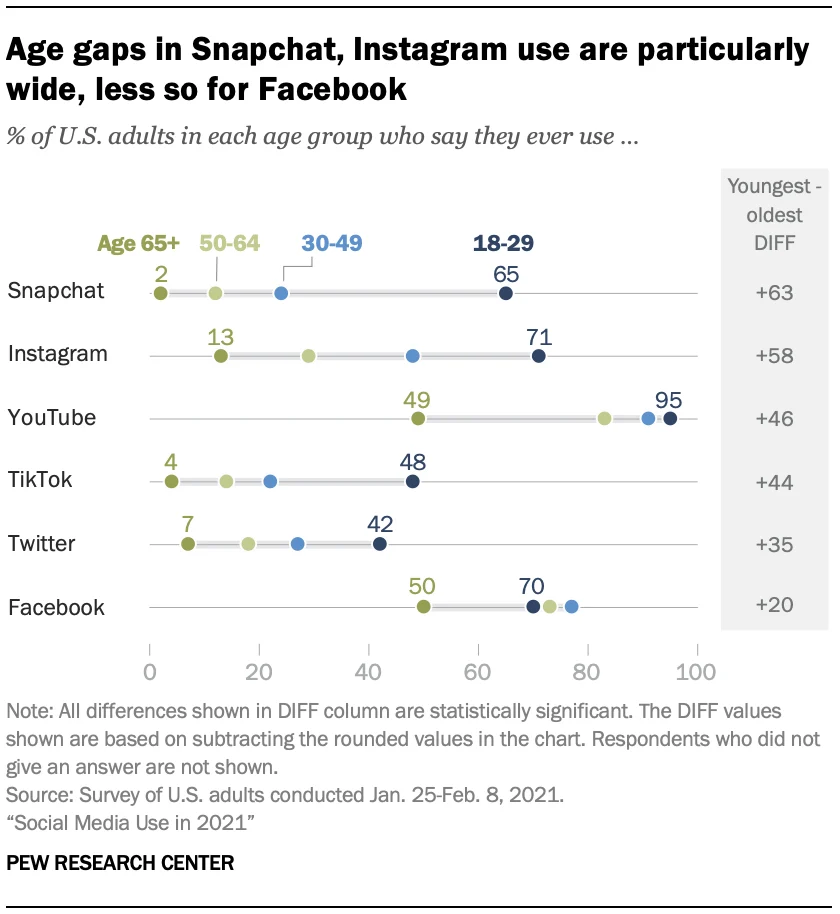
The term “target” is paramount in modern marketing, representing the core of effective communication. Identifying your audience through demographic, psychographic, geographic, and behavioral lenses is crucial, but understanding how to engage different generational cohorts is equally vital. In this comprehensive series, we will explore digital marketing strategies tailored for Gen Z (born 1995-2010), Millennials (1980-1994), Gen X (1960-1979), and Baby Boomers (1940-1959), ensuring your outreach is both geographically relevant and contextually appropriate. We commence this exploration with the youngest and arguably most digitally native demographic: Generation Z.
Often perceived as a nebulous buzzword, Gen Z is now a significant force entering the workforce and shaping consumer trends. Characterized by their fluency in digital platforms, a penchant for unique aesthetics, and a distinct sense of humor, this generation is frequently the subject of both fascination and mild apprehension by older demographics. As Gen Z steps into adulthood, they bring with them a unique worldview shaped by unprecedented technological integration and a series of global challenges.
The Defining Characteristics of Generation Z
Generation Z stands apart as the first cohort to grow up entirely immersed in the digital age. From their earliest years, they have had access to smartphones, computers, and the internet, making them inherently tech-savvy. This digital immersion, coupled with their formative experiences of witnessing the aftermath of 9/11, observing the economic fallout of the Great Recession on their parents, and now navigating the complexities of a global pandemic as they enter higher education and the professional sphere, has profoundly influenced their outlook.
This unique upbringing has fostered a generation characterized by pragmatism, open-mindedness, and a realistic perspective. They are masters of digital navigation, with a mobile-first approach to consumption and a strong inclination towards ethical purchasing decisions. However, their digital fluency also translates into a discerning eye for marketing. With constant exposure to advertising across their preferred platforms, Gen Z possesses a short attention span for intrusive or inauthentic messaging. They actively seek out brands that resonate with their values and offer a sense of individuality, making genuine connection and unique brand propositions essential for engagement. Skepticism towards traditional advertising is high, necessitating innovative and authentic approaches to capture their attention.

Gen Z Consumption Patterns: A McKinsey Analysis
A comprehensive study by McKinsey & Company sheds significant light on the consumption habits of Generation Z, highlighting three key areas:
- Value-Driven Purchasing: Gen Z demonstrates a strong preference for brands that align with their ethical and social values. They are more likely to research a brand’s stance on issues like sustainability, diversity, and social justice before making a purchase. This conscious consumerism means that brands must not only offer quality products but also exhibit a commitment to positive societal impact. A 2022 report by Deloitte indicated that 70% of Gen Z consumers consider sustainability a significant factor in their purchasing decisions.
- Authenticity and Transparency: This generation has a keen ability to detect inauthenticity. They gravitate towards brands that are transparent in their operations, marketing, and product sourcing. User-generated content, influencer collaborations that feel genuine, and behind-the-scenes glimpses into brand culture are highly effective. Conversely, overly polished or clearly manufactured marketing campaigns can alienate them. According to a Sprout Social survey, 86% of consumers say authenticity is important when deciding which brands they support.
- Personalization and Customization: Gen Z appreciates experiences tailored to their individual preferences. While they are wary of intrusive data collection, they respond positively to personalized recommendations and customized product offerings. The ability to express their individuality through their choices is a significant driver of their purchasing behavior. This can manifest in everything from personalized product recommendations on e-commerce sites to customizable product designs.
Strategic Digital Marketing Approaches for Gen Z
Understanding the foundational characteristics and consumption patterns of Gen Z is the first step; applying this knowledge to effective digital marketing strategies is the next.
Platforms Where Gen Z Spends Their Time
Reaching Gen Z requires a presence on the digital channels they frequent most. While their platform preferences can evolve, certain platforms have consistently demonstrated high engagement:
- TikTok: This short-form video platform has become a cultural phenomenon, driven by trends, challenges, and authentic content creation. Brands that can create engaging, entertaining, and trend-aligned videos have a significant opportunity to connect with Gen Z. The platform’s algorithm is adept at surfacing content to interested users, making virality a distinct possibility.
- Instagram: While its popularity among younger demographics has seen shifts, Instagram remains a key platform for visual storytelling and brand discovery. Features like Reels (short-form video), Stories (ephemeral content), and shoppable posts offer diverse avenues for engagement. Influencer marketing continues to be a powerful tool on this platform.
- YouTube: As the world’s second-largest search engine, YouTube is an indispensable platform for in-depth content, tutorials, reviews, and entertainment. Gen Z utilizes YouTube for research, learning, and entertainment, making it an ideal space for longer-form video content, product demonstrations, and educational resources.
- Snapchat: Known for its ephemeral messaging and filters, Snapchat maintains a strong hold among younger Gen Z users. Its emphasis on real-time, casual communication makes it suitable for behind-the-scenes content, limited-time offers, and interactive campaigns.
- Twitch: For brands targeting gamers and those interested in live streaming, Twitch is an essential platform. Live interactive content, sponsorships of popular streamers, and community engagement are key strategies here.
Data Insight: According to Statista, as of 2023, TikTok users aged 18-24 represented the largest age group on the platform globally. Similarly, Instagram’s user base skews younger, with a significant portion falling within the Gen Z demographic. YouTube’s broad appeal also makes it a cornerstone for reaching this generation.
Messaging That Resonates with Gen Z
Crafting messages that speak to Gen Z requires an understanding of their values, communication styles, and skepticism towards traditional marketing.

- Authenticity and Relatability: As previously highlighted, genuine communication is paramount. Brands should strive to present themselves in an unvarnished and honest manner. This can involve showcasing real employees, sharing candid behind-the-scenes content, or admitting to mistakes and explaining how they are being addressed. Content that feels produced by peers rather than a corporate entity is often more successful.
- Social and Environmental Consciousness: Gen Z is deeply concerned with social and environmental issues. Marketing messages that highlight a brand’s commitment to sustainability, ethical sourcing, diversity and inclusion, or community support are likely to resonate. They want to support brands that are actively making a positive impact on the world. For instance, brands that transparently communicate their carbon footprint reduction efforts or support for social causes will find a receptive audience.
- Humor and Entertainment: While often characterized by dark humor, Gen Z also appreciates lightheartedness and entertainment. Brands that can inject humor into their content, participate in viral trends with a unique spin, or create engaging, story-driven narratives are more likely to capture their attention. The key is to be entertaining without being condescending or trying too hard.
- Empowerment and Individuality: Gen Z values self-expression and individuality. Marketing messages that empower them to be themselves, celebrate their unique identities, and offer opportunities for customization are highly effective. This can be seen in campaigns that encourage user-generated content or offer personalized product options.
- Conciseness and Visual Appeal: Given their short attention spans, messages need to be delivered efficiently and engagingly. Short-form videos, visually striking graphics, and easily digestible information are preferred. Avoid lengthy, jargon-filled copy.
Example Messaging Strategies:
- User-Generated Content Campaigns: Encourage Gen Z to share their experiences with your product or service using a specific hashtag. Feature the best submissions on your brand’s official channels.
- Influencer Collaborations: Partner with micro-influencers or creators who have genuine credibility within specific niches that align with your brand. Focus on authentic endorsements rather than scripted advertisements.
- Interactive Content: Utilize polls, Q&As, quizzes, and AR filters on platforms like Instagram and Snapchat to create engaging and participatory experiences.
- Behind-the-Scenes Content: Share glimpses into your company culture, product development process, or employee spotlights to foster transparency and relatability.
- Cause Marketing: Clearly articulate your brand’s social or environmental initiatives and how consumers can contribute through their purchases.
The Evolving Landscape of Generational Marketing
It is crucial to remember that these are broad generalizations, and individuals within any generation are diverse. As Gen Z continues to mature and their economic power grows, their consumer behavior will undoubtedly evolve. Furthermore, the digital landscape is in constant flux, with new platforms and features emerging regularly.
Therefore, a successful digital marketing strategy for Gen Z requires ongoing research, flexibility, and a willingness to experiment. Brands must remain attuned to emerging trends, listen to feedback from their target audience, and be prepared to adapt their approaches. The emphasis should always be on building authentic relationships, providing value, and demonstrating a genuine understanding of this influential generation.
Ultimately, effectively marketing to Gen Z is not just about employing the right tactics; it’s about understanding their worldview, respecting their values, and communicating with them in a way that feels genuine and empowering. By embracing authenticity, social consciousness, and innovative digital engagement, brands can forge meaningful connections with this pivotal demographic and secure their place in the future marketplace. For those seeking to refine their approach and develop a robust digital marketing solution tailored to the Gen Z audience, engaging with experienced teams can provide invaluable strategic guidance and execution support.










