rifanmuazin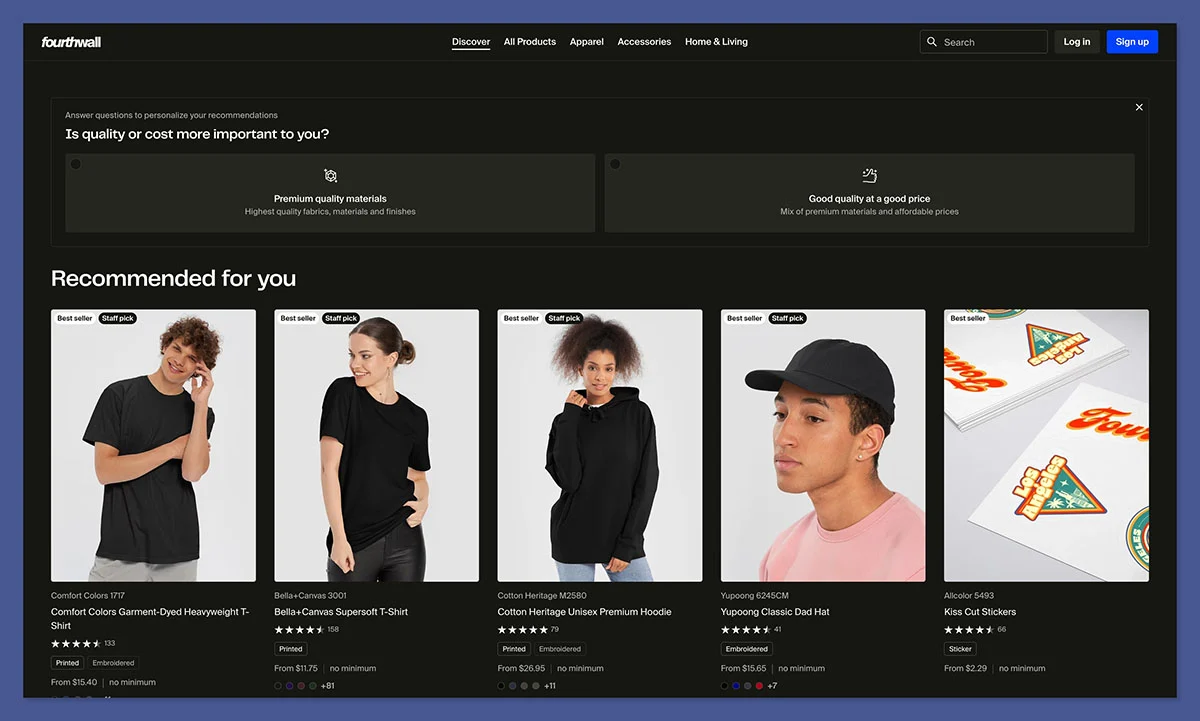
For years, the prevailing wisdom in the print-on-demand (POD) space has centered on a seemingly immutable list of best-selling items: t-shirts, hoodies, and mugs. While these staples undoubtedly remain popular, a deeper analysis of creator-led e-commerce, particularly on platforms like Fourthwall, reveals a more nuanced and dynamic product landscape. The assumption that "best products" are static overlooks crucial factors such as platform capabilities, audience engagement, and the evolving definition of creator merchandise. This shift signifies a move beyond mere product fulfillment to a more strategic approach to building a brand’s merchandise ecosystem.
The foundational belief that certain products inherently perform better in the POD market is not entirely unfounded. T-shirts, sweaters, and mugs, when produced with quality materials and compelling designs, have consistently demonstrated strong sales potential. However, this simplistic view fails to account for the unique relationship between creators and their audiences, and the specialized features offered by modern e-commerce platforms. The notion of "best products" is intrinsically linked to the platform’s quality standards, the creator’s brand identity, and the audience’s willingness to invest in a curated collection that reflects their connection to the creator.
Platform Choice and Audience Dynamics: A Crucial Interplay
The choice of e-commerce platform significantly influences the types of products that are viable and profitable. Platforms like Fourthwall, for instance, prioritize premium quality from the outset. This focus shifts the creator’s objective from simply finding inexpensive items to mark up, to sourcing products that foster customer loyalty and repeat purchases. For creators, their online store transcends a transactional e-commerce site; it becomes an extension of their brand, a meticulously designed merchandise collection catering to a devoted community of followers. This fundamental difference reshapes the product selection process, moving it from a cost-optimization exercise to a brand-building strategy.
The author’s observations, drawn from years of experience working with creators and witnessing the trajectory of their online stores, highlight a critical distinction: the difference between what can sell and what does sell within a creator-specific context. This distinction is paramount in navigating the crowded POD market and ensuring long-term success. The focus must be on products that resonate with an existing community, reinforcing their connection to the creator rather than simply serving as generic merchandise.
Fourthwall’s internal data and industry trends offer compelling insights into this evolving product mix. While traditional items like t-shirts and hoodies continue to hold significant market share, a closer examination reveals a growing demand for niche and lifestyle-oriented products. This diversification is driven by creators seeking to offer a broader range of items that align with their audience’s diverse interests and consumption habits.
The Enduring Appeal of Premium Apparel
Premium T-Shirts: More Than Just a Canvas
T-shirts remain the undisputed cornerstone of the print-on-demand industry, and for good reason. The global custom t-shirt printing market is projected to reach a substantial $20.05 billion by 2035, underscoring the sustained demand. For platforms like Fourthwall, t-shirts consistently rank as the top-selling product. This enduring popularity is not merely a matter of convenience or low cost; it’s a testament to the t-shirt’s versatility as a medium for self-expression and brand affiliation.
However, the landscape for t-shirts has matured. Creators are no longer content with offering generic designs on low-quality blanks. The modern creator understands that a successful t-shirt must possess an intrinsic appeal that transcends mere fan loyalty. The critical question for creators is: "Would someone wear this even if they weren’t trying to support me?" If the answer is no, the garment is unlikely to achieve significant sales. This elevated standard necessitates a focus on premium materials, superior fits, and designs that possess aesthetic merit independent of their creator affiliation.
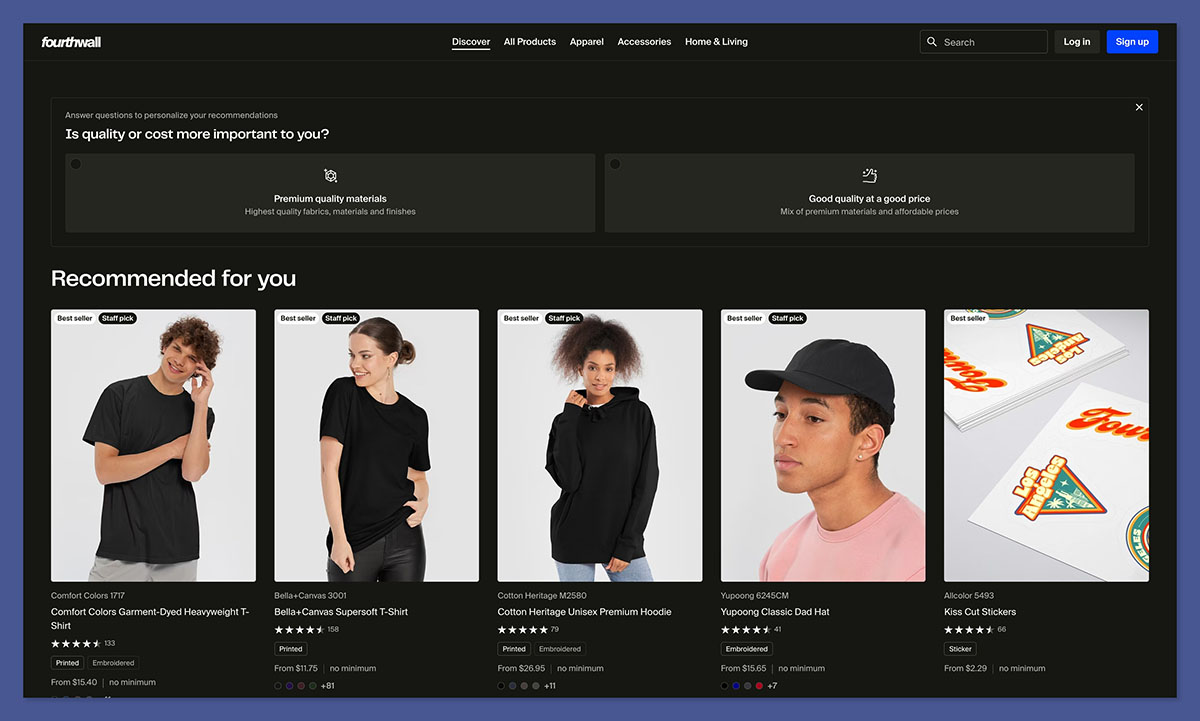
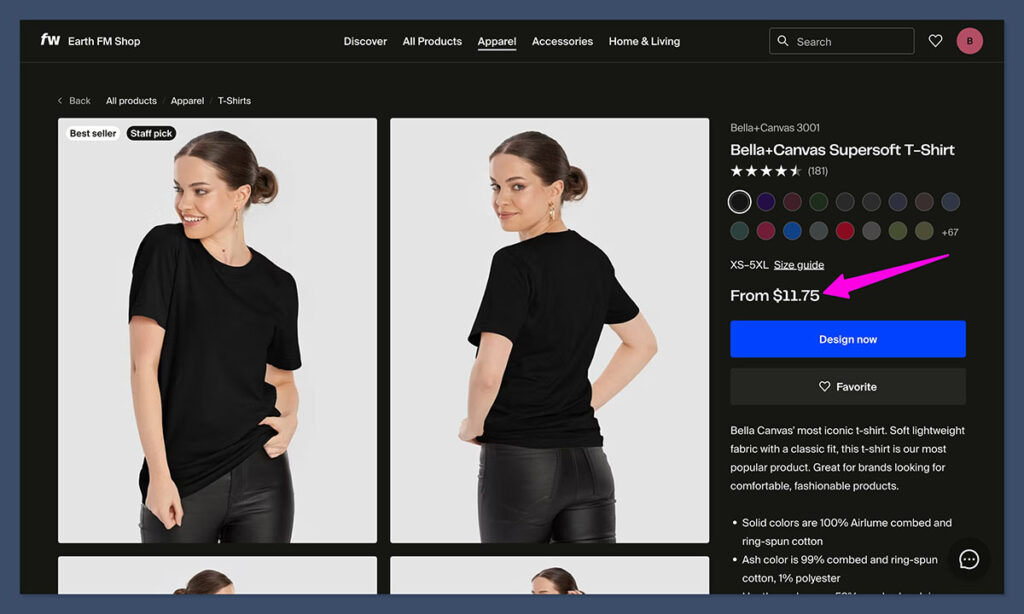
Fourthwall’s platform design inherently supports this premiumization. By offering a curated selection of high-quality apparel from brands like Bella+Canvas and Comfort Colors, alongside their own Signature collection, Fourthwall empowers creators to focus on design and branding. While more budget-friendly options may be available, the platform’s emphasis on quality assurance ensures a consistent and reliable product experience for the end consumer. This commitment to quality mitigates the risk associated with offering apparel and builds trust within the creator’s community.
Hoodies and Crewnecks: Investing in Comfort and Brand Immersion
While t-shirts are often an impulse purchase, hoodies and crewnecks represent a more significant investment for consumers. This necessitates an even higher standard of quality and design to justify the price point. The global market for hoodies and similar apparel is vast, with projections indicating a value of approximately $256 billion by 2026. This substantial market size highlights the potential for creators to generate significant revenue through these comfort-oriented items.
Fourthwall’s internal data confirms that hoodies and crewnecks consistently rank just behind t-shirts in sales performance. This reinforces the idea that consumers are willing to spend more on well-crafted, comfortable apparel that features designs they connect with. However, as with t-shirts, quality is paramount. A thin, poorly constructed hoodie or a print that cracks after a few washes will not only fail to generate repeat business but can also damage the creator’s reputation. Consumers will inevitably compare these items to those from established apparel giants like Nike and Uniqlo, making it imperative for creators to deliver a product that stands up to scrutiny.
Fourthwall’s premium offerings, particularly within its Signature collection, provide creators with the quality necessary to command higher price points, often in the $65-$75 range, without alienating customers. Furthermore, the platform enables creators to explore less saturated apparel categories, such as children’s clothing, long-sleeve tees, tank tops, and sweatshirts, broadening their product portfolio and appeal.
Expanding the Merch Ecosystem: Beyond Apparel
Hats and Beanies: Everyday Statements of Affiliation
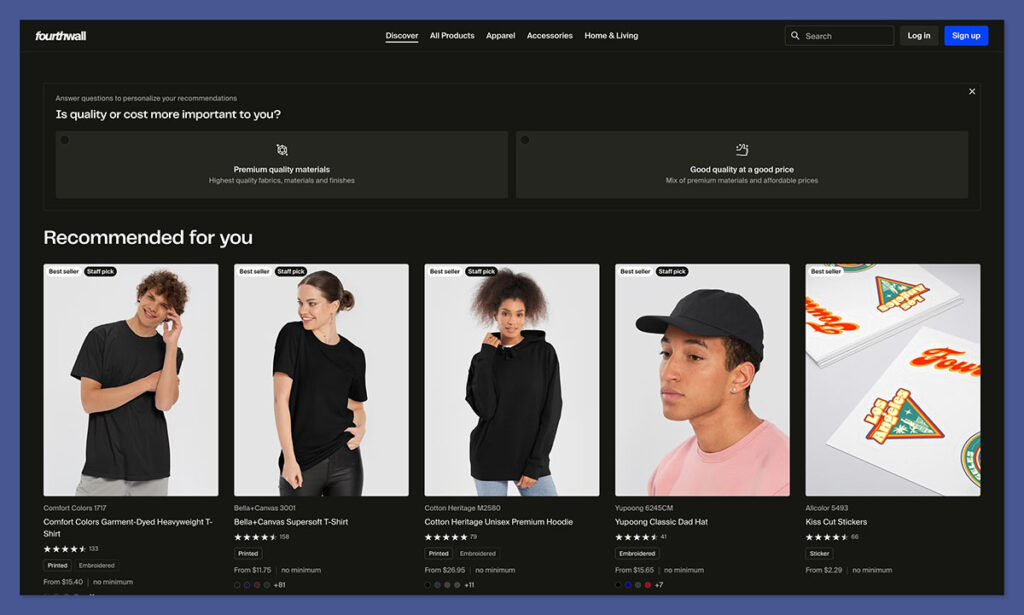
Often relegated to the "accessories" section, hats and beanies are emerging as significant revenue drivers for creators. Fourthwall reports that hats are now the fifth most popular product category on its platform, indicating a growing consumer interest. The global hats market is projected to reach approximately $11.6 billion by 2026, a figure that excludes broader headwear categories. This market is not solely driven by niche fandom but by the everyday utility and style offered by headwear.
A key differentiator for hats and beanies is their potential for subtlety. While a large graphic on a hoodie might be overtly "merch," a well-embroidered hat can function as a stylish accessory that also subtly signals affiliation with a creator. This allows consumers to incorporate creator-branded items into their daily wardrobe without feeling the need to make an overt statement of fandom.
For creators looking to leverage this category, a strategic approach focusing on small embroidery and understated branding is recommended. Offering a diverse range of styles, from classic beanies to dad hats, allows creators to cater to different aesthetic preferences within their community and identify which styles resonate most effectively.
Stickers and Magnets: Accessible Entry Points and Upsell Opportunities
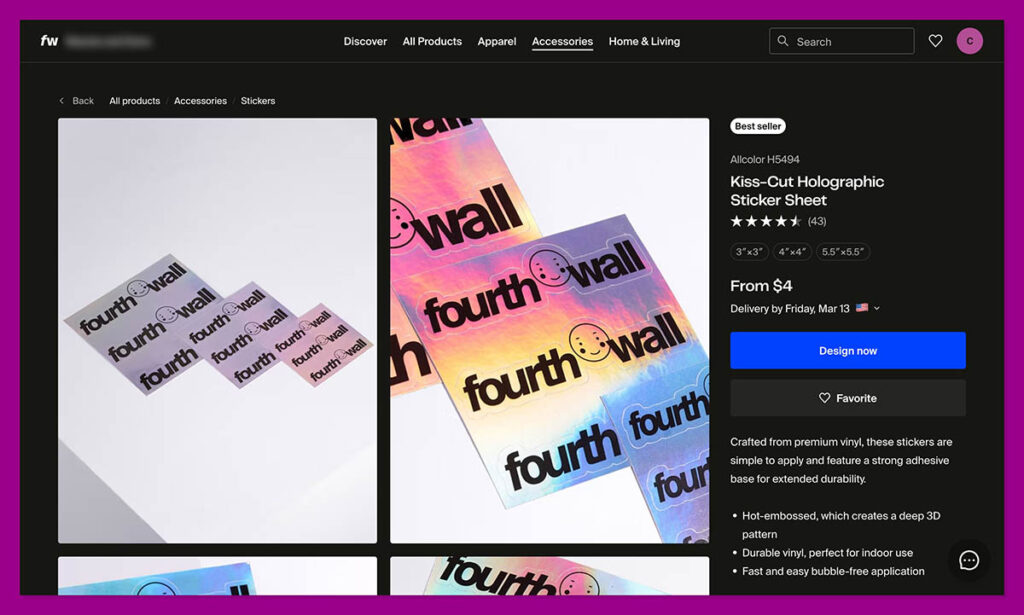
Stickers and magnets are frequently underestimated as "filler" products, yet they possess immense potential when executed thoughtfully. The personalized stickers market is projected to reach $5.1 billion by 2026, a figure driven not by children decorating laptops, but by e-commerce branding, packaging, collectibles, and small-batch creators. The ease with which these items can be sold makes them incredibly attractive.
Stickers are now one of the fastest-growing product categories on Fourthwall. Their low price point makes them an accessible entry point for new fans and an easy add-on purchase for existing customers. This allows creators to gently increase their average order value or enhance the appeal of product bundles without significant risk.
Magnets, in particular, offer a perceived premium over stickers while remaining affordable. They provide a unique way for fans to display their support in a more durable and visible manner than a simple sticker. The low risk associated with these items is further amplified by platforms like Fourthwall, which typically operate on a no-monthly-fee model for store hosting. This means that even if low-ticket items do not sell in high volumes, they do not impose a financial burden.
Mugs and Tumblers: Integrating Brands into Daily Routines
Mugs and tumblers occupy a similar space to t-shirts in their consistent sales performance, consistently ranking among Fourthwall’s top-performing categories. The global drinkware market is substantial, estimated at around $39.6 billion by 2026, and it is characterized by its stability. Unlike trend-driven products, mugs and tumblers are items that consumers use, replace, and purchase as gifts on an ongoing basis.
This consistent demand offers creators a unique opportunity to embed their brand into the daily routines of their audience. A hoodie might be worn occasionally, but a mug is used daily, placing the creator’s brand in constant proximity to their fans. Fourthwall simplifies the testing of this category, with base costs starting at approximately $5-$6, allowing for profitable pricing in the $15-$25 range. Furthermore, by handling fulfillment and customer service, Fourthwall mitigates the common challenges associated with shipping fragile items like mugs, such as dealing with breakage and customer complaints.
Desk Mats and Mouse Pads: Tapping into the Creator and Remote Work Economy
Desk mats and mouse pads are often overlooked by traditional POD merchants but represent a significant and growing market, particularly for creators. Fourthwall highlights these items as surprising successes, and the rationale is clear: creators can seamlessly integrate them into their content. Live streams, gaming sessions, and remote work setups provide natural opportunities to showcase these products. Platforms like Fourthwall that offer direct integration with streaming services like YouTube’s Merch Shelf and Twitch further streamline the purchasing process, allowing viewers to buy without leaving the content they are consuming.
The broader market for desk accessories is experiencing steady growth, fueled by the rise of remote work, gaming, and content creation. Projections indicate this category will reach multi-billion dollar valuations in the coming years, with workspace personalization being a key growth driver. These products, like mugs, are practical and functional, making them easier to justify as a purchase, even for individuals who are not deeply invested in a specific creator’s community.
Plushies and Enamel Pins: Cultivating Deep Community Engagement
Plushies and enamel pins represent a more advanced product category, typically best suited for creators with a highly engaged and committed community. Unlike mass-market items, these collectibles are purchased by dedicated fans seeking to express their deep connection to the creator’s brand. The specialty pin market, for instance, is projected to exceed $5.1 billion by 2033, indicating a strong niche demand.
On Fourthwall, these items are not typically primary offerings but are increasingly appearing in stores that have already established significant traction. They are often tied to specific events, milestones, or community-specific inside jokes, fostering a sense of exclusivity and belonging among fans.
Plushies are particularly effective when a creator has a recognizable mascot or recurring visual theme. These elements can be translated into tangible products that fans can display, gift, or interact with. Both plushies and enamel pins are ideal for limited-time "drops," where the exclusivity of a limited run creates excitement and drives demand.
Strategic Product Collection Development on Fourthwall
The key to success in creator-led e-commerce lies in a strategic approach to product selection and diversification. While starting with proven sellers like t-shirts, stickers, magnets, and mugs is advisable, creators should aim to evolve their offerings as their community grows. Once a strong, dedicated fanbase is established, introducing more premium items like sweaters and crewnecks, plushies, and enamel pins can further deepen engagement and revenue streams.
Fourthwall’s platform is designed to facilitate this experimentation. Creators can test new products with the confidence that they will be of high quality, without the burden of upfront inventory costs. The platform’s integrated approach, allowing for direct sales through streams and content, alongside additional revenue streams like memberships and digital products, simplifies the management of a multifaceted creator business. By handling the complexities of taxes and customer service, Fourthwall empowers creators to concentrate on what they do best: building and nurturing their audience, which ultimately drives long-term sales growth.