

In an increasingly fragmented digital marketing landscape, email continues to stand as an indispensable cornerstone for businesses seeking direct and owned communication with their clientele. As of May 6, 2026, the strategic deployment of email campaigns, ranging from product announcements and welcome sequences to comprehensive newsletters and targeted promotions, provides an unparalleled direct conduit to an audience—a channel notably distinct for its inherent ownership by the business, circumventing the volatile algorithms and policies of third-party social media platforms.
The Enduring Power of Email in 2026: A Foundation of Engagement
The sustained relevance of email marketing is not merely anecdotal; it is firmly supported by compelling data. A recent email engagement report from industry leader Mailjet reveals that a significant majority of consumers across key Western markets—including the U.S., UK, France, Germany, and Spain—express a strong preference for email. Specifically, 75.4% of consumers favor email for receiving promotional messages, while 74% choose it over all other channels for critical transactional communications, such as order confirmations and service updates. This unequivocal preference underscores email’s role not just as a marketing tool, but as a vital component of customer service and relationship management.
The journey of email marketing from simple broadcast messages to sophisticated, personalized interactions reflects its adaptability and enduring value. Initially a basic digital bulletin board in the early 2000s, it rapidly evolved with the advent of automation, segmentation, and advanced analytics. In 2026, email marketing platforms are not just senders; they are integrated hubs that drive customer journeys, foster loyalty, and directly contribute to revenue generation, proving their resilience against the ephemeral nature of newer digital trends.
Navigating a Crowded Market: The Challenge of Platform Selection

Despite email’s undeniable efficacy, businesses face a significant challenge: the sheer volume and diversity of email marketing platforms available. The market is saturated with options, each purporting to be the “best” for specific use cases. Some are meticulously crafted for nascent startups with lean operations, while others are engineered to meet the complex demands of multinational enterprise teams. The spectrum further branches into platforms prioritizing deep automation capabilities versus those championing simplicity and ease of use. This abundance, while offering choice, can quickly become overwhelming for decision-makers.
Recognizing this complexity, industry experts have dedicated considerable resources to evaluating and dissecting the capabilities of leading email platforms. This guide, drawing on years of rigorous testing and analysis, aims to demystify the selection process. It is designed to equip solo founders, small business owners, and expanding marketing teams alike with the insights needed to identify an email solution that not only aligns with current operational workflows but also supports future growth trajectories.
Defining Excellence: Core Criteria for Top Email Marketing Platforms
To objectively assess and recommend email marketing platforms, a stringent set of criteria, developed through extensive practical application and industry understanding, has been applied. These criteria move beyond superficial features to evaluate the foundational elements that define a truly effective and scalable email marketing tool.
-
Intuitive User Experience and Accessibility: A paramount consideration is the platform’s ease of use. In an era where time is a critical commodity, businesses should not be forced to invest heavily in specialized training or external agency support to launch their email initiatives. The best platforms offer clean, intuitive dashboards that simplify list building, campaign creation, and automation setup. A clunky or overly complex interface often translates to reduced adoption and inefficient workflows.
-
Robust and Reliable Automation Capabilities: Modern email marketing transcends simple batch-and-blast campaigns. Effective automation is crucial for delivering timely, relevant messages that nurture leads and enhance customer loyalty. This includes welcome sequences, abandoned cart reminders, post-purchase follow-ups, and re-engagement campaigns. Recommended platforms feature automation builders that are not only simple to configure but also highly reliable in execution, enabling sophisticated customer journeys without requiring coding expertise.
-
Seamless Integration with Existing Tech Stacks: The digital ecosystem of a business is rarely monolithic. Email marketing platforms must integrate harmoniously with other critical business tools, such as e-commerce platforms (e.g., Shopify, WooCommerce), Customer Relationship Management (CRM) systems (e.g., Salesforce), booking software, and analytics dashboards. Strong native integrations or robust API access, often complemented by universal connectors like Zapier, ensure data fluidity and prevent workflow bottlenecks.
-
Transparent and Scalable Pricing Models: Budgetary constraints are a significant factor for small businesses and growing teams. The “best” platforms offer pricing structures that are not only affordable at entry-level but also scale logically as a business expands. This means avoiding prohibitive minimum volume requirements or sudden, steep price increases that can hinder growth. Flexible options, such as pay-as-you-go or tiered plans based on actual usage, are highly desirable.
-
Capacity for Long-Term Scalability: A platform chosen today should ideally be capable of accommodating a business’s growth five years from now. This implies the ability to manage increasingly large subscriber lists, more complex automation workflows, and expanding campaign volumes without necessitating a costly and disruptive migration to a new provider. Scalability ensures that the initial investment continues to yield returns as the business matures.
Understanding the Cost Landscape: Email Marketing Platform Pricing Models
For small businesses and marketing teams operating within defined budgetary parameters, a thorough understanding of email marketing platform pricing is as critical as evaluating feature sets. While many providers entice new users with free plans, these often come with limitations—such as caps on subscribers or monthly sends—that can impede growth as a subscriber list expands.
Common pricing structures typically include:

- Contact-Based Tiers: The most prevalent model, where pricing increases incrementally based on the number of subscribers in your list. This can be predictable but may become expensive for rapidly growing lists, even if email send volume is low.
- Email Volume-Based Tiers: Some platforms charge based on the total number of emails sent per month, irrespective of the contact count. This model can be advantageous for businesses with large, less frequently engaged lists, but might penalize high-frequency senders.
- Feature-Based Tiers: Higher-priced plans often unlock advanced functionalities like A/B testing, advanced automation, dedicated IP addresses, or premium support. Businesses must assess whether these additional features justify the increased cost.
- Hybrid Models: A combination of the above, balancing subscriber counts with send volumes or feature access.
When evaluating pricing, businesses must perform a delicate balancing act between current requirements and long-term strategic objectives. An initially attractive low-cost plan might prove to be a false economy if the platform lacks the scalability or advanced features necessary for future growth, potentially leading to expensive and disruptive migrations later on.
Deep Dive: Leading Email Marketing Platforms for 2026
The current market offers a diverse array of platforms, each with distinct strengths tailored to different business needs.
Mailjet: The Agile Choice for Cost-Conscious Teams
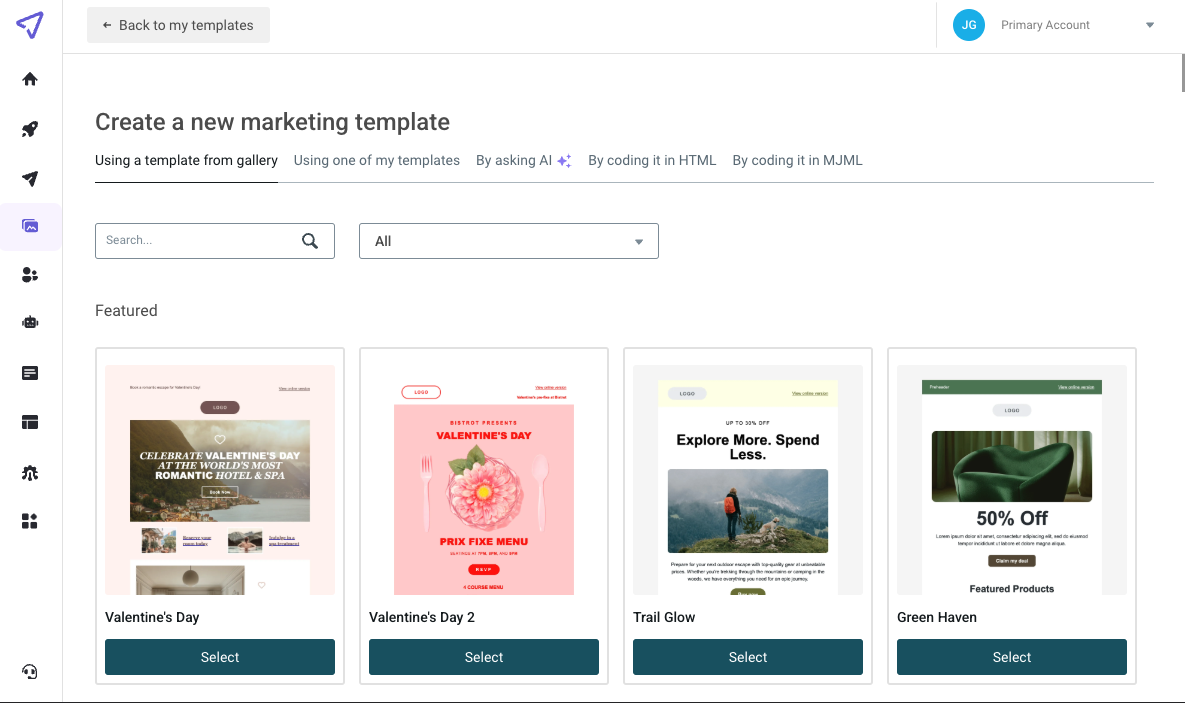
Mailjet distinguishes itself by offering a robust feature set coupled with a highly predictable pricing model. Unlike many competitors, Mailjet primarily charges based on email send volume rather than subscriber count, providing financial clarity as a business’s list expands. Its intuitive interface allows users to seamlessly manage both marketing and transactional emails, design engaging forms, and launch landing pages with minimal technical overhead. This approach makes Mailjet an ideal solution for startups and growing teams seeking powerful email tools without incurring prohibitive costs.
- Key Strengths: Volume-based pricing, unified marketing and transactional email, user-friendly UI, robust API, collaboration features.
- Potential Limitations: Advanced analytics and highly complex automation workflows may require higher-tier plans or be less sophisticated than dedicated enterprise solutions.
- Pricing Structure: Offers a competitive free plan with limited sends, scaling up through Essential and Premium tiers based on monthly email volume. Custom plans are available for high-volume senders.
Mailchimp: The Definitive Entry Point for Beginners
For those embarking on their email marketing journey, Mailchimp frequently serves as the introductory platform, and for valid reasons. It boasts an exceptionally beginner-friendly interface, a generous free plan supporting up to 500 contacts, and an extensive library of templates that facilitate the rapid creation of initial campaigns. However, as marketing strategies mature and subscriber lists grow, businesses may encounter limitations, particularly concerning advanced automation and deep customization, alongside its contact-based pricing model potentially becoming a cost factor.
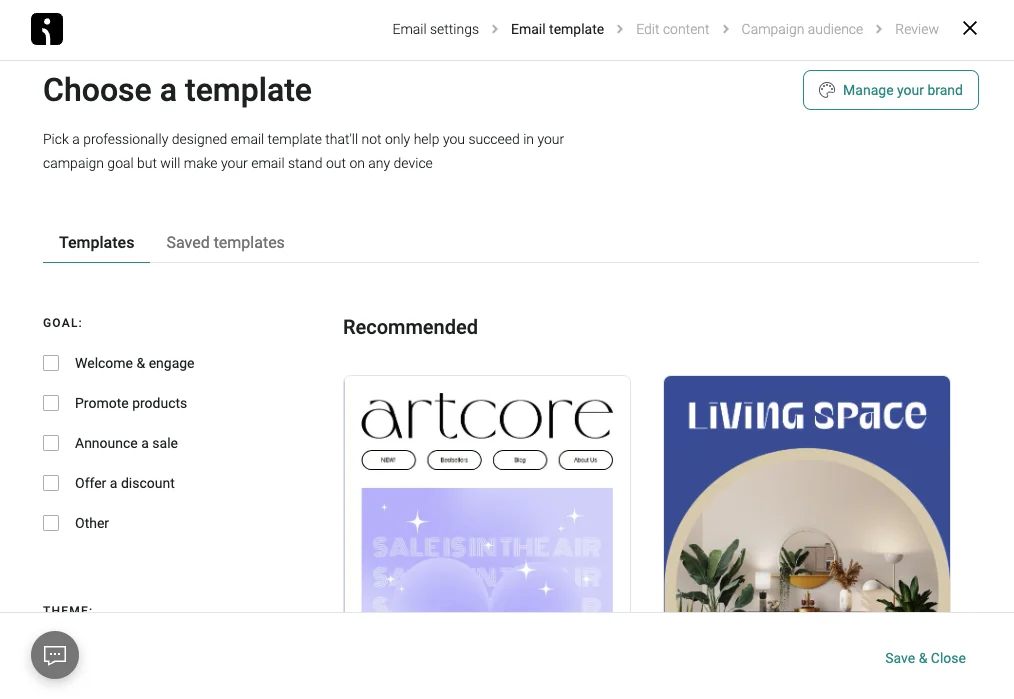
- Key Strengths: User-friendly drag-and-drop editor, wide array of templates, strong free plan, integrated landing pages, comprehensive audience management.
- Potential Limitations: Contact-based pricing can escalate rapidly, advanced automation features are often gated behind higher tiers, less flexibility for highly customized transactional emails.
- Pricing Structure: Free plan up to 500 contacts, then Essentials, Standard, and Premium tiers based on contact count, offering progressively more features.
Kit (formerly ConvertKit): Empowering the Creator Economy
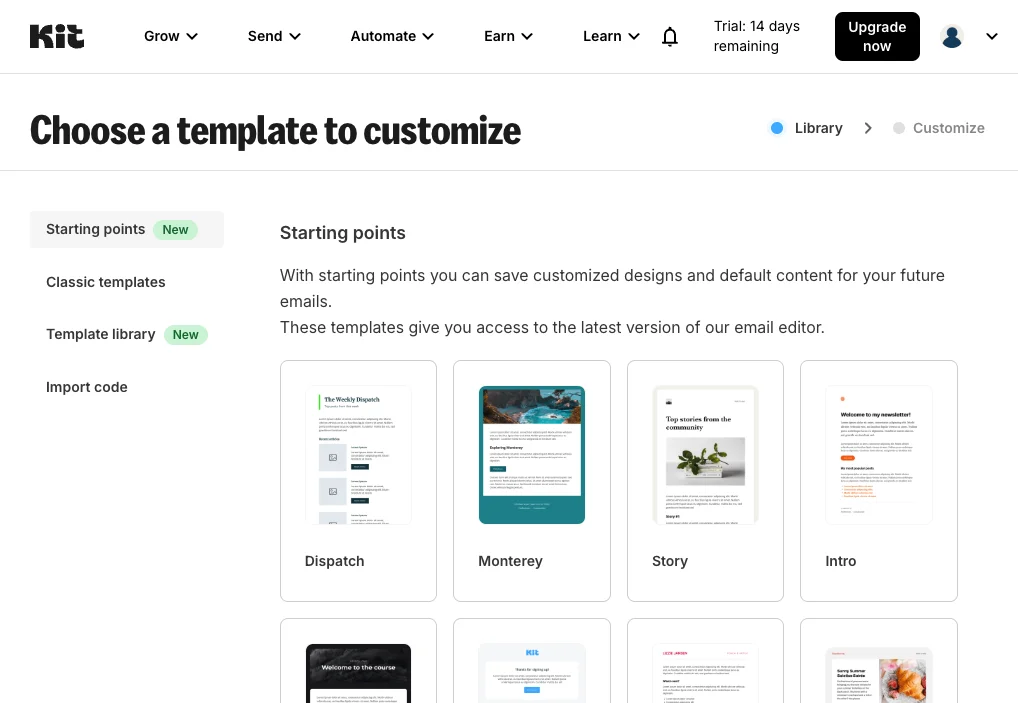
Rebranded as Kit, this platform is meticulously crafted for the unique needs of digital creators—bloggers, YouTubers, online educators, and solo entrepreneurs. Its core strength lies in its ability to facilitate list growth and automate follow-up sequences, even within its free tier which supports up to 10,000 subscribers. Kit excels in delivering subscriber-centric features, making it easy to segment audiences and deliver highly targeted content and product offerings. However, its more advanced multi-sequence automation and sales funnel capabilities necessitate an upgrade to a paid plan.
- Key Strengths: Creator-focused tools, robust subscriber management, landing page and form builders, tagging and segmentation, sales funnels for digital products.
- Potential Limitations: Less emphasis on visual design and complex layouts compared to some competitors, potentially less suited for traditional e-commerce or large enterprise needs.
- Pricing Structure: Generous free plan (up to 10,000 subscribers with basic features), then Creator and Creator Pro plans priced by subscriber count, unlocking advanced automation and features.
Constant Contact: Bridging Email and Social Engagement
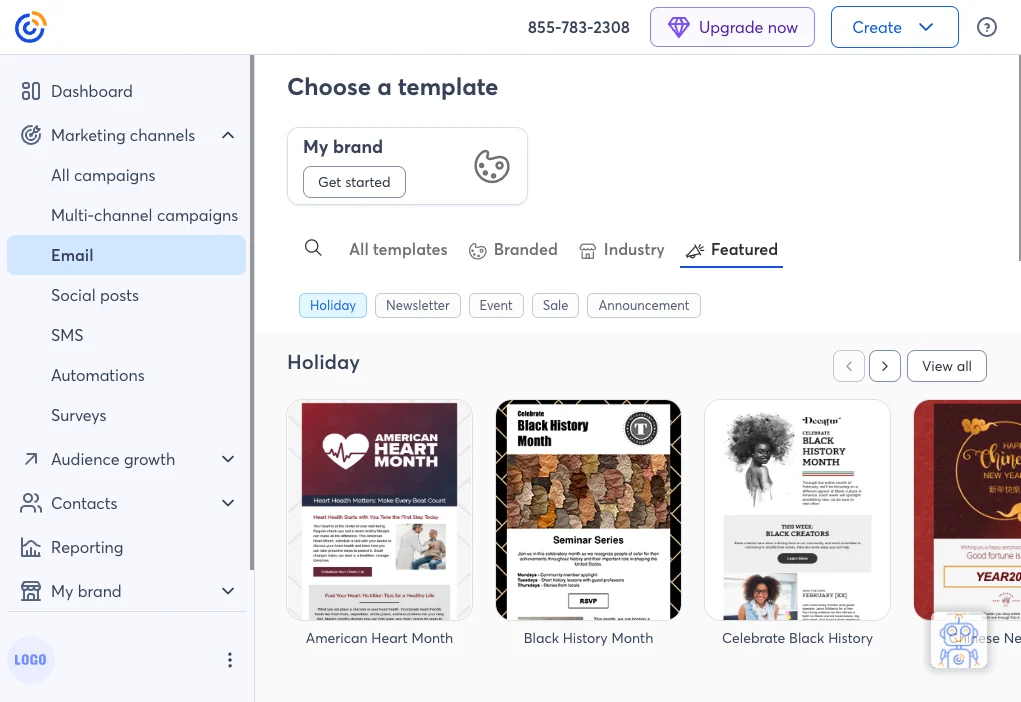
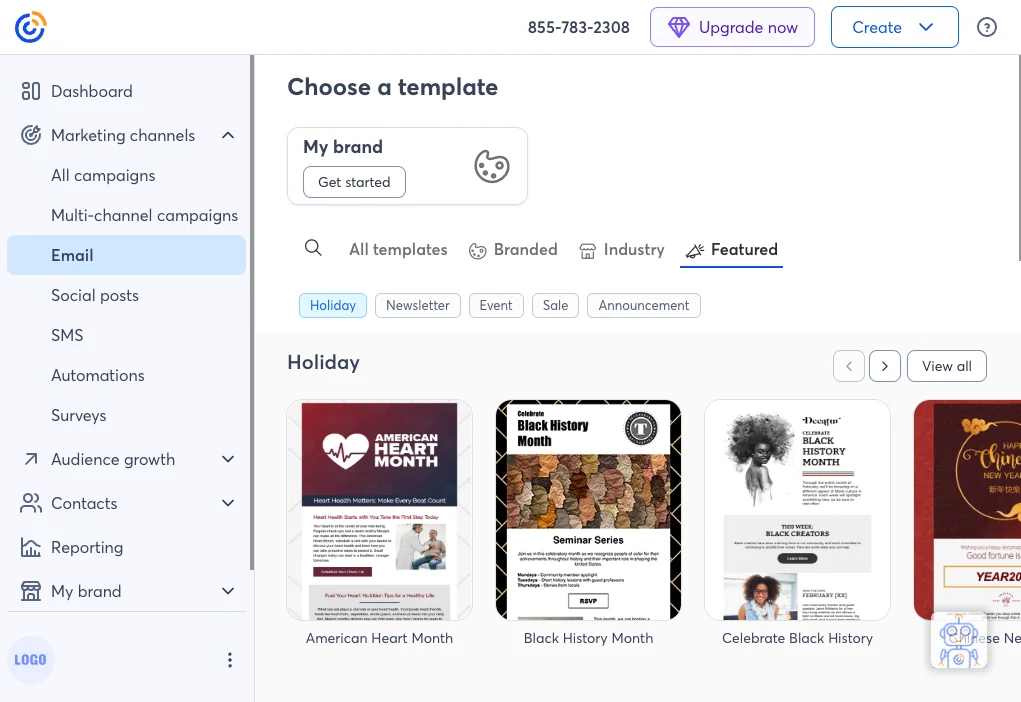
Constant Contact is an excellent choice for brands aiming to seamlessly integrate their email campaigns with a broader social media strategy. Its drag-and-drop editor is intuitive, and the platform consistently delivers solid email deliverability rates. It shines particularly for businesses heavily reliant on platforms like Facebook and Instagram for customer acquisition and engagement. While it offers a comprehensive suite of tools, the more advanced features and higher contact volumes can lead to a significant cost for smaller teams.
- Key Strengths: Strong social media integration, event marketing tools, user-friendly editor, reliable deliverability, comprehensive reporting.
- Potential Limitations: Higher price point for advanced features and larger lists, some automation features may be less sophisticated than dedicated automation platforms.
- Pricing Structure: Core, Plus, and Premium plans, with pricing based on contact count and feature set.
AWeber: A Legacy of Reliability and Simplicity
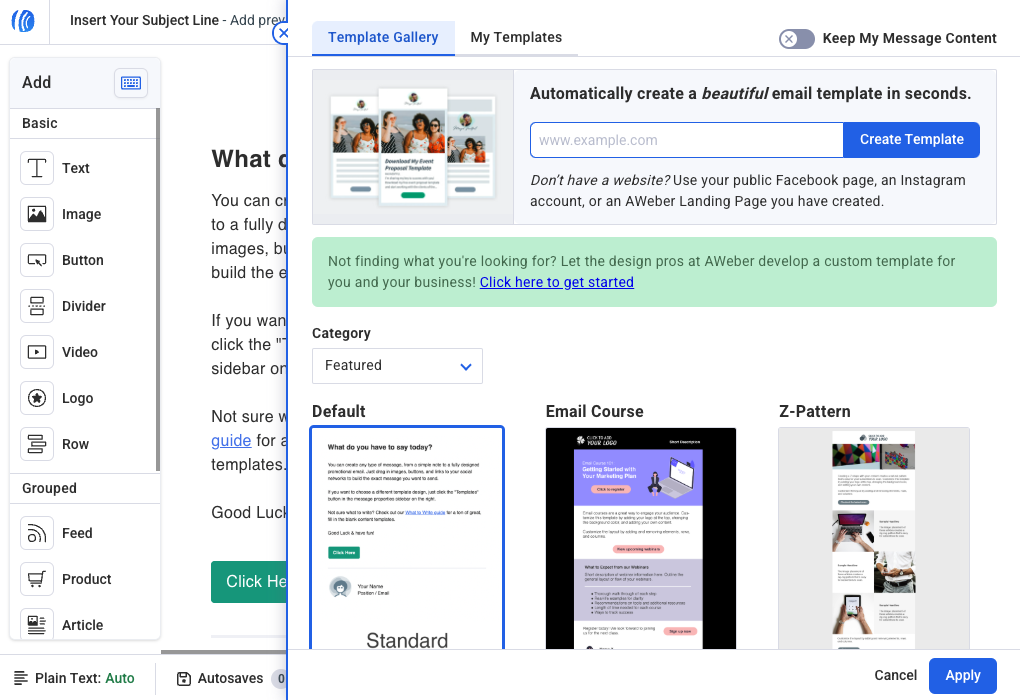
With over two decades of operation, AWeber has established itself as a trusted name among solo entrepreneurs and small business owners. Its platform, known for its straightforward design, includes a wealth of pre-built templates, essential automation capabilities, and integrations with popular platforms such as Etsy and YouTube. While AWeber might not offer the cutting-edge sophistication of some newer entrants, it consistently delivers on core email marketing functionalities, complemented by solid analytics and A/B testing tools.
- Key Strengths: Long-standing reputation for reliability, user-friendly, extensive template library, basic automation, robust analytics, strong customer support.
- Potential Limitations: Interface might feel somewhat dated compared to modern alternatives, advanced segmentation and automation may be less flexible.
- Pricing Structure: A free plan for up to 500 subscribers, then Lite, Plus, and Unlimited tiers based on subscriber count, offering progressively more features.
HubSpot: The Integrated Marketing Ecosystem
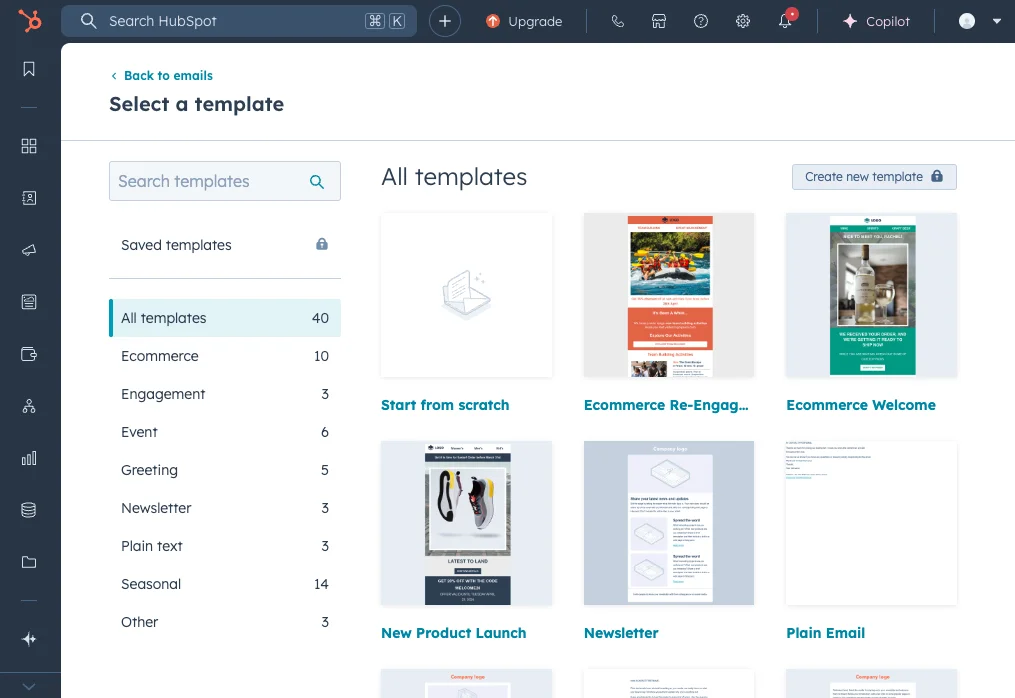
HubSpot transcends traditional email marketing, offering a comprehensive CRM and marketing suite. This all-in-one approach allows businesses to manage contacts, build intricate automated email workflows, and track performance metrics from a single, unified dashboard. Its free tier is surprisingly robust, providing significant value for businesses beginning to consolidate their marketing and sales efforts. However, unlocking HubSpot’s more advanced automation and enterprise-level features typically entails a substantial increase in investment.
- Key Strengths: Integrated CRM, comprehensive marketing suite (email, landing pages, forms, ads), powerful automation, robust analytics, strong sales enablement tools.
- Potential Limitations: Can be significantly expensive for full feature sets, steeper learning curve due to its breadth, potential for feature overload for small teams only needing email.
- Pricing Structure: Offers a generous free CRM, with paid Marketing Hub plans (Starter, Professional, Enterprise) tiered by marketing contacts and features.
Omnisend: Specialization for E-commerce Success
Omnisend is purpose-built with e-commerce brands at its core, offering an omnichannel marketing approach that includes email, SMS, and push notifications directly out of the box, even on its free plan. It excels in delivering features crucial for online stores, such as abandoned cart recovery, product recommendations, and deep integrations with leading e-commerce platforms. While feature-rich, some users have noted that its email deliverability might not always match industry leaders, and its template library, though functional, could benefit from greater visual diversity.
- Key Strengths: E-commerce specific automation (abandoned cart, product recommendations), omnichannel capabilities (SMS, push notifications), robust segmentation, seamless e-commerce platform integrations.
- Potential Limitations: Reported variations in email deliverability, template designs might be less visually diverse compared to some competitors, potentially overwhelming for non-e-commerce businesses.
- Pricing Structure: Free plan with limited emails and SMS, Standard, Pro, and Enterprise plans based on email volume and features.
Brevo (formerly Sendinblue): The Multi-Channel Powerhouse
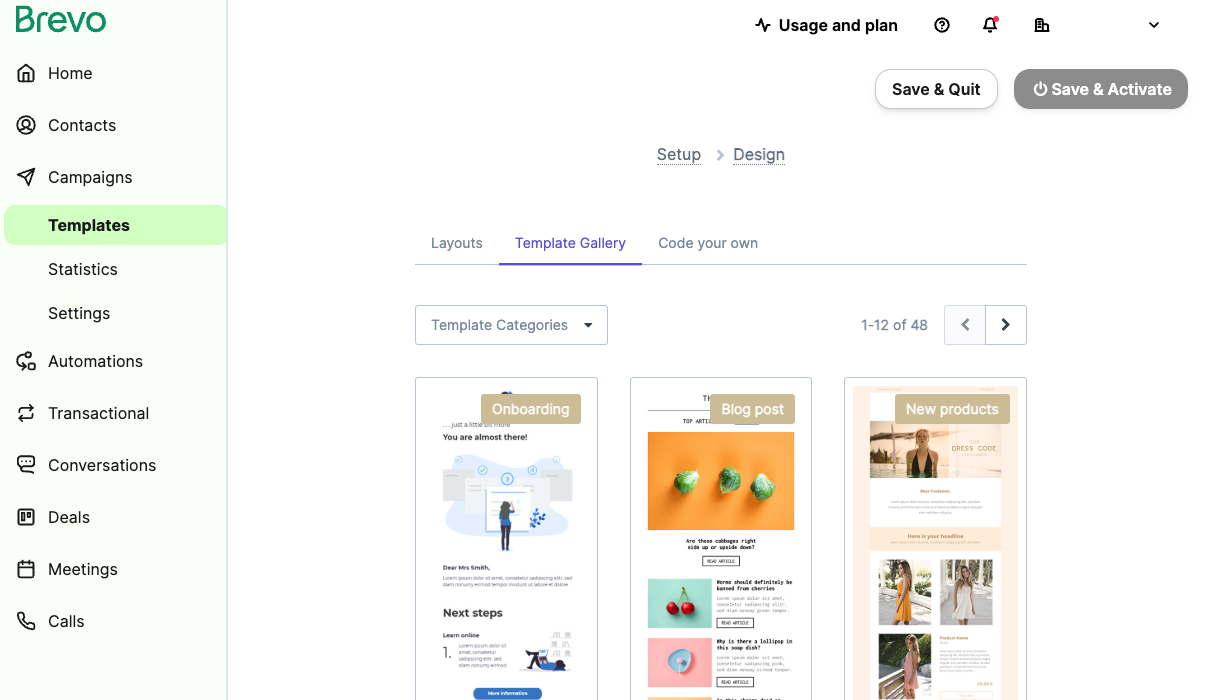
Brevo (previously Sendinblue) provides a unified platform that seamlessly integrates email, SMS, and live chat functionalities. This makes it an ideal choice for businesses aiming to consolidate their communication channels under one roof. Its user interface is commendably clean and easy to navigate, streamlining campaign management. However, businesses seeking deeper analytical insights may find certain limitations on lower-tier plans, requiring an upgrade to access more comprehensive reporting.
- Key Strengths: Unified platform for email, SMS, and live chat, strong transactional email capabilities, intuitive UI, contact-based pricing for email.
- Potential Limitations: Advanced analytics and detailed reporting are often reserved for higher-tier plans, some users report a steeper learning curve for advanced automation.
- Pricing Structure: Free plan for up to 300 emails/day, then Starter, Business, and Enterprise plans based on monthly email volume and features.
ActiveCampaign: Precision Automation for Sophisticated Strategies
ActiveCampaign stands as a robust solution for businesses that aspire to move beyond basic email broadcasts, offering a potent combination of advanced marketing automation and a fully integrated CRM. This platform grants users granular control over the entire customer journey, from intricate multi-step workflows and dynamic content personalization to intelligent segmentation. While ActiveCampaign is undeniably powerful, catering to teams demanding depth and precision, this sophistication comes with a steeper learning curve and a higher price tag.
- Key Strengths: Industry-leading marketing automation, integrated CRM, advanced segmentation, lead scoring, dynamic content, SMS marketing, site tracking.
- Potential Limitations: Significant learning curve for new users, higher price point compared to entry-level platforms, interface can feel complex due to the breadth of features.
- Pricing Structure: Lite, Plus, Professional, and Enterprise plans, priced by contact count and offering increasingly advanced automation and CRM features.
Strategic Alignment: Matching Platforms to Business Archetypes
The optimal email marketing tool is not a universal solution; it is highly dependent on a business’s specific operational context, objectives, and available resources.
-
Small Businesses: For lean teams or solo entrepreneurs, the priority lies in simplicity, affordability, and tools that maximize efficiency. Platforms with intuitive dashboards, responsive customer support, and automations that require minimal technical expertise are ideal. The pricing model should also allow for growth without becoming prohibitive.
-
E-commerce Brands: Online retailers require features that directly impact sales and customer retention. This includes sophisticated abandoned cart recovery sequences, personalized product recommendations, and seamless integrations with popular e-commerce platforms like Shopify or WooCommerce. Behavioral triggers and dynamic content are crucial for optimizing conversion rates.
-
Nonprofits: Organizations operating with limited budgets need email tools that offer discounted rates or dedicated nonprofit plans. Key features include highly customizable templates for impactful storytelling, robust donor segmentation capabilities, and integrations with fundraising platforms to streamline communication and engagement with supporters.
-
B2B Companies: For businesses focused on nurturing leads and advancing sales pipelines, email platforms must integrate tightly with their CRM systems. Features such as lead scoring, sophisticated segmentation for account-based marketing, and tools that support long-term relationship building are paramount to converting prospects into clients.
Making the Informed Decision: A Strategic Imperative
The selection of an email marketing service is a pivotal strategic decision that requires a careful calibration of unique business needs, overarching goals, and available resources. By meticulously evaluating core functionalities, assessing pricing and long-term affordability, ensuring alignment with specific use cases, exploring integration possibilities, confirming scalability, and scrutinizing advanced capabilities and reporting tools, businesses can systematically narrow down their options.
The ultimate “best” email newsletter service for any given business is one that achieves an optimal equilibrium between robust functionality, intuitive usability, and economic viability, while simultaneously offering the necessary flexibility to adapt and scale alongside evolving business requirements. As businesses navigate their email marketing journey, several key takeaways should remain at the forefront:
- Prioritize Core Needs: Focus on what your business must have before being swayed by advanced, potentially unnecessary features.
- Evaluate Scalability: Choose a platform that can grow with your business without forcing a costly migration.
- Test Drive: Utilize free trials or plans to get hands-on experience before committing.
- Consider Support: Reliable customer support can be invaluable, especially for small teams.
- Understand Pricing Models: Be clear about how costs will escalate as your list or send volume grows.
- Integrate Wisely: Ensure compatibility with your existing tech stack to maintain workflow efficiency.
By adhering to these guidelines and diligently assessing the available options, businesses can confidently select an email marketing service that will serve as a powerful engine for driving engagement, cultivating lasting relationships, and ultimately achieving their overarching business objectives in the dynamic digital landscape of 2026 and beyond.
The Future of Email Marketing: Trends and Adaptations
Looking ahead, email marketing is poised for continued evolution, driven by advancements in artificial intelligence, stricter privacy regulations, and an increasing demand for hyper-personalization. AI-powered tools are enhancing segmentation capabilities, optimizing send times, and even assisting in content generation, making campaigns more effective and efficient. Concurrently, global privacy regulations (like GDPR and CCPA) continue to shape how data is collected and used, reinforcing the importance of consent and transparent data practices, which email platforms must inherently support. The emphasis will remain on building genuine, trust-based connections, solidifying email’s role as a private, owned communication channel in a public, often noisy, digital world.
Frequently Asked Questions About Choosing an Email Service
To further clarify common queries, this FAQ addresses critical aspects of selecting and utilizing email marketing services.
What is an email marketing service, and how does it work?
An email marketing service (EMS), or email service provider (ESP), is a specialized software platform designed to help businesses send, manage, and track marketing and transactional emails to a subscriber list. These platforms typically offer a suite of tools including drag-and-drop email editors, customizable signup forms, advanced list segmentation, automation workflows (e.g., welcome series, abandoned cart reminders), and detailed performance analytics. They streamline the entire email campaign process, enabling even non-technical users to execute sophisticated strategies efficiently and ensure compliance with anti-spam regulations.
How many emails can I send per month?
The number of emails you can send per month varies significantly based on the specific provider and your chosen plan. Some platforms offer “unlimited” sends on their higher-tier or business plans, while others impose strict monthly or even daily send limits. It’s crucial to carefully review the email send limits associated with each monthly plan, especially if your business has a large subscriber base or frequently sends bulk emails. Some providers base limits on subscriber count, while others use total email volume.
What are transactional emails, and do I need them?
Transactional emails are automated, system-triggered messages sent in response to a user’s action or specific event, rather than for marketing purposes. Examples include order confirmations, shipping notifications, password reset links, account creation welcomes, and cart abandonment reminders. If you operate an e-commerce store, provide a service that requires user accounts, or manage bookings, transactional emails are absolutely essential. They are critical for customer experience, trust, and often carry legal or operational importance. Many modern email marketing software solutions integrate these into their automation workflows or offer dedicated APIs for robust transactional sending.
Are there affordable email marketing services for small businesses?
Yes, the market offers numerous affordable email marketing tools, many of which provide generous “forever-free” plans or cost-effective basic plans. These typically include essential features such as email sequences, basic automation, access to pre-made email templates, and list management. Platforms like Mailjet, Brevo, and MailerLite are frequently cited as popular choices for budget-conscious users, allowing small businesses to establish a strong email presence without a significant initial investment.
What kind of advanced features should I look for?
Once a business moves beyond basic email sending, advanced features become critical for optimizing campaigns and maximizing ROI. Prioritize tools that offer:
- Sophisticated Segmentation: The ability to segment audiences based on deep behavioral data, demographics, purchase history, and engagement levels.
- A/B Testing & Multivariate Testing: For optimizing subject lines, content, calls-to-action, and send times.
- Dynamic Content: Personalizing email content blocks based on individual subscriber data.
- CRM Integration: Seamless syncing with your customer relationship management system for a unified customer view.
- Lead Scoring: Assigning values to leads based on their engagement, helping sales teams prioritize.
- Advanced Reporting & Analytics: Beyond basic open/click rates, looking at conversion attribution, revenue tracking, and custom dashboards.
- Deliverability Tools: Features like dedicated IP addresses, sender authentication (SPF, DKIM, DMARC), and proactive monitoring to ensure emails reach the inbox.
These features are particularly beneficial for e-commerce brands, content creators, and businesses selling digital products.
Do email marketing tools integrate with my existing tech stack?
The vast majority of reputable email marketing platforms offer a wide array of third-party integrations. These typically include popular e-commerce platforms (Shopify, WooCommerce), CRM systems (Salesforce, HubSpot), analytics tools (Google Analytics), and versatile connectors like Zapier. The depth of integration is key; look for solutions that offer seamless data synchronization, allowing for triggered automations based on actions taken in other systems, ads integration, and comprehensive conversion funnel tracking.
What are some good platforms for e-commerce email marketing?
For businesses running online stores, specialized e-commerce email marketing platforms are often the best fit. Omnisend, Drip, and Klaviyo are strong contenders, purpose-built to address the unique needs of online retailers. They typically support commerce revenue attribution, advanced abandoned cart sequences, product-based segmentation, and sophisticated sales automation workflows specifically tailored to enhance customer lifetime value and drive repeat purchases.
How important is email deliverability?
Email deliverability is paramount; it refers to the ability of your emails to successfully reach the recipient’s inbox rather than being diverted to a spam folder or blocked entirely. Poor deliverability rates render even the most meticulously crafted campaigns ineffective. Businesses should prioritize platforms with a strong sender reputation, robust technical infrastructure, and features that aid in sender authentication (SPF, DKIM, DMARC). For high-volume senders, options like dedicated IP addresses can further enhance control and deliverability.
Can I use email marketing software if I’m a content creator or blogger?
Absolutely. Many email marketing tools are exceptionally well-suited for bloggers, content creators, and digital marketers. They often provide features like intuitive email funnels, visually appealing email campaign templates, customizable signup forms, and robust audience growth tools. These functionalities make them an excellent choice for creators looking to build a loyal subscriber base, promote new content, or sell digital products and courses.
How can I track the performance of my email campaigns?
The best email marketing platforms include comprehensive email tracking and real-time performance reports. Users can monitor essential metrics such as open rates, click-through rates, conversion rates, and bounce rates. More advanced platforms also offer ROI tracking, subscriber engagement scoring, and custom reports that provide deeper insights into key email KPIs, enabling continuous optimization and measurement of success against business objectives.
Should I hire an email marketing agency?
The decision to hire an email marketing agency depends on your internal team’s size, expertise, and the complexity of your campaigns. If your team is small, lacks specialized knowledge, or if your campaigns involve intricate automation and content strategies, an agency can provide invaluable assistance in strategy development, content creation, advanced automation setup, and ongoing optimization. However, for many businesses, a








